Filing A Counterclaim In Small Claims Court
Description
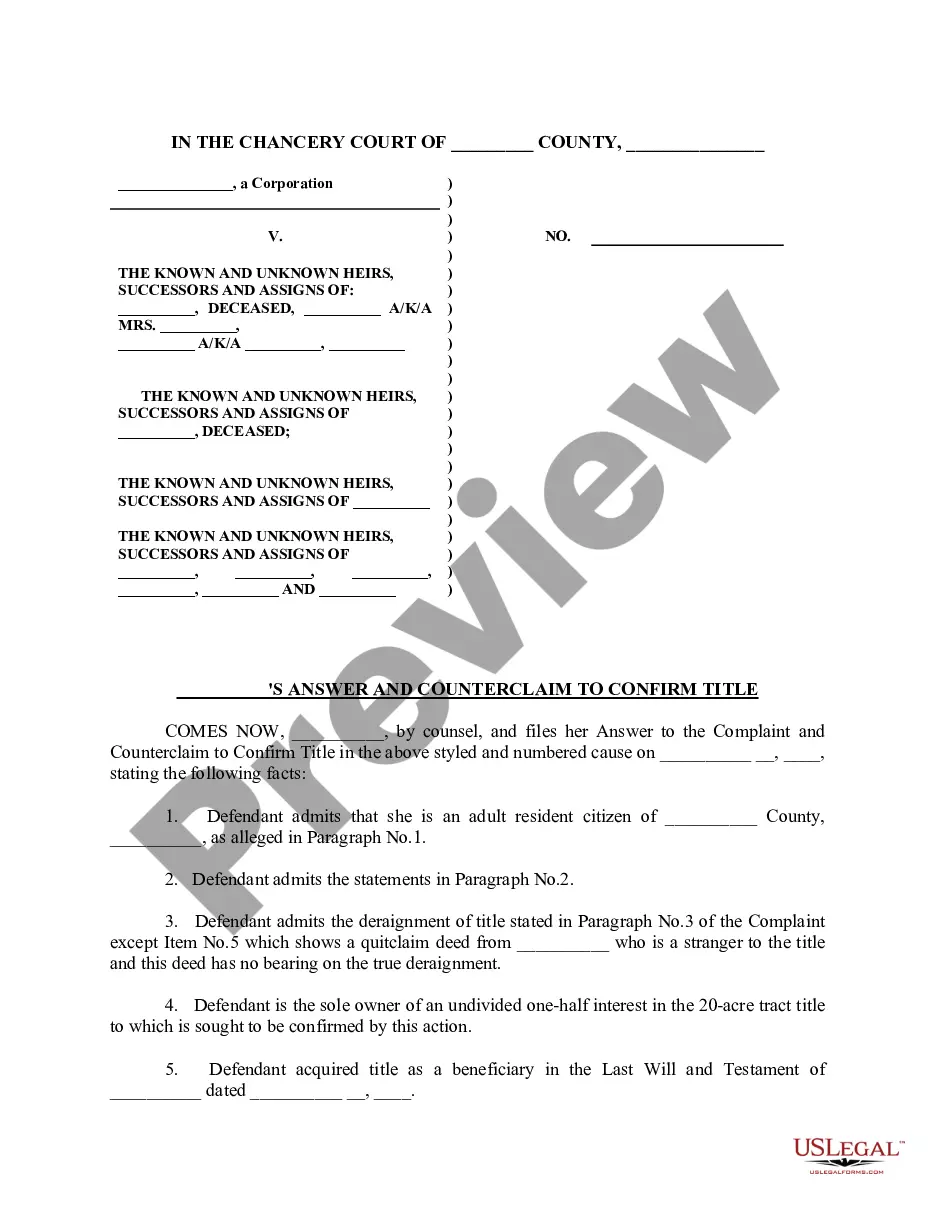
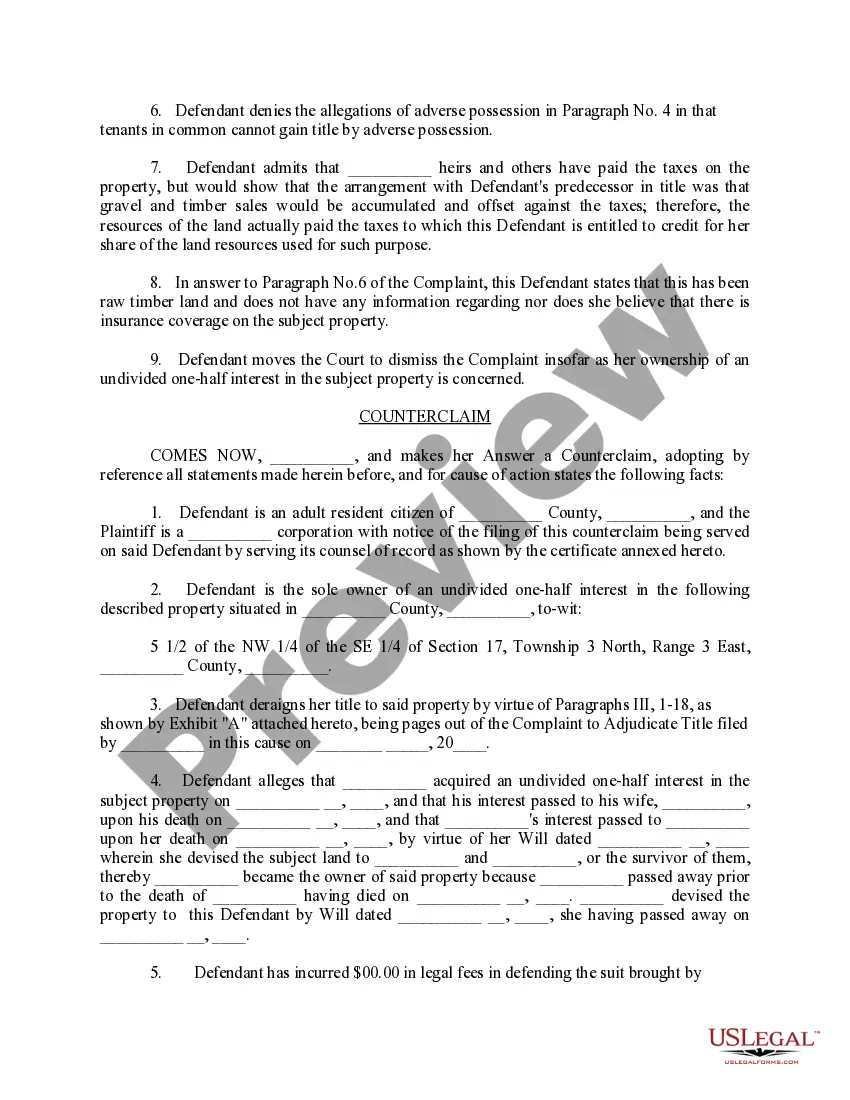
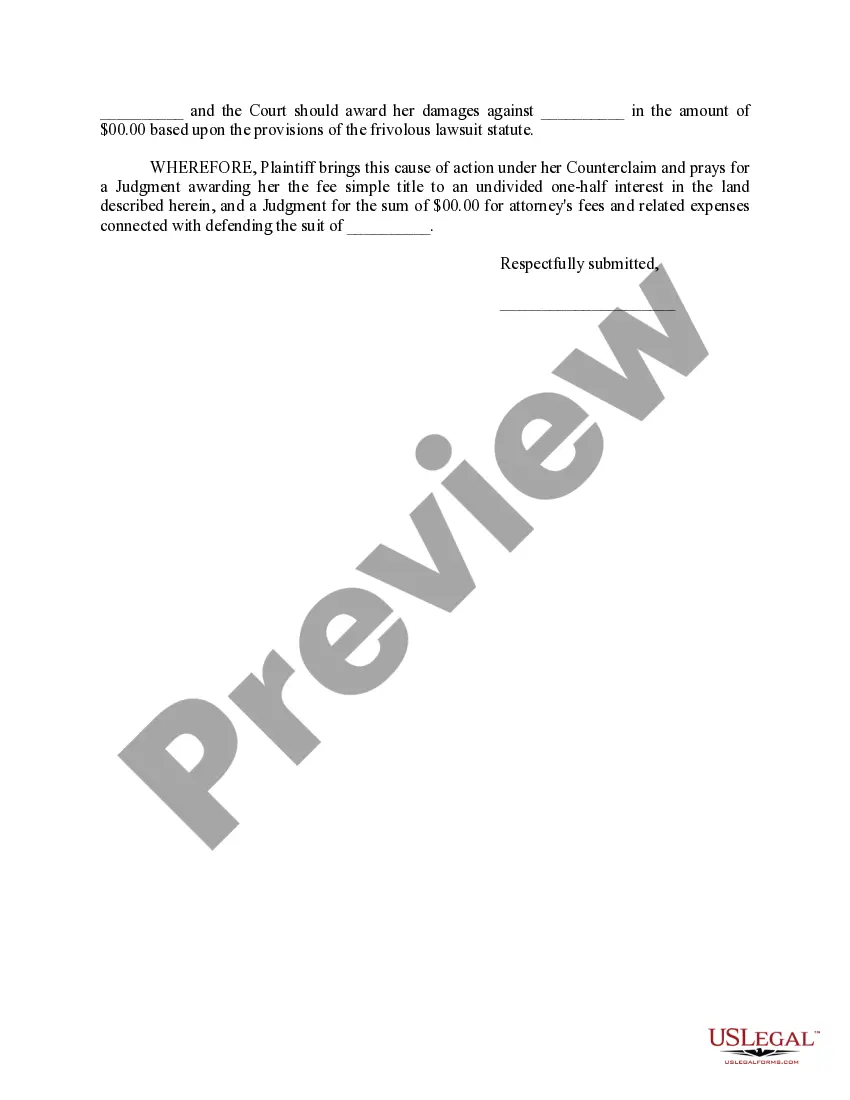
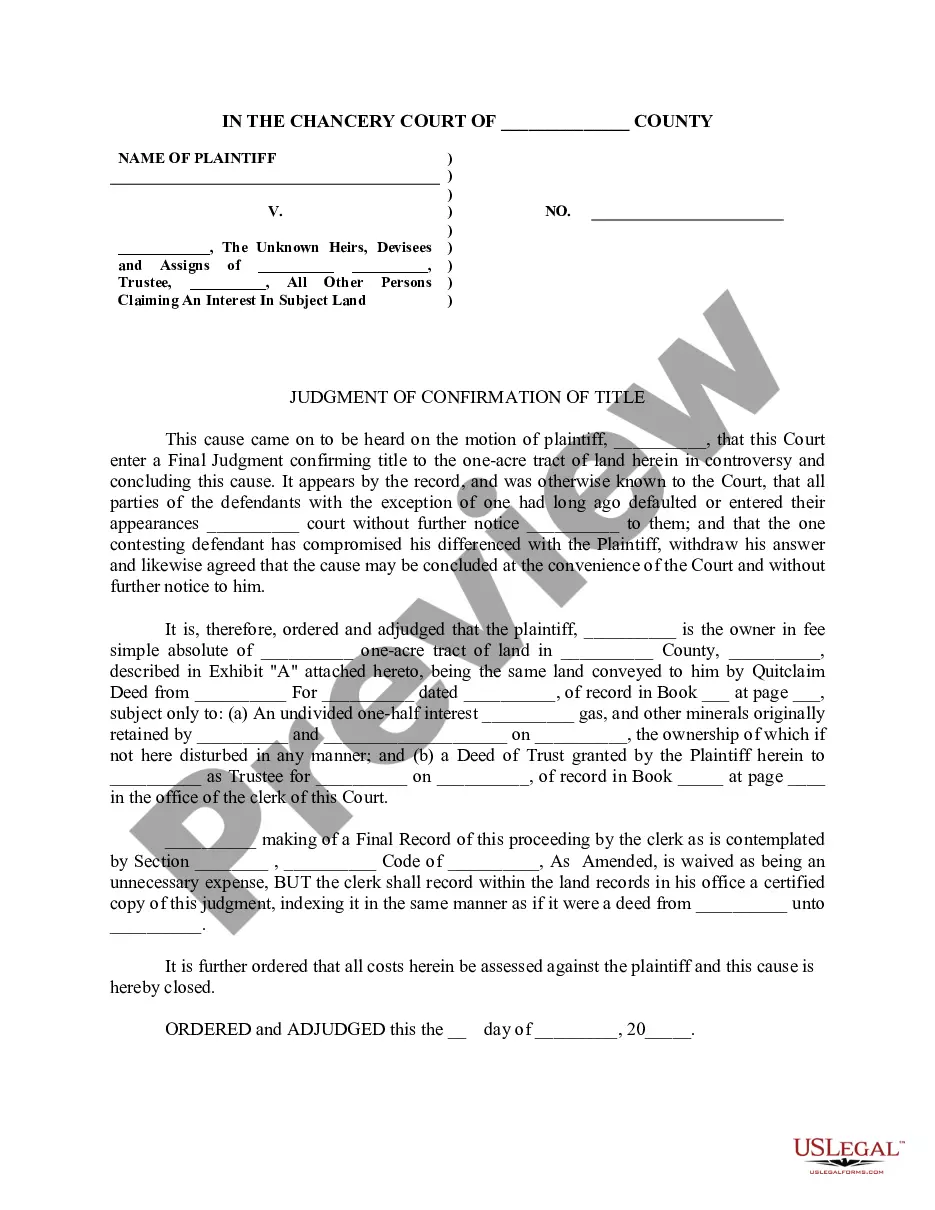
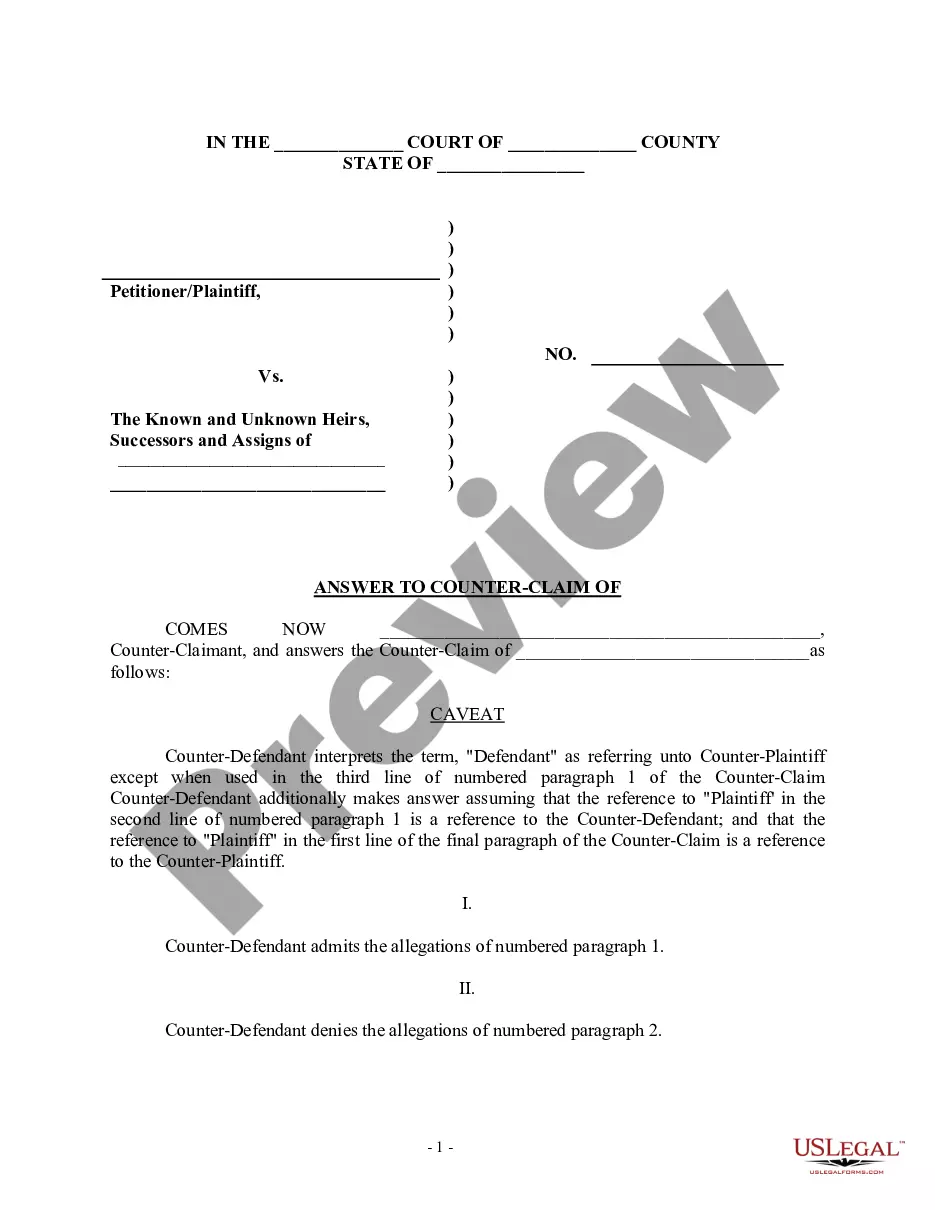
Get your form ready online
Our built-in tools help you complete, sign, share, and store your documents in one place.
Make edits, fill in missing information, and update formatting in US Legal Forms—just like you would in MS Word.
Download a copy, print it, send it by email, or mail it via USPS—whatever works best for your next step.
Sign and collect signatures with our SignNow integration. Send to multiple recipients, set reminders, and more. Go Premium to unlock E-Sign.
If this form requires notarization, complete it online through a secure video call—no need to meet a notary in person or wait for an appointment.
We protect your documents and personal data by following strict security and privacy standards.

Make edits, fill in missing information, and update formatting in US Legal Forms—just like you would in MS Word.

Download a copy, print it, send it by email, or mail it via USPS—whatever works best for your next step.

Sign and collect signatures with our SignNow integration. Send to multiple recipients, set reminders, and more. Go Premium to unlock E-Sign.

If this form requires notarization, complete it online through a secure video call—no need to meet a notary in person or wait for an appointment.

We protect your documents and personal data by following strict security and privacy standards.
Looking for another form?
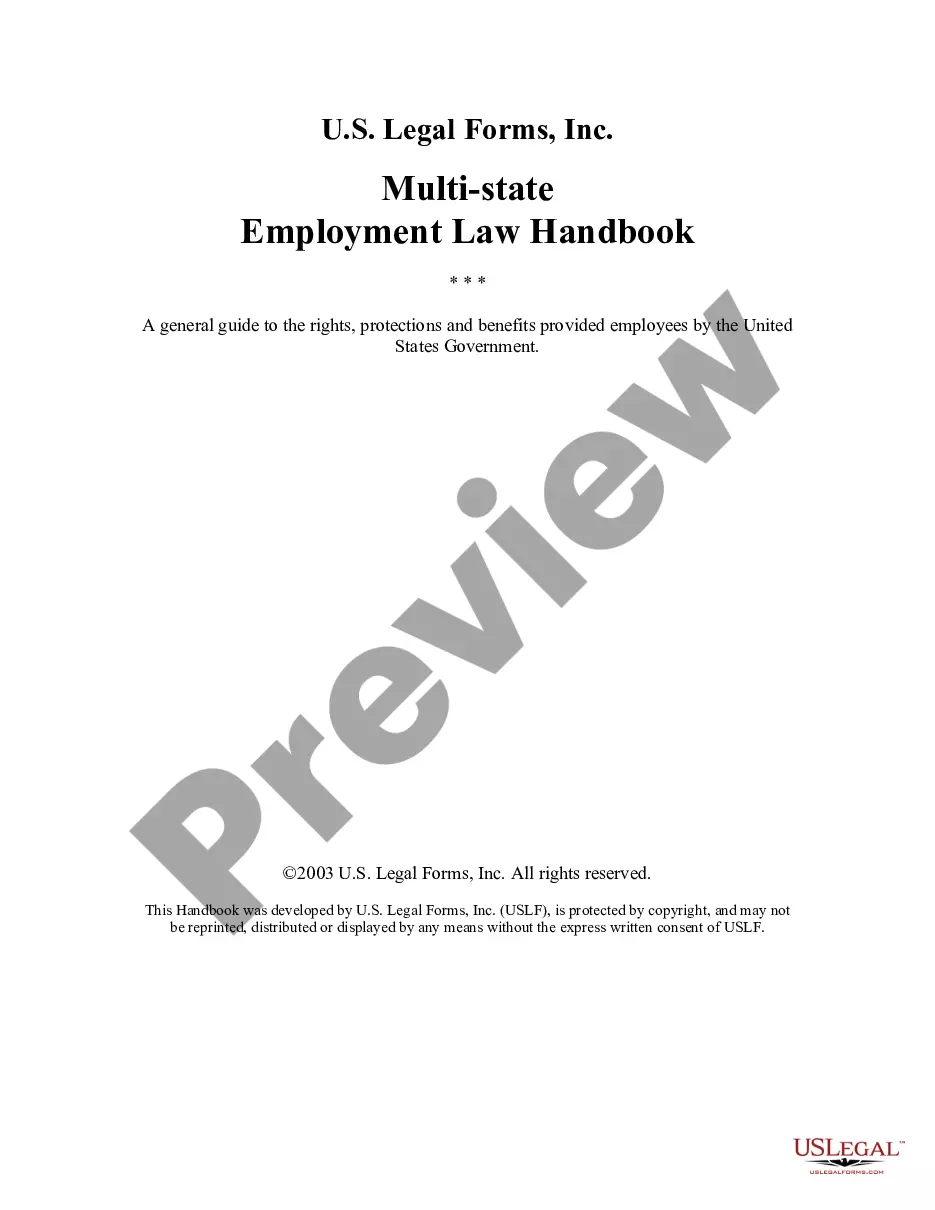
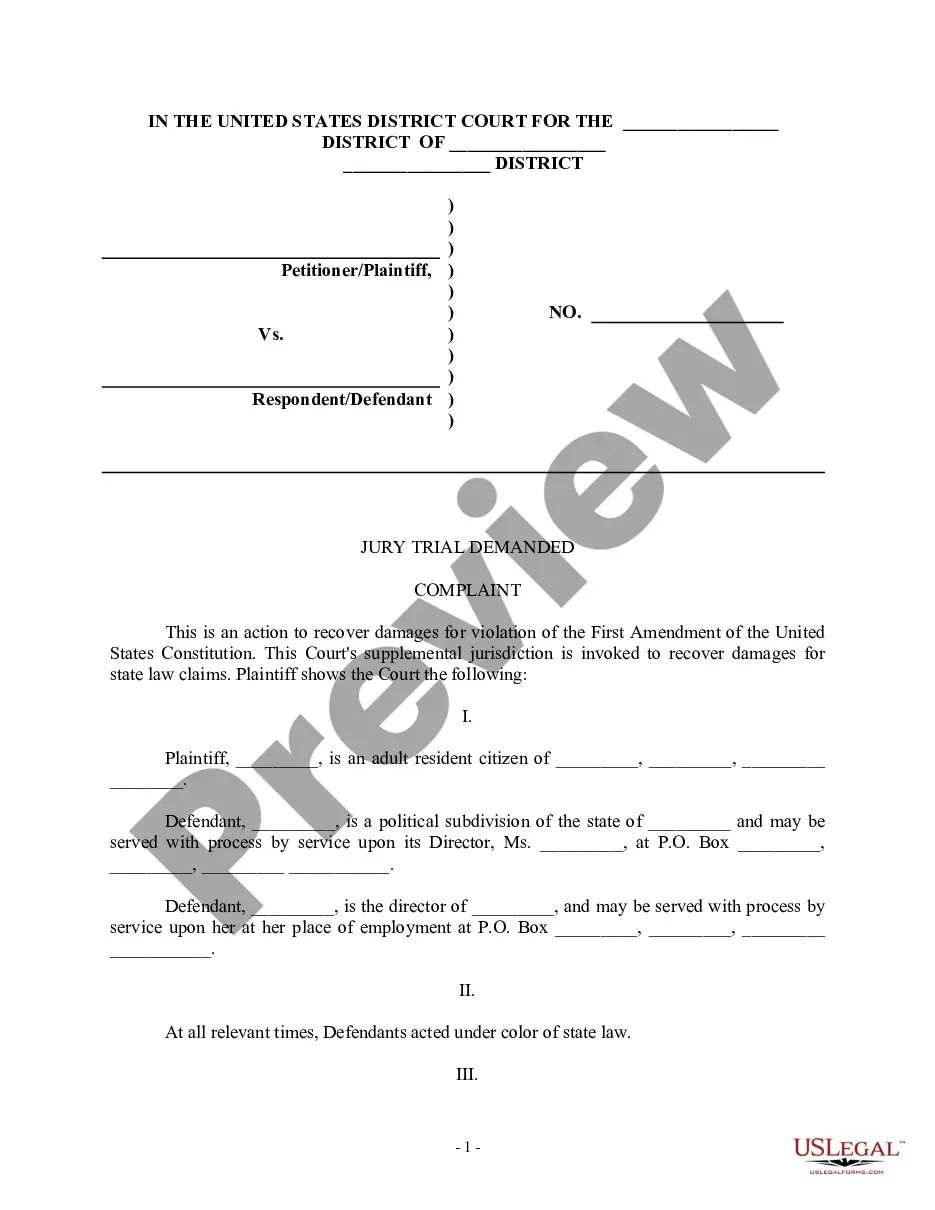
How to fill out Answer And Counterclaim To Confirm Title?
It’s well-known that you cannot become a legal authority instantaneously, nor can you quickly learn how to draft Filing A Counterclaim In Small Claims Court without having the necessary expertise.
Formulating legal documents is a labor-intensive task that demands specific training and abilities. So why not entrust the preparation of the Filing A Counterclaim In Small Claims Court to the experts.
With US Legal Forms, one of the most comprehensive legal template collections, you can find anything from court paperwork to internal corporate communication templates. We understand the importance of compliance and observance of federal and local laws and regulations. That’s why, on our platform, all documents are location-specific and current.
Click Buy now. After the transaction is completed, you can download the Filing A Counterclaim In Small Claims Court, complete it, print it, and send it by mail to the required individuals or organizations.
You can revisit your documents from the My documents section at any time. If you’re a returning customer, simply Log In and find and download the template from the same section.
Regardless of the purpose of your forms—whether they are financial, legal, or personal—our platform has you covered. Give US Legal Forms a try today!
- Start your journey with our platform and obtain the document you require in just a few moments.
- Locate the document you need using the search function at the top of the page.
- Preview it (if this option is available) and review the accompanying description to determine whether Filing A Counterclaim In Small Claims Court matches what you are seeking.
- Restart your search if you require another template.
- Create a free account and select a subscription plan to acquire the form.
Form popularity
FAQ
The main purpose of a counterclaim is to allow the defendant to seek justice or compensation for their own grievances related to the same incident as the original claim. It empowers the defendant to present their side of the story and challenges the plaintiff's claims simultaneously. By using a counterclaim, the legal process can address all relevant issues in one hearing, simplifying the resolution. Consider utilizing US Legal Forms for guidance on this process.
A defendant files a counterclaim in response to a lawsuit when they believe they have a legitimate claim against the plaintiff. This usually occurs when the issues at stake are interconnected, allowing them to resolve all disputes in one court hearing. Timing is crucial, as most courts have deadlines for filing counterclaims after receiving a lawsuit. Understanding this process is essential for effective participation in small claims proceedings.
After a counterclaim is filed, the court will typically schedule a hearing to review both the original claim and the counterclaim. Both parties will present their cases, and the judge will make a decision based on the evidence provided. It’s important to be prepared, as you may need to present documentation or witnesses to support your claims. By filing a counterclaim in small claims court, you ensure your concerns are heard and addressed.
Filling out a counterclaim involves completing a specific form provided by the small claims court. You will need to include information such as the parties involved, the basis of your claim, and the relief you seek. Clearly state how the counterclaim relates to the original claim, as this establishes the connection needed for the court. Many people find tools and templates from the US Legal Forms platform helpful when preparing the necessary documents.
A counterclaim is not the same as suing, although both involve legal action. When you file a counterclaim, you essentially sue the original plaintiff, but it arises from the same situation as the original claim. This means that you seek relief or damages as part of the same court process. Therefore, filing a counterclaim in small claims court can effectively streamline the resolution of all related issues.
To respond to a counterclaim, you must file an answer within a specified time frame set by the court. Your answer should address each point raised in the counterclaim clearly and concisely. Often, this response can include defenses or rebuttals to the allegations made by the defendant. Filing a counterclaim in small claims court adds complexity, so reviewing your response carefully is essential.
In small claims court, the defendant typically files a counterclaim against the plaintiff. This occurs when the defendant believes they have their own claim against the plaintiff stemming from the same incident. By filing a counterclaim, the defendant seeks resolution for their grievances in one consolidated proceeding. It’s a strategic move to address all related issues at once.
Counter suing can be a strategic move if you have a legitimate claim against the original plaintiff. It allows you to seek damages while addressing the lawsuit brought against you. However, assess the strength of your counterclaim and the potential costs involved. Filing a counterclaim in small claims court could be beneficial for achieving a resolution that serves both parties.
Preparing exhibits for small claims court involves selecting documents that support your claims and ensuring they are clearly labeled. Organize your exhibits in a logical order to present them effectively during the hearing. Practice explaining the relevance of each exhibit so you can articulate their importance confidently. For assistance with preparation, consider utilizing USLegalForms to access templates and checklists.
To defend yourself in small claims court, it's essential to gather all relevant evidence and understand the legal arguments against you. Prepare your case by organizing documents, preparing your testimony, and anticipating the other party's claims. Stay calm and present your side clearly and confidently. Resources like USLegalForms can help you prepare your defense effectively.