Request For Production Of Documents California
Description
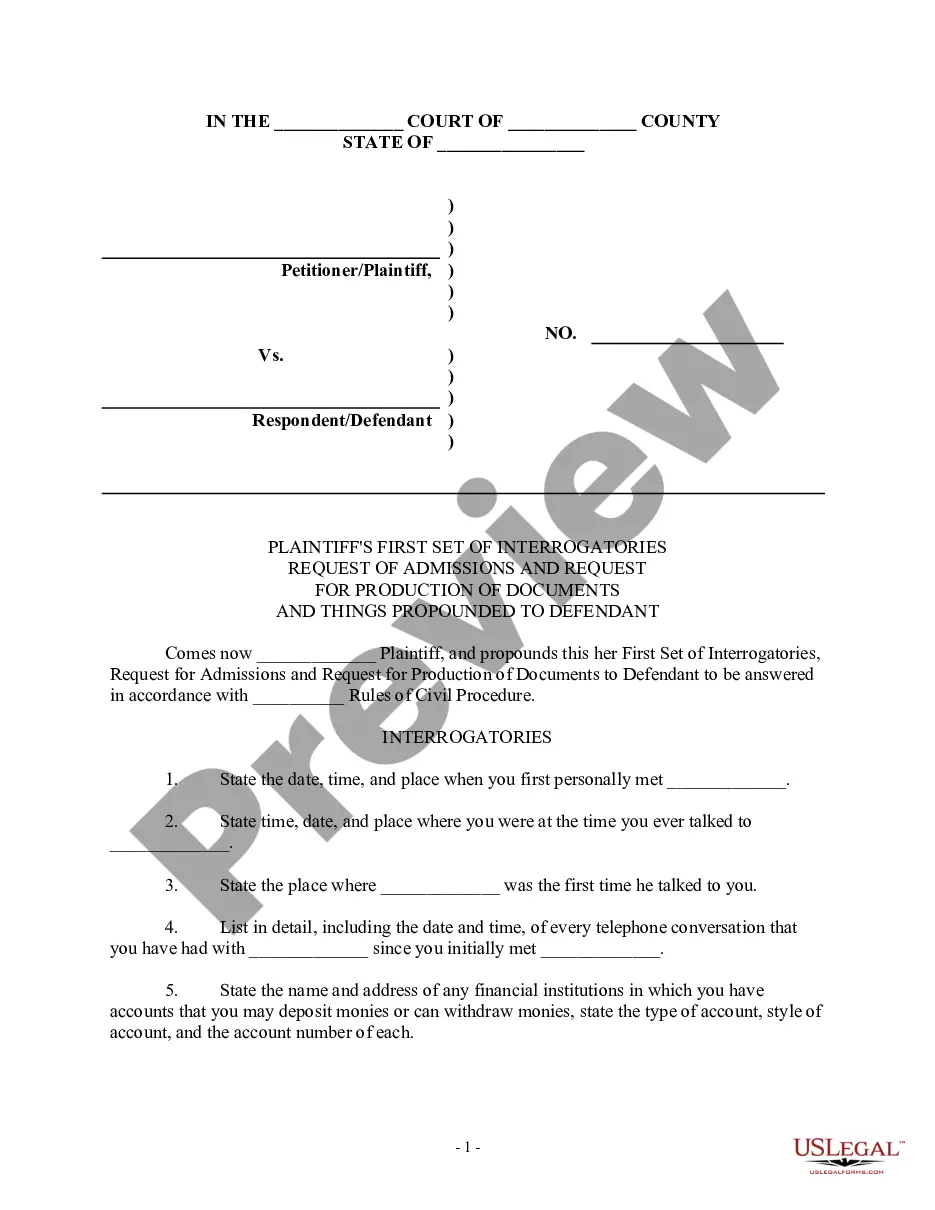
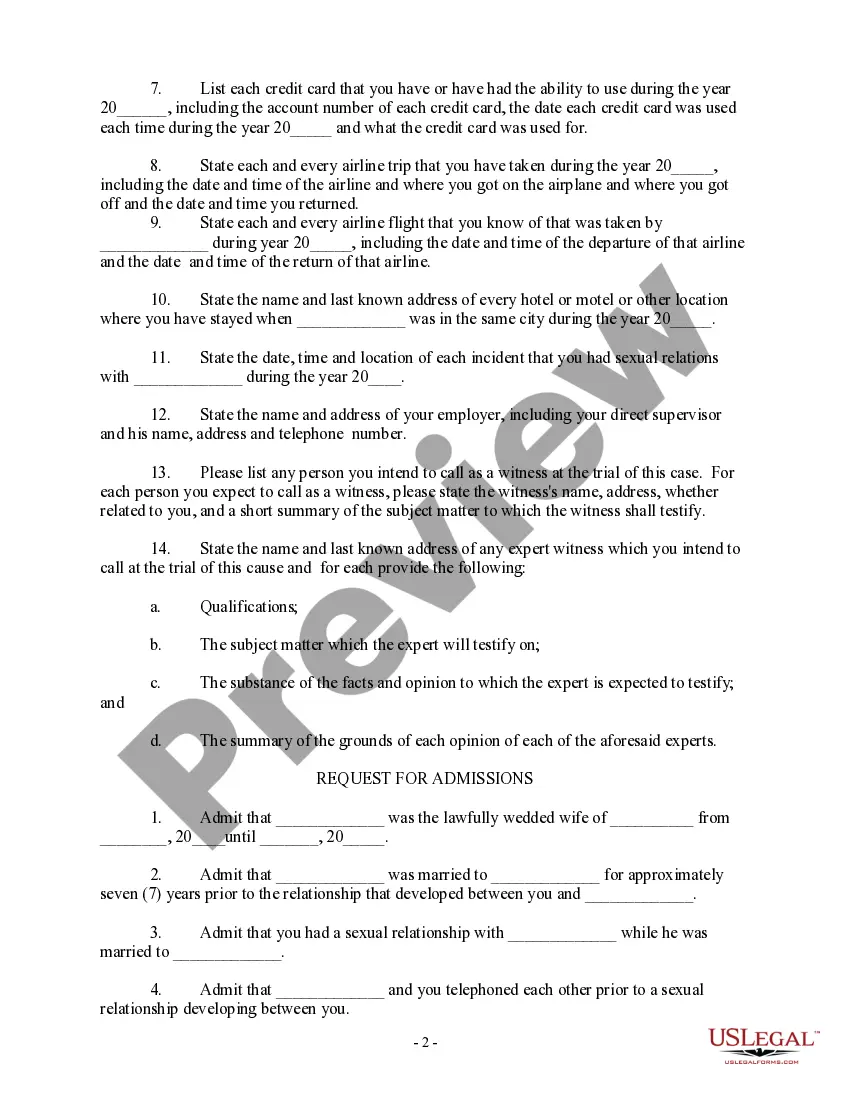
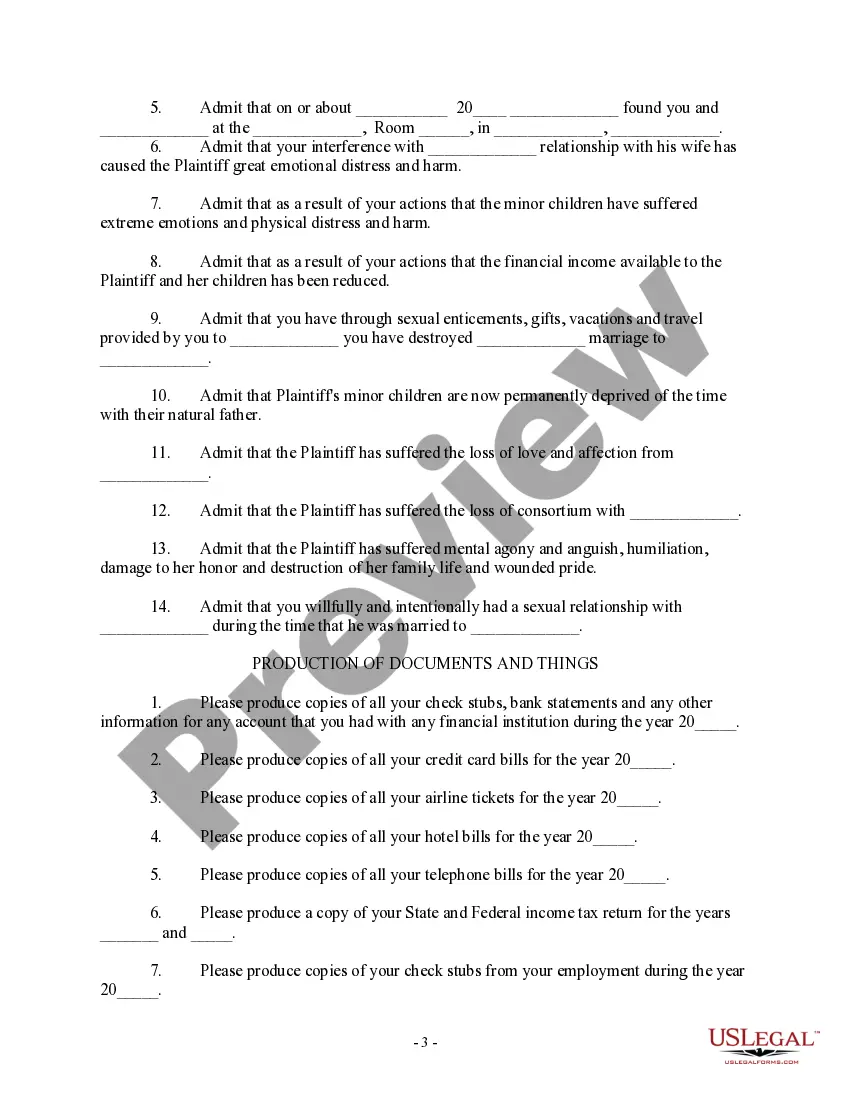
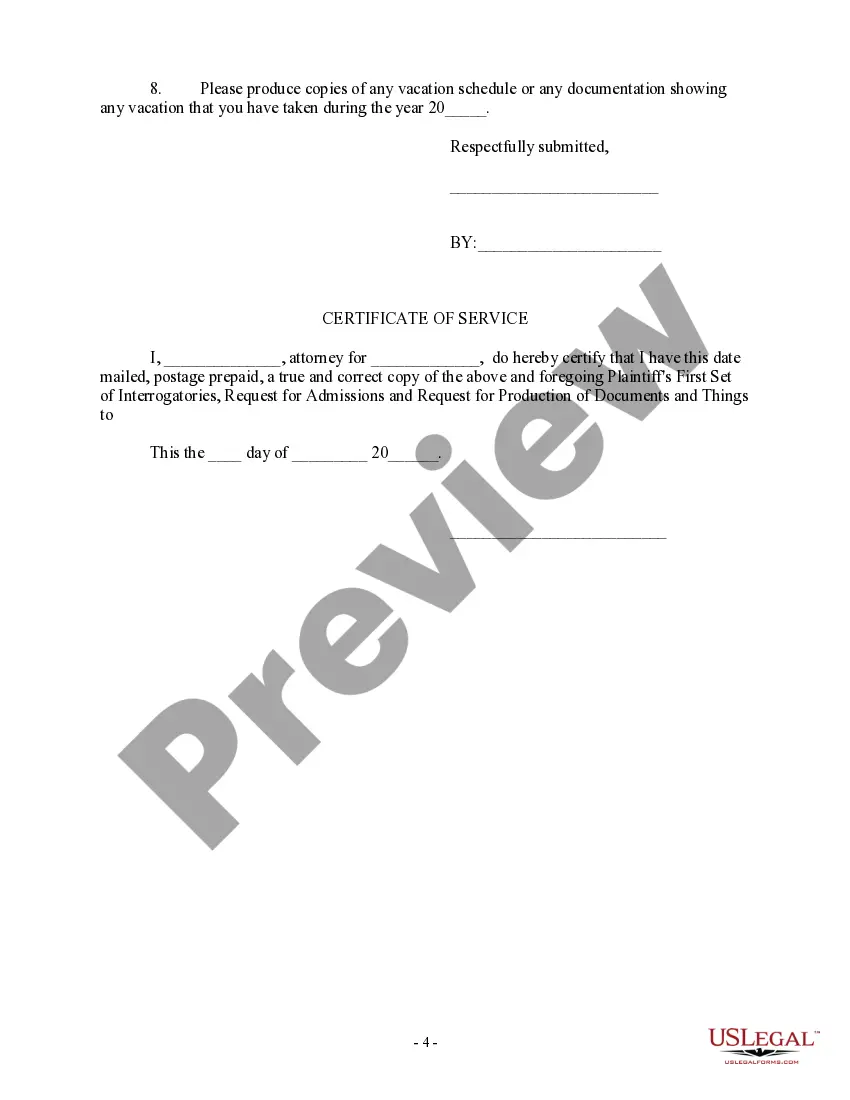
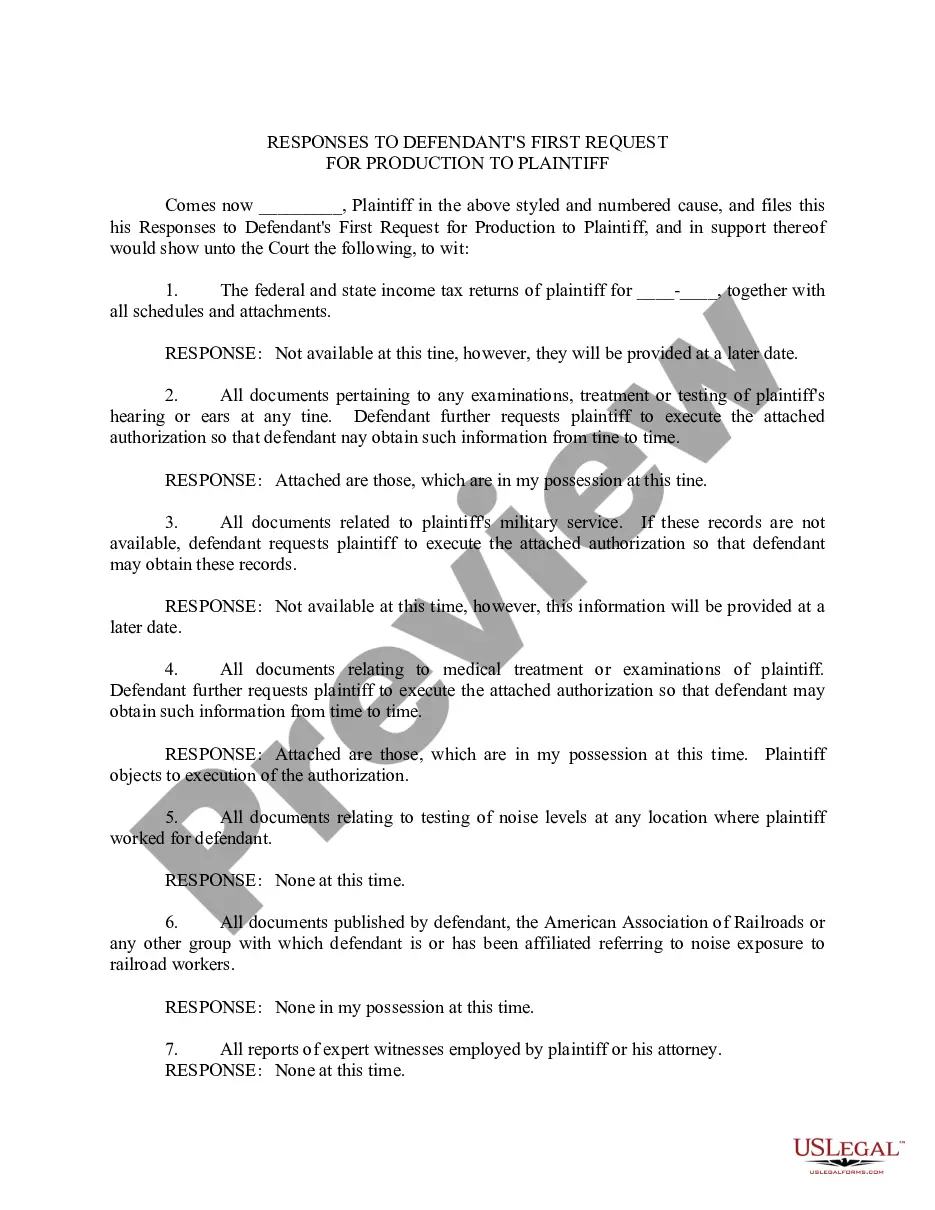
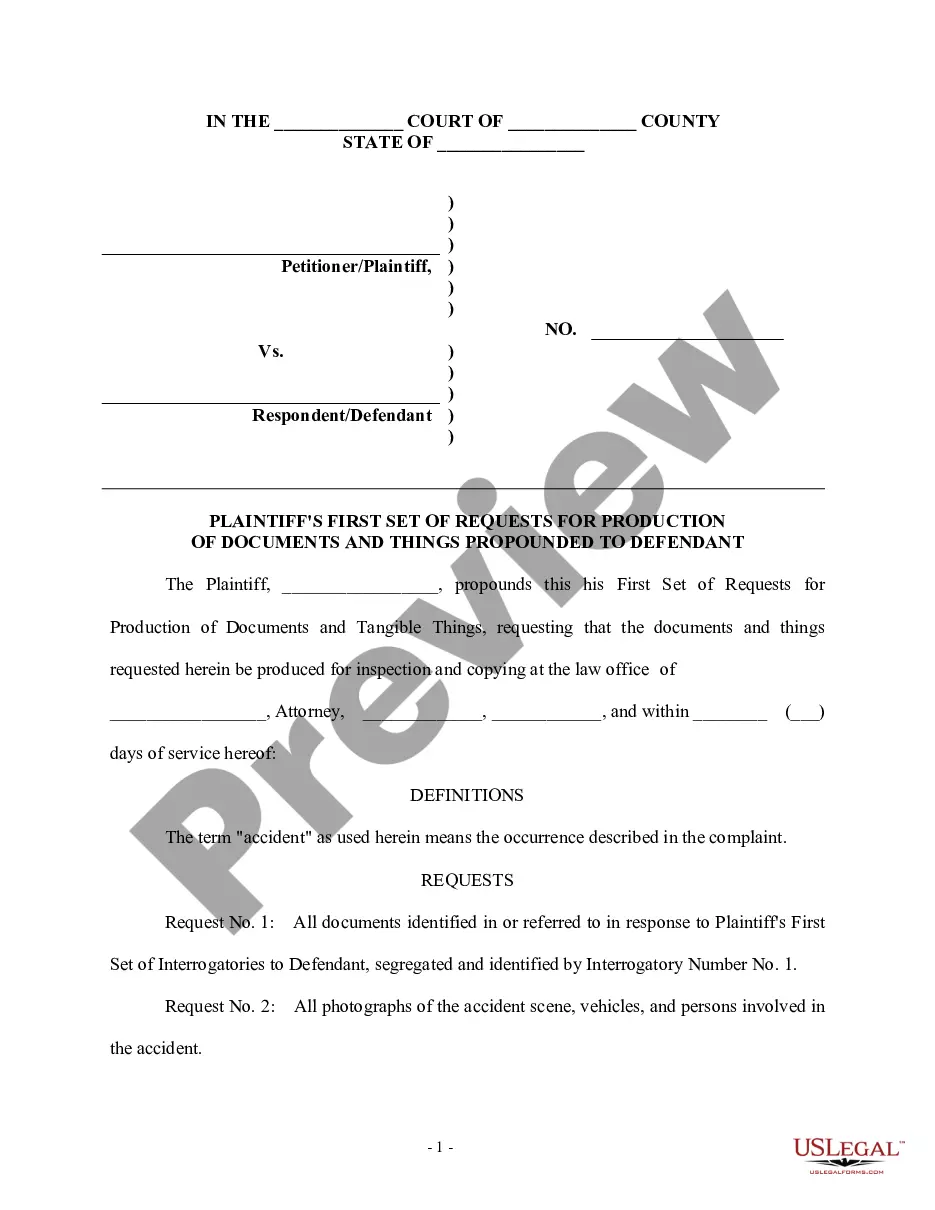
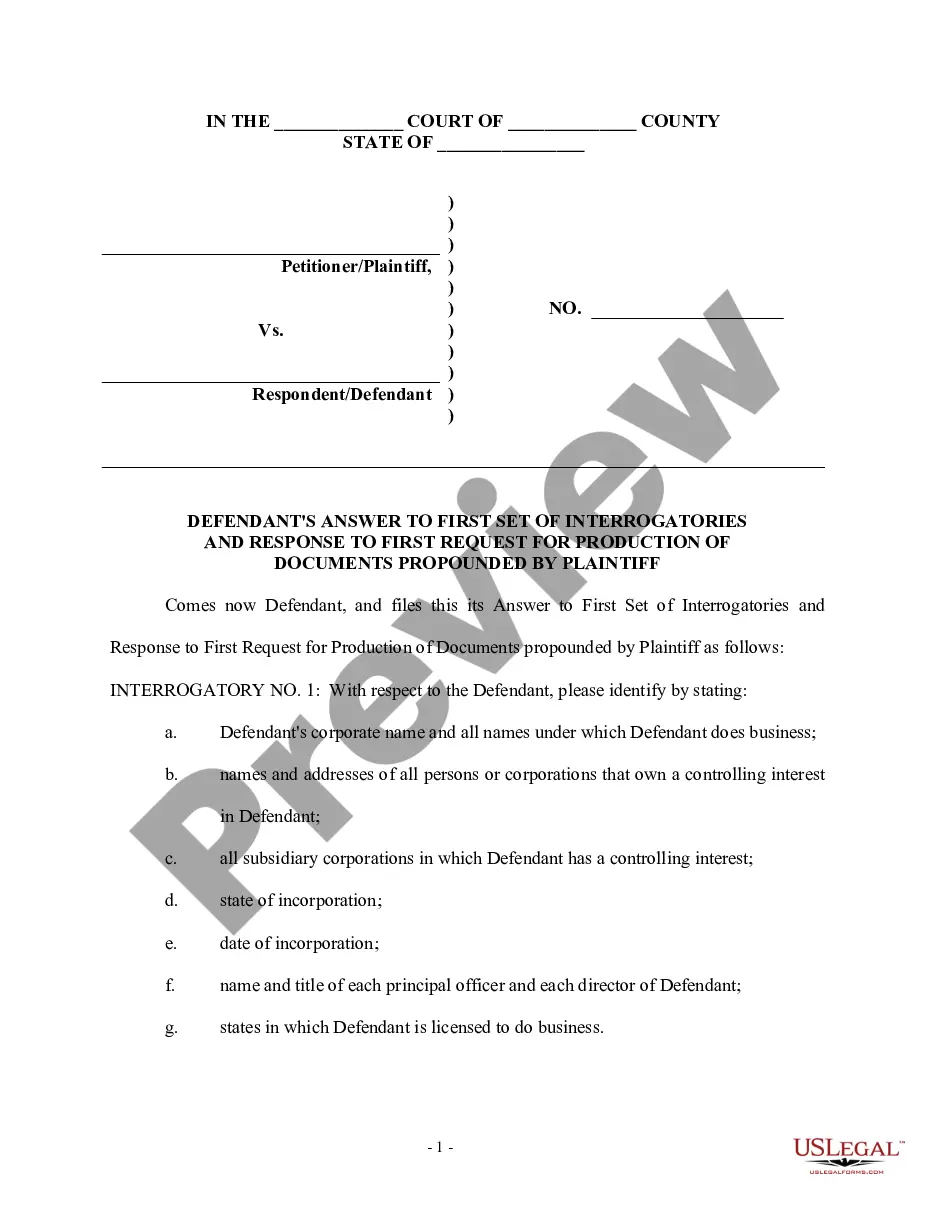
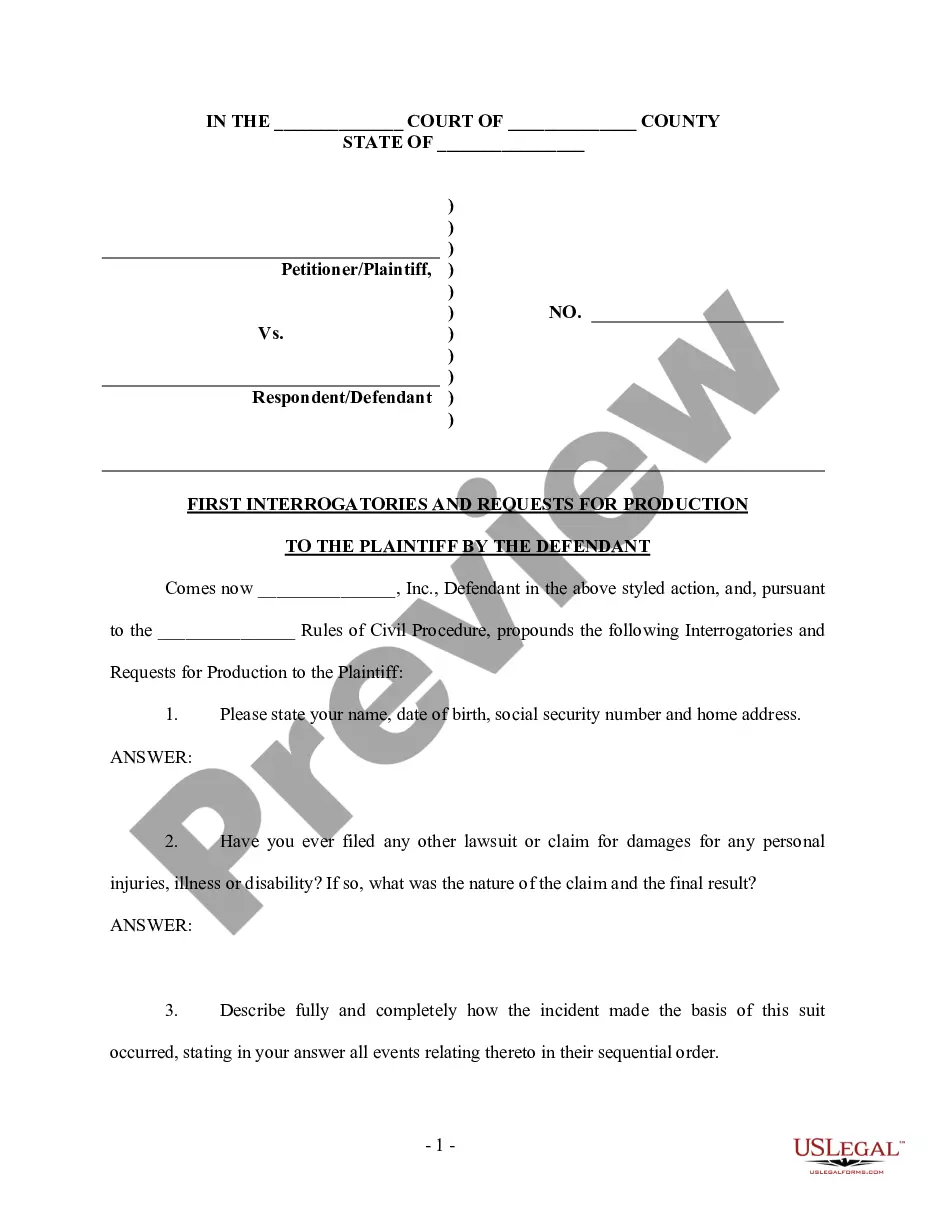
Get your form ready online
Our built-in tools help you complete, sign, share, and store your documents in one place.
Make edits, fill in missing information, and update formatting in US Legal Forms—just like you would in MS Word.
Download a copy, print it, send it by email, or mail it via USPS—whatever works best for your next step.
Sign and collect signatures with our SignNow integration. Send to multiple recipients, set reminders, and more. Go Premium to unlock E-Sign.
If this form requires notarization, complete it online through a secure video call—no need to meet a notary in person or wait for an appointment.
We protect your documents and personal data by following strict security and privacy standards.

Make edits, fill in missing information, and update formatting in US Legal Forms—just like you would in MS Word.

Download a copy, print it, send it by email, or mail it via USPS—whatever works best for your next step.

Sign and collect signatures with our SignNow integration. Send to multiple recipients, set reminders, and more. Go Premium to unlock E-Sign.

If this form requires notarization, complete it online through a secure video call—no need to meet a notary in person or wait for an appointment.

We protect your documents and personal data by following strict security and privacy standards.
Looking for another form?
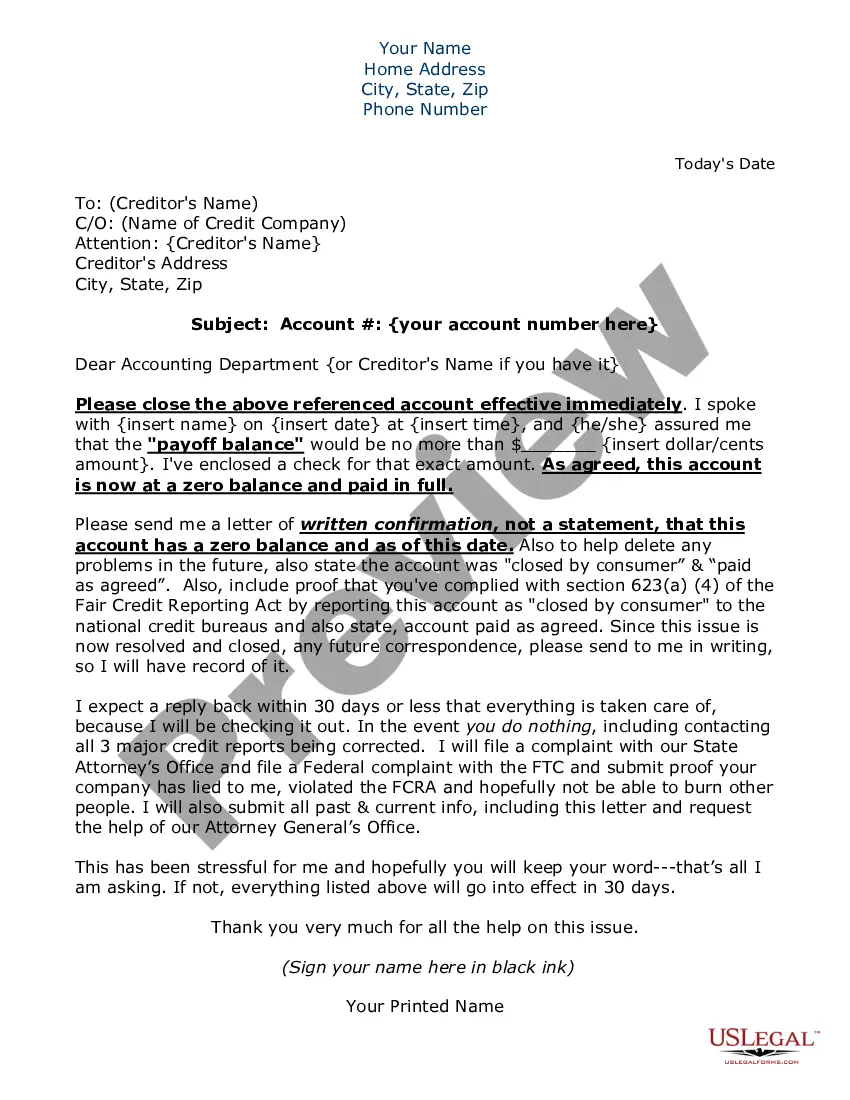

How to fill out Plaintiff's First Set Of Interrogatories And Request For Production Of Documents?
Creating legal documents from the ground up can frequently feel somewhat daunting.
Certain circumstances may entail extensive research and significant expenses.
If you're looking for a simpler and more affordable approach to drafting Request For Production Of Documents California or any other forms without unnecessary complications, US Legal Forms is always accessible.
Our online repository of over 85,000 current legal forms addresses nearly every aspect of your financial, legal, and personal needs. With just a few clicks, you can swiftly obtain state- and county-specific templates meticulously prepared for you by our legal experts.
Review the document preview and descriptions to ensure you have located the correct form. Confirm that the form you select complies with the regulations and laws of your particular state and county. Choose the most suitable subscription option to purchase the Request For Production Of Documents California. Download the file, then complete, certify, and print it out. US Legal Forms boasts a solid reputation and over 25 years of experience. Join us now and make document processing a straightforward and efficient task!
- Utilize our website whenever you require dependable services to easily locate and download the Request For Production Of Documents California.
- If you're already familiar with our site and have previously established an account with us, simply Log In to your account, find the template, and download it immediately or re-download it later from the My documents tab.
- Not registered yet? No worries. Setting up an account only takes a few minutes so you can explore the library.
- However, before diving straight into downloading Request For Production Of Documents California, consider the following advice.
Form popularity
FAQ
The purpose of a request for production of documents is to enable both parties in a legal dispute to exchange relevant information. This request facilitates transparency, helping each side to understand the core issues and supporting evidence. By ensuring that all pertinent documents are shared, parties can negotiate settlements or prepare for trial more effectively. Knowing the purpose behind a request for production of documents in California enhances your approach to the discovery process.
When responding to requests for production of documents in California, it is important to review each request carefully. Determine whether you have the requested documents and assess the relevance to your case. If documents exist, provide them within the designated timeline, and if you cannot produce certain documents, clearly explain your reasons. Using resources from US Legal Forms can guide you in creating a structured and compliant response.
A request for production of documents in California is a legal tool used during the discovery phase of litigation. It allows one party to ask another to provide specific documents related to the case. This process is crucial for gathering evidence, understanding the opposing party's position, and building a strong case. Knowing how to effectively implement a request for production of documents in California can significantly impact your case's success.
When drafting a request for production of documents in California, focus on obtaining relevant documents that support your case. Request items that are in the possession of the other party, such as contracts, communications, and financial records. Be specific in your language to avoid vague requests, and ensure that your requests align with the needs of your legal strategy. Utilizing platforms like US Legal Forms can help you design precise requests tailored to California's legal standards.
Requests for Admission (RFAs) in California also do not have a strict limit, but they should relate directly to the case at hand. Like RFPs, RFAs need to be reasonable and relevant, focusing on genuine issues to avoid unnecessary disputes. Overloading your requests can complicate the process and lead to objections. Using US Legal Forms can help streamline the formulation of RFAs that are clear and purposeful.
California law does not impose a cap on the number of Requests for Production (RFPs) that one party can serve on another. That said, it is crucial to ensure that your RFPs are not excessive or harassing. A well-structured approach helps maintain the focus on pertinent documents. Consider using resources from US Legal Forms to create well-defined RFPs for your needs.
In California, there is no specific limit on the number of documents you can request in a Request for Production of Documents. However, the request should be reasonable and relevant to the case. Overly broad requests may be challenged in court, so it is essential to focus on what you genuinely need. Utilizing a platform like US Legal Forms can help you craft effective requests that meet legal standards.
The federal rule on request for production, defined under Rule 34, enables parties to request access to relevant documents from each other during the discovery phase. This rule establishes a clear protocol for the exchange of information and sets timelines for compliance. Understanding how this federal rule operates can significantly impact your case strategy. When navigating a request for production of documents California, reference to this rule can be advantageous.
The federal rule for request for production of documents is outlined in Rule 34 of the Federal Rules of Civil Procedure. This rule allows a party to request the production of documents, electronically stored information, and other tangible evidence for use in court. Knowing this rule can provide you with a solid framework for your requests. Familiarity with this federal rule enhances your preparation for making a request for production of documents California.
In California, once you receive a request for production of documents, you typically have 30 days to respond. This period allows time to gather the requested documents and prepare a thorough response. If you need additional time, you may request it, but clear communication is essential. Timeliness is key to managing a successful request for production of documents California.