Transfer Property Agreement Without Probate
Description

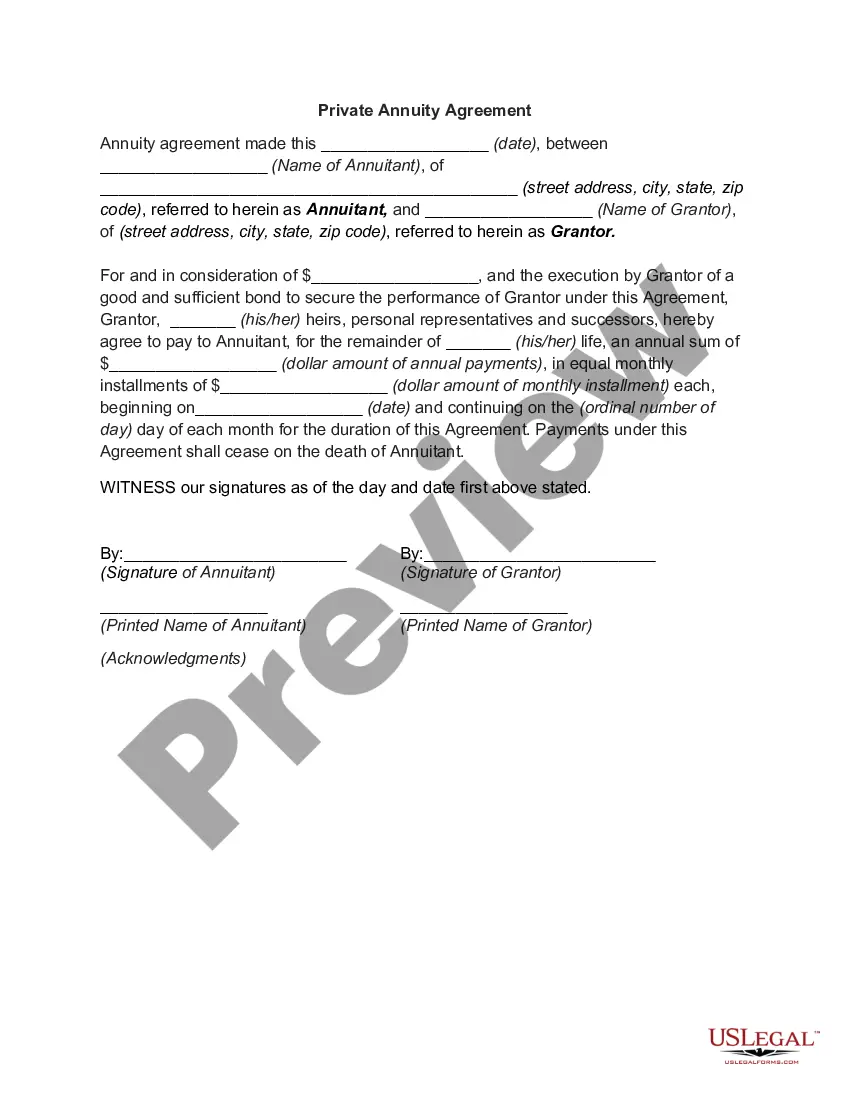
Get your form ready online
Our built-in tools help you complete, sign, share, and store your documents in one place.
Make edits, fill in missing information, and update formatting in US Legal Forms—just like you would in MS Word.
Download a copy, print it, send it by email, or mail it via USPS—whatever works best for your next step.
Sign and collect signatures with our SignNow integration. Send to multiple recipients, set reminders, and more. Go Premium to unlock E-Sign.
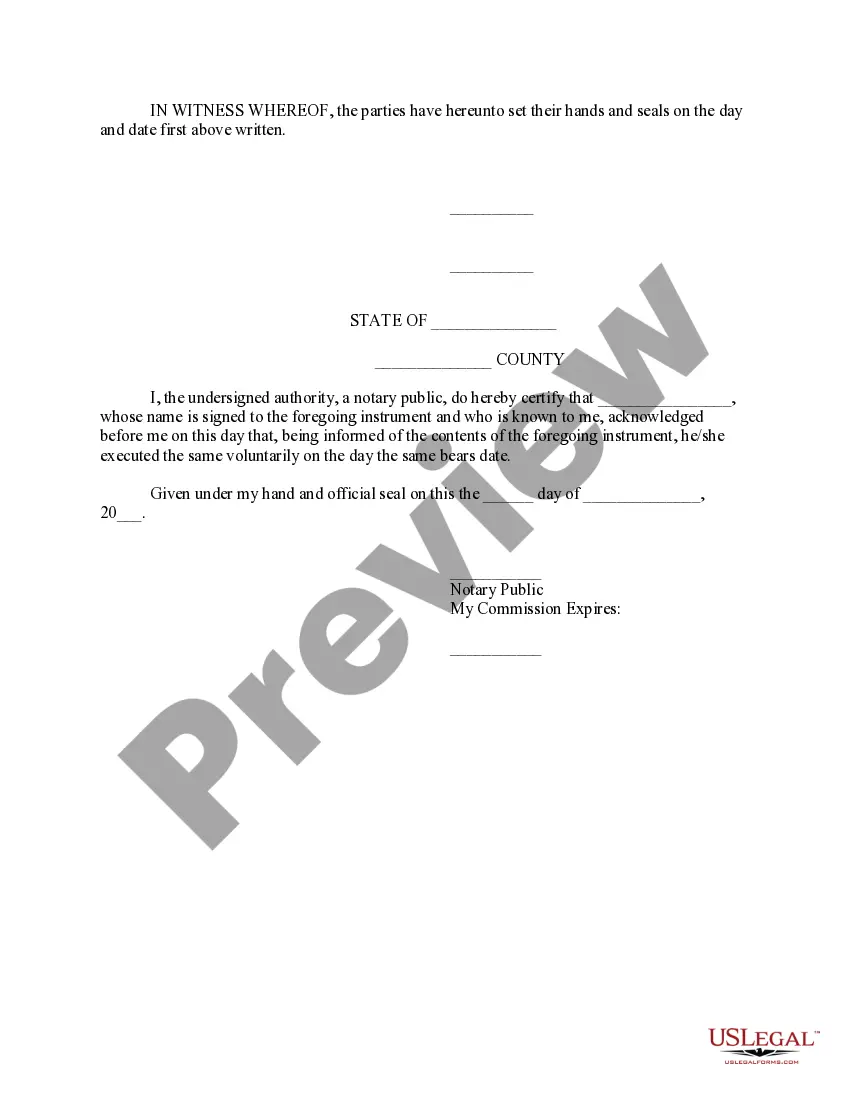
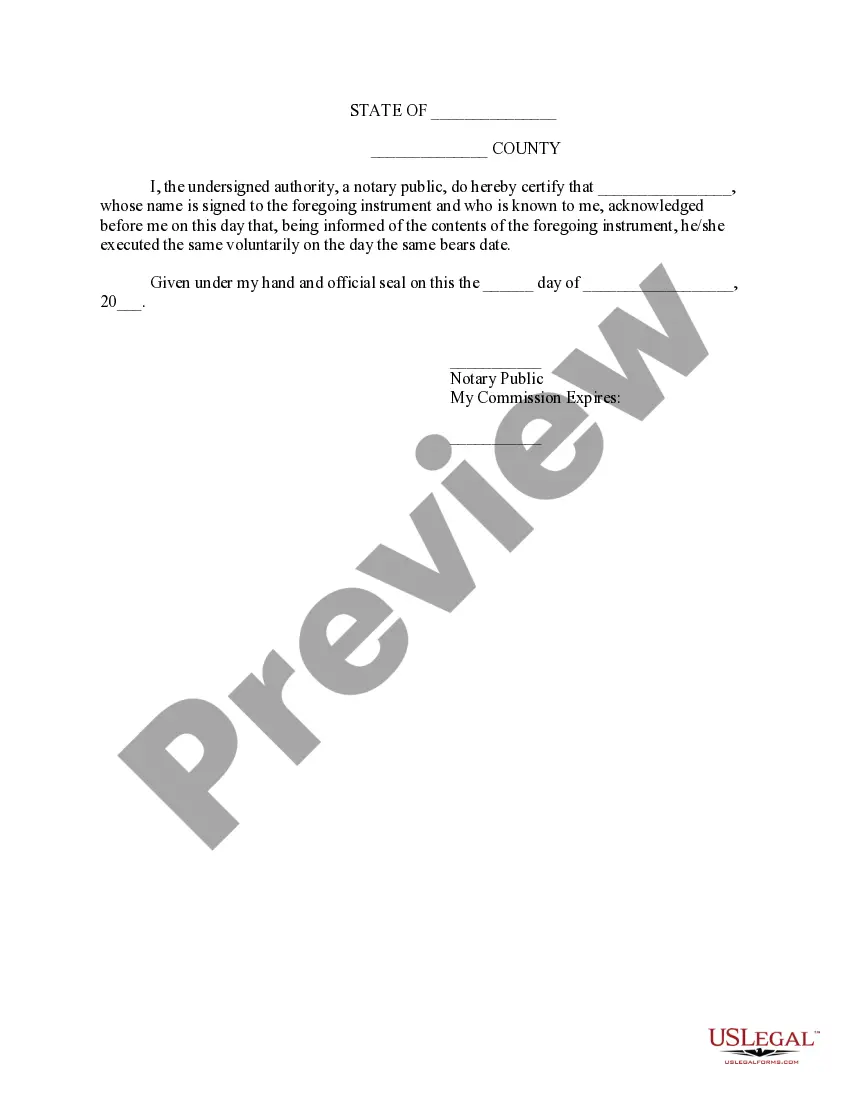
If this form requires notarization, complete it online through a secure video call—no need to meet a notary in person or wait for an appointment.
We protect your documents and personal data by following strict security and privacy standards.

Make edits, fill in missing information, and update formatting in US Legal Forms—just like you would in MS Word.

Download a copy, print it, send it by email, or mail it via USPS—whatever works best for your next step.

Sign and collect signatures with our SignNow integration. Send to multiple recipients, set reminders, and more. Go Premium to unlock E-Sign.

If this form requires notarization, complete it online through a secure video call—no need to meet a notary in person or wait for an appointment.

We protect your documents and personal data by following strict security and privacy standards.
Looking for another form?










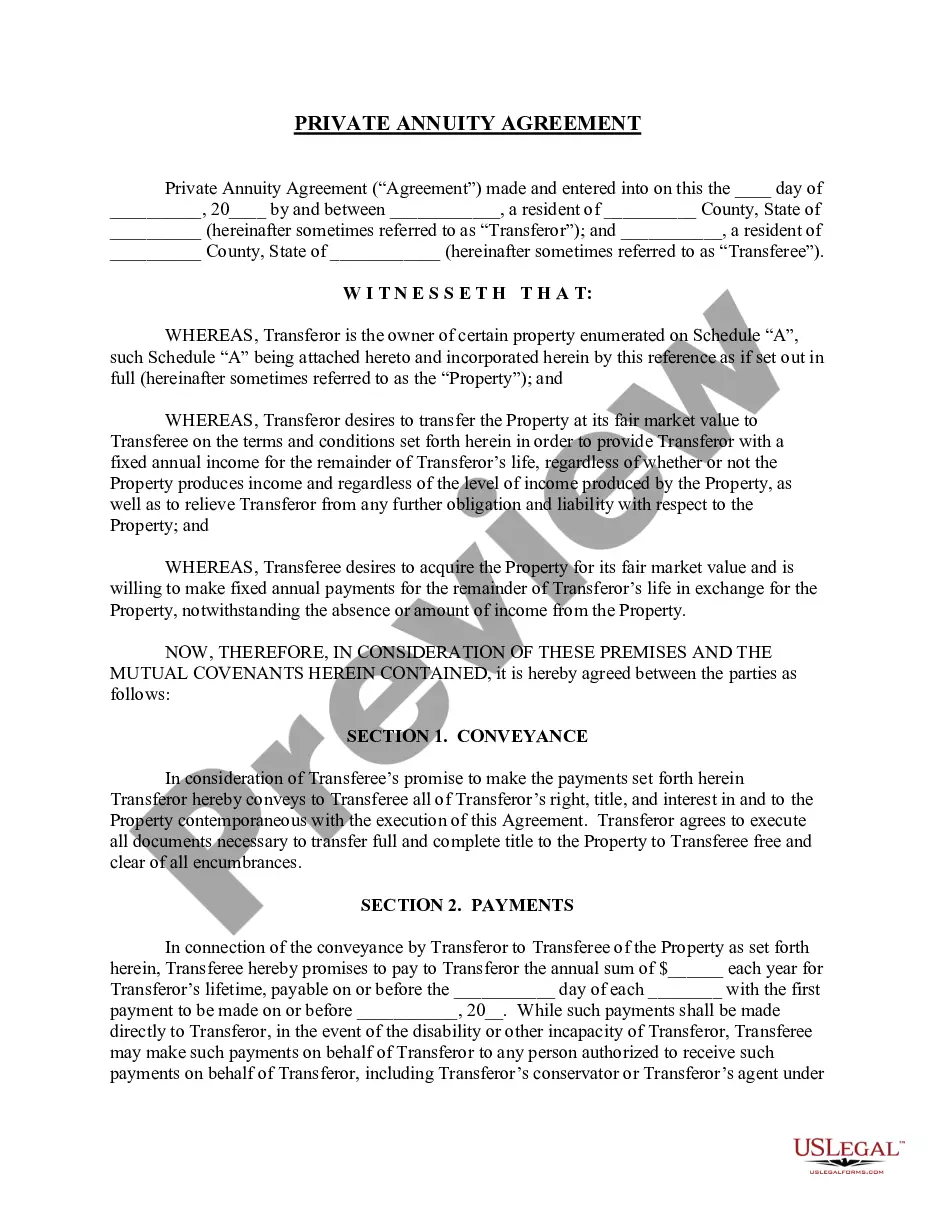
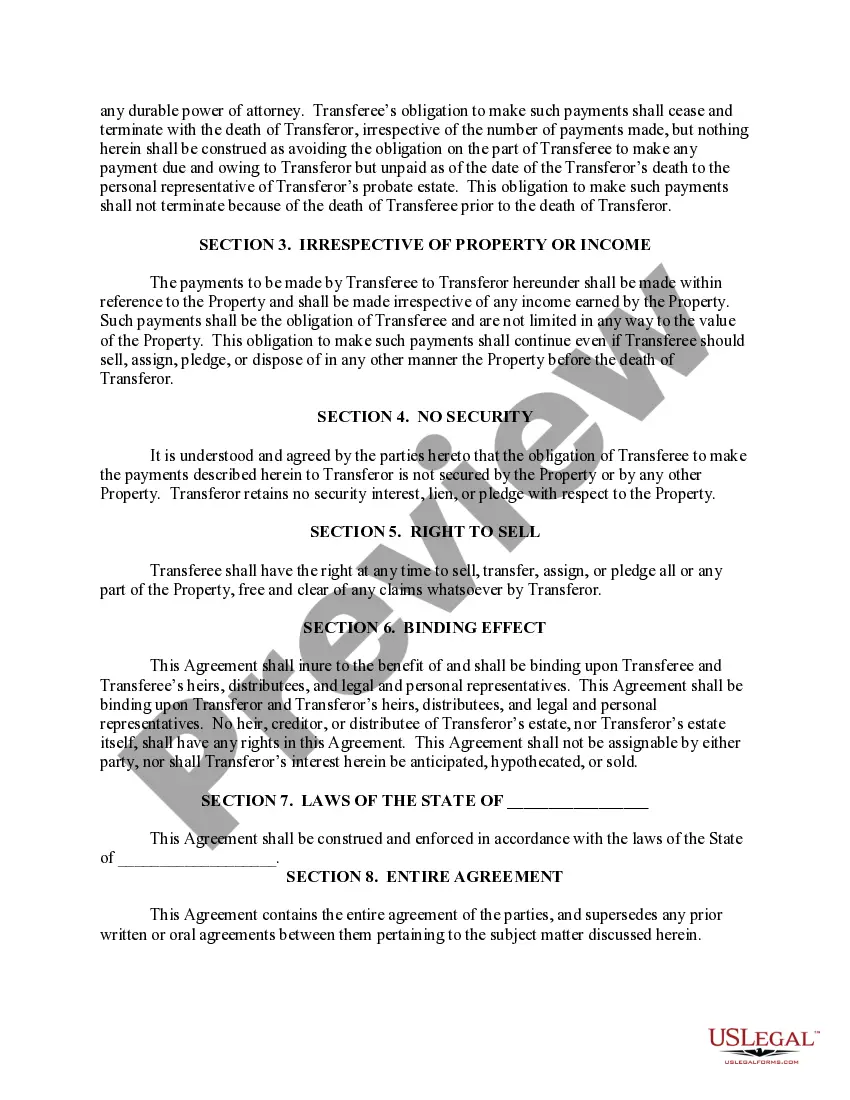
How to fill out Private Annuity Agreement?
There's no longer a need to squander time searching for legal documents to adhere to your local state regulations.
US Legal Forms has gathered all of them in a single location and made their access easier.
Our website provides over 85,000 templates for any business and personal legal situations organized by state and area of use.
Completing legal paperwork under federal and state statutes is quick and effortless with our platform. Try out US Legal Forms today to maintain your documentation organized!
- All forms are correctly drafted and verified for accuracy, so you can trust in acquiring an up-to-date Transfer Property Agreement Without Probate.
- If you are acquainted with our service and already possess an account, ensure your subscription is active before obtaining any templates.
- Log In to your account, select the document, and click Download.
- You can also revisit all acquired documents whenever necessary by opening the My documents tab in your profile.
- For those who have never utilized our service before, the procedure will require a few additional steps to finalize.
- Here's how new users can acquire the Transfer Property Agreement Without Probate from our collection.
- Review the page content carefully to ensure it contains the sample you require.
- To do so, refer to the form description and preview options if available.
Form popularity
FAQ
When a property is under the ownership of spouses as joint tenants, neither spouse owns a specific part of the property, so when one owner dies, the surviving owner automatically inherits the entirety of the property regardless of who was listed in the will as beneficiary (a person who is inheriting the property
To transfer property, you need to apply at the sub-registrar's office. You will need the ownership documents, the Will with probate or succession certificate.
When a person dies without a will, he is said to have died intestate. To have died "in intestacy" means a court-appointed administrator will compile any assets of the deceased, pay any liabilities, and distribute the remaining assets to those parties deemed as beneficiaries.
A house cannot stay in a deceased person's name, and instead ownership must be transferred according to their Will or the State's Succession Law. Once the new owner is determined, that person must file for a new deed for the home with the county recorder's office.
You just need to obtain the death certificate, and existing ownership deed to the court. If your spouse had mentioned a certain division of the property in his will, then the property shall be distributed accordingly by the testator. However a sale deed will have to be executed to make it legally valid.
