Transfer Property For $1
Description

Get your form ready online
Our built-in tools help you complete, sign, share, and store your documents in one place.
Make edits, fill in missing information, and update formatting in US Legal Forms—just like you would in MS Word.
Download a copy, print it, send it by email, or mail it via USPS—whatever works best for your next step.
Sign and collect signatures with our SignNow integration. Send to multiple recipients, set reminders, and more. Go Premium to unlock E-Sign.
If this form requires notarization, complete it online through a secure video call—no need to meet a notary in person or wait for an appointment.
We protect your documents and personal data by following strict security and privacy standards.

Make edits, fill in missing information, and update formatting in US Legal Forms—just like you would in MS Word.

Download a copy, print it, send it by email, or mail it via USPS—whatever works best for your next step.

Sign and collect signatures with our SignNow integration. Send to multiple recipients, set reminders, and more. Go Premium to unlock E-Sign.

If this form requires notarization, complete it online through a secure video call—no need to meet a notary in person or wait for an appointment.

We protect your documents and personal data by following strict security and privacy standards.
Looking for another form?






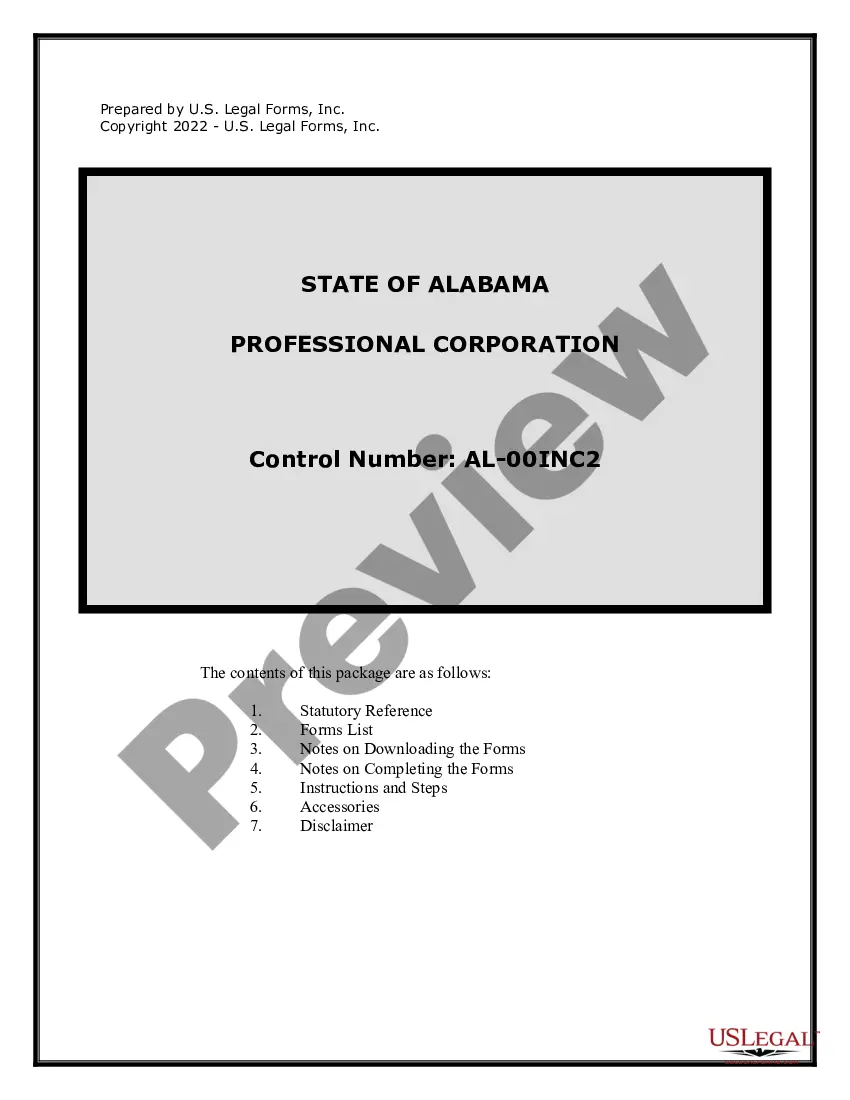

How to fill out Letter Of Instruction To Investment Firm Regarding Account Of Decedent From Executor / Trustee For Transfer Of Assets In Account To Trustee Of Trust For The Benefit Of Decedent?
Whether for professional reasons or personal matters, everyone eventually has to handle legal issues during their lifetime.
Filling out legal documents necessitates meticulous care, beginning with choosing the appropriate form template.
With a comprehensive US Legal Forms catalog available, you do not have to waste time searching for the right template on the internet. Utilize the library's user-friendly navigation to find the correct template for any situation.
- Locate the template you need using the search feature or the catalog browsing.
- Review the form’s description to confirm it suits your circumstances, state, and area.
- Click on the form’s preview to see it.
- If it is the incorrect form, return to the search tool to find the Transfer Property For $1 sample you require.
- Download the document once it fits your specifications.
- If you have a US Legal Forms account, simply click Log in to retrieve previously saved documents in My documents.
- If you do not have an account yet, you can acquire the form by clicking Buy now.
- Choose the suitable pricing option.
- Fill out the account registration form.
- Select your payment method: either use a credit card or PayPal.
- Choose the desired file format and download the Transfer Property For $1.
- After it is saved, you can complete the form using editing software or print it out and fill it in by hand.
Form popularity
FAQ
When considering how to transfer property for $1, you may wonder about selling a house for the least amount possible. Legally, you can sell a house for any amount, including just $1, as long as both parties agree. However, selling significantly below market value may raise questions from tax authorities. To navigate this process smoothly, you can consult platforms like US Legal Forms, which provide resources to ensure your transaction complies with local laws and regulations.
How to transfer property ownership Identify the donee or recipient. Discuss terms and conditions with that person. Complete a change of ownership form. Change the title on the deed. Hire a real estate attorney to prepare the deed. Notarize and file the deed.
The most common way to transfer property is through a general warranty deed (sometimes called a "grant deed"). A general warranty deed guarantees good title from the beginning of time.
Family members can transfer property to one another without estate tax penalties by putting the property into a trust. When placed into an irrevocable trust, the property is no longer considered part of your estate after you die.
Yes, your parents can legally sell you their house for $1. The significance of that $1, however, is mostly symbolic.
If you sell your home for $1, the sale is perceived as a gift. This means that the house has not been resold, only gifted. For tax purposes, that means the tax basis stays the same. A house you bought for $100,000 may now be worth $400,000 at fair market value.