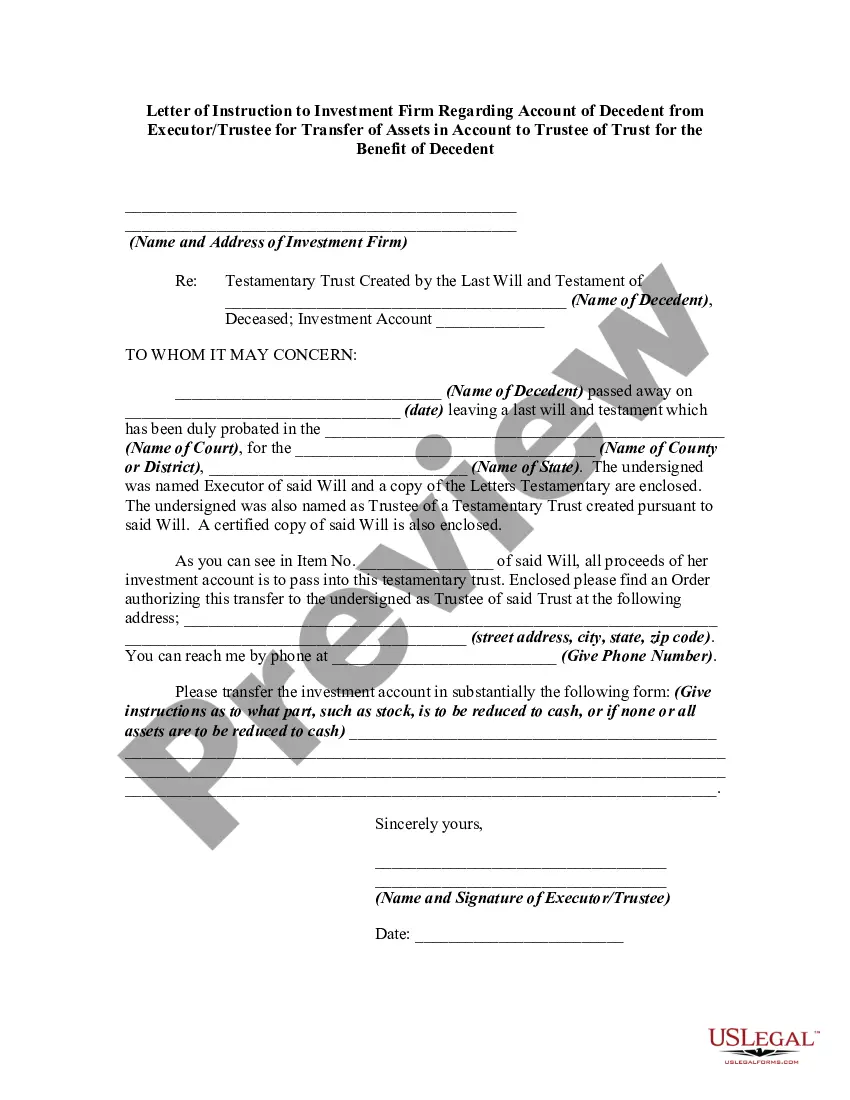
Transfer Property For
Description

Get your form ready online
Our built-in tools help you complete, sign, share, and store your documents in one place.
Make edits, fill in missing information, and update formatting in US Legal Forms—just like you would in MS Word.
Download a copy, print it, send it by email, or mail it via USPS—whatever works best for your next step.
Sign and collect signatures with our SignNow integration. Send to multiple recipients, set reminders, and more. Go Premium to unlock E-Sign.
If this form requires notarization, complete it online through a secure video call—no need to meet a notary in person or wait for an appointment.
We protect your documents and personal data by following strict security and privacy standards.

Make edits, fill in missing information, and update formatting in US Legal Forms—just like you would in MS Word.

Download a copy, print it, send it by email, or mail it via USPS—whatever works best for your next step.

Sign and collect signatures with our SignNow integration. Send to multiple recipients, set reminders, and more. Go Premium to unlock E-Sign.

If this form requires notarization, complete it online through a secure video call—no need to meet a notary in person or wait for an appointment.

We protect your documents and personal data by following strict security and privacy standards.
Looking for another form?








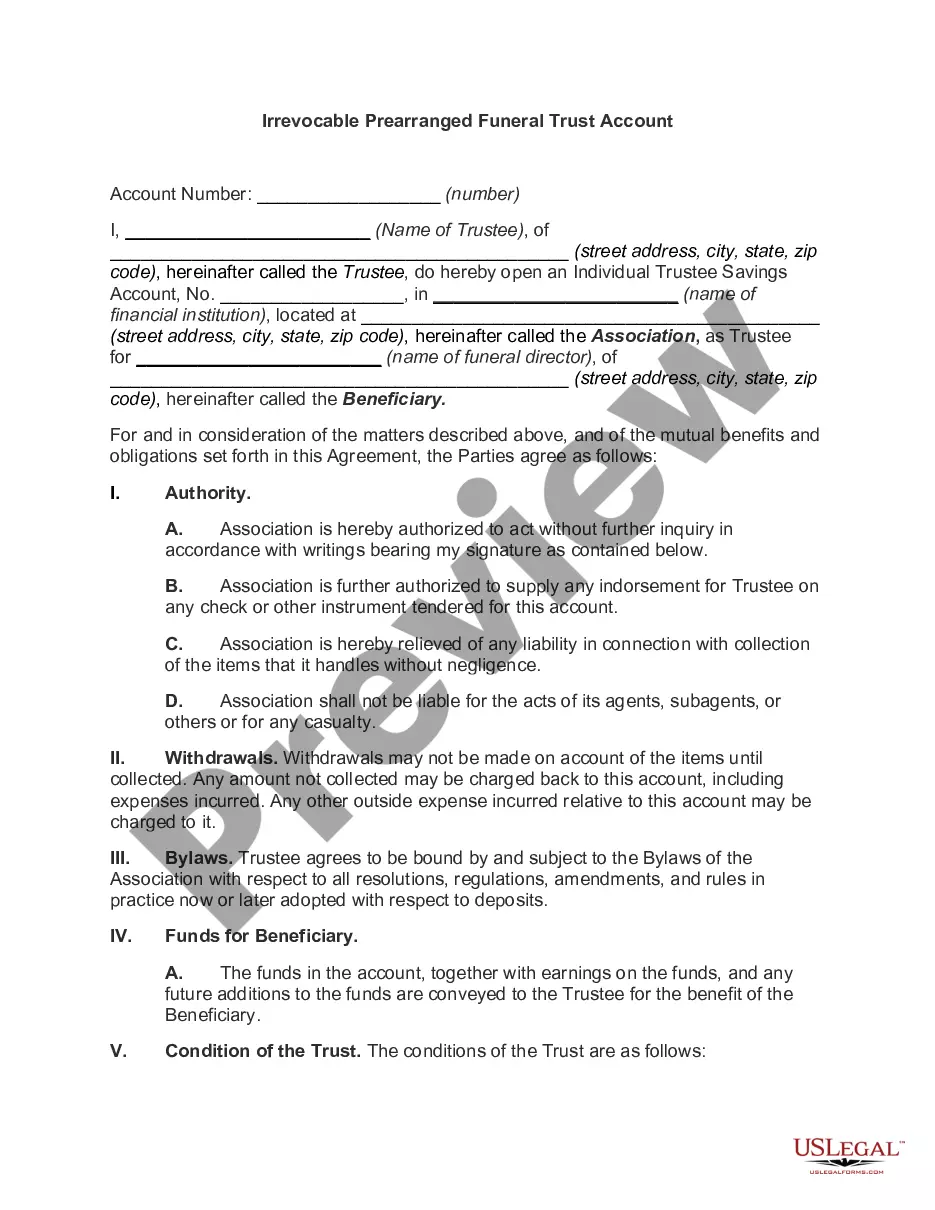
How to fill out Letter Of Instruction To Investment Firm Regarding Account Of Decedent From Executor / Trustee For Transfer Of Assets In Account To Trustee Of Trust For The Benefit Of Decedent?
Managing legal paperwork can be daunting, even for the most skilled professionals.
If you're looking for a Transfer Property For and haven't had the opportunity to spend time finding the accurate and updated version, the process could be stressful.
US Legal Forms accommodates any needs you may have, from personal to corporate documents, all consolidated in one location.
Make use of advanced tools to fill out and manage your Transfer Property For.
Here are the steps to follow after obtaining the form you need: Verify it's the appropriate form by previewing and reviewing its details.
- Access a wealth of articles, tutorials, guides, and resources pertinent to your circumstances and needs.
- Save time and effort searching for the documents you require, and utilize US Legal Forms’ sophisticated search and Review feature to locate Transfer Property For and obtain it.
- If you're a member, Log In to your US Legal Forms account to look for the form and acquire it.
- Check your My documents tab to review the documents you've previously downloaded and organize your folders as necessary.
- If this is your first experience with US Legal Forms, create an account to gain full access to all resources of the library.
- Utilize a comprehensive web form repository to streamline these scenarios effectively.
- US Legal Forms stands as a frontrunner in online legal documents, featuring more than 85,000 state-specific legal forms accessible to you at any time.
- With US Legal Forms, you can access tailored legal and business documents based on your state or county.
Form popularity
FAQ
The most common way to transfer property is through a general warranty deed (sometimes called a "grant deed"). A general warranty deed guarantees good title from the beginning of time. A special warranty deed only guarantees good title during the seller's time of ownership.
When adding someone to a title, or changing names on a title, people will generally record a conveyance document/deed. You can get blank legal documents at a stationery or office supply store. It needs to be completed and notarized. The Recorder's Office cannot help with filling out your deed.
A property owner formally transfers North Carolina real estate to a new owner by signing a deed and recording it in the register of deeds office. North Carolina law recognizes several types of deeds an owner can use to transfer property during life.
The most common and reliable way to transfer title of property to someone is through a deed. There are a variety of different deeds, however, when buying or selling you'll typically want a Warranty Deed or Grant Deed.
Gift Deed for Real Estate Located in Minnesota. A gift deed, or deed of gift, is a legal document voluntarily transferring title to real property from one party (the grantor or donor) to another (the grantee or donee). A gift deed typically transfers real property between family or close friends.