Trust Better
Description
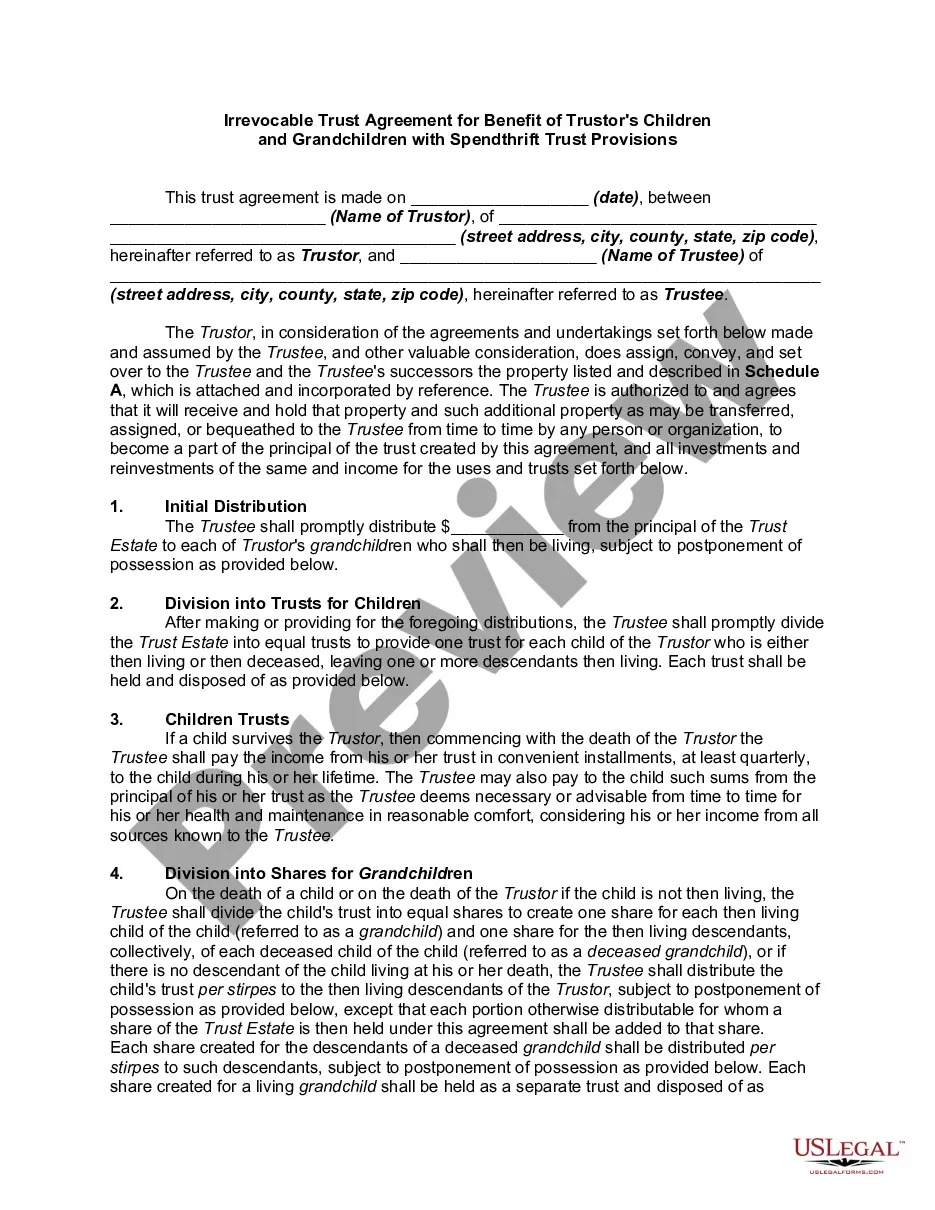
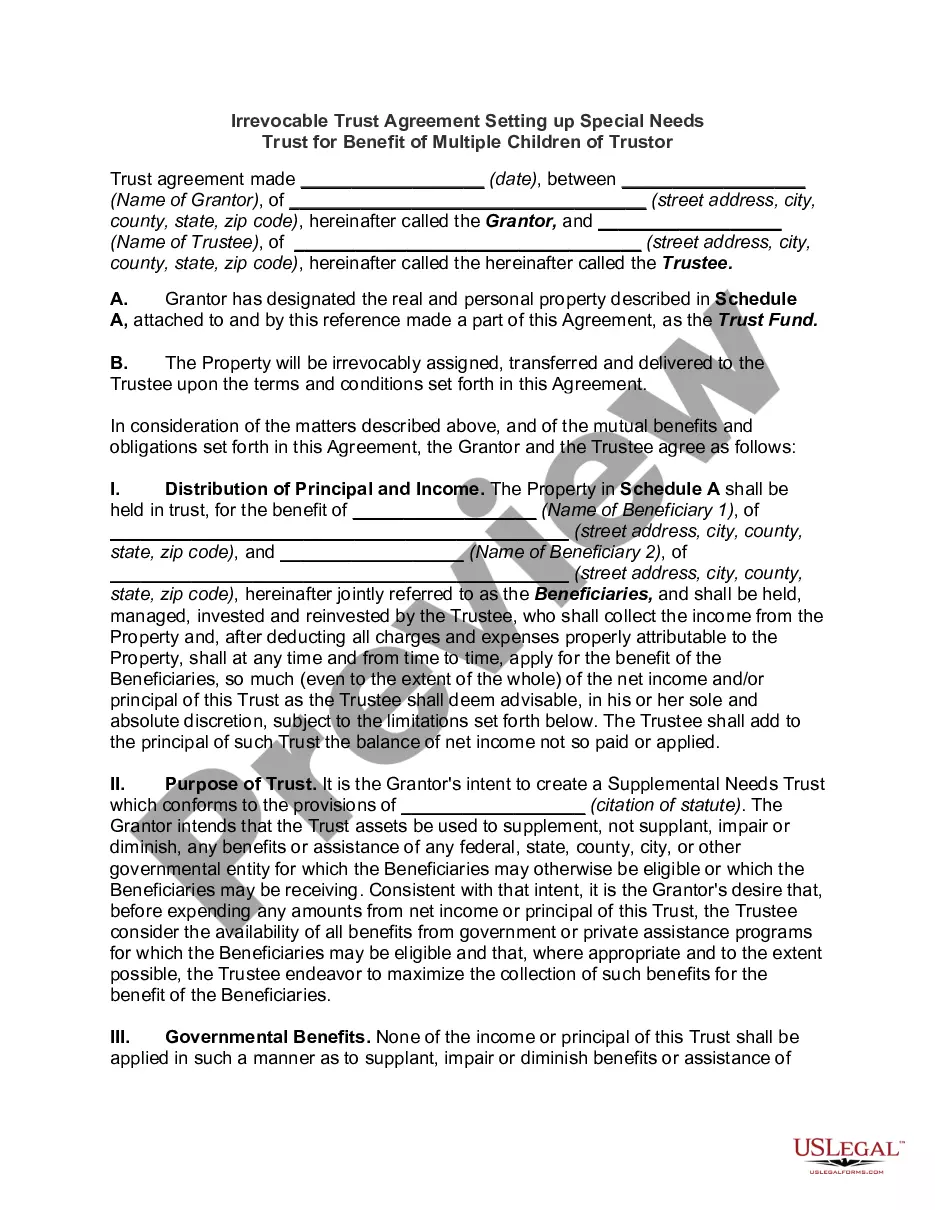
Get your form ready online
Our built-in tools help you complete, sign, share, and store your documents in one place.
Make edits, fill in missing information, and update formatting in US Legal Forms—just like you would in MS Word.
Download a copy, print it, send it by email, or mail it via USPS—whatever works best for your next step.
Sign and collect signatures with our SignNow integration. Send to multiple recipients, set reminders, and more. Go Premium to unlock E-Sign.
If this form requires notarization, complete it online through a secure video call—no need to meet a notary in person or wait for an appointment.
We protect your documents and personal data by following strict security and privacy standards.

Make edits, fill in missing information, and update formatting in US Legal Forms—just like you would in MS Word.

Download a copy, print it, send it by email, or mail it via USPS—whatever works best for your next step.

Sign and collect signatures with our SignNow integration. Send to multiple recipients, set reminders, and more. Go Premium to unlock E-Sign.

If this form requires notarization, complete it online through a secure video call—no need to meet a notary in person or wait for an appointment.

We protect your documents and personal data by following strict security and privacy standards.
Looking for another form?

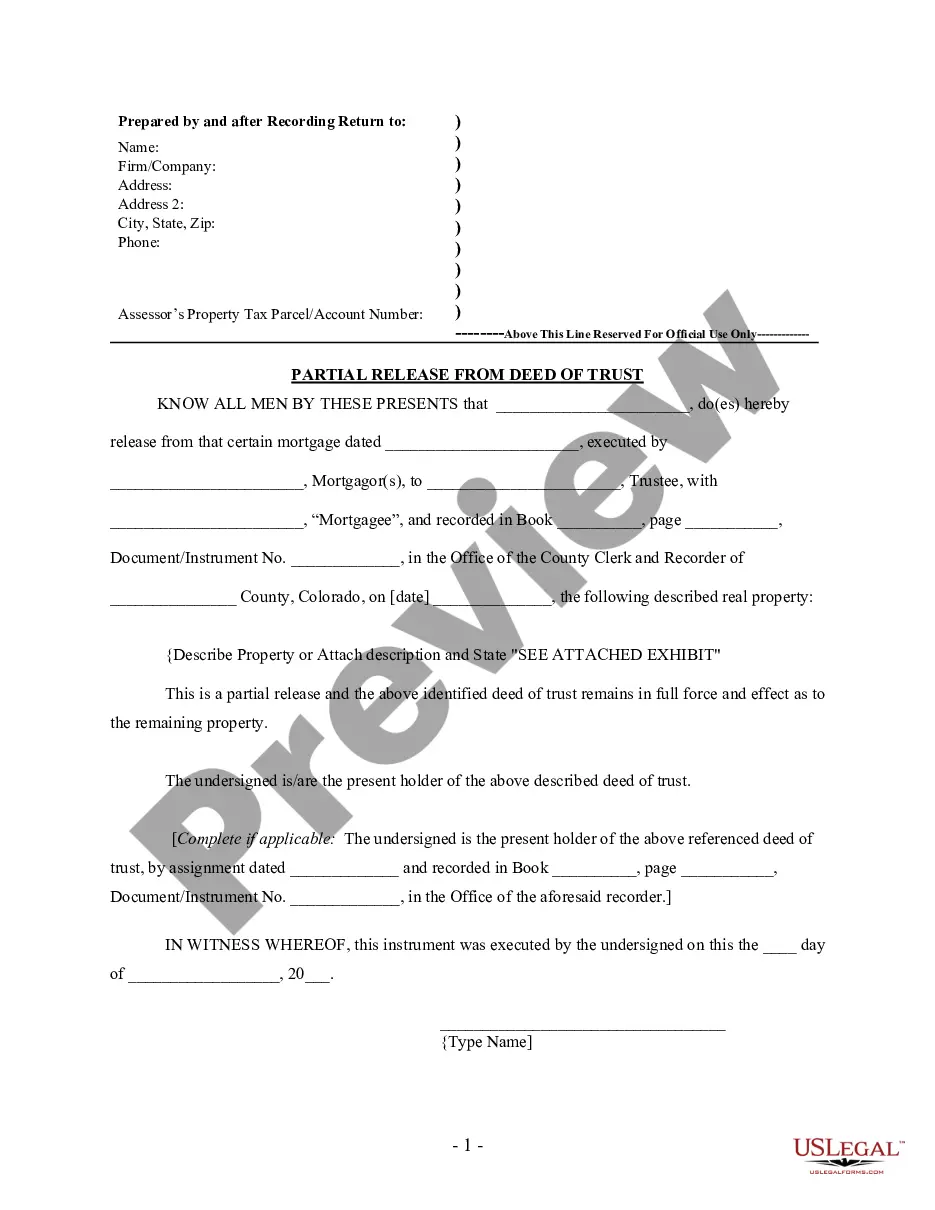

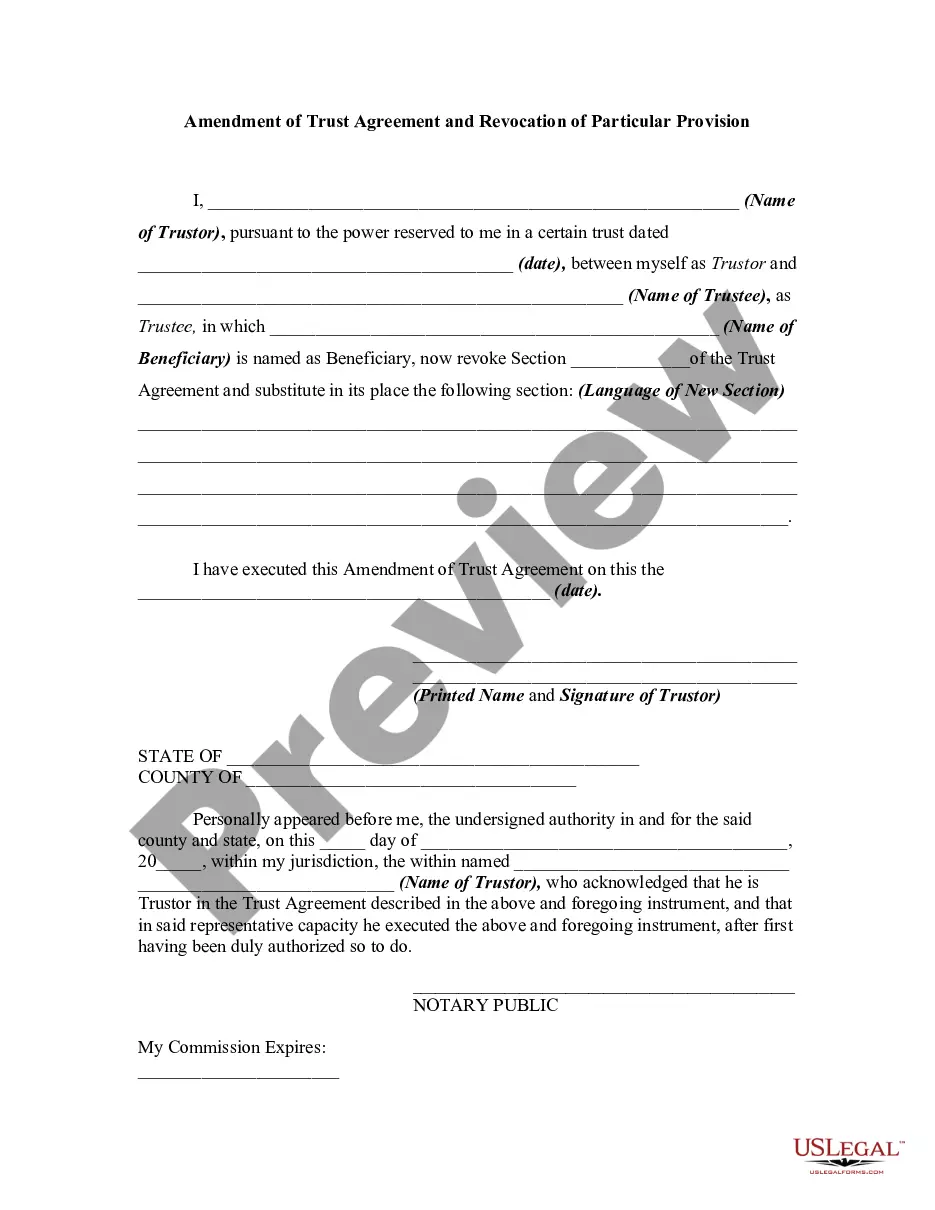

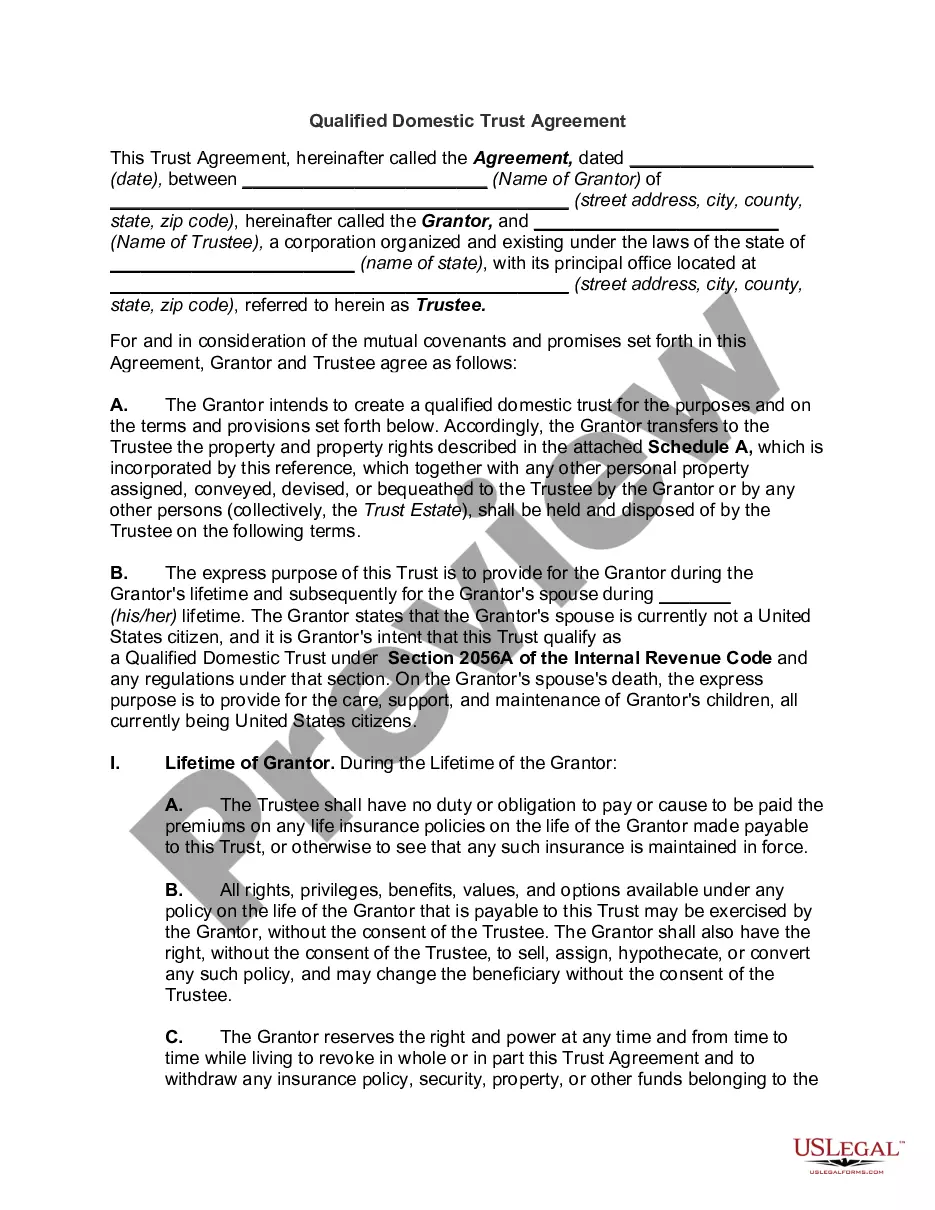
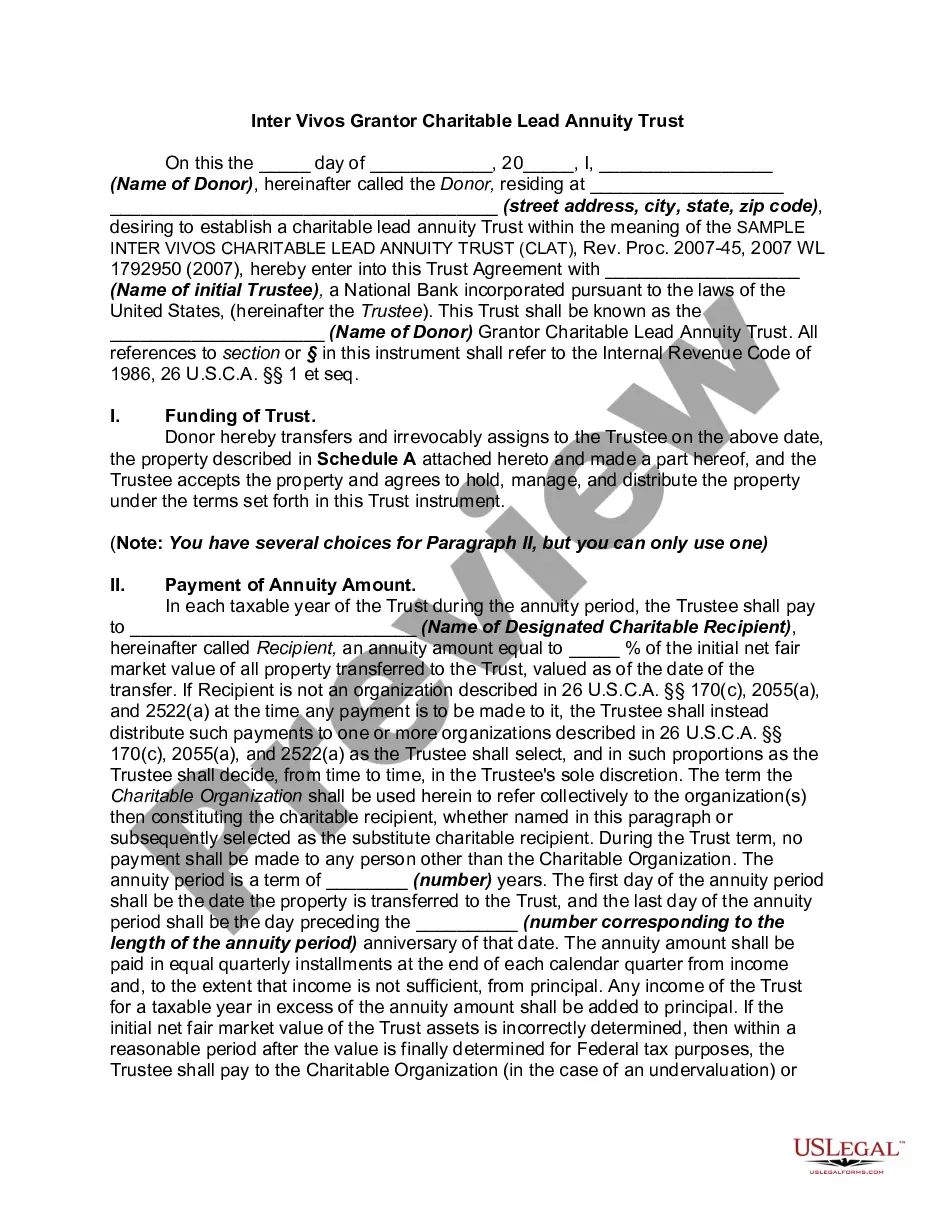
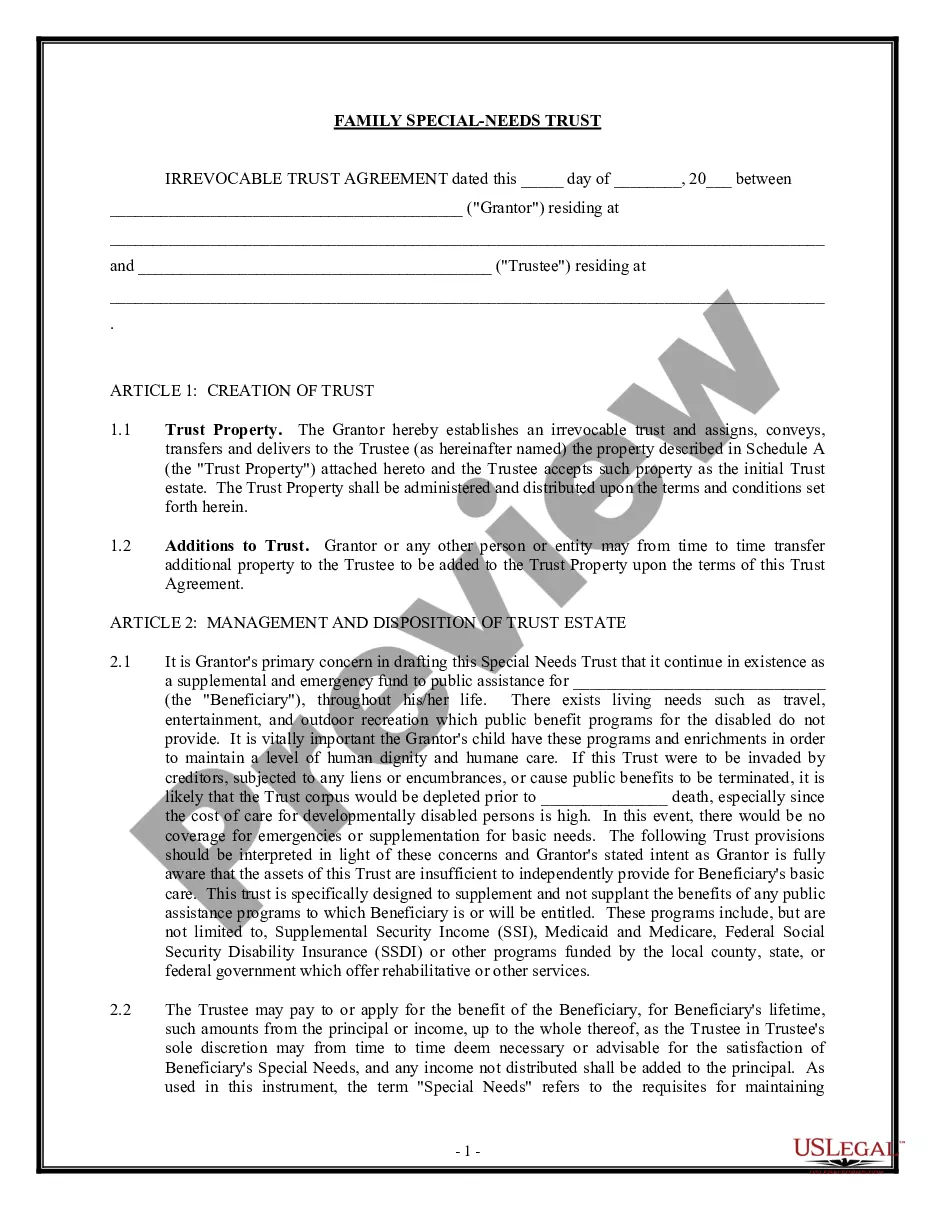

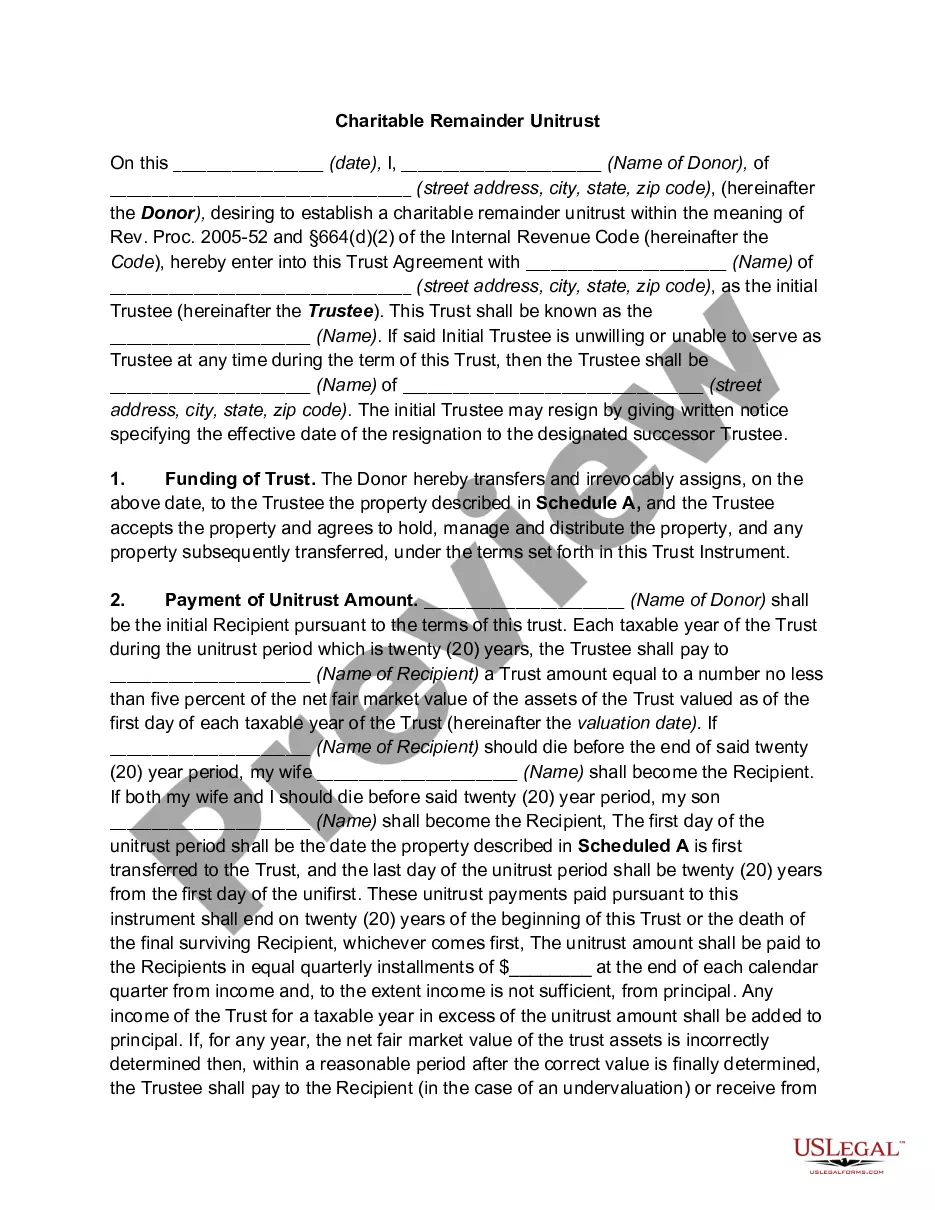
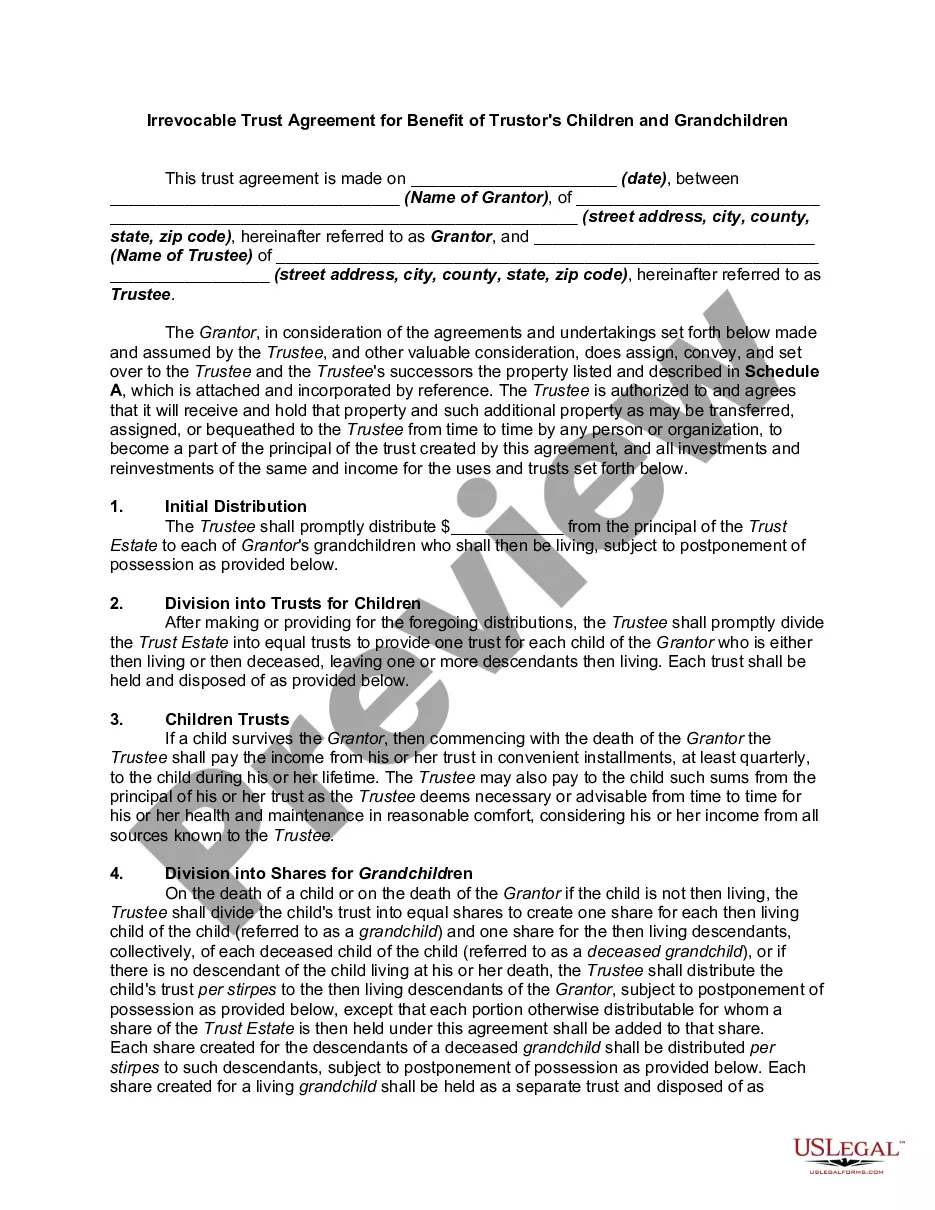
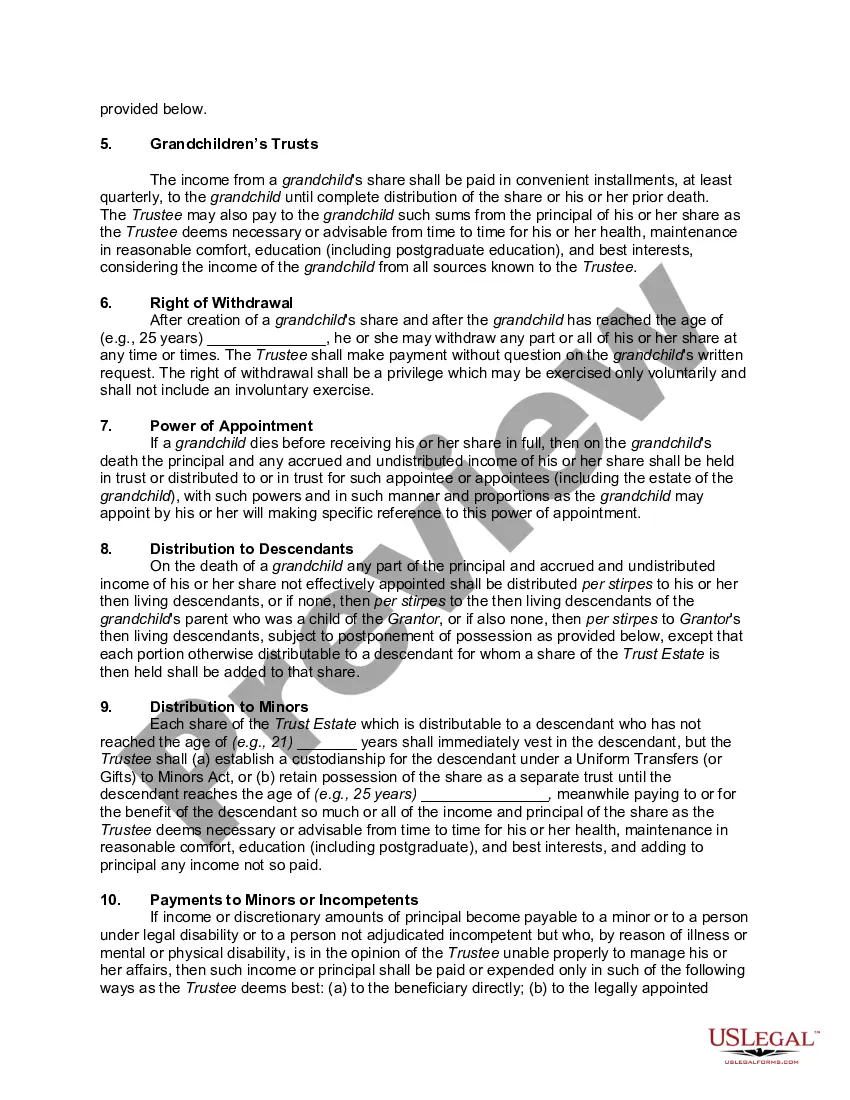
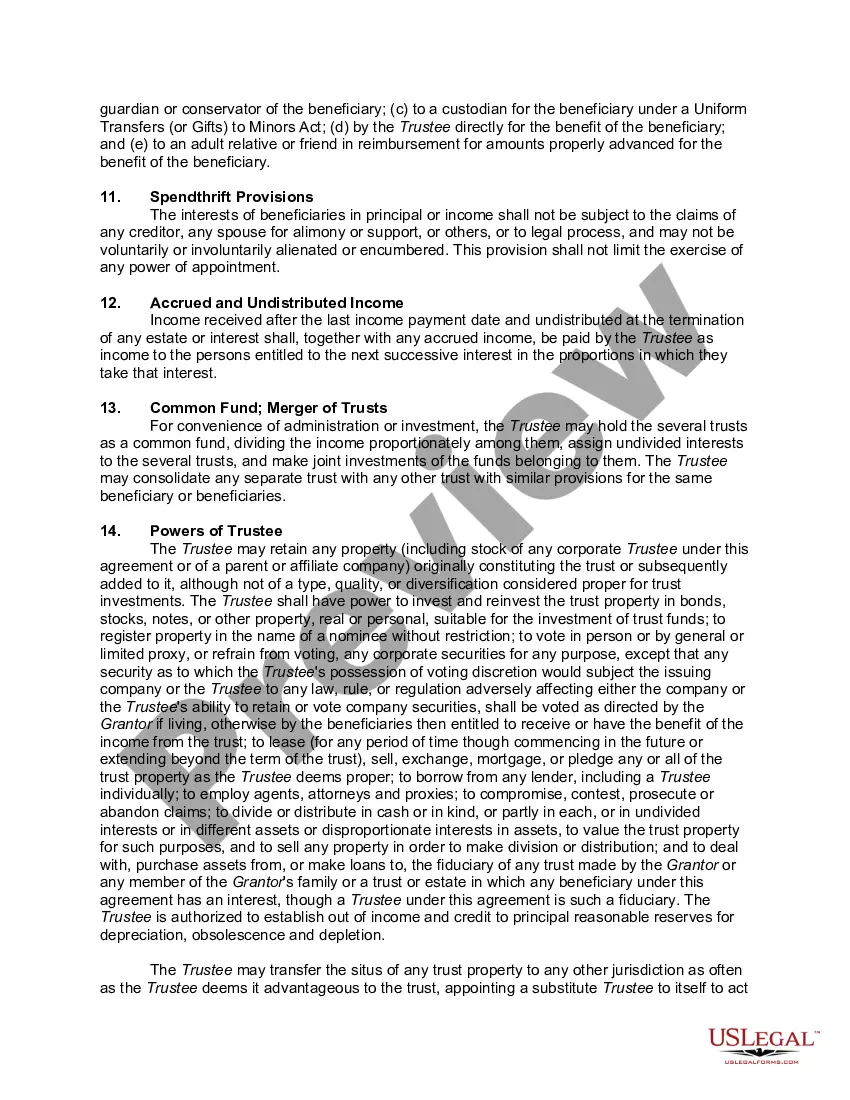
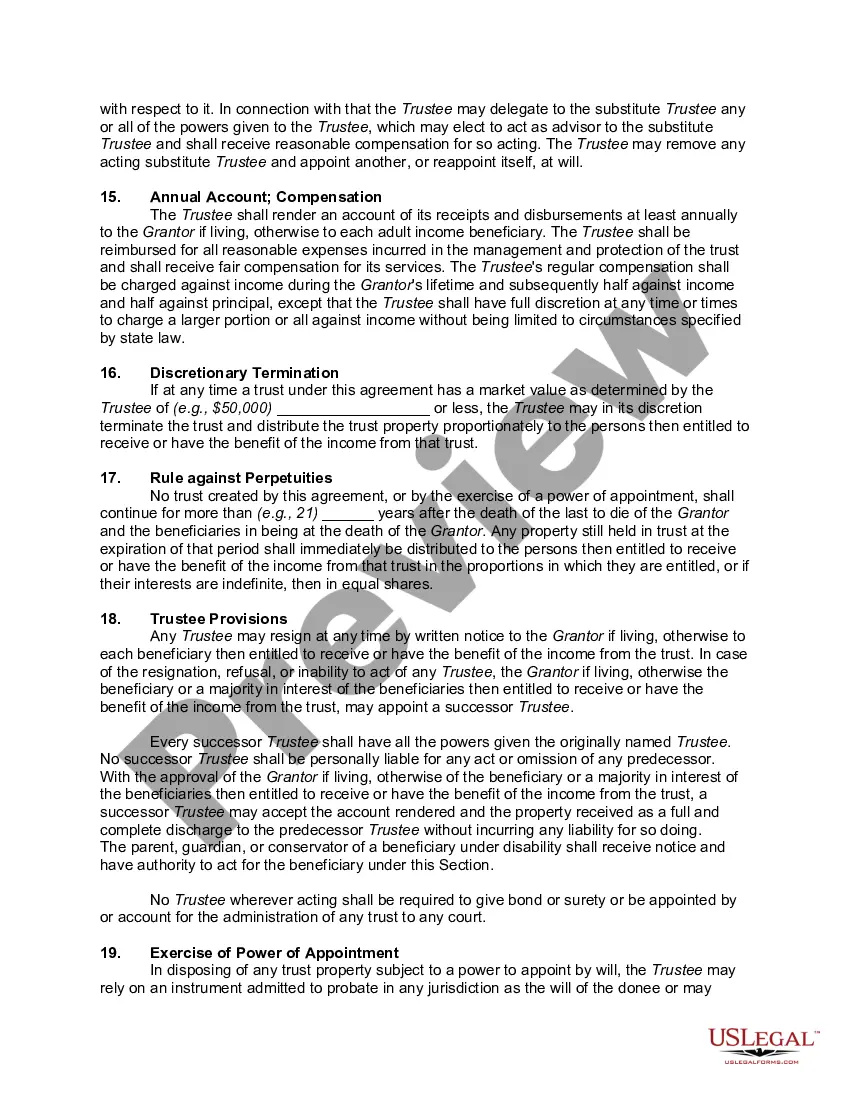
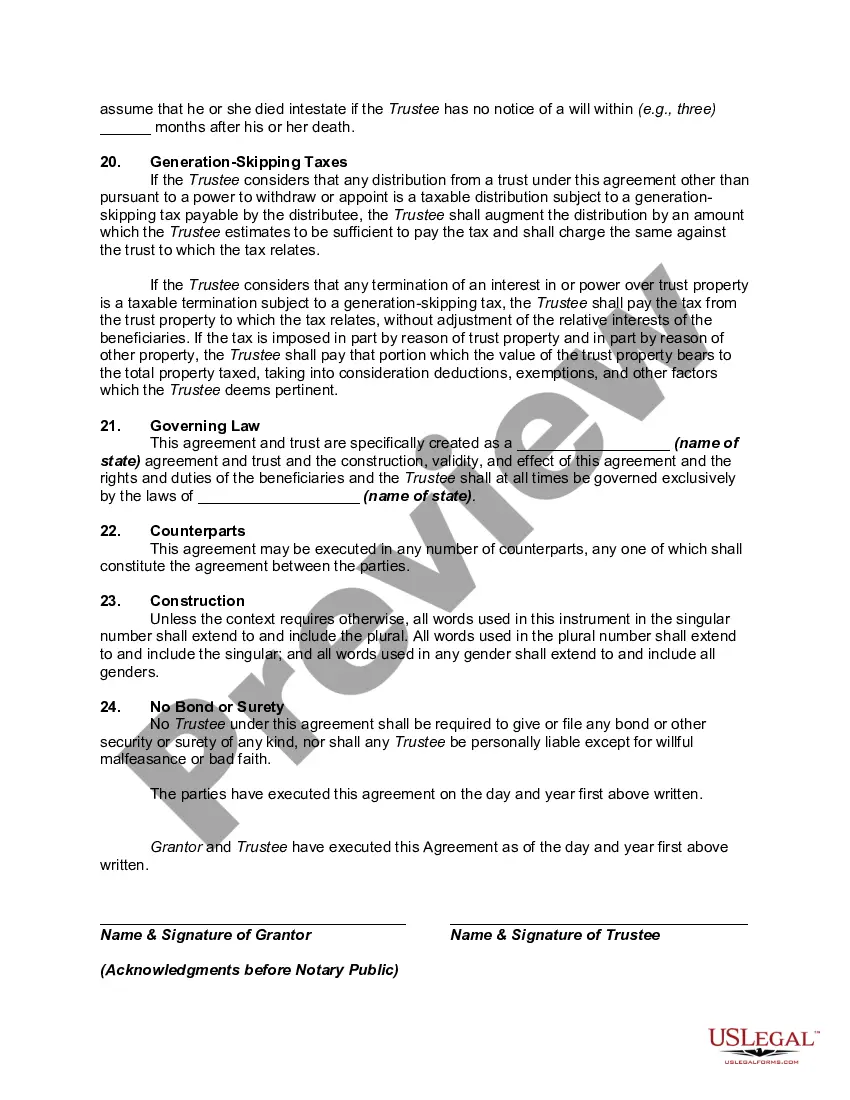
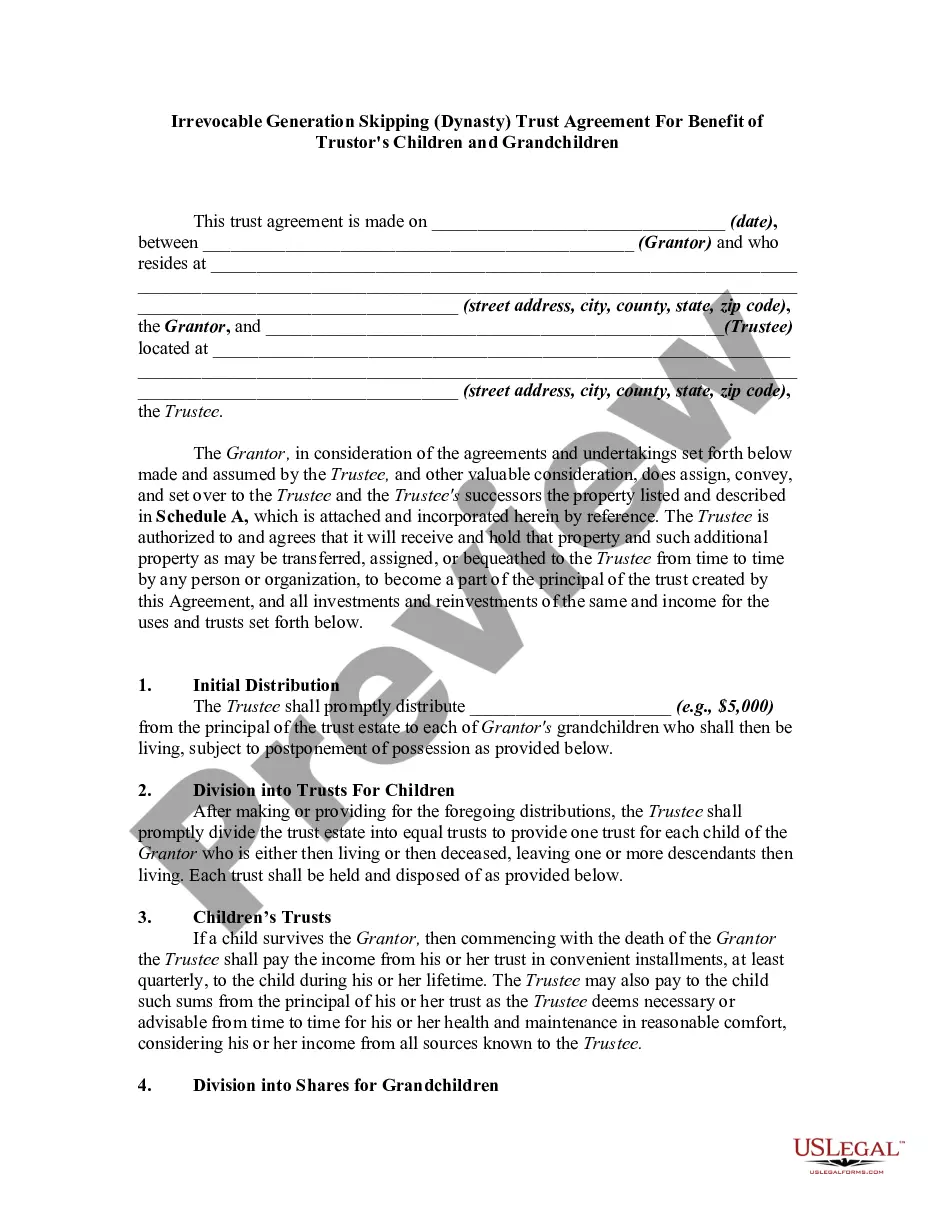
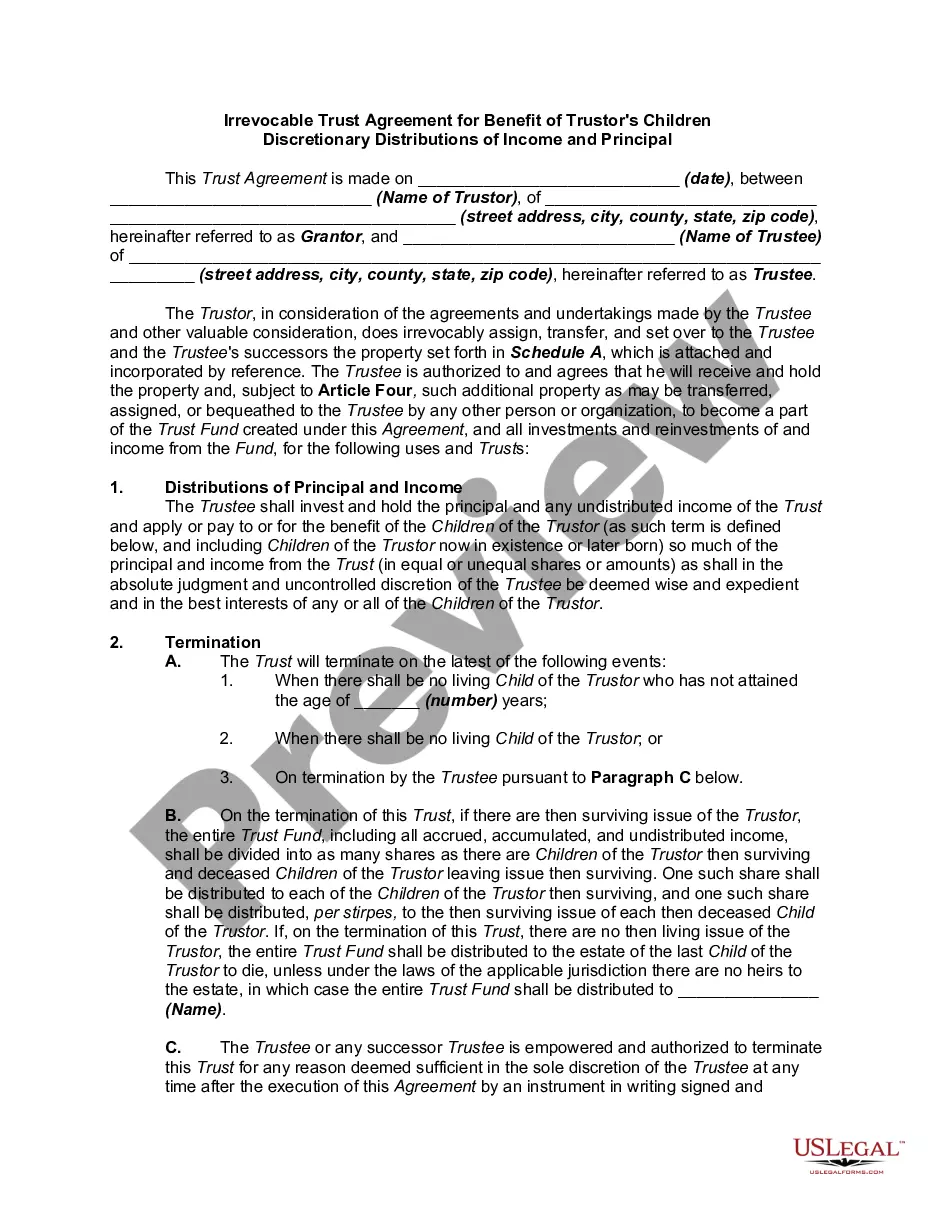
How to fill out Irrevocable Trust Agreement For Benefit Of Trustor's Children And Grandchildren?
- Log into your account if you're a returning user, and ensure your subscription is current to access the Download button.
- For first-time users, start by checking the form preview and description to find a template that aligns with your needs and local regulations.
- If necessary, utilize the Search tab to locate the right document, ensuring it is completely appropriate.
- Proceed to purchase your selected form by clicking on 'Buy Now' and selecting your desired subscription plan, which requires account registration.
- Complete your transaction by entering your payment details, either through credit card or PayPal.
- Finally, download your form to your device. You can access it anytime through the 'My Forms' section on your account profile.
US Legal Forms not only offers a robust collection of forms but also provides access to premium experts for form completion. This ensures that your documents are precise and legally sound.
Take control of your legal needs today. Visit US Legal Forms to start trusting better with your document management!
Form popularity
FAQ
Certain assets may be better kept outside of a trust, such as retirement accounts and life insurance policies. These assets often require specific beneficiary designations, which a trust may complicate. Additionally, personal properties or items of sentimental value might be better handled differently to keep your estate plan straightforward. Understanding these details helps you trust better.
Placing your home in a trust can have some drawbacks, such as the potential for increased fees and the complexity of managing the trust. You may also face challenges when transferring the property or dealing with mortgage lenders who require changes to the title. However, the right guidance can help you navigate these issues effectively. Use resources from uslegalforms to trust better.
Some reasons to consider not having a trust include your age, financial situation, or personal preferences. If you have minimal assets or are not ready for a complex estate plan, a trust may not be necessary. Additionally, if you prefer a simple will or are in good health, it may be easier to avoid the additional steps of creating a trust. Explore your circumstances to trust better.
While trusts offer many benefits, they do come with some disadvantages. Setting up a trust can involve higher initial costs and administrative work than a simple will. Additionally, you need to actively manage it, which can lead to complexities, particularly if your financial situation changes. However, with the right tools and resources, such as those from US Legal Forms, you can navigate these challenges and trust better.
A trust is often considered better due to its flexibility and control over asset distribution compared to a will. With a trust, not only can you decide how your assets will be handled during your lifetime, but you can also protect them from probate and various taxes after your passing. This straightforward approach empowers families and ensures wishes are honored.
Wealthy individuals often place their homes in a trust to protect their assets from probate and maintain privacy. A trust can help avoid costly legal processes and provides clarity in asset distribution. Additionally, it allows for continuity in managing the property should the owner become incapacitated, helping them trust better in their estate planning.
The 5-year rule for trusts generally refers to the timeframe related to gifting and Medicaid eligibility. If you give away assets to qualify for Medicaid, you must not have given those assets away within the last five years. Understanding this rule can help you plan effectively and trust better when safeguarding your assets against potential healthcare costs.
Dave Ramsey acknowledges both wills and trusts but often leans towards living trusts as a more flexible option. He emphasizes that trusts can better suit those who want to avoid probate and control their asset distribution. Trust better by considering your personal financial situation and what aligns best with your goals.
Having trust is beneficial as it brings peace of mind and financial security. It allows you to manage your assets during your lifetime and control their distribution after your death. This provides clarity for your heirs and reduces potential conflicts, making it a wise choice for anyone looking to secure their legacy.
To trust better, it's essential to understand the different types of trusts available and how they function. Start by assessing your financial goals and needs, then consult a legal professional for guidance. Resources like US Legal Forms can help you create and manage a trust tailored to your situation, enabling you to make informed decisions.