Trust Benefit Trustees For Charitable Purposes Act
Description

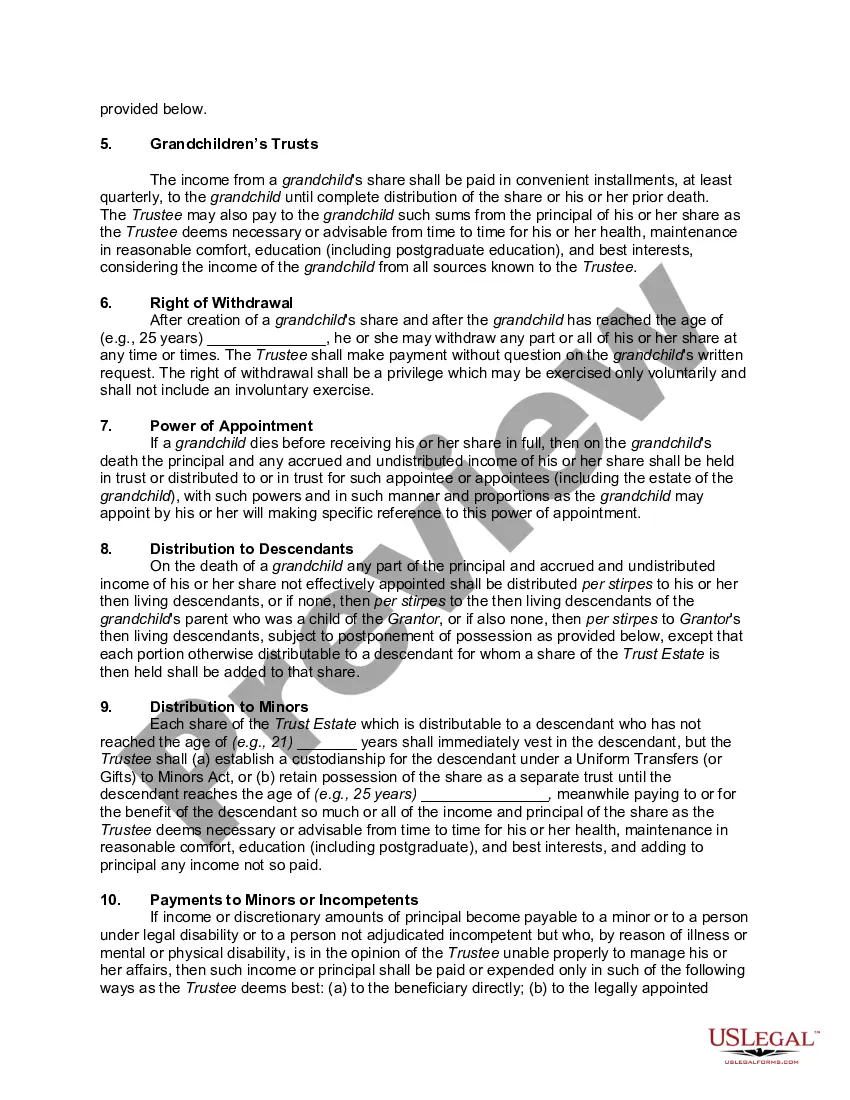
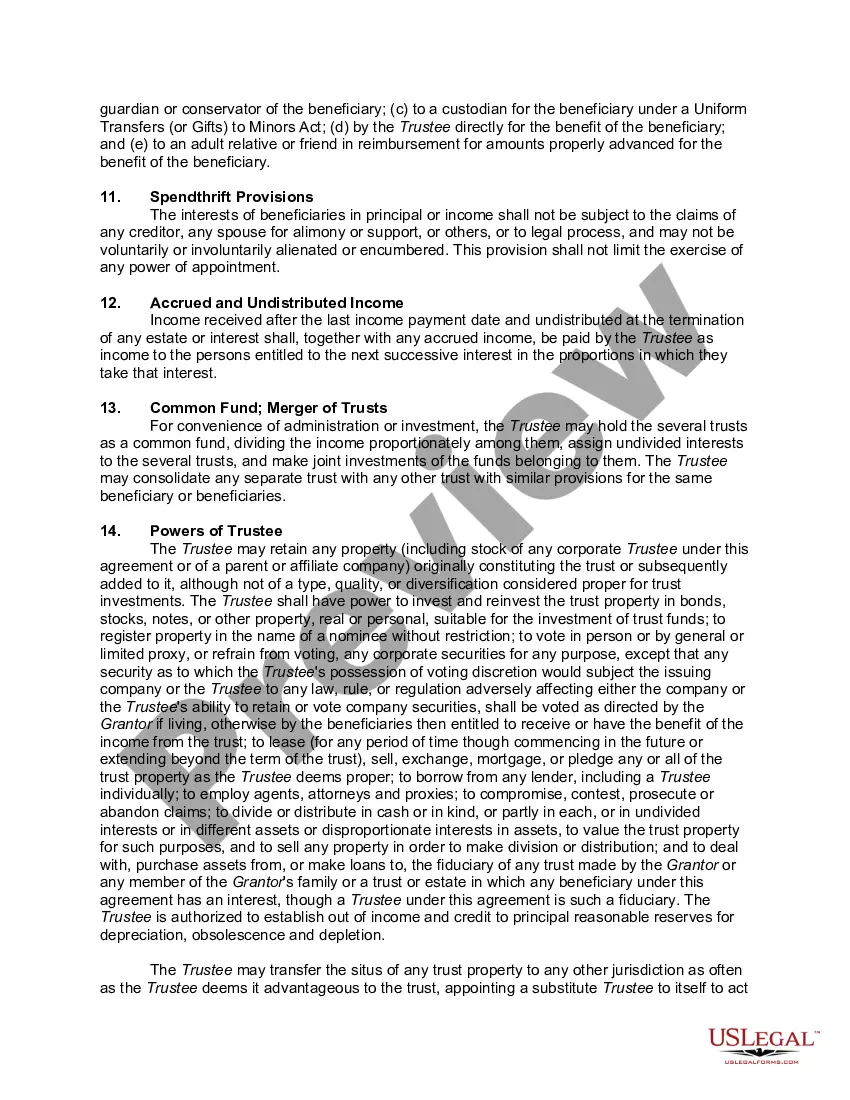
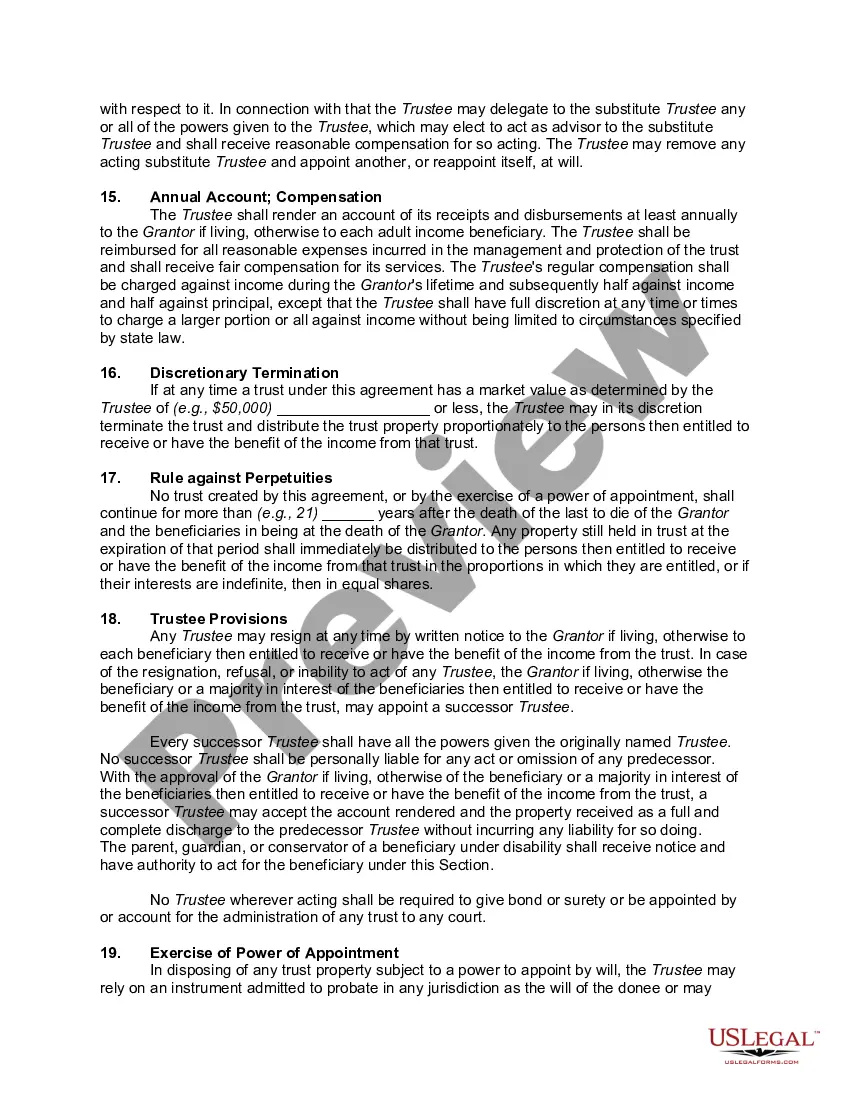
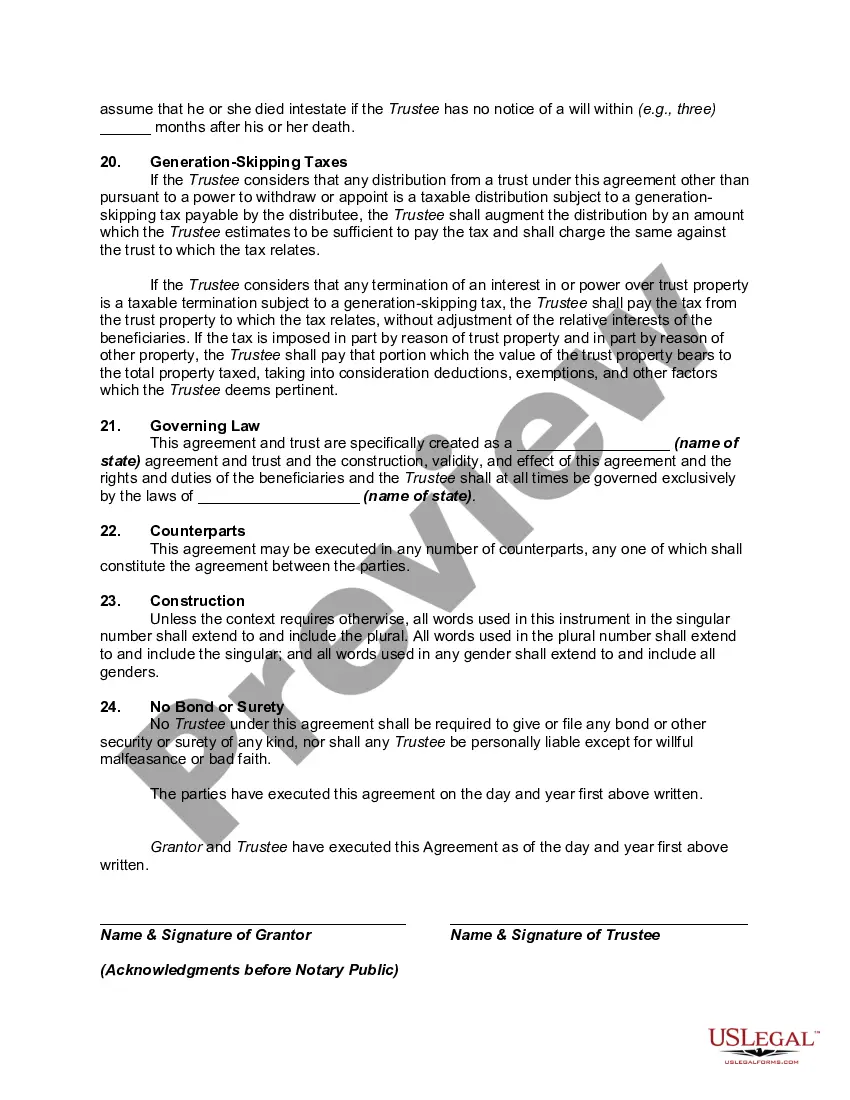

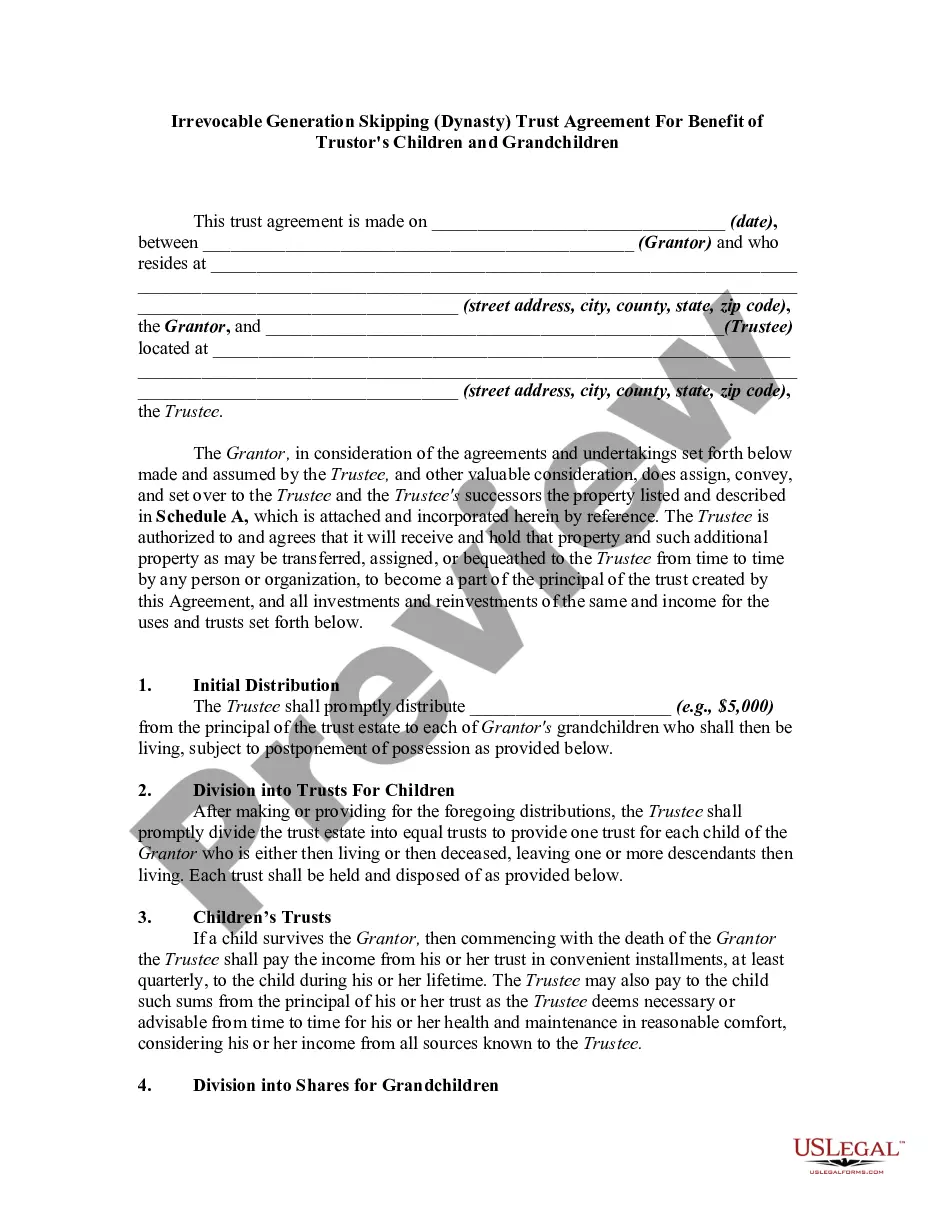
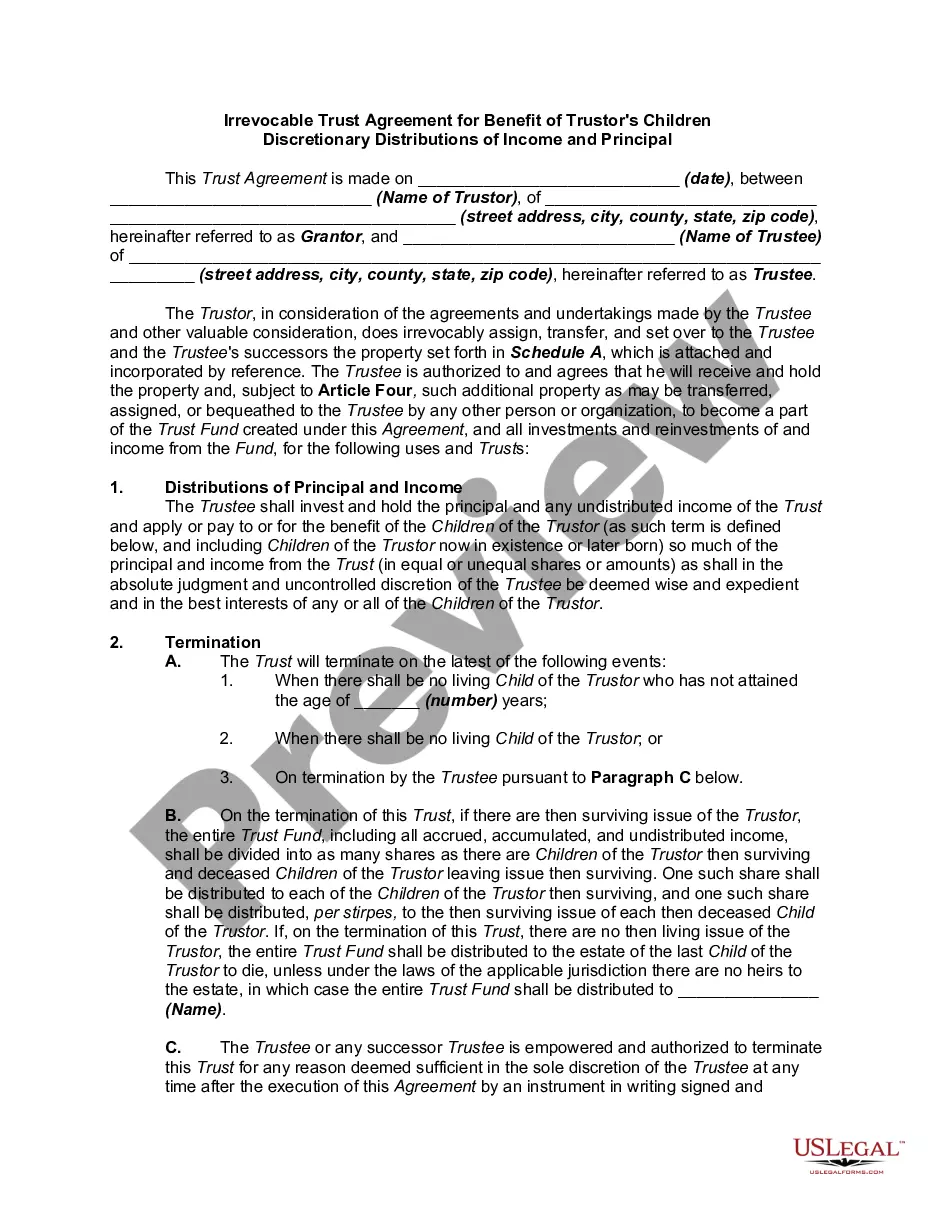


Get your form ready online
Our built-in tools help you complete, sign, share, and store your documents in one place.
Make edits, fill in missing information, and update formatting in US Legal Forms—just like you would in MS Word.
Download a copy, print it, send it by email, or mail it via USPS—whatever works best for your next step.
Sign and collect signatures with our SignNow integration. Send to multiple recipients, set reminders, and more. Go Premium to unlock E-Sign.
If this form requires notarization, complete it online through a secure video call—no need to meet a notary in person or wait for an appointment.
We protect your documents and personal data by following strict security and privacy standards.

Make edits, fill in missing information, and update formatting in US Legal Forms—just like you would in MS Word.

Download a copy, print it, send it by email, or mail it via USPS—whatever works best for your next step.

Sign and collect signatures with our SignNow integration. Send to multiple recipients, set reminders, and more. Go Premium to unlock E-Sign.

If this form requires notarization, complete it online through a secure video call—no need to meet a notary in person or wait for an appointment.

We protect your documents and personal data by following strict security and privacy standards.
Looking for another form?







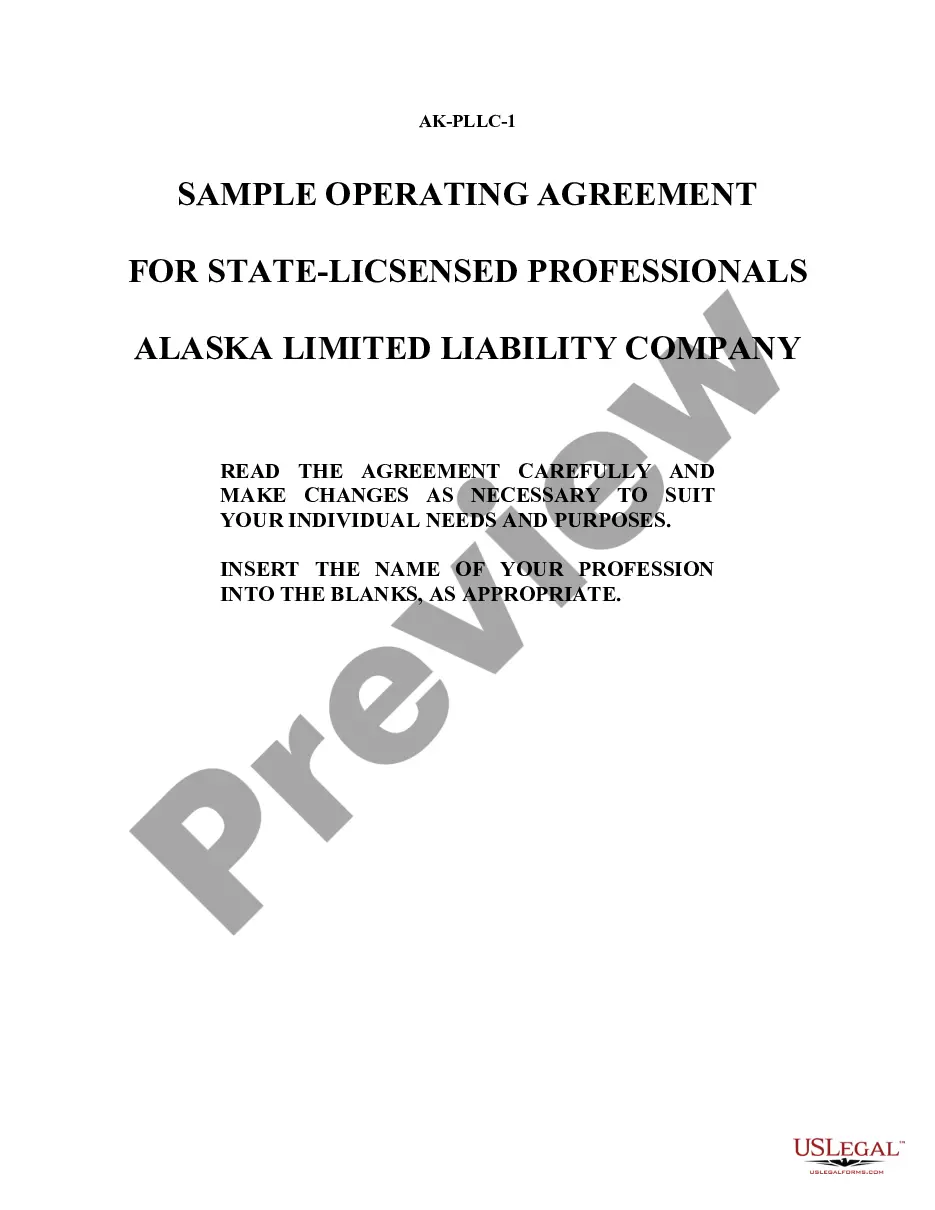

How to fill out Irrevocable Trust Agreement For Benefit Of Trustor's Children And Grandchildren?
Creating legal documents from the ground up can occasionally be somewhat daunting.
Certain situations may require numerous hours of investigation and significant financial investment.
If you're seeking a simpler and more cost-effective method for preparing the Trust Benefit Trustees For Charitable Purposes Act or any other paperwork without unnecessary complications, US Legal Forms is always available to assist you.
Our digital repository of over 85,000 current legal forms covers nearly every aspect of your financial, legal, and personal matters.
Review the document preview and descriptions to confirm that you are looking at the correct form. Ensure that the template you select meets the standards of your state and county. Choose the most appropriate subscription option to acquire the Trust Benefit Trustees For Charitable Purposes Act. Download the form, then fill it out, sign it, and print it. US Legal Forms boasts a strong reputation and more than 25 years of experience. Join us today and make document execution a straightforward and efficient process!
- With just a few clicks, you can swiftly obtain state- and county-specific forms meticulously prepared by our legal experts.
- Utilize our website whenever you require a trustworthy and dependable service through which you can effortlessly find and acquire the Trust Benefit Trustees For Charitable Purposes Act.
- If you're familiar with our site and have previously created an account, simply Log In to your account, find the form, and download it, or re-download it anytime later in the My documents section.
- Not registered yet? No problem. Registering takes minimal time, allowing you to browse the catalog.
- However, before directly downloading the Trust Benefit Trustees For Charitable Purposes Act, adhere to these suggestions.
Form popularity
FAQ
Trustees are the volunteers who lead charities and decide how they are run. You may have heard them called board members or the board. Trusteeship is a great way of contributing to causes you care about and developing strategic and leadership skills at the same time.
A charitable trust described in Internal Revenue Code section 4947(a)(1) is a trust that is not tax exempt, all of the unexpired interests of which are devoted to one or more charitable purposes, and for which a charitable contribution deduction was allowed under a specific section of the Internal Revenue Code.
The term charitable is used in its generally accepted legal sense and includes relief of the poor, the distressed, or the underprivileged; advancement of religion; advancement of education or science; erecting or maintaining public buildings, monuments, or works; lessening the burdens of government; lessening ...
KEY FEATURES OF A PURPOSE TRUST Valid purpose must be stated in the terms of the trust. The purpose must be consistent with public policy and must be reasonable and attainable. Must appoint trustee(s). Required to have an enforcer whose duty is to enforce the trust in relation to its stated purposes.
Generally, if you are a trustee of a trust you will be personally liable for the trust's obligations. This means that you will be personally liable to satisfy the trust's contractual obligations and other legal obligations such as tax payments. These obligations can be significant.