Irrevocable Trust Withdrawals With Mortgage
Description
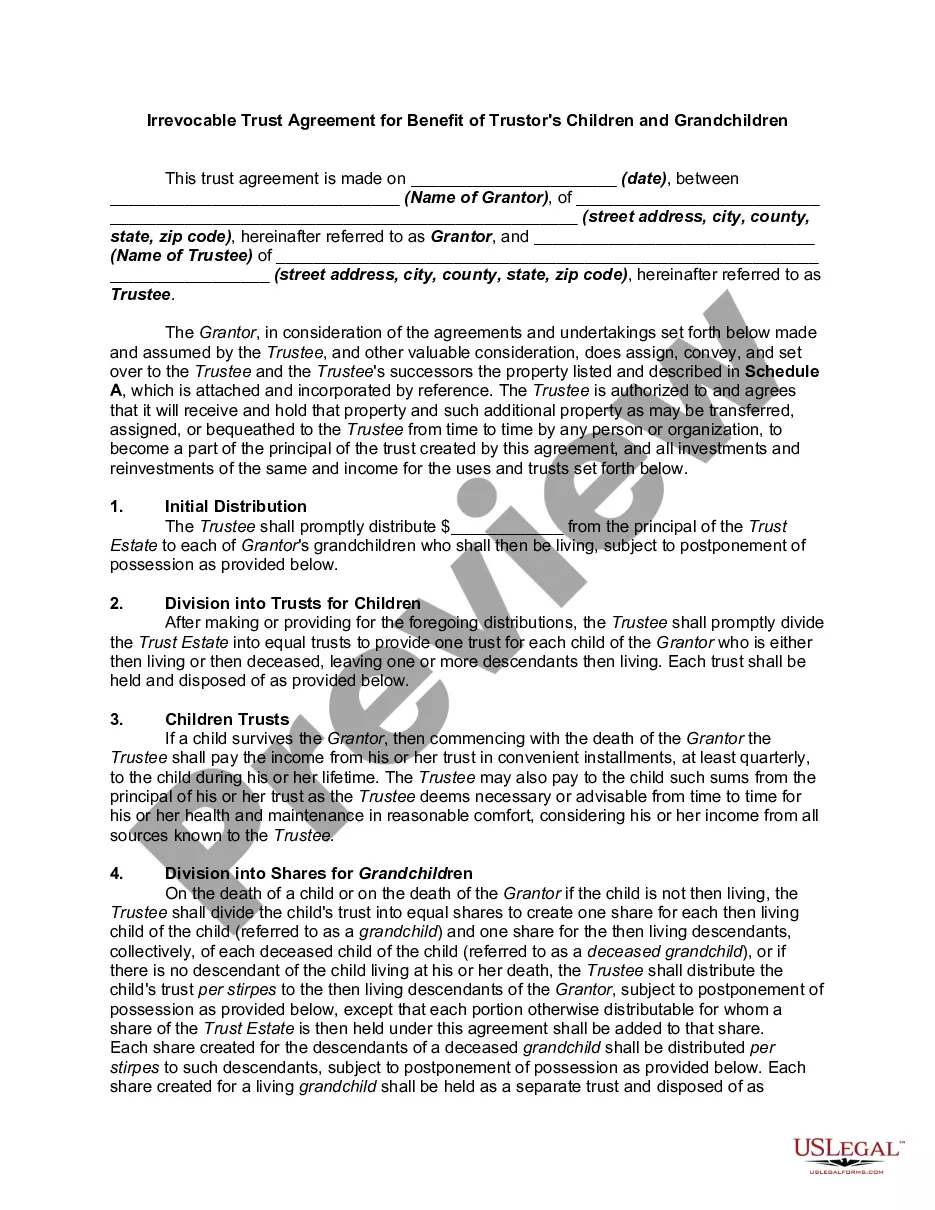
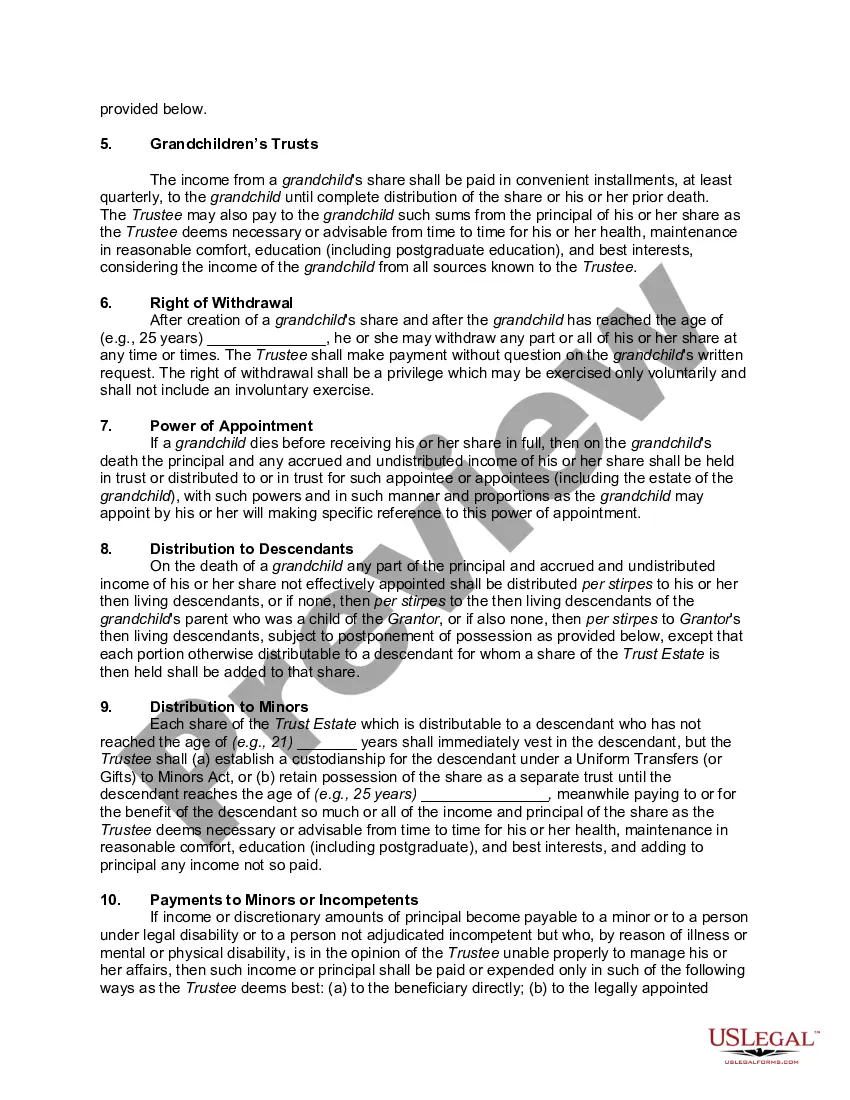
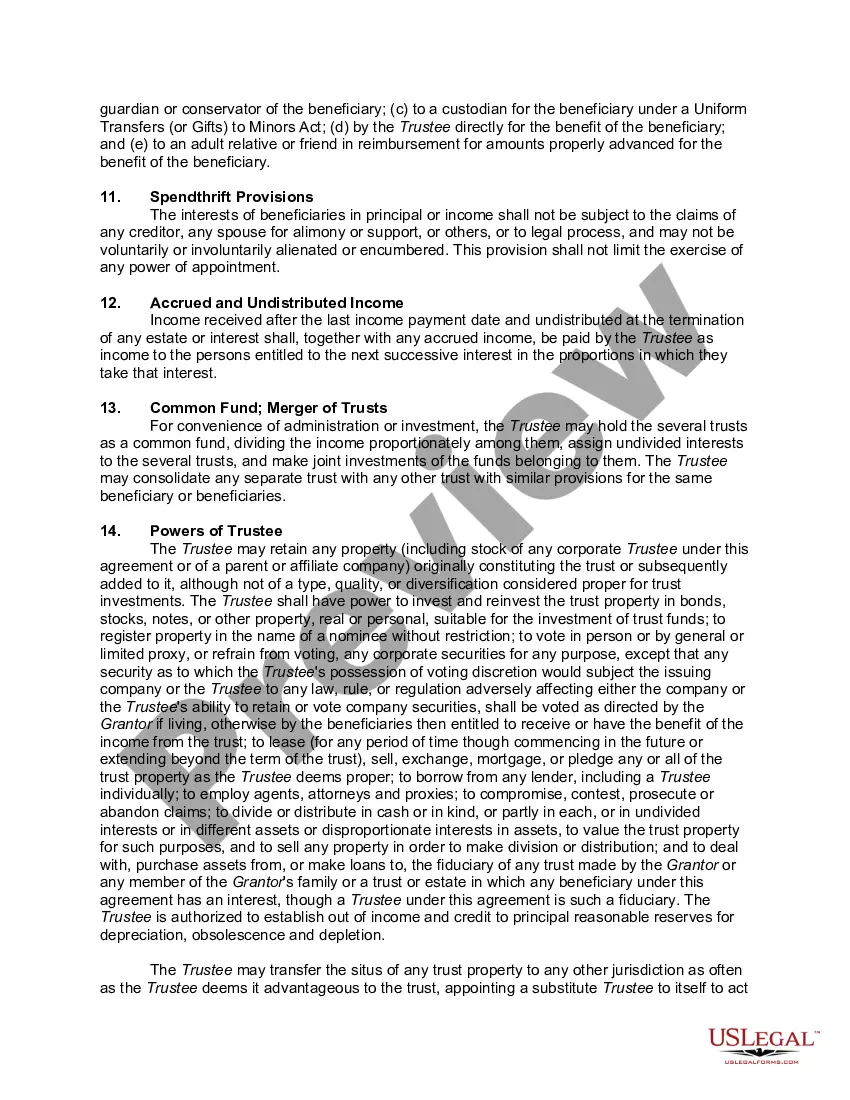
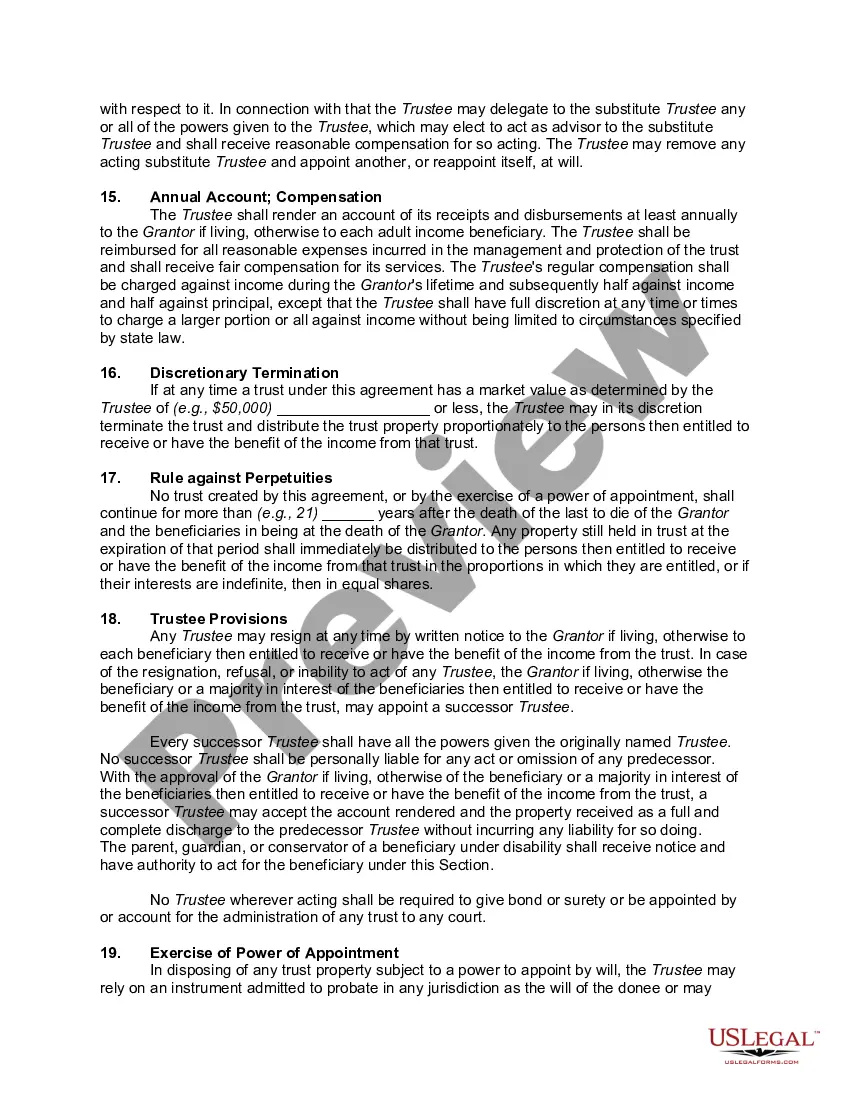
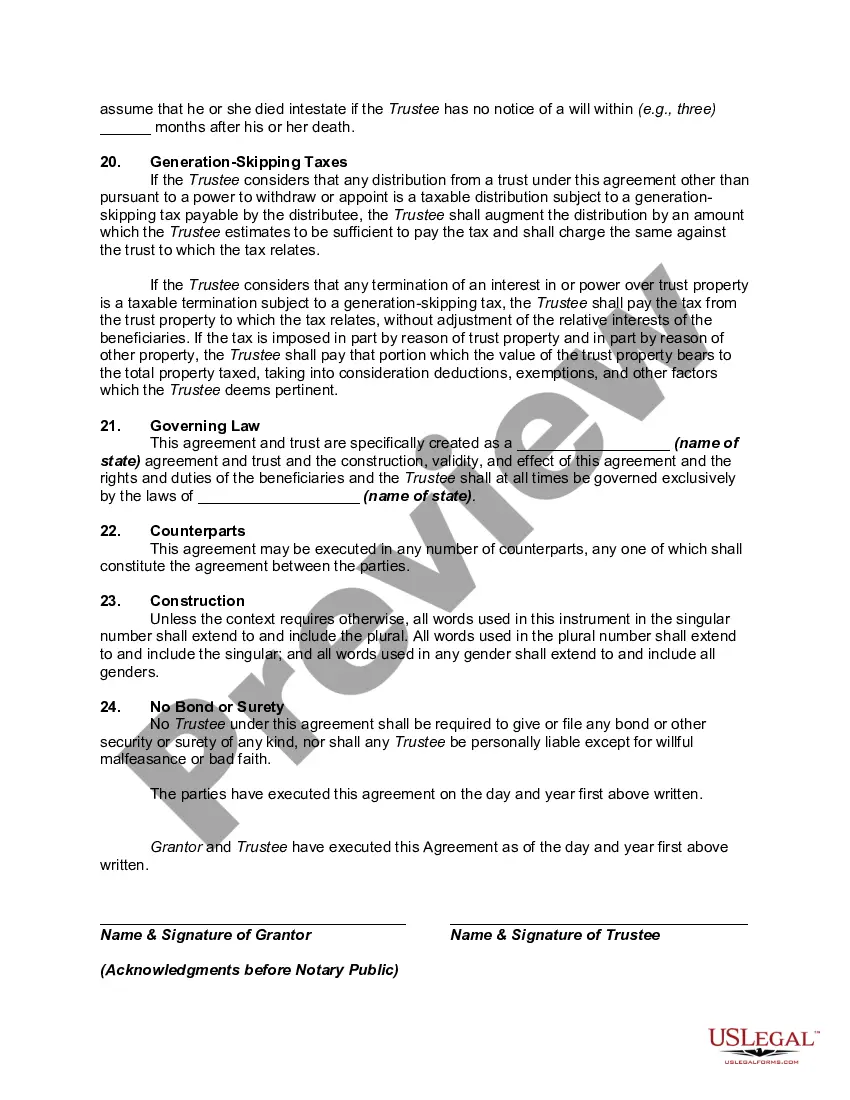

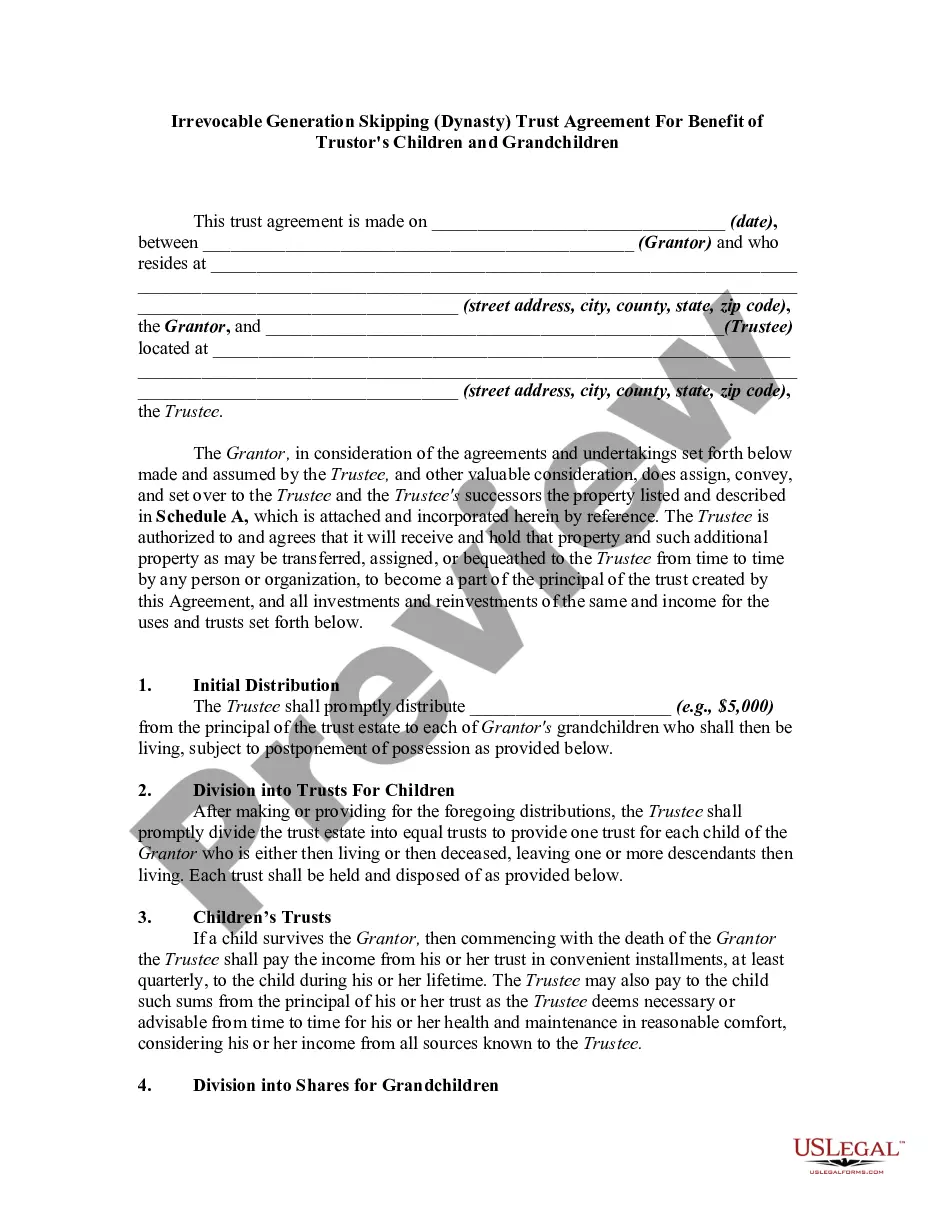
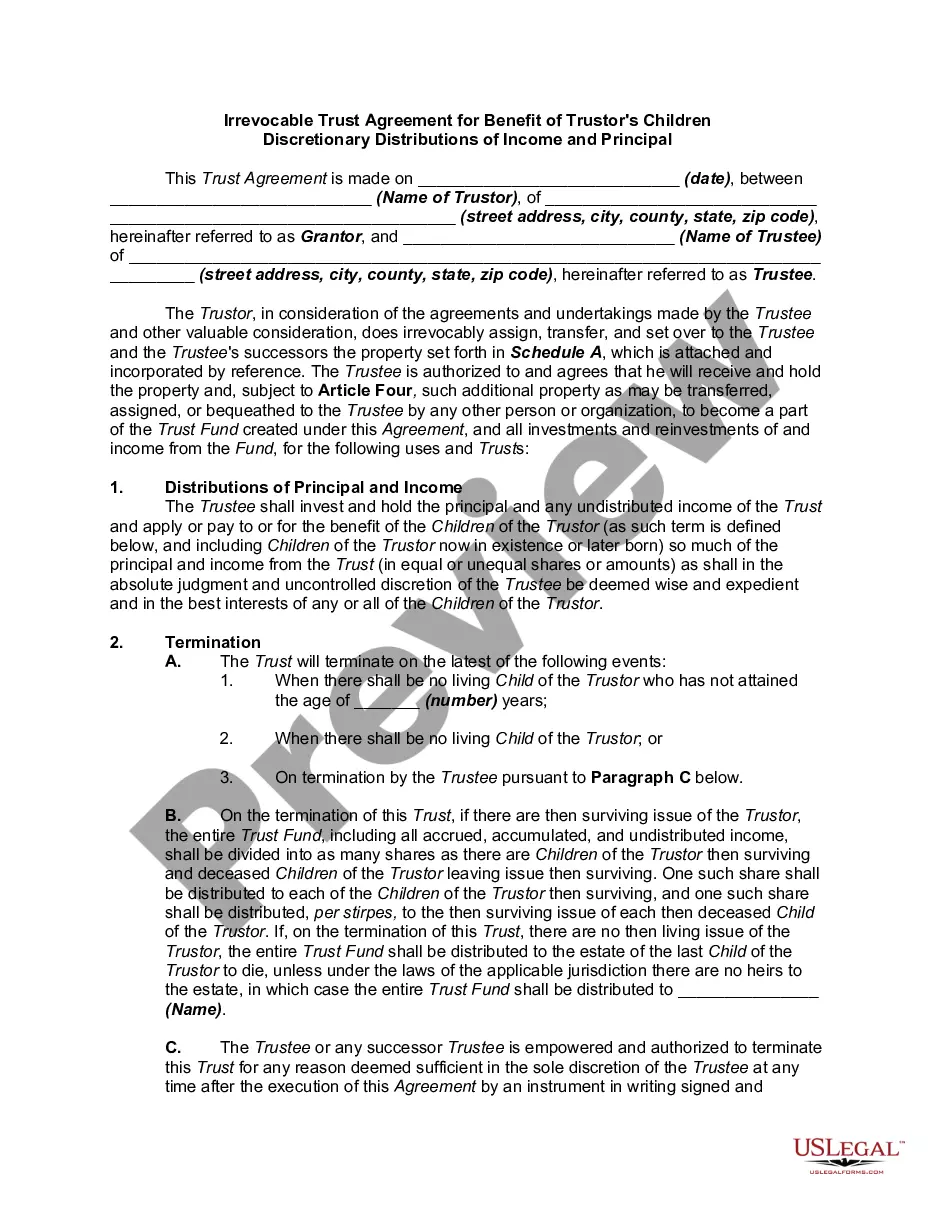
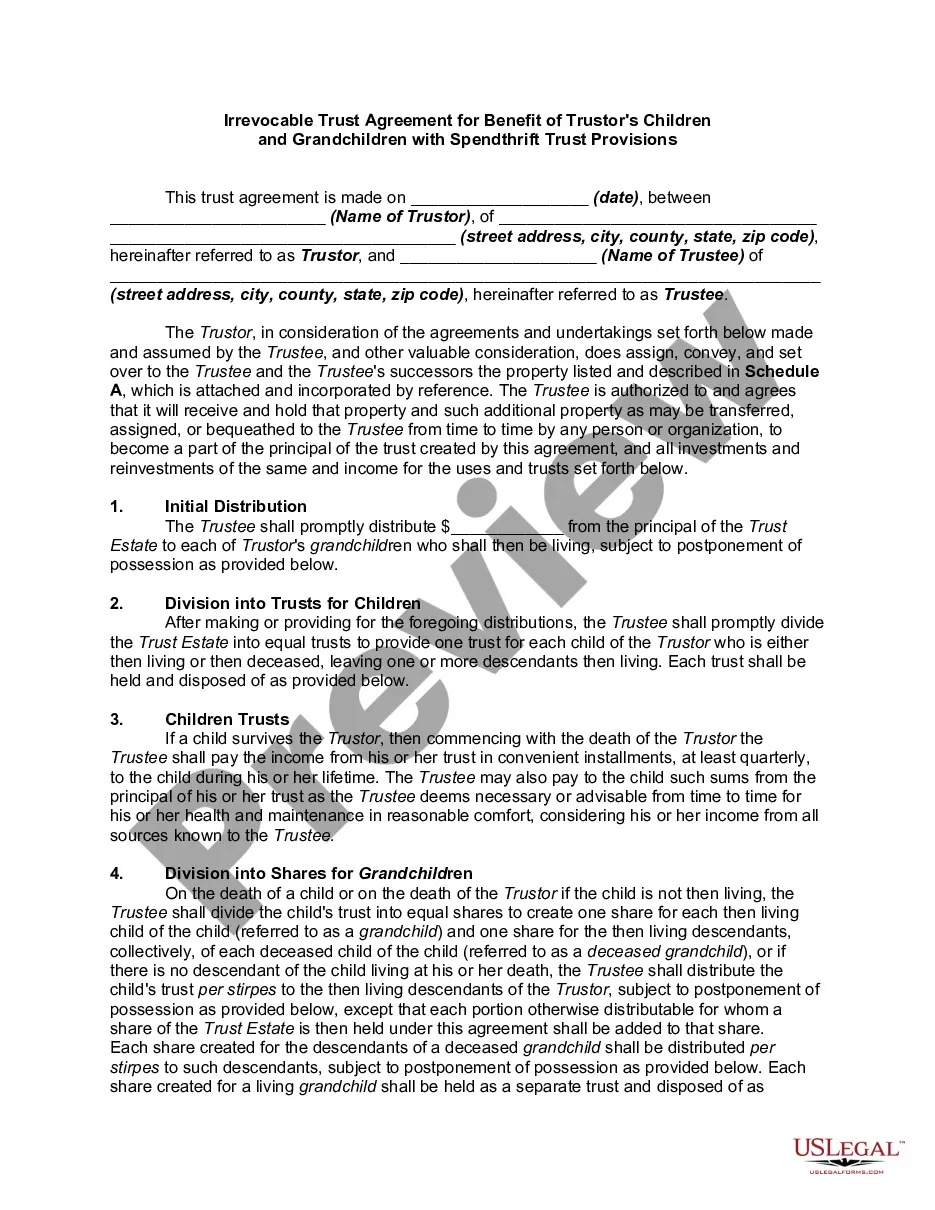
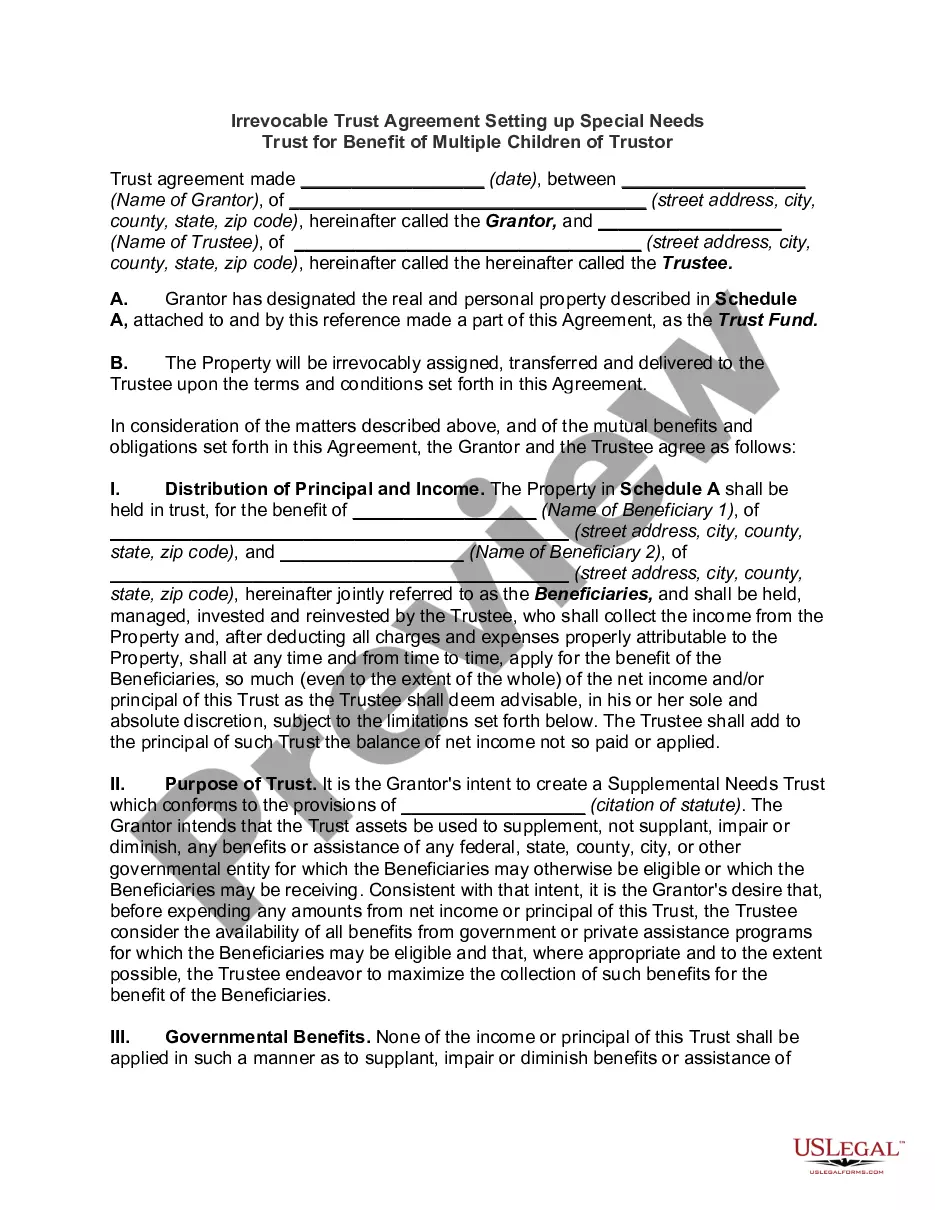
Get your form ready online
Our built-in tools help you complete, sign, share, and store your documents in one place.
Make edits, fill in missing information, and update formatting in US Legal Forms—just like you would in MS Word.
Download a copy, print it, send it by email, or mail it via USPS—whatever works best for your next step.
Sign and collect signatures with our SignNow integration. Send to multiple recipients, set reminders, and more. Go Premium to unlock E-Sign.
If this form requires notarization, complete it online through a secure video call—no need to meet a notary in person or wait for an appointment.
We protect your documents and personal data by following strict security and privacy standards.

Make edits, fill in missing information, and update formatting in US Legal Forms—just like you would in MS Word.

Download a copy, print it, send it by email, or mail it via USPS—whatever works best for your next step.

Sign and collect signatures with our SignNow integration. Send to multiple recipients, set reminders, and more. Go Premium to unlock E-Sign.

If this form requires notarization, complete it online through a secure video call—no need to meet a notary in person or wait for an appointment.

We protect your documents and personal data by following strict security and privacy standards.
Looking for another form?




How to fill out Irrevocable Trust Agreement For Benefit Of Trustor's Children And Grandchildren?
Engaging with legal documents and processes may prove to be a tedious addition to your entire day.
Irrevocable Trust Withdrawals With Mortgage and similar forms frequently necessitate that you locate them and find the most effective way to finish them.
Thus, whether you are managing financial, legal, or personal issues, having a comprehensive and straightforward online repository of forms readily available will be beneficial.
US Legal Forms is the leading online platform for legal templates, offering over 85,000 state-specific forms and a range of tools to assist you in completing your documents with ease.
Simply Log In to your account, find Irrevocable Trust Withdrawals With Mortgage, and obtain it instantly from the My documents section. You can also access forms you have previously downloaded.
- Explore the collection of relevant documents accessible to you with just one click.
- US Legal Forms presents state- and county-specific forms that can be downloaded at any time.
- Safeguard your document management processes with a premium service that empowers you to create any form in minutes without extra or concealed fees.
Form popularity
FAQ
The trustee of an irrevocable Trust cannot withdraw money except to benefit the Trust. These terms include paying maintenance costs and disbursement income to beneficiaries. However, it is not possible to withdraw money for personal or business use.
An irrevocable trust can get a mortgage secured by trust-owned real estate. The trust documents must allow for taking out a mortgage against the real estate by the successor trustee(s). The real estate owned by the irrevocable trust must also have sufficient equity in order to obtain a mortgage.
Can a house with a mortgage be put in an irrevocable trust? Yes. If you're setting up an irrevocable trust, you can certainly transfer your mortgaged house to the trust. You are not required to pay off the mortgage before you transfer the property to the trust.
Irrevocable Trust Tax Return The trustee will report estate taxes using Form 1041, U.S. Income Tax Return for Estates and Trusts. On this form, you'll disclose any interest income, deductions, gains and losses for the trust. You'll also report any distributions on this form.
With an irrevocable trust, the transfer of assets is permanent. So once the trust is created and assets are transferred, they generally can't be taken out again. You can still act as the trustee but you'd be limited to withdrawing money only on an as-needed basis to cover necessary expenses.