Irrevocable Trust Withdrawals With A Trust
Description

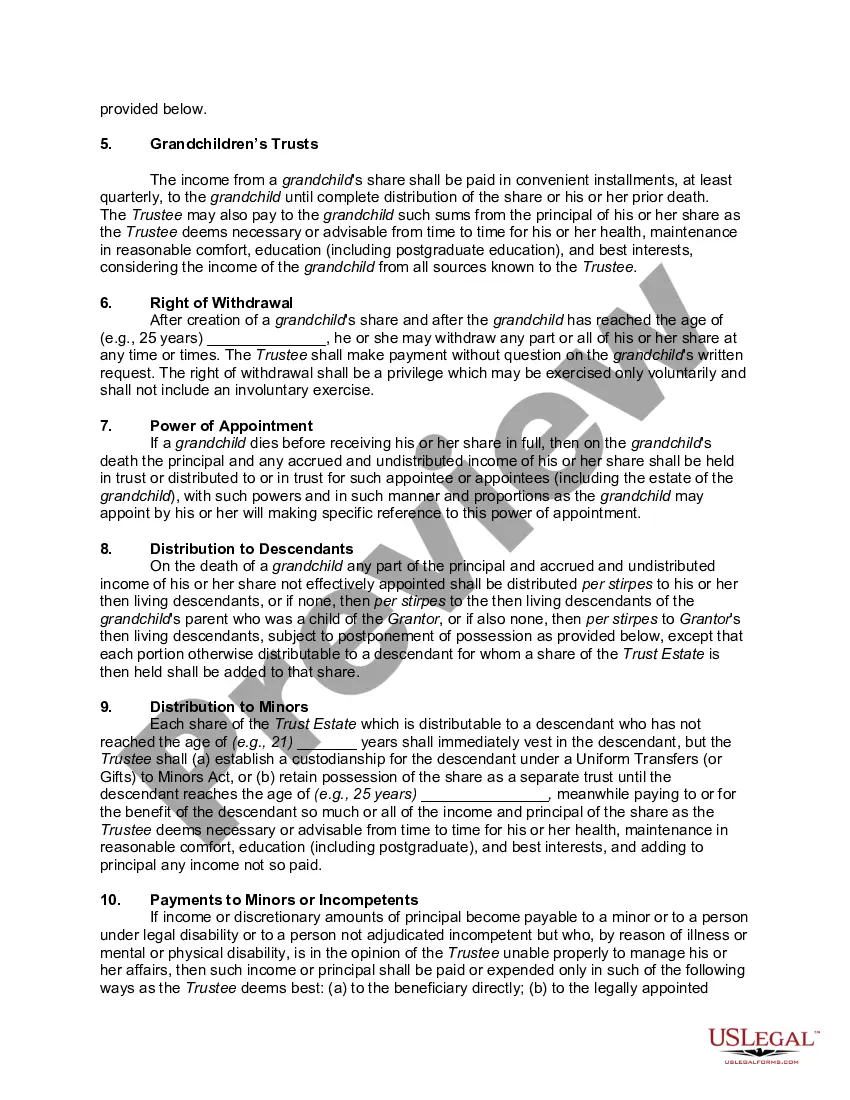
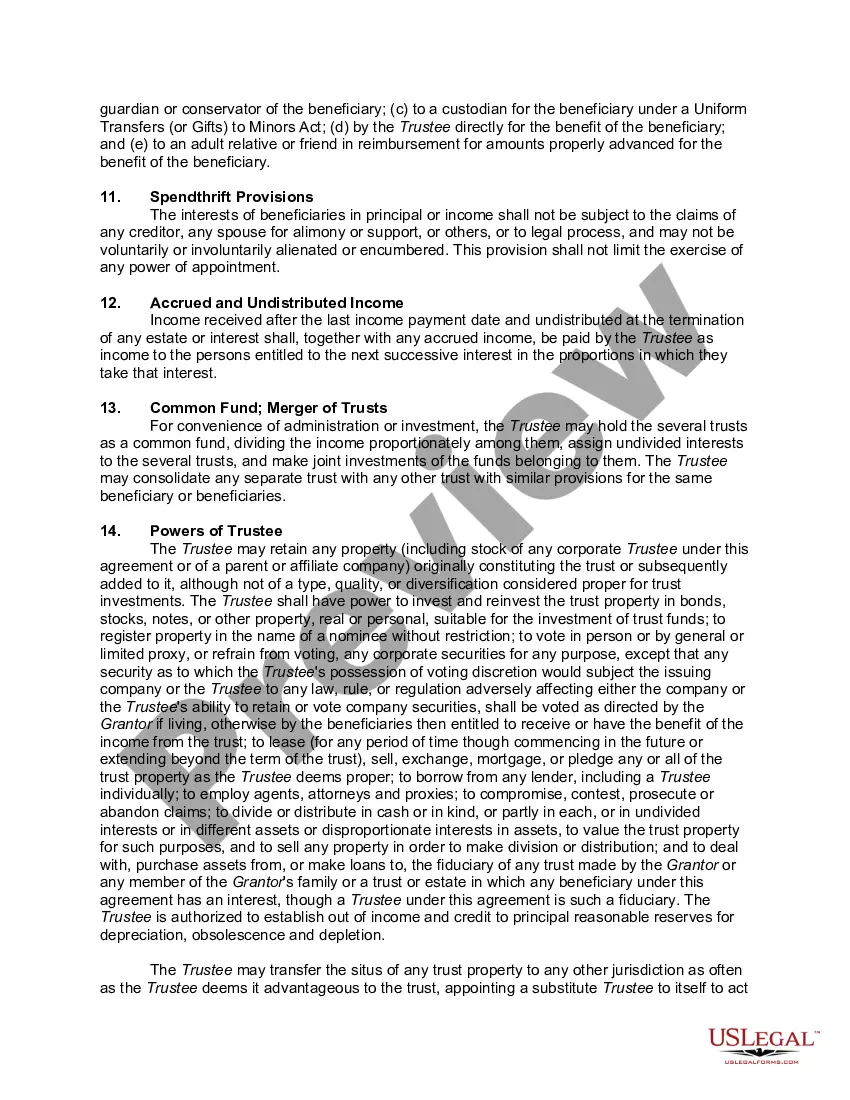
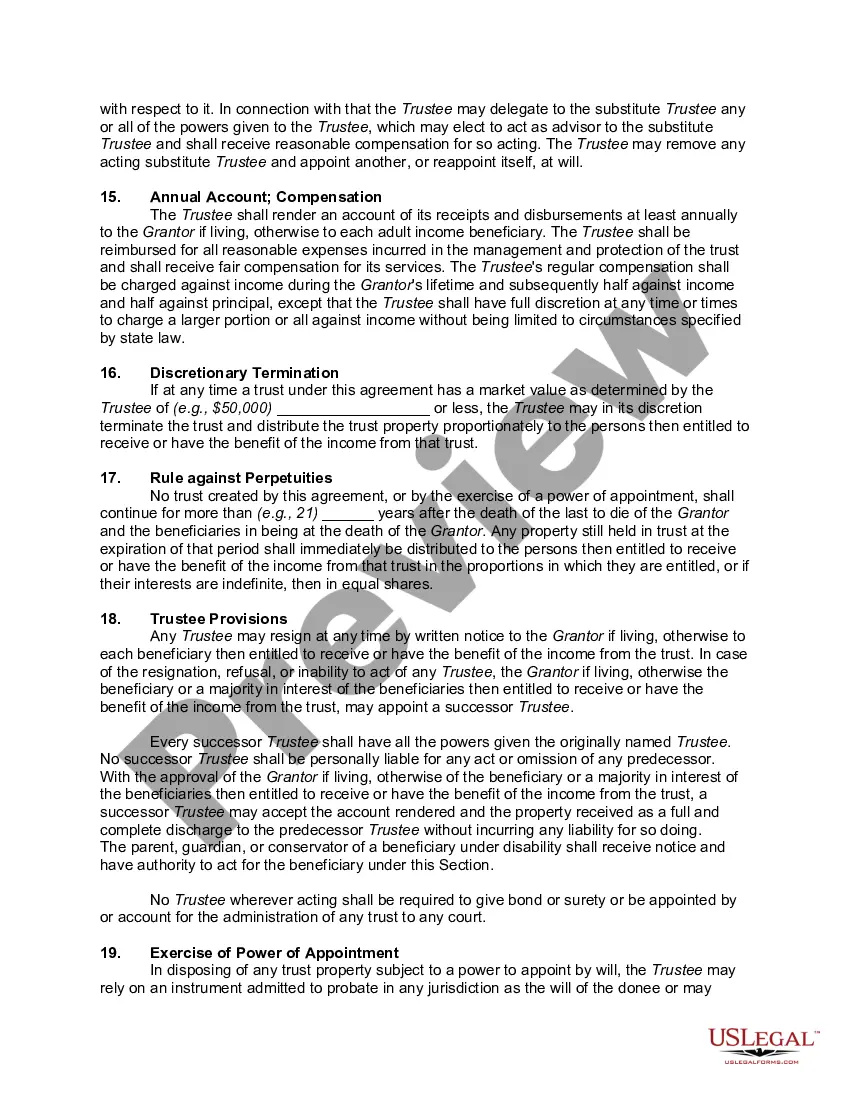
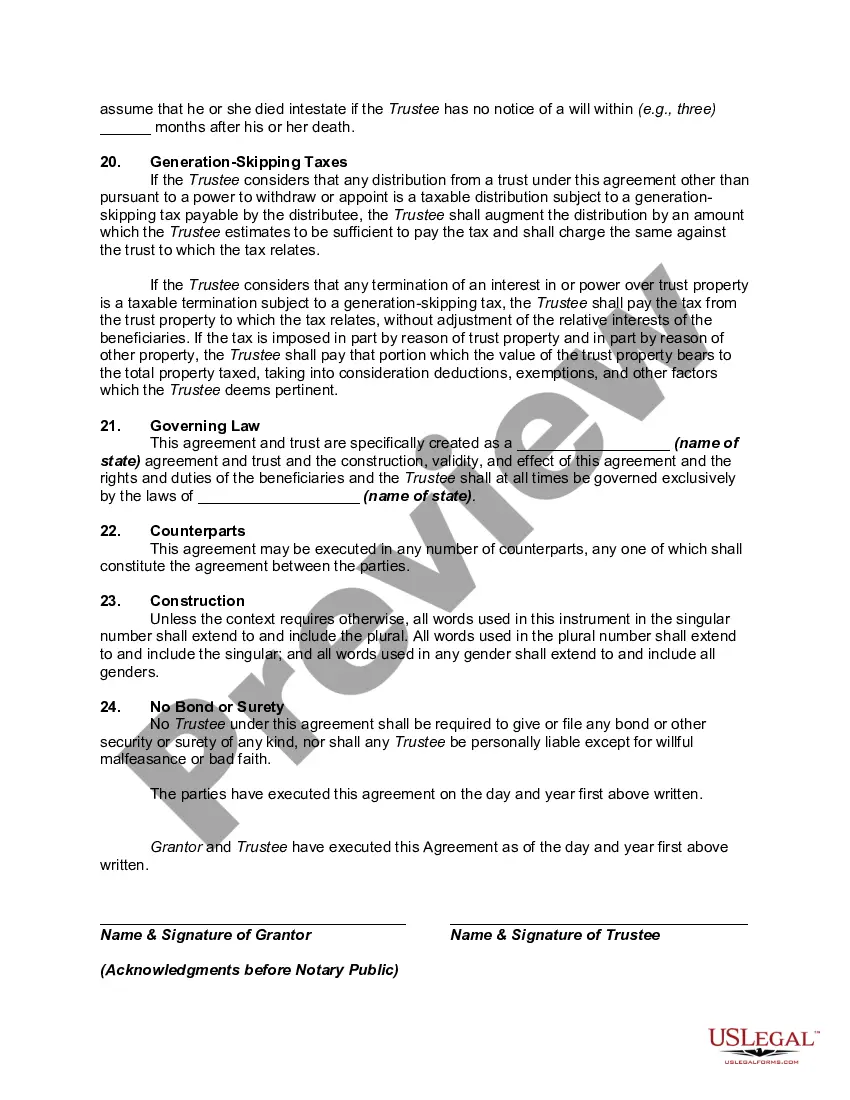



Get your form ready online
Our built-in tools help you complete, sign, share, and store your documents in one place.
Make edits, fill in missing information, and update formatting in US Legal Forms—just like you would in MS Word.
Download a copy, print it, send it by email, or mail it via USPS—whatever works best for your next step.
Sign and collect signatures with our SignNow integration. Send to multiple recipients, set reminders, and more. Go Premium to unlock E-Sign.
If this form requires notarization, complete it online through a secure video call—no need to meet a notary in person or wait for an appointment.
We protect your documents and personal data by following strict security and privacy standards.

Make edits, fill in missing information, and update formatting in US Legal Forms—just like you would in MS Word.

Download a copy, print it, send it by email, or mail it via USPS—whatever works best for your next step.

Sign and collect signatures with our SignNow integration. Send to multiple recipients, set reminders, and more. Go Premium to unlock E-Sign.

If this form requires notarization, complete it online through a secure video call—no need to meet a notary in person or wait for an appointment.

We protect your documents and personal data by following strict security and privacy standards.
Looking for another form?
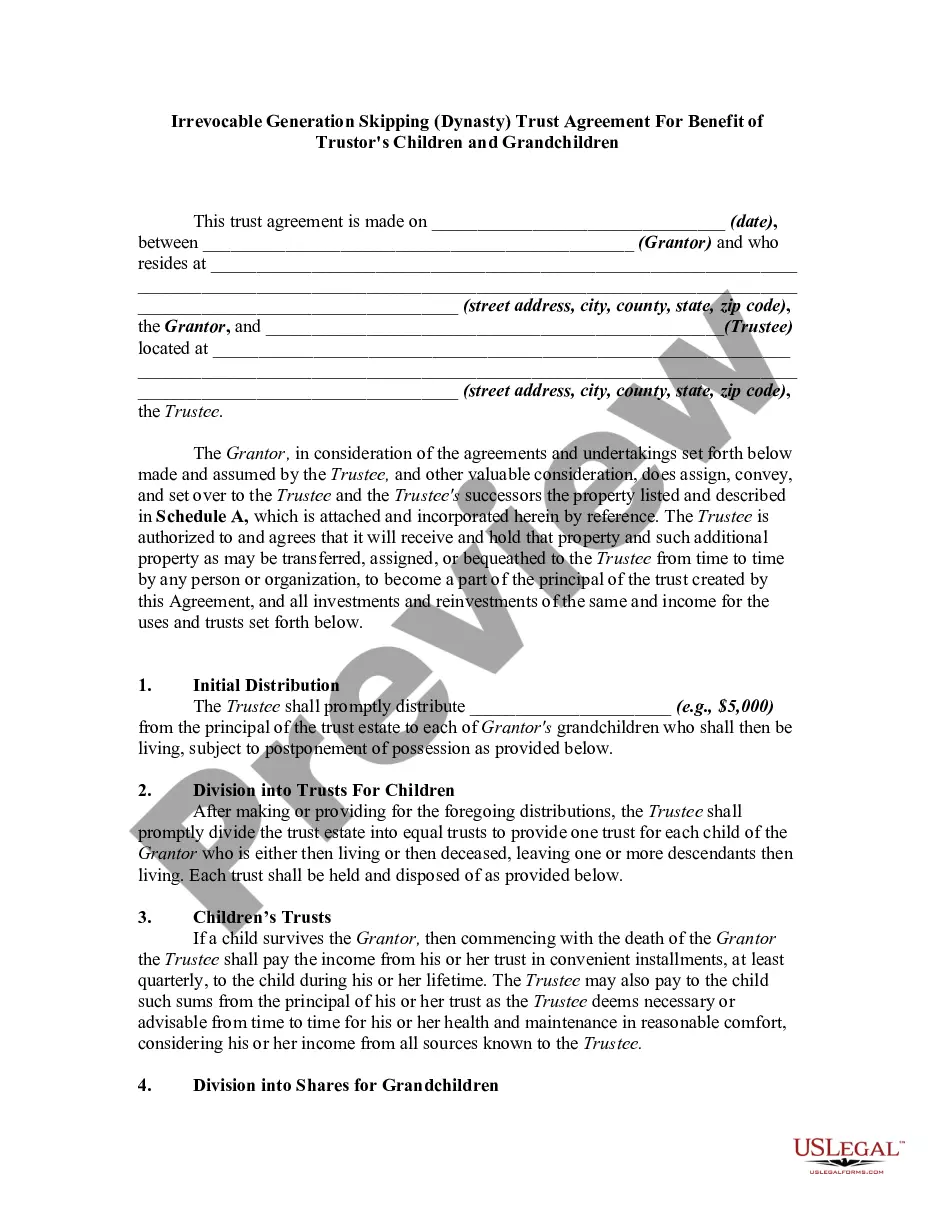
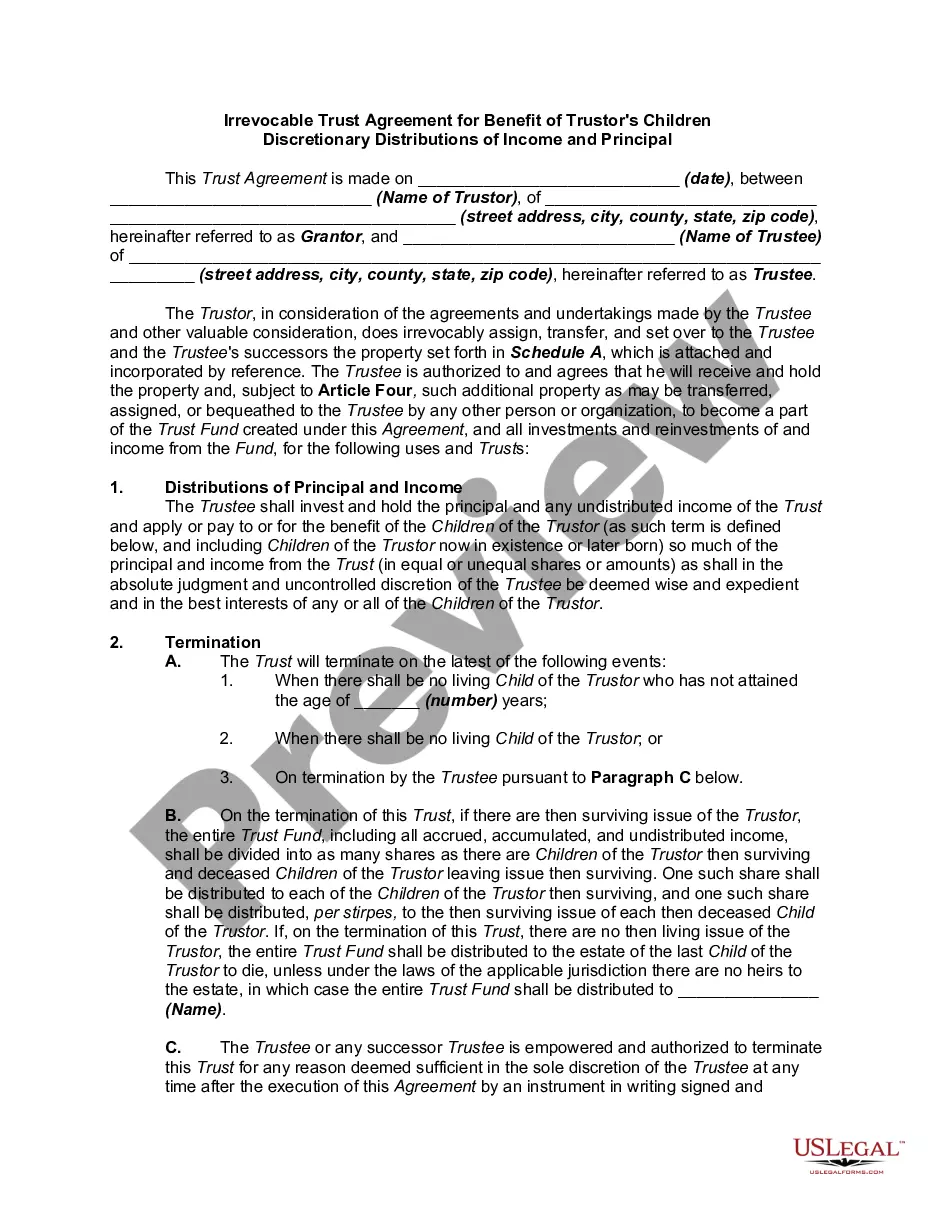
How to fill out Irrevocable Trust Agreement For Benefit Of Trustor's Children And Grandchildren?
- Log in to your account on US Legal Forms if you're a returning user and ensure your subscription is active. If your subscription has lapsed, renew it according to your payment plan.
- Preview the available form options. Verify that you select the appropriate template that aligns with your jurisdiction and specific needs.
- If necessary, search the library for additional forms. Use the search feature to find any alternative if the current selection is unsuitable.
- Proceed to purchase the correct document by clicking the Buy Now button, and select your preferred subscription plan.
- Complete the purchase by entering your payment information through credit card or PayPal, and finalize the transaction.
- Download the form onto your device, enabling you to complete it at your convenience. Access your downloaded documents anytime via the My Forms section of your profile.
By utilizing the resources offered by US Legal Forms, you empower yourself with the knowledge and tools to manage your irrevocable trust effectively. Their comprehensive library ensures you have access to a vast range of legal forms tailored to meet your requirements.
Ready to make the process easier? Start with US Legal Forms today and take control of your trust management!
Form popularity
FAQ
Taking items out of an irrevocable trust can be quite challenging. Generally, once you place assets into this type of trust, they belong to the trust, and control over them is shifted to the trustee. However, you might be able to withdraw assets if the trust document allows for it, or if all beneficiaries agree to the withdrawal. For clear guidance on irrevocable trust withdrawals with a trust, consult with a legal expert or explore resources on USLegalForms, which can help you navigate this process effectively.
One of the biggest mistakes parents make is not clearly defining the terms of the trust. This can lead to confusion and disputes among beneficiaries. It’s crucial to outline how irrevocable trust withdrawals with a trust are handled and who gets what. Taking the time to set clear guidelines can help ensure your intentions are honored and that your loved ones benefit as planned.
To report distributions from an irrevocable trust, you will need the K-1 form provided by the trustee. This form will help you determine how much income to report on your tax return. Each distribution is part of the irrevocable trust withdrawals with a trust, and it is vital to report it correctly to avoid any issues with the IRS. Consider using platforms like uslegalforms to streamline the reporting process.
Yes, trust distributions must be reported to the IRS. Beneficiaries should receive a form K-1, which details the income they received from the trust. This income falls under the category of irrevocable trust withdrawals with a trust, and reporting it accurately is crucial for compliance. Keep records of all distributions for a smoother tax filing process.
Yes, income distributed from an irrevocable trust is generally taxable to the beneficiary. When beneficiaries receive distributions, they must report that income on their tax returns. Therefore, engaging in irrevocable trust withdrawals with a trust can lead to tax liabilities. Always consult a tax professional to understand your specific tax obligations.
When you receive distributions from an irrevocable trust, you need to report them on your tax return. Typically, the trust will provide a Schedule K-1, which details your share of the trust's income. This information is essential for accurate reporting to the IRS. Understanding how to manage irrevocable trust withdrawals with a trust ensures compliance and helps you avoid potential tax issues.
Exiting an irrevocable trust can be challenging, but there are some options. In certain situations, you may request a modification of the trust if all beneficiaries agree. Alternatively, some trusts may include provisions for withdrawal, depending on their specific terms. It's crucial to consult with a legal professional to explore avenues for making irrevocable trust withdrawals with a trust.