Irrevocable Trust Withdrawals For Taxes
Description
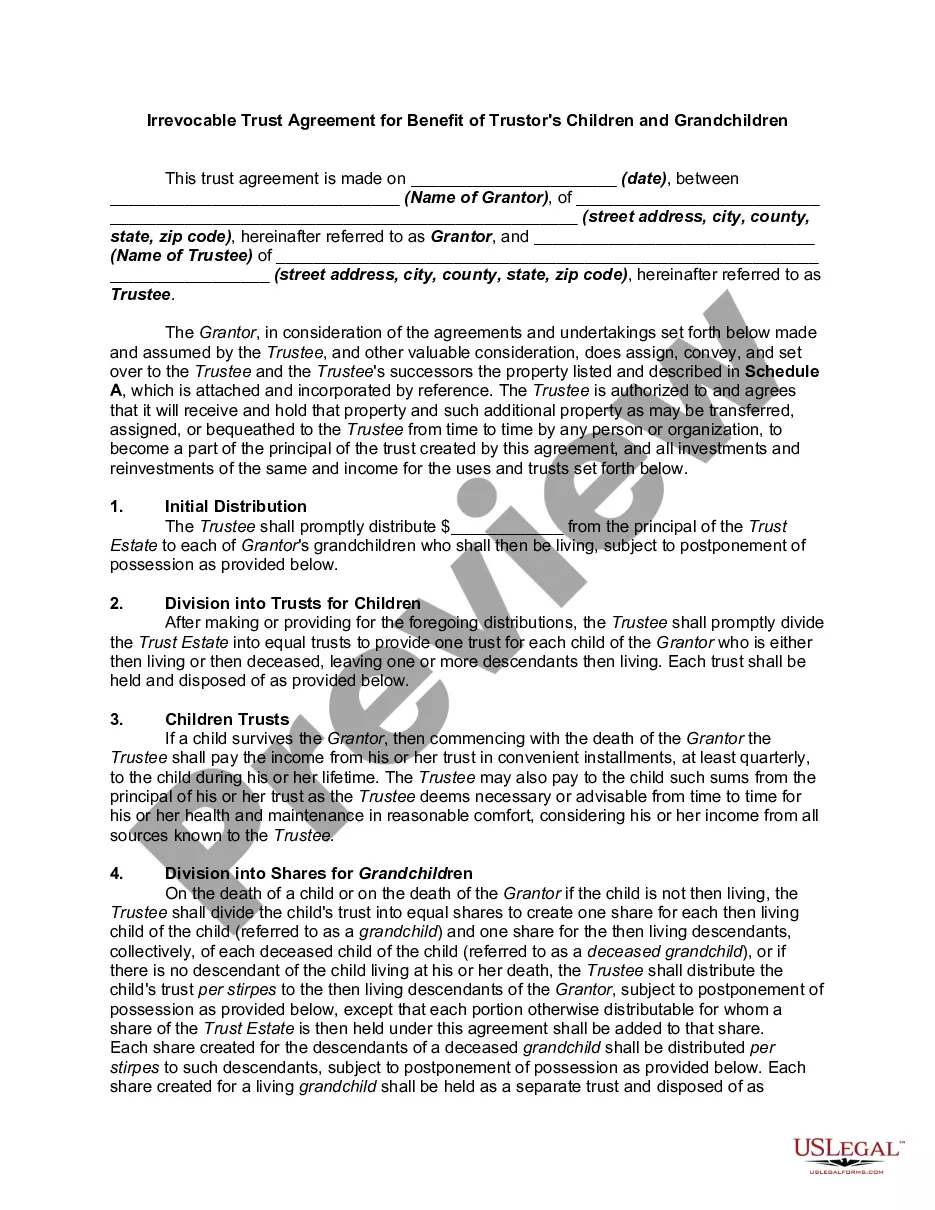
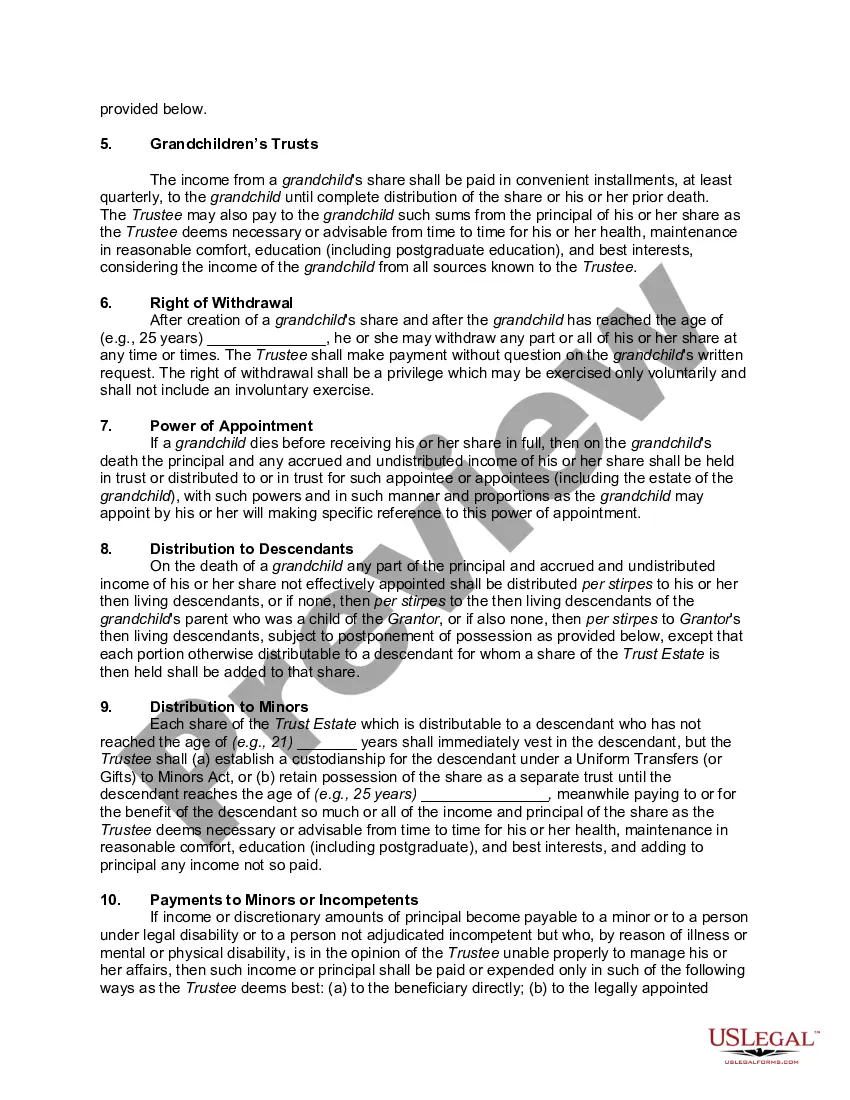
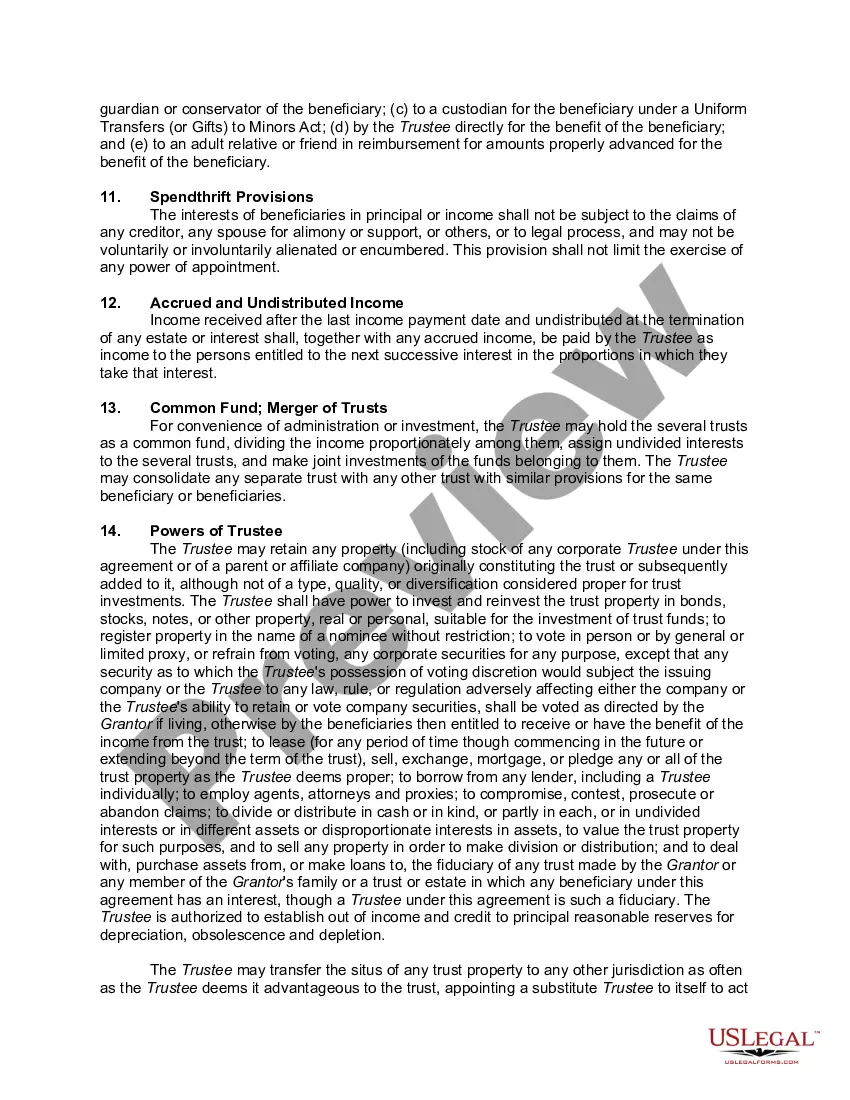
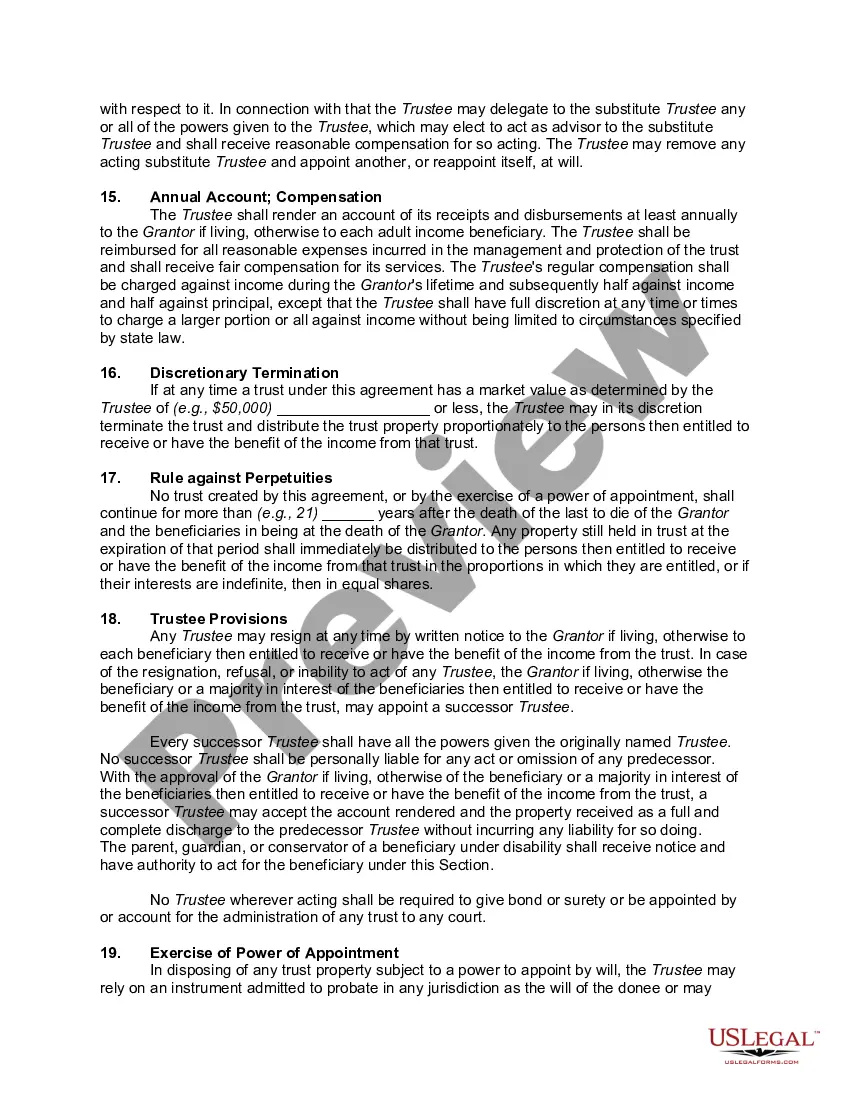

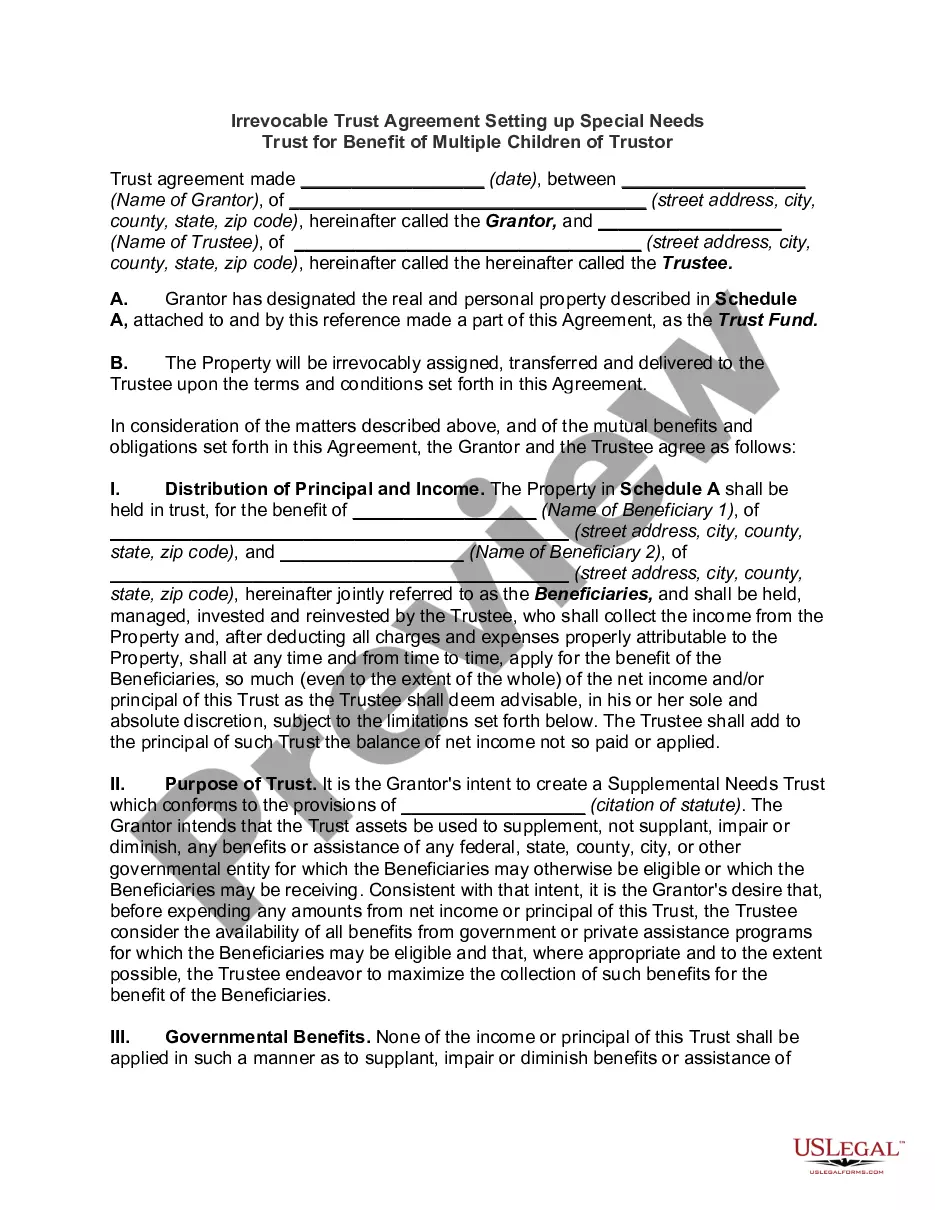
Get your form ready online
Our built-in tools help you complete, sign, share, and store your documents in one place.
Make edits, fill in missing information, and update formatting in US Legal Forms—just like you would in MS Word.
Download a copy, print it, send it by email, or mail it via USPS—whatever works best for your next step.
Sign and collect signatures with our SignNow integration. Send to multiple recipients, set reminders, and more. Go Premium to unlock E-Sign.
If this form requires notarization, complete it online through a secure video call—no need to meet a notary in person or wait for an appointment.
We protect your documents and personal data by following strict security and privacy standards.

Make edits, fill in missing information, and update formatting in US Legal Forms—just like you would in MS Word.

Download a copy, print it, send it by email, or mail it via USPS—whatever works best for your next step.

Sign and collect signatures with our SignNow integration. Send to multiple recipients, set reminders, and more. Go Premium to unlock E-Sign.

If this form requires notarization, complete it online through a secure video call—no need to meet a notary in person or wait for an appointment.

We protect your documents and personal data by following strict security and privacy standards.
Looking for another form?



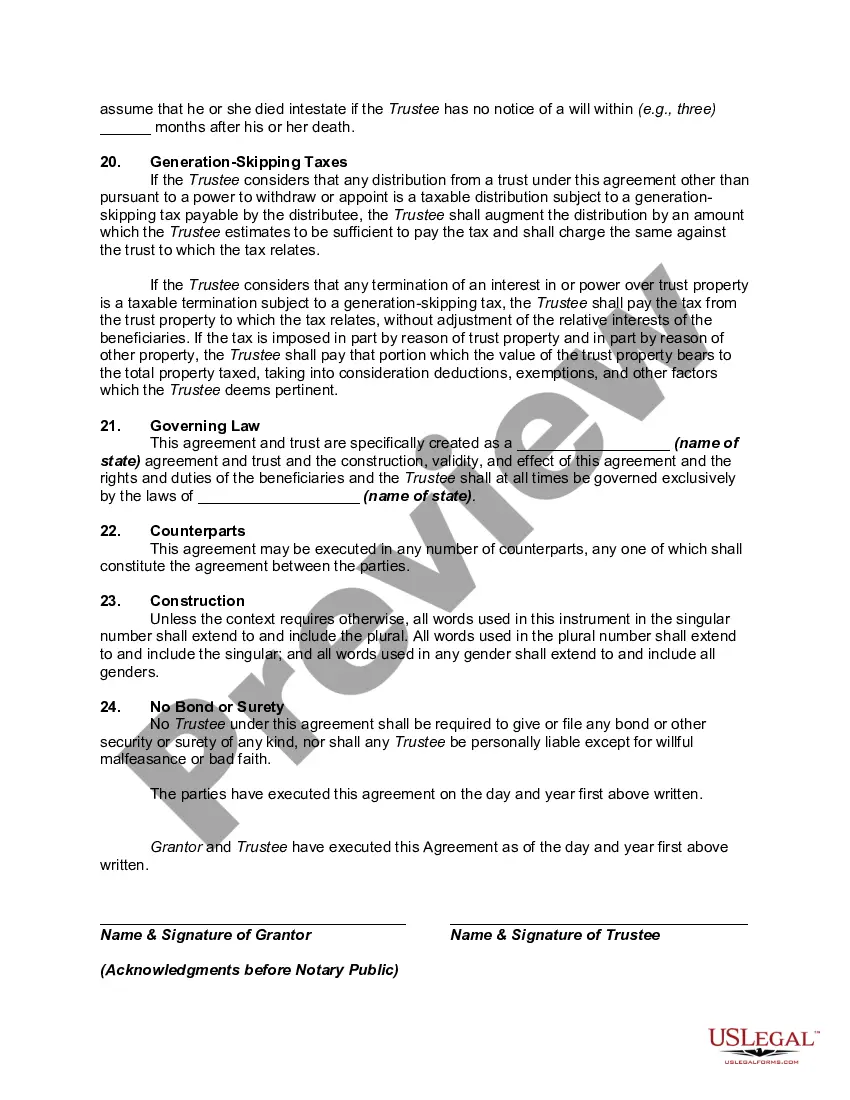
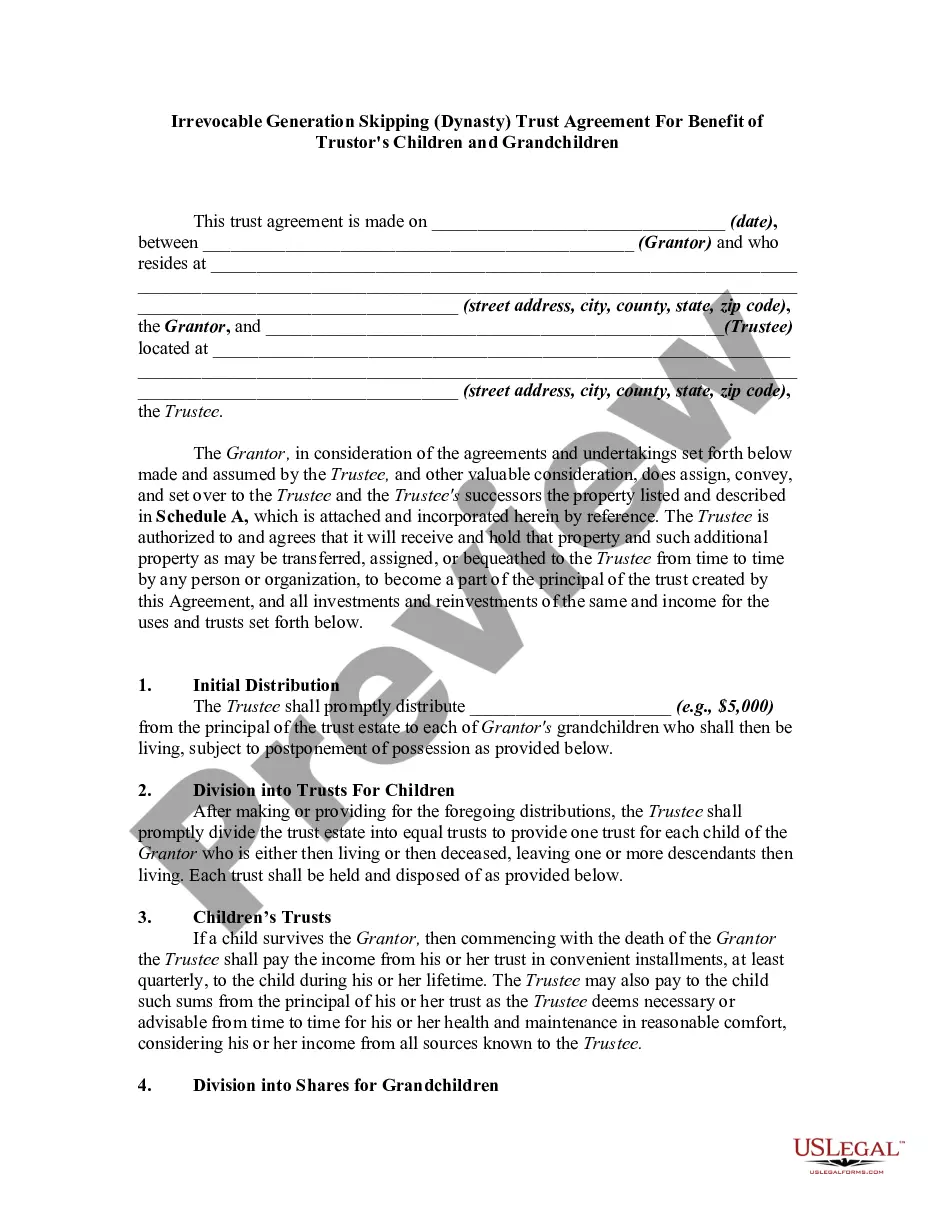
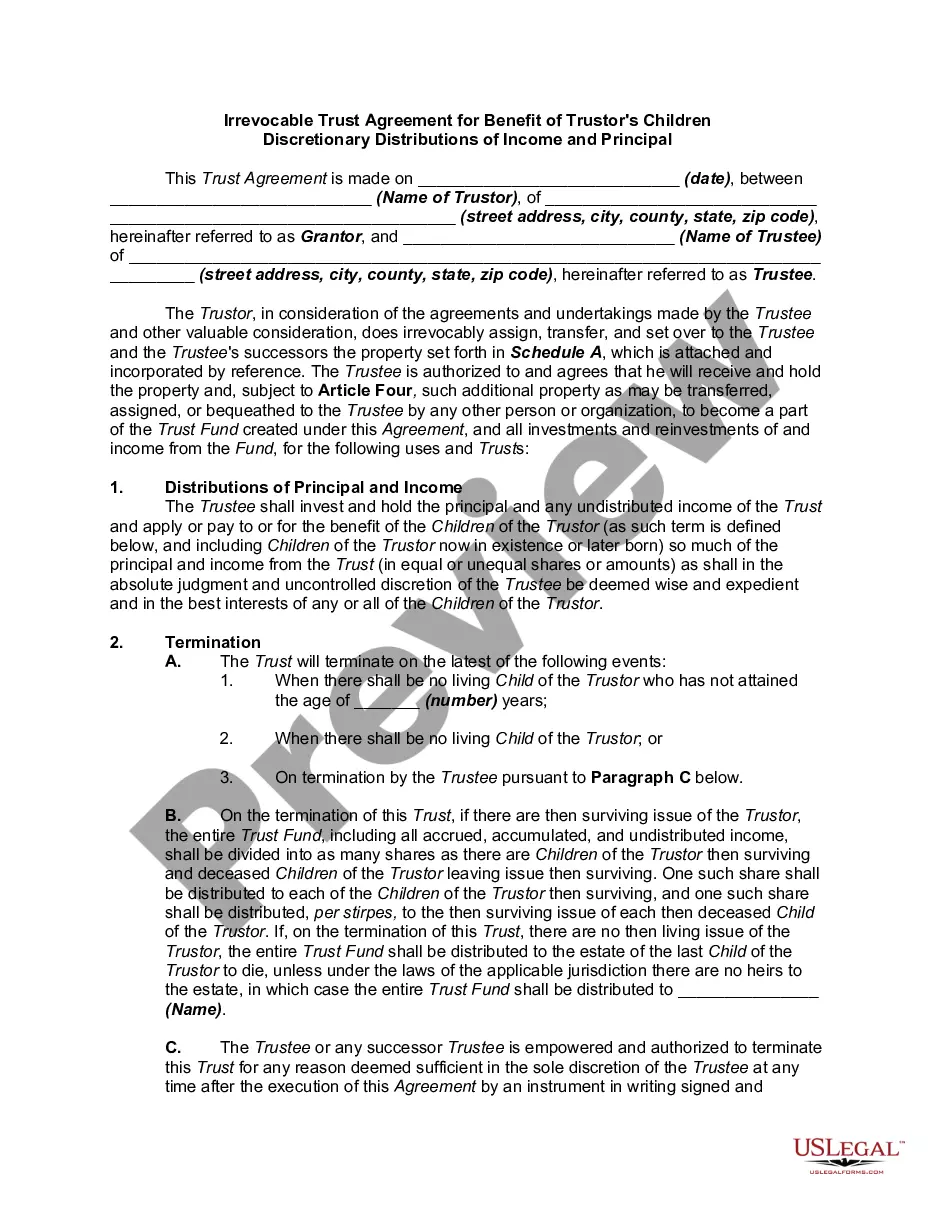
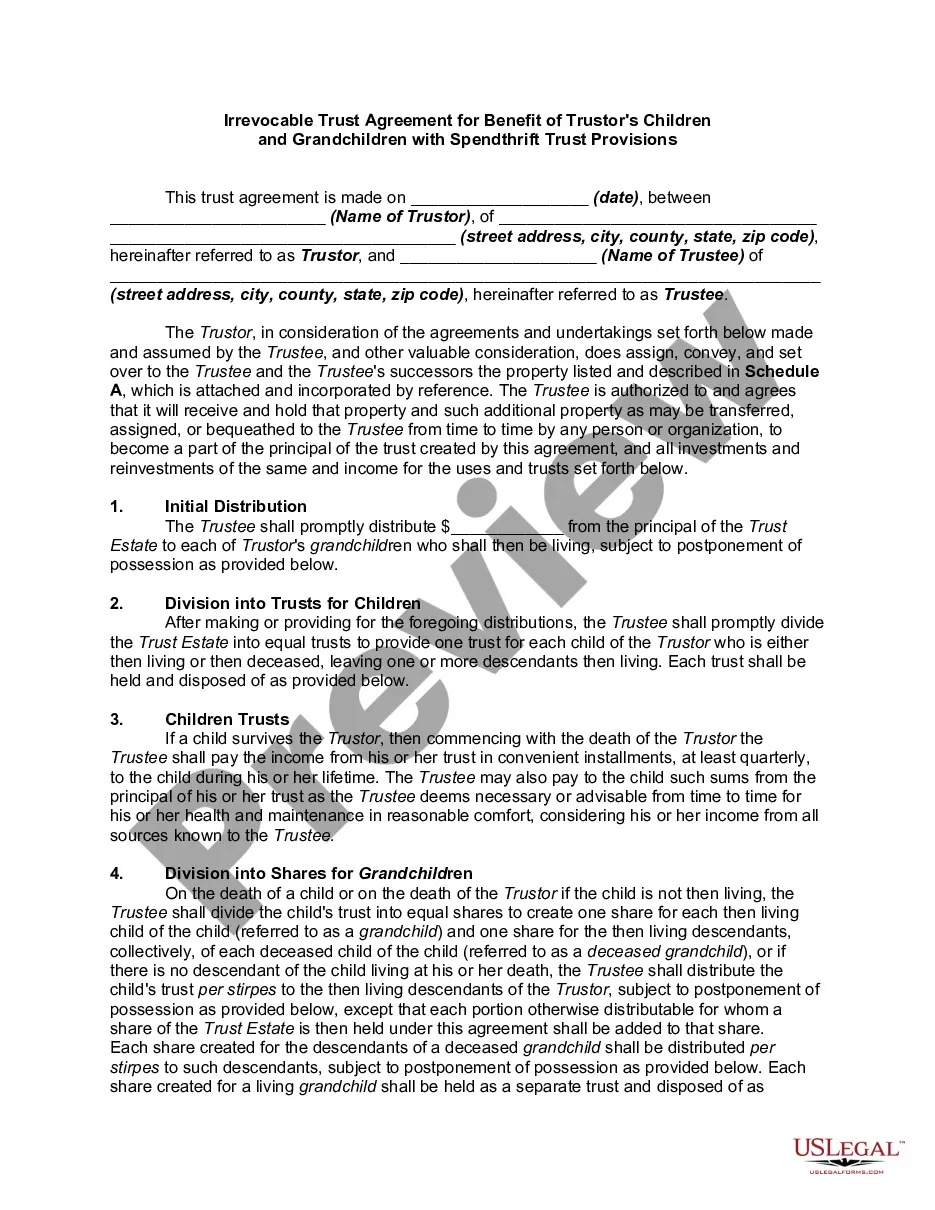
How to fill out Irrevocable Trust Agreement For Benefit Of Trustor's Children And Grandchildren?
Accessing sample legal documents that comply with federal and state regulations is vital, and the web provides numerous selections to choose from.
However, what's the advantage of spending time searching for the accurately prepared Irrevocable Trust Withdrawals For Taxes template on the internet when the US Legal Forms online library has already compiled such templates in one location.
US Legal Forms is the largest online legal repository with over 85,000 fillable templates created by attorneys for any commercial and personal needs.
Explore the template using the Preview feature or the text summary to confirm it aligns with your needs. Search for another sample with the search tool at the top of the page if necessary. Click Buy Now once you find the right form and choose a subscription plan. Create an account or Log In and process payment using PayPal or a credit card. Select the format for your Irrevocable Trust Withdrawals For Taxes and download it. All templates you find on US Legal Forms are reusable. To download and fill out previously purchased forms, access the My documents tab in your account. Enjoy the most extensive and user-friendly legal document service!
- They are easy to navigate with all documents organized by state and intended use.
- Our experts keep up with legal amendments, ensuring you can always trust that your form is current and compliant when acquiring an Irrevocable Trust Withdrawals For Taxes from our website.
- Getting an Irrevocable Trust Withdrawals For Taxes is straightforward and rapid for both existing and new clients.
- If you already possess an account with an active subscription, Log In and retrieve the document template you need in your desired format.
- If you are visiting our site for the first time, follow the instructions below.
Form popularity
FAQ
Since an irrevocable trust is under the trustee's care, they will be responsible for filing Form 1041 and reporting the income stream. This differs from a revocable trust, where the grantor controls the trust and reports income on their personal Form 1040.
If the trust holds the income and does not disburse it to the beneficiary by year-end, then the trust is liable for the taxes. However, if funds are distributed to one or more beneficiaries, the income is taxable to the person who receives it. The taxable amount depends on the interest vs. principal allocation.
With an irrevocable trust, the transfer of assets is permanent. So once the trust is created and assets are transferred, they generally can't be taken out again. You can still act as the trustee but you'd be limited to withdrawing money only on an as-needed basis to cover necessary expenses.
If the trust holds the income and does not disburse it to the beneficiary by year-end, then the trust is liable for the taxes. However, if funds are distributed to one or more beneficiaries, the income is taxable to the person who receives it. The taxable amount depends on the interest vs. principal allocation.
Trust beneficiaries must pay taxes on income and other distributions from a trust. Trust beneficiaries don't have to pay taxes on returned principal from the trust's assets. IRS forms K-1 and 1041 are required for filing tax returns that receive trust disbursements.