Irrevocable Form Trust With Someone You Hurt
Description

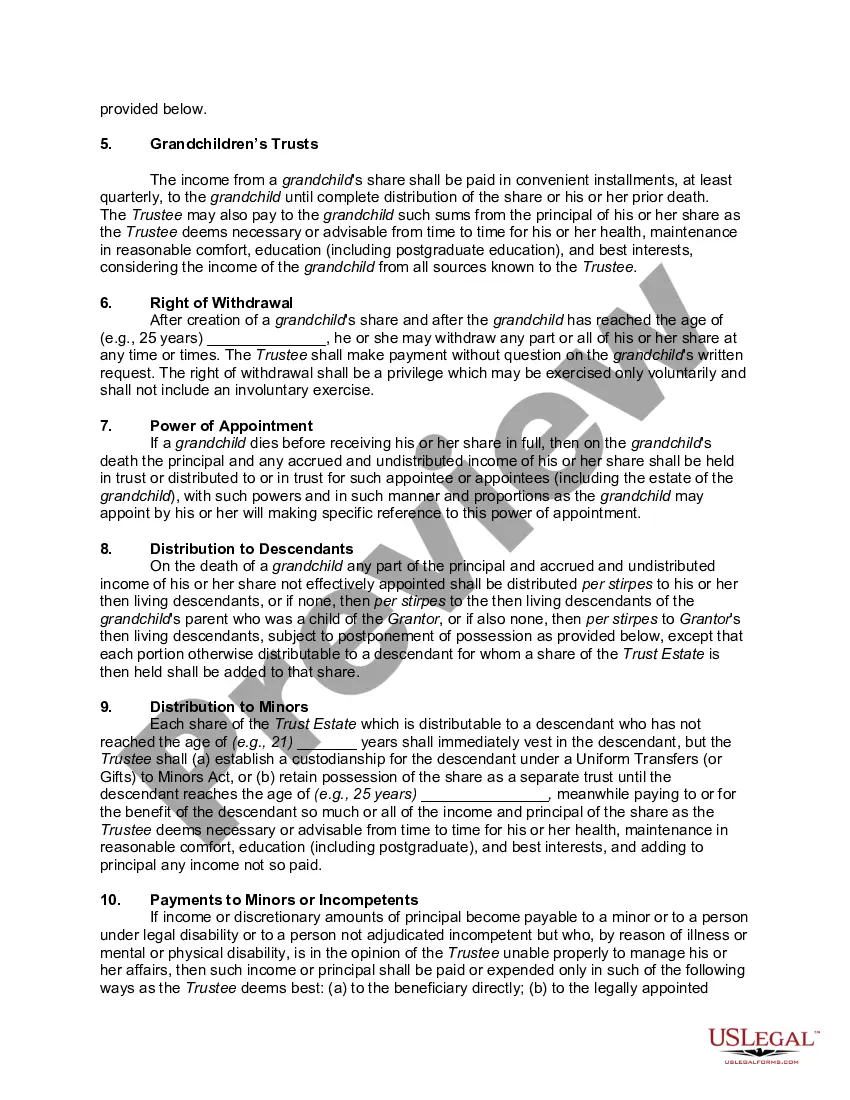
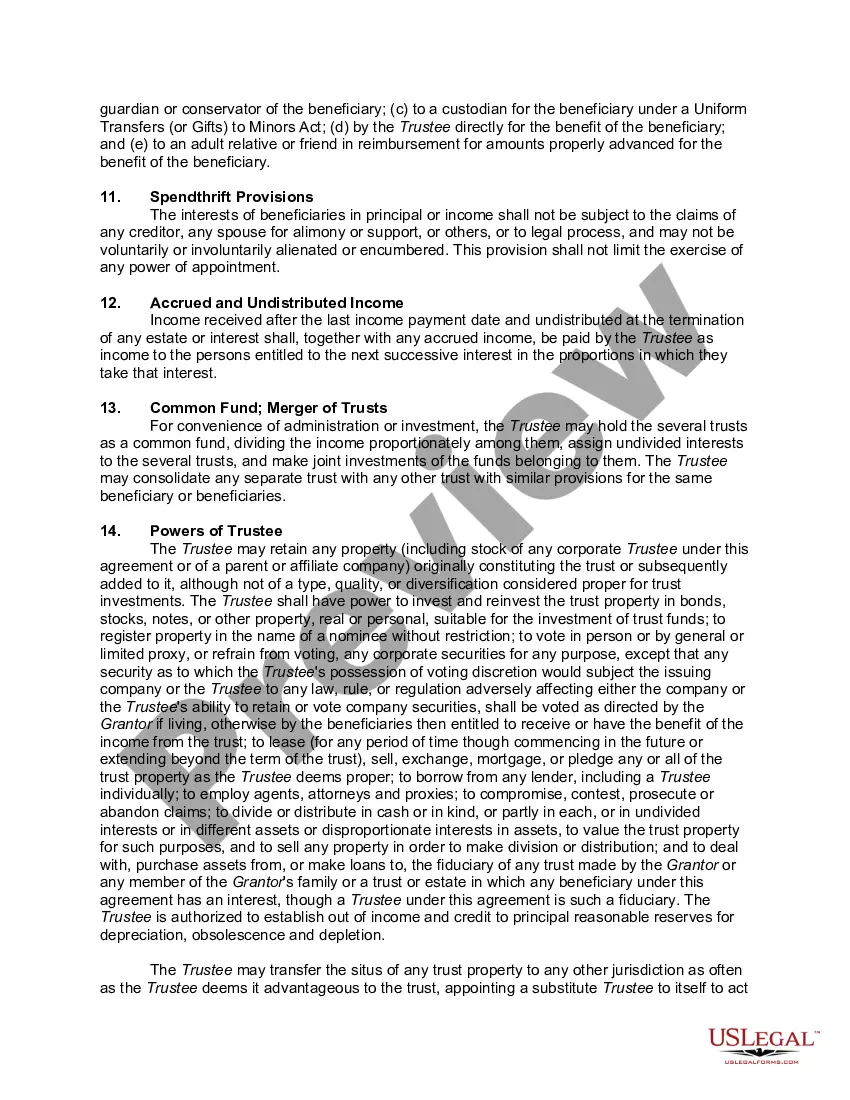
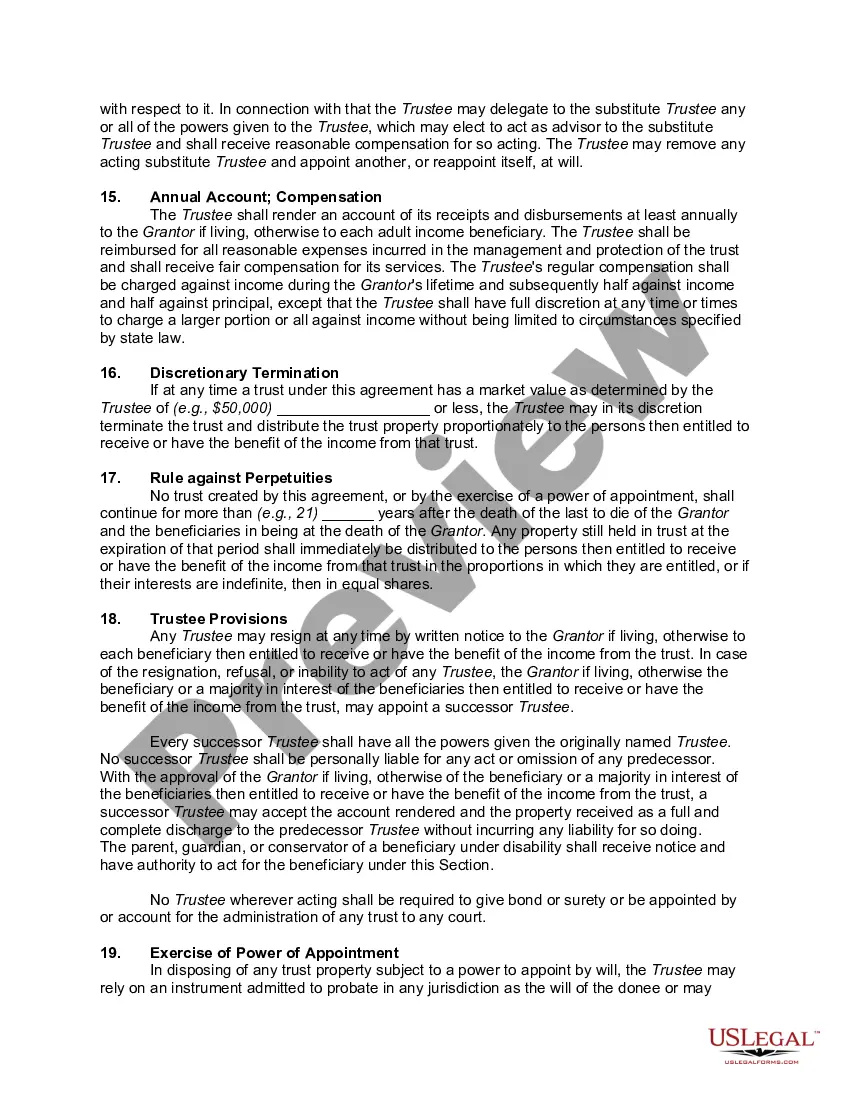
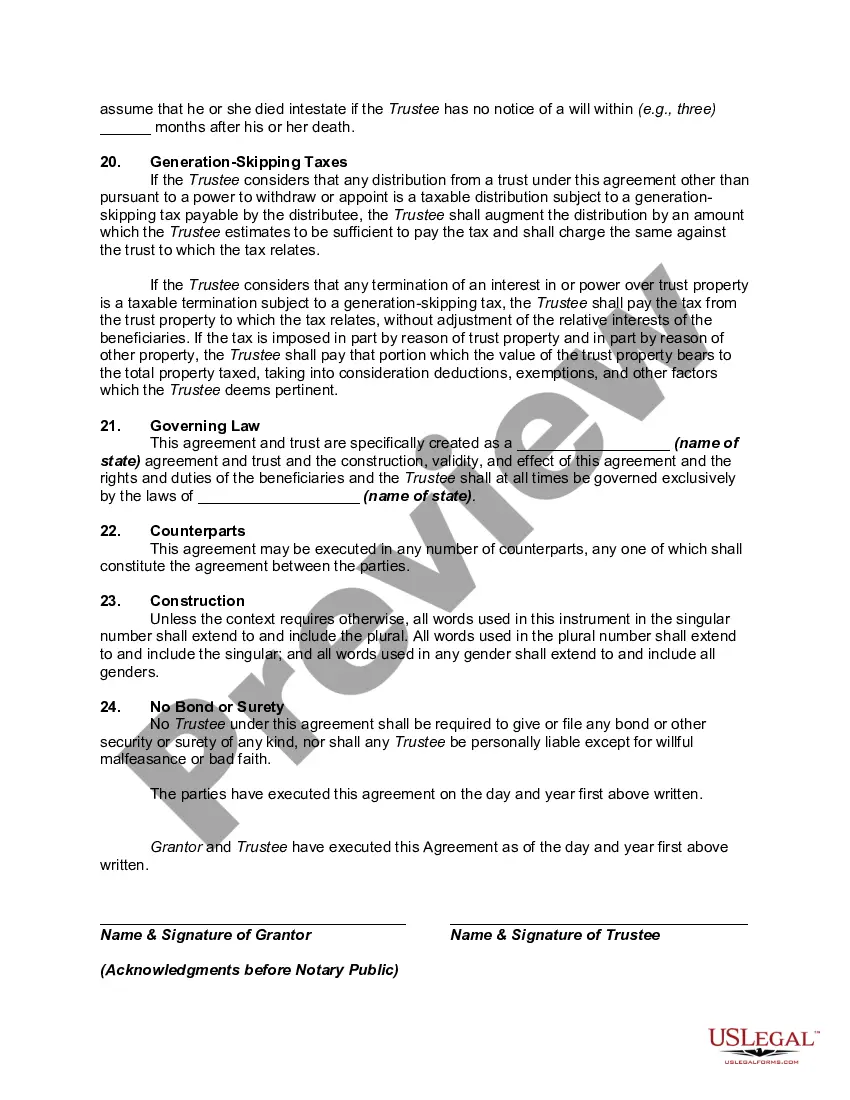



Get your form ready online
Our built-in tools help you complete, sign, share, and store your documents in one place.
Make edits, fill in missing information, and update formatting in US Legal Forms—just like you would in MS Word.
Download a copy, print it, send it by email, or mail it via USPS—whatever works best for your next step.
Sign and collect signatures with our SignNow integration. Send to multiple recipients, set reminders, and more. Go Premium to unlock E-Sign.
If this form requires notarization, complete it online through a secure video call—no need to meet a notary in person or wait for an appointment.
We protect your documents and personal data by following strict security and privacy standards.

Make edits, fill in missing information, and update formatting in US Legal Forms—just like you would in MS Word.

Download a copy, print it, send it by email, or mail it via USPS—whatever works best for your next step.

Sign and collect signatures with our SignNow integration. Send to multiple recipients, set reminders, and more. Go Premium to unlock E-Sign.

If this form requires notarization, complete it online through a secure video call—no need to meet a notary in person or wait for an appointment.

We protect your documents and personal data by following strict security and privacy standards.
Looking for another form?










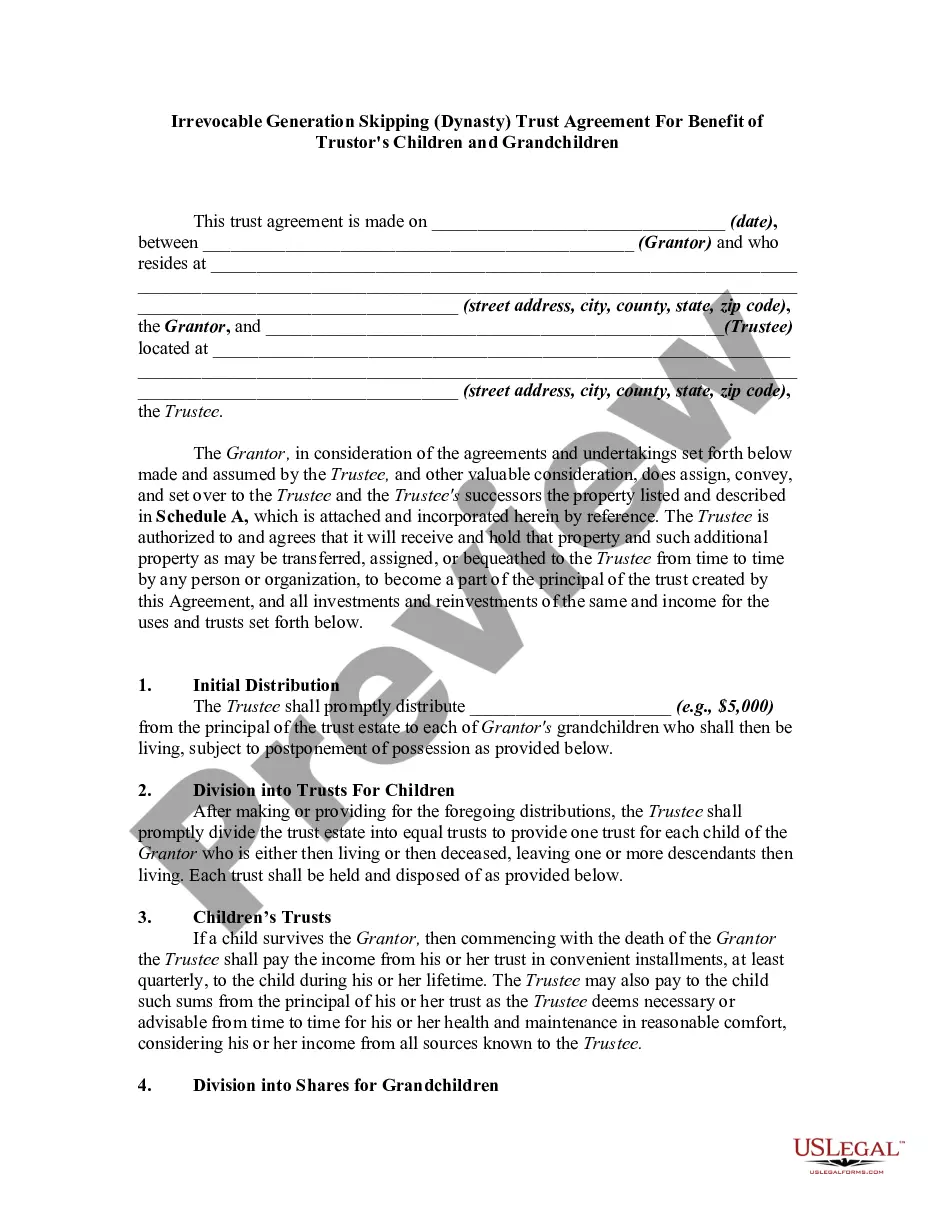
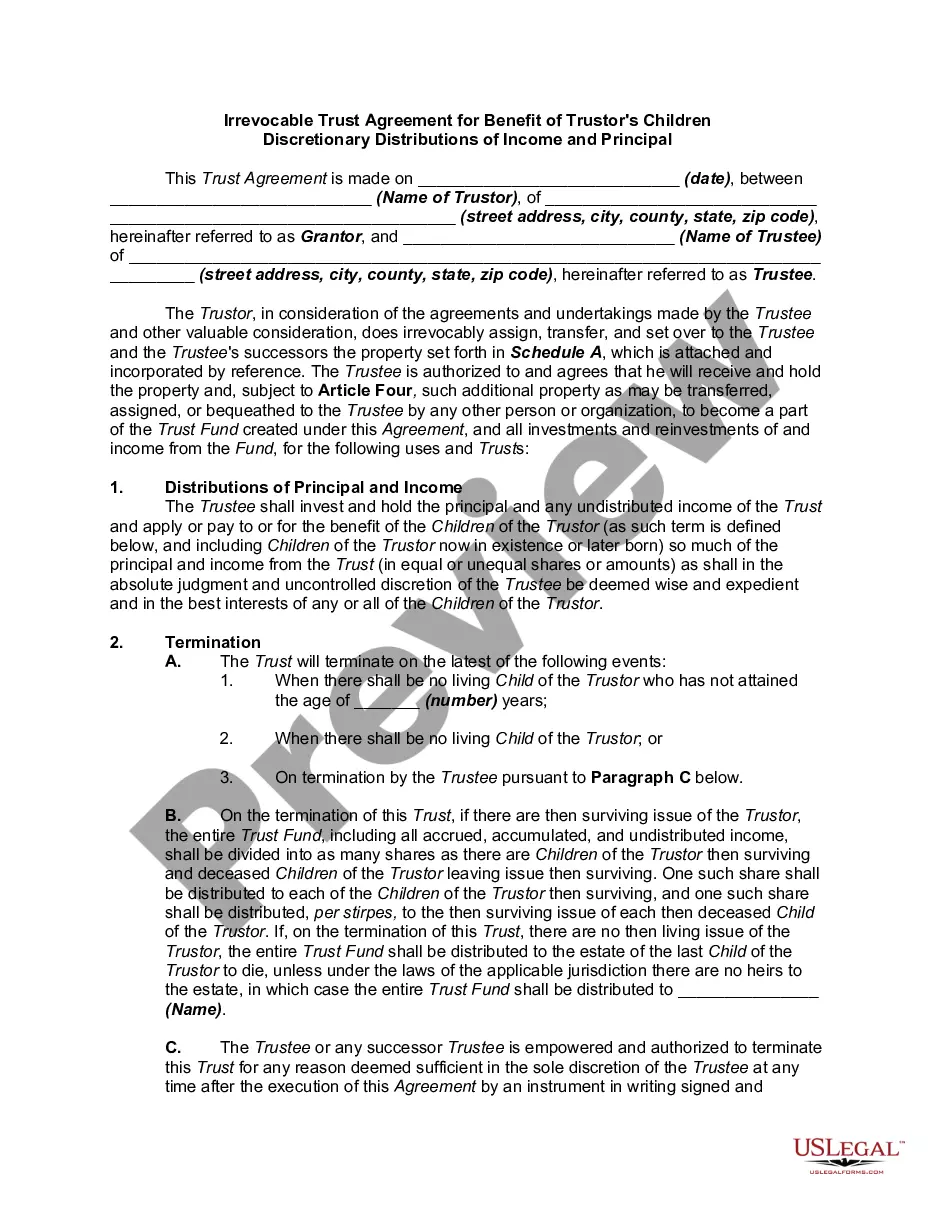
How to fill out Irrevocable Trust Agreement For Benefit Of Trustor's Children And Grandchildren?
Discovering a reliable source for obtaining the latest and pertinent legal templates is part of the challenge of navigating bureaucracy. Identifying the correct legal documents requires accuracy and careful attention, which is why it is essential to source samples of Irrevocable Form Trust With Someone You Hurt solely from reputable providers, such as US Legal Forms. Using an incorrect template will consume your time and delay your current situation. With US Legal Forms, you have minimal concerns. You can access and review all pertinent information regarding the document's applicability and significance for your circumstances and in your state or region.
Consider the following steps to finalize your Irrevocable Form Trust With Someone You Hurt.
Eliminate the complications associated with your legal paperwork. Browse the comprehensive US Legal Forms catalog where you can locate legal templates, evaluate their applicability to your situation, and download them instantly.
- Utilize the catalog navigation or search field to find your template.
- Review the form’s details to ascertain if it meets the criteria of your state and locality.
- Examine the form preview, if available, to ensure the template aligns with your requirements.
- Return to the search and identify the suitable document if the Irrevocable Form Trust With Someone You Hurt does not fulfill your needs.
- Once you are certain of the form's applicability, download it.
- If you are a registered user, click Log in to verify your identity and access your chosen templates in My documents.
- If you lack an account, click Buy now to acquire the template.
- Select the pricing tier that best fits your requirements.
- Proceed to the signup process to complete your transaction.
- Finalize your purchase by selecting a payment method (credit card or PayPal).
- Choose the file format for downloading Irrevocable Form Trust With Someone You Hurt.
- Once the form is on your device, you may modify it using the editor or print it for manual completion.
Form popularity
FAQ
A beneficiary can renounce their interest from the trust and, upon the consent of other beneficiaries, be allowed to exit. A trustee cannot remove a beneficiary from an irrevocable trust. A grantor can remove a beneficiary from a revocable trust by going back to the trust deed codes that allow for the same.
For lawsuit-proof wealth, you need an irrevocable trust or another protective entity. Since you cannot revoke or change an irrevocable trust, your creditors have no greater power to unwind your trust and reclaim its assets. But for an irrevocable trust to protect you, it must be presently funded.
How to Rebuild Trust in 8 Steps Take responsibility for the role you played. ... Practice forgiveness. ... Leave the past in the past. ... Allow time and space for grief. ... Follow through on the small things. ... Choose to practice vulnerability. ... Attend to the deeper issues. ... Co-create a new future.
The single biggest reason to avoid using an irrevocable trust is if you want to maintain full control over the trust property. While exceptions exist, you should assume for estate planning purposes that whatever property you place into an irrevocable trust is no longer yours.
To remove the trustee of an irrevocable trust, a court must get involved. To start the process, a party with an interest in the trust (like a beneficiary or a co-trustee) must file a petition with the appropriate court requesting that the court remove the trustee.