Irrevocable Form Trust For Real Estate
Description

Get your form ready online
Our built-in tools help you complete, sign, share, and store your documents in one place.
Make edits, fill in missing information, and update formatting in US Legal Forms—just like you would in MS Word.
Download a copy, print it, send it by email, or mail it via USPS—whatever works best for your next step.
Sign and collect signatures with our SignNow integration. Send to multiple recipients, set reminders, and more. Go Premium to unlock E-Sign.
If this form requires notarization, complete it online through a secure video call—no need to meet a notary in person or wait for an appointment.
We protect your documents and personal data by following strict security and privacy standards.

Make edits, fill in missing information, and update formatting in US Legal Forms—just like you would in MS Word.

Download a copy, print it, send it by email, or mail it via USPS—whatever works best for your next step.

Sign and collect signatures with our SignNow integration. Send to multiple recipients, set reminders, and more. Go Premium to unlock E-Sign.

If this form requires notarization, complete it online through a secure video call—no need to meet a notary in person or wait for an appointment.

We protect your documents and personal data by following strict security and privacy standards.
Looking for another form?

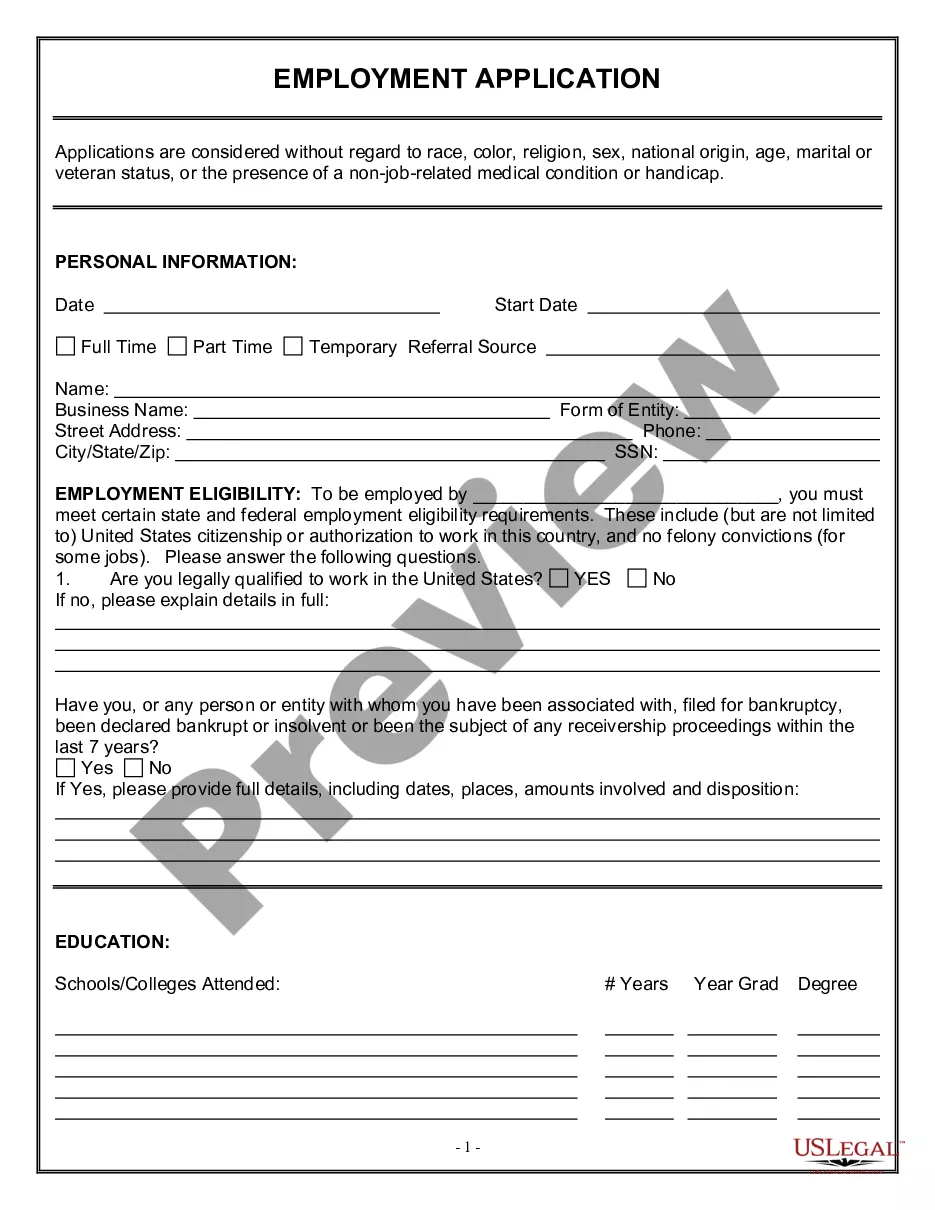







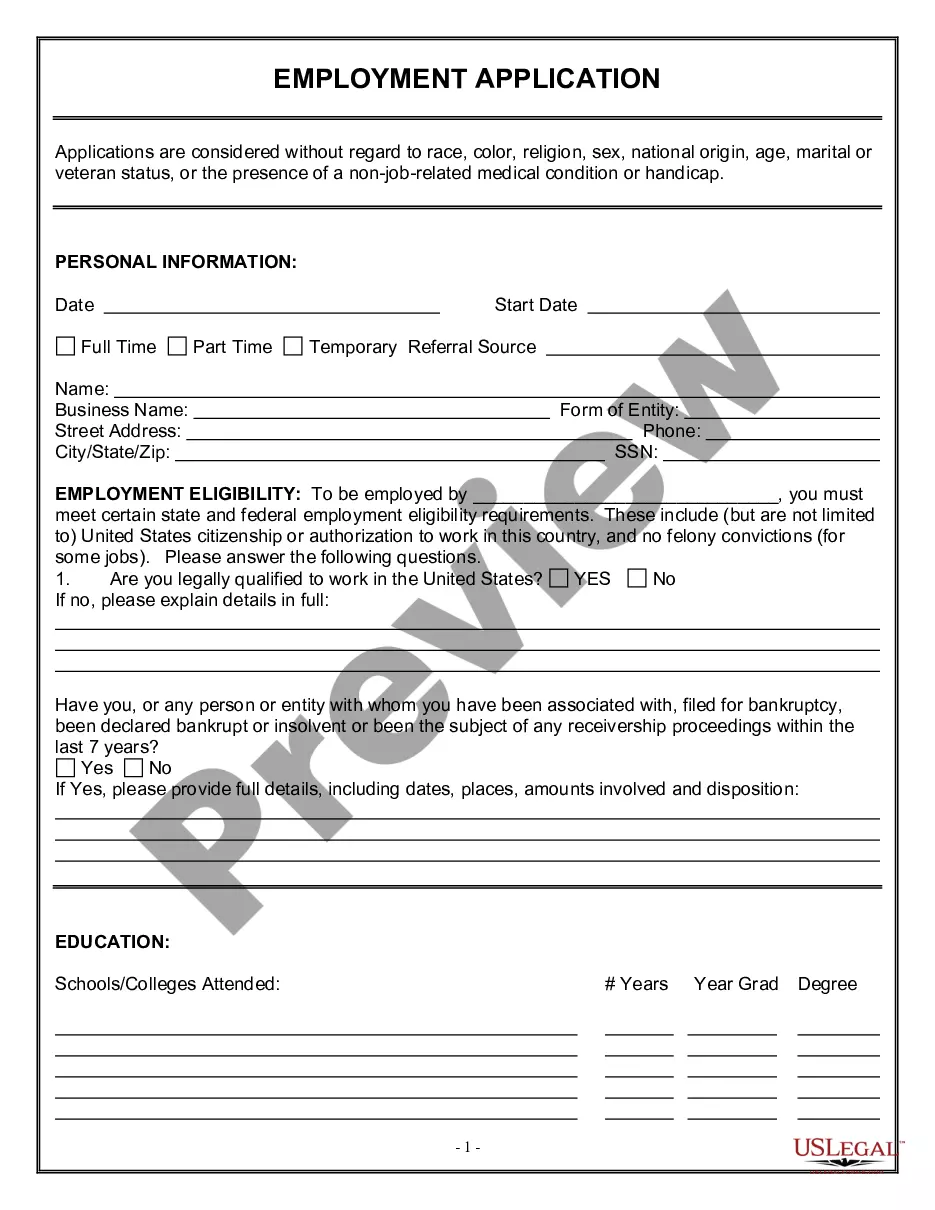
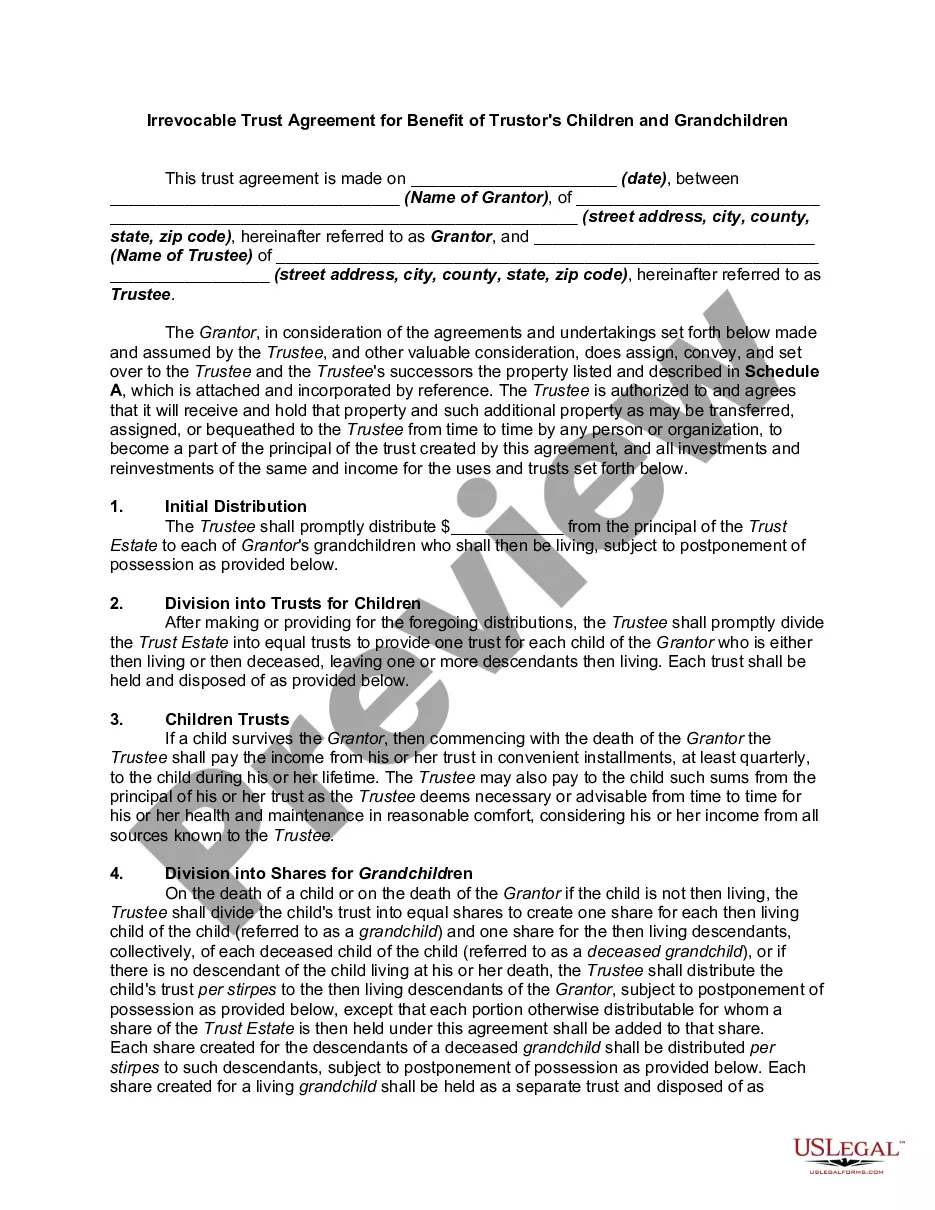
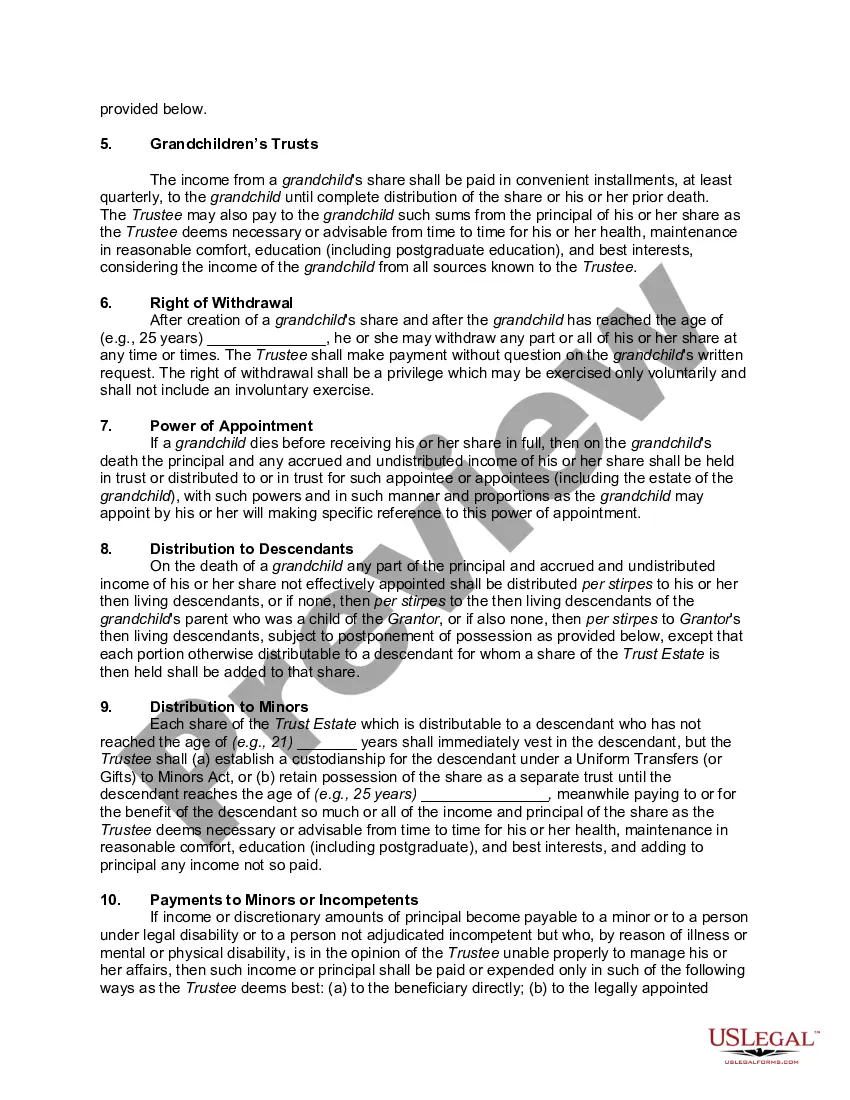
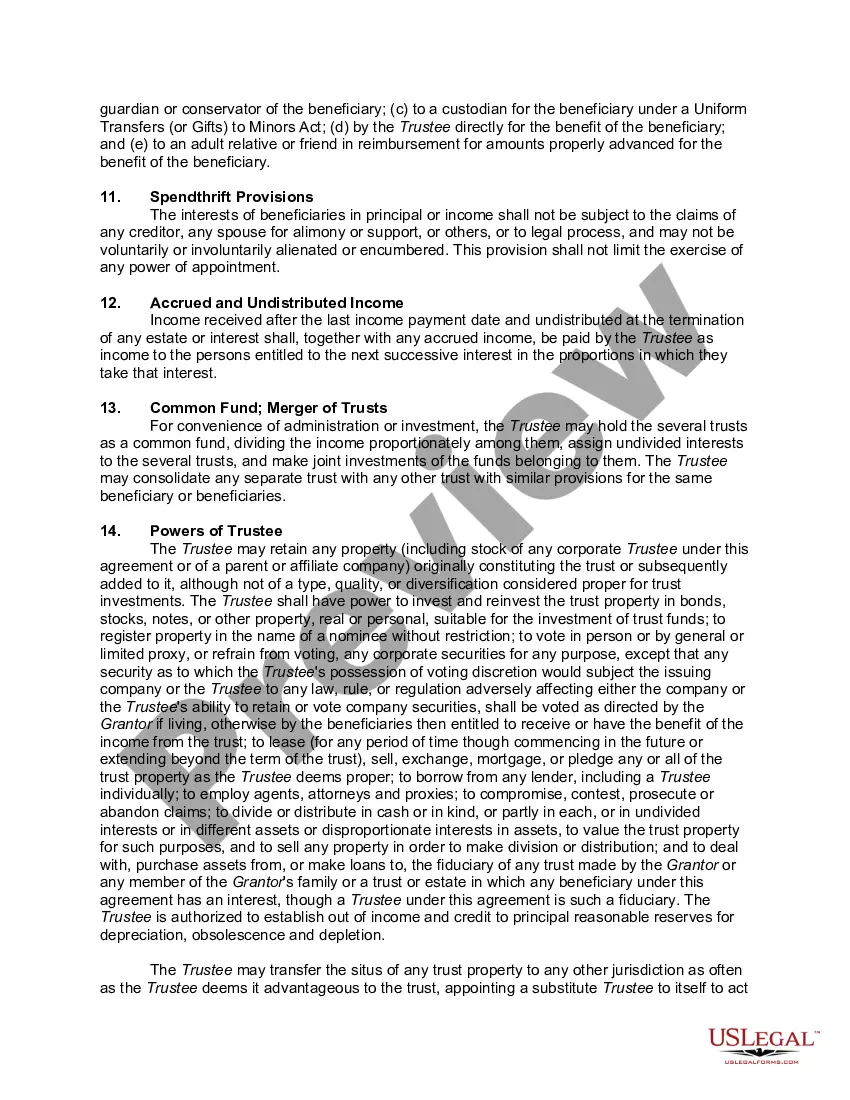
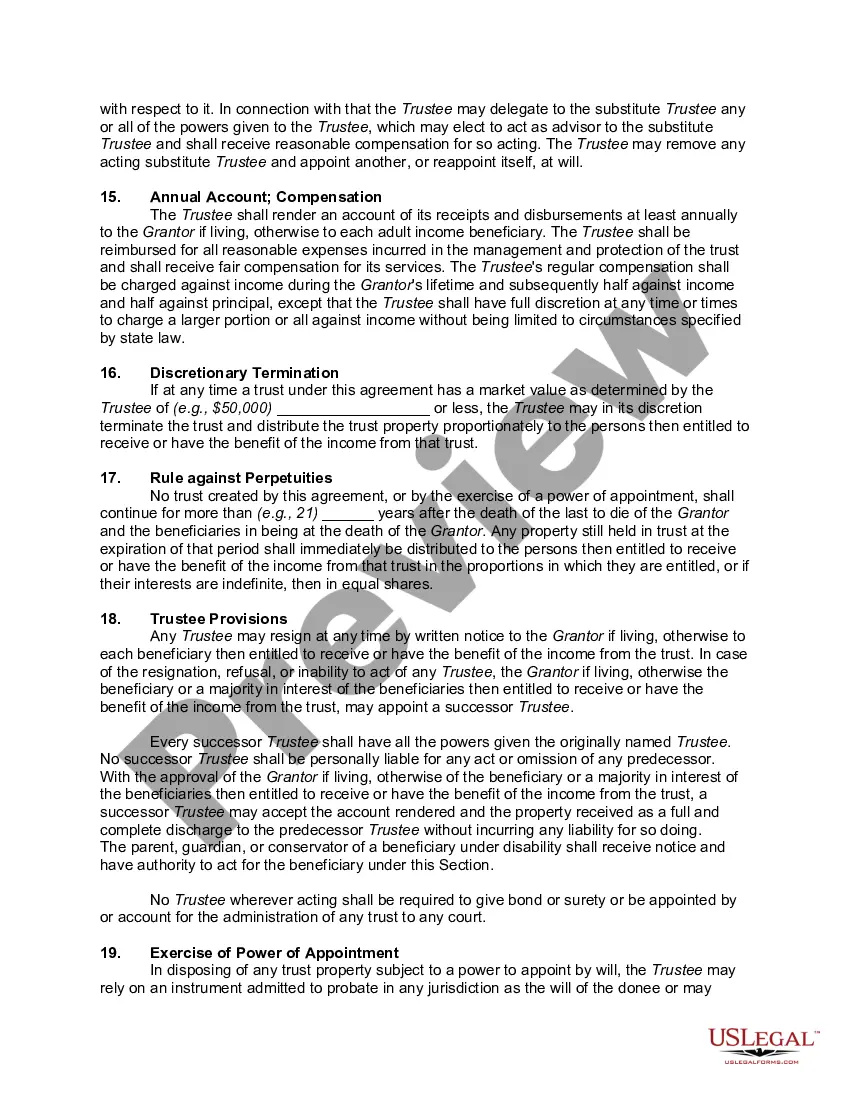
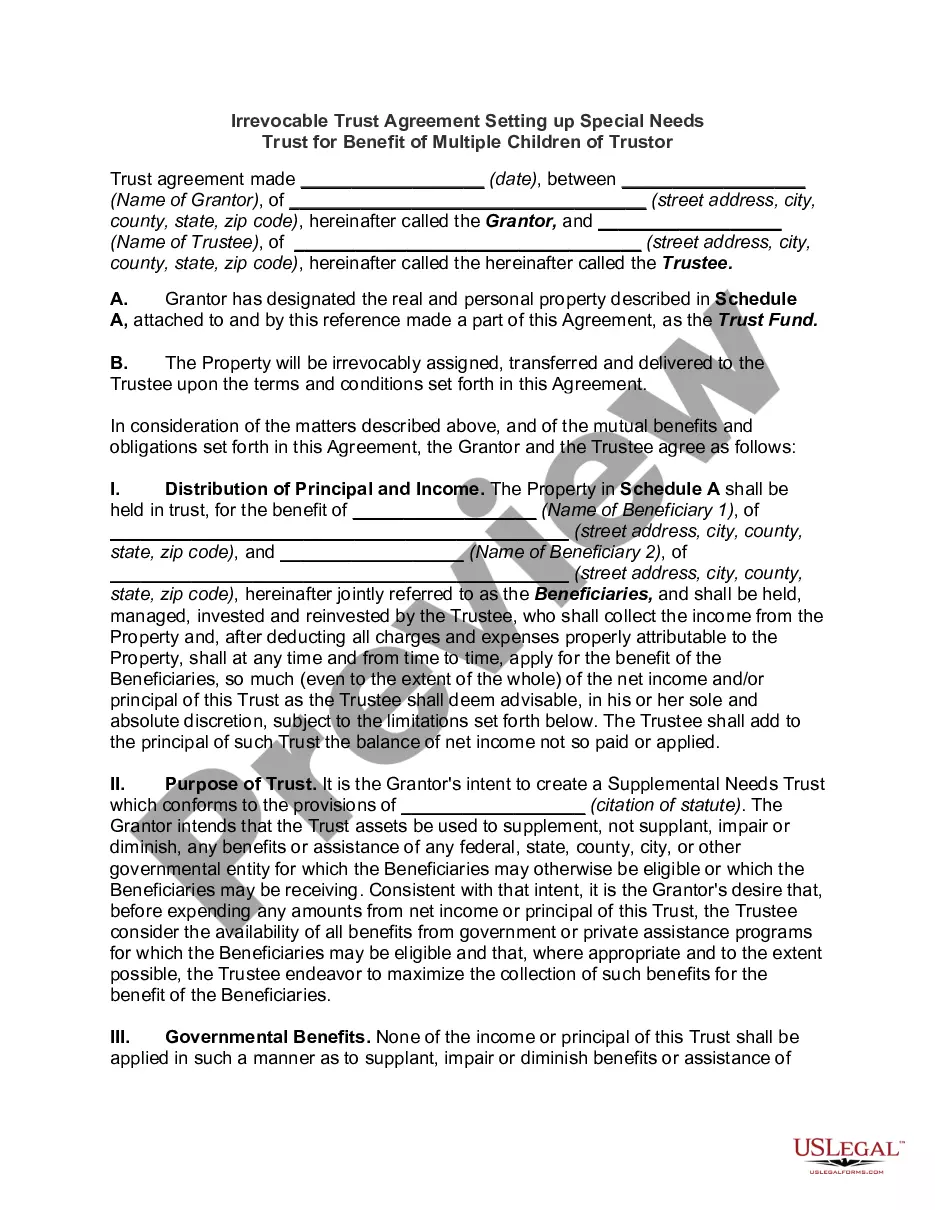
How to fill out Irrevocable Trust Agreement For Benefit Of Trustor's Children And Grandchildren?
Obtaining legal document samples that adhere to national and local statutes is crucial, and the web provides a multitude of choices.
However, what’s the advantage of squandering time hunting for the properly composed Irrevocable Form Trust For Real Estate template online when the US Legal Forms digital library has collected such forms in one location.
US Legal Forms stands as the largest virtual legal library with more than 85,000 editable templates created by attorneys for any business or personal situation.
Inspect the template using the Preview function or through the text outline to ensure it satisfies your requirements.
- They are straightforward to navigate with all documents categorized by state and intended use.
- Our experts keep abreast of legal updates, ensuring your documents remain current and compliant when you acquire an Irrevocable Form Trust For Real Estate from our site.
- Receiving an Irrevocable Form Trust For Real Estate is quick and straightforward for both existing and new members.
- If you possess an account with a valid membership, sign in and save the document sample you require in the desired format.
- For newcomers to our site, follow the directions below.
Form popularity
FAQ
A common example of an irrevocable form trust for real estate is a life insurance trust. In this type of trust, a property or life insurance policy is held for the benefit of your heirs. Once established, the terms cannot be modified, which makes it effective for tax planning. This ensures that the benefits of the policy go directly to the beneficiaries without estate tax implications.
How do you write an irrevocable trust document? Draft the written irrevocable trust agreement. Spell out which assets will be placed into the trust, name a trustee and beneficiaries, and outline the terms by which the trust assets will be distributed (how, when, to whom, etc.).
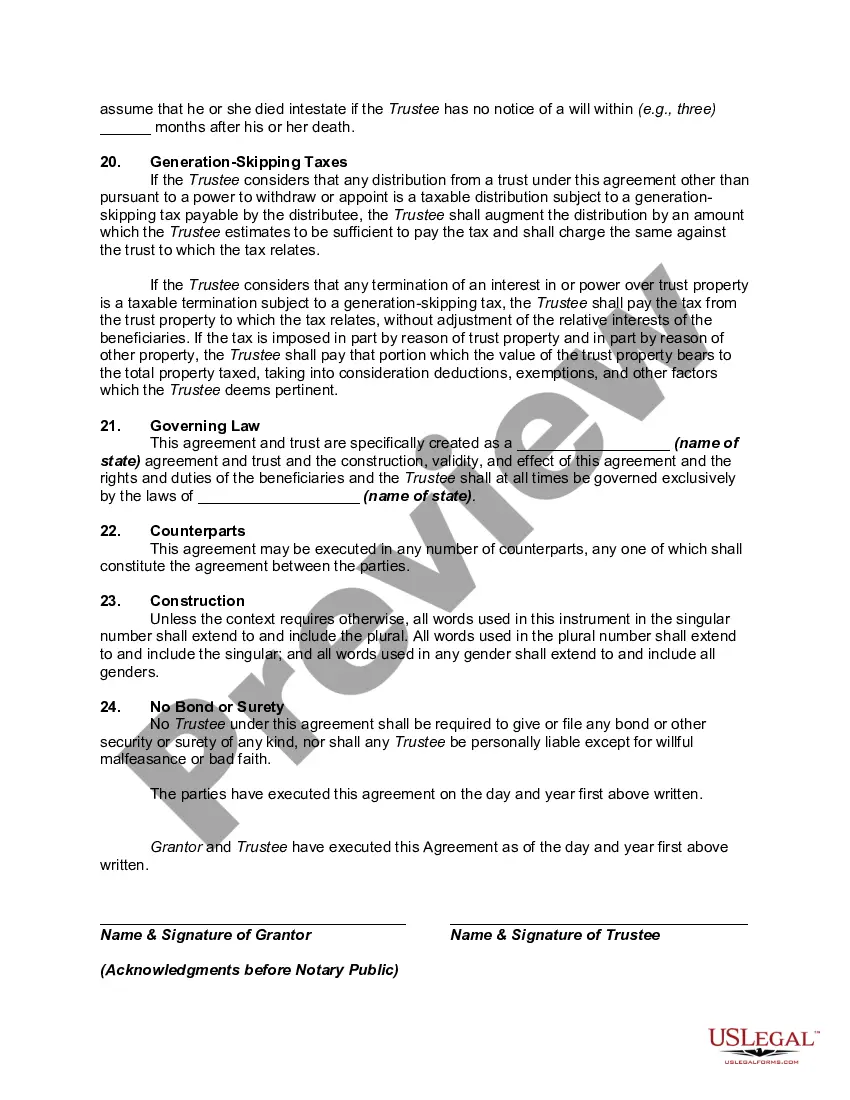
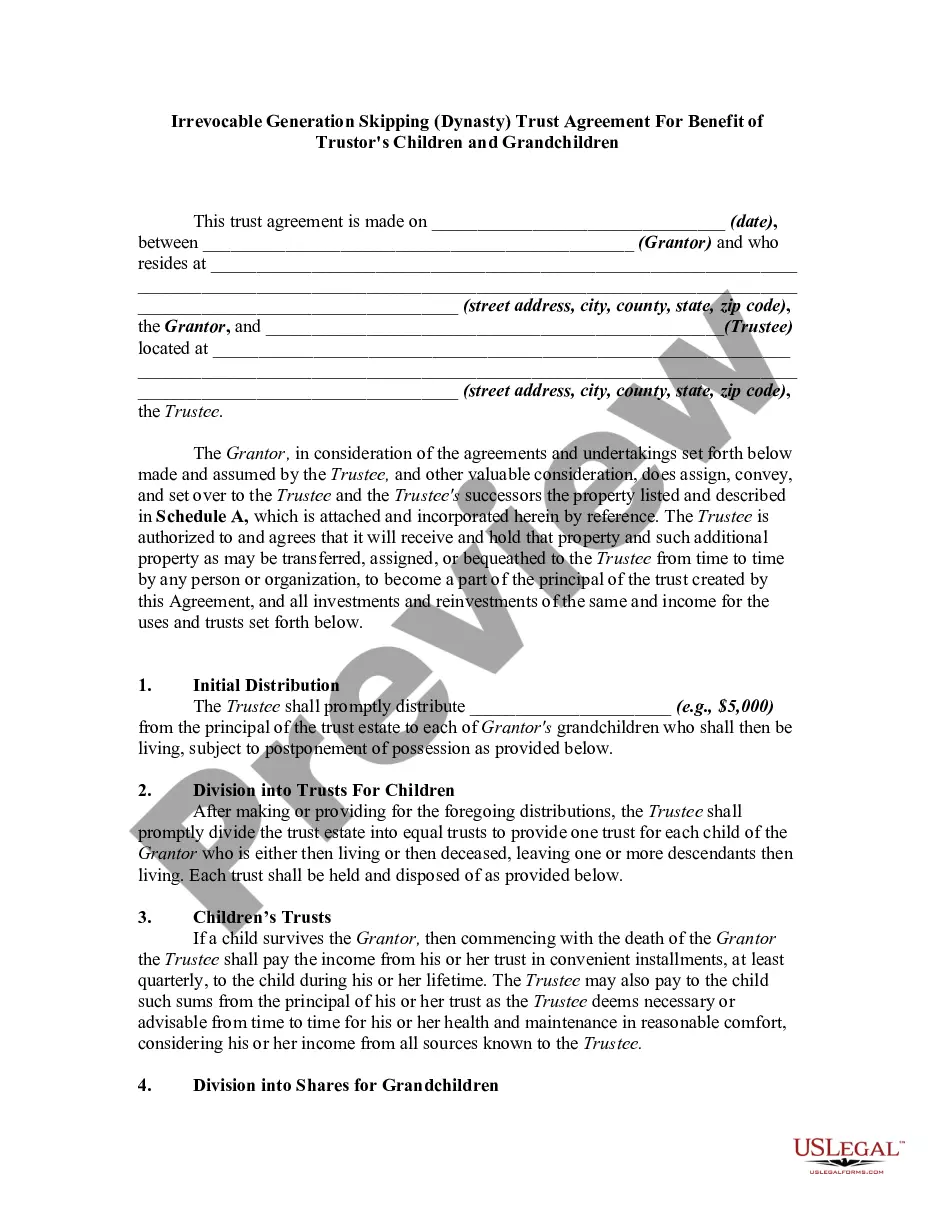
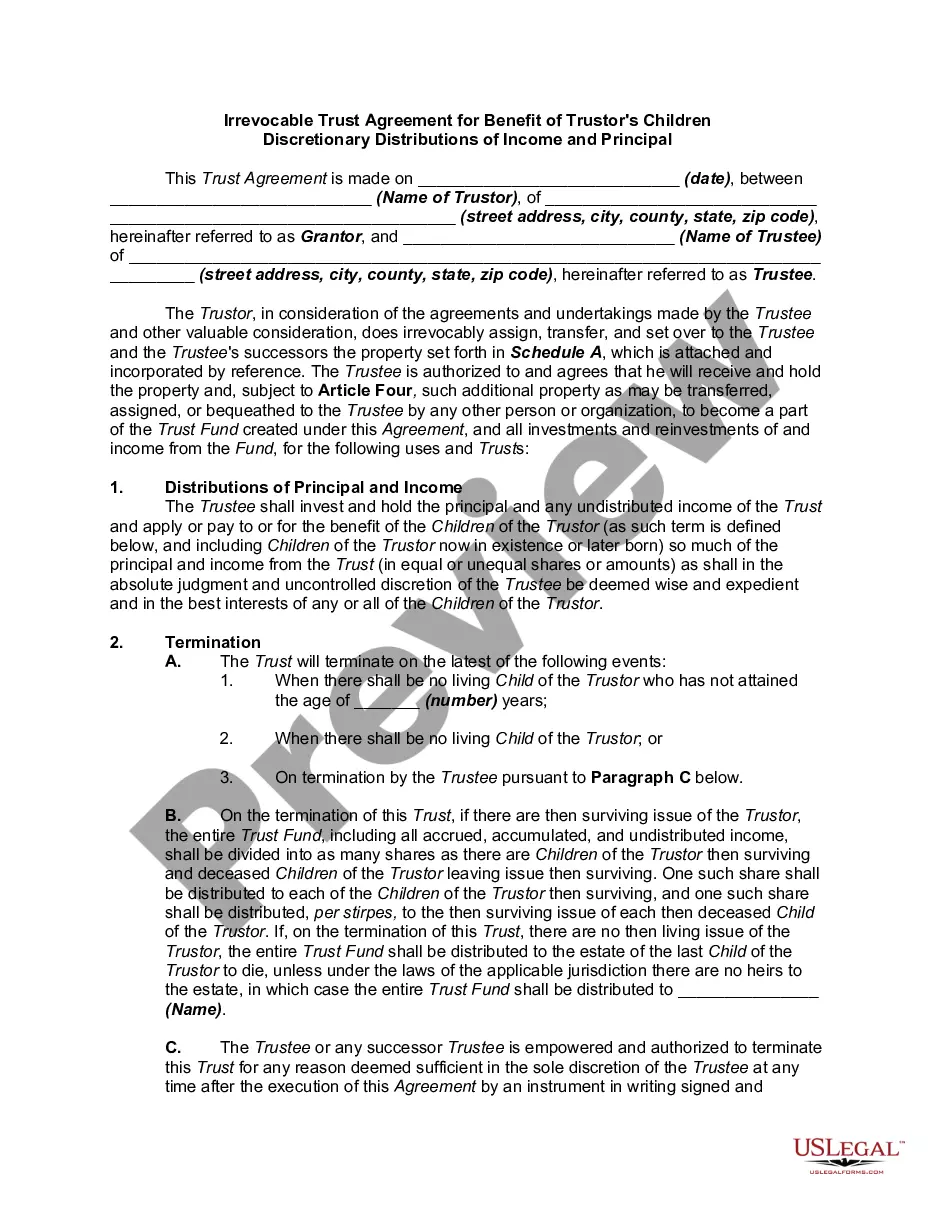
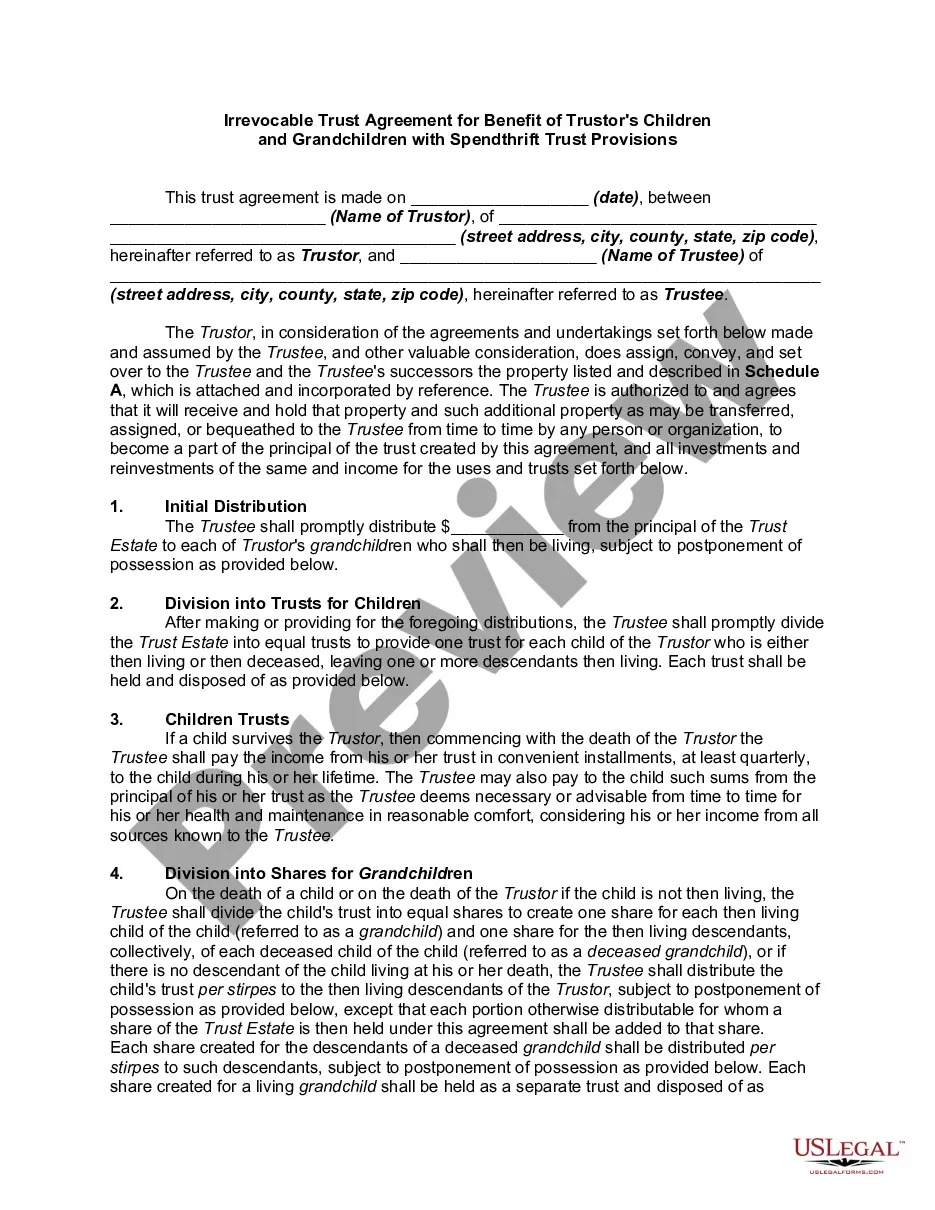
The trusts shall be irrevocable, and the Grantor expressly waives all rights and powers, whether alone or in conjunction with others, and regardless of when or from what source he may have acquired such rights or powers, to alter, amend, revoke, or terminate the trusts, or any of the terms of this Agreement, in whole ...
Unlike a Revocable Trust, which allows for flexibility, you cannot change or revoke this type of trust. Like a Revocable Trust, however, an Irrevocable Trust should be set up with the assistance of a reputable estate planning attorney.
The step-up in basis adjusts the value of an inherited asset when it's passed on after death. It allows someone to pass property onto their beneficiaries without paying taxes on the appreciation of that property.
What Should I Avoid with My Irrevocable Trust? Use trust funds to pay for personal expenses. Use trust funds to pay for monthly bills, such as phone bills or utilities. Use trust assets to purchase vehicles. Gift assets from the trust to beneficiaries. Transfer assets into the trust without consulting your lawyer.