Irrevocable Benefit Withdrawal
Description

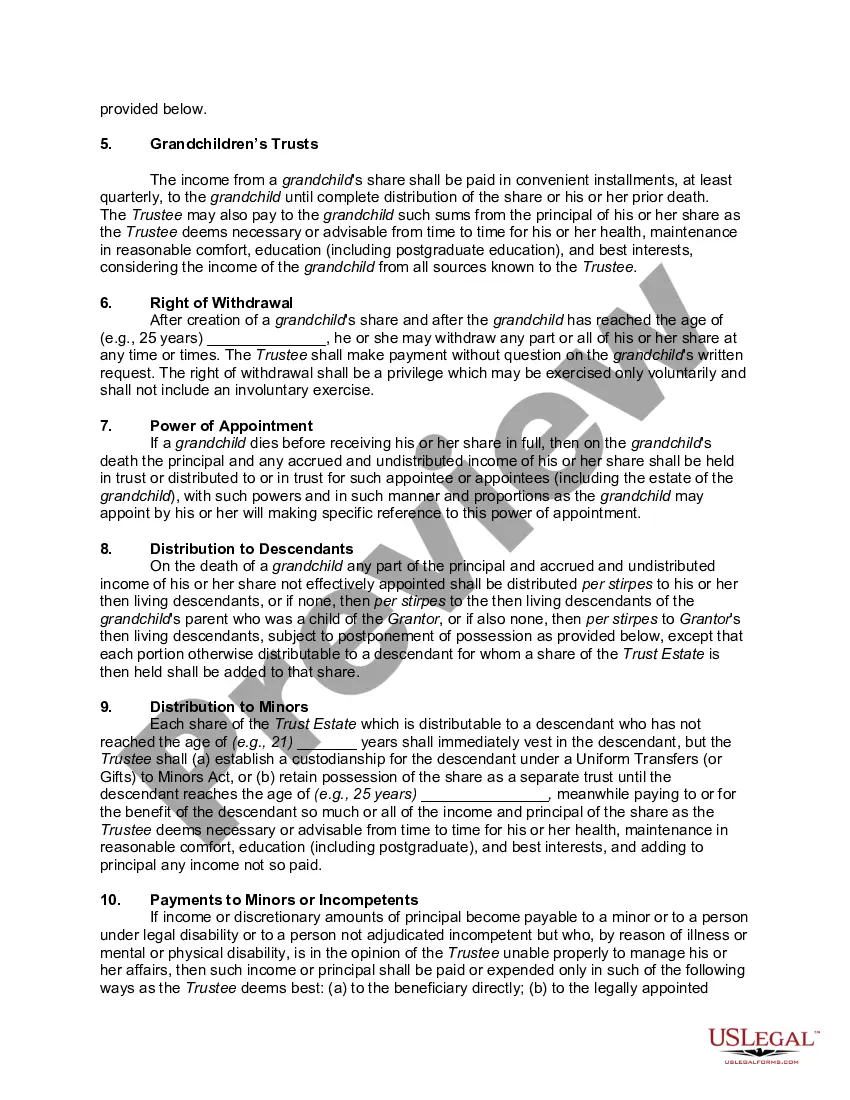
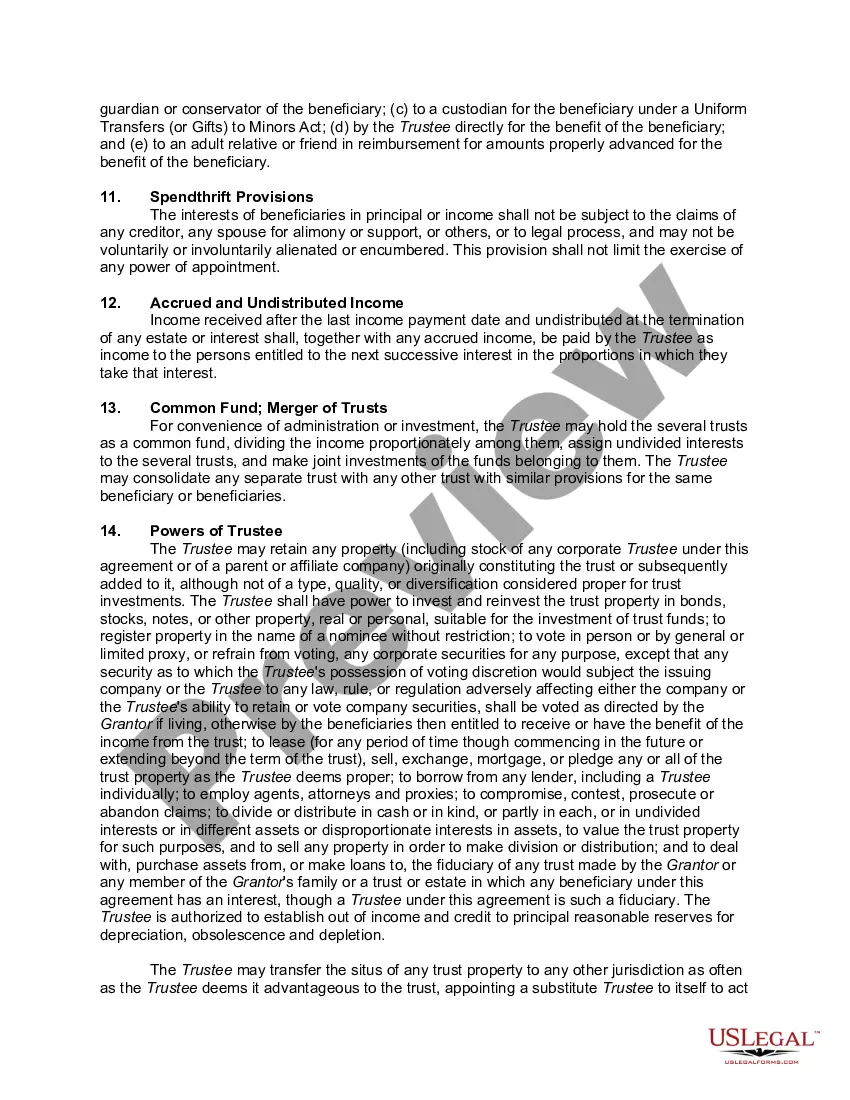
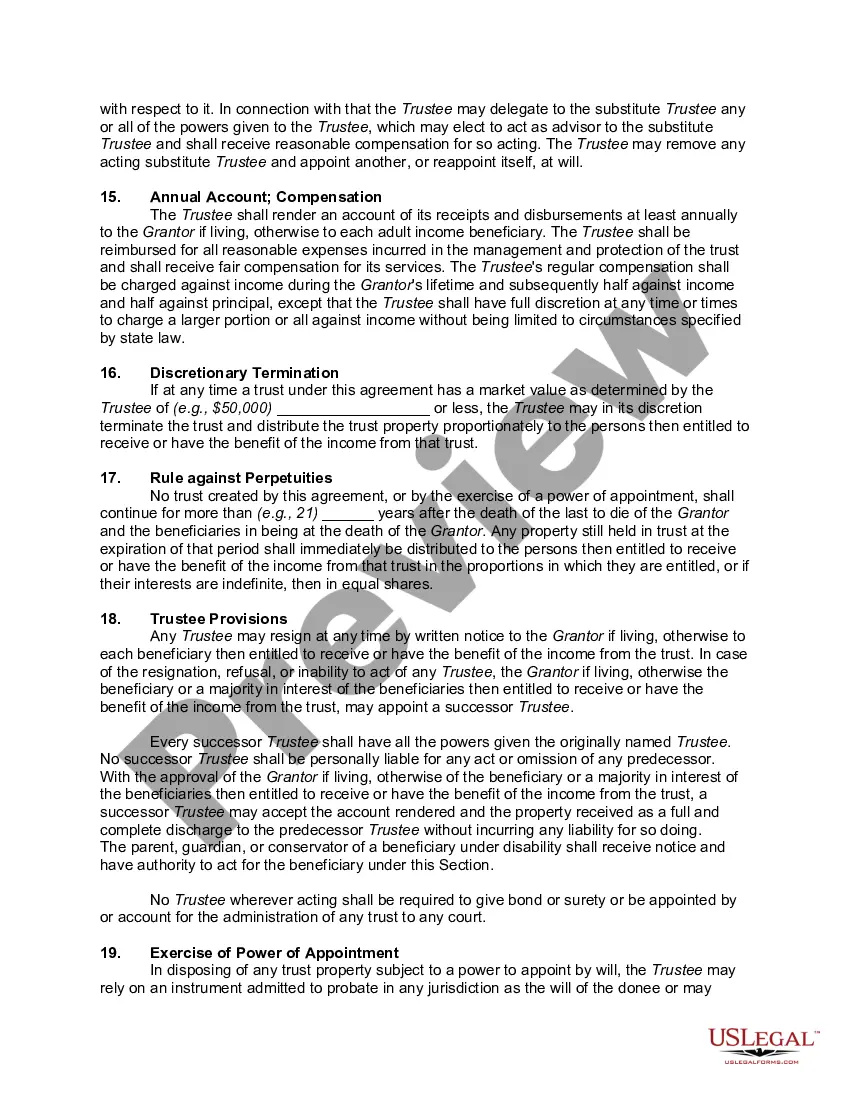
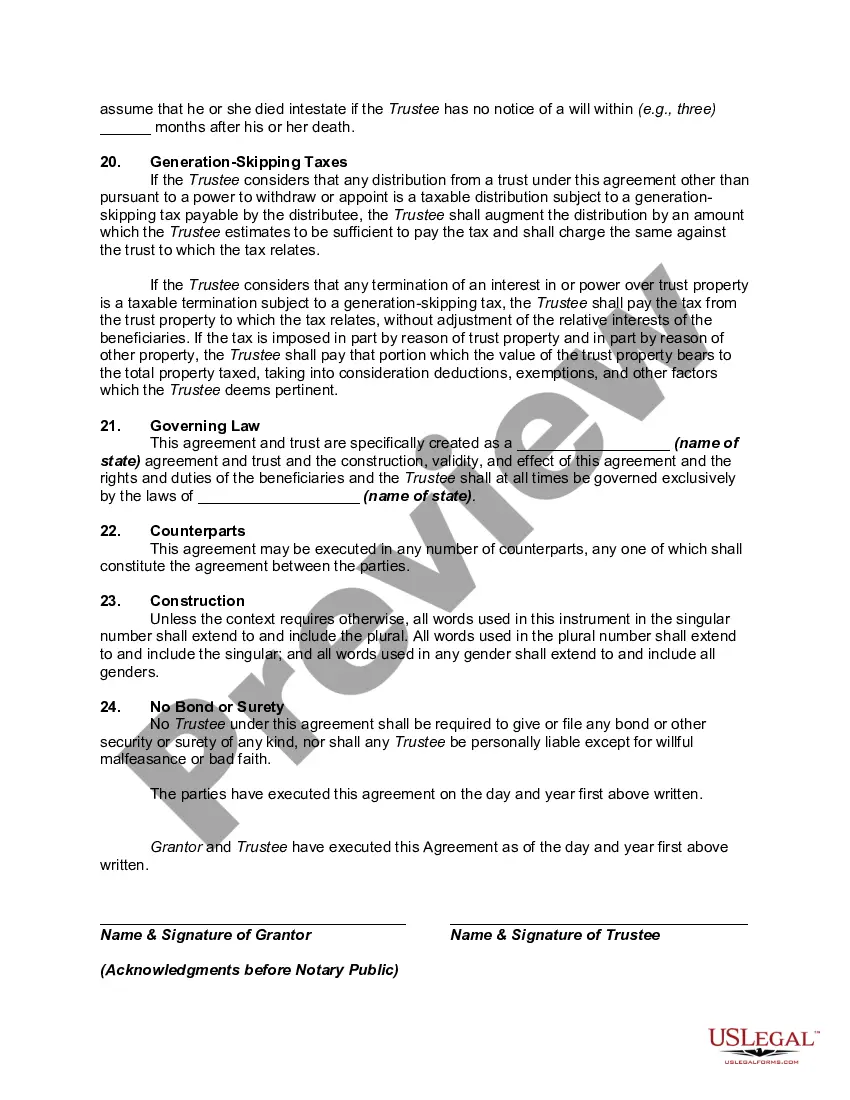





Get your form ready online
Our built-in tools help you complete, sign, share, and store your documents in one place.
Make edits, fill in missing information, and update formatting in US Legal Forms—just like you would in MS Word.
Download a copy, print it, send it by email, or mail it via USPS—whatever works best for your next step.
Sign and collect signatures with our SignNow integration. Send to multiple recipients, set reminders, and more. Go Premium to unlock E-Sign.
If this form requires notarization, complete it online through a secure video call—no need to meet a notary in person or wait for an appointment.
We protect your documents and personal data by following strict security and privacy standards.

Make edits, fill in missing information, and update formatting in US Legal Forms—just like you would in MS Word.

Download a copy, print it, send it by email, or mail it via USPS—whatever works best for your next step.

Sign and collect signatures with our SignNow integration. Send to multiple recipients, set reminders, and more. Go Premium to unlock E-Sign.

If this form requires notarization, complete it online through a secure video call—no need to meet a notary in person or wait for an appointment.

We protect your documents and personal data by following strict security and privacy standards.
Looking for another form?




How to fill out Irrevocable Trust Agreement For Benefit Of Trustor's Children And Grandchildren?
Crafting legal documents from the ground up can frequently feel overwhelming.
Certain situations may require extensive research and significant financial investment.
If you’re looking for a simpler and more cost-effective method for producing Irrevocable Benefit Withdrawal or any other forms without unnecessary complications, US Legal Forms is always available to assist you.
Our online repository of over 85,000 current legal forms encompasses nearly every aspect of your financial, legal, and personal affairs.
However, prior to jumping straight to downloading the Irrevocable Benefit Withdrawal, adhere to these suggestions: Review the document previews and descriptions to confirm you’ve located the correct form. Ensure the selected form meets the standards of your state and county. Choose the most appropriate subscription plan to purchase the Irrevocable Benefit Withdrawal. Download the document, then complete, verify, and print it. US Legal Forms boasts a strong reputation and over 25 years of expertise. Join us today and transform document completion into a straightforward and efficient process!
- With just a handful of clicks, you can swiftly access state- and county-specific forms carefully crafted by our legal experts.
- Utilize our platform whenever you need a dependable and trustworthy service through which you can effortlessly locate and obtain the Irrevocable Benefit Withdrawal.
- If you’re familiar with our services and have set up an account with us in the past, simply Log In to your account, find the template, and download it right away or re-download it later in the My documents section.
- No account? No issue. It takes minimal time to create one and browse the catalog.
Form popularity
FAQ
Exiting an irrevocable trust can be challenging, as the nature of these trusts is to remain unchanged. However, there are a few avenues for irrevocable benefit withdrawal, such as court approval or modifications under specific circumstances. Consulting with an attorney experienced in trust law is crucial to explore your options. Platforms like uslegalforms can assist you in understanding the legal framework and provide necessary documents to navigate this process.
Receiving inheritance from an irrevocable trust often depends on several factors, including the trust's terms and the complexity of its assets. Typically, beneficiaries may expect a timeline ranging from a few months to several years for irrevocable benefit withdrawal. Delays can occur due to legal proceedings, asset liquidation, or tax implications. It is wise to communicate with the trustee for updates on the distribution process.
Beneficiaries can withdraw from an irrevocable trust based on the specific terms set forth in the trust document. Generally, withdrawals are allowed when the trust permits it or upon certain triggering events, such as the death of the grantor. However, the process of irrevocable benefit withdrawal can vary, so reviewing the trust's provisions is essential. Consulting with a legal expert can provide you with the guidance you need.
The new rule on irrevocable trusts focuses on providing clarity regarding irrevocable benefit withdrawal. This rule emphasizes the rights of beneficiaries and outlines how distributions can be made. Under this framework, trustees must adhere to strict guidelines, ensuring that all actions align with the trust's original intent. Understanding these regulations can help you navigate the complexities of irrevocable trusts effectively.
Removing an irrevocable beneficiary can be a complex process, but it is necessary if your circumstances change. To initiate an irrevocable benefit withdrawal, you typically need to obtain the consent of the beneficiary. This step is crucial because the beneficiary has a legal right to the benefits outlined in the policy. After gaining consent, you can complete the required forms and submit them to your insurance company or financial institution, ensuring you follow their specific guidelines.
To report distributions from an irrevocable trust, start by gathering all necessary documentation regarding the trust and its assets. You will need to fill out IRS Form 1041, which is the U.S. Income Tax Return for Estates and Trusts. Ensure you include any distributions made to beneficiaries, as these are crucial for accurately reporting the irrevocable benefit withdrawal. If you need assistance, consider using US Legal Forms to access reliable resources and templates that simplify the reporting process and help you stay compliant.
The only way to remove an irrevocable beneficiary from your policy is for them to agree to forfeit their rights to the money. This can often be a difficult situation, especially because removing an irrevocable beneficiary from your policy often involves lawyers.
You can contest the beneficiary designation if you can prove that it was made as the result of fraud or duress. This would be very difficult to do, however. For example, a court might overturn a beneficiary designation because you were under extreme pressure from someone to name them as your beneficiary.
Approaching the Trustee Another possible way to get money out of a trust fund is to request a cash withdrawal. This would require putting the request in writing and sending it to the trustee. The trustee might agree. But that individual or entity must also fulfill their fiduciary obligations.
Children are often named irrevocable beneficiaries. If a parent wanted to guarantee money to a child, then the parent could designate that child as an irrevocable beneficiary, thus ensuring the child will receive death benefits from the life insurance policy or segregated fund contract.