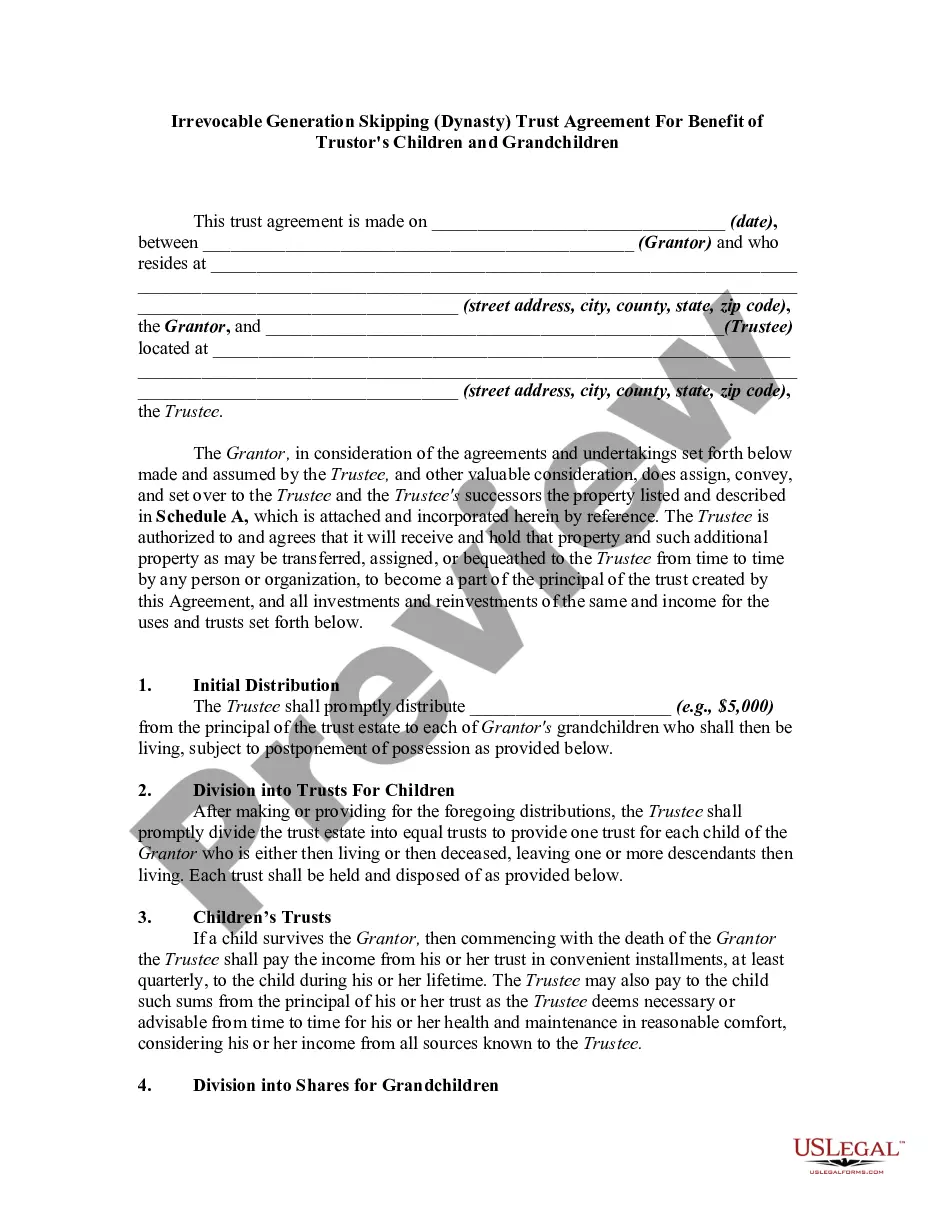
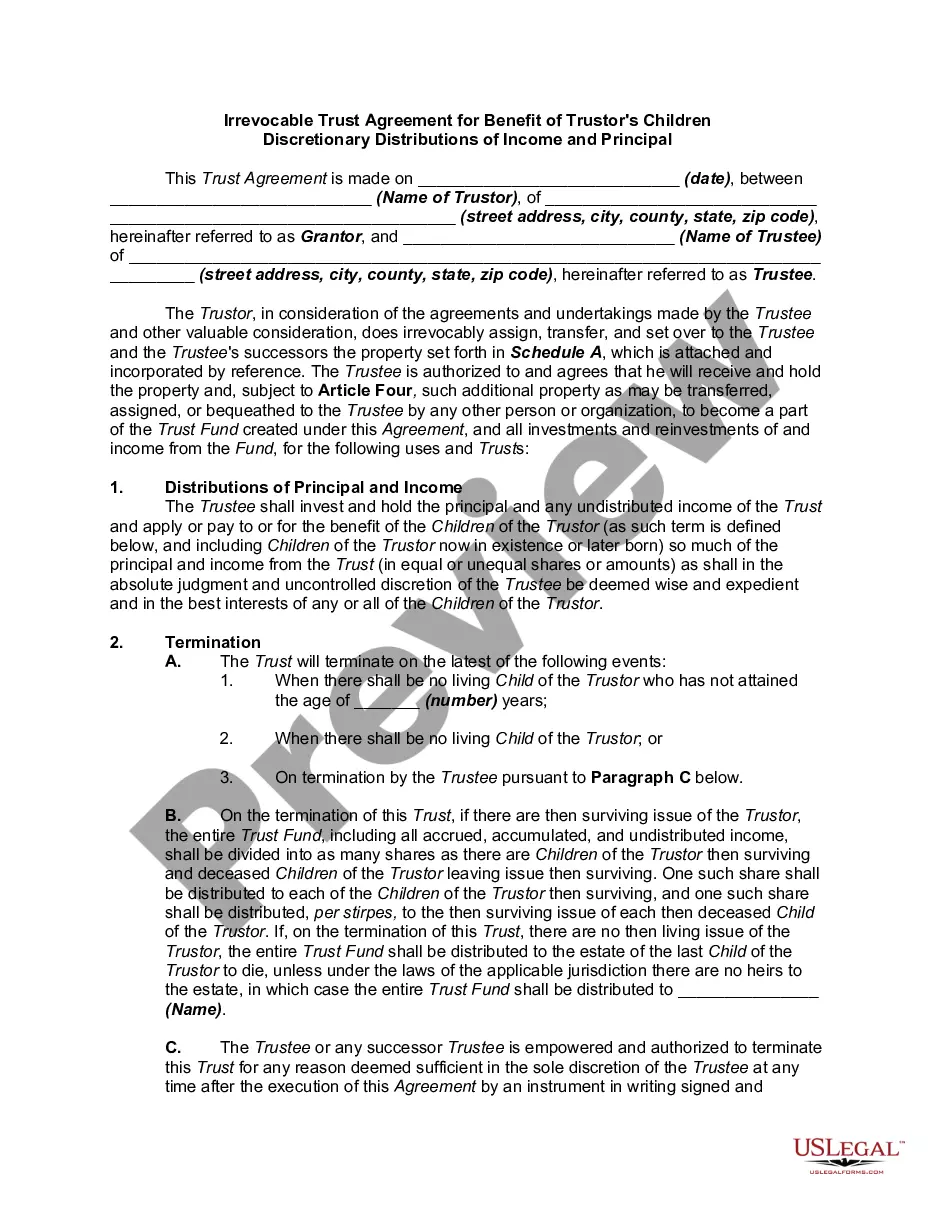
Irrevocable Agreement Trust For The Future
Description

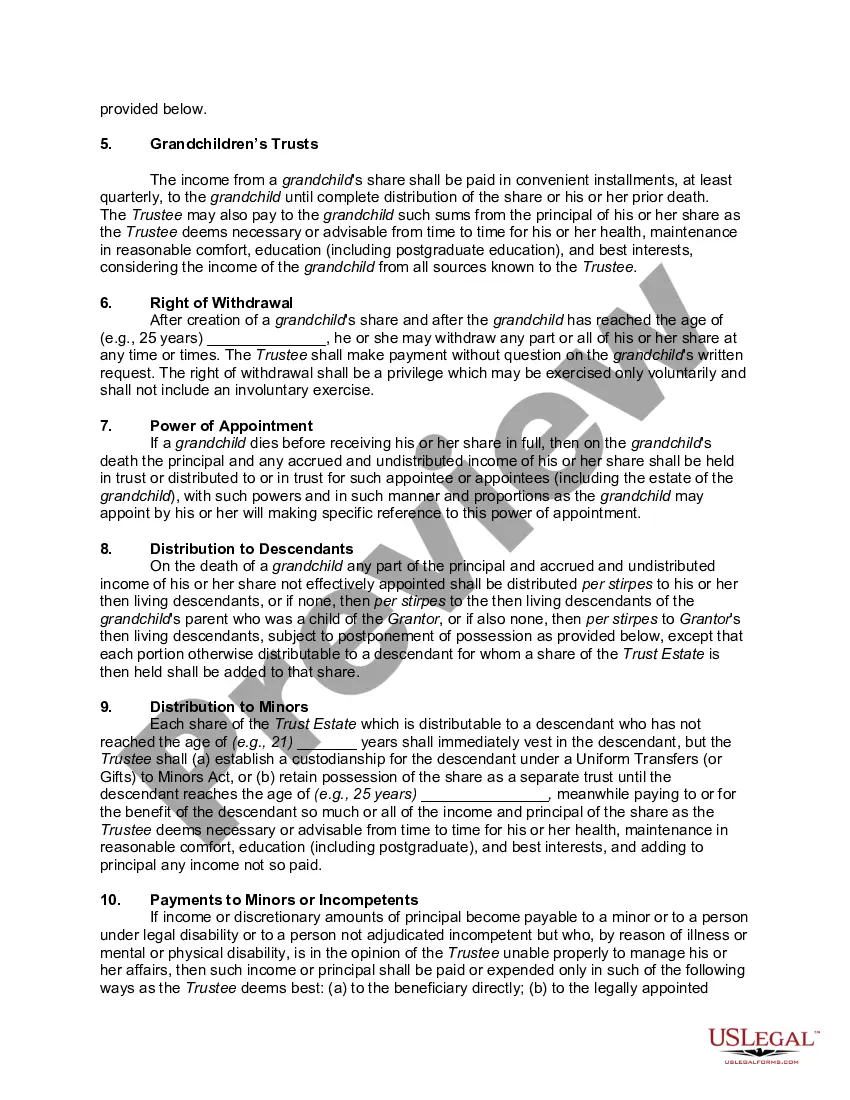
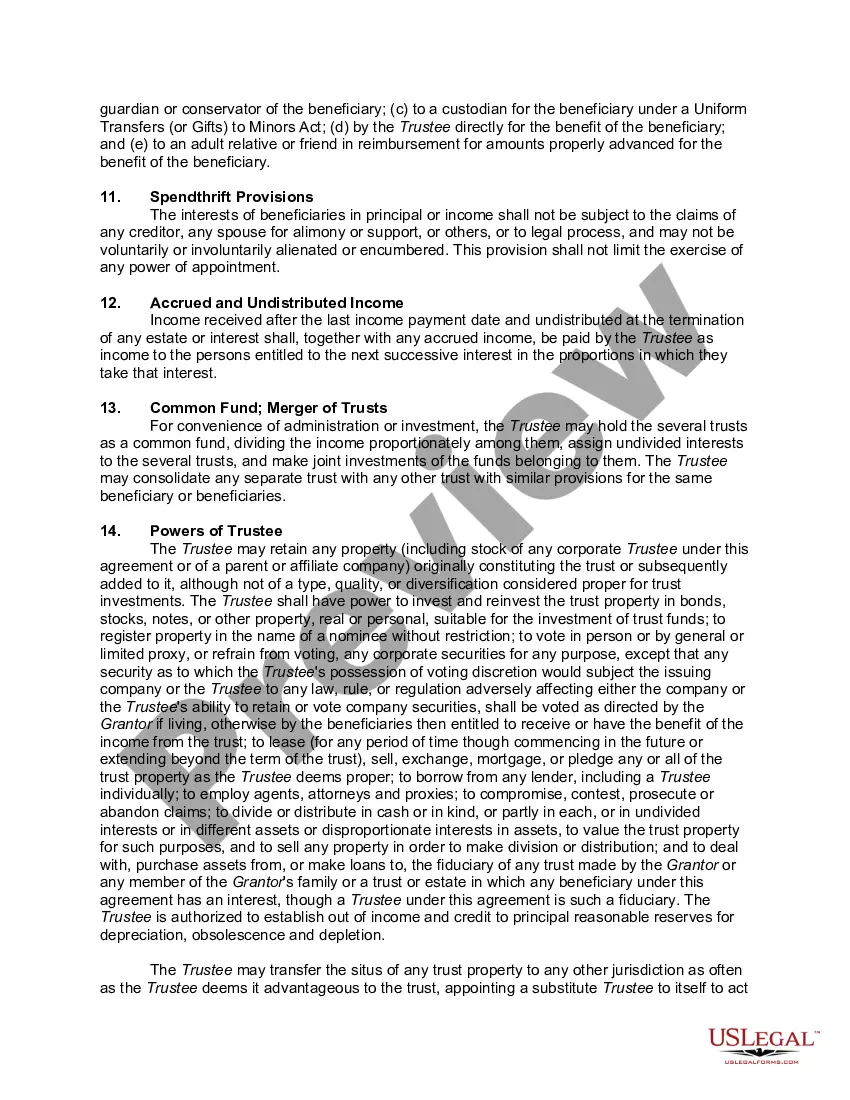
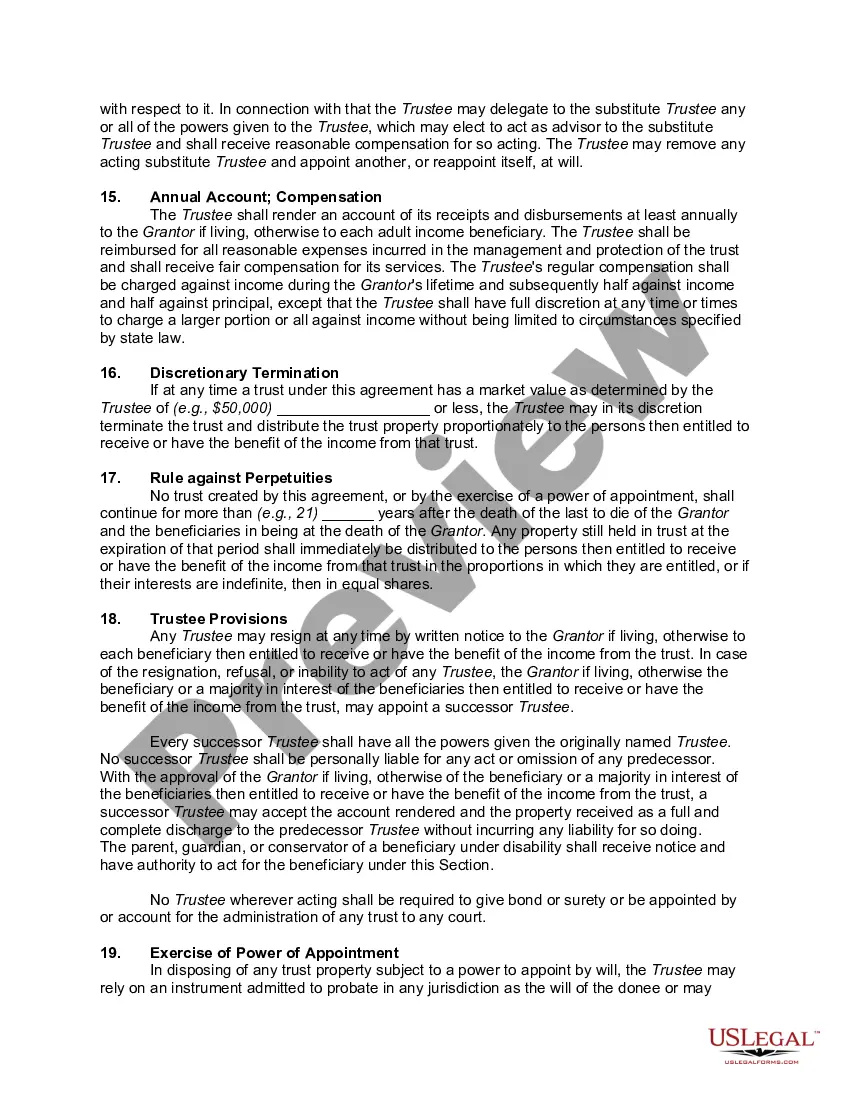
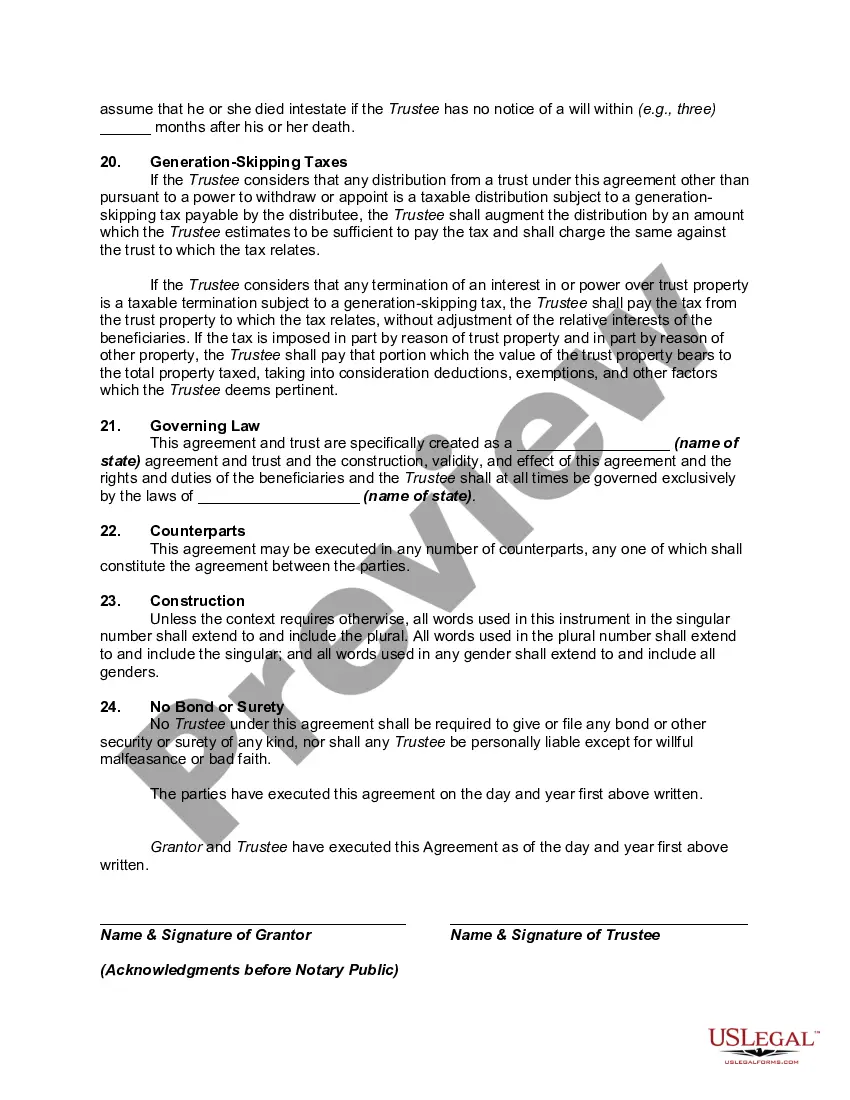



Get your form ready online
Our built-in tools help you complete, sign, share, and store your documents in one place.
Make edits, fill in missing information, and update formatting in US Legal Forms—just like you would in MS Word.
Download a copy, print it, send it by email, or mail it via USPS—whatever works best for your next step.
Sign and collect signatures with our SignNow integration. Send to multiple recipients, set reminders, and more. Go Premium to unlock E-Sign.
If this form requires notarization, complete it online through a secure video call—no need to meet a notary in person or wait for an appointment.
We protect your documents and personal data by following strict security and privacy standards.

Make edits, fill in missing information, and update formatting in US Legal Forms—just like you would in MS Word.

Download a copy, print it, send it by email, or mail it via USPS—whatever works best for your next step.

Sign and collect signatures with our SignNow integration. Send to multiple recipients, set reminders, and more. Go Premium to unlock E-Sign.

If this form requires notarization, complete it online through a secure video call—no need to meet a notary in person or wait for an appointment.

We protect your documents and personal data by following strict security and privacy standards.
Looking for another form?







How to fill out Irrevocable Trust Agreement For Benefit Of Trustor's Children And Grandchildren?
- Access your US Legal Forms account by navigating to the login page.
- Check subscription validity; if expired, renew based on your chosen payment plan.
- Explore the available templates by using the Search function to find the irrevocable agreement trust that suits your needs.
- Review the template in Preview mode to confirm it aligns with your local jurisdiction requirements.
- Purchase the document by selecting the preferred subscription plan and creating an account for library access.
- Complete the payment process using a credit card or PayPal, and finalize your purchase.
- Download the completed form to your device for immediate access or revisit it later in the My Forms section of your profile.
By utilizing US Legal Forms, individuals and attorneys can efficiently navigate the complexities of legal documentation. With an extensive library of over 85,000 forms and expert assistance available, you can trust that your documents will be accurate and compliant.
Start creating your irrevocable agreement trust today with US Legal Forms and secure your future. Explore our resources now!
Form popularity
FAQ
Yes, you can set up an irrevocable agreement trust for the future on your own if you are well-informed about the requirements. Nonetheless, consider the potential complexities involved, as errors can have lasting repercussions. Utilizing US Legal Forms can simplify this process by providing reliable templates and expert assistance. This way, you can confidently establish your trust while staying compliant with legal standards.
Creating an irrevocable agreement trust for the future can be a complex process, but you have the option to do it yourself. However, it's crucial to understand the legal implications and responsibilities involved. Using resources like US Legal Forms can guide you through the necessary steps and ensure compliance with state laws. This platform offers templates and support to help you establish your trust effectively.
When establishing an irrevocable agreement trust for the future, be mindful of what to exclude. Avoid putting assets that you may need immediate access to, as transferring them into the trust will limit your control. Additionally, do not include personal items that you might want to retain for your personal use. Familiarizing yourself with these aspects can help ensure your trust aligns with your long-term goals.
Yes, you can write your own irrevocable agreement trust for the future, but it requires careful consideration. You'll need to ensure that the document meets all legal requirements to be valid and enforceable. Many people choose to use templates or online services, such as US Legal Forms, to simplify the process and ensure that all necessary elements are included in the trust.
Filling out an irrevocable agreement trust for the future involves several key steps. First, gather important information about the assets you intend to transfer into the trust. Then, consider naming a trustee who will manage the trust according to your wishes. Lastly, ensure that you complete the necessary legal forms accurately, which is where platforms like US Legal Forms can provide valuable guidance.
You might choose to avoid an irrevocable agreement trust for the future due to its permanence. If you anticipate changing needs or goals regarding your assets, this trust may not offer the flexibility you require. Additionally, if you prefer to maintain complete control over your estate, this type of trust may not align with your intentions. It's crucial to evaluate your specific situation and, if needed, consider consulting a resource like US Legal Forms for guidance.
One key downside of an irrevocable agreement trust for the future is the loss of control over the assets. Once you place assets into this trust, you cannot easily remove them without potential legal consequences. This can be challenging if your financial situation changes, as you effectively relinquish ownership. Always weigh these factors when deciding on your estate strategy.
When considering an irrevocable agreement trust for the future, certain assets may not be suitable. For instance, assets that can generate significant liabilities, such as personal business interests, may not belong in this trust. Additionally, real estate with ongoing mortgages may complicate the trust’s financial structure. Therefore, assess your assets carefully to ensure the most efficient planning.
Recent changes in tax laws may affect irrevocable trusts, particularly concerning estate and gift taxes. These new rules could introduce limitations or alter tax reporting requirements. It is crucial to stay informed about these developments, especially when establishing an irrevocable agreement trust for the future. Seeking expert guidance can help navigate these modifications effectively.
Yes, an irrevocable grantor trust may need to file a tax return, especially if it generates income. In most cases, the grantor of the trust is responsible for reporting the income on their personal tax return. This can be an important aspect to consider when setting up your irrevocable agreement trust for the future. Consulting a tax professional helps to clarify these obligations.