Form Irrevocable Trust With A Trustee
Description

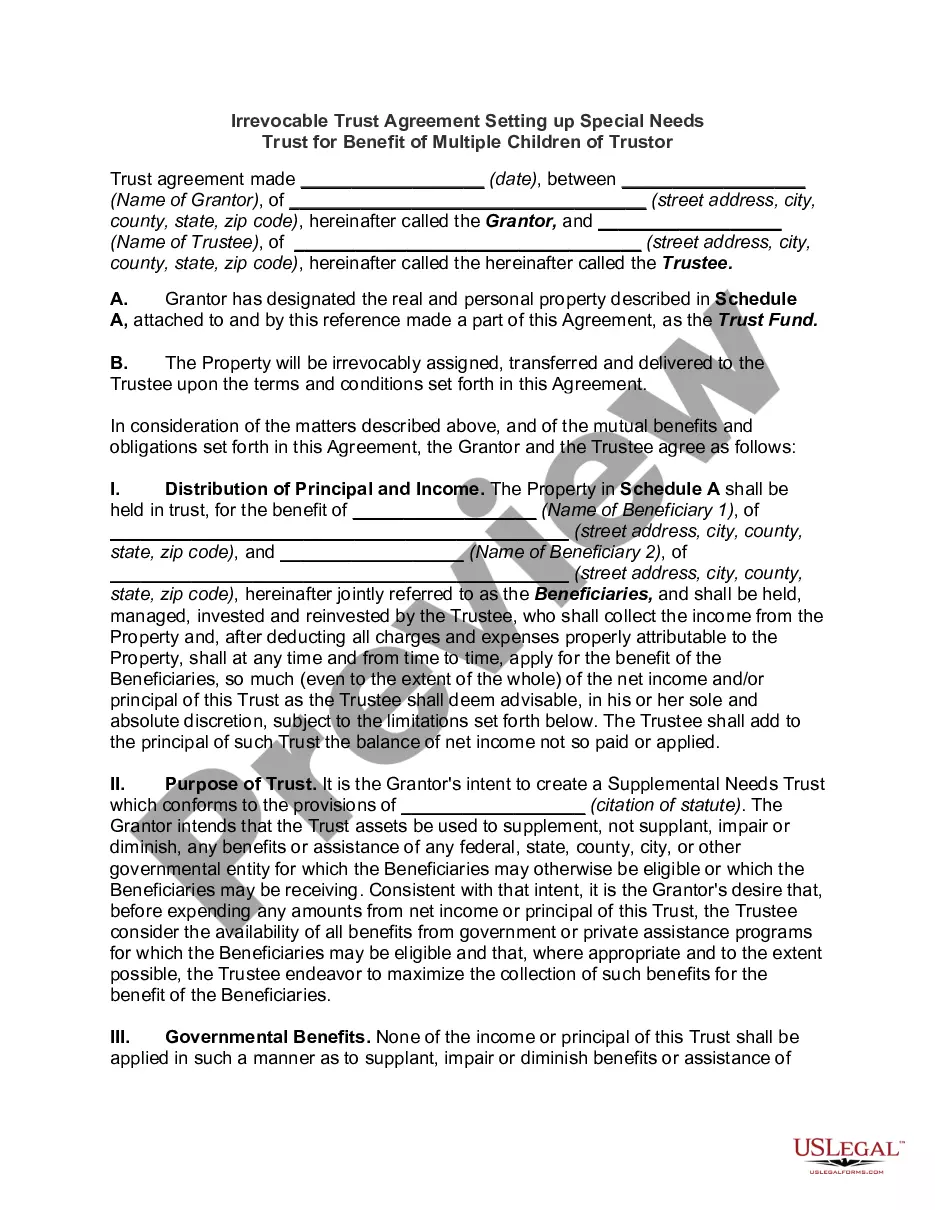
Get your form ready online
Our built-in tools help you complete, sign, share, and store your documents in one place.
Make edits, fill in missing information, and update formatting in US Legal Forms—just like you would in MS Word.
Download a copy, print it, send it by email, or mail it via USPS—whatever works best for your next step.
Sign and collect signatures with our SignNow integration. Send to multiple recipients, set reminders, and more. Go Premium to unlock E-Sign.
If this form requires notarization, complete it online through a secure video call—no need to meet a notary in person or wait for an appointment.
We protect your documents and personal data by following strict security and privacy standards.

Make edits, fill in missing information, and update formatting in US Legal Forms—just like you would in MS Word.

Download a copy, print it, send it by email, or mail it via USPS—whatever works best for your next step.

Sign and collect signatures with our SignNow integration. Send to multiple recipients, set reminders, and more. Go Premium to unlock E-Sign.

If this form requires notarization, complete it online through a secure video call—no need to meet a notary in person or wait for an appointment.

We protect your documents and personal data by following strict security and privacy standards.
Looking for another form?

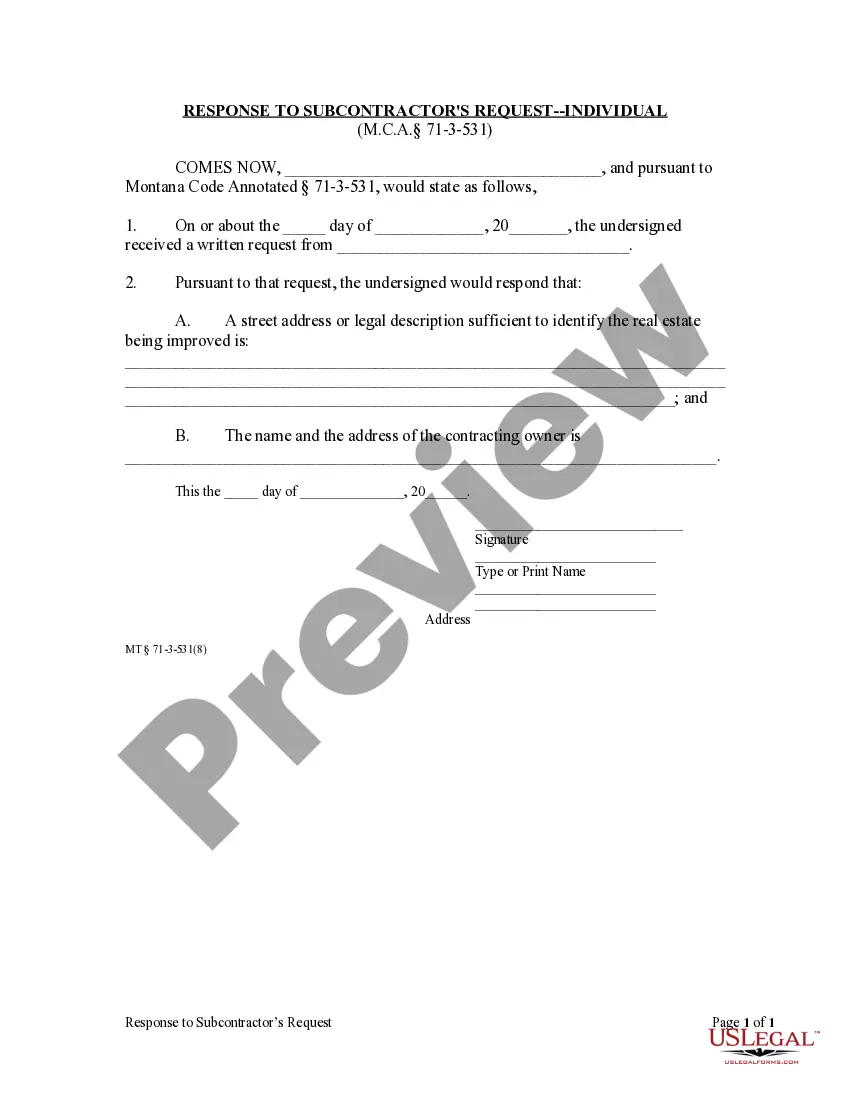


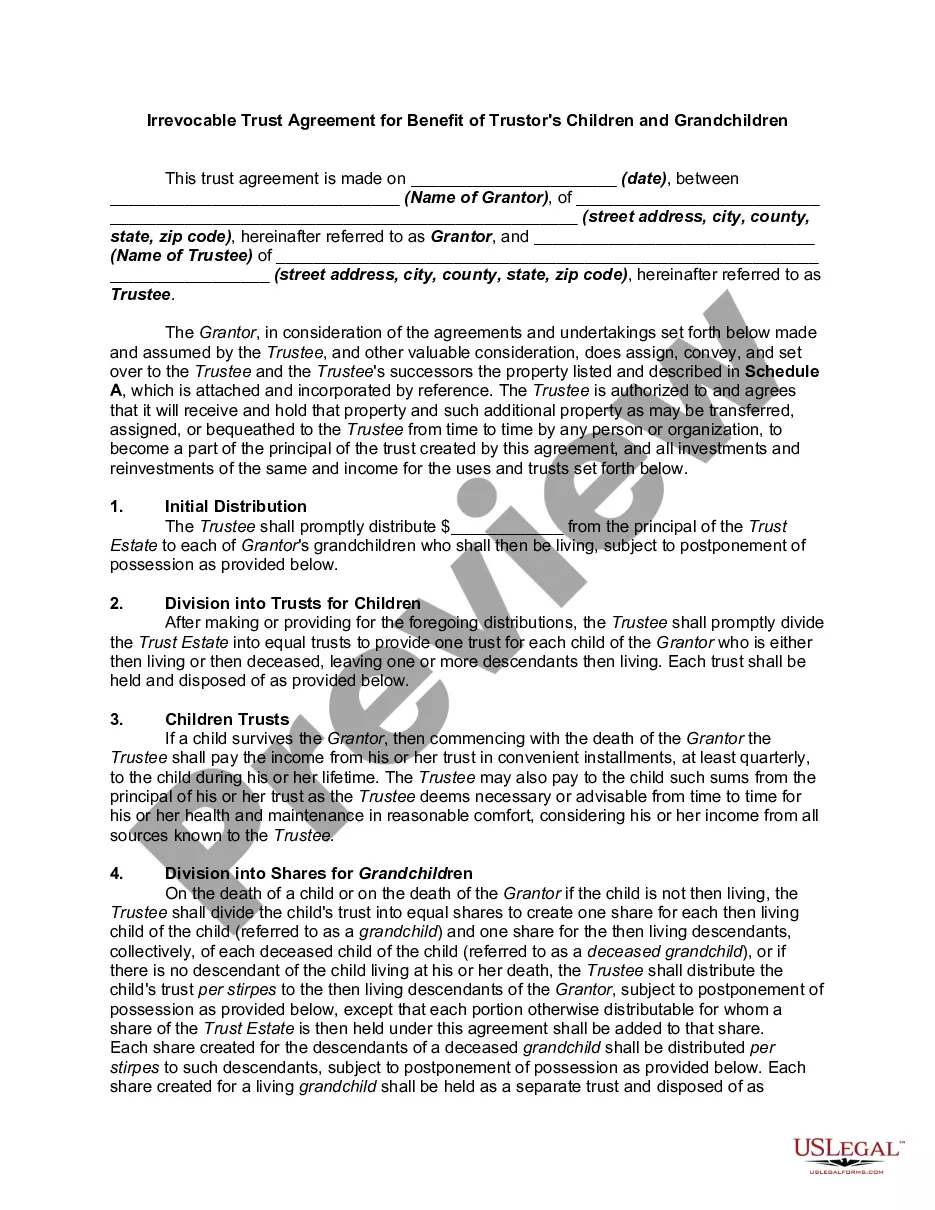
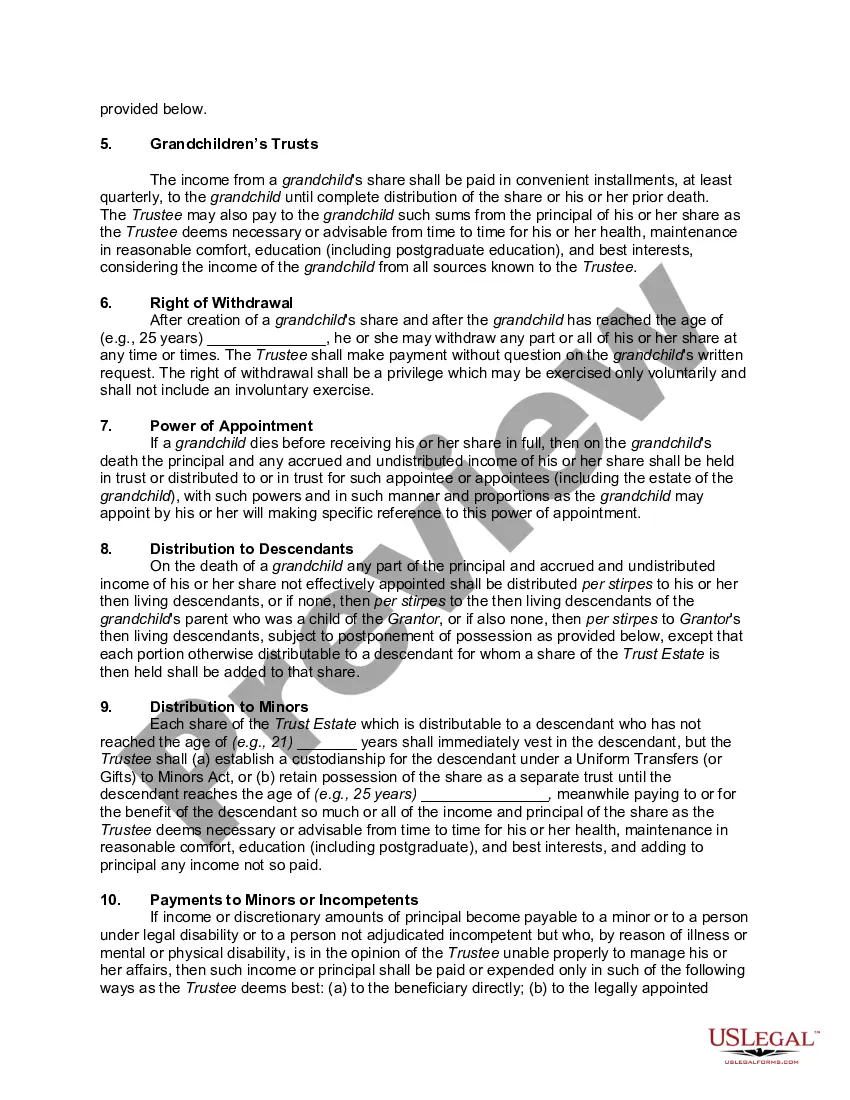
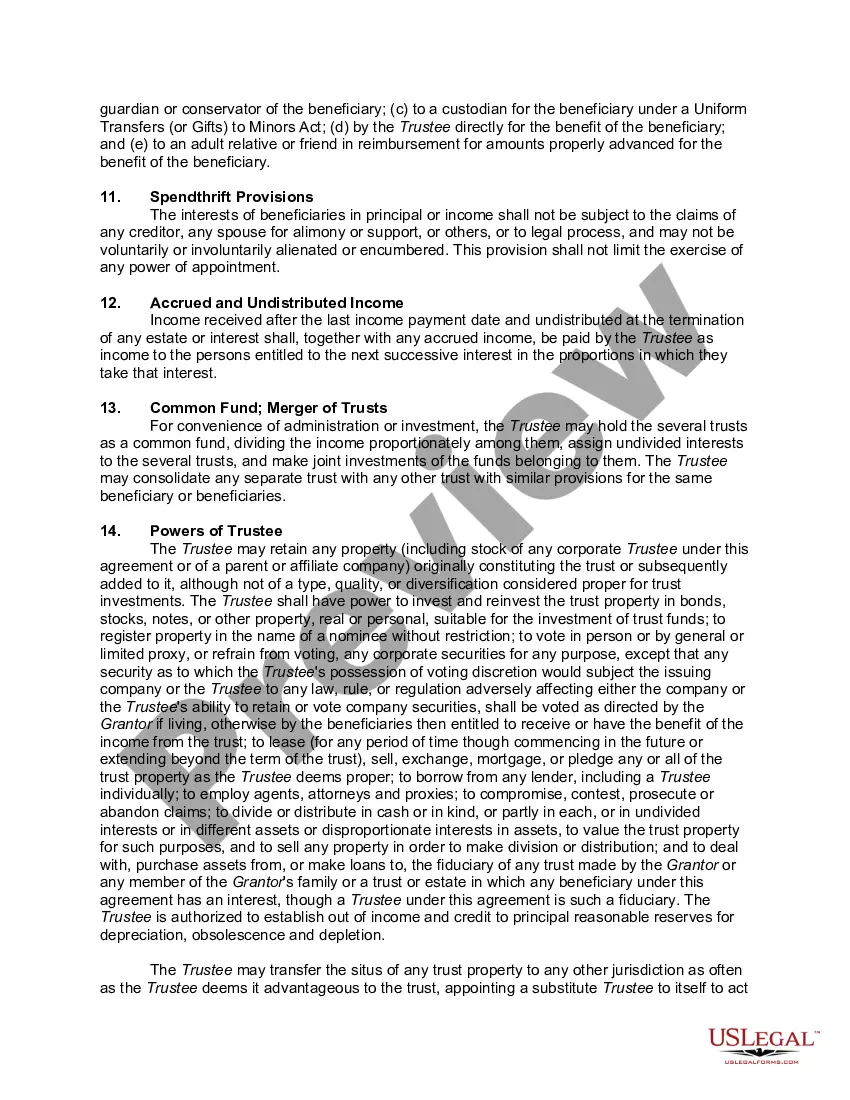
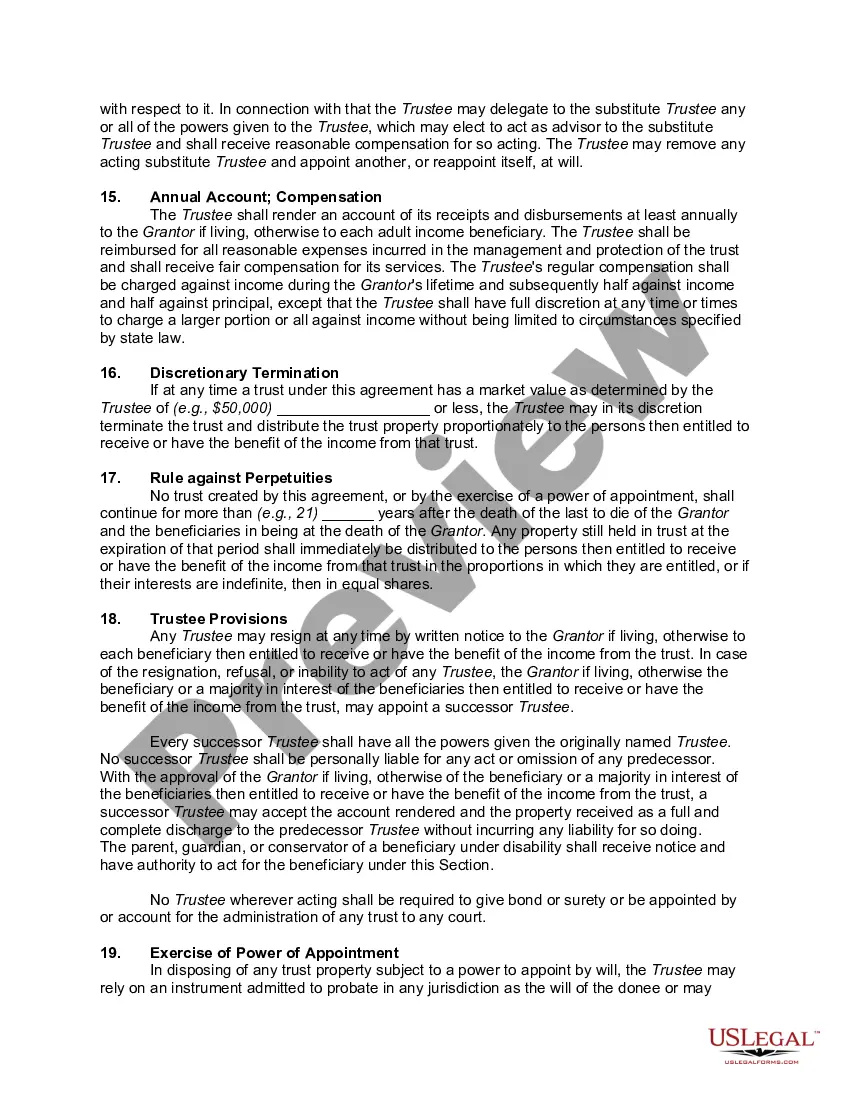
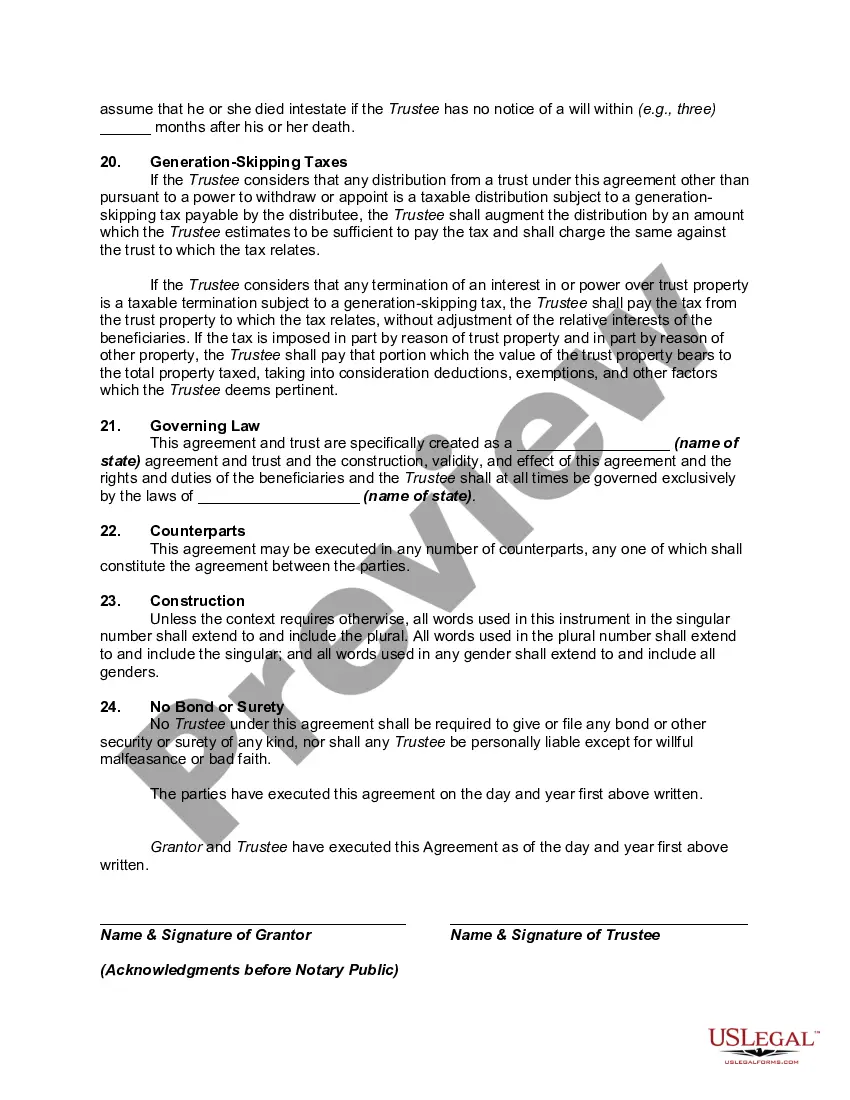
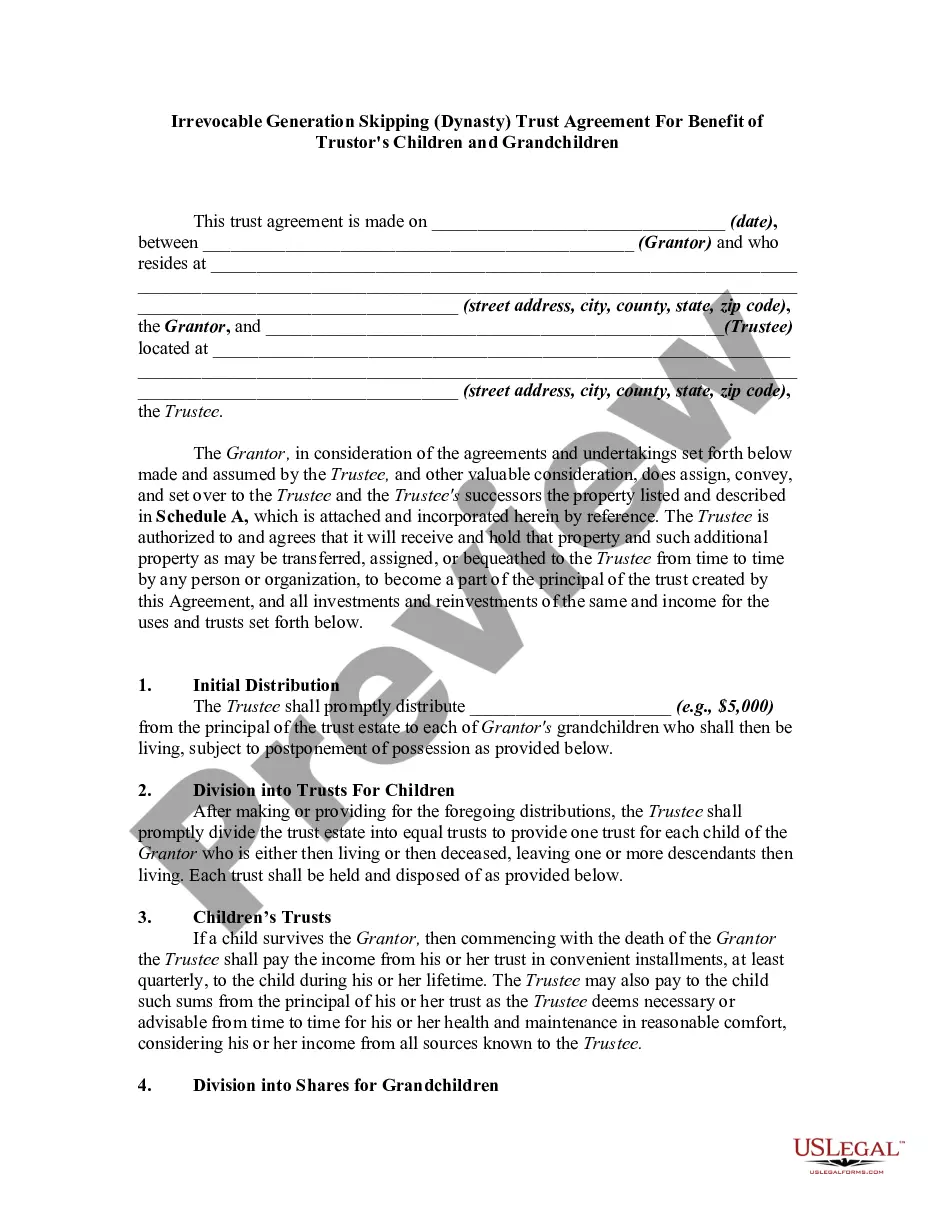
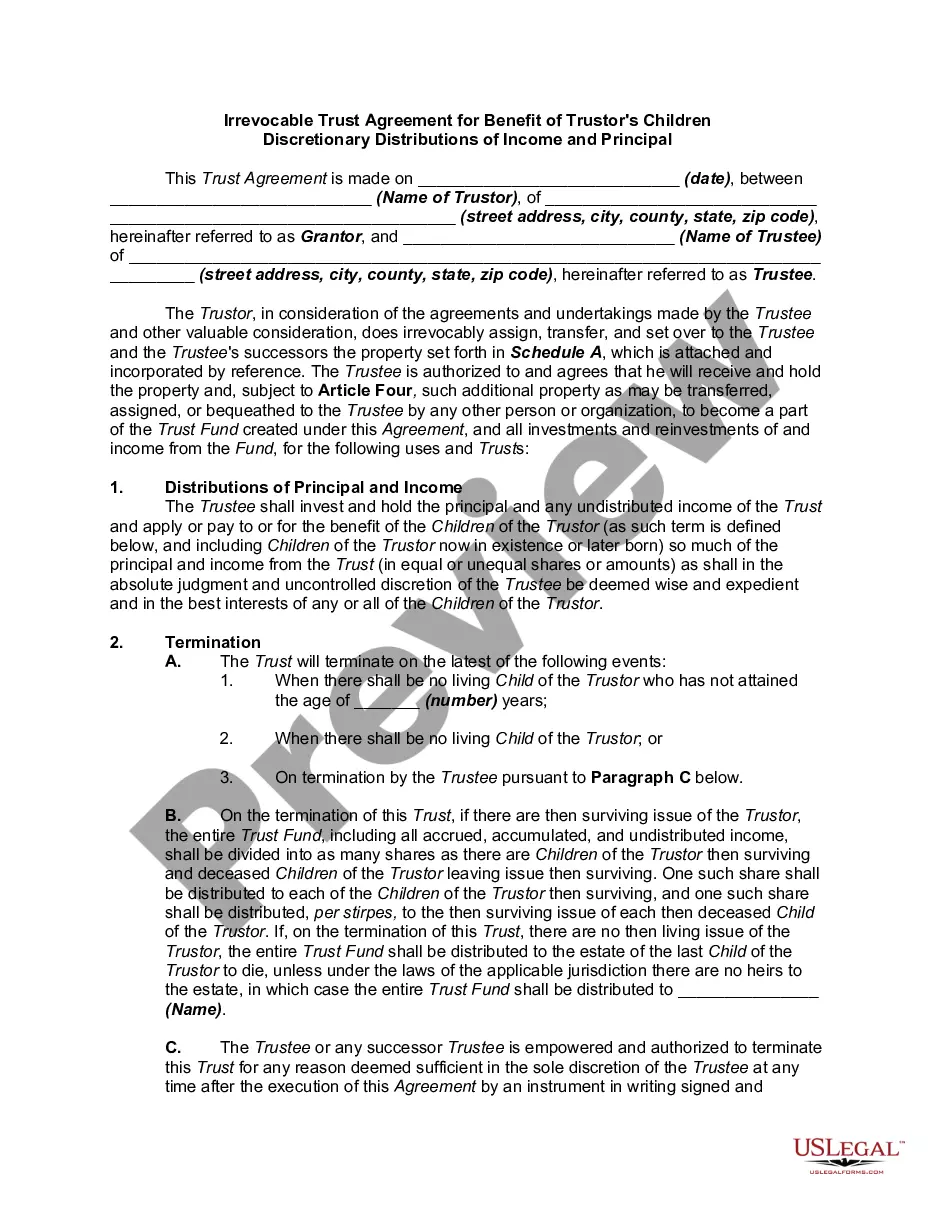
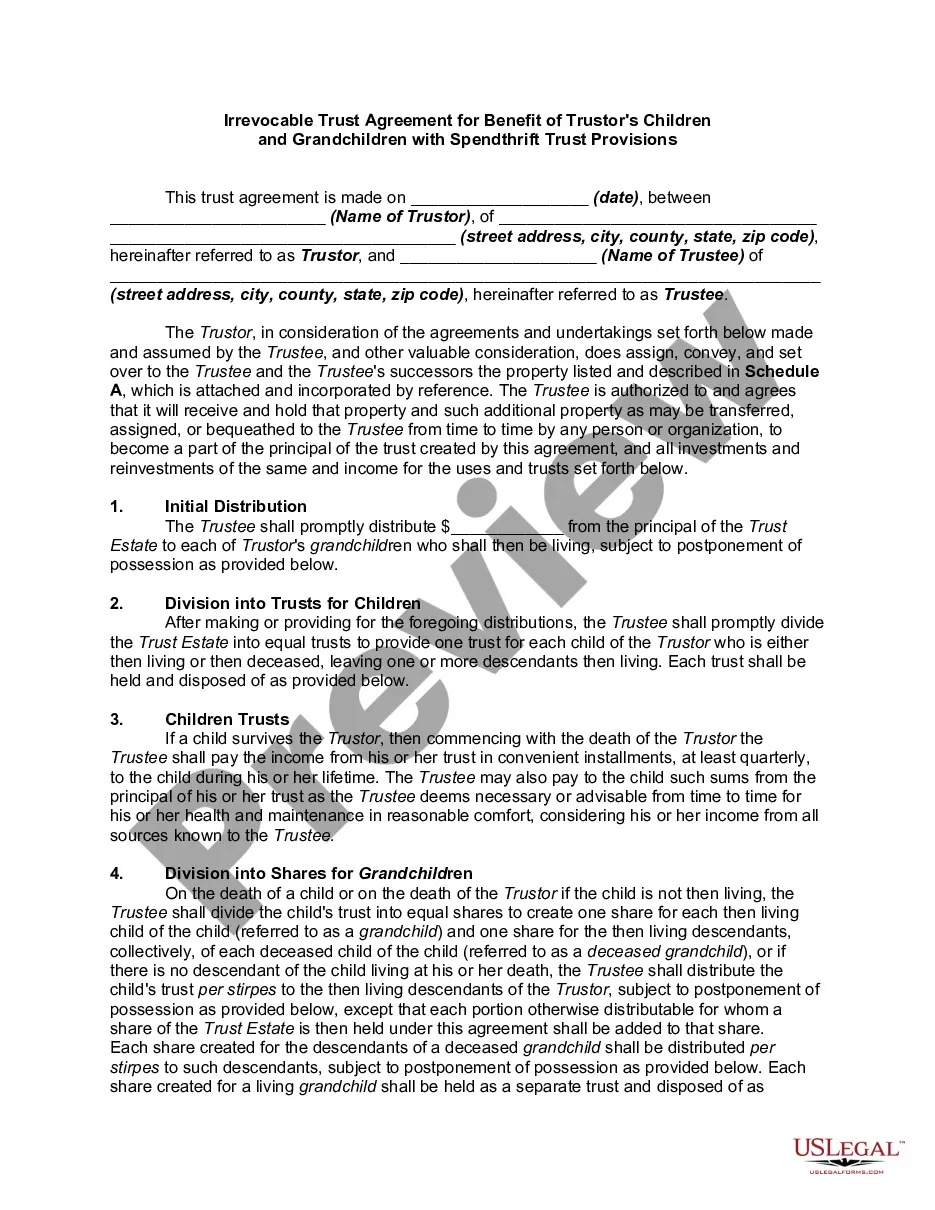
How to fill out Irrevocable Trust Agreement For Benefit Of Trustor's Children And Grandchildren?
- Log into your US Legal Forms account if you're a returning user. Click on the 'Download' button to save the document template to your device. Ensure your subscription is active.
- If you're new to our service, start by checking the preview and description of the irrevocable trust forms available. Confirm that the selected form meets your specific needs and local jurisdiction requirements.
- If the form does not suit your needs, utilize the search feature to find a more appropriate template that aligns with your requirements.
- Once satisfied, select the 'Buy Now' button for your chosen template and select an appropriate subscription plan. You will need to create an account to gain access.
- Proceed with the payment using your credit card or PayPal. After payment confirmation, you can download your form.
- Access the downloaded form on your device and find it under the 'My Forms' section in your profile for future use.
US Legal Forms not only simplifies the document creation process but also ensures all forms are comprehensive, legally sound, and customizable. With over 85,000 forms, users can easily find exactly what they need.
Don't let the complexities of legal paperwork overwhelm you. Start forming your irrevocable trust with US Legal Forms today and secure your peace of mind!
Form popularity
FAQ
For an irrevocable trust to be valid, it must contain clear language outlining the intent of the grantor, a designated trustee, and identifiable beneficiaries. Moreover, when you form an irrevocable trust with a trustee, the transfer of assets must be complete and legally documented. Compliance with state laws is also crucial, as they can vary. Using trustworthy legal platforms can simplify this process.
The new IRS ruling on irrevocable trusts highlights the importance of clear terms and an accurate understanding of asset distributions. When you form an irrevocable trust with a trustee, it is essential to follow these updated guidelines to protect both your assets and your beneficiaries. These rulings can impact how trusts are taxed and managed, so staying updated is crucial. Platforms like US Legal Forms can help keep you informed.
In most cases, the IRS cannot take a house that is within an irrevocable trust, as the assets are no longer considered part of your estate. When you form an irrevocable trust with a trustee, you effectively transfer ownership, providing an extra layer of protection against creditors. However, if the trust is used to evade taxes, the IRS may challenge it. Always consult legal and financial advisors to ensure compliance.
An irrevocable trust does not generally need to be filed with the court for it to be valid; however, some states may have specific requirements. Forming an irrevocable trust with a trustee allows you to manage your assets privately while ensuring your wishes are carried out. Still, it is important to check local laws to confirm any necessary filings. Working with a platform like US Legal Forms can help you navigate these requirements easily.
The IRS has specific guidelines regarding irrevocable trusts, which include tax implications and reporting requirements. When you form an irrevocable trust with a trustee, you must ensure that the trust complies with IRS rules to avoid penalties. It's essential to understand how income generated by the trust is taxed and how it affects your personal tax situation. Consulting a tax professional can provide clarity and ensure compliance.
The new rule on irrevocable trusts emphasizes the importance of proper documentation and clarity of intent. When you form an irrevocable trust with a trustee, you ensure that your asset protection and estate planning goals are clearly defined. This helps avoid litigation and ensures compliance with updated regulations. By staying informed about these changes, you can better serve your beneficiaries.
You can write your own irrevocable trust, but it is advisable to seek guidance to ensure its validity. Using tools and templates from platforms like US Legal Forms can simplify the process, helping you include necessary provisions correctly. When you create the document, focus on clarity and legal compliance. A well-drafted trust will more effectively serve its purpose once you form an irrevocable trust with a trustee.
Choosing the right trustee is a critical step when creating an irrevocable trust. The trustee should be someone you trust, has good judgment, and understands the responsibility of managing trust assets. Many people opt for a professional trustee, like a bank or an attorney, to ensure unbiased management. This choice greatly supports your goal to form an irrevocable trust with a trustee effectively.
Yes, an irrevocable trust is usually required to file a tax return annually, depending on its income and structure. The earnings generated by the assets within the trust are typically taxed at the trust's tax rate. Therefore, it's crucial to keep financial records and file the appropriate forms each year. Consulting with a tax professional can help manage this process successfully while you form an irrevocable trust with a trustee.
To fill out an irrevocable trust, you need to gather relevant information, such as the names of the grantor, trustee, and beneficiaries. First, you'll select the assets to include in the trust. Next, use a reliable template or platform, like US Legal Forms, to guide you through the legal language. Ensure the document aligns with your objectives and accurately forms an irrevocable trust with a trustee.