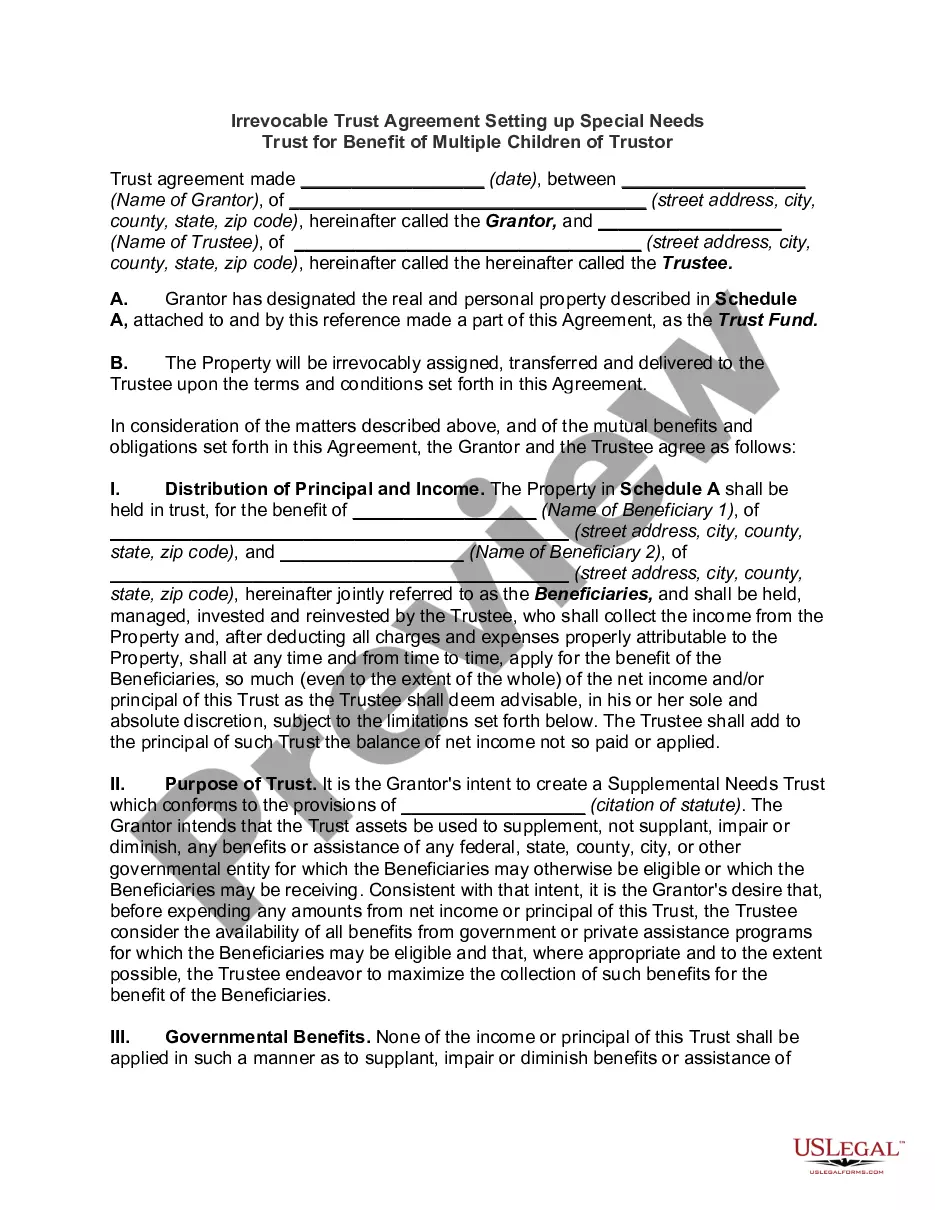
Agreement Irrevocable Trust For The Disabled
Description


Get your form ready online
Our built-in tools help you complete, sign, share, and store your documents in one place.
Make edits, fill in missing information, and update formatting in US Legal Forms—just like you would in MS Word.
Download a copy, print it, send it by email, or mail it via USPS—whatever works best for your next step.
Sign and collect signatures with our SignNow integration. Send to multiple recipients, set reminders, and more. Go Premium to unlock E-Sign.
If this form requires notarization, complete it online through a secure video call—no need to meet a notary in person or wait for an appointment.
We protect your documents and personal data by following strict security and privacy standards.

Make edits, fill in missing information, and update formatting in US Legal Forms—just like you would in MS Word.

Download a copy, print it, send it by email, or mail it via USPS—whatever works best for your next step.

Sign and collect signatures with our SignNow integration. Send to multiple recipients, set reminders, and more. Go Premium to unlock E-Sign.

If this form requires notarization, complete it online through a secure video call—no need to meet a notary in person or wait for an appointment.

We protect your documents and personal data by following strict security and privacy standards.
Looking for another form?








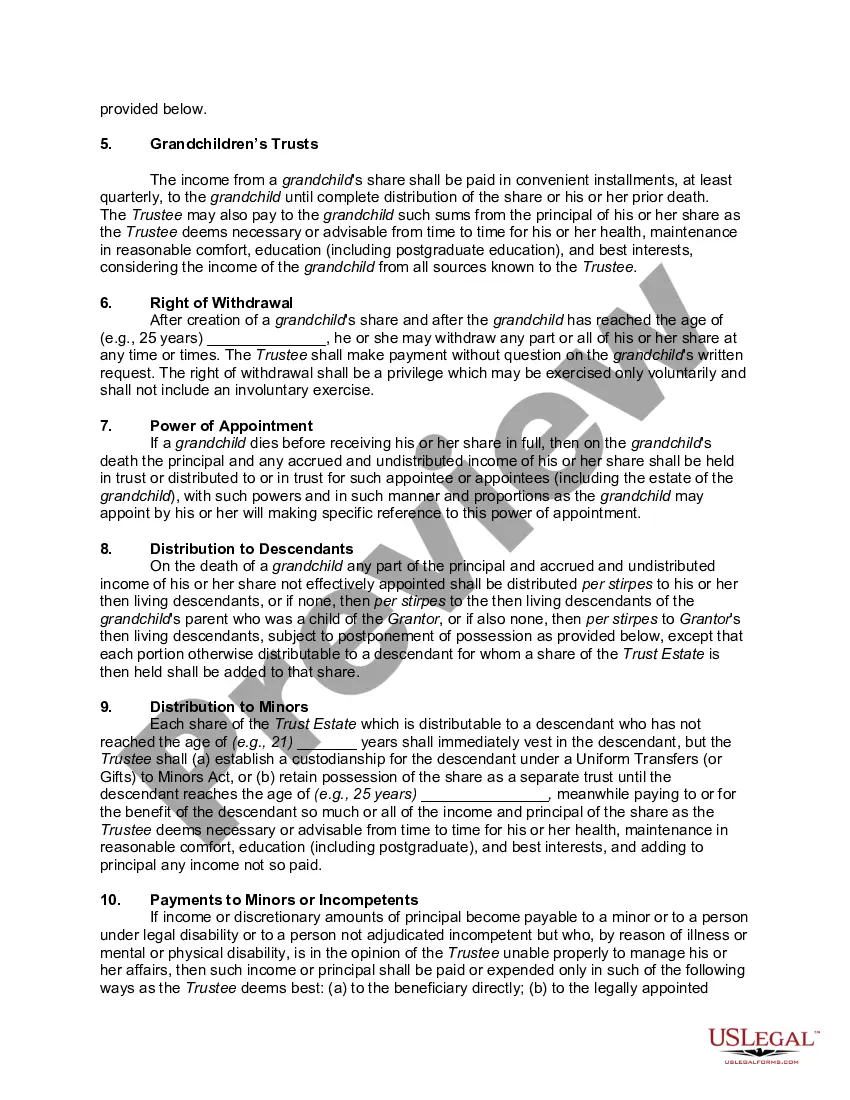
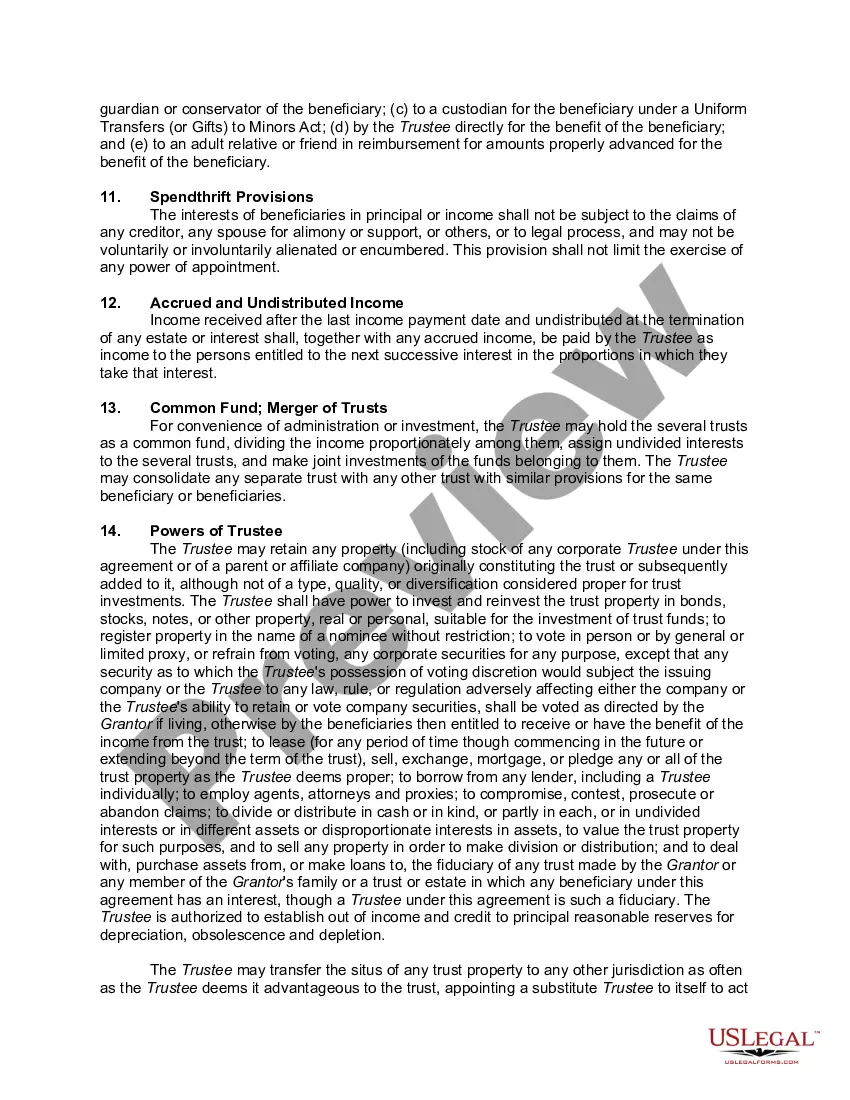
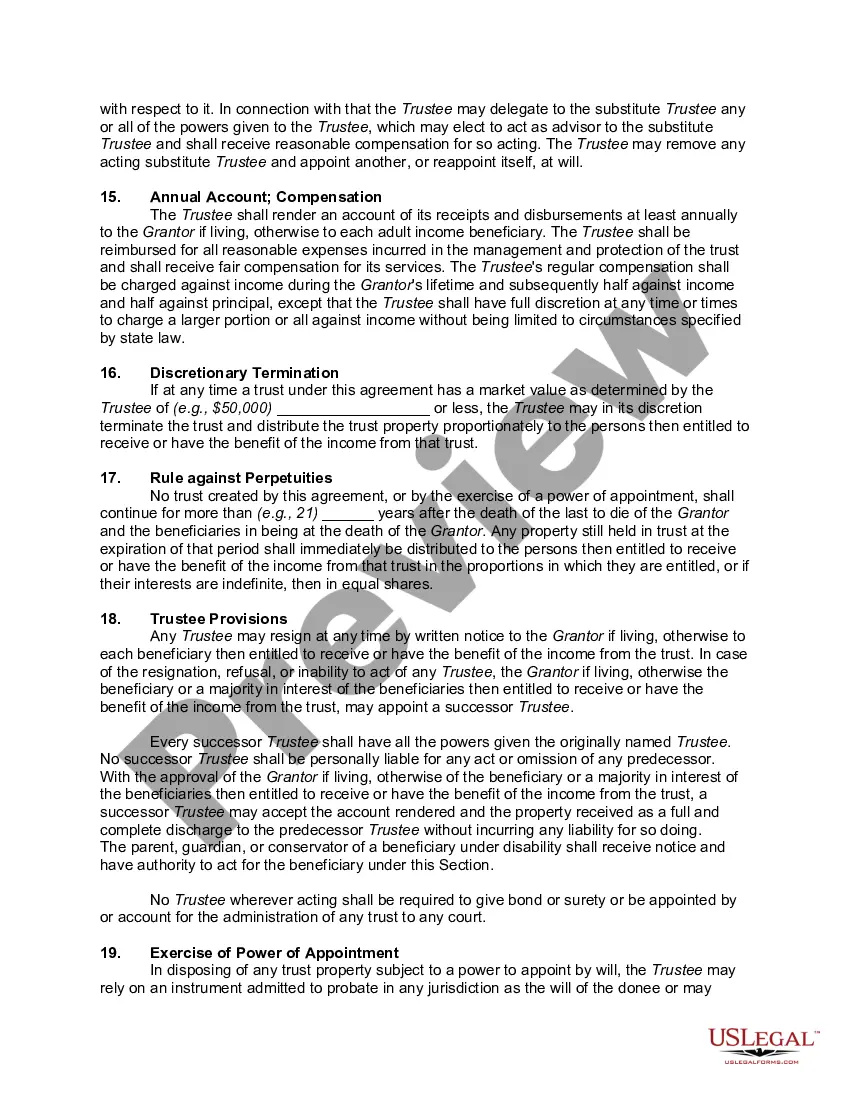
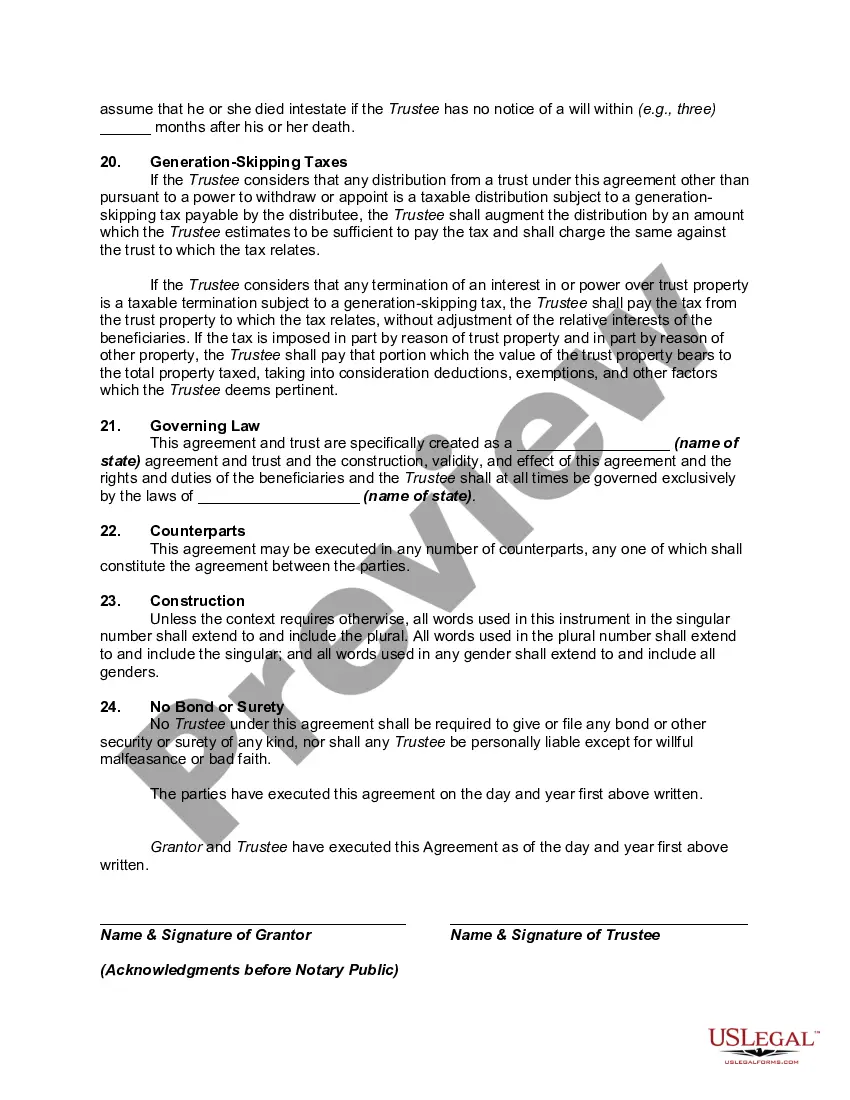
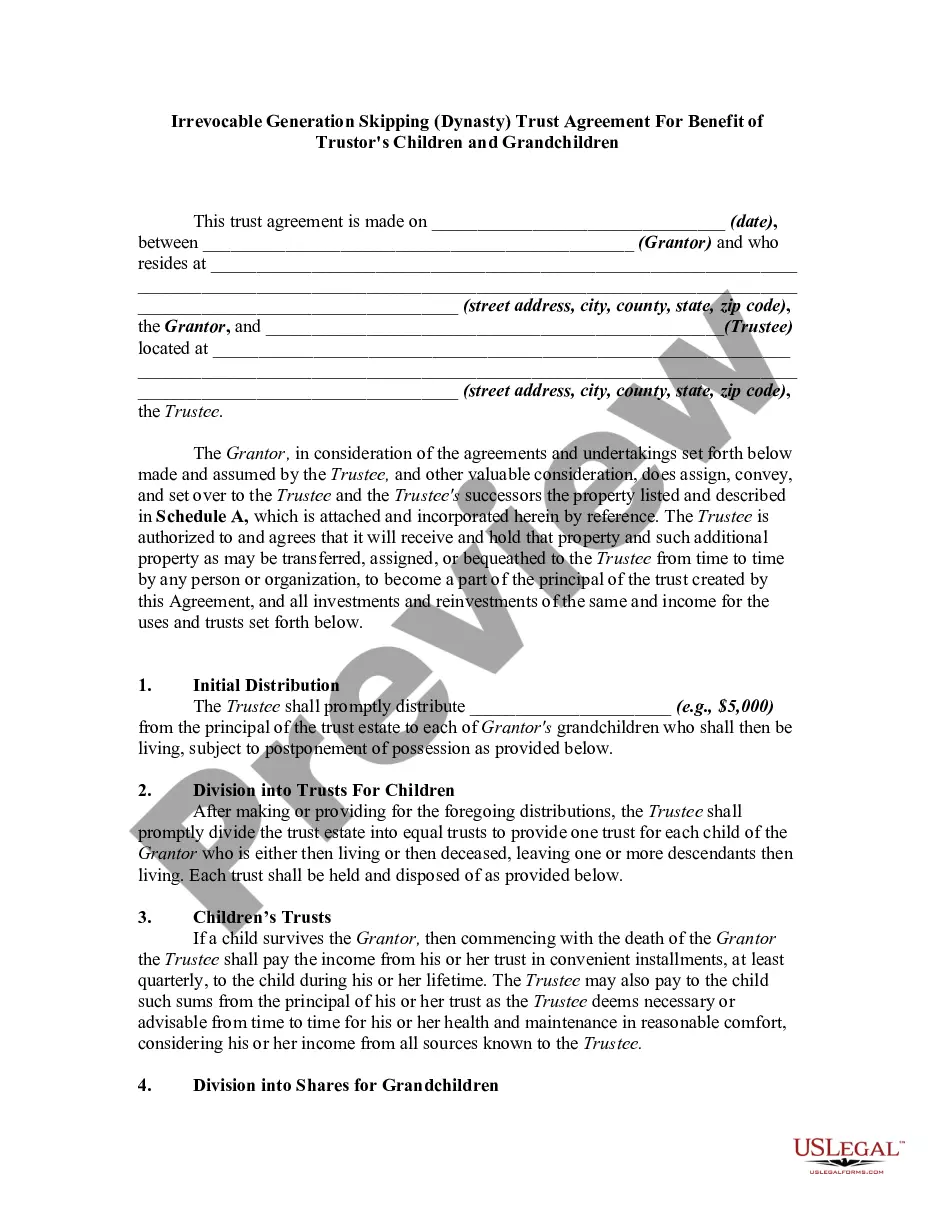
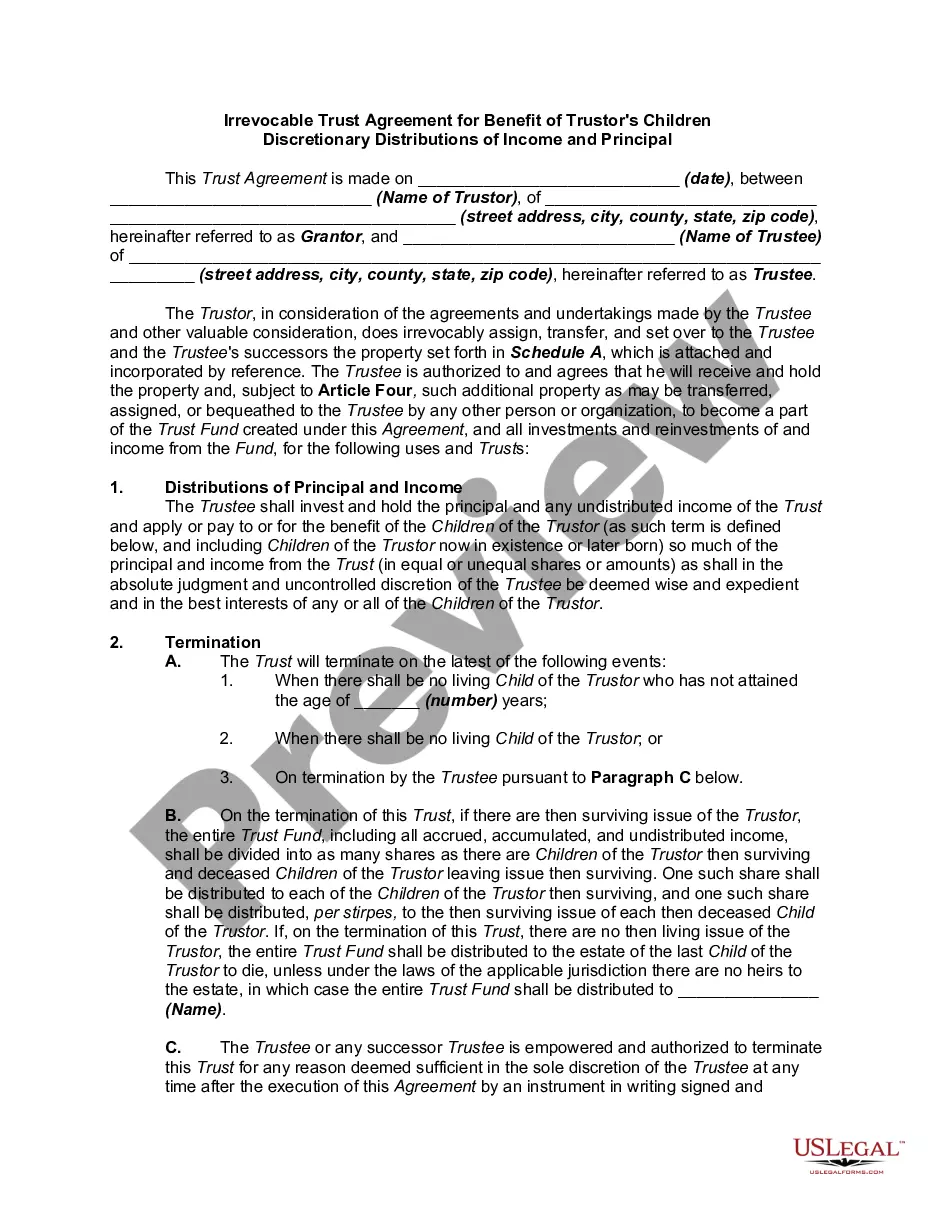
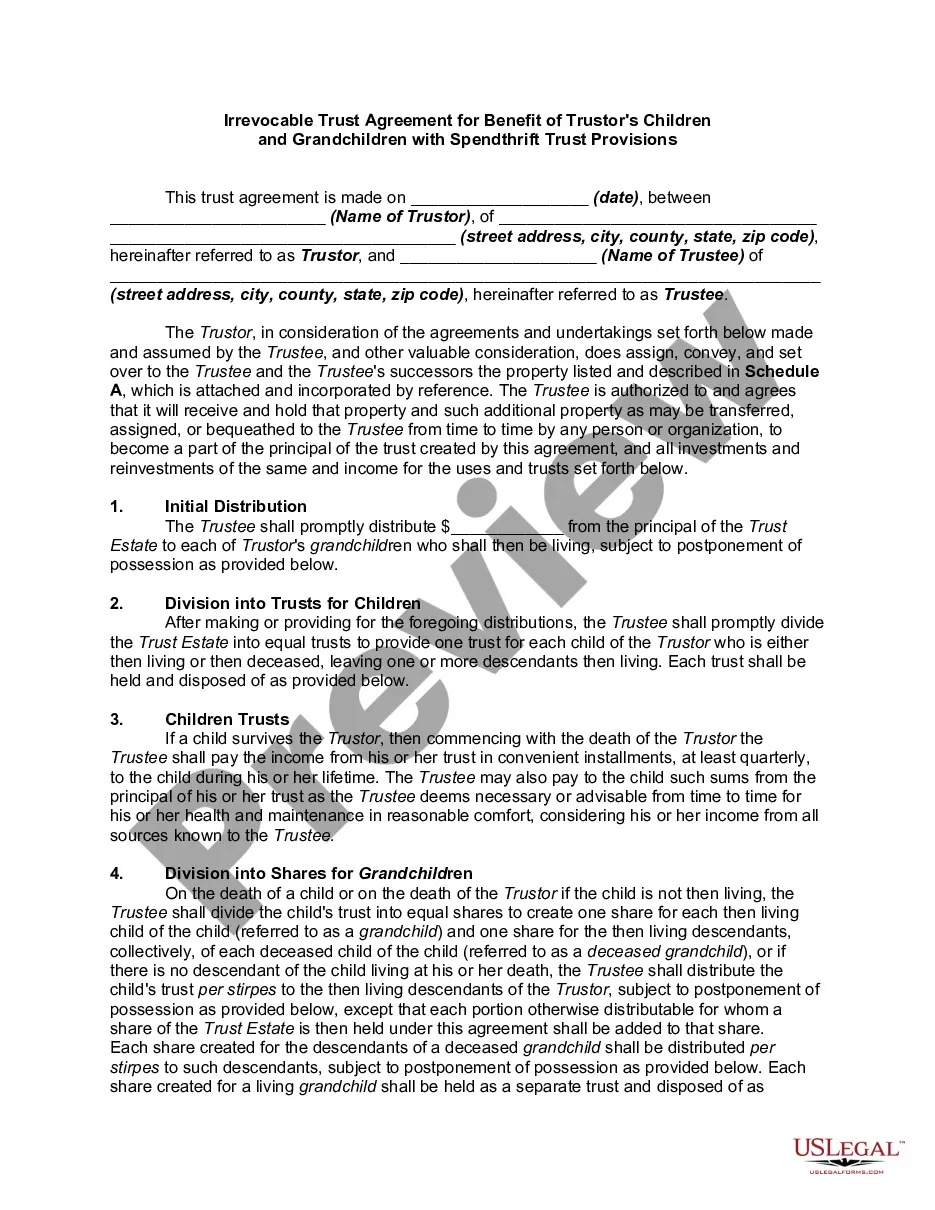
How to fill out Irrevocable Trust Agreement For Benefit Of Trustor's Children And Grandchildren?
- If you already have a US Legal Forms account, log in and download the template you need by clicking the Download button. Confirm your subscription is active; if not, renew it based on your chosen plan.
- If you are new to US Legal Forms, start by checking out the Preview mode and form description to confirm you select the right template that aligns with your needs and jurisdiction requirements.
- In case you need a different template, utilize the Search tab to explore other options. Once you find the right one, proceed to the next step.
- Purchase the document by clicking the Buy Now button and selecting your preferred subscription plan. An account registration is necessary to access the legal library.
- Complete your purchase by entering your credit card information or using a PayPal account for payment.
- Download the completed form and save it to your device. You can also access it anytime from the My Forms section of your profile.
In conclusion, utilizing US Legal Forms simplifies the process of creating an agreement irrevocable trust for the disabled. With a user-friendly interface and a vast library of templates, individuals and attorneys can quickly navigate legal requirements.
Start accessing your legal forms today and experience the empowerment of having reliable legal resources at your fingertips!
Form popularity
FAQ
When considering an Agreement irrevocable trust for the disabled, it is essential to recognize potential downsides. One significant drawback is the loss of control over the assets once they are placed in the trust. The grantor cannot modify or revoke the trust easily, which can lead to challenges if circumstances change. Additionally, this type of trust may impact eligibility for certain government benefits, making it crucial to consult with a professional before setting up an Agreement irrevocable trust for the disabled.
An irrevocable trust agreement, once established, cannot be changed or revoked without the consent of the beneficiaries. This type of trust often offers significant benefits, including asset protection and tax benefits. For the disabled, creating an agreement irrevocable trust can help manage finances while maintaining eligibility for government assistance. US Legal Forms provides resources to help you construct a proper agreement that meets your needs and complies with legal standards.
Yes, you can still receive SSI if you have a trust fund, provided that the trust is structured correctly. Certain types of trusts, such as a special needs trust or an agreement irrevocable trust for the disabled, are intentionally designed to protect your benefits. However, the details of the trust must comply with SSI regulations, ensuring that the funds do not count against the asset limits. Consulting with a legal expert or using tools from US Legal Forms can assist you in setting up the right type of trust.
A trust that does not affect Supplemental Security Income (SSI) benefits is often a special needs trust. This type of trust allows individuals to manage funds for a disabled person without jeopardizing their eligibility for SSI and Medicaid. The agreement irrevocable trust for the disabled can be specifically designed to preserve these benefits while providing for the individual’s needs. Using platforms like US Legal Forms, you can create an appropriate trust structure tailored to these requirements.
Yes, an agreement irrevocable trust for the disabled can impact disability benefits, but it can be structured to avoid negative effects. It is crucial to understand how the trust will interact with government benefits like SSI or Medicaid. If set up properly, a trust can provide additional financial support without jeopardizing essential benefits. Always seek professional advice to navigate these complexities and ensure compliance.
One common mistake parents make when setting up a trust fund is not considering the specific needs of their disabled child. An agreement irrevocable trust for the disabled must be tailored to protect benefits while providing for the child's future. Parents often overlook the importance of clearly defining distributions and the responsibilities of the trustee. Consulting with an expert can help parents avoid pitfalls and ensure the trust serves its intended purpose.
Filling out an agreement irrevocable trust for the disabled involves several steps. First, you should gather all necessary information, including the names of the trustee and beneficiaries. Next, specify the assets that will be included in the trust and how they will be managed. For a smooth process, consider using platforms like US Legal Forms, which provide templates and guidance to help you complete this important document correctly.
An irrevocable trust can potentially affect Supplemental Security Income (SSI) benefits if not structured correctly. Generally, an agreement irrevocable trust for the disabled can be designed to shelter assets without disqualifying the individual from receiving SSI. However, understanding the rules surrounding trust distributions can be tricky. Consulting with a legal expert ensures the trust is set up to protect necessary benefits.
To set up a trust for a disabled person, begin by defining your goals and needs. You may choose an agreement irrevocable trust for the disabled, as it offers specific protections and benefits. Consulting with legal professionals ensures the trust is compliant with regulations and properly funded. Taking the right steps now can make a significant difference in financial security for the future.
The best place for a person on disability to live depends on individual needs and preferences. Supportive communities that offer accessible housing and resources are ideal. It is also crucial to consider proximity to family and services that can assist in daily living. An agreement irrevocable trust for the disabled can help fund suitable housing options while preserving necessary benefits.