Foreclose Lien On Property
Description
Get your form ready online
Our built-in tools help you complete, sign, share, and store your documents in one place.
Make edits, fill in missing information, and update formatting in US Legal Forms—just like you would in MS Word.
Download a copy, print it, send it by email, or mail it via USPS—whatever works best for your next step.
Sign and collect signatures with our SignNow integration. Send to multiple recipients, set reminders, and more. Go Premium to unlock E-Sign.
If this form requires notarization, complete it online through a secure video call—no need to meet a notary in person or wait for an appointment.
We protect your documents and personal data by following strict security and privacy standards.

Make edits, fill in missing information, and update formatting in US Legal Forms—just like you would in MS Word.

Download a copy, print it, send it by email, or mail it via USPS—whatever works best for your next step.

Sign and collect signatures with our SignNow integration. Send to multiple recipients, set reminders, and more. Go Premium to unlock E-Sign.

If this form requires notarization, complete it online through a secure video call—no need to meet a notary in person or wait for an appointment.

We protect your documents and personal data by following strict security and privacy standards.
Looking for another form?
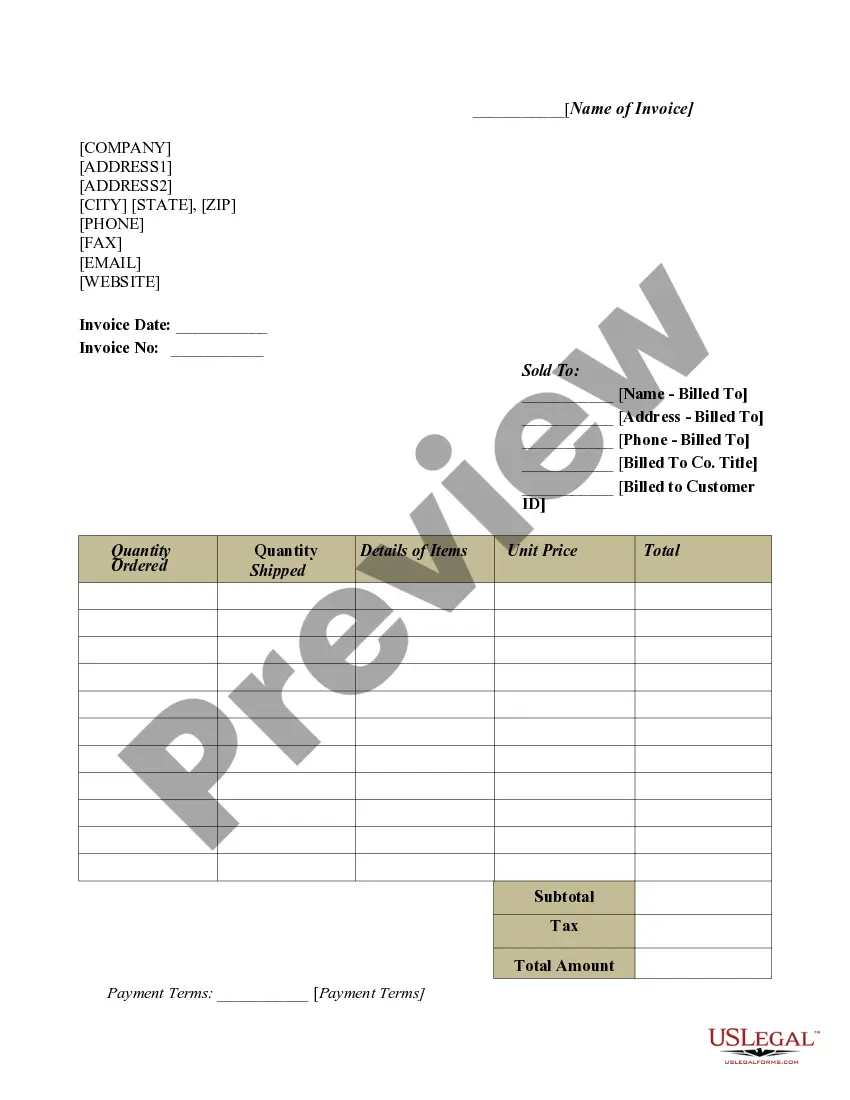

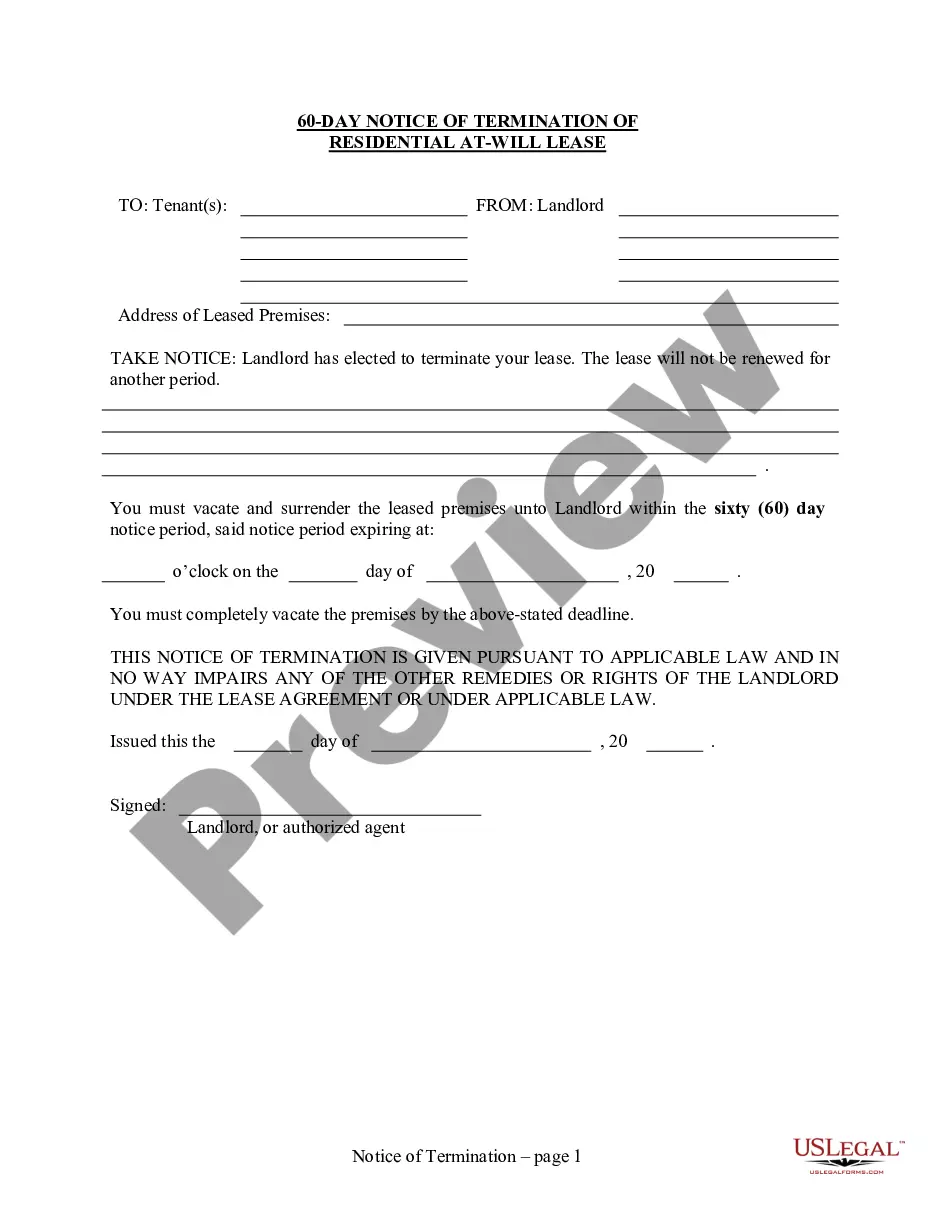



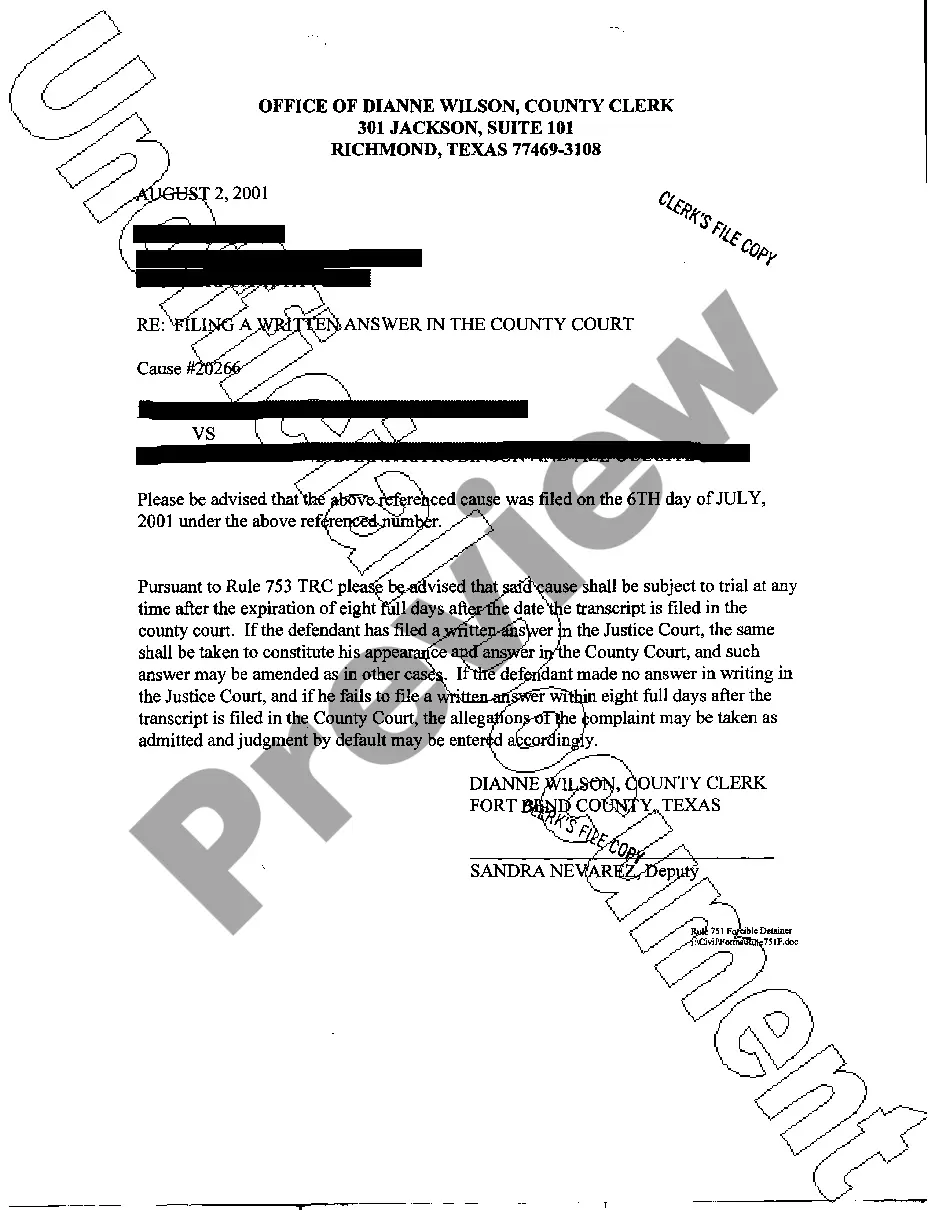

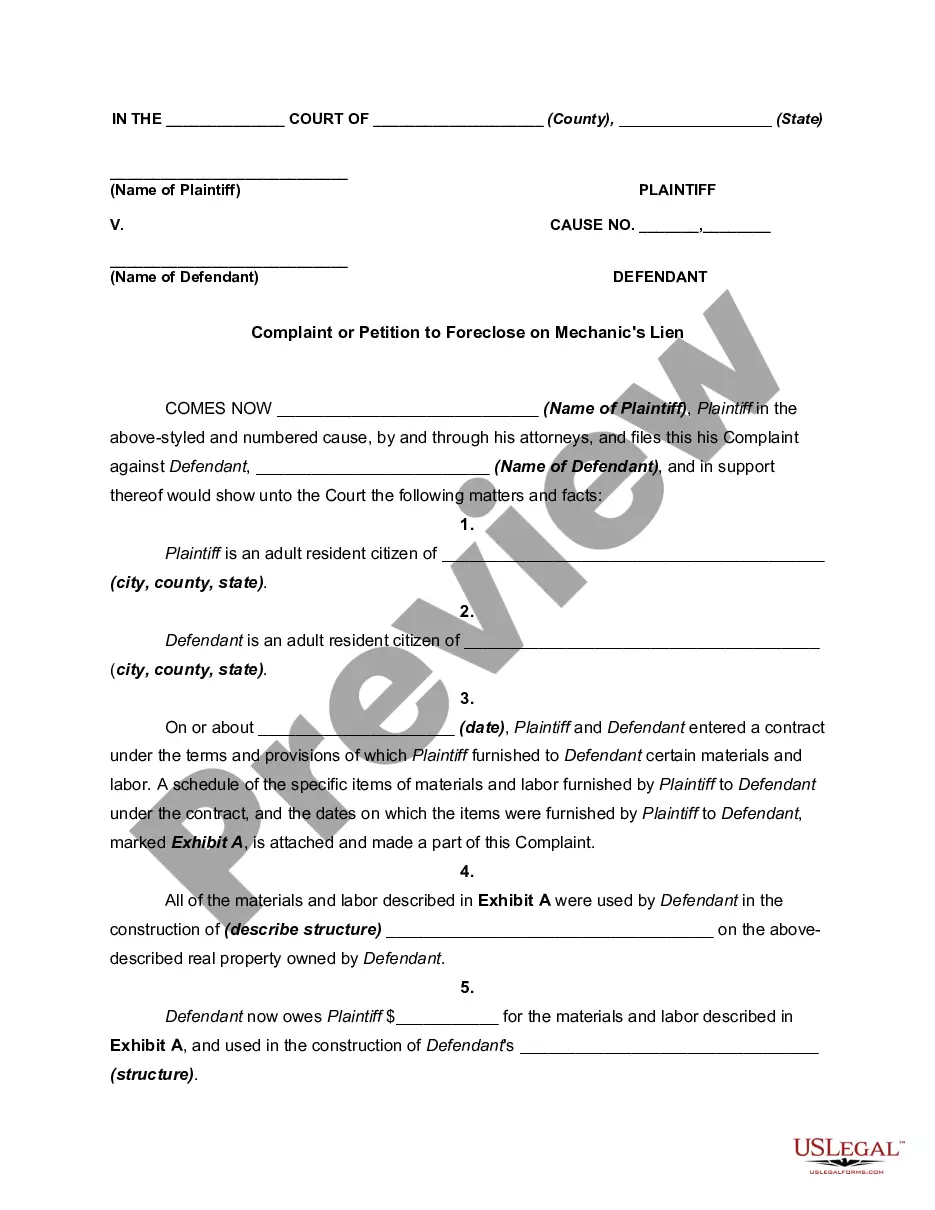
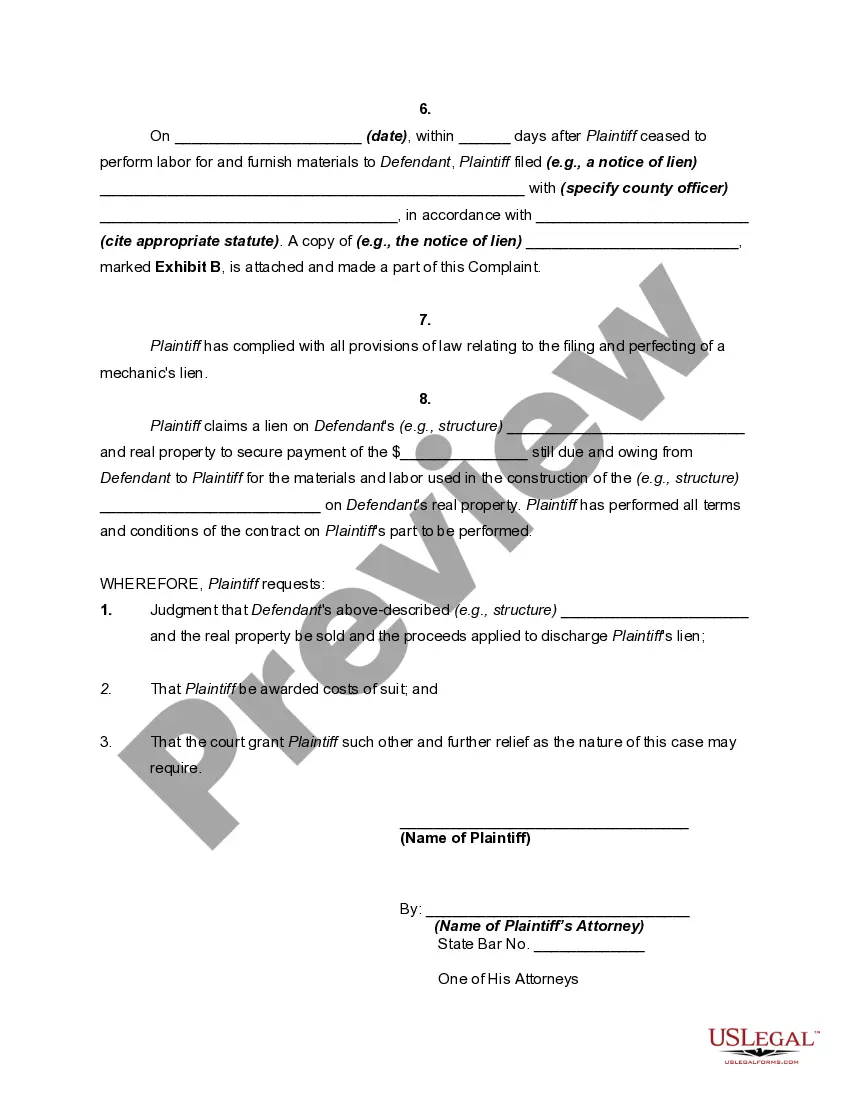
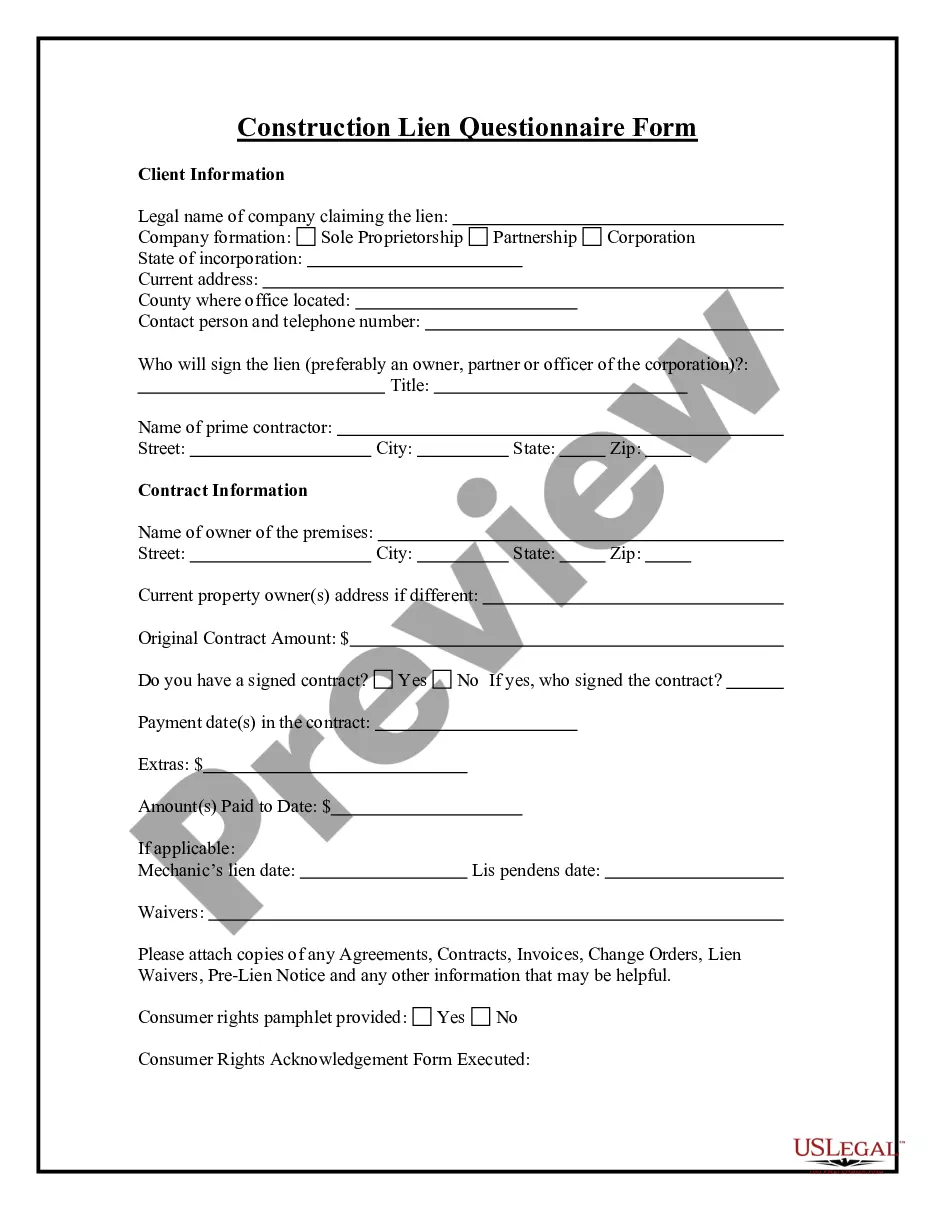
How to fill out Complaint Or Petition To Foreclose On Mechanic's Lien?
The Mortgage Lien On Property you observe on this page is a reusable official template created by expert lawyers in alignment with federal and state statutes and guidelines.
For over 25 years, US Legal Forms has delivered individuals, enterprises, and attorneys with over 85,000 validated, state-specific documents for any business and personal event. It’s the quickest, simplest, and most reliable method to acquire the papers you require, as the service ensures bank-level data confidentiality and anti-malware safeguards.
Fill out and sign the document. Print the template to manually complete it. Alternatively, use an online multifunctional PDF editor to quickly and accurately complete and sign your form with validity. Download your documents once again as needed. Reuse the same document whenever necessary. Access the My documents tab in your account to redownload any previously saved documents. Register for US Legal Forms to have verified legal templates for all of life’s scenarios readily available.
- Search for the document you require and review it.
- Browse through the file you looked for and preview it or examine the form description to confirm it meets your requirements. If it doesn’t, utilize the search feature to find the appropriate one. Click Buy Now once you have found the template you need.
- Register and Log In.
- Select the pricing option that works for you and create an account. Use PayPal or a credit card to make a swift payment. If you already possess an account, Log In and verify your subscription to proceed.
- Acquire the editable template.
- Choose the format you prefer for your Mortgage Lien On Property (PDF, DOCX, RTF) and save the sample on your device.
Form popularity
FAQ
A motion for summary judgment asks the court to decide a lawsuit without going to trial because there is no dispute about the key facts of the case. A case must go to trial because parties do not agree about the facts.
The local attorney must file a notice of appearance in the case in which you seek to appear. This notice of appearance informs the court that you are making an application to the Montana Bar to appear pro hac vice.
In Montana, a Health Care Power of Attorney is effective upon your signature, without having your signature notarized or witnessed. However, notarization provides proof your signature is genuine should any questions arise from family members and/or health care professionals.
The small claims court has jurisdiction over all actions for the recovery of money or specific personal property when the amount claimed does not exceed $7,000, exclusive of costs, and the defendant can be served within the county where the action is commenced.
1) In writing by filing a Motion or responding to a Motion; or 2) In person at a hearing scheduled by the Judge, with both sides present.
(i) Responses to motions to dismiss, for judgment on the pleadings, or for summary judgment must be filed within 21 days after the motion was filed. (ii) Responses to all other motions must be filed within 14 days after the motion was filed.
Complaint: The Court has civil complaint forms available for you to use which include instructions that will help you explain your lawsuit to the presiding judge and to the opposing party or parties. Filing Fee: The filing fee for a complaint is $350.00 plus a $50.00 administrative fee for a total of $400.00.
One of the last steps a prosecutor takes before trial is to respond to or file motions. A motion is an application to the court made by the prosecutor or defense attorney, requesting that the court make a decision on a certain issue before the trial begins.