Motion For Excusable Neglect

Description
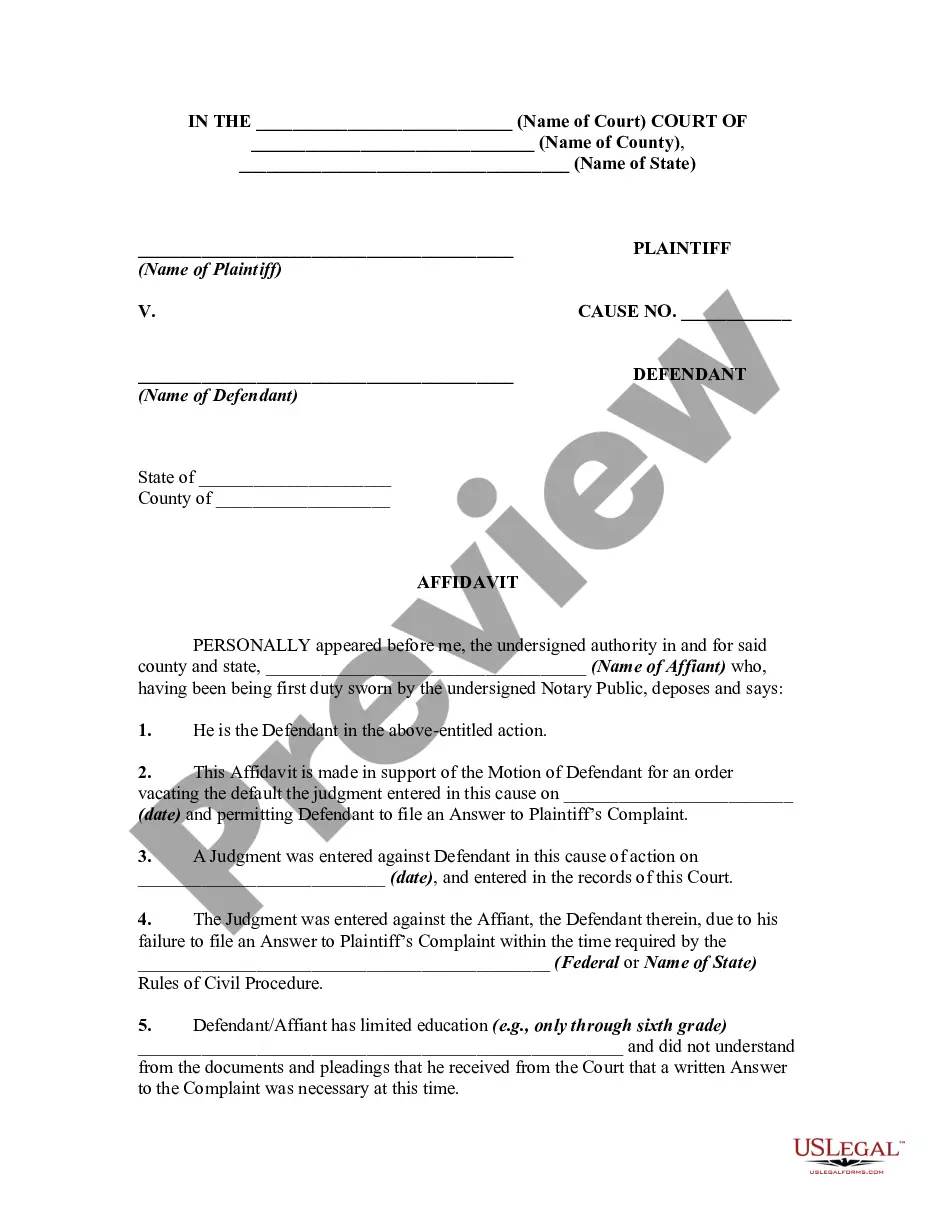
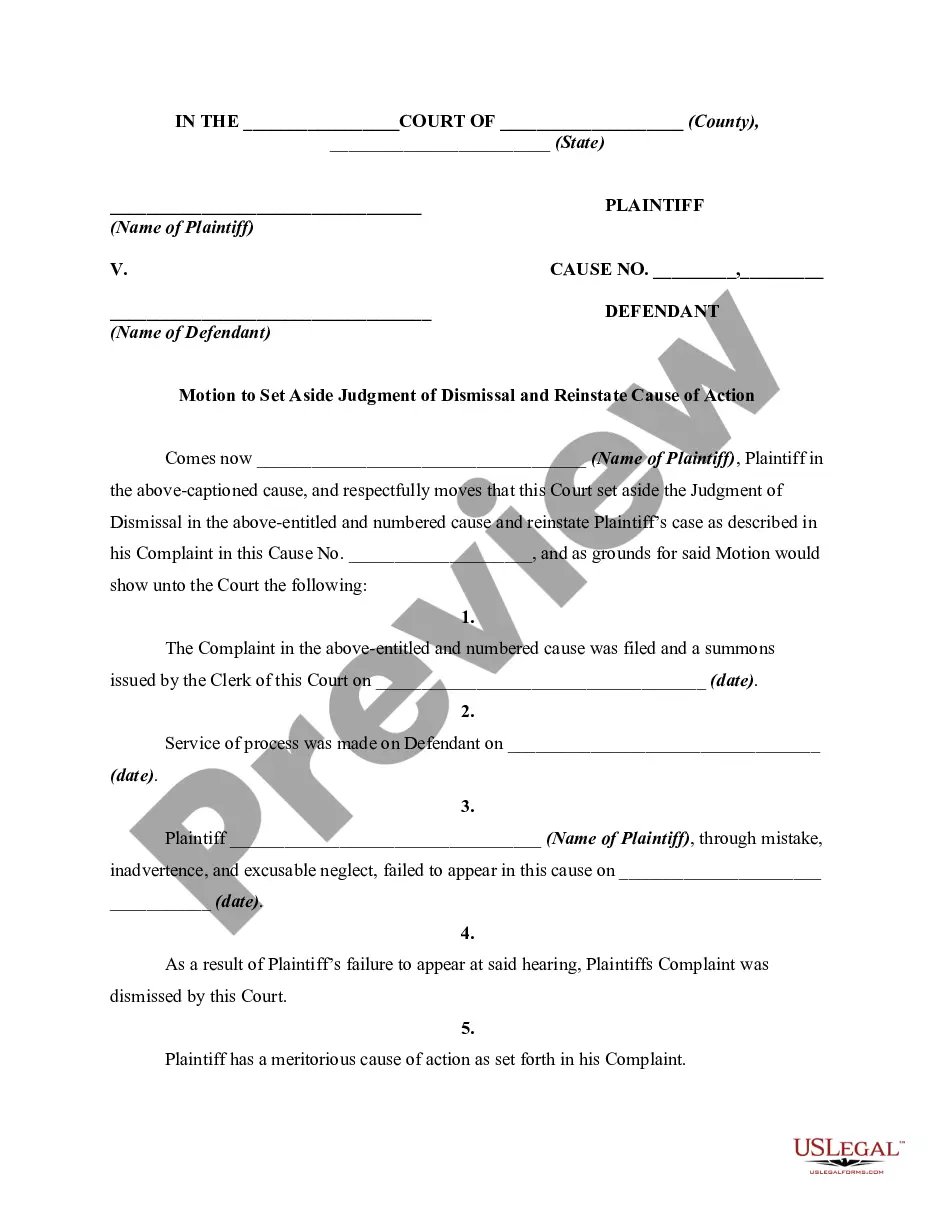
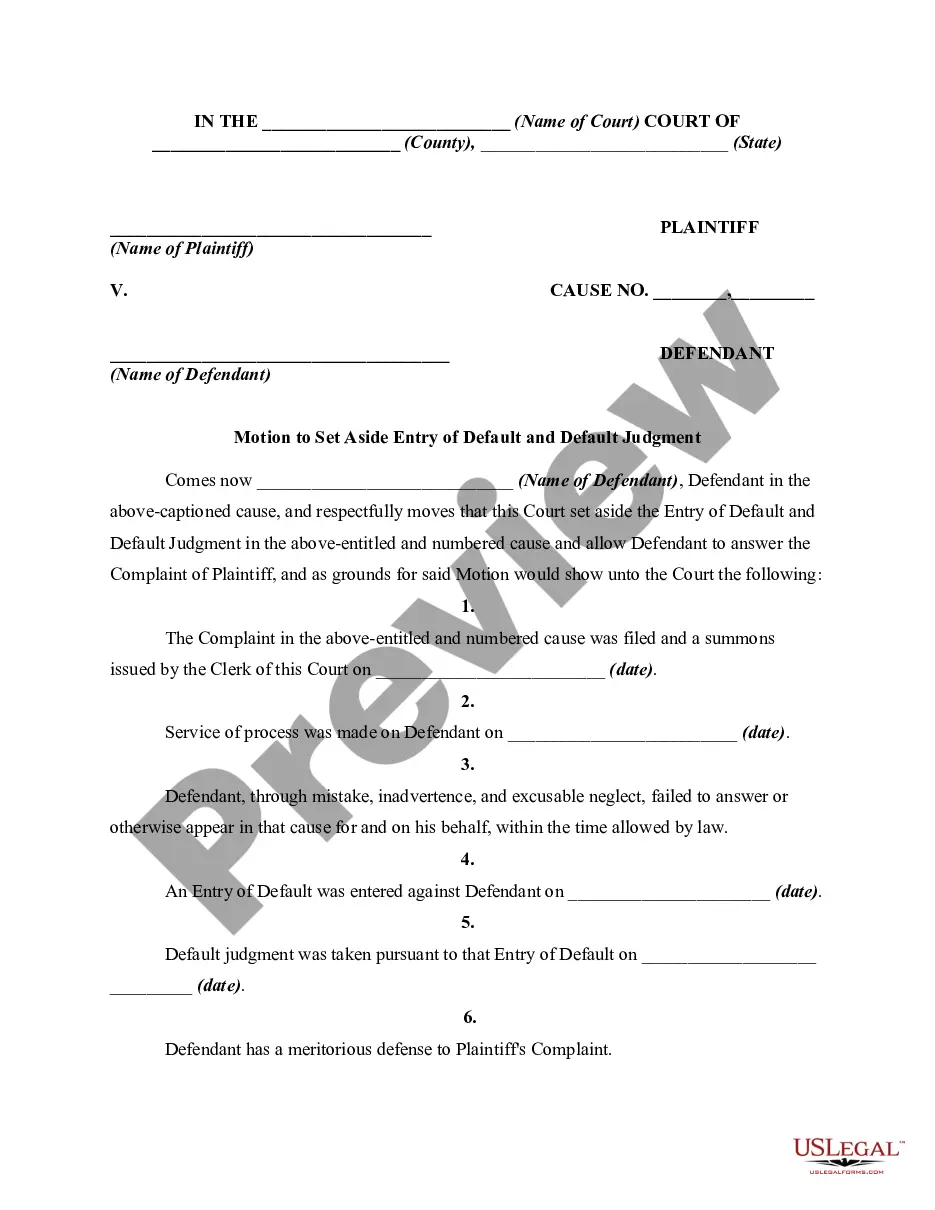
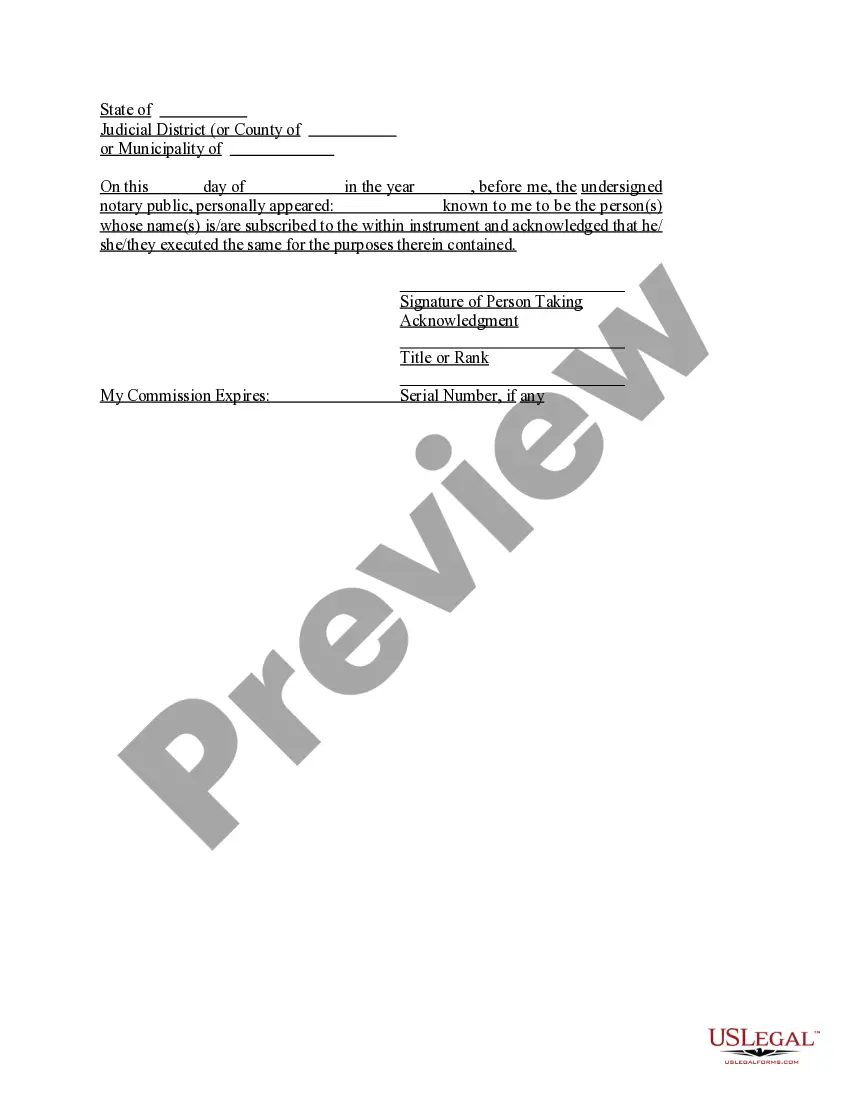
Get your form ready online
Our built-in tools help you complete, sign, share, and store your documents in one place.
Make edits, fill in missing information, and update formatting in US Legal Forms—just like you would in MS Word.
Download a copy, print it, send it by email, or mail it via USPS—whatever works best for your next step.
Sign and collect signatures with our SignNow integration. Send to multiple recipients, set reminders, and more. Go Premium to unlock E-Sign.
If this form requires notarization, complete it online through a secure video call—no need to meet a notary in person or wait for an appointment.
We protect your documents and personal data by following strict security and privacy standards.

Make edits, fill in missing information, and update formatting in US Legal Forms—just like you would in MS Word.

Download a copy, print it, send it by email, or mail it via USPS—whatever works best for your next step.

Sign and collect signatures with our SignNow integration. Send to multiple recipients, set reminders, and more. Go Premium to unlock E-Sign.

If this form requires notarization, complete it online through a secure video call—no need to meet a notary in person or wait for an appointment.

We protect your documents and personal data by following strict security and privacy standards.
Looking for another form?
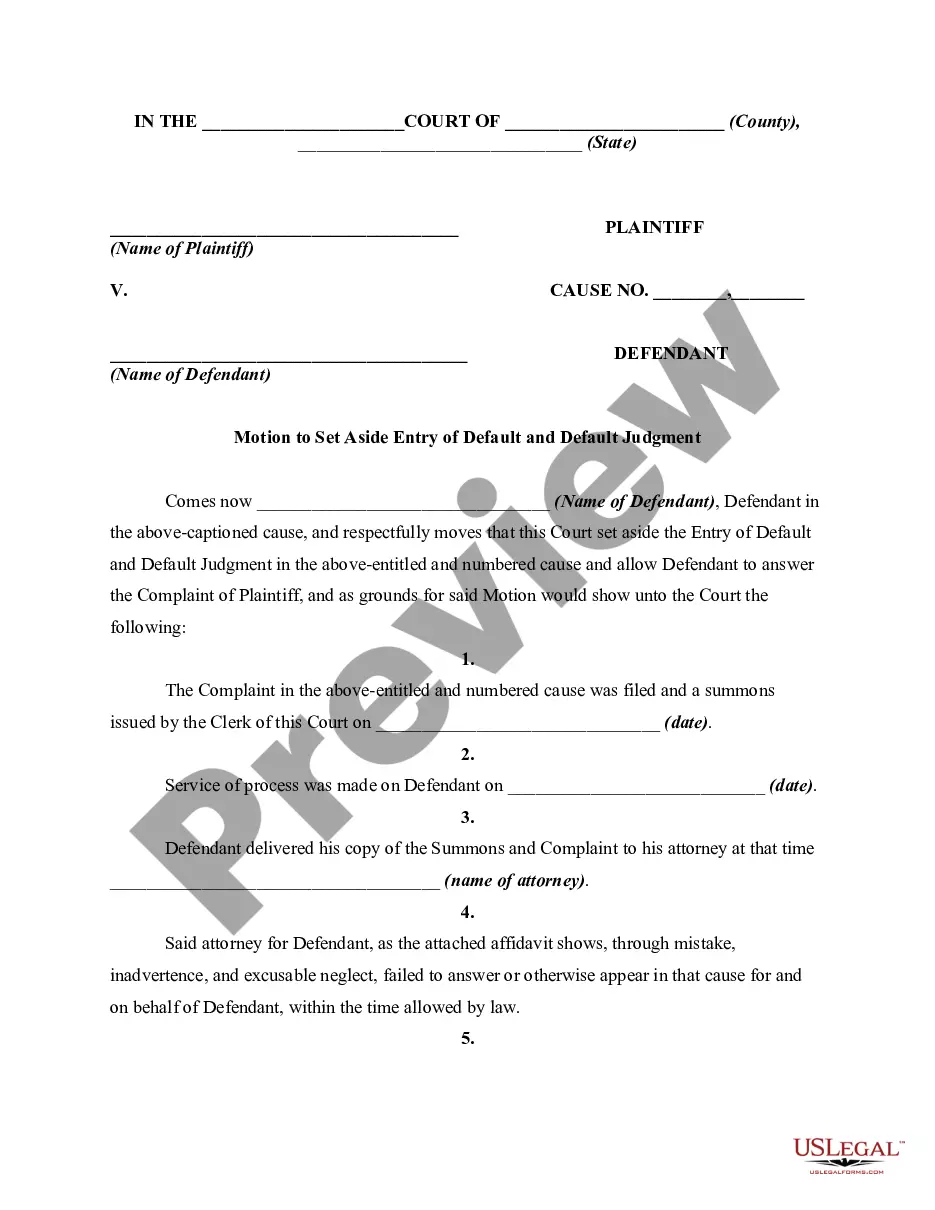
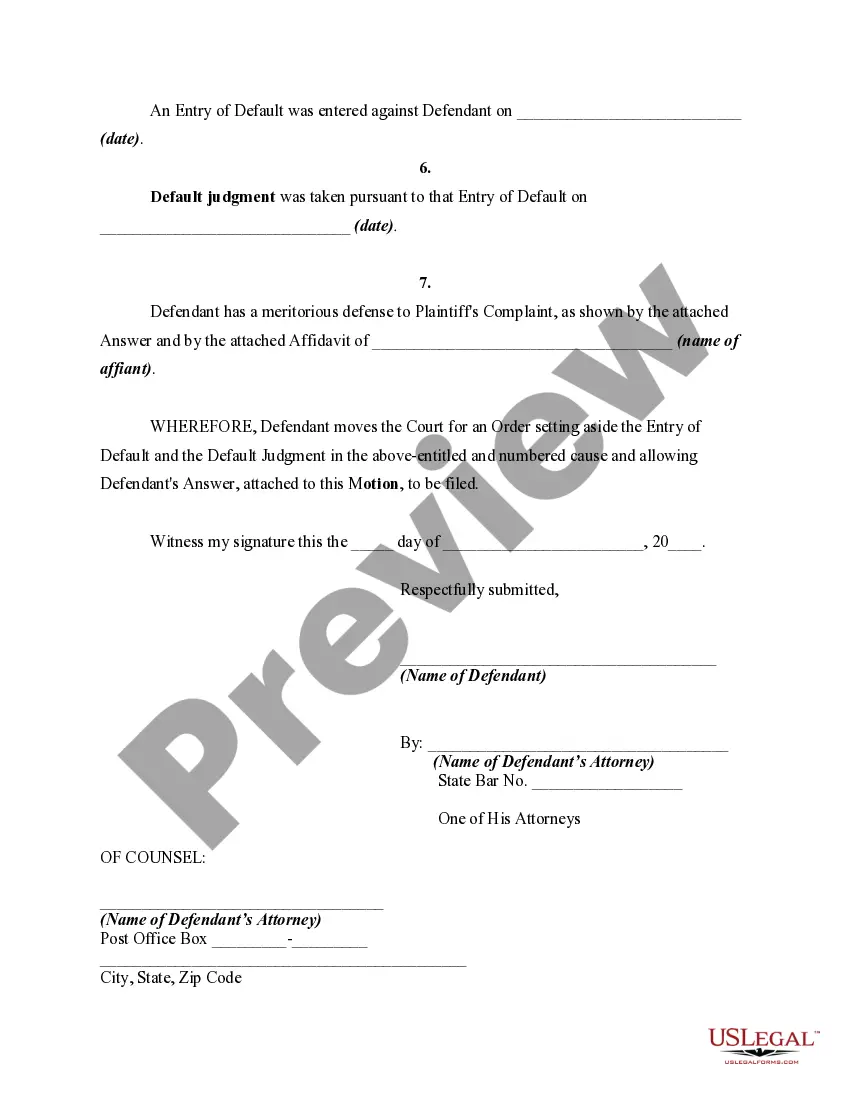
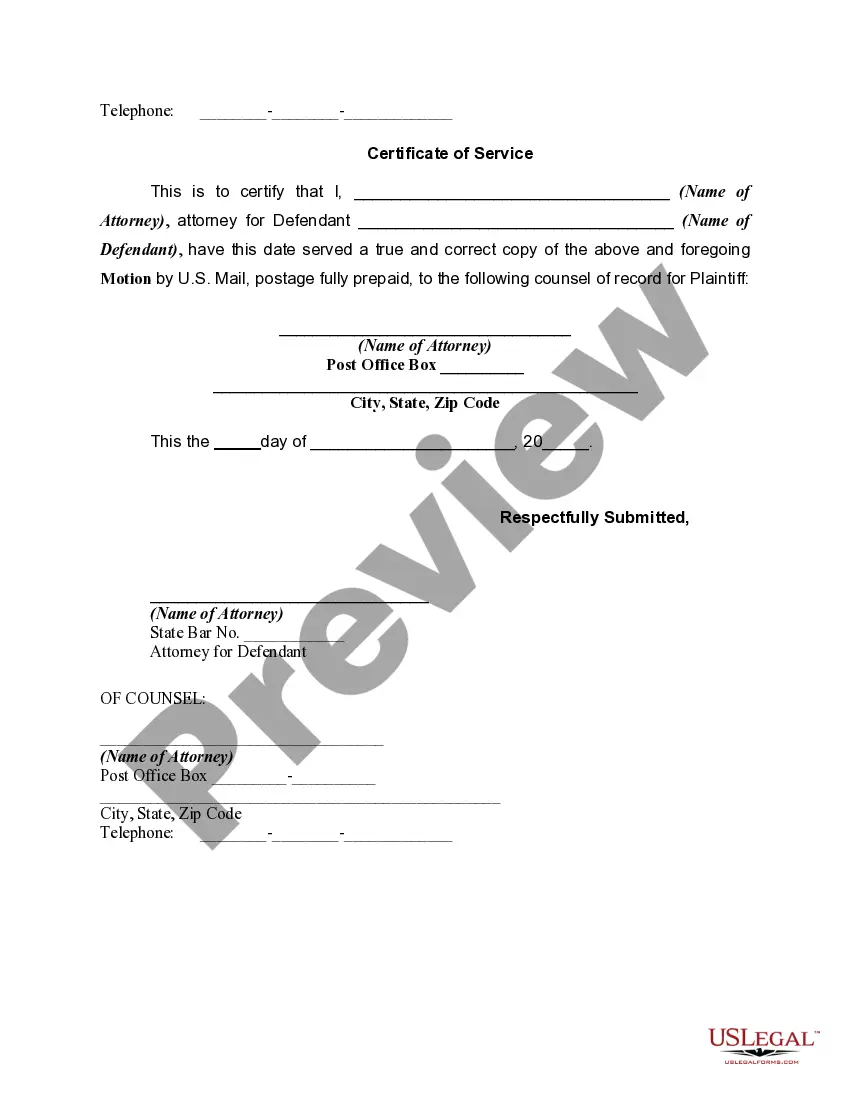
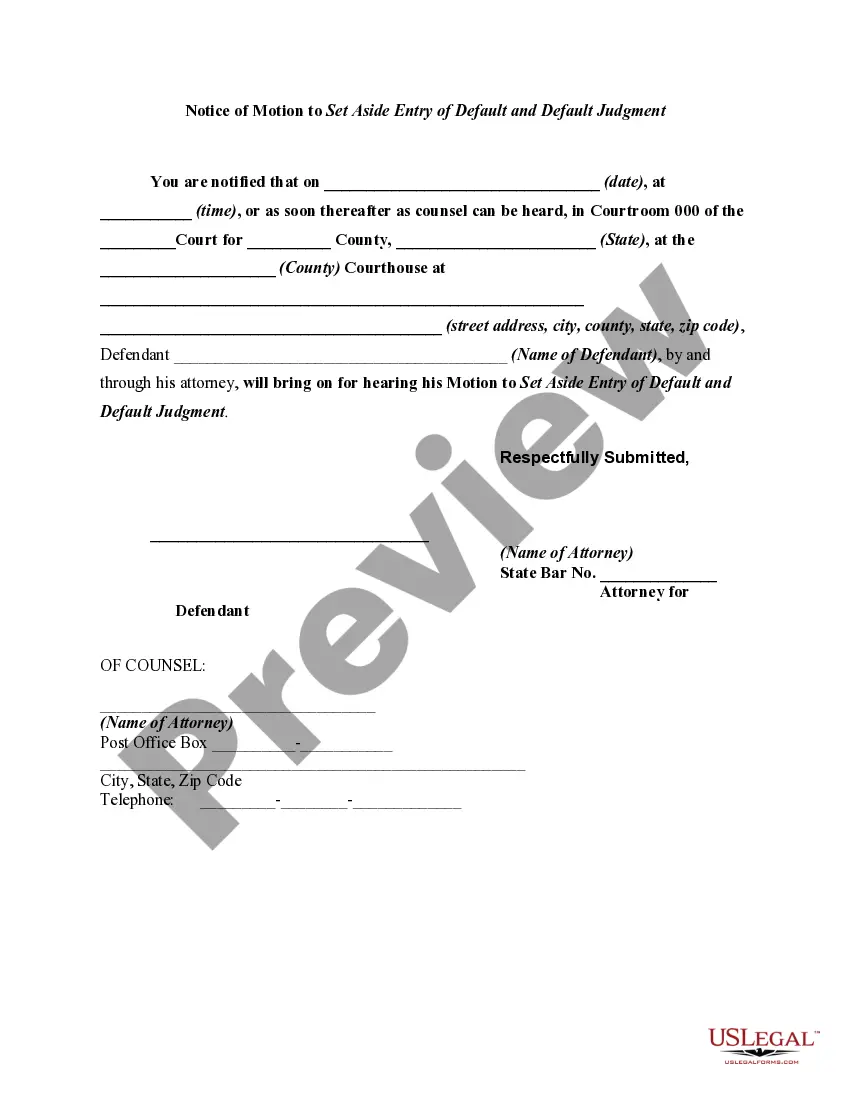
How to fill out Motion To Vacate Or Set Aside Entry Of Default And Default Judgment Due To Mistake, Inadvertence, Surprise, Or Excusable Neglect?
Legal administration can be daunting, even for the most seasoned experts.
When you are interested in a Motion For Excusable Neglect and lack the opportunity to devote to searching for the correct and updated version, the process can be stressful.
Tap into a valuable resource base of articles, guides, and manuals related to your situation and needs.
Save time and energy in hunting for the documents you require, and utilize US Legal Forms’ advanced search and Preview tool to find Motion For Excusable Neglect and obtain it.
Make use of the US Legal Forms online catalog, backed by 25 years of experience and reliability. Transform your daily document management into a seamless and user-friendly process today.
- If you have a membership, Log In to your US Legal Forms account, look for the form, and retrieve it.
- Check the My documents tab to view the documents you have previously saved and to manage your folders to your liking.
- If this is your first experience with US Legal Forms, create an account and gain unlimited access to all the benefits of the library.
- Here are the steps to take after acquiring the form you need.
- Verify that this is the correct form by previewing it and reviewing its description.
- Ensure that the sample is approved in your state or county.
- Click Buy Now when you are ready.
- Select a monthly subscription plan.
- Choose the format you need, and Download, complete, sign, print, and send your documents.
- Access state- or county-specific legal and business documents.
- US Legal Forms encompasses any requirements you may have, from personal to organizational paperwork, all in one location.
- Utilize innovative tools to complete and manage your Motion For Excusable Neglect.
Form popularity
FAQ
Rule 60 B in Massachusetts allows parties to seek relief from a judgment due to reasons like mistake, newly discovered evidence, or excusable neglect. This rule emphasizes the importance of acting quickly to rectify any issues surrounding a judgment. You must file the motion within a reasonable time frame, presenting a clear justification for the request. For individuals unfamiliar with the legal process, USLegalForms offers comprehensive support and templates to simplify the preparation of your motion.
A motion to vacate default judgment in California allows a party to request the court to overturn a judgment that was made in their absence. This motion typically argues that excusable neglect caused the party to miss the original court date. It is crucial to present valid reasons to the court for missing the deadline, as well as evidence supporting the claim of excusable neglect. Utilizing resources like USLegalForms can help in crafting a persuasive motion that increases the chance of a favorable outcome.
Excusable neglect is a term associated with legal proceedings, notably in bankruptcy cases, that includes inadvertence, mistakes, carelessness, or any other intervening circumstances beyond a party's control. A court has the discretion to allow a party to file a motion after the deadline if it finds excusable neglect.
Code of Civil Procedure § 473.5). Examples of mistake, inadvertence, surprise, or excusable neglect include: ? Illness of defendant. Attorney's abandonment of client. Fraud of the plaintiff.
?Excusable neglect? has been defined as carelessness ?attributable to an honest mistake that is compatible with due diligence or reasonable prudence.? Mancini v.
A participant meets the Rule of 60 if his or her age plus full years of service equal at least 60 and he or she either: (i) is at least age 50 with at least five full years of service; or (ii) is under age 50 with at least 20 full years of service.
Typically encompassed by these rules, North Carolina Rule of Civil Procedure 60(b) allows a trial court to ?relieve a party or his legal representative from a final judgment, order, or proceeding? for a number of specified reasons based in equity.