Hipaa Authorization Form For Family Members Florida
Description
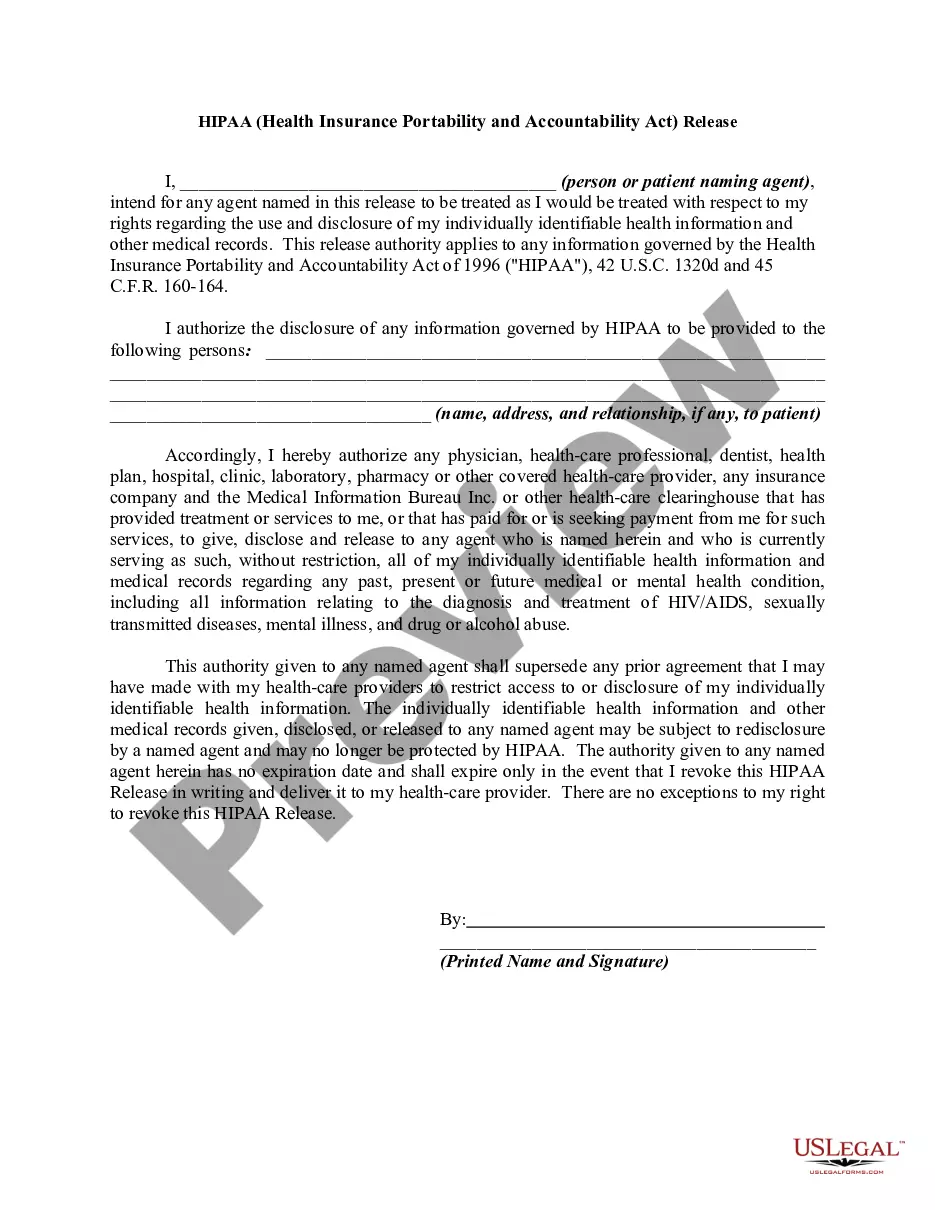
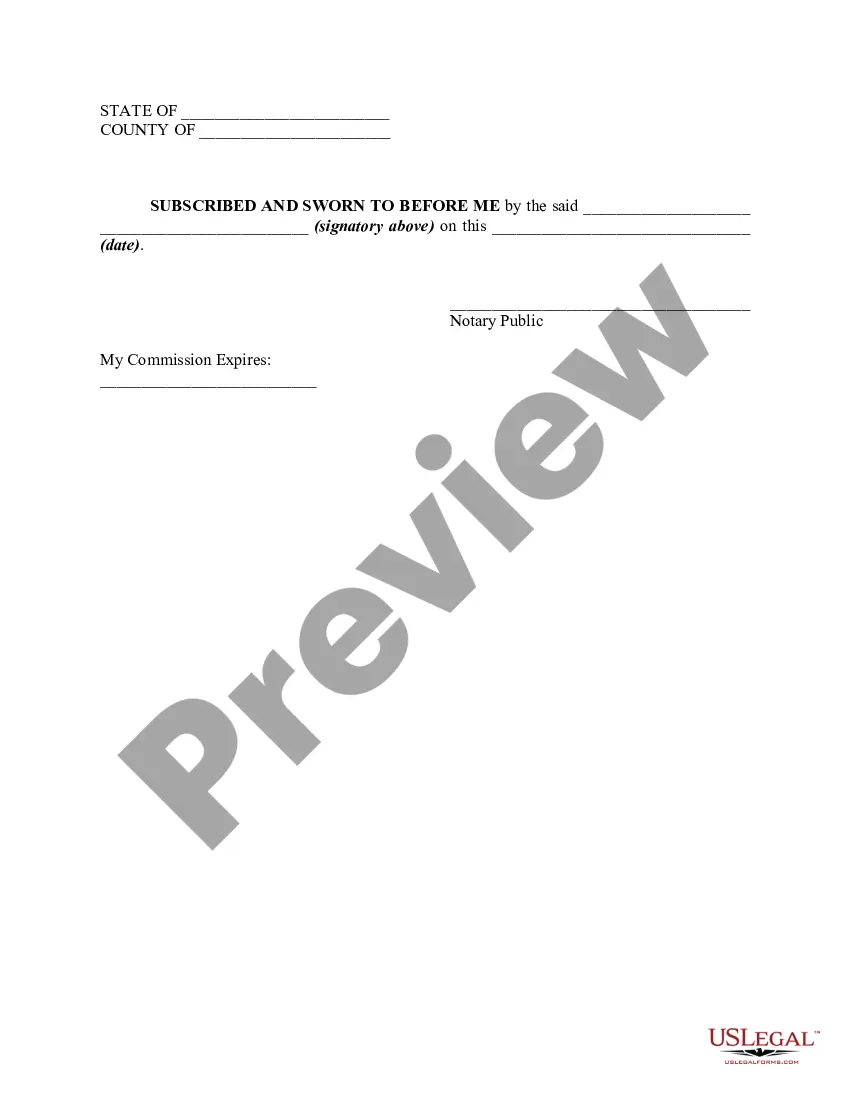
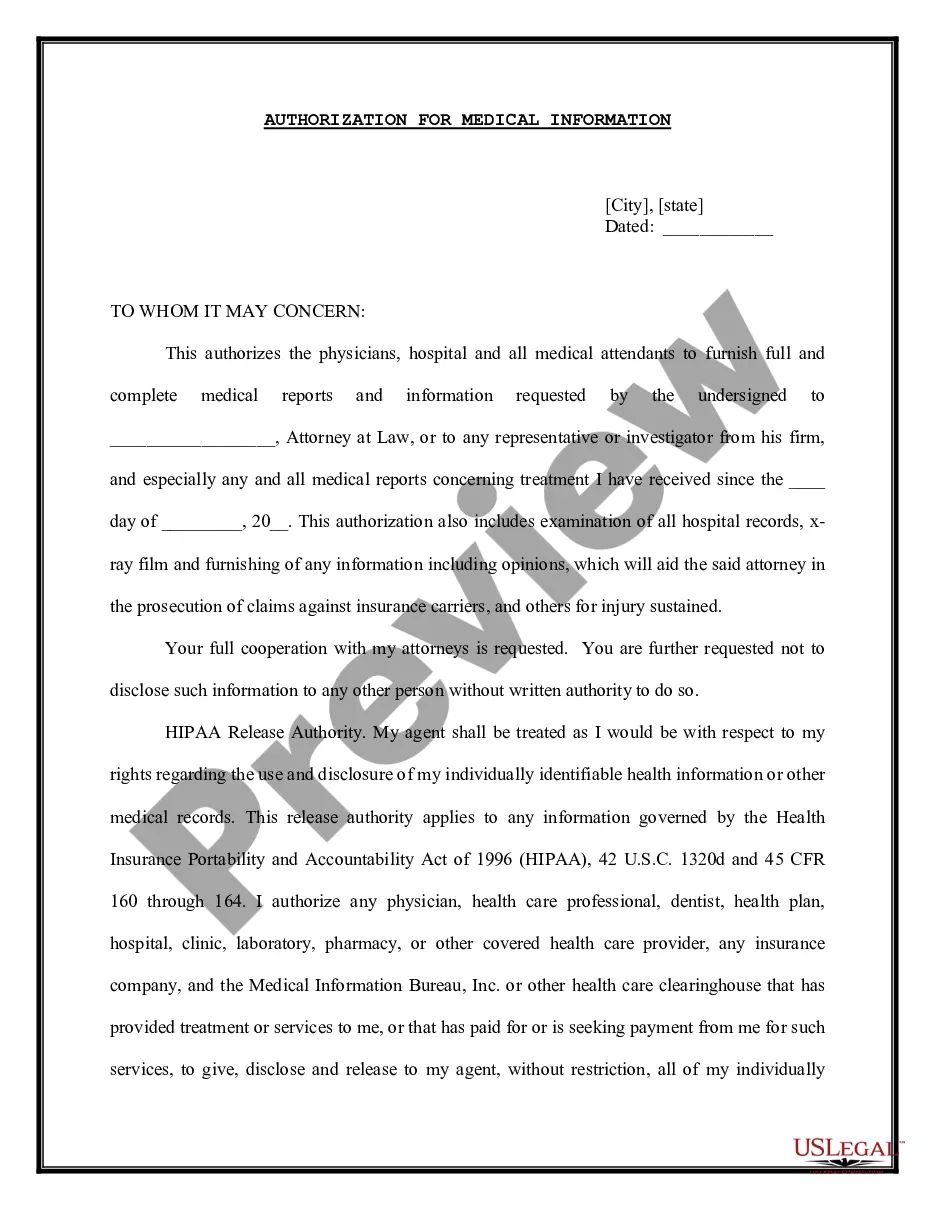
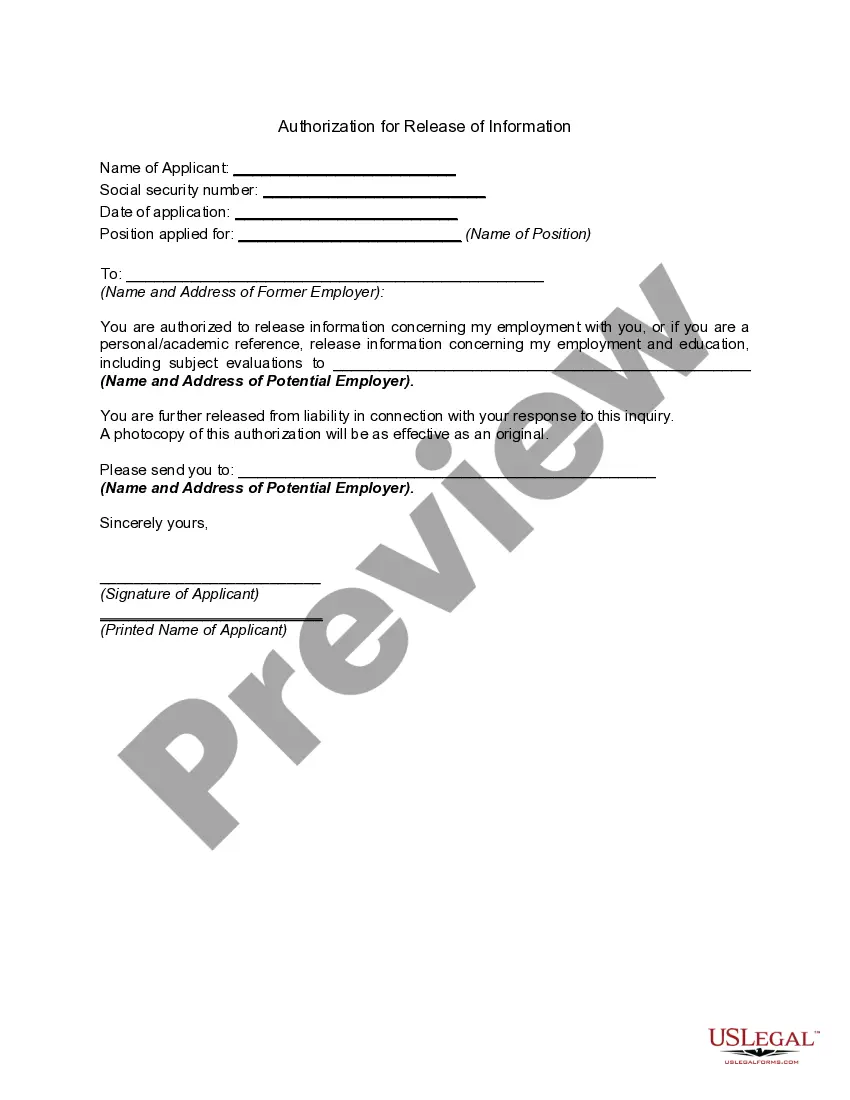
Get your form ready online
Our built-in tools help you complete, sign, share, and store your documents in one place.
Make edits, fill in missing information, and update formatting in US Legal Forms—just like you would in MS Word.
Download a copy, print it, send it by email, or mail it via USPS—whatever works best for your next step.
Sign and collect signatures with our SignNow integration. Send to multiple recipients, set reminders, and more. Go Premium to unlock E-Sign.
If this form requires notarization, complete it online through a secure video call—no need to meet a notary in person or wait for an appointment.
We protect your documents and personal data by following strict security and privacy standards.

Make edits, fill in missing information, and update formatting in US Legal Forms—just like you would in MS Word.

Download a copy, print it, send it by email, or mail it via USPS—whatever works best for your next step.

Sign and collect signatures with our SignNow integration. Send to multiple recipients, set reminders, and more. Go Premium to unlock E-Sign.

If this form requires notarization, complete it online through a secure video call—no need to meet a notary in person or wait for an appointment.

We protect your documents and personal data by following strict security and privacy standards.
Looking for another form?
How to fill out HIPAA - Health Insurance Portability And Accountability Act - Release - Authorization To Release Information To A Third Party?
Whether for commercial intents or for individual affairs, everyone must handle legal issues at some stage in their existence.
Completing legal documents demands meticulous focus, starting with choosing the right form template.
With an extensive US Legal Forms catalog available, you won’t need to waste time searching for the appropriate template on the internet. Utilize the repository’s straightforward navigation to locate the suitable template for any situation.
- Locate the template you require by using the search bar or directory navigation.
- Review the form’s description to confirm it aligns with your situation, region, and jurisdiction.
- Select the form’s preview to inspect it.
- If it is the wrong form, revert to the search feature to find the Hipaa Authorization Form For Family Members Florida example you need.
- Download the template once it fulfills your criteria.
- If you possess a US Legal Forms account, simply click Log in to access previously stored templates in My documents.
- In case you do not have an account yet, you can acquire the form by clicking Buy now.
- Select the appropriate pricing option.
- Fill out the profile registration form.
- Choose your payment method: use a credit card or PayPal account.
- Select the file format you desire and download the Hipaa Authorization Form For Family Members Florida.
- Once saved, you can complete the form using editing software or print it to fill it out by hand.
Form popularity
FAQ
HIPAA does not apply to individuals or entities that are not considered covered entities, such as employers or life insurers. It also does not govern the use of health information by relatives unless they are providing care or have authorization via a HIPAA authorization form for family members florida. Understanding these nuances is crucial to ensure compliance and protection of sensitive health information.
Yes, a family member can inadvertently violate HIPAA if they access or share protected health information without the proper authorization. To prevent such violations, it is essential to use a HIPAA authorization form for family members florida. This form sets clear boundaries around the sharing of personal health information and helps avoid potential issues.
Yes, HIPAA applies to family members when it comes to protected health information. However, family members can access this information only if the patient has provided explicit consent through a HIPAA authorization form for family members florida. This form ensures that health care providers can share necessary information while protecting patient privacy.
To file a HIPAA complaint in Florida, start by visiting the U.S. Department of Health and Human Services' website. There, you can fill out a complaint form detailing your situation and submit it electronically or via mail. If you need assistance, platforms like USLegalForms provide resources, including templates for HIPAA authorization forms for family members in Florida, to support your claims.
In Florida, to file a HIPAA complaint, you should first gather all relevant information, such as your medical records and details of the incident. You can then submit your complaint to the Office for Civil Rights, either online or by mail. Utilizing a HIPAA authorization form for family members in Florida can also help clarify what information should be shared, ensuring your complaint is supported effectively.
A HIPAA complaint arises when a person believes that their rights under the Health Insurance Portability and Accountability Act have been violated. This includes unauthorized access to medical records or improper handling of protected health information. For family members in Florida, understanding the proper use of a HIPAA authorization form is crucial to ensure compliance and protect rights.
Yes, HIPAA laws apply to husbands and wives regarding access to each other's health information. However, a spouse cannot access medical records without proper authorization unless they have been granted the right through legal means. A HIPAA authorization form for family members in Florida is essential for establishing this permission. This ensures both protection and peace of mind in managing each other’s health information.
HIPAA allows family members access to a patient's medical information only if authorized. This means patients must provide explicit consent, often through a HIPAA authorization form for family members in Florida, to share their records. It protects personal health information while allowing families to support loved ones in healthcare decisions. Understanding this process can help maintain both privacy and communication.
To create a HIPAA release form, you can either draft one yourself or use professional templates available online. The essential elements include the patient's name, details of the information to be shared, and the names of individuals authorized to access this information. US Legal Forms can provide you with templates to create a HIPAA authorization form for family members in Florida, simplifying the process.
HIPAA protects medical information and gives rights to patients and their authorized representatives. The term 'next of kin' does not automatically grant rights under HIPAA unless specific legal documentation is in place. To access a loved one's records, you may require a HIPAA authorization form for family members in Florida. This ensures compliance and protection of privacy.