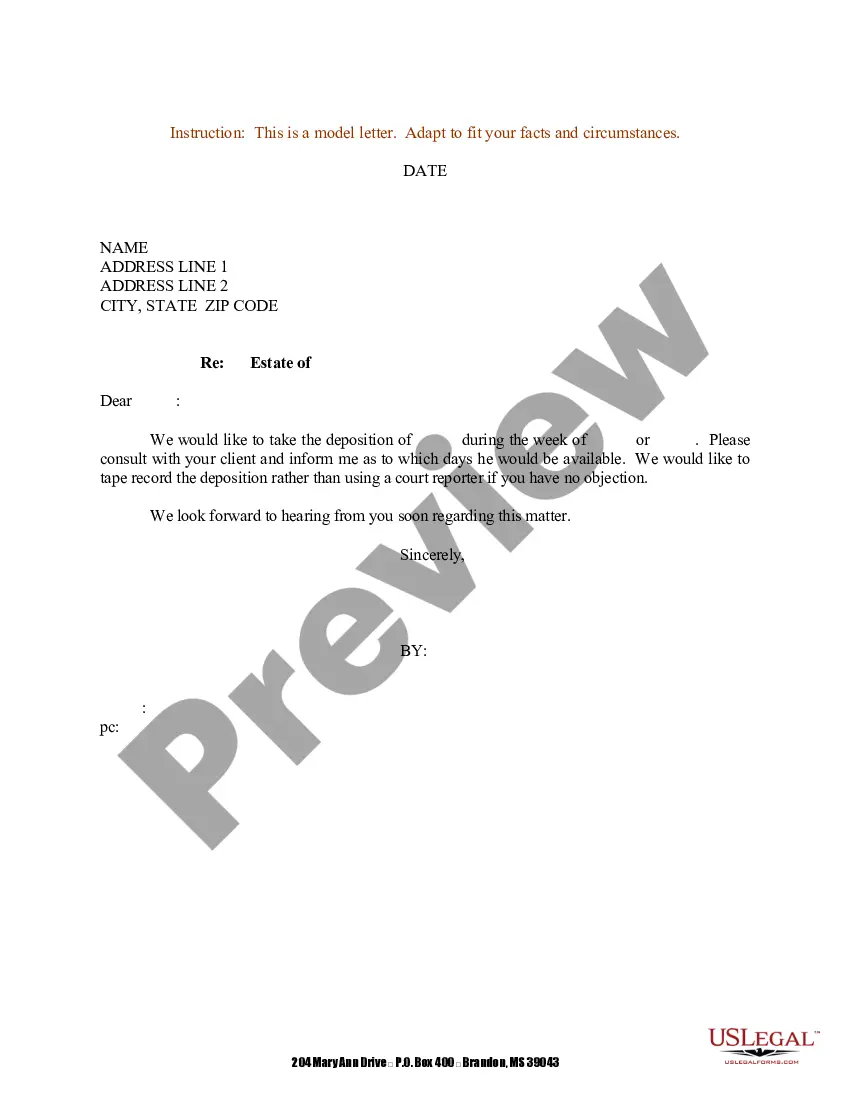
Deposition Letter Example
Description
Get your form ready online
Our built-in tools help you complete, sign, share, and store your documents in one place.
Make edits, fill in missing information, and update formatting in US Legal Forms—just like you would in MS Word.
Download a copy, print it, send it by email, or mail it via USPS—whatever works best for your next step.
Sign and collect signatures with our SignNow integration. Send to multiple recipients, set reminders, and more. Go Premium to unlock E-Sign.
If this form requires notarization, complete it online through a secure video call—no need to meet a notary in person or wait for an appointment.
We protect your documents and personal data by following strict security and privacy standards.

Make edits, fill in missing information, and update formatting in US Legal Forms—just like you would in MS Word.

Download a copy, print it, send it by email, or mail it via USPS—whatever works best for your next step.

Sign and collect signatures with our SignNow integration. Send to multiple recipients, set reminders, and more. Go Premium to unlock E-Sign.

If this form requires notarization, complete it online through a secure video call—no need to meet a notary in person or wait for an appointment.

We protect your documents and personal data by following strict security and privacy standards.
Looking for another form?
How to fill out Sample Letter For Request For Deposition - Discovery?
Whether for commercial purposes or for personal matters, everyone must manage legal circumstances at some stage in their life.
Completing legal paperwork requires careful consideration, beginning with selecting the appropriate form template.
With an extensive US Legal Forms catalog at your disposal, you don't have to waste time searching for the correct template across the internet. Use the library’s straightforward navigation to find the suitable template for any occasion.
- Obtain the sample you require by utilizing the search bar or catalog browsing.
- Review the form's description to confirm it aligns with your situation, state, and locality.
- Click on the form's preview to inspect it.
- If it is the incorrect document, revert to the search tool to find the Deposition Letter Example sample you need.
- Acquire the template once it suits your requirements.
- If you possess a US Legal Forms account, click Log in to access previously saved documents in My documents.
- Should you not have an account yet, you can procure the form by clicking Buy now.
- Choose the proper pricing option.
- Complete the profile registration form.
- Select your payment method: you can utilize a credit card or PayPal account.
- Choose the document format you prefer and download the Deposition Letter Example.
- After saving it, you can fill out the form using editing software or print it and complete it manually.
Form popularity
FAQ
During a deposition, it is crucial to avoid making statements that could harm your case or lack clarity. For instance, do not guess or assume when answering questions; instead, stick to the facts of your knowledge. Using an effective deposition letter example can help you understand what types of questions to expect and prepare accordingly. Knowing what to avoid can enhance your credibility and ensure a smoother deposition process.
Cases often settle after a deposition, as this process provides valuable insight into the strengths and weaknesses of each side's arguments. During the deposition, attorneys gather information that may encourage parties to reach an agreement rather than proceed to trial. This is where understanding a deposition letter example can be beneficial, as it outlines the necessary information for a successful deposition. By being well-prepared, you increase the chances of reaching a favorable resolution.
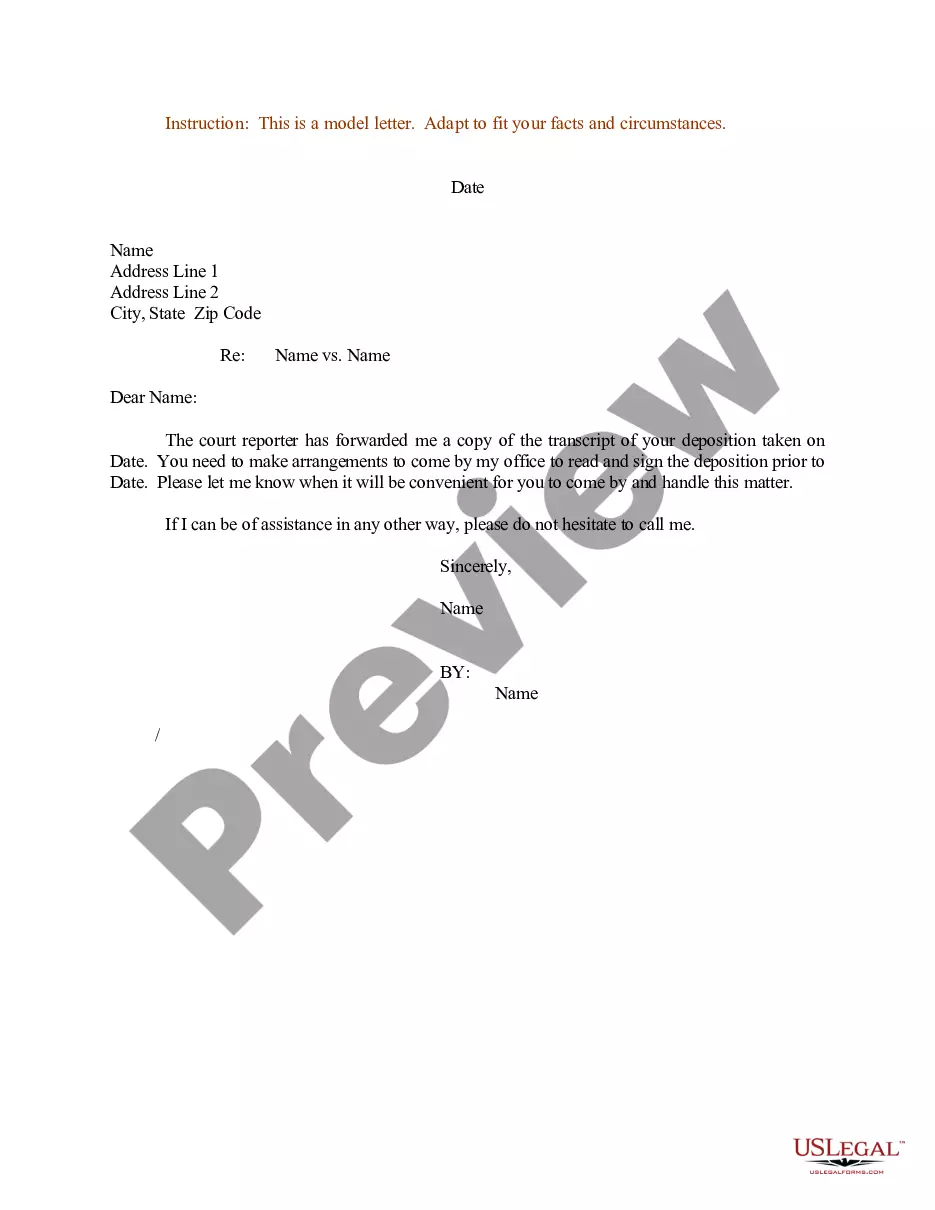
A deposition letter is a formal document that notifies a witness about the time and place they are required to give testimony under oath. It outlines the details surrounding the deposition, ensuring all parties are informed and prepared. Understanding the format and content of a deposition letter example can help you create a letter that meets legal standards and expectations.
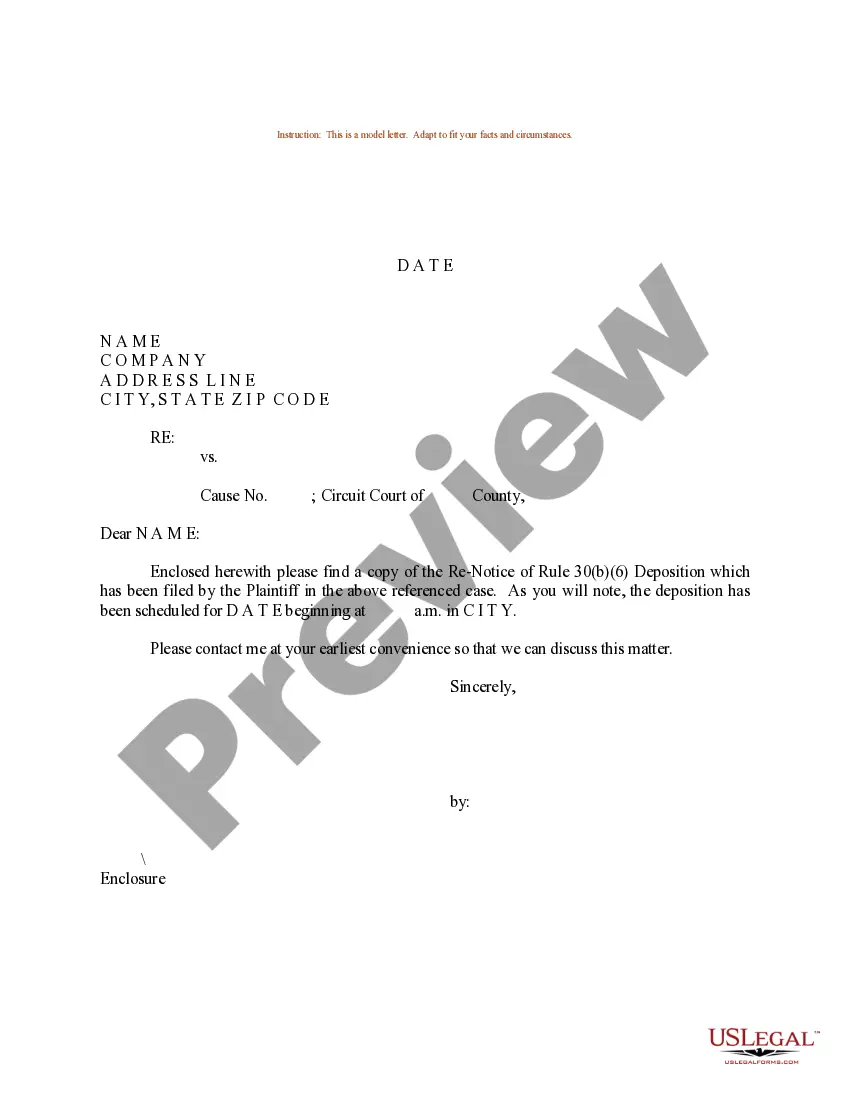
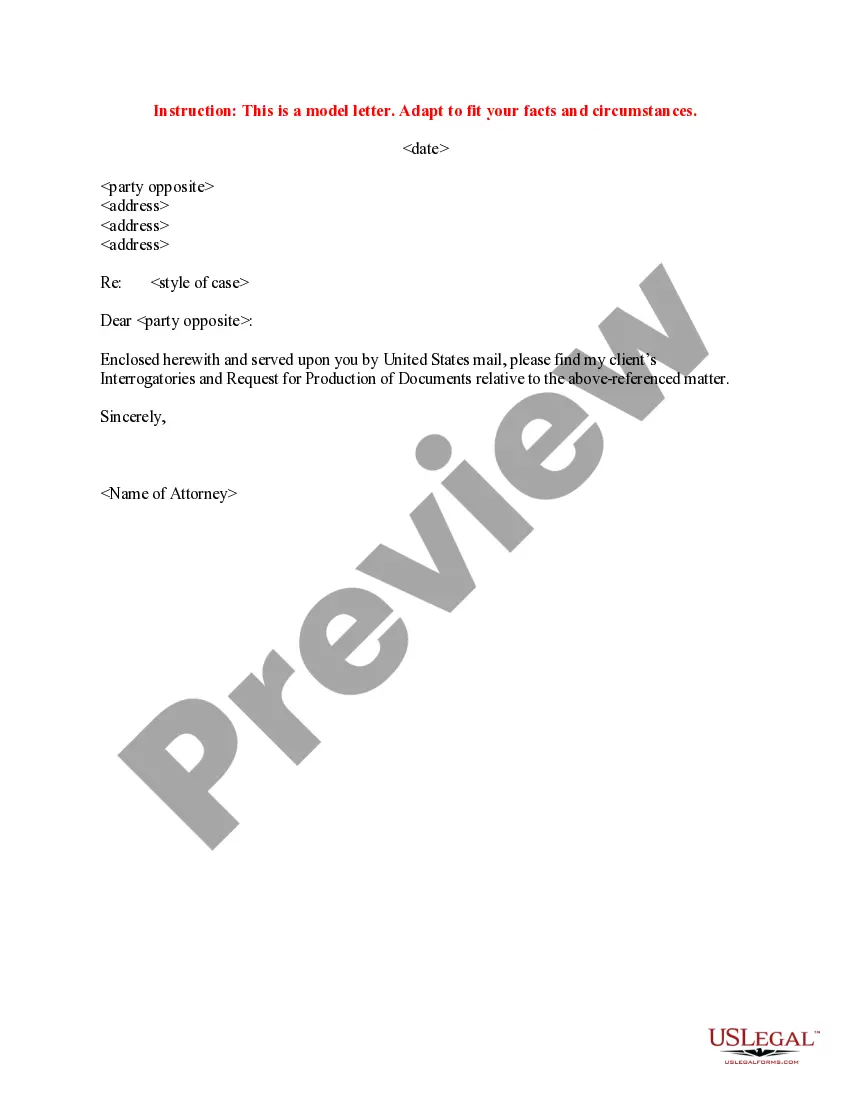
Writing a strong settlement letter requires you to present your case effectively and clearly. Start by stating your position and the relevant facts surrounding the situation. Be sure to outline the proposed settlement terms and the rationale behind them. For inspiration, use a deposition letter example as a framework to ensure your letter is organized and persuasive.
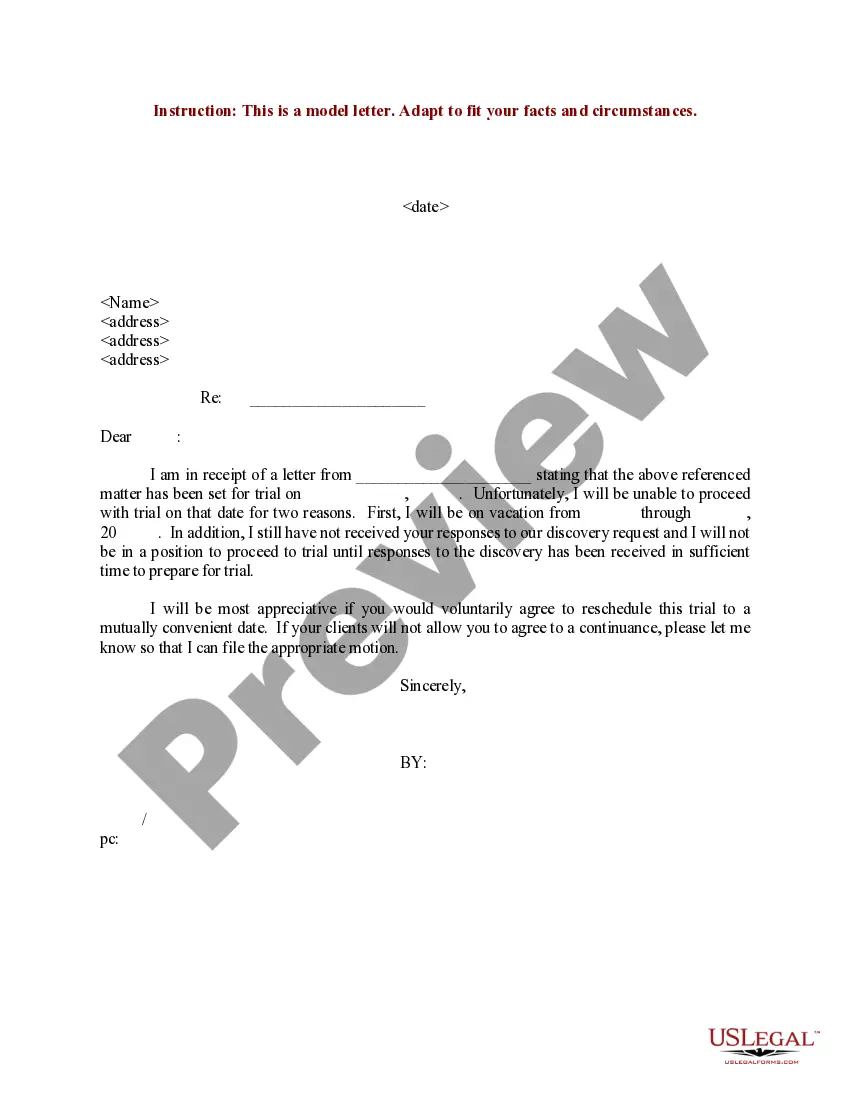
A notice of deposition typically includes the name of the witness, the time and place of the deposition, and the topics or documents requested. It serves as formal communication to inform the other party of the deposition's logistics. For clarity and accuracy, check a deposition letter example to understand the format and elements better.
To write an effective deposition letter, start by clearly stating the purpose of the document. Include essential details such as the date, time, and location of the deposition. Make sure to explicitly mention the parties involved and any specific instructions. For a practical reference, look for a deposition letter example to guide your writing process.
The summarizing process typically includes three basic steps: reading, annotating and summarizing a deposition transcript. A well-worked summary requires a thorough and thoughtful reading of the entire transcript as well as paying attention to the questions that attorneys ask and the response of witnesses.
A deposition would be required, for instance, if one were to witness an accident that resulted in a liability lawsuit. All parties involved in the case are permitted to attend the deposition. The deponent will be asked a number of questions related to the lawsuit by the attorneys on both sides.
Deposition is the transition of a substance directly from the gas to the solid state on cooling, without passing through the liquid state. Examples: Camphor, Iodine, Ammonium Chloride, Naphthalene, etc.
6 Tips for Conducting a Deposition Fearlessly Be Confident. The first thing to remember when conducting depositions is maintain composure and confidence. ... Be Prepared. ... Use Bullet Points, But Don't Write an Extensive Outline. ... Study the Rules. ... Do Not Be Bullied. ... Review Your Work.