Support Child Out With Autism
Description
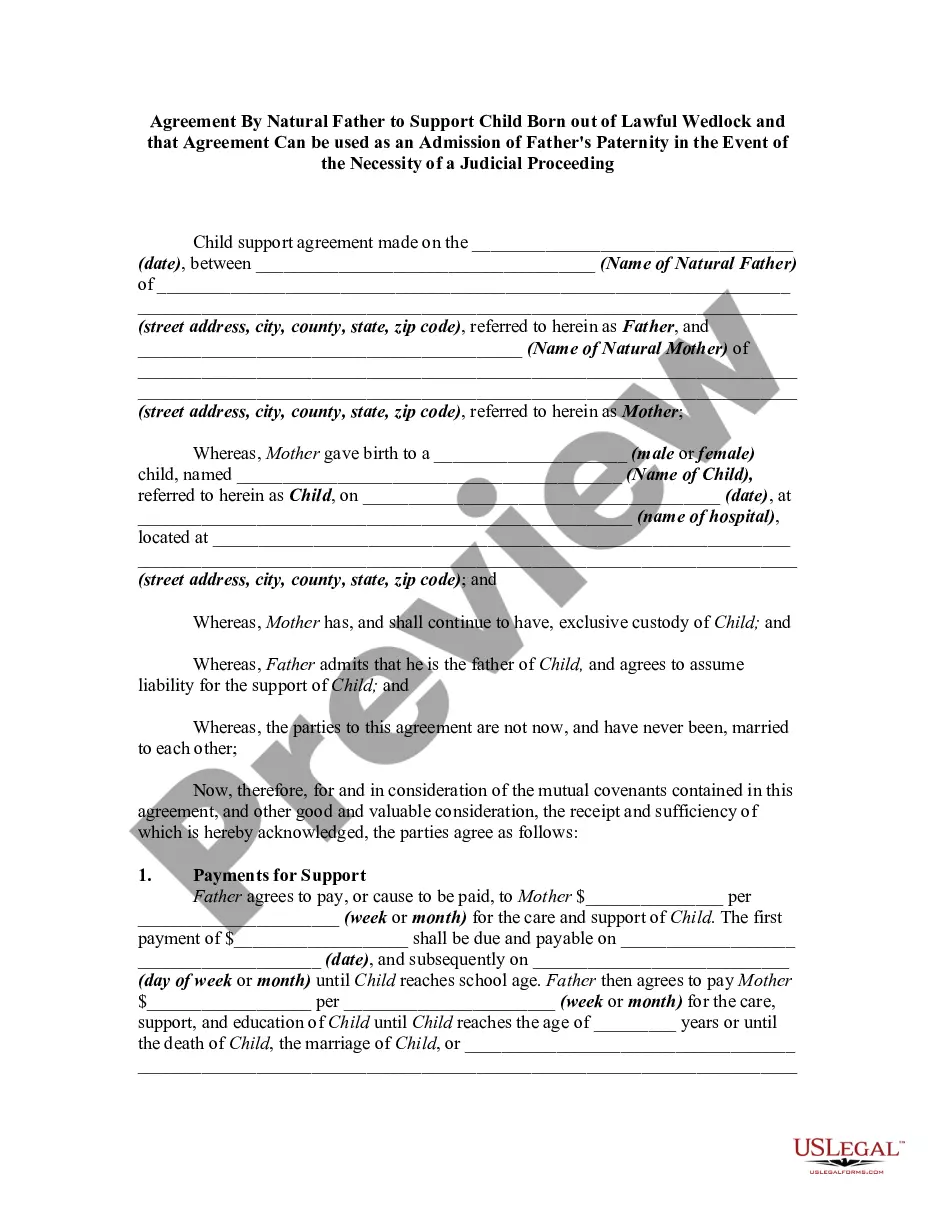
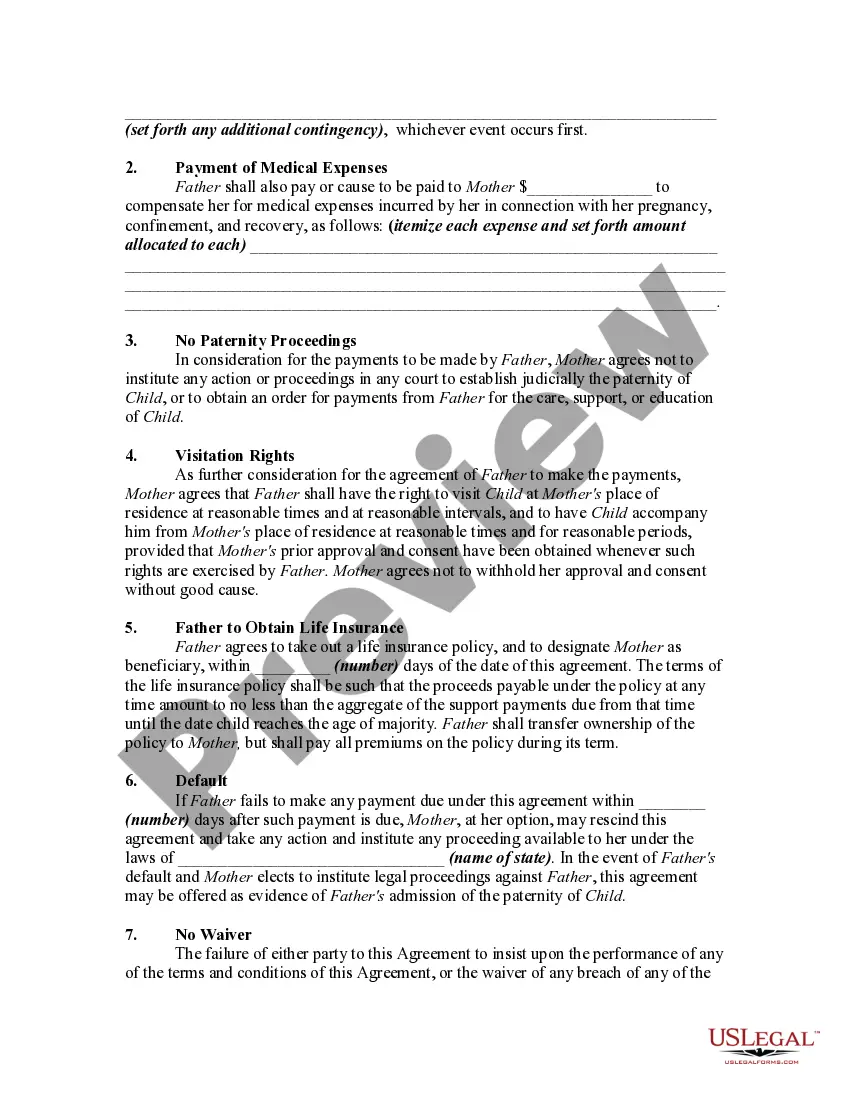
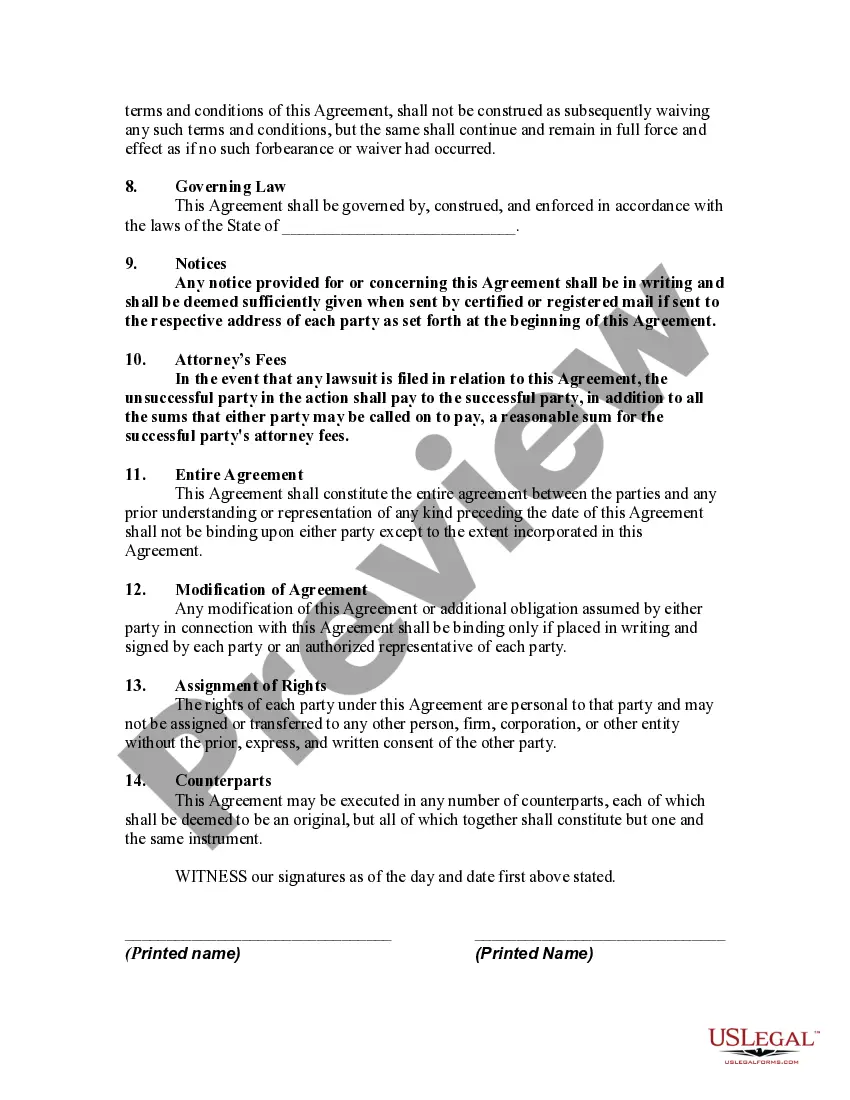

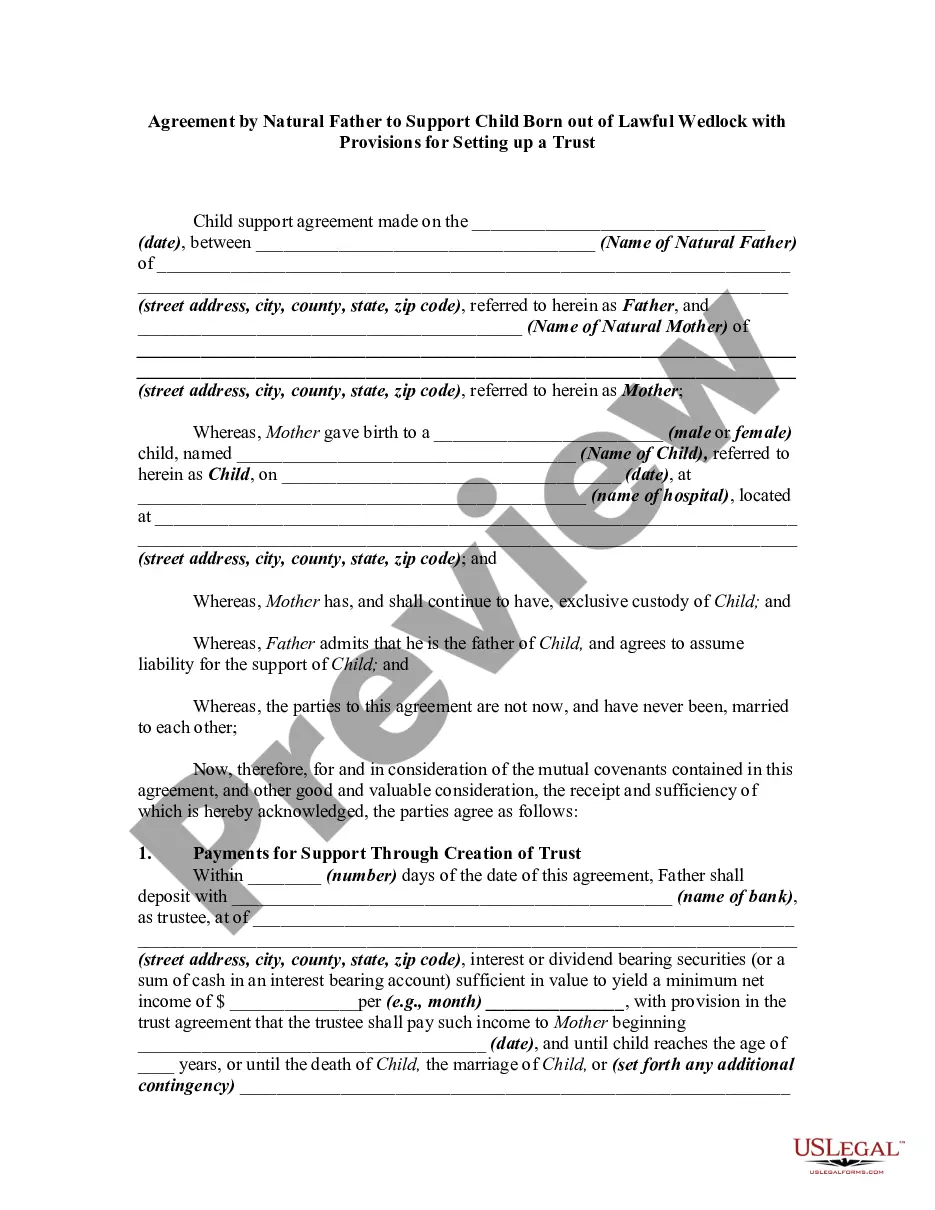
Get your form ready online
Our built-in tools help you complete, sign, share, and store your documents in one place.
Make edits, fill in missing information, and update formatting in US Legal Forms—just like you would in MS Word.
Download a copy, print it, send it by email, or mail it via USPS—whatever works best for your next step.
Sign and collect signatures with our SignNow integration. Send to multiple recipients, set reminders, and more. Go Premium to unlock E-Sign.
If this form requires notarization, complete it online through a secure video call—no need to meet a notary in person or wait for an appointment.
We protect your documents and personal data by following strict security and privacy standards.

Make edits, fill in missing information, and update formatting in US Legal Forms—just like you would in MS Word.

Download a copy, print it, send it by email, or mail it via USPS—whatever works best for your next step.

Sign and collect signatures with our SignNow integration. Send to multiple recipients, set reminders, and more. Go Premium to unlock E-Sign.

If this form requires notarization, complete it online through a secure video call—no need to meet a notary in person or wait for an appointment.

We protect your documents and personal data by following strict security and privacy standards.
Looking for another form?









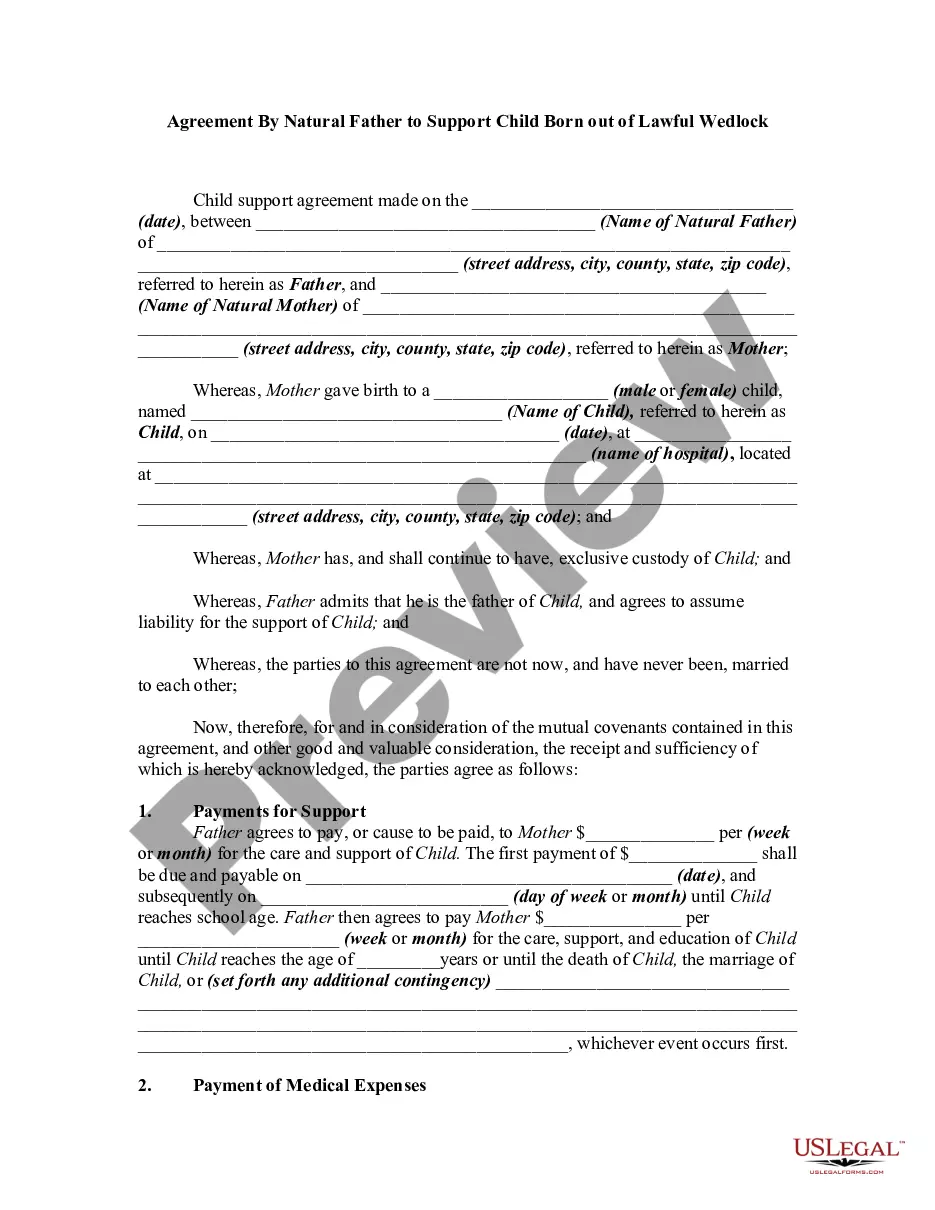
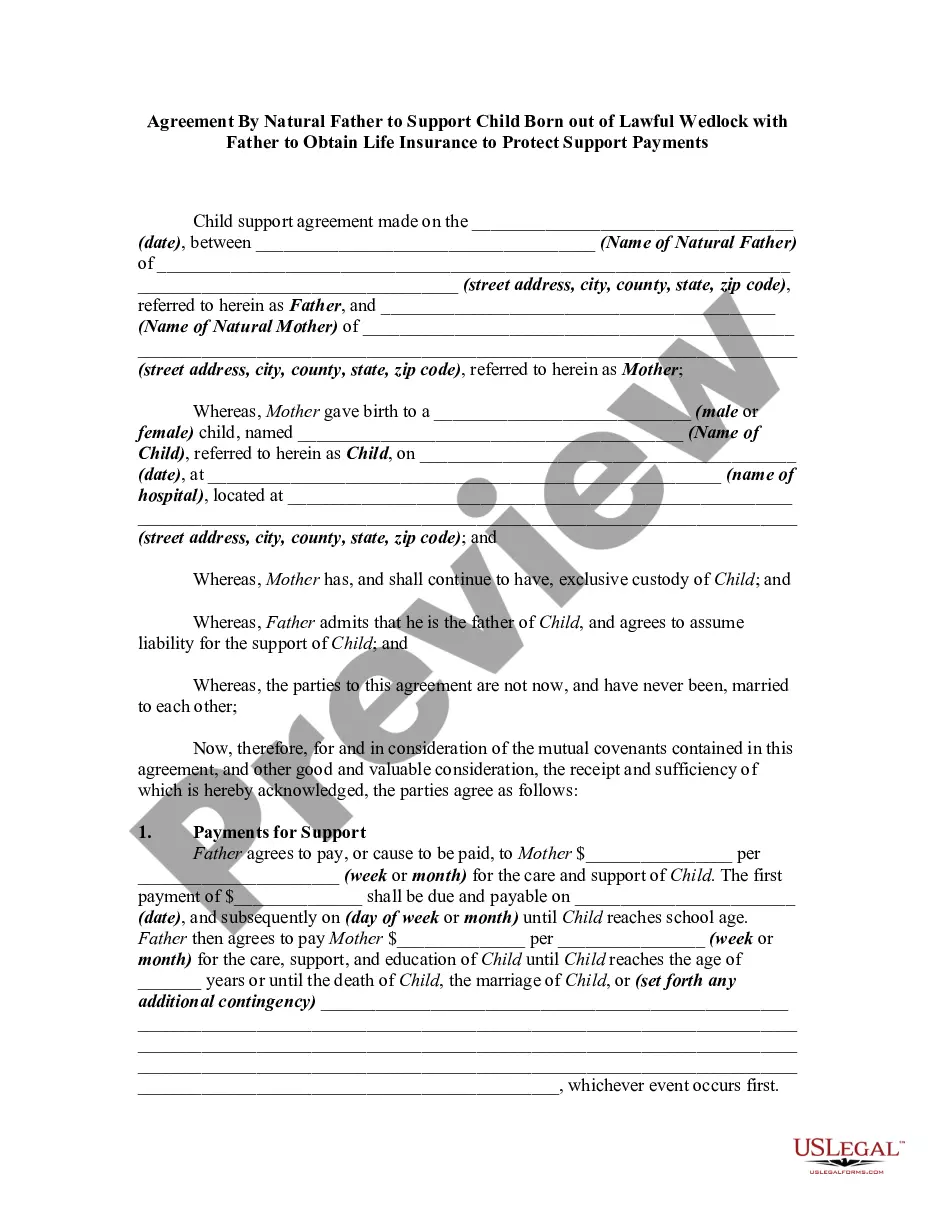
How to fill out Agreement By Natural Father To Support Child Born Out Of Lawful Wedlock And That Agreement Can Be Used As An Admission Of Father's Paternity In The Event Of The Necessity Of A Judicial Proceeding?
It’s widely known that you cannot instantly become a legal expert, nor can you rapidly learn how to draft Support Child Out With Autism without having a specialized background.
Composing legal documents is a lengthy procedure that demands specific training and expertise. So why not entrust the preparation of the Support Child Out With Autism to the specialists.
With US Legal Forms, one of the most extensive legal template collections, you can access anything from court documents to templates for in-office correspondence.
You can access your forms again from the My documents tab at any time. If you’re a current client, you can just Log In, and find and download the template from the same section.
No matter the intent of your documents—be it financial, legal, or personal—our platform has you covered. Try US Legal Forms today!
- Locate the document you require by utilizing the search bar at the top of the webpage.
- Preview it (if this option is available) and read the accompanying description to determine if Support Child Out With Autism is what you seek.
- Initiate your search again if you require any additional template.
- Sign up for a free account and select a subscription plan to purchase the template.
- Click Buy now. Once your payment is finalized, you can obtain the Support Child Out With Autism, fill it out, print it, and deliver it by mail to the necessary recipients or organizations.
Form popularity
FAQ
There are several reasons why a child's application for SSI benefits may be denied. Common factors include insufficient medical evidence, failure to meet the criteria for disability, or incomplete application forms. Understanding the denial reasons is crucial for reapplying or appealing the decision. US Legal Forms offers valuable resources to help you navigate the appeals process and support your child out with autism.
Getting SSI for a child with autism can be challenging, but it is not impossible. The process requires detailed documentation of the child's condition and its impact on daily life. You will need to provide medical records, evaluations, and other evidence that supports your claim. Utilizing resources like US Legal Forms can guide you through the application process and help you support your child out with autism effectively.
Yes, many autistic children can lead fulfilling and productive lives. With appropriate support and resources, they can integrate into society and pursue their interests. It is crucial to provide continuous support to children out with autism, enabling them to navigate challenges and seize opportunities. Utilizing platforms like US Legal Forms can help parents find the necessary resources and legal forms to secure the best support for their children.
The age at which mild autism improves can vary widely among children. Generally, early intervention plays a crucial role in their development, and many children show noticeable improvement by the time they reach school age. Continuously supporting children out with autism through tailored programs can help them develop vital skills as they grow. Monitoring their progress and adjusting support as needed can enhance their development.
Many parents wonder if a mild autistic child can become normal. While every child is unique, with the right support and therapy, children with mild autism can make significant progress. It is essential to focus on individualized education plans and interventions that support children out with autism. Consistent support can help them develop skills that lead to improved social interactions and independence.
Be sensitive to what they want and need, not just how you think they should improve or behave. Try not to talk over or about them when others are around. Help them work on social skills by trying to engage them in conversations with yourself and others. Find discrete ways to give social hints.
Providing support and encouragement helps a child with autism achieve better results. Show a child that they are valued and supported. If a child finds the setting too loud, noise-reducing/cancelling headphones may help. Consider prompting children to develop social behaviours.
A good treatment plan will: Build on your child's interests. Offer a predictable schedule. Teach tasks as a series of simple steps. Actively engage your child's attention in highly structured activities. Provide regular reinforcement of behavior. Involve the parents.
Autistic people see, hear and feel the world differently to other people. Some people with autism are able to live relatively independent lives but others may need specialist support for the whole of their life. Other people find bright lights or loud sounds, some tastes, smells and colours difficult to cope with.
It's possible that the best situation for your child is one that does not require him to move between houses. This could mean you try ?nesting??where the parents move in and out of the family home and the children stay put?or that one parent maintains physical custody 100 percent of the time.