Mortgage Forbearance Extension 2021
Description
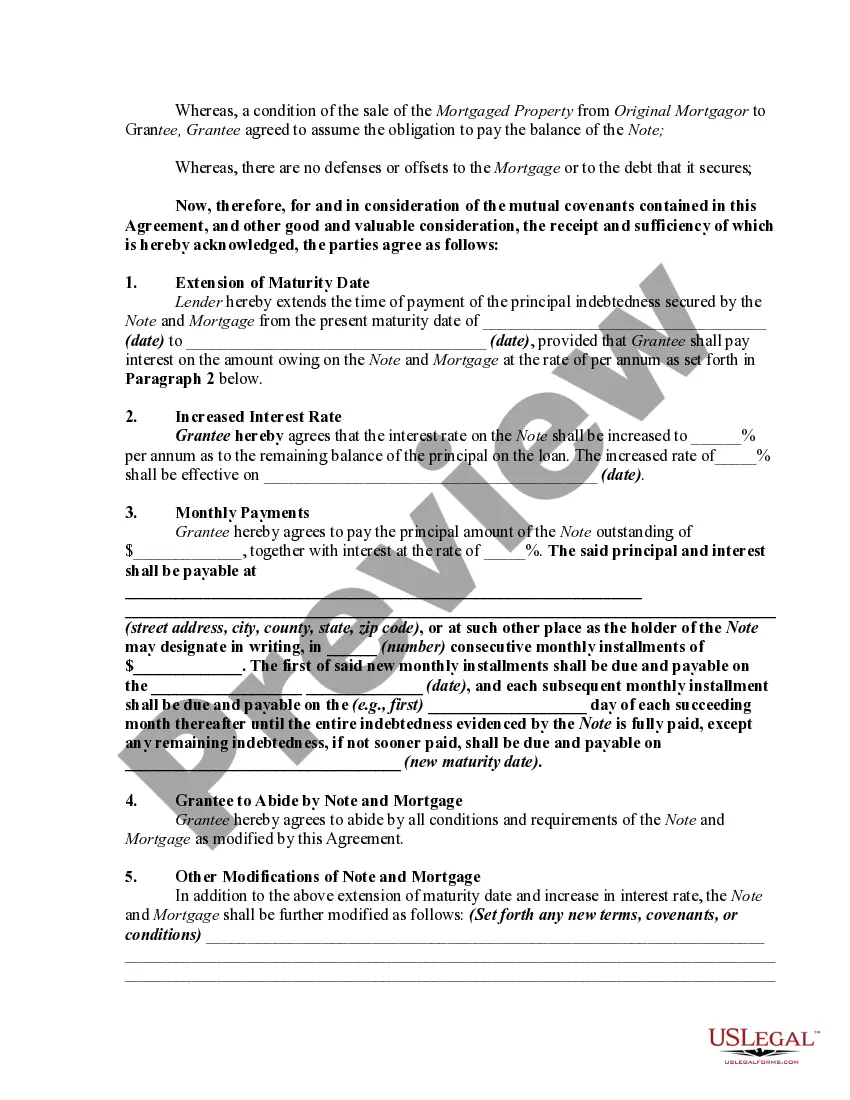
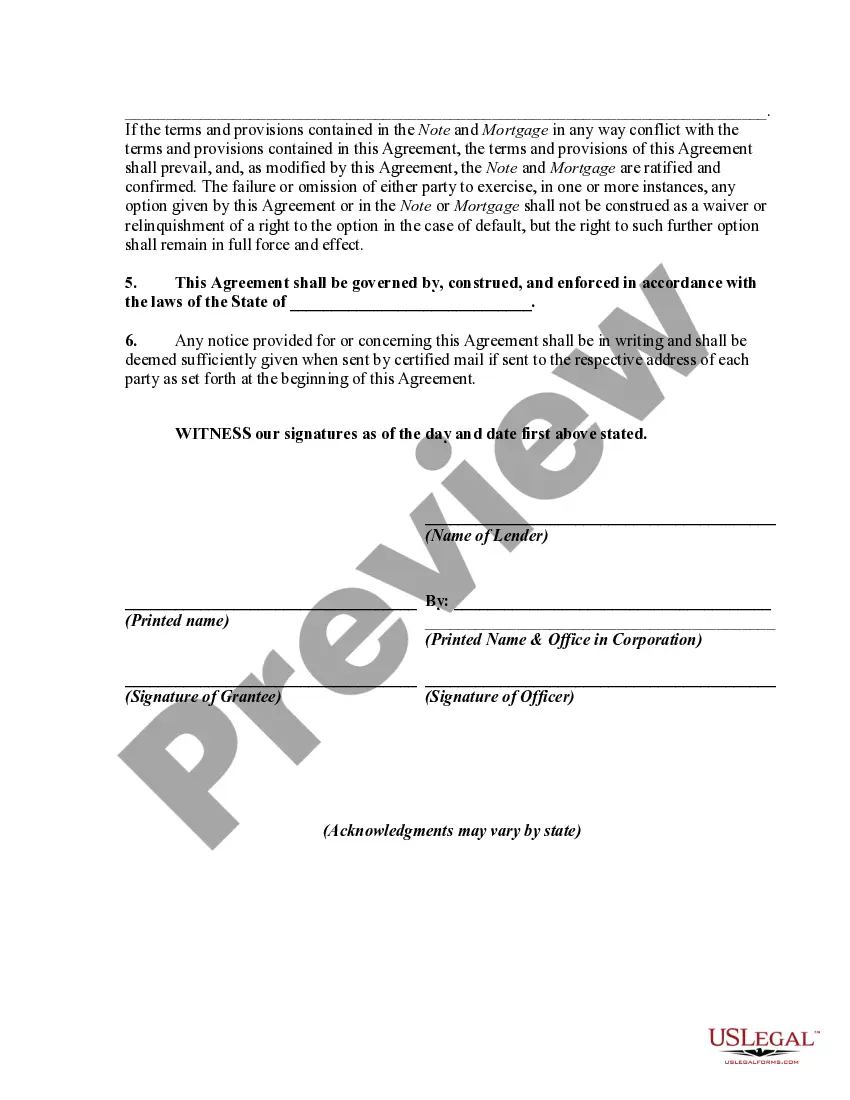
Get your form ready online
Our built-in tools help you complete, sign, share, and store your documents in one place.
Make edits, fill in missing information, and update formatting in US Legal Forms—just like you would in MS Word.
Download a copy, print it, send it by email, or mail it via USPS—whatever works best for your next step.
Sign and collect signatures with our SignNow integration. Send to multiple recipients, set reminders, and more. Go Premium to unlock E-Sign.
If this form requires notarization, complete it online through a secure video call—no need to meet a notary in person or wait for an appointment.
We protect your documents and personal data by following strict security and privacy standards.

Make edits, fill in missing information, and update formatting in US Legal Forms—just like you would in MS Word.

Download a copy, print it, send it by email, or mail it via USPS—whatever works best for your next step.

Sign and collect signatures with our SignNow integration. Send to multiple recipients, set reminders, and more. Go Premium to unlock E-Sign.

If this form requires notarization, complete it online through a secure video call—no need to meet a notary in person or wait for an appointment.

We protect your documents and personal data by following strict security and privacy standards.
Looking for another form?







Form popularity
FAQ
A forbearance agreement can last for different lengths, but often, it aligns with the mortgage forbearance extension 2021 terms. These agreements typically range from three to twelve months, depending on individual circumstances and lender policies. It's essential to clearly understand the duration specified in your agreement to plan for future payments. USLegalForms can simplify the creation of your forbearance agreement, ensuring all necessary elements are included.
The maximum forbearance time under the mortgage forbearance extension 2021 guidelines is generally one year. After the forbearance period, it is important to develop a repayment plan to address any missed payments. This maximum time frame ensures borrowers have adequate relief while maintaining accountability for their mortgage obligations. Consider leveraging USLegalForms to help you navigate the documentation process and establish your repayment plan effectively.
You can apply for a mortgage forbearance extension 2021 for up to 12 months. Typically, the initial forbearance period lasts for six months, with an option to extend for another six months if necessary. This period allows you to reduce or pause your mortgage payments during financial hardships. By using USLegalForms, you can easily access the necessary documents to submit your application promptly.
A forbearance plan related to the mortgage forbearance extension 2021 can last for several months, with specific terms defined by your lender. Most plans permit extensions as long as you meet qualifying criteria. Keep in mind that maintaining open communication with your lender is crucial. This proactive approach can help you manage your financial responsibilities effectively.
Typically, during a mortgage forbearance extension 2021, you can pause your mortgage payments for up to 12 months. The exact duration may depend on your lender's policies and your individual circumstances. It's important to keep track of the timelines set forth in your agreement. Understanding your specific situation can lead to better decisions.
At the end of a mortgage forbearance extension 2021, you will need to begin making regular payments again. Lenders may require you to repay the missed payments in a lump sum or set up a repayment plan. It's essential to communicate with your lender to understand your options and to avoid any surprises. Planning ahead can help you transition smoothly.
The duration for extending forbearance can vary based on your lender’s policy. Typically, extensions can range from a few months to more extended periods, depending on your situation and compliance with the mortgage forbearance extension 2021 rules. It’s advisable to check with your lender for their specific timelines and options.
The two common types of forbearance are temporary and extended forbearance. Temporary forbearance allows for a short break from payments, while extended forbearance offers longer relief periods, accommodating those facing prolonged financial difficulties. Understanding these options is critical to making the right choice regarding your mortgage forbearance extension 2021.
The new forbearance rules often provide more flexible options for borrowers affected by economic downturns. Updates to these rules can include extended durations and alternative repayment plans. Staying informed on the new forbearance rules is essential for leveraging the mortgage forbearance extension 2021 effectively.
When your forbearance ends, you will need to resume your regular mortgage payments. Depending on your lender's terms, you may also be required to repay the missed payments through a repayment plan. Prepare for this transition by reviewing your options under the mortgage forbearance extension 2021.