Does The Mortgage Holder Own The House
Description
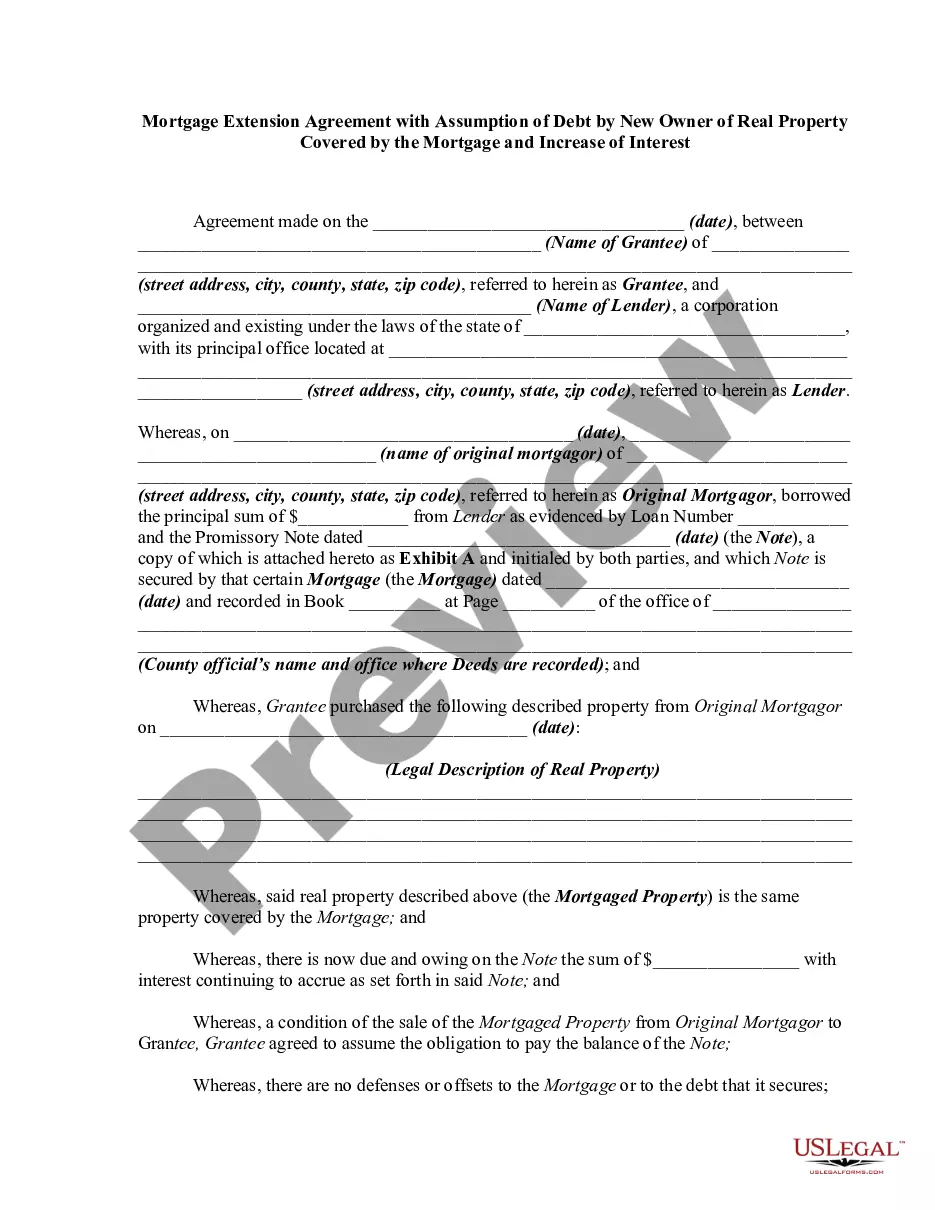
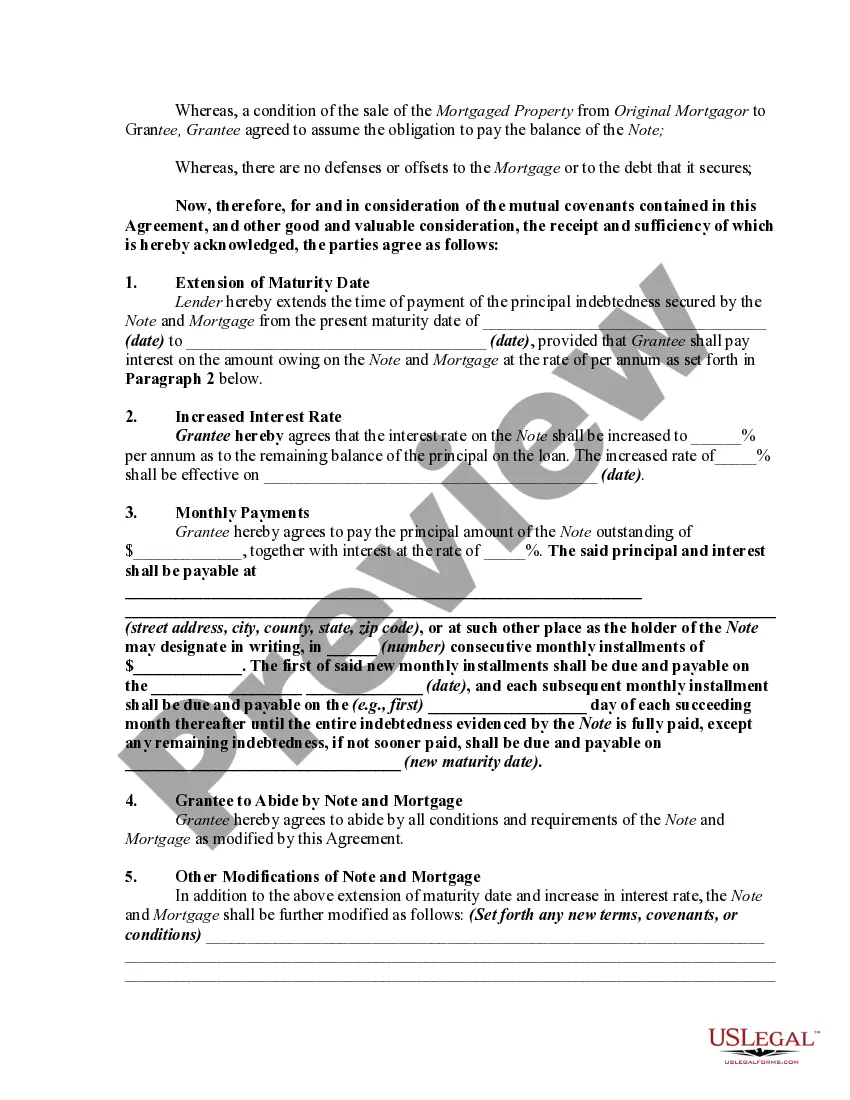
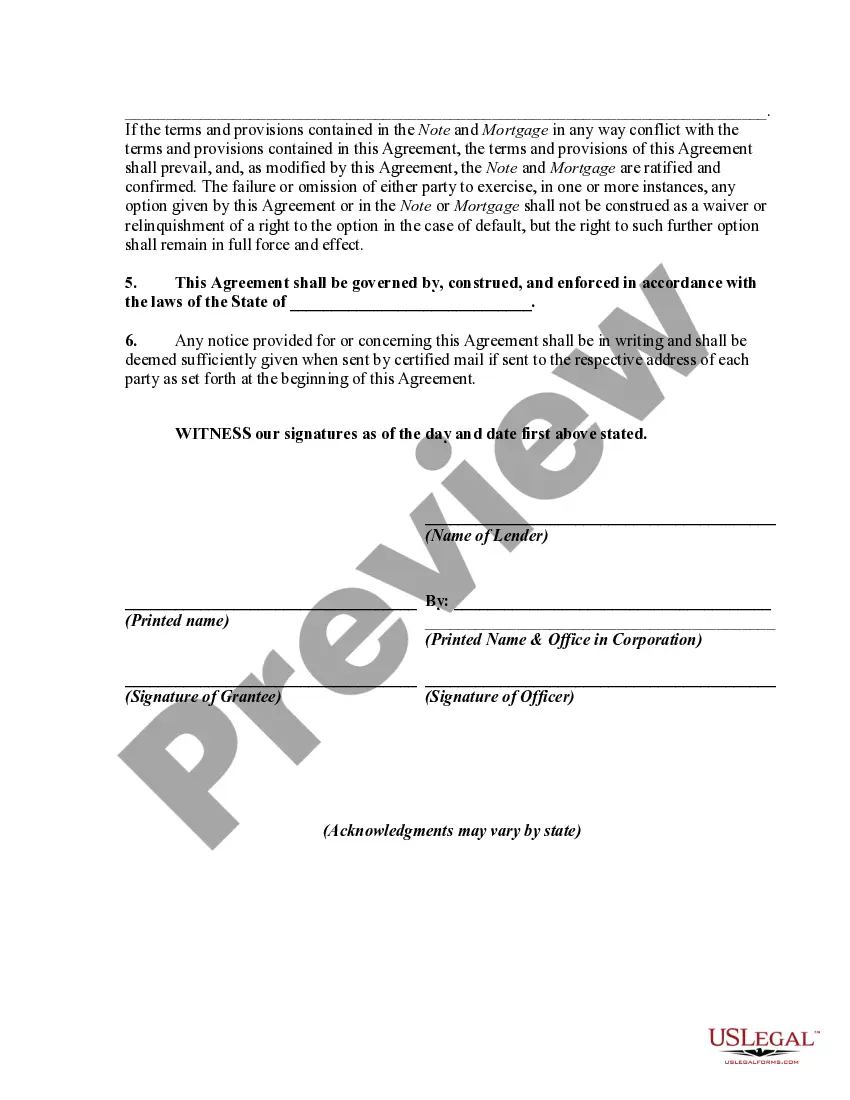
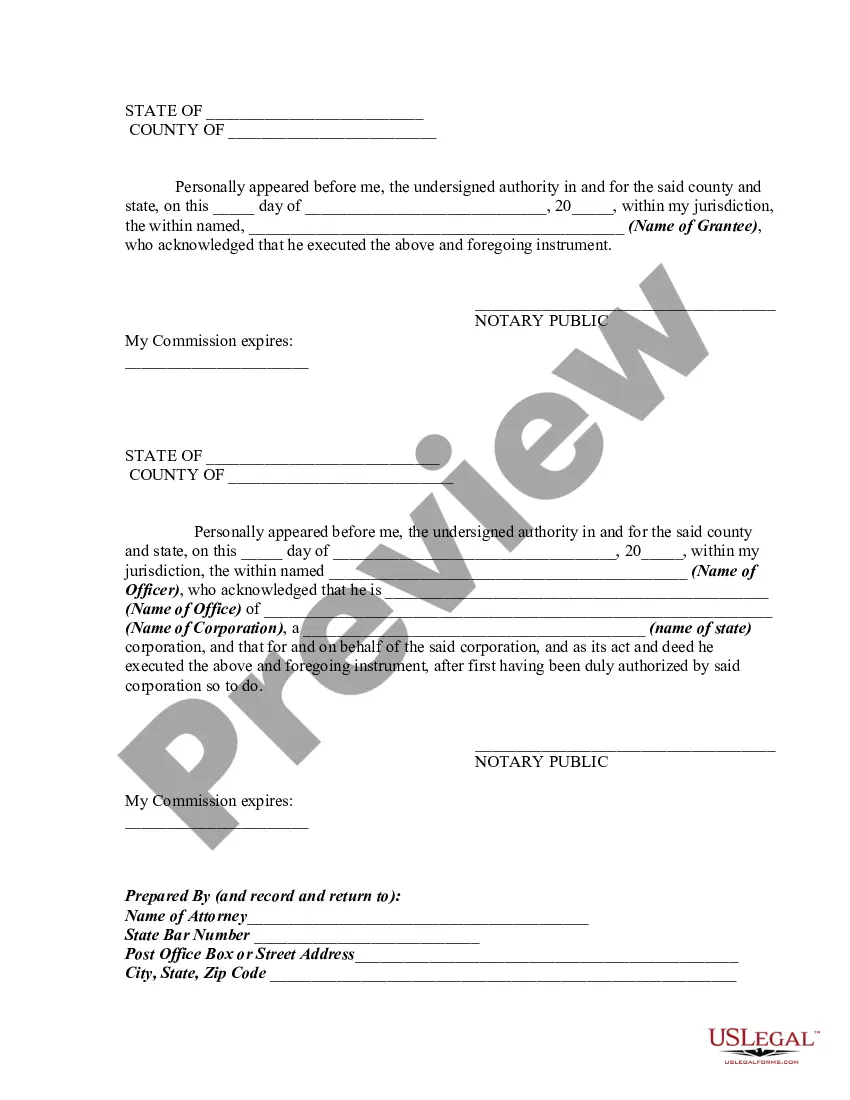
Get your form ready online
Our built-in tools help you complete, sign, share, and store your documents in one place.
Make edits, fill in missing information, and update formatting in US Legal Forms—just like you would in MS Word.
Download a copy, print it, send it by email, or mail it via USPS—whatever works best for your next step.
Sign and collect signatures with our SignNow integration. Send to multiple recipients, set reminders, and more. Go Premium to unlock E-Sign.
If this form requires notarization, complete it online through a secure video call—no need to meet a notary in person or wait for an appointment.
We protect your documents and personal data by following strict security and privacy standards.

Make edits, fill in missing information, and update formatting in US Legal Forms—just like you would in MS Word.

Download a copy, print it, send it by email, or mail it via USPS—whatever works best for your next step.

Sign and collect signatures with our SignNow integration. Send to multiple recipients, set reminders, and more. Go Premium to unlock E-Sign.

If this form requires notarization, complete it online through a secure video call—no need to meet a notary in person or wait for an appointment.

We protect your documents and personal data by following strict security and privacy standards.
Looking for another form?







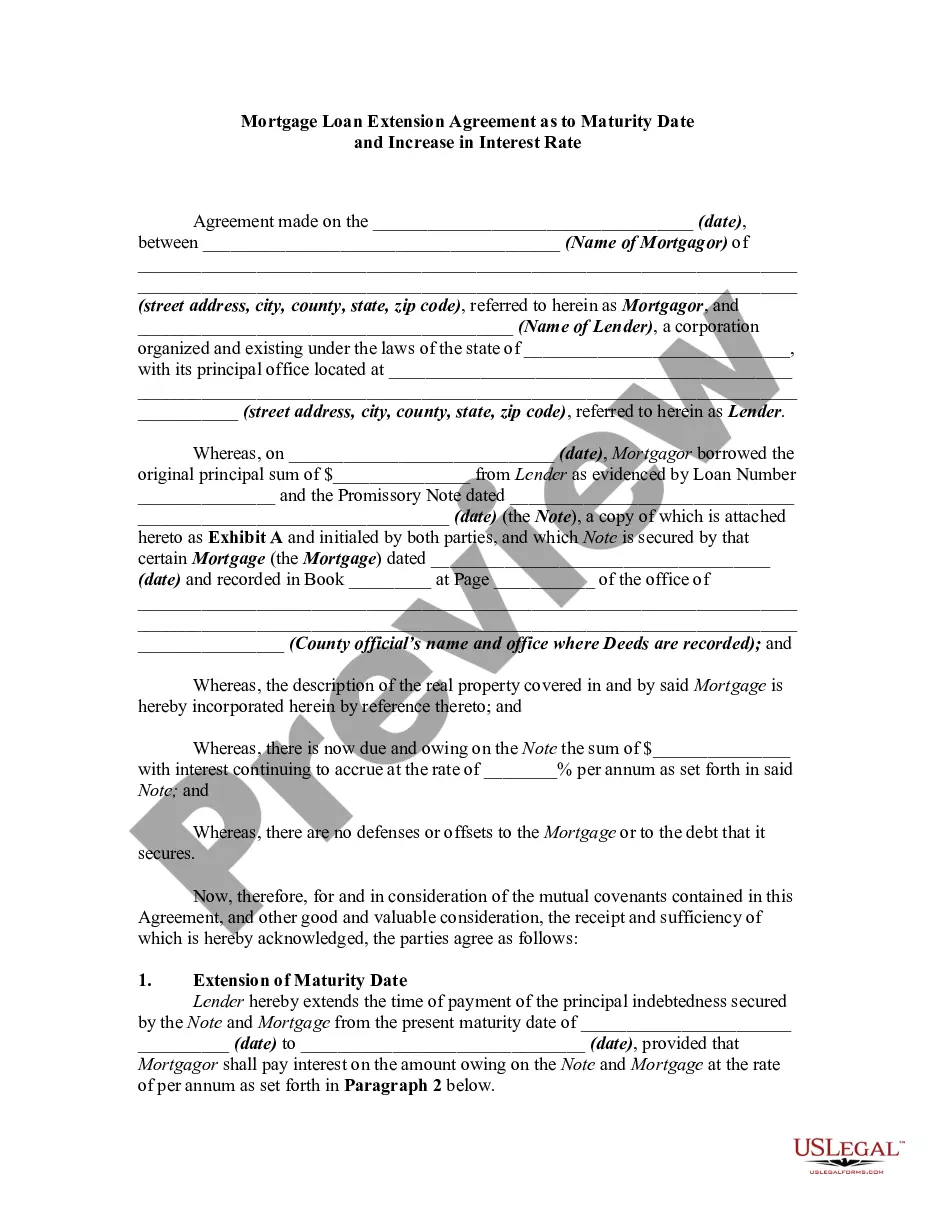
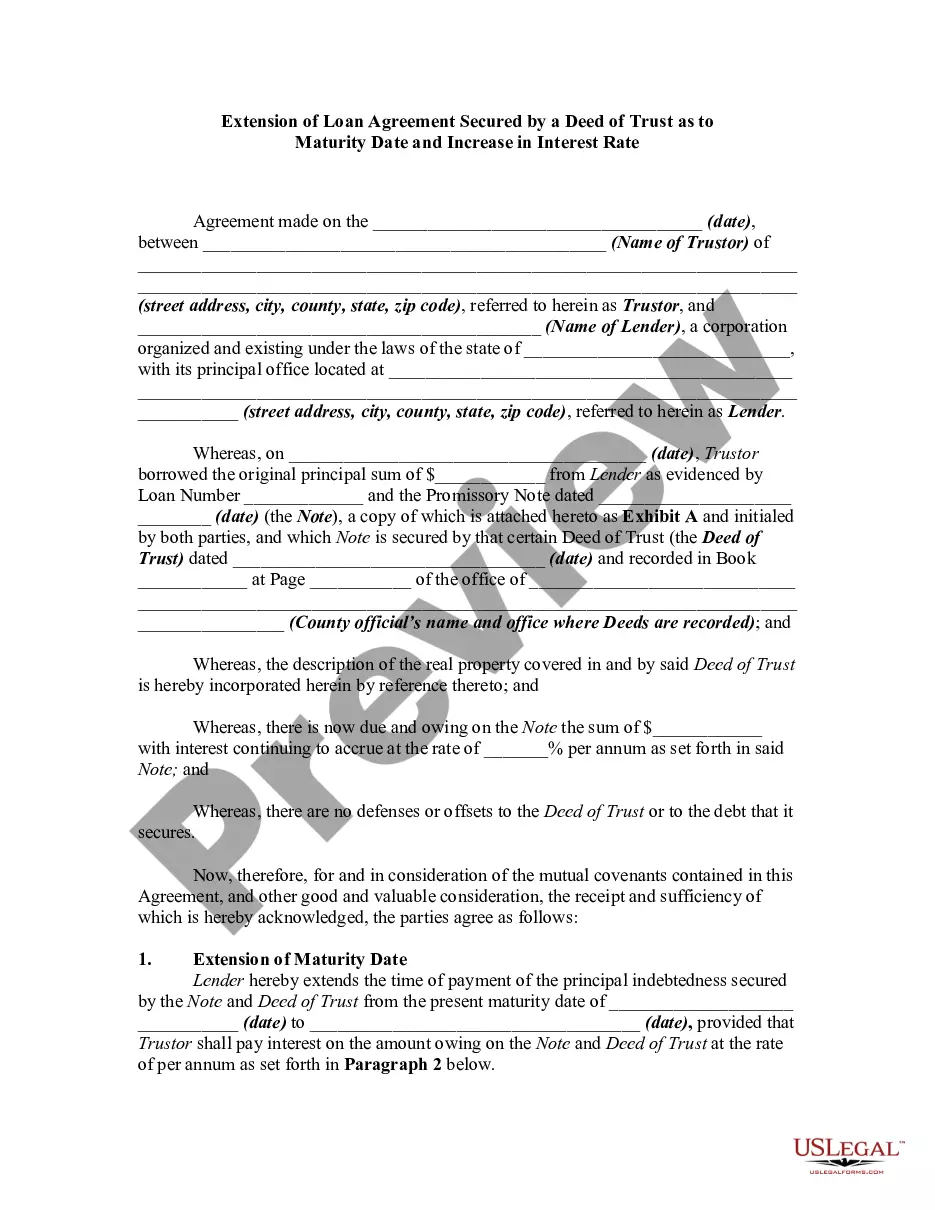
How to fill out Mortgage Extension Agreement With Assumption Of Debt By New Owner Of Real Property Covered By The Mortgage And Increase Of Interest?
- Log in to your US Legal Forms account if you’re a returning user and navigate to the Download section to obtain your form.
- For first-time users, start by browsing the extensive form library. Ensure the template fits your local jurisdiction by checking the Preview mode and description.
- If necessary, utilize the Search tab for alternative templates that might better suit your requirements.
- To proceed, click the Buy Now button, select your preferred subscription plan, and create an account for full access to legal resources.
- Complete your purchase by providing payment details, either through credit card or PayPal.
- Finally, download the document directly to your device and access it anytime from the My Forms menu in your profile.
US Legal Forms offers the most extensive library with over 85,000 customizable legal forms, ensuring you find exactly what you need. Additionally, users can tap into expert advice for completing forms, ensuring your documents are accurate and compliant.
In conclusion, using US Legal Forms can simplify obtaining legal documents related to homeownership. Don't hesitate—empower yourself with the right forms today!
Form popularity
FAQ
Yes, you can be associated with a mortgage and not own the property. This situation often occurs when a borrower is listed on the mortgage but not on the title. In such cases, the mortgage holder retains financial responsibility, while the property ownership may belong to a different person. Therefore, understanding who holds the title is essential when considering the question: Does the mortgage holder own the house?
To obtain a copy of your deed, you typically need to visit your county recorder's office or their website. Many places offer access to online databases where you can search for property records using your name or the property's address. If you are unsure where to start, uslegalforms can assist you in navigating the process, ensuring you receive the necessary documents.
The owner of the house is the borrower, while the lender maintains a security interest in the property. This means that even though you hold the title, the lender has a claim. In this regard, does the mortgage holder own the house? Not entirely, but they can enforce their rights if you fail to make payments. Understanding this dynamic is vital for any homeowner.
If you pass away and your wife is not on the mortgage, ownership of the house can become complex. The mortgage doesn’t automatically die with you; the lender will still expect payments. In this case, your spouse may need to assume responsibility or refinance the mortgage. Therefore, it's essential to have proper estate planning to clarify ownership and responsibility in such situations.