Debt Service Coverage Formula
Description



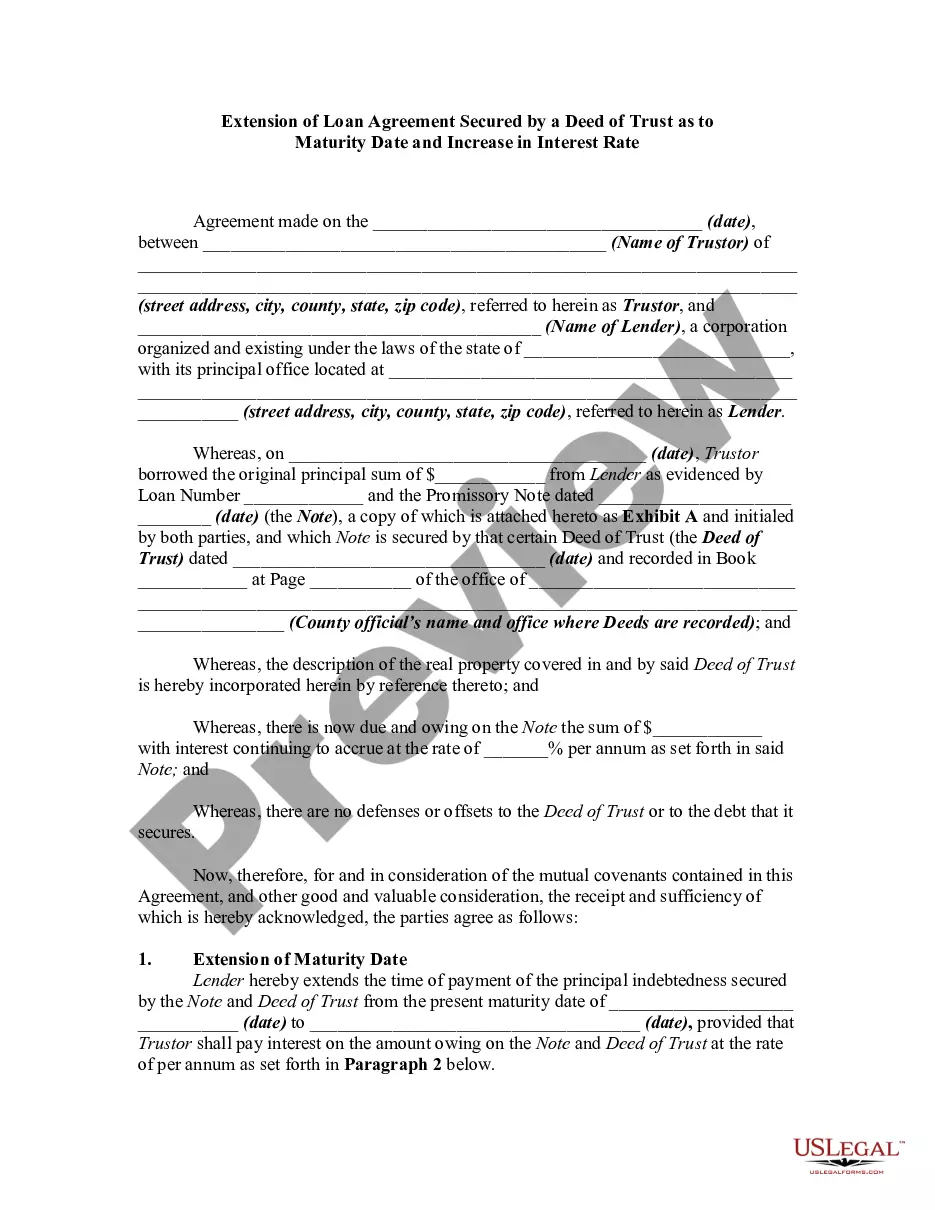
Get your form ready online
Our built-in tools help you complete, sign, share, and store your documents in one place.
Make edits, fill in missing information, and update formatting in US Legal Forms—just like you would in MS Word.
Download a copy, print it, send it by email, or mail it via USPS—whatever works best for your next step.
Sign and collect signatures with our SignNow integration. Send to multiple recipients, set reminders, and more. Go Premium to unlock E-Sign.
If this form requires notarization, complete it online through a secure video call—no need to meet a notary in person or wait for an appointment.
We protect your documents and personal data by following strict security and privacy standards.

Make edits, fill in missing information, and update formatting in US Legal Forms—just like you would in MS Word.

Download a copy, print it, send it by email, or mail it via USPS—whatever works best for your next step.

Sign and collect signatures with our SignNow integration. Send to multiple recipients, set reminders, and more. Go Premium to unlock E-Sign.

If this form requires notarization, complete it online through a secure video call—no need to meet a notary in person or wait for an appointment.

We protect your documents and personal data by following strict security and privacy standards.
Looking for another form?
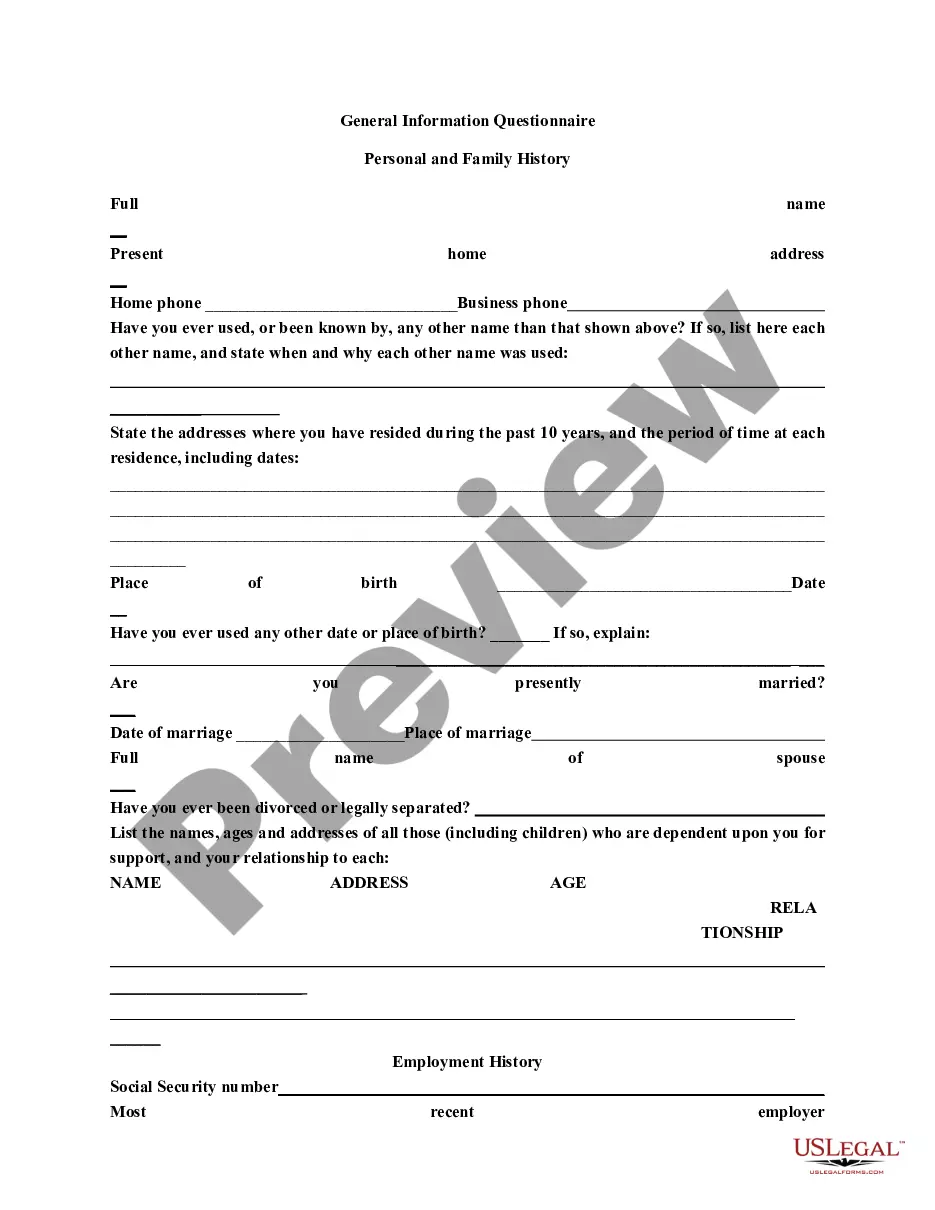

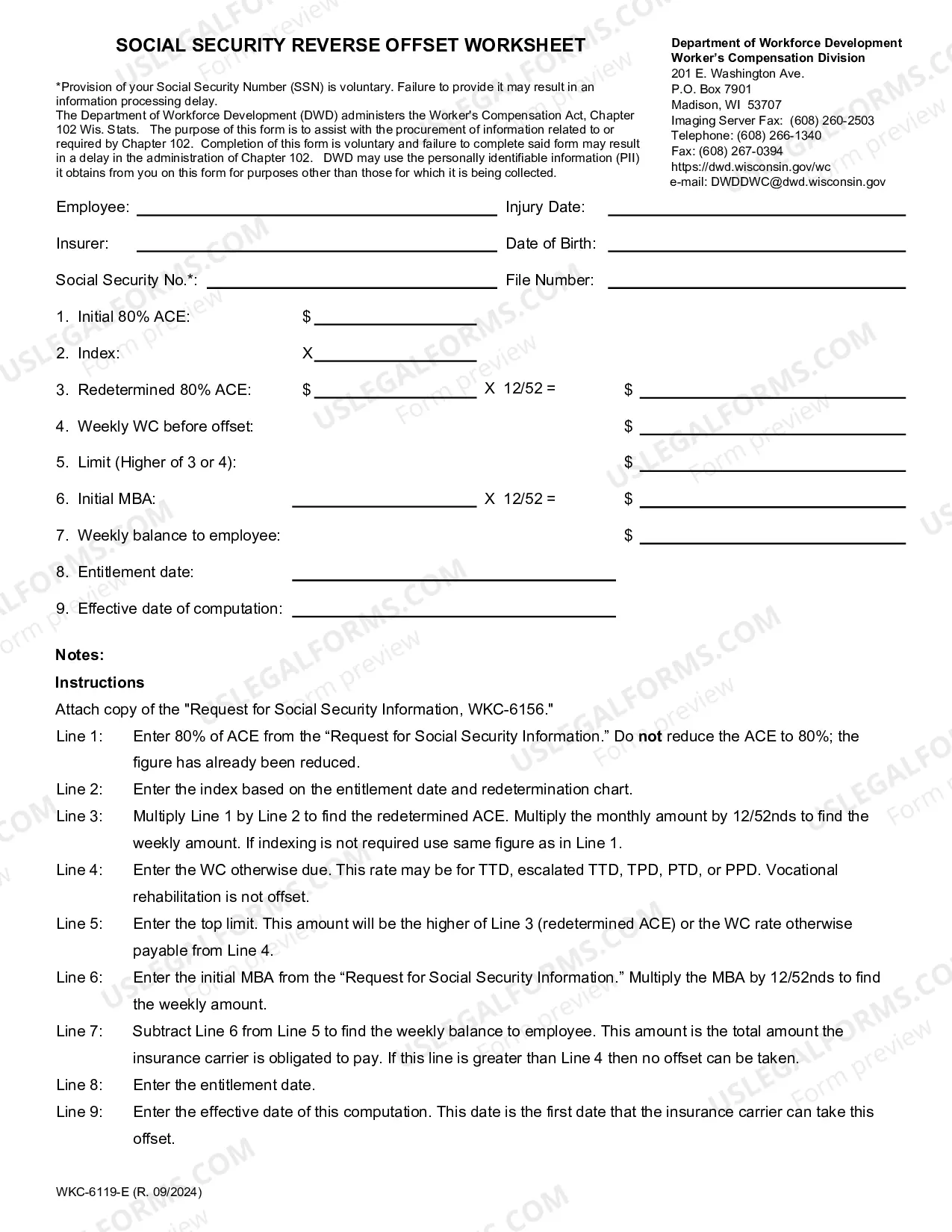
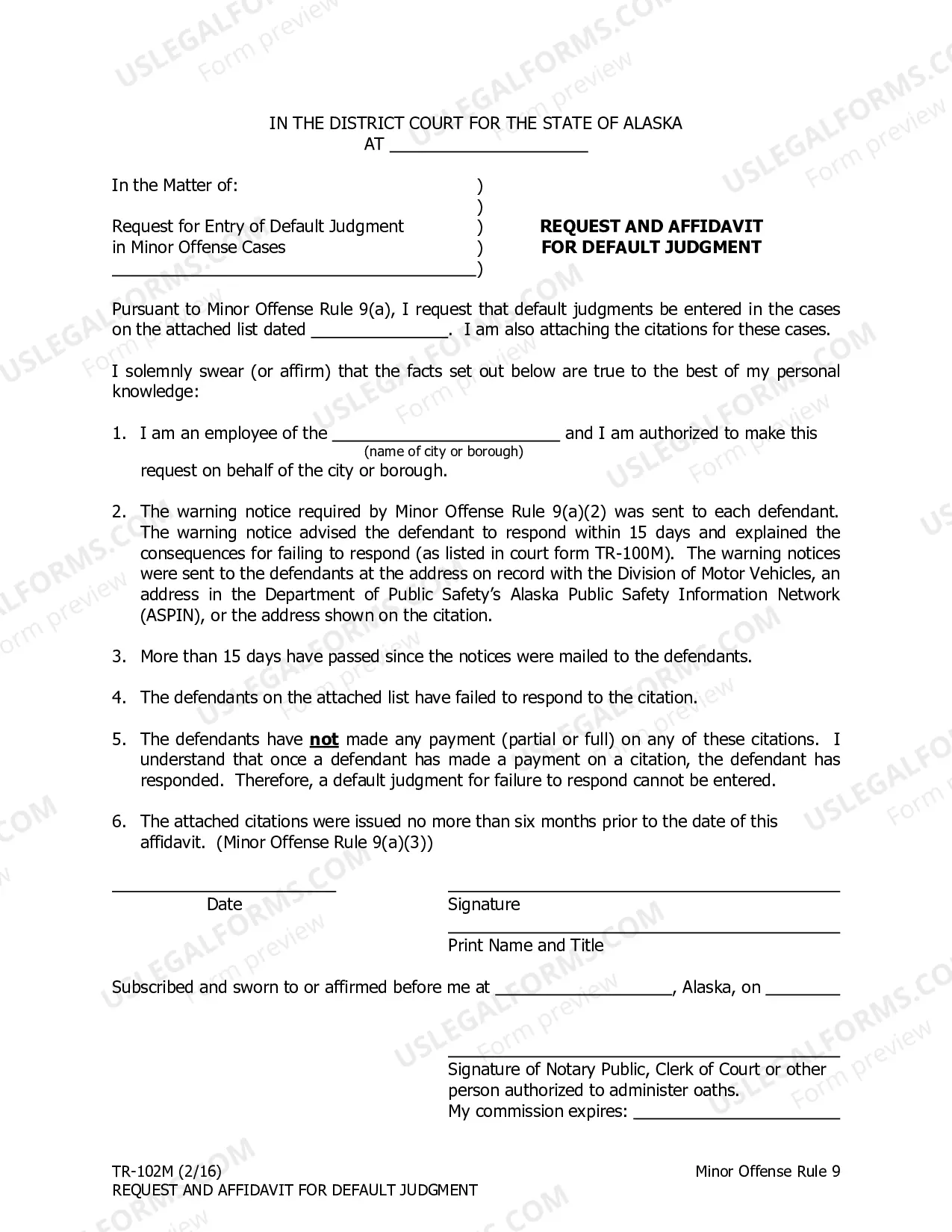
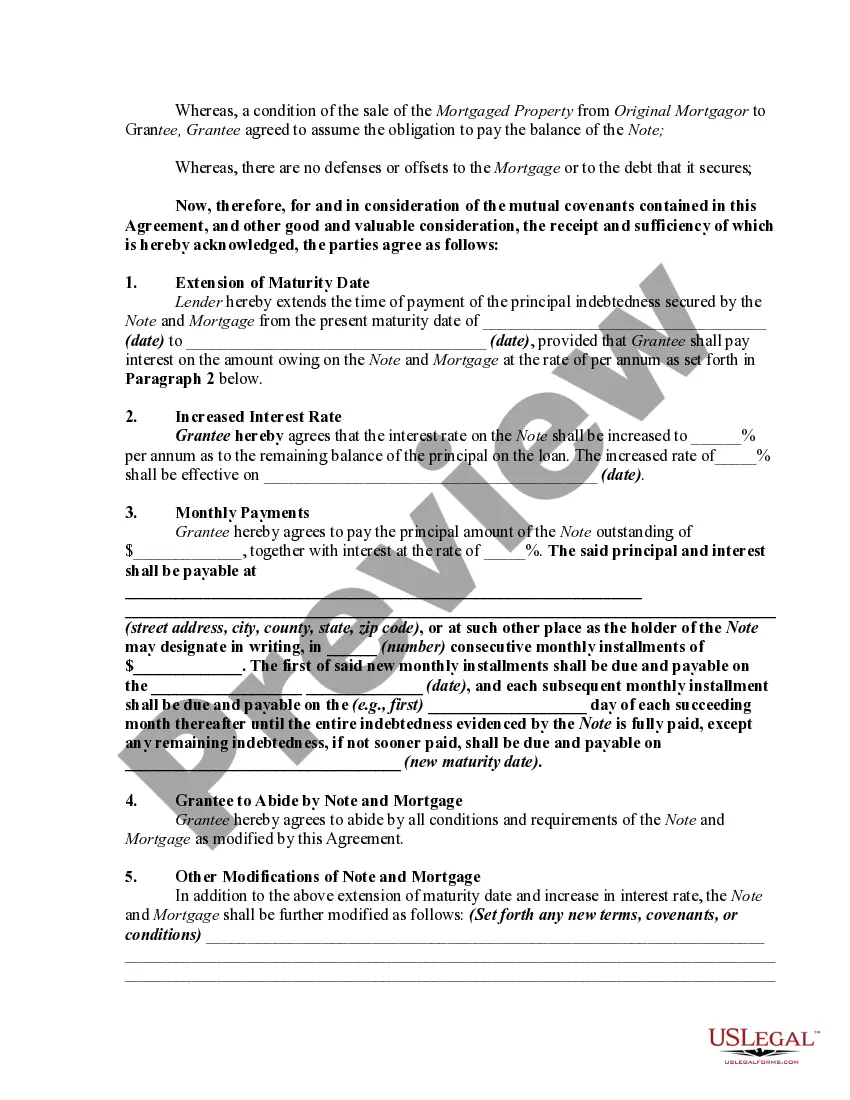
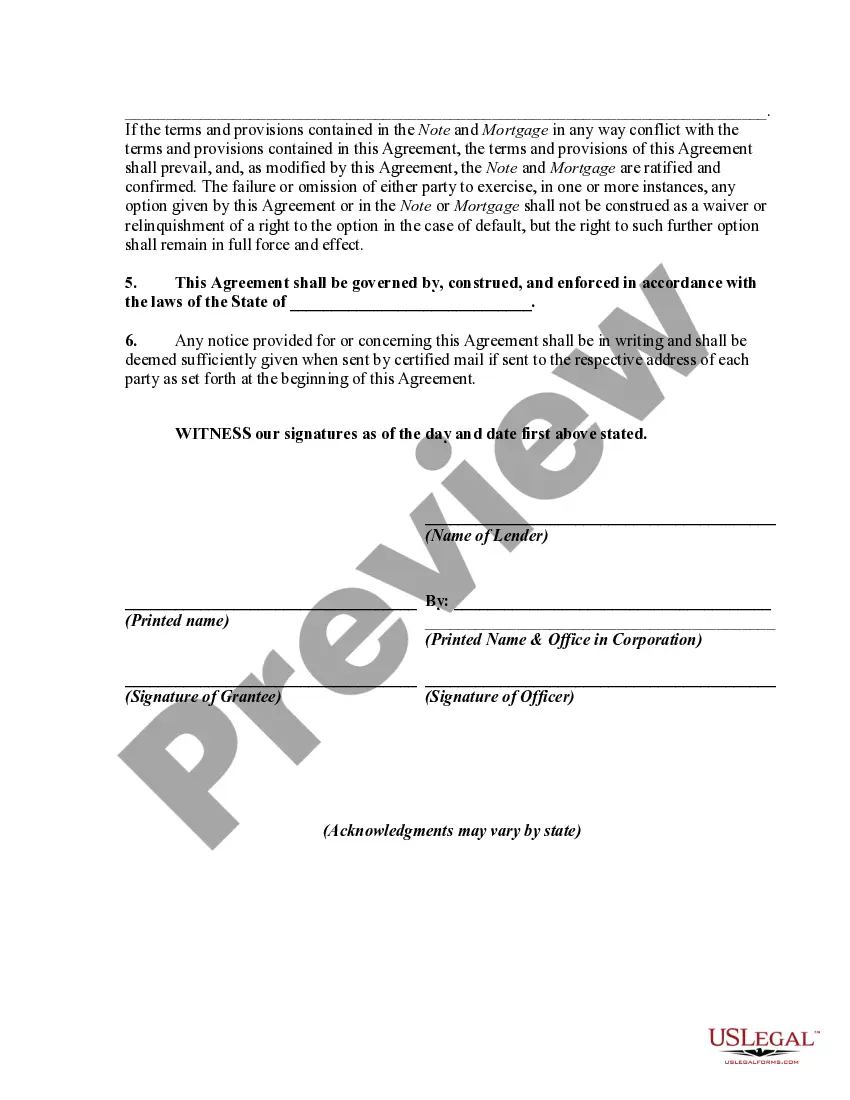
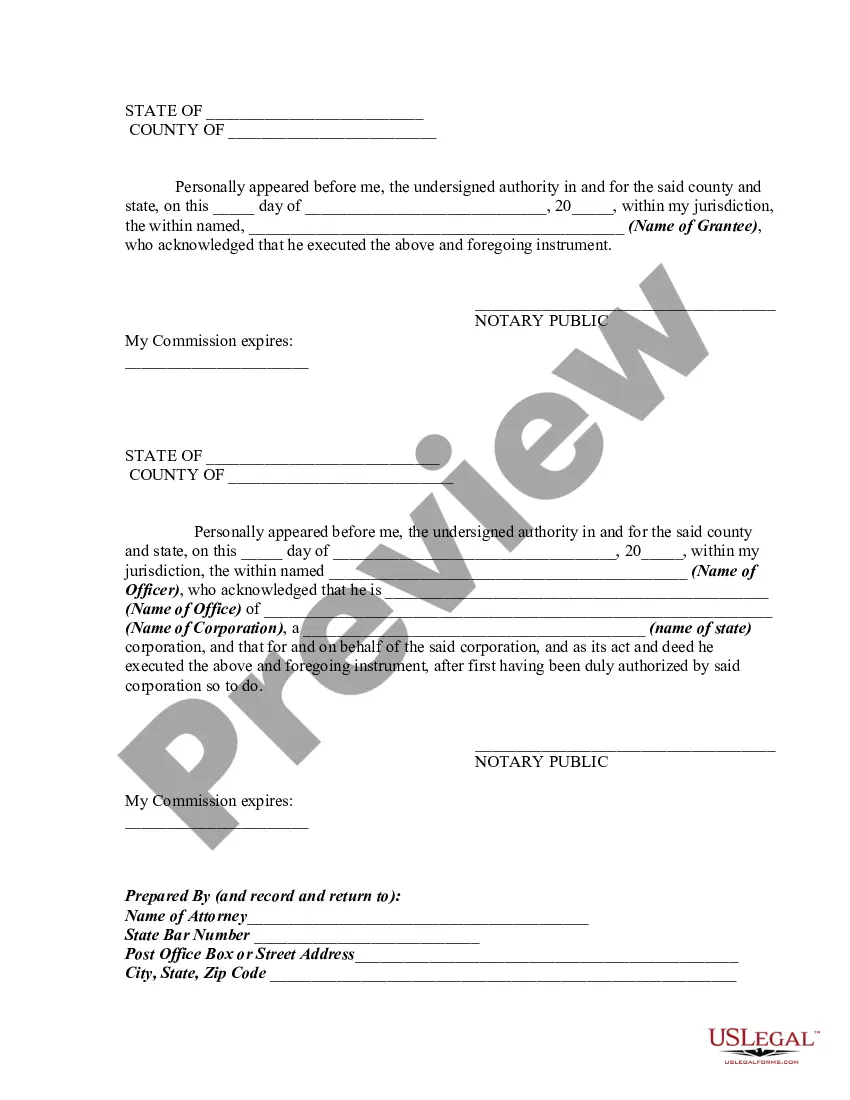
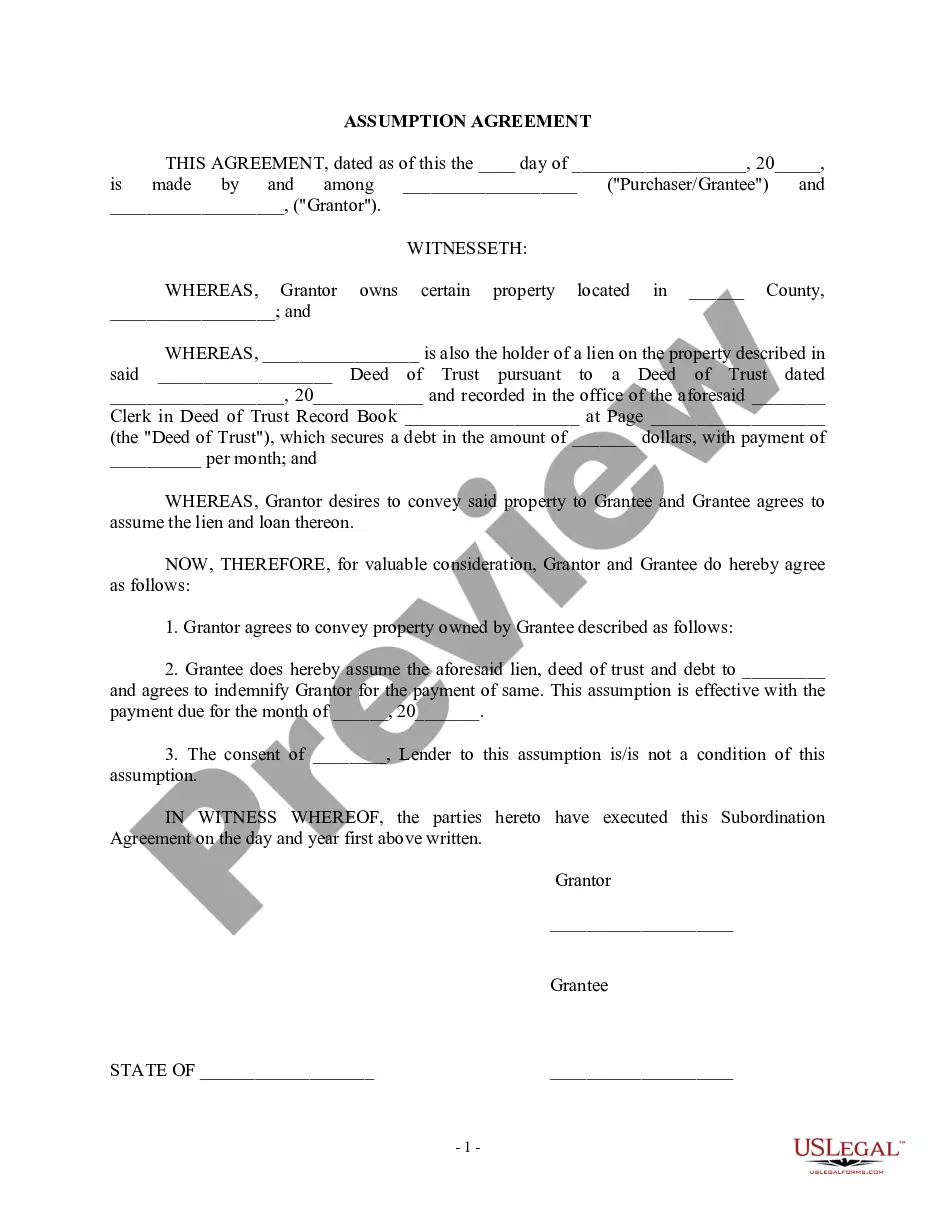
How to fill out Mortgage Extension Agreement With Assumption Of Debt By New Owner Of Real Property Covered By The Mortgage And Increase Of Interest?
Whether for commercial reasons or personal matters, everyone must handle legal situations at some point in their existence.
Completing legal documents demands meticulous care, beginning with selecting the correct form template.
With an extensive US Legal Forms catalog available, you never have to waste time searching for the suitable template across the web. Utilize the library’s straightforward navigation to find the right form for any occasion.
- Locate the template you require by utilizing the search box or catalog navigation.
- Review the form’s description to ensure it fits your scenario, state, and area.
- Click on the form’s preview to examine it.
- If it is the incorrect document, return to the search tool to locate the Debt Service Coverage Formula template you need.
- Obtain the file if it aligns with your specifications.
- If you already possess a US Legal Forms account, simply click Log in to retrieve previously saved documents in My documents.
- If you do not have an account yet, you can acquire the form by clicking Buy now.
- Select the correct pricing option.
- Complete the profile registration form.
- Choose your payment method: you can use a credit card or PayPal account.
- Select the document format you desire and download the Debt Service Coverage Formula.
- After downloading, you can finish the form using editing software or print it and complete it manually.
Form popularity
FAQ
Calculating debt servicing involves determining your total debt obligations, which include interest and principal repayments. You can break this down further using the debt service coverage formula for clarity on how much of your income goes towards servicing these debts. This understanding helps you create more effective financial strategies to manage and reduce your debt.
To calculate debt servicing capacity, you evaluate your net operating income in relation to your debt obligations using the debt service coverage formula. This analysis reveals how much leverage you can sustain while maintaining financial health. By regularly reviewing your capacity, you can make strategically sound decisions about borrowing.
The formula for debt serviceability focuses on your net income available for debt repayment, divided by your total scheduled debt payments. This ratio indicates your financial ability to meet debt commitments comfortably. Adopting the debt service coverage formula can streamline this evaluation, giving you clarity on your financial capabilities.
To compute the total debt servicing ratio, you sum your debt service payments and divide that by your gross income. This helps you understand the portion of your income that goes toward debt repayment. Utilizing the debt service coverage formula is essential for accurately assessing your financial health and making informed decisions.
A 1.25 debt service coverage ratio means you have $1.25 in net operating income for every $1 of debt service. This ratio indicates that your income comfortably supports your debt obligations, providing extra cushion for financial stability. By using the debt service coverage formula, you can assess this vital metric to guide your financial decisions.
To calculate debt service coverage, you can use the debt service coverage formula, which divides your net operating income by your total debt service. This formula provides insight into your ability to meet debt obligations. A higher ratio indicates better coverage, which strengthens your financial position and enhances your borrowing potential in the future.
The formula for debt income is typically expressed as total debt obligations divided by your net operating income. This calculation provides insight into how much of your income goes toward servicing debt. When using the debt service coverage formula, higher income relative to debt obligations indicates a stronger financial position.
To calculate debt service, you need to sum the principal and interest payments that you are required to make on your loans. Typically, this is done on a monthly basis. You can then total these amounts for the period you wish to evaluate. The debt service coverage formula allows you to see if your earnings can consistently cover these payments.
To calculate the debt to be serviced, sum all fixed financial obligations, such as loans, along with their respective interest payments. This total sheds light on your payment responsibilities and ensures you can plan accurately. By understanding this amount, you can effectively use the debt service coverage formula to maintain financial health.
Calculating debt service coverage involves determining your net operating income first. Next, apply the debt service coverage formula by dividing the net income by your total debt service. This measurement helps you evaluate your financial stability and ability to meet debt commitments, making it crucial for anyone managing loans.