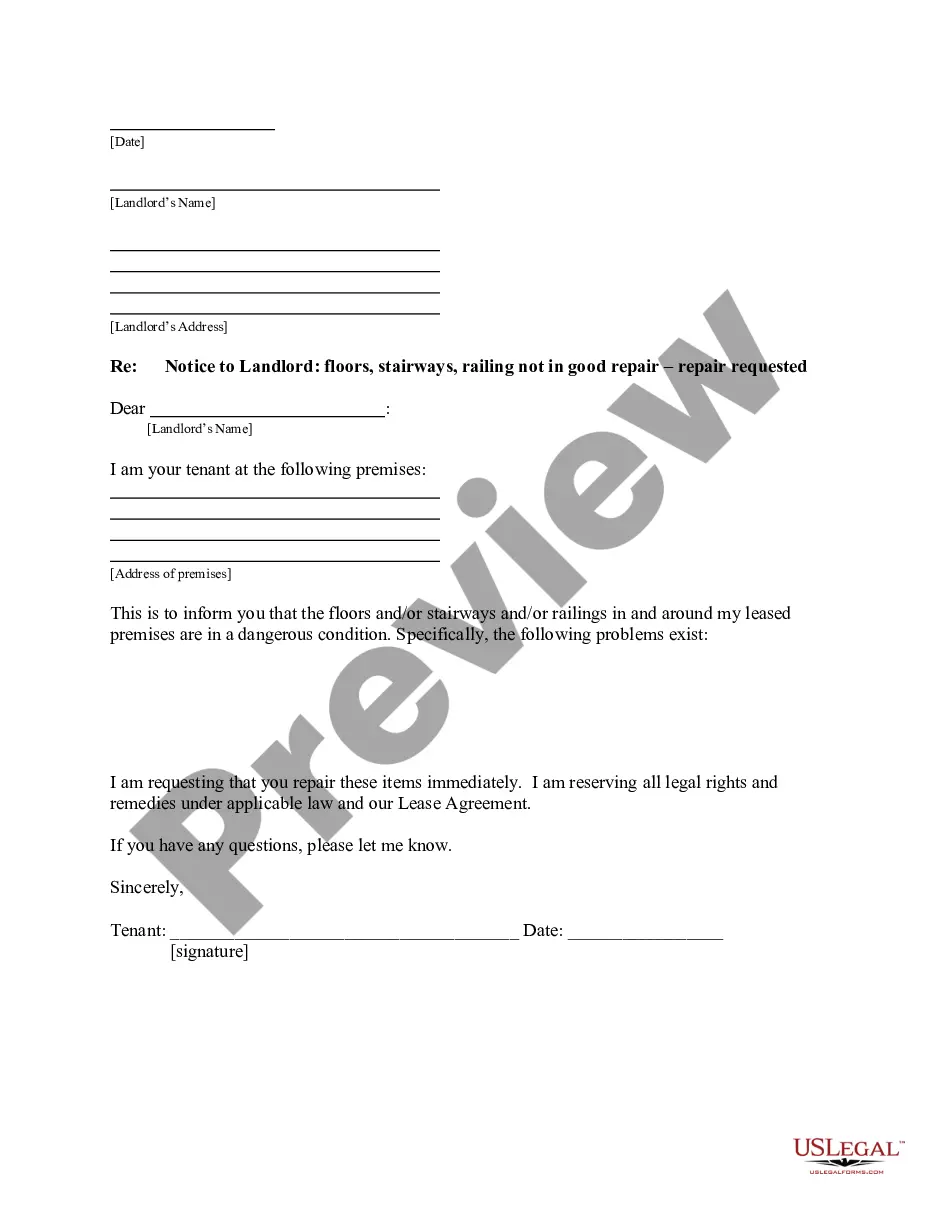
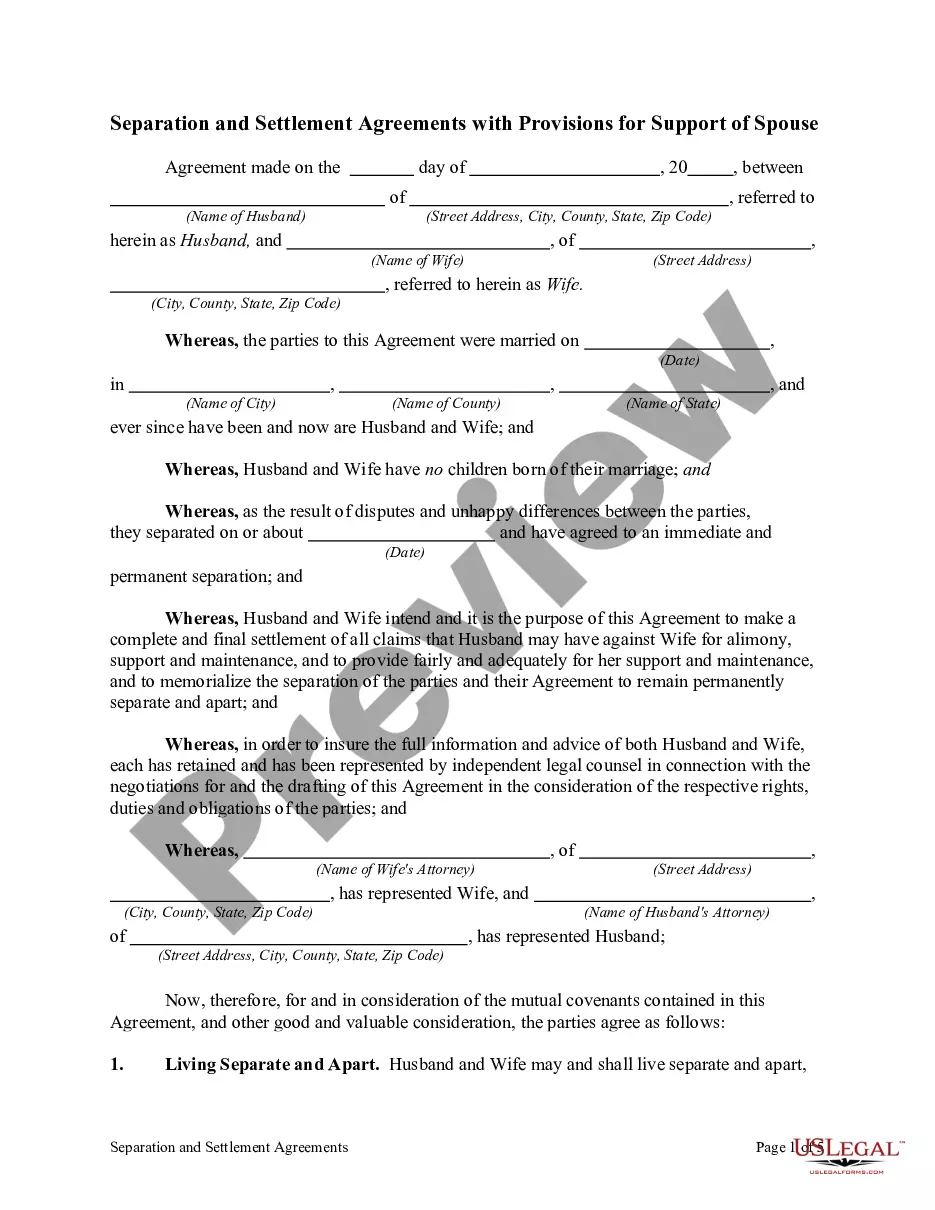
Agreement Spousal Form For Real Estate
Description

Get your form ready online
Our built-in tools help you complete, sign, share, and store your documents in one place.
Make edits, fill in missing information, and update formatting in US Legal Forms—just like you would in MS Word.
Download a copy, print it, send it by email, or mail it via USPS—whatever works best for your next step.
Sign and collect signatures with our SignNow integration. Send to multiple recipients, set reminders, and more. Go Premium to unlock E-Sign.
If this form requires notarization, complete it online through a secure video call—no need to meet a notary in person or wait for an appointment.
We protect your documents and personal data by following strict security and privacy standards.

Make edits, fill in missing information, and update formatting in US Legal Forms—just like you would in MS Word.

Download a copy, print it, send it by email, or mail it via USPS—whatever works best for your next step.

Sign and collect signatures with our SignNow integration. Send to multiple recipients, set reminders, and more. Go Premium to unlock E-Sign.

If this form requires notarization, complete it online through a secure video call—no need to meet a notary in person or wait for an appointment.

We protect your documents and personal data by following strict security and privacy standards.
Looking for another form?





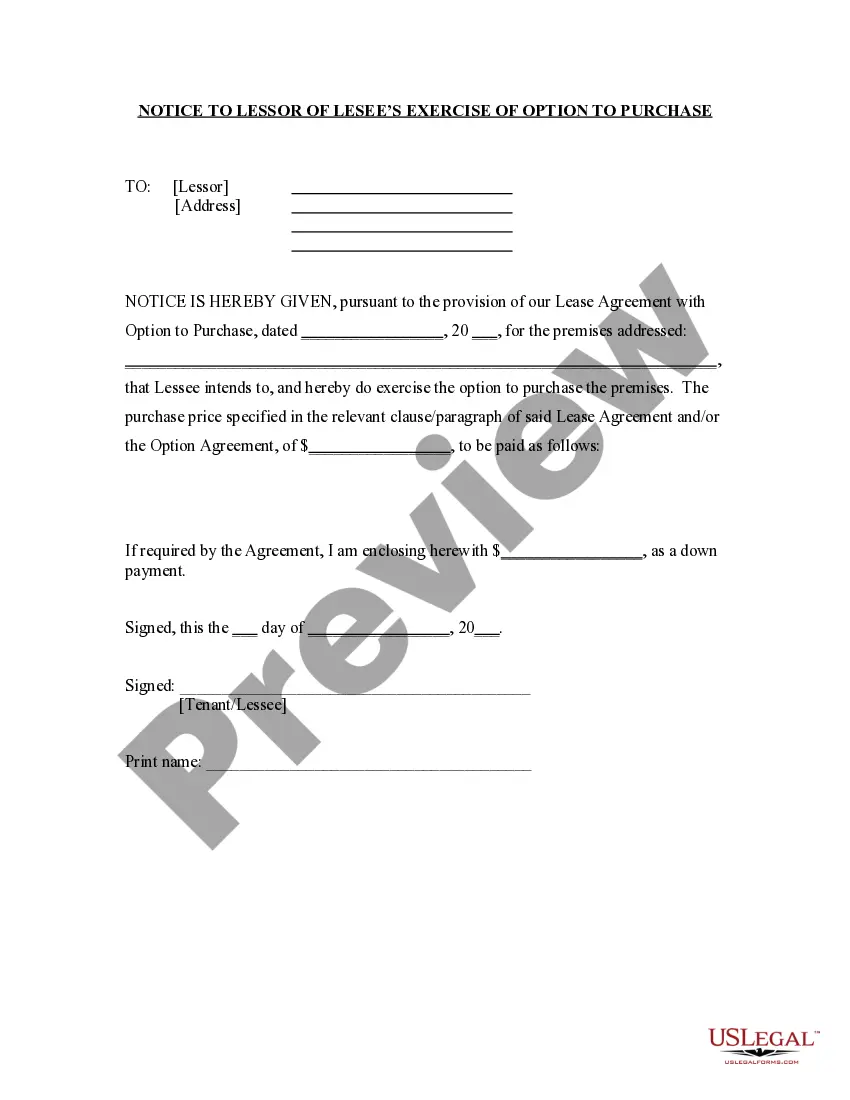



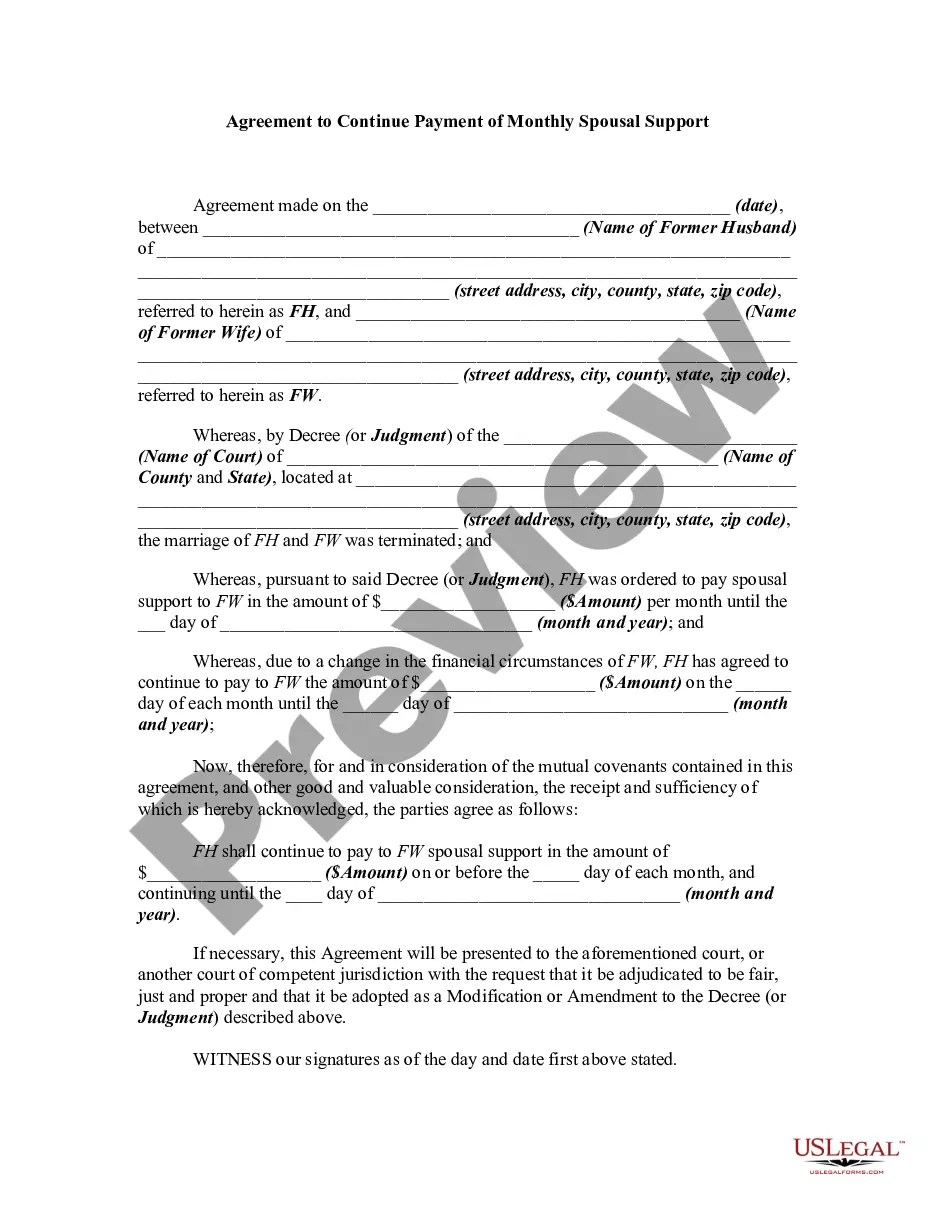
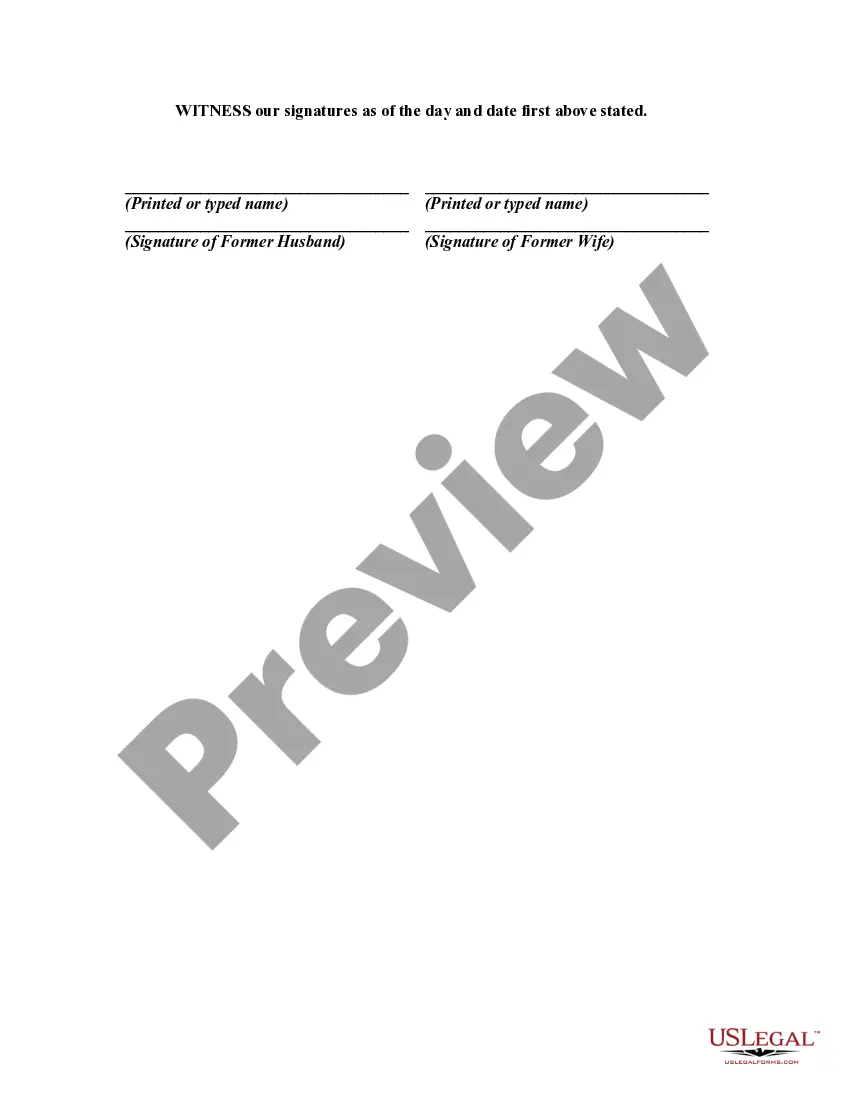
How to fill out Agreement To Continue Payment Of Monthly Spousal Support?
Individuals commonly link legal documentation with something complicated that only an expert can manage.
In some respects, this is accurate, as creating the Spousal Agreement Form for Real Estate requires considerable expertise in the subject matter, including local and regional regulations.
Nonetheless, with US Legal Forms, the process has become more straightforward: pre-made legal documents for any personal or business situation tailored to state laws are compiled in a single online repository and are now accessible to everyone.
All templates in our inventory are reusable: once purchased, they remain saved in your profile. You can access them anytime via the My documents section. Explore all the advantages of utilizing the US Legal Forms platform. Subscribe today!
- US Legal Forms provides over 85,000 current forms categorized by state and area of use, making the search for the Spousal Agreement Form for Real Estate or any other specific template quick and easy.
- Existing users with an active subscription must Log In to their account and click Download to retrieve the form.
- New users will need to create an account and subscribe before they can save any documentation.
- Here is a step-by-step guide on how to obtain the Spousal Agreement Form for Real Estate.
- Carefully review the page content to ensure it meets your requirements.
- Examine the form description or view it using the Preview option.
- Use the Search bar in the header to find another template if the previous one does not meet your needs.
- Click Buy Now when you find the appropriate Spousal Agreement Form for Real Estate.
- Choose a subscription plan that aligns with your needs and budget.
- Sign up for an account or Log In to continue to the payment page.
- Make the payment for your subscription using PayPal or a credit card.
- Select the format for your document and click Download.
Form popularity
FAQ
Conjugal property is property that belongs to both spouses. The family home is often part of conjugal property. When you marry, part or all of your property becomes conjugal property. Part or all of your spouse's property also becomes conjugal property.
A: A community property state is one in which the law provides that all marital property is divided equally between spouses upon divorce. In other words, each spouse is presumed to own an undivided one-half interest in the property. Minnesota is not a community property state.
The concept of what is a spousal property (also known as marital property) and what is a separate property is a matter of confusion, but what is understood so far is that spousal property includes all the movable or immovable property bought by the husband or wife through their mixed earnings after marriage or a
A Florida marital settlement agreement, also referred to as an MSA, is a contract that sets forth the terms agreed upon by a couple as it relates to their rights and responsibilities after divorce.
Community property is property that is owned equally by the spouses. Generally, in community property states, money earned by the spouses during marriage and all property bought with those earnings are considered community property. Likewise, spouses are equally responsible for debts incurred during marriage.