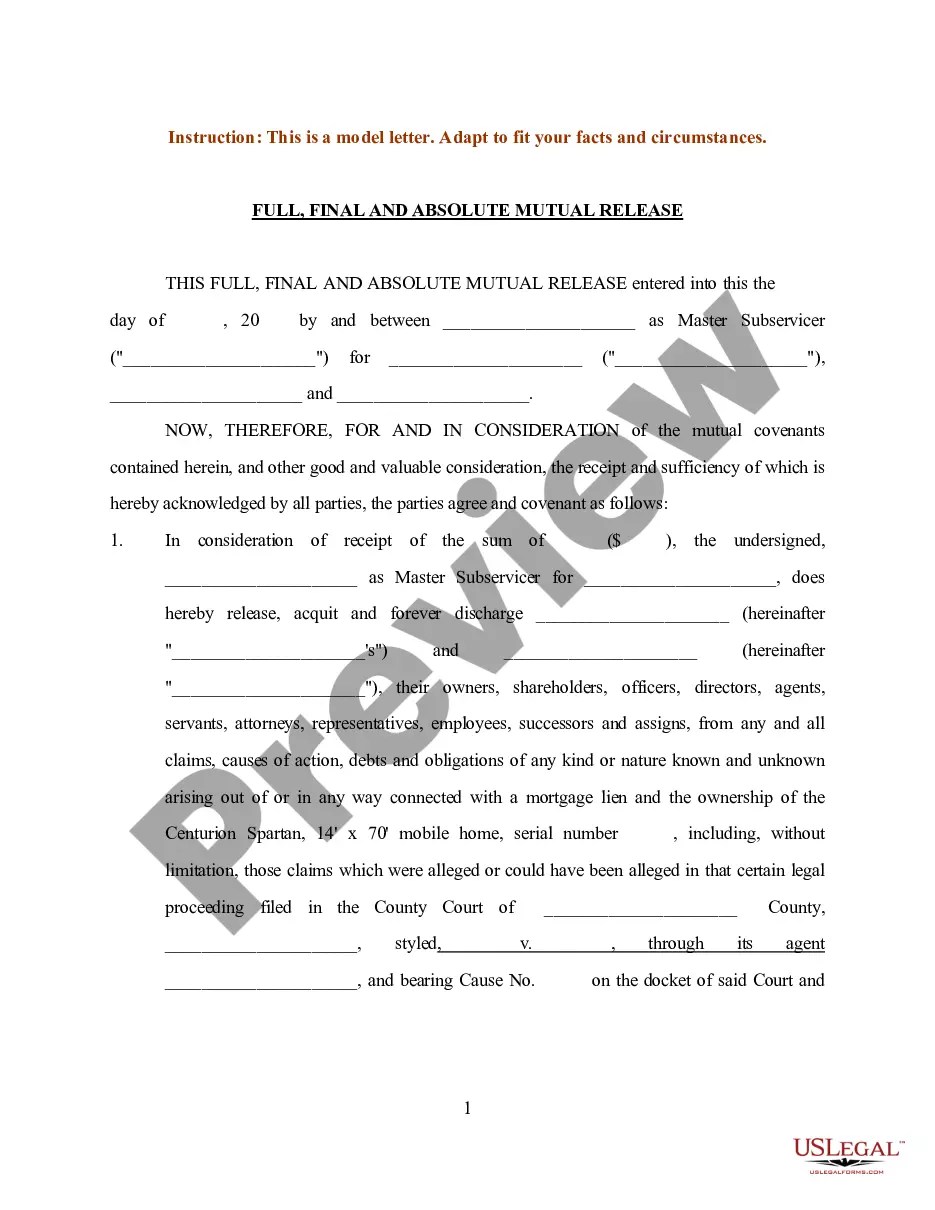
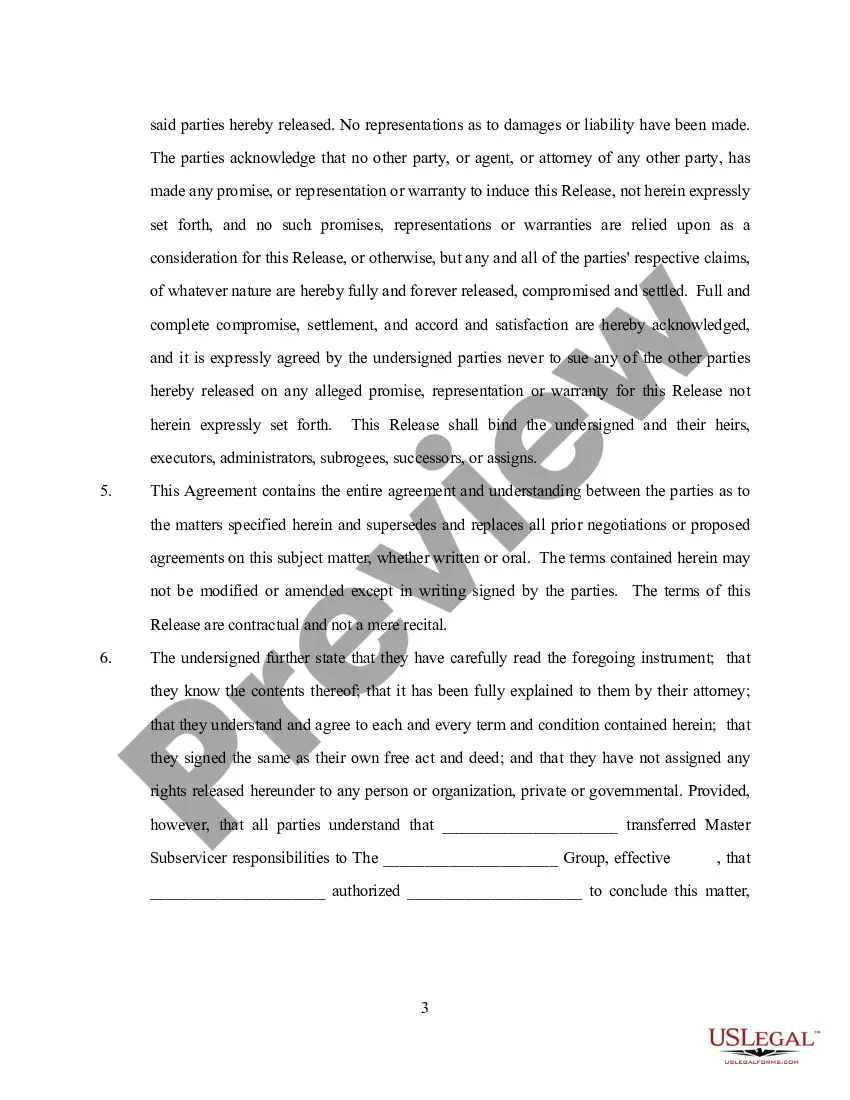
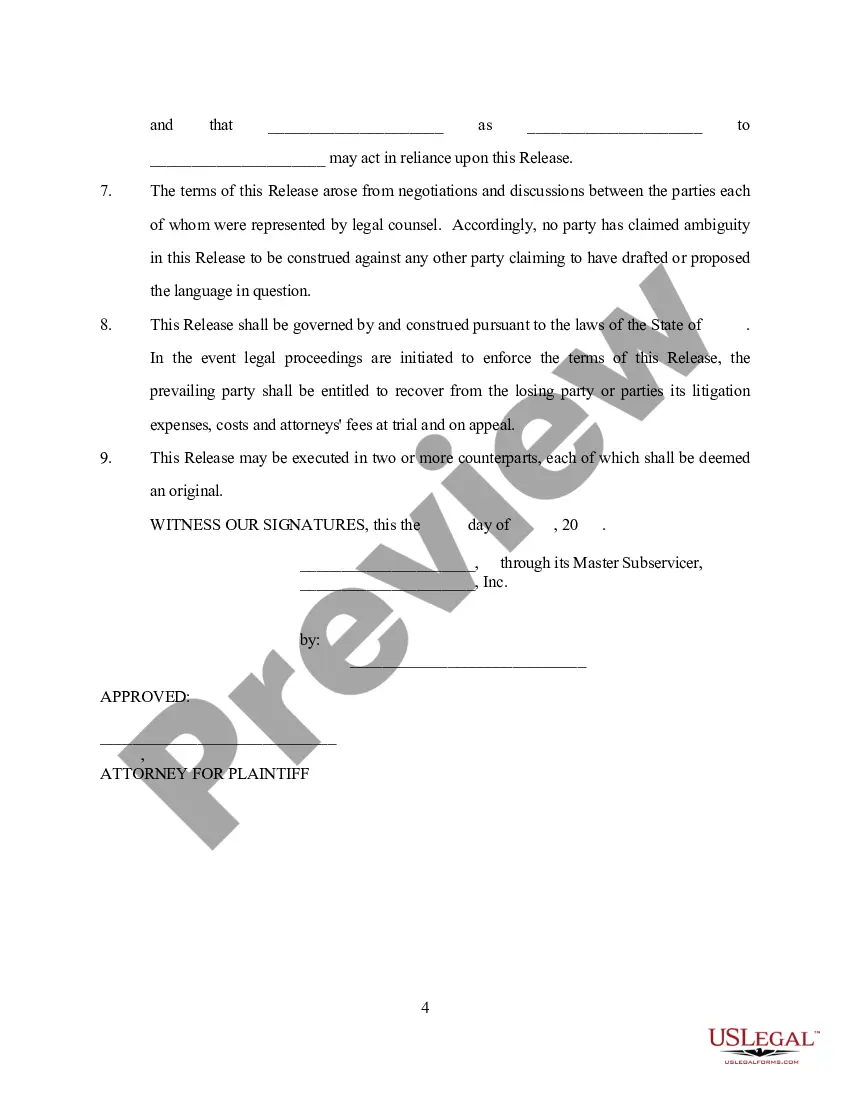
Final Settlement Letter For Employees
Description


Get your form ready online
Our built-in tools help you complete, sign, share, and store your documents in one place.
Make edits, fill in missing information, and update formatting in US Legal Forms—just like you would in MS Word.
Download a copy, print it, send it by email, or mail it via USPS—whatever works best for your next step.
Sign and collect signatures with our SignNow integration. Send to multiple recipients, set reminders, and more. Go Premium to unlock E-Sign.
If this form requires notarization, complete it online through a secure video call—no need to meet a notary in person or wait for an appointment.
We protect your documents and personal data by following strict security and privacy standards.

Make edits, fill in missing information, and update formatting in US Legal Forms—just like you would in MS Word.

Download a copy, print it, send it by email, or mail it via USPS—whatever works best for your next step.

Sign and collect signatures with our SignNow integration. Send to multiple recipients, set reminders, and more. Go Premium to unlock E-Sign.

If this form requires notarization, complete it online through a secure video call—no need to meet a notary in person or wait for an appointment.

We protect your documents and personal data by following strict security and privacy standards.
Looking for another form?


Form popularity
FAQ
The maximum time for full and final settlement can vary by company and local laws, but typically, it ranges from a few weeks to two months. It is essential for your employer to process any outstanding payments and documentation promptly. Delays can occur due to various factors, including administrative processes. If you're facing delays, a final settlement letter for employees may help clarify your entitlements and promote faster resolution.
A full and final settlement letter often includes elements of a relieving letter, but they are not the same. While the former details financial aspects upon exiting a job, it may not explicitly state that you have been relieved of your duties. It is best to request both letters to ensure you have clear documentation for your future employment needs. This way, your final settlement letter for employees will offer a robust conclusion to your previous role.
The full and final settlement letter after resignation is an official document that outlines the conclusion of your employment with a company. It summarizes any dues, benefits, or final payments owed to you. This letter is crucial for maintaining transparency during the exit process and serves as proof of your final settlement. Obtaining a proper final settlement letter for employees is essential for a smooth transition to your next role.
A relieving letter and an experience letter serve different purposes, although they are often confused. The relieving letter confirms that you have completed your employment and have no outstanding obligations. In contrast, the experience letter attests to your tenure and performance. Both documents can be part of the final settlement letter for employees, ensuring clarity for your future job applications.
When referring to the final settlement, it implies the completion of all financial transactions related to an employee’s exit from the company. This encompasses the payment of salaries, bonuses, and any outstanding expenses. A clear understanding of what the final settlement entails helps in preventing any potential conflicts. Thus, acquiring a final settlement letter for employees guarantees that all obligations are met and documented.
A final settlement letter is a comprehensive document that confirms the financial conclusion of an employee’s tenure with the organization. This letter includes information about the final payment, deductions, and any other benefits that were part of the employee’s package. It serves as proof for both parties that all accounts have been settled amicably. For employees, obtaining a final settlement letter for employees is a vital step in ensuring their rights are protected.
A settlement letter is a document that formalizes the terms agreed upon between an employer and an employee regarding the conclusion of their employment. It details the financial and legal commitments that have been satisfied. The letter is vital as it helps prevent future disputes over unpaid dues or misunderstandings. Therefore, having a final settlement letter for employees is essential for maintaining clarity and mutual understanding.
Final settlement refers to the conclusive process of closing an employee's account with the employer at the end of their employment. This process includes settling payments related to salary, bonuses, and any pending expenses. The ultimate goal is to ensure that both the employer and employee are clear that all financial obligations have been fulfilled. Receiving a final settlement letter for employees confirms that all matters are resolved.
The FnF letter, or Full and Final letter, is a formal document that an employer provides to an employee upon termination of their employment. This letter outlines the final payment details, including any pending dues, bonuses, or accrued leave. Essentially, it serves as proof that the employer has settled all financial obligations towards the employee. It is crucial for employees to obtain this final settlement letter for employees to ensure they have received everything owed.
The final settlement for an employee includes all dues owed by the employer at the time of an employee's exit from the organization. This encompasses salary, bonuses, and any other payments that may be due based on company policies and employment contracts. A detailed final settlement letter for employees should specify all these elements to prevent any disputes.