Married Name In Nee
Description
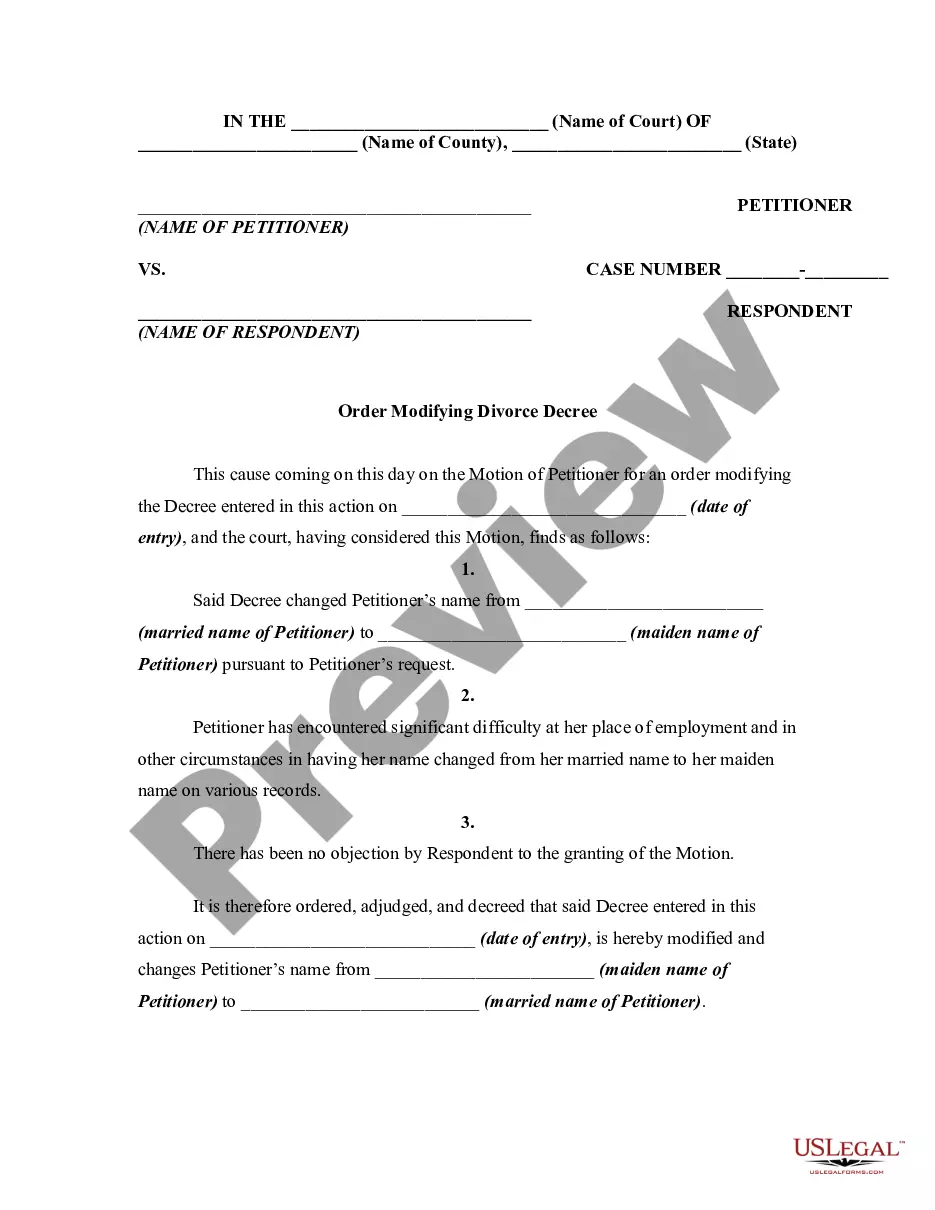
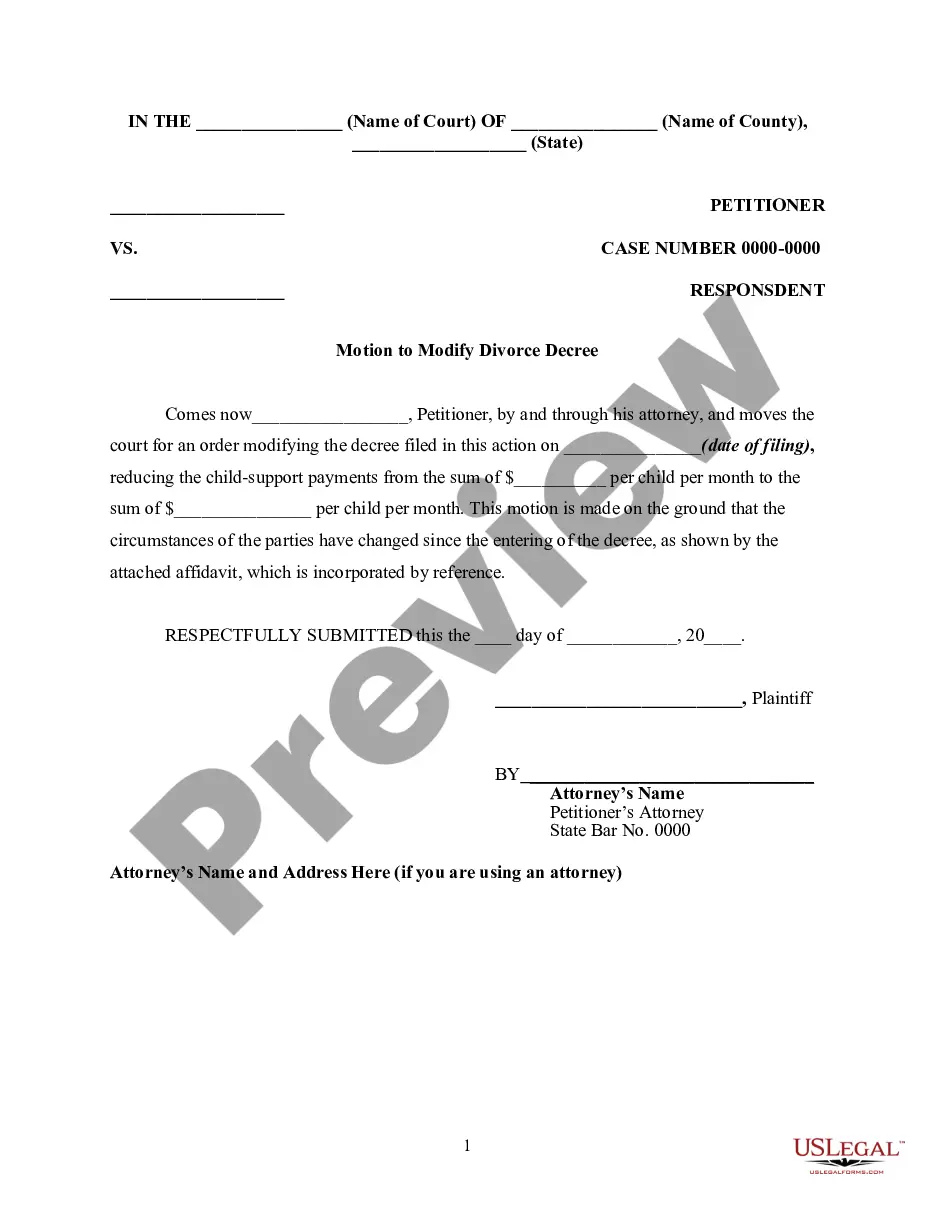
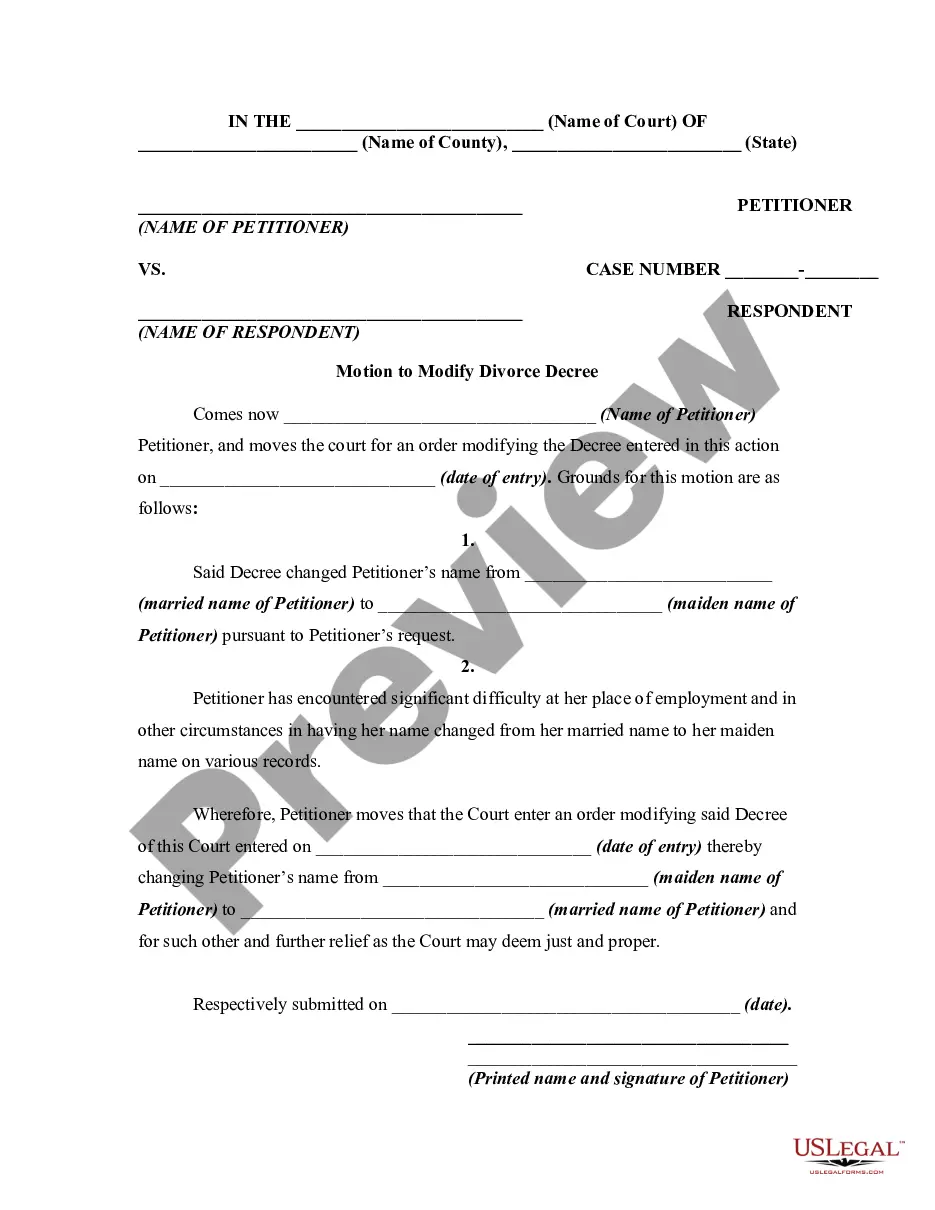
Get your form ready online
Our built-in tools help you complete, sign, share, and store your documents in one place.
Make edits, fill in missing information, and update formatting in US Legal Forms—just like you would in MS Word.
Download a copy, print it, send it by email, or mail it via USPS—whatever works best for your next step.
Sign and collect signatures with our SignNow integration. Send to multiple recipients, set reminders, and more. Go Premium to unlock E-Sign.
If this form requires notarization, complete it online through a secure video call—no need to meet a notary in person or wait for an appointment.
We protect your documents and personal data by following strict security and privacy standards.

Make edits, fill in missing information, and update formatting in US Legal Forms—just like you would in MS Word.

Download a copy, print it, send it by email, or mail it via USPS—whatever works best for your next step.

Sign and collect signatures with our SignNow integration. Send to multiple recipients, set reminders, and more. Go Premium to unlock E-Sign.

If this form requires notarization, complete it online through a secure video call—no need to meet a notary in person or wait for an appointment.

We protect your documents and personal data by following strict security and privacy standards.
Looking for another form?






How to fill out Order Modifying Or Amending Divorce Decree To Change Name Back To Married Name?
Locating a reliable source for obtaining the latest and pertinent legal documents is a significant part of navigating bureaucracy. Securing the appropriate legal forms requires accuracy and meticulousness, which is why it is essential to acquire samples of Married Name In Nee exclusively from credible providers, such as US Legal Forms. An incorrect template can squander your time and delay the matter at hand. With US Legal Forms, there is minimal to worry about. You can access and examine all the specifics regarding the document’s applicability and significance for your circumstances and within your state or county.
Consider the following steps to complete your Married Name In Nee.
Once you have the form on your device, you can modify it using the editor or print it out and complete it by hand. Eliminate the stress associated with your legal paperwork. Explore the vast US Legal Forms library where you can discover legal templates, assess their relevance to your situation, and download them instantly.
- Utilize the catalog navigation or search bar to find your template.
- Review the form’s details to confirm if it aligns with the requirements of your state and locality.
- Check the form preview, if available, to ensure it is the correct document.
- Return to the search and find the appropriate template if the Married Name In Nee does not meet your criteria.
- When you are certain about the form’s applicability, download it.
- If you are a registered user, click Log in to verify your identity and access your chosen forms in My documents.
- If you do not have an account yet, click Buy now to purchase the form.
- Select the pricing plan that suits your needs.
- Proceed with the registration to complete your transaction.
- Finalize your purchase by selecting a payment method (credit card or PayPal).
- Choose the file format for downloading Married Name In Nee.
Form popularity
FAQ
To properly include your maiden name with your married name, you should use the word 'née' to indicate your birth name. For example, you can format it as 'Jane Smith, née Doe.' This format clearly shows your transition from your maiden name to your married name. Using this approach helps maintain clarity, especially in legal documents and formal contexts, where understanding your identity is essential.
Yes, you can use 'nee' for a previous married name, but it typically refers to your maiden name. If someone changes their name multiple times, they may choose to indicate all names for clarity. It is essential to ensure that the context is understood by others when you mention your married name in nee. USLegalForms can help you navigate the legal implications and documentation needed for name changes.
The correct way to write 'nee' is to use it followed by your maiden name, which indicates your birth name. For example, if Jane Smith marries John Doe, she can be referred to as Jane Doe, nee Smith. This format clearly communicates your married name in nee, helping others understand your identity. If you need assistance with legal documents reflecting this change, consider using USLegalForms for an easy and efficient process.
To write your maiden name with your married name, you typically include the phrase 'nee' followed by your maiden name. For example, if your name is Jane Smith and you marry John Doe, you would write it as Jane Doe, nee Smith. This format clearly indicates your original surname while also recognizing your new married name. If you need more help with legal documentation or name changes, UsLegalForms offers resources to guide you through the process efficiently.
Hyphenated last names may also be called a double surname or double-barrelled surname. For example, Sarah Smith marries Adam Jones. A hyphenated last name would be Smith-Jones or Jones-Smith. It's your choice which name comes first.
You can go the "traditional" route and list your "maiden" name first, or you could choose to list your new last name first, followed by your original last name. Some couples decide to have both partners change to the hyphenated last name, as a show of unity and equality.
The usual form would be First Name Maiden Name Married Name. For example, Elizabeth Brewster Smith.
Use the word nee when you refer to a person's original, birth name. If your neighbor was Mary Jones until she got married to Larry White, you could introduce her to someone else as "Mary White, nee Jones." If a woman marries and adopts her husband's last name, her former name becomes a thing of the past.
Usage note For nee Nee has long been used in English, as in French, to pair a woman's married name with her maiden name. Since women are more likely to change their names in adulthood, the feminine-inflected form of this French word, spelled with a second letter e, is the one most widely used and recognized.