Life Insurance Trust For Children
Description




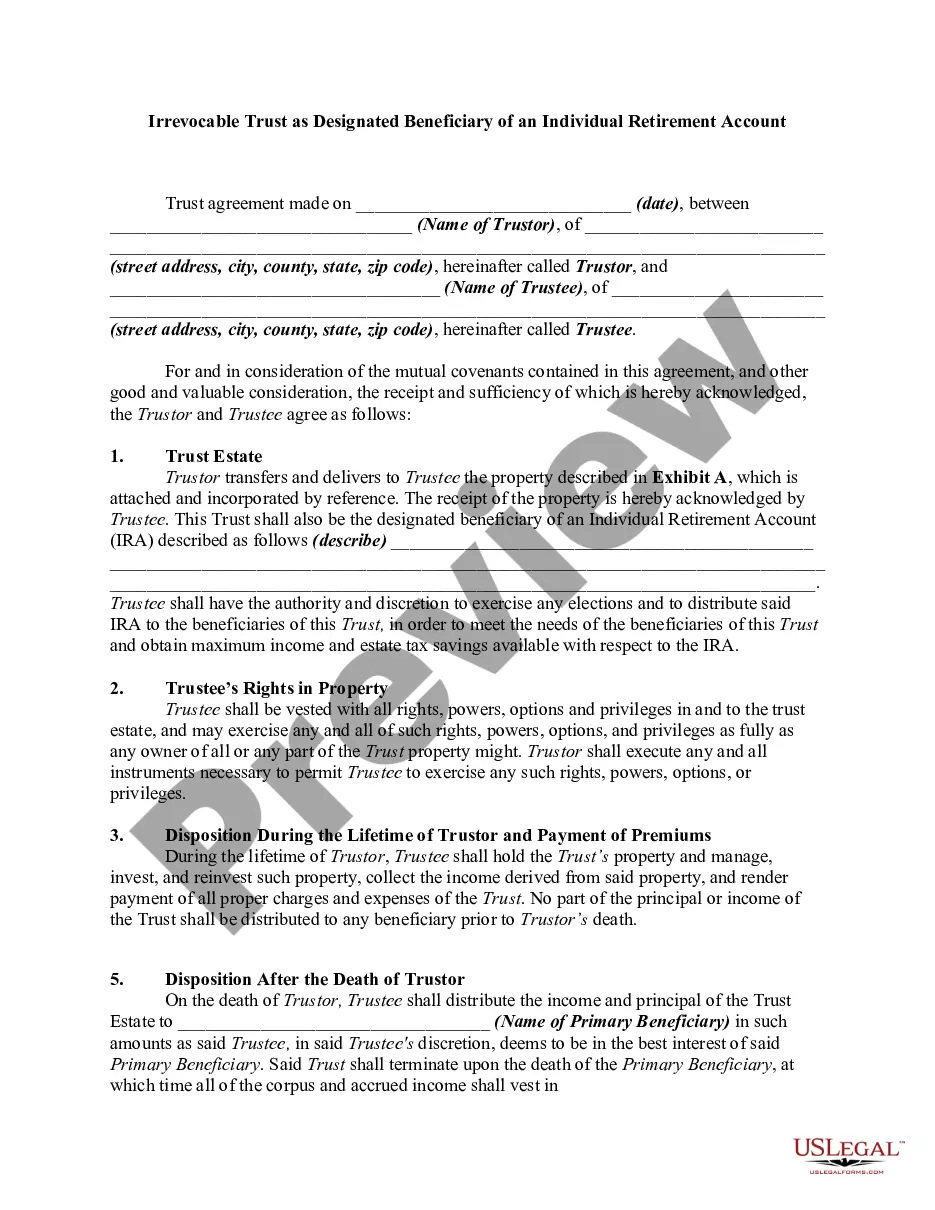


Get your form ready online
Our built-in tools help you complete, sign, share, and store your documents in one place.
Make edits, fill in missing information, and update formatting in US Legal Forms—just like you would in MS Word.
Download a copy, print it, send it by email, or mail it via USPS—whatever works best for your next step.
Sign and collect signatures with our SignNow integration. Send to multiple recipients, set reminders, and more. Go Premium to unlock E-Sign.
If this form requires notarization, complete it online through a secure video call—no need to meet a notary in person or wait for an appointment.
We protect your documents and personal data by following strict security and privacy standards.

Make edits, fill in missing information, and update formatting in US Legal Forms—just like you would in MS Word.

Download a copy, print it, send it by email, or mail it via USPS—whatever works best for your next step.

Sign and collect signatures with our SignNow integration. Send to multiple recipients, set reminders, and more. Go Premium to unlock E-Sign.

If this form requires notarization, complete it online through a secure video call—no need to meet a notary in person or wait for an appointment.

We protect your documents and personal data by following strict security and privacy standards.
Looking for another form?










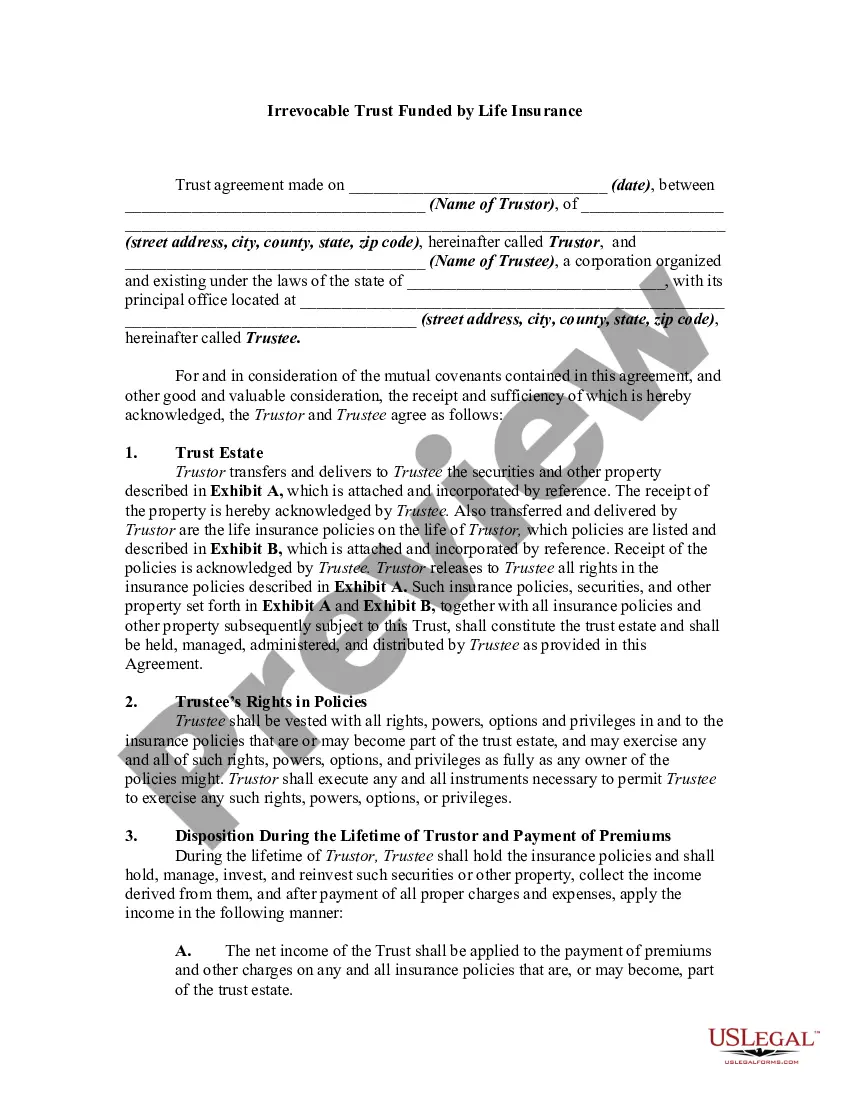
How to fill out Irrevocable Trust Funded By Life Insurance?
- Log in to your existing US Legal Forms account to download the necessary template. Ensure your subscription is active to avoid any interruptions.
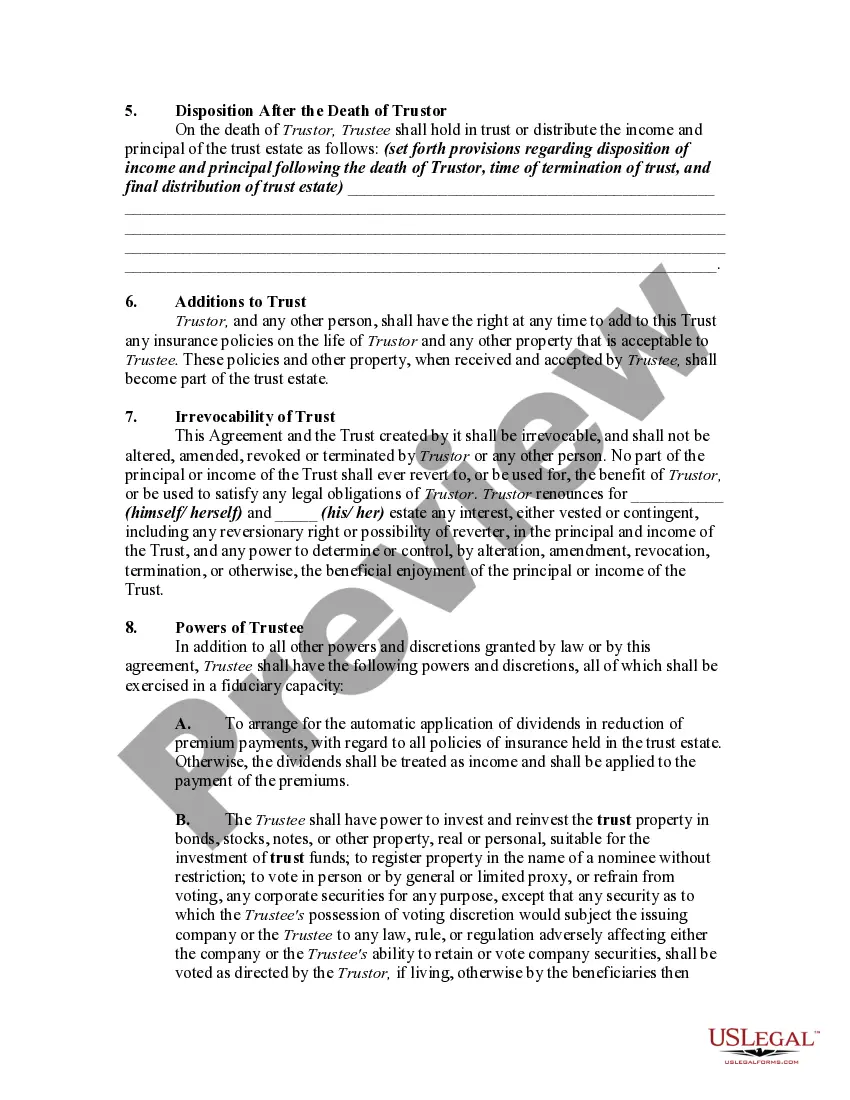
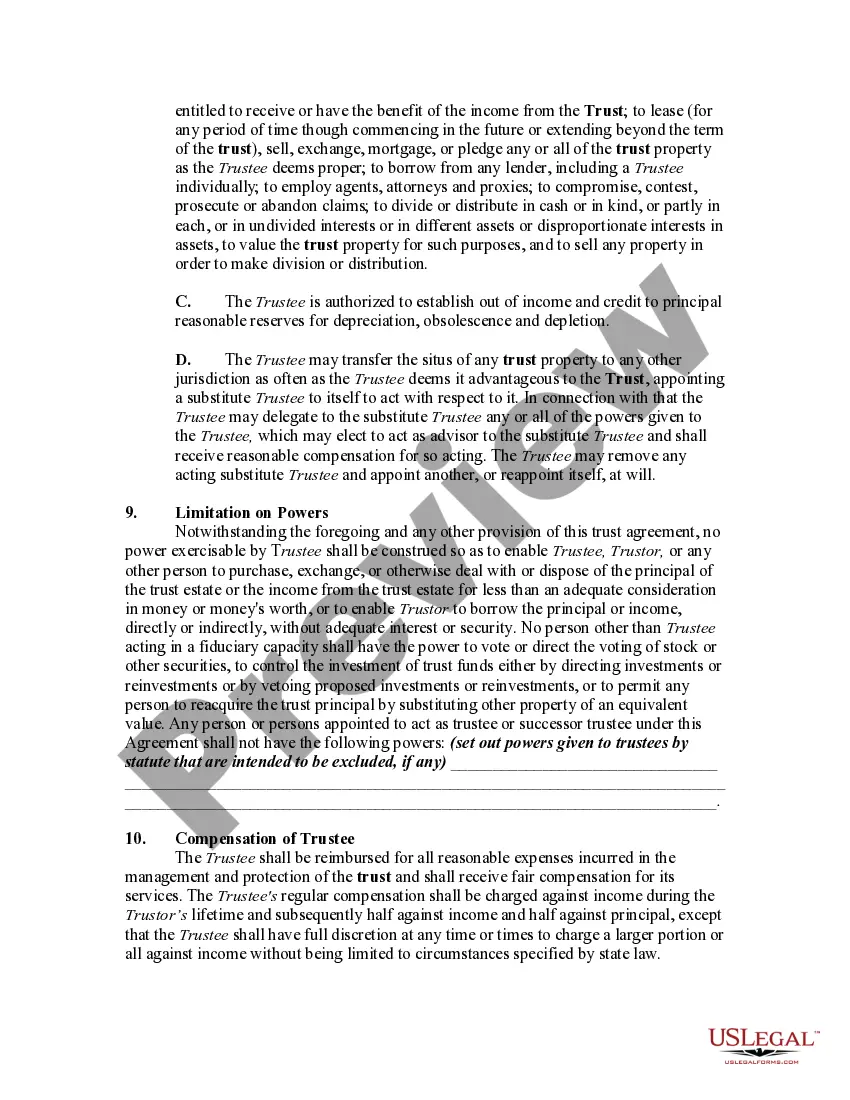
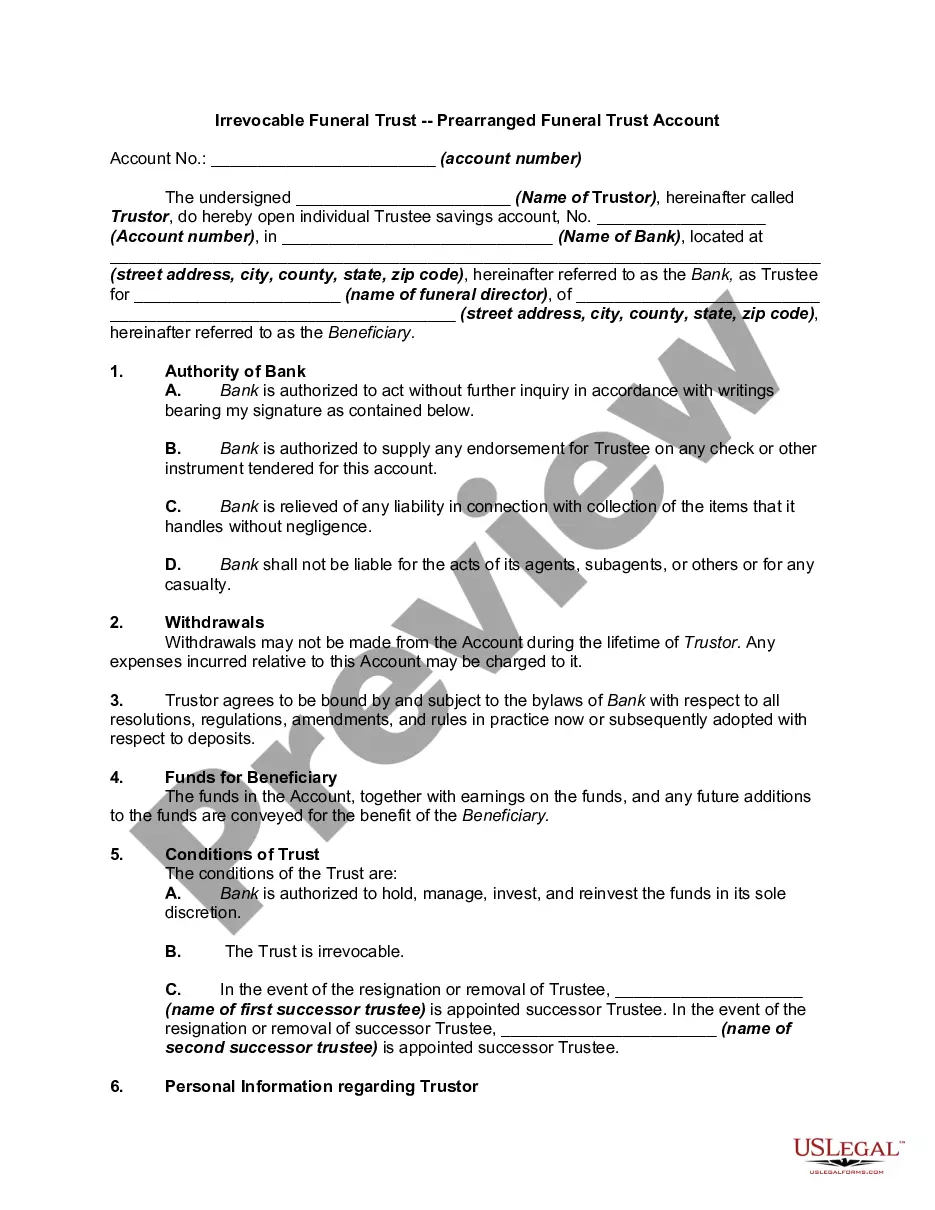
- If you are a new user, browse the extensive online library. Check the preview mode and description to choose the correct template that meets your legal needs.
- If needed, refine your search using the available tools to find a more suitable document.
- Select the template and click the 'Buy Now' button to choose your desired subscription plan.
- Complete your purchase by entering your payment details through credit card or PayPal.
- Once your payment is processed, download the document to your device. You can access it anytime through your profile in the My Forms section.
Navigating through the document creation process may seem daunting, but with US Legal Forms, you have access to a vast library of over 85,000 legal forms and packages designed to streamline your experience.
Start building your children's financial future today by creating a life insurance trust. Explore US Legal Forms and take your first step toward financial security!
Form popularity
FAQ
One significant problem with naming a trust as the beneficiary of a life insurance policy is the potential for legal complications. When dealing with a life insurance trust for children, you must ensure the trust is properly established and managed, or it may not provide the intended benefits. Additionally, the insurance proceeds may be tied up in legal disputes or delays if the trust does not meet certain criteria. Using platforms like US Legal Forms can help you create a life insurance trust for children correctly, ensuring assets are protected and distributed efficiently.
Setting up a life insurance trust for a child involves several key steps. First, work with an attorney specializing in trusts and estate planning to draft the trust document. You’ll want to designate the trust as the beneficiary of the life insurance policy, ensuring the funds go directly to your child’s trust. Additionally, platforms like US Legal Forms provide helpful templates and resources to guide you through each step of this process.
A life insurance trust may need to file a tax return if it generates income. If the trust is treated as a grantor trust, it often won’t require a separate return while the grantor is alive. However, once the grantor passes, it becomes essential to understand its tax obligations. Using resources like US Legal Forms can simplify the process for setting up your life insurance trust for children and addressing tax-related queries.
Yes, a life insurance trust does file a tax return under certain circumstances. If the trust earns income, it must report that income through a tax return, typically using Form 1041. Trusts created specifically to hold life insurance for children can be complex. Therefore, it's wise to consult with a tax expert to ensure all tax responsibilities are met.
A living trust typically does not need to file a tax return as long as the grantor is alive. The grantor’s Social Security number often serves for tax purposes. However, when the grantor passes away, the trust may need to file a return, especially if it becomes irrevocable. If you set up a life insurance trust for children, it's crucial to consult with a tax professional to manage any tax implications accurately.
To establish a trust for life insurance, start by choosing the right type of life insurance trust for children that meets your family's specific needs. It's essential to work with a qualified attorney or a financial advisor to draft the necessary trust documents. Once the trust is established, you will need to transfer the ownership of your life insurance policy to the trust. This process ensures that upon your passing, the trust will manage and distribute the policy's benefits according to your wishes, providing peace of mind for you and financial security for your children.
When considering a trust for children, a life insurance trust for children often proves to be an excellent choice. This type of trust allows you to transfer ownership of a life insurance policy, ensuring that the proceeds go directly to your children when they need it most. By using a life insurance trust, you can effectively manage how and when your children receive funds, providing financial security and protecting their interests. Additionally, this trust can help minimize potential tax implications, ensuring your children receive the full benefits.
Setting up a life insurance trust for your child involves several key steps. First, you need to choose the right type of trust that meets your needs and goals. Then, work with a legal professional to draft the trust document that outlines the terms and conditions. Finally, you will need to designate the trust as the beneficiary of your life insurance policy, ensuring the assets go directly to your child's trust upon your passing. Platforms like USLegalForms can help simplify the process with ready-made templates and guidance.
To ensure your kids receive your life insurance benefits, you should designate them as beneficiaries on your policy. Additionally, setting up a life insurance trust for children allows you to control how the funds are managed and disbursed after your passing. This strategy provides financial security and peace of mind, knowing your children will be protected. Always review your policy regularly to ensure your beneficiary designations are up to date.
One major mistake is failing to clearly define the terms of the trust. Parents often overlook specifying how and when the funds will be disbursed, which can lead to confusion and mismanagement. It's crucial to consider the needs and maturity levels of your children, ensuring the life insurance trust for children is structured with their best interests in mind. Consulting with a professional can help avoid these pitfalls.