Life Insurance - Tradução
Description
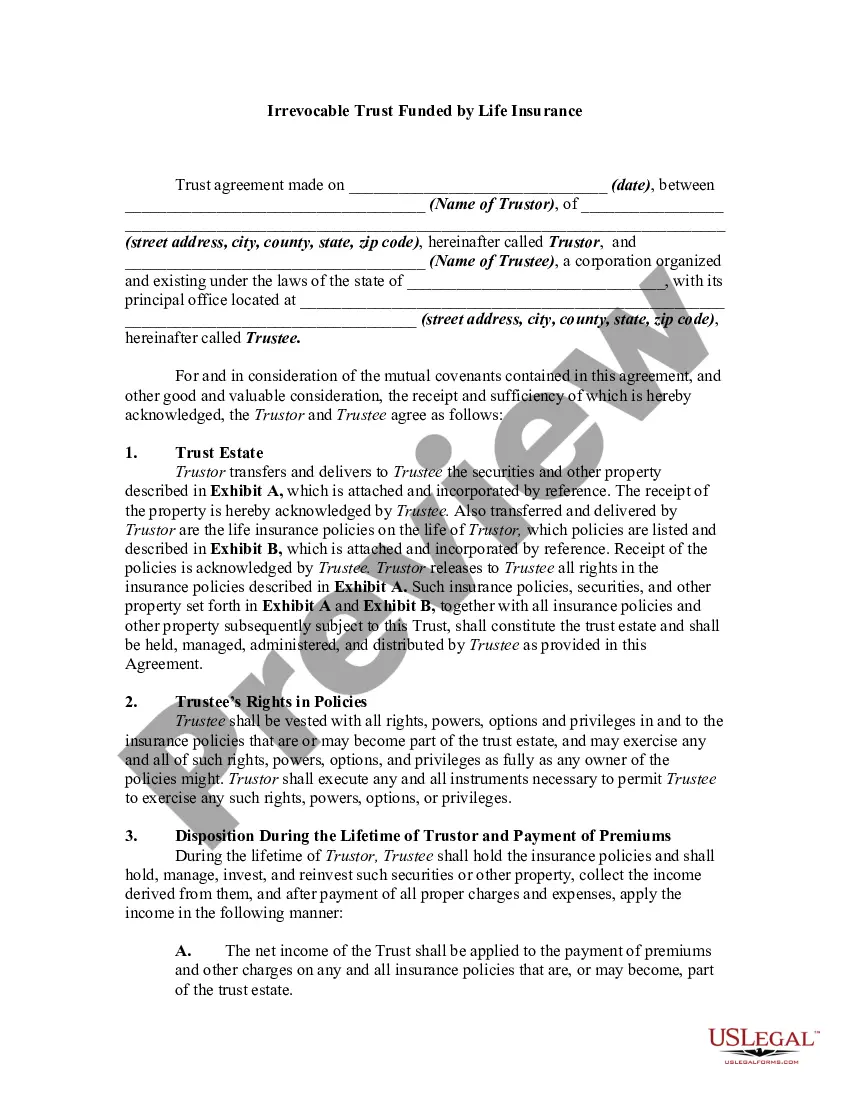
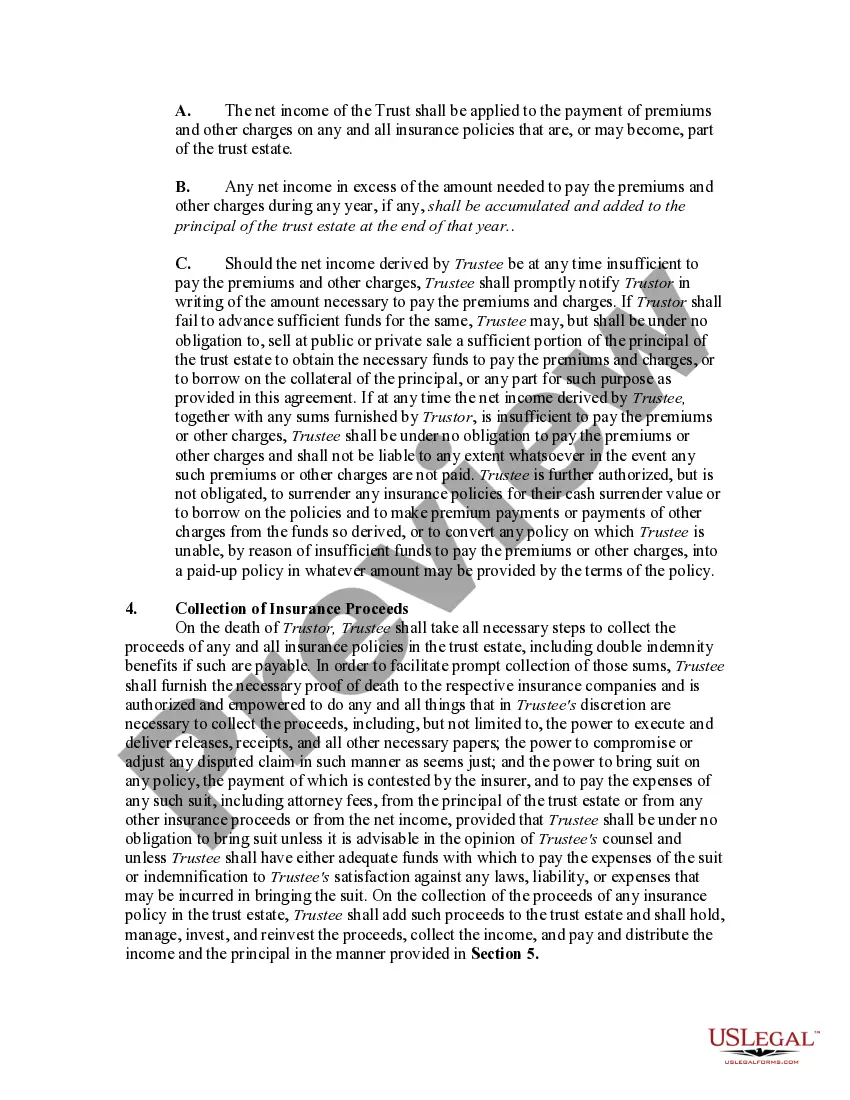
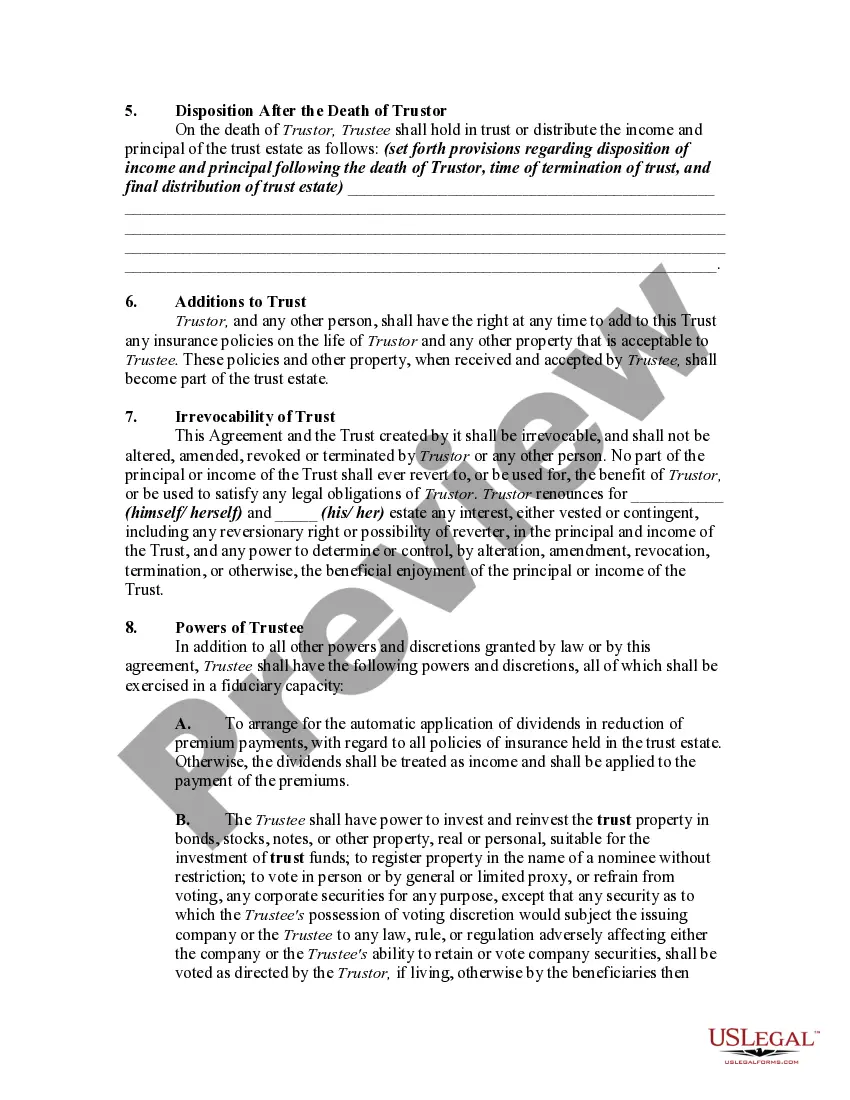
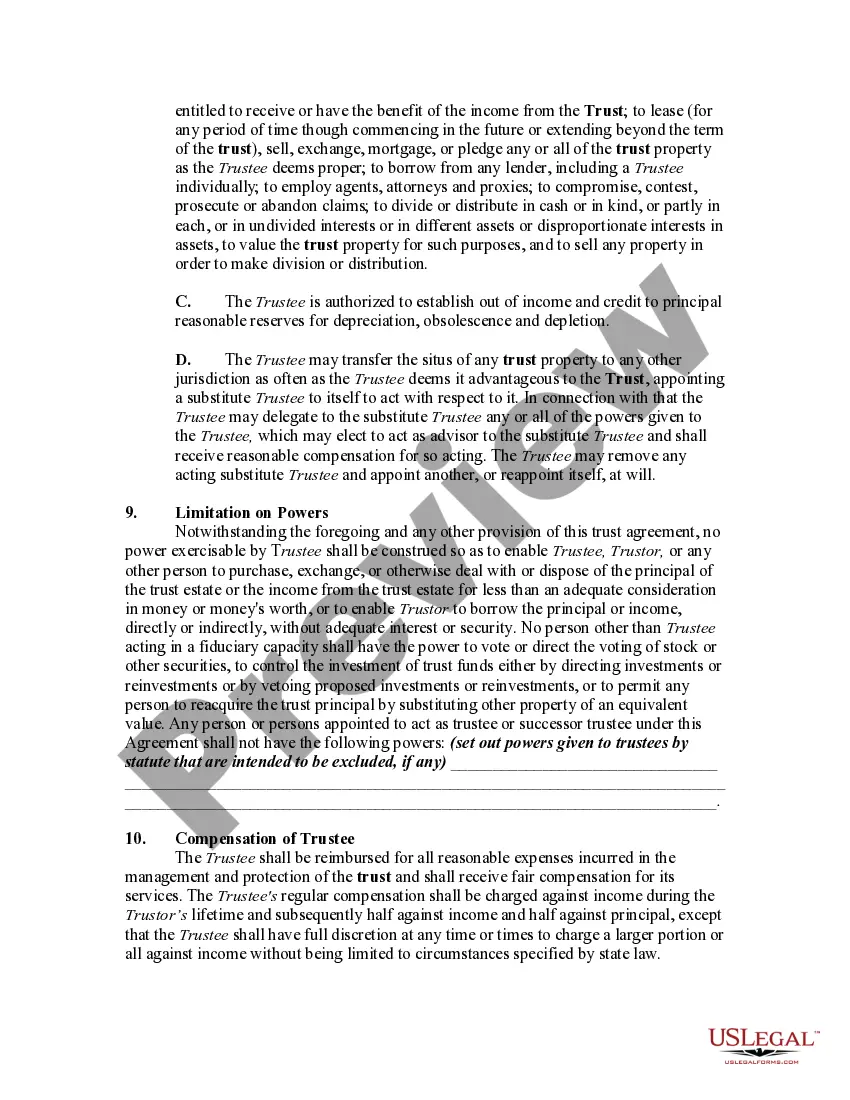
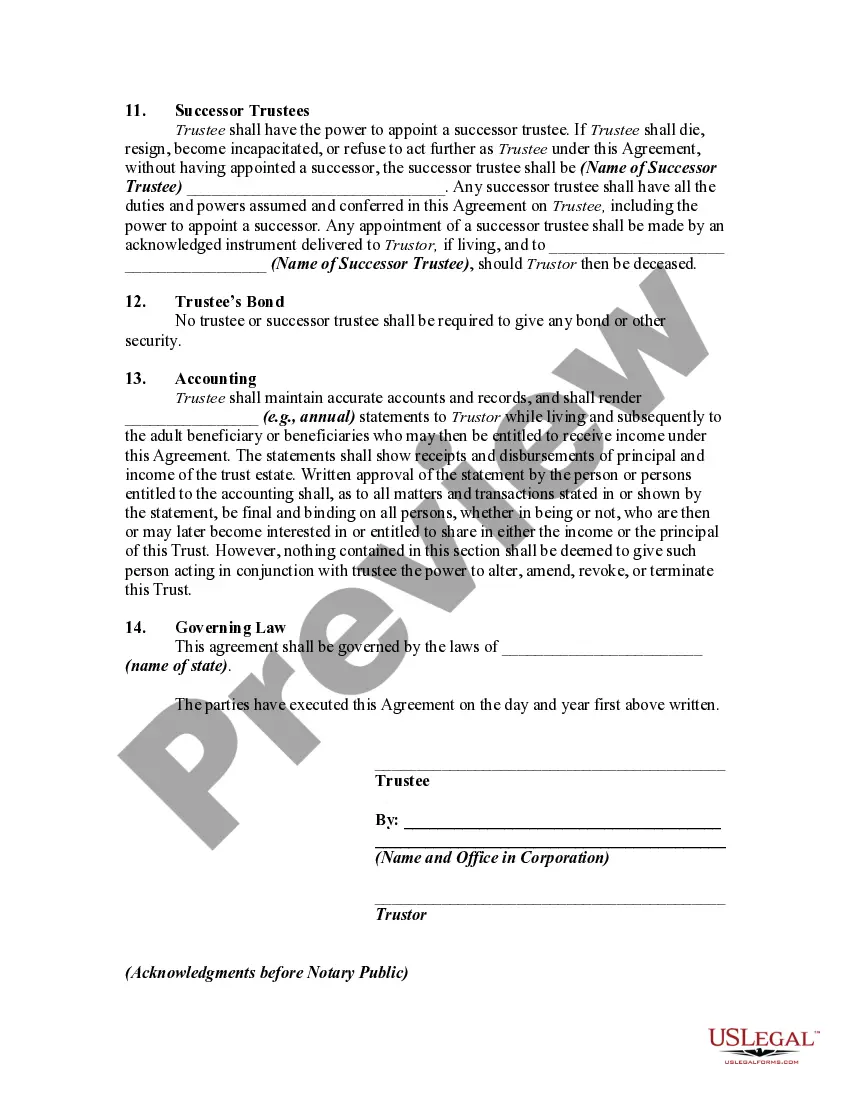

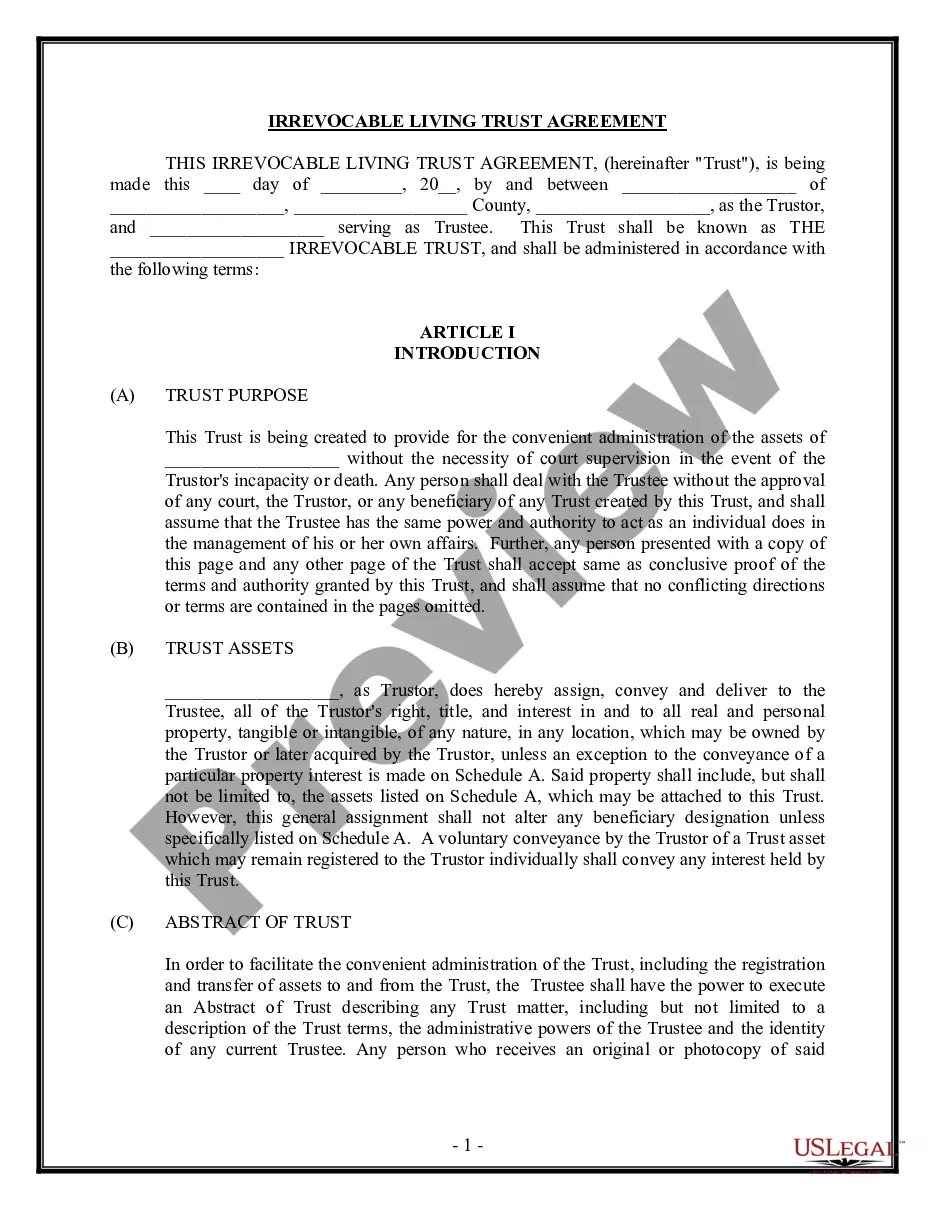
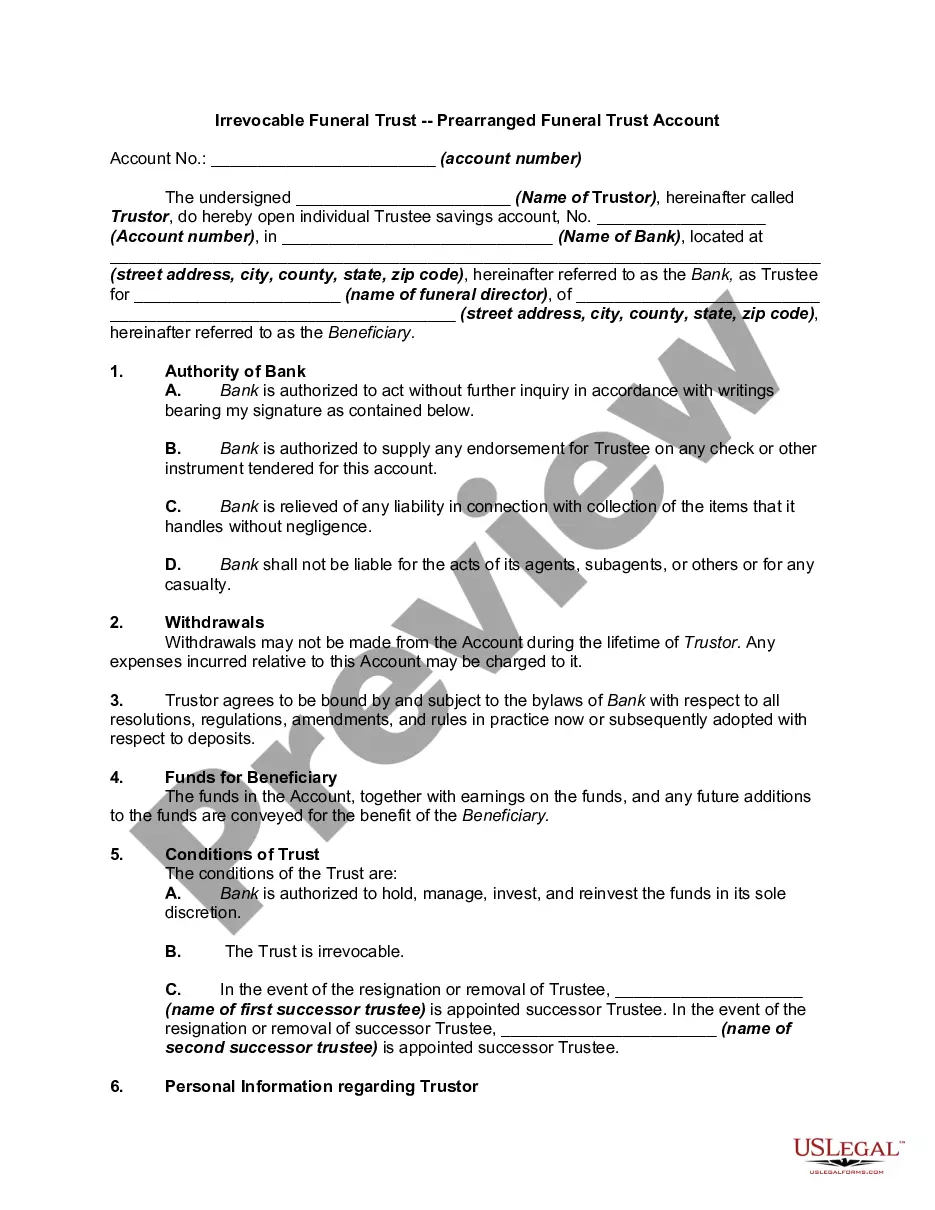
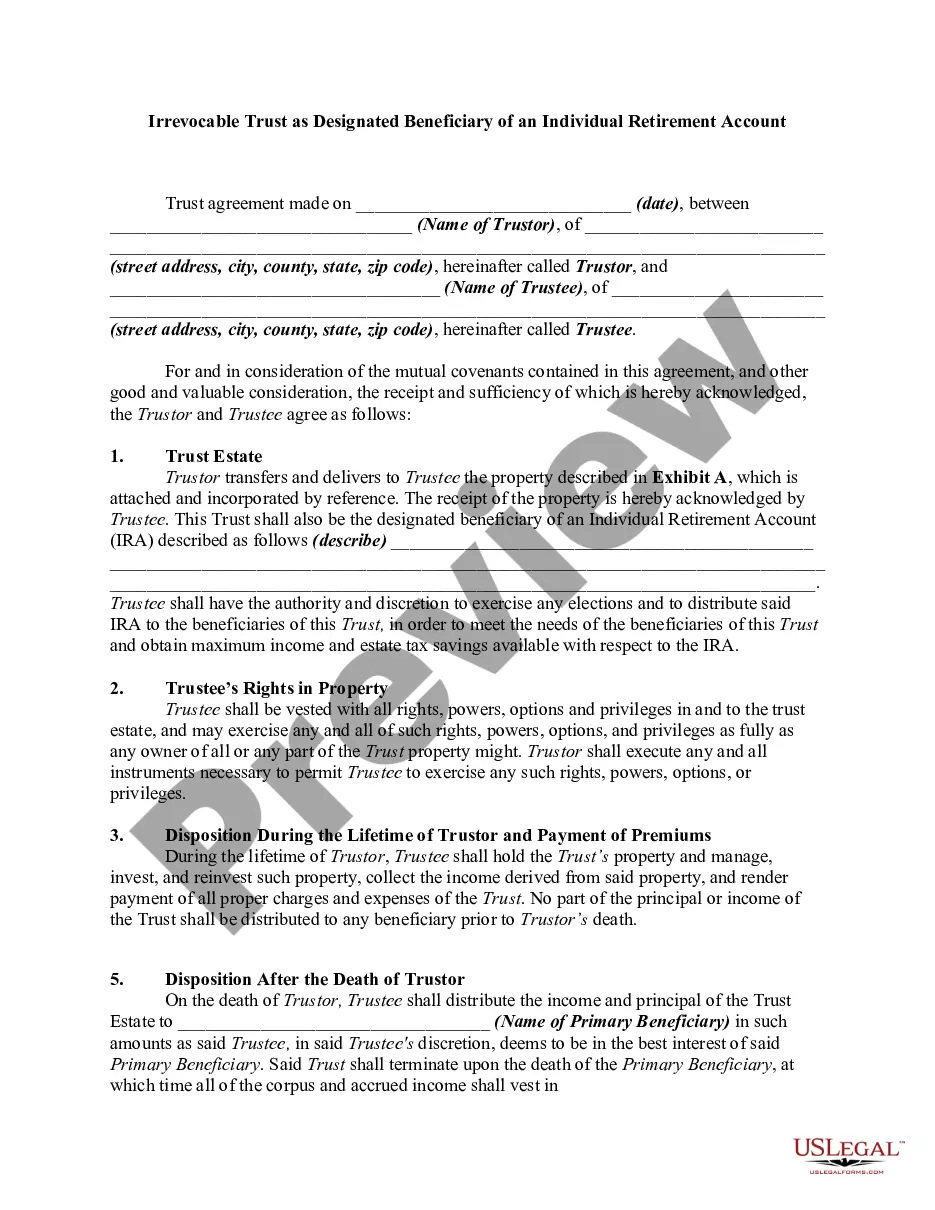
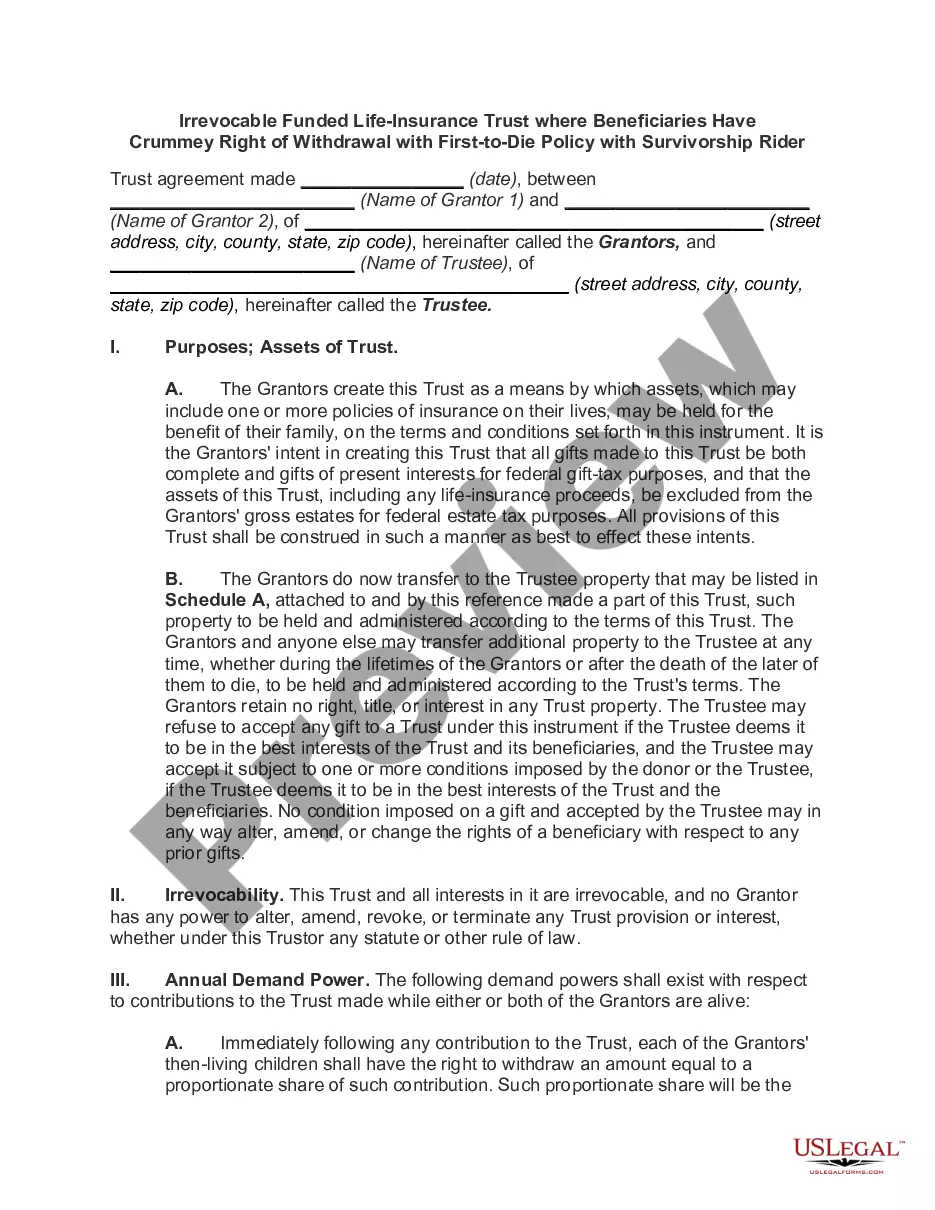
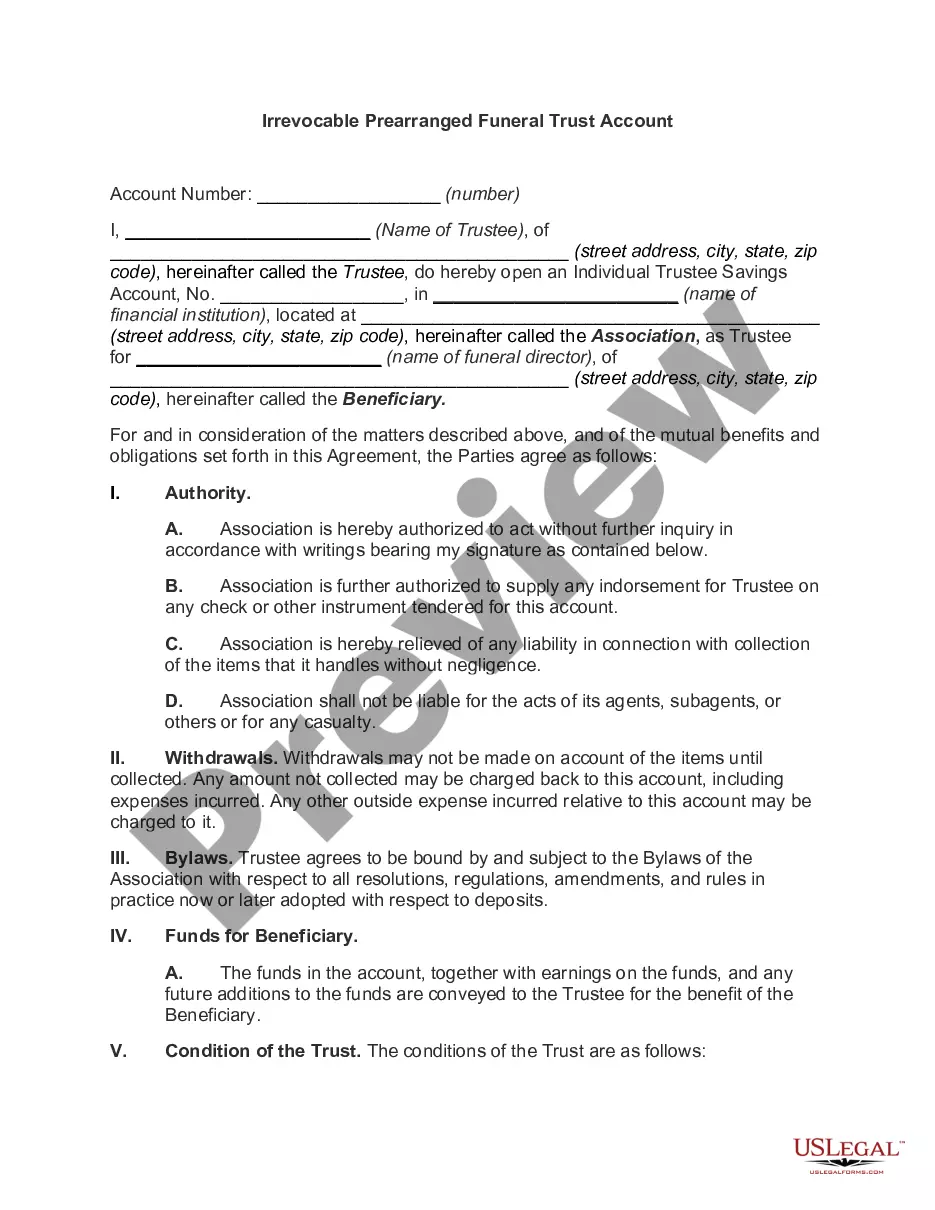
Get your form ready online
Our built-in tools help you complete, sign, share, and store your documents in one place.
Make edits, fill in missing information, and update formatting in US Legal Forms—just like you would in MS Word.
Download a copy, print it, send it by email, or mail it via USPS—whatever works best for your next step.
Sign and collect signatures with our SignNow integration. Send to multiple recipients, set reminders, and more. Go Premium to unlock E-Sign.
If this form requires notarization, complete it online through a secure video call—no need to meet a notary in person or wait for an appointment.
We protect your documents and personal data by following strict security and privacy standards.

Make edits, fill in missing information, and update formatting in US Legal Forms—just like you would in MS Word.

Download a copy, print it, send it by email, or mail it via USPS—whatever works best for your next step.

Sign and collect signatures with our SignNow integration. Send to multiple recipients, set reminders, and more. Go Premium to unlock E-Sign.

If this form requires notarization, complete it online through a secure video call—no need to meet a notary in person or wait for an appointment.

We protect your documents and personal data by following strict security and privacy standards.
Looking for another form?
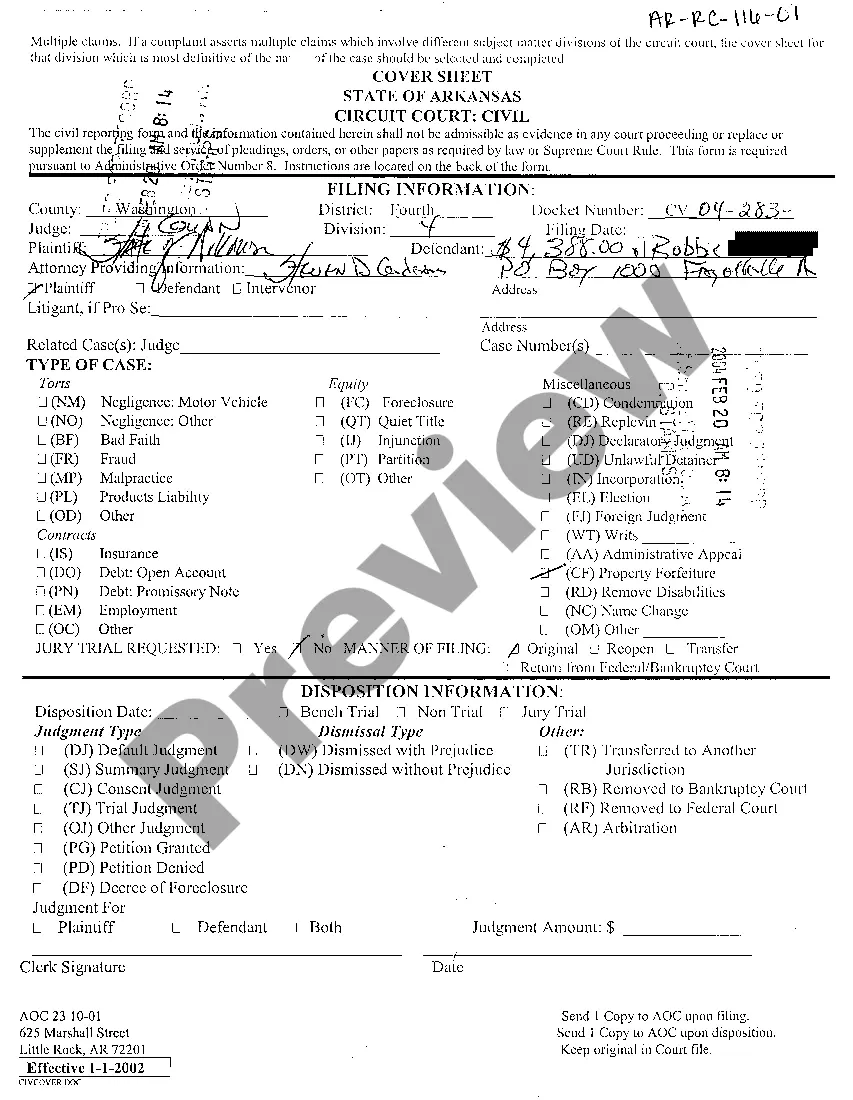



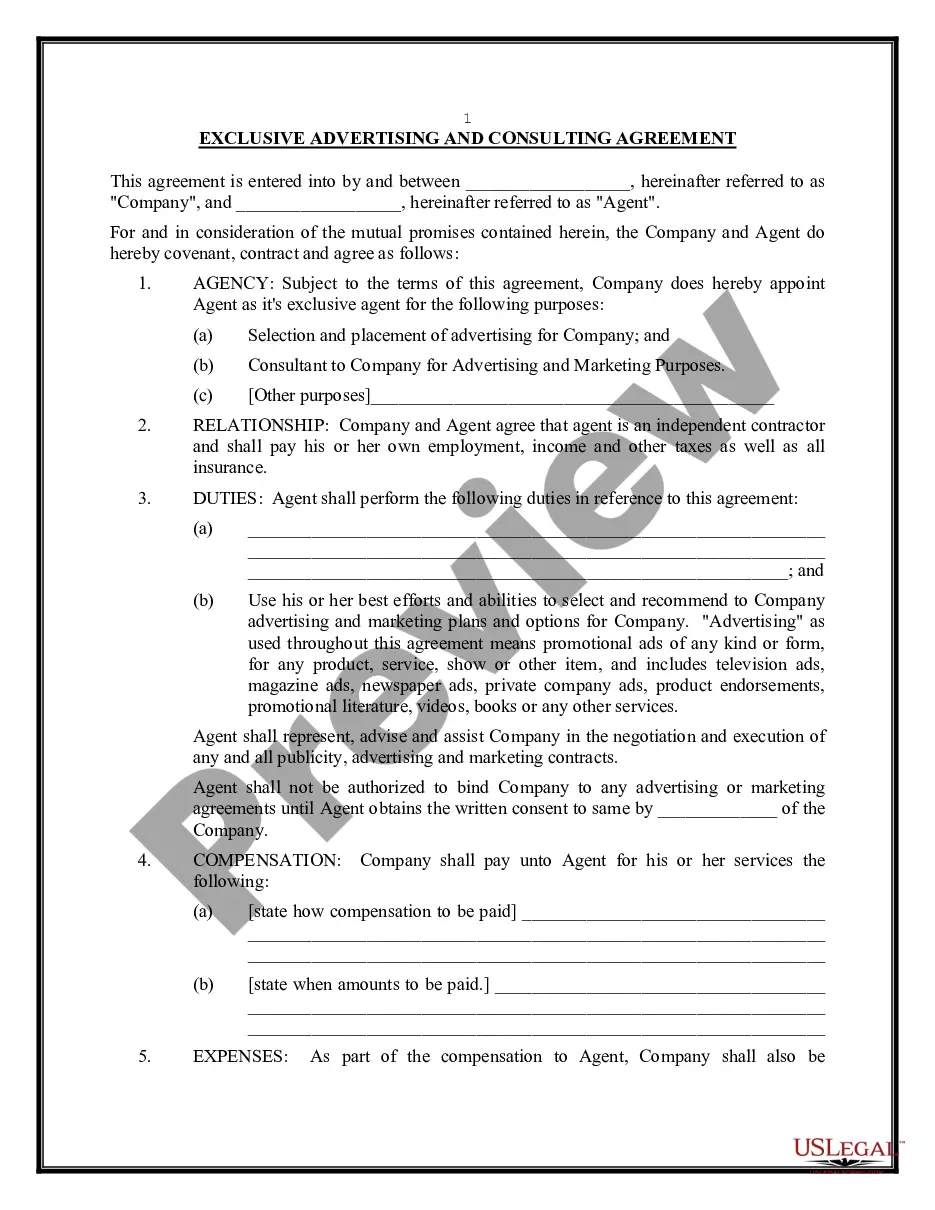


How to fill out Irrevocable Trust Funded By Life Insurance?
- Log in to your account on the US Legal Forms website. If you're a new user, create your account first.
- Browse the extensive library of legal forms and find the specific document you need. Use the Preview mode to review and ensure the form suits your requirements.
- If necessary, utilize the Search feature to locate any additional forms that may meet your needs.
- Select a subscription plan and proceed by clicking the Purchase Now button. Registering an account is essential to access your legal forms.
- Complete your order by entering your payment details through credit card or PayPal.
- Once the purchase is confirmed, download your form and save it to your device. You can always access it from the My Forms section of your profile.
By utilizing US Legal Forms, individuals and attorneys can efficiently manage their legal documentation needs, supported by a vast library of over 85,000 forms. With premium expert assistance for completing forms, you can ensure all documents are legally sound and precise.
Get started today and experience the convenience of US Legal Forms for all your legal documentation needs.
Form popularity
FAQ
Finding out if someone took out a life insurance policy on you can be tricky. You may start by asking close relatives if they have knowledge of such a policy. Another approach is to check with insurers, as they can provide insights when you make inquiries. Additionally, leveraging platforms like USLegalForms can help you navigate this process and understand the legal aspects involved.
To determine if a life insurance policy was left to you, review any relevant documents or communications from the deceased. Examine bank statements for premium payments that might indicate coverage. You can also reach out to known insurance providers for assistance in locating the policy. USLegalForms offers valuable resources that guide you through the necessary steps to unveil such information.
To find out if someone left you life insurance, start by checking with family members or close friends. They may have information about any policies. Additionally, you can contact insurance companies directly, as they may assist in locating a policy. Using a service like USLegalForms can simplify the process, as it helps individuals understand their rights and find necessary documentation.
To fill out a life insurance claim, begin by gathering relevant documents, such as the death certificate and the policy information. Each insurance company may require specific forms, so access these from their website or customer service. It is vital to complete each section accurately, providing all requested details regarding the insured individual and the beneficiary. For easier navigation, you can rely on US Legal Forms, which helps simplify the life insurance - tradução process.
Filling out a life insurance claim form involves collecting necessary details about the policyholder and the deceased. Start by locating the policy number, which is essential for processing the claim. Next, provide basic information, including the insured person's name, date of death, and cause of death. If you need clear guidance, consider using US Legal Forms, which offers templates and resources for understanding the life insurance - tradução process.
You might receive a 1099 form for a life insurance payout if the insurer included any interest payments along with the death benefit. This interest is considered taxable income, which is why the 1099 form is issued. Make sure to include this information in your tax return, and if in doubt, consult a tax professional for clarity.
Filing a life insurance claim involves several steps. Begin by notifying the insurance company, and secure a claim form. Complete the form while attaching the required documentation, like the policyholder's death certificate, and submit it as instructed by the insurer. Once submitted, you can expect updates from the insurance company regarding your claim's status.
You generally do not file a life insurance claim on your taxes since life insurance payouts are not taxable. If you receive a claim amount, only any earned interest on that amount is taxable and should be reported on your tax return. For further guidance, utilize reputable resources or consult a tax advisor to ensure compliance with tax laws.
When filing your tax return, life insurance payouts that you receive as a beneficiary are usually not taxable, which means you may not need to report them. However, if there are any interest payments associated with the payout, those should be reported as income. Always consult with a tax professional for personalized advice regarding your specific situation.
Typically, you should file a life insurance claim within a few months after the death of the policyholder. However, the exact time frame can vary by state and policy terms, so it is advisable to check your specific policy. Timely filing ensures you receive the benefits without unnecessary obstacles.