Life Insurance In Trust Uk
Description
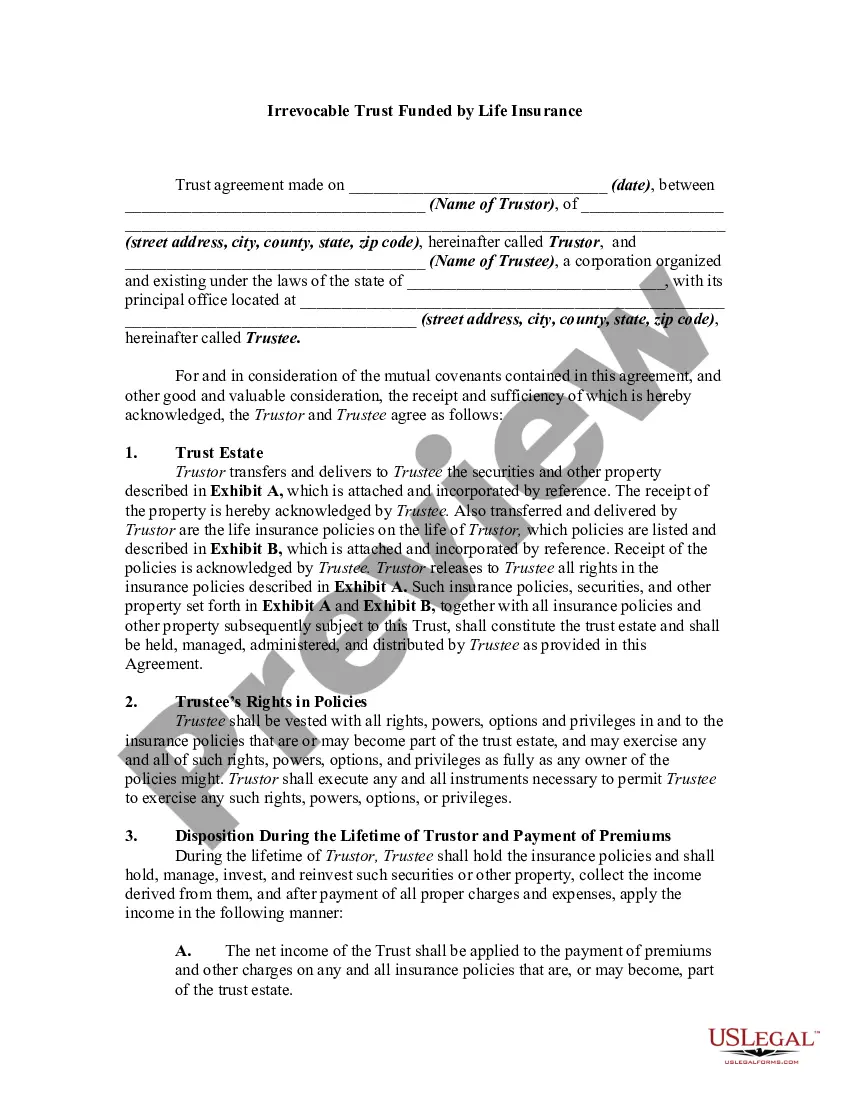
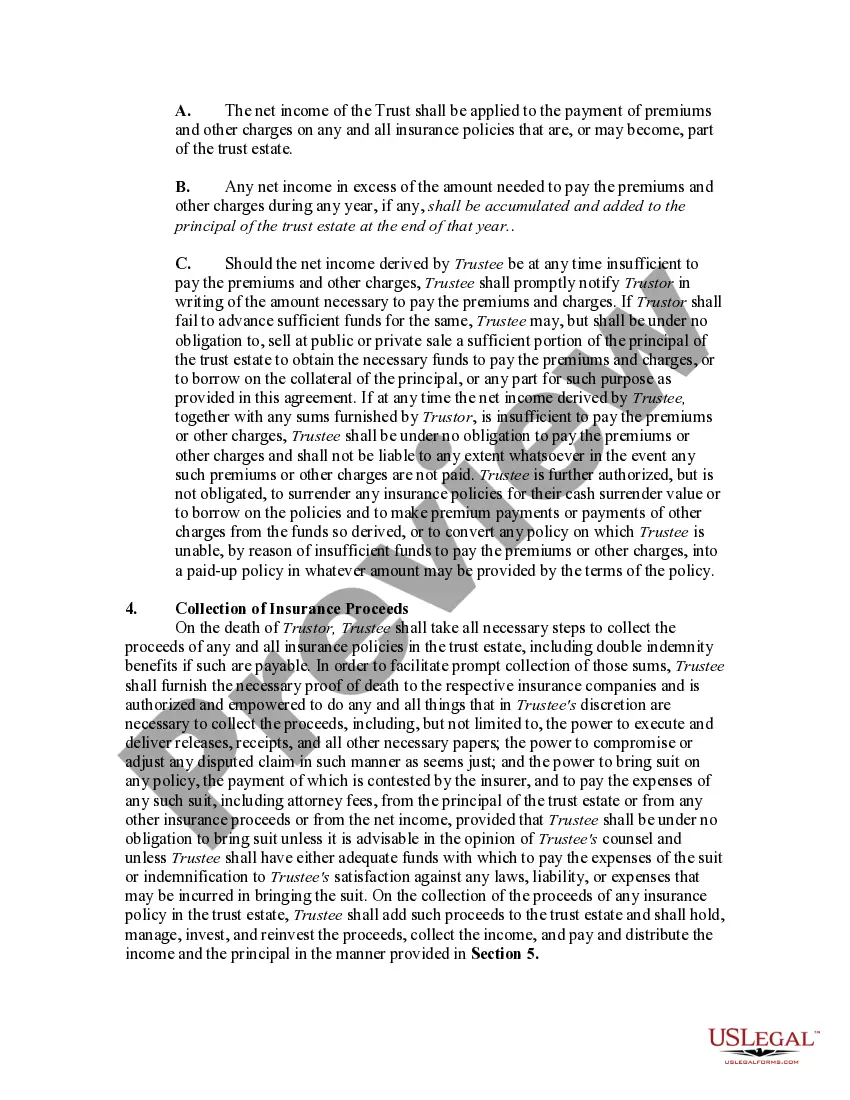
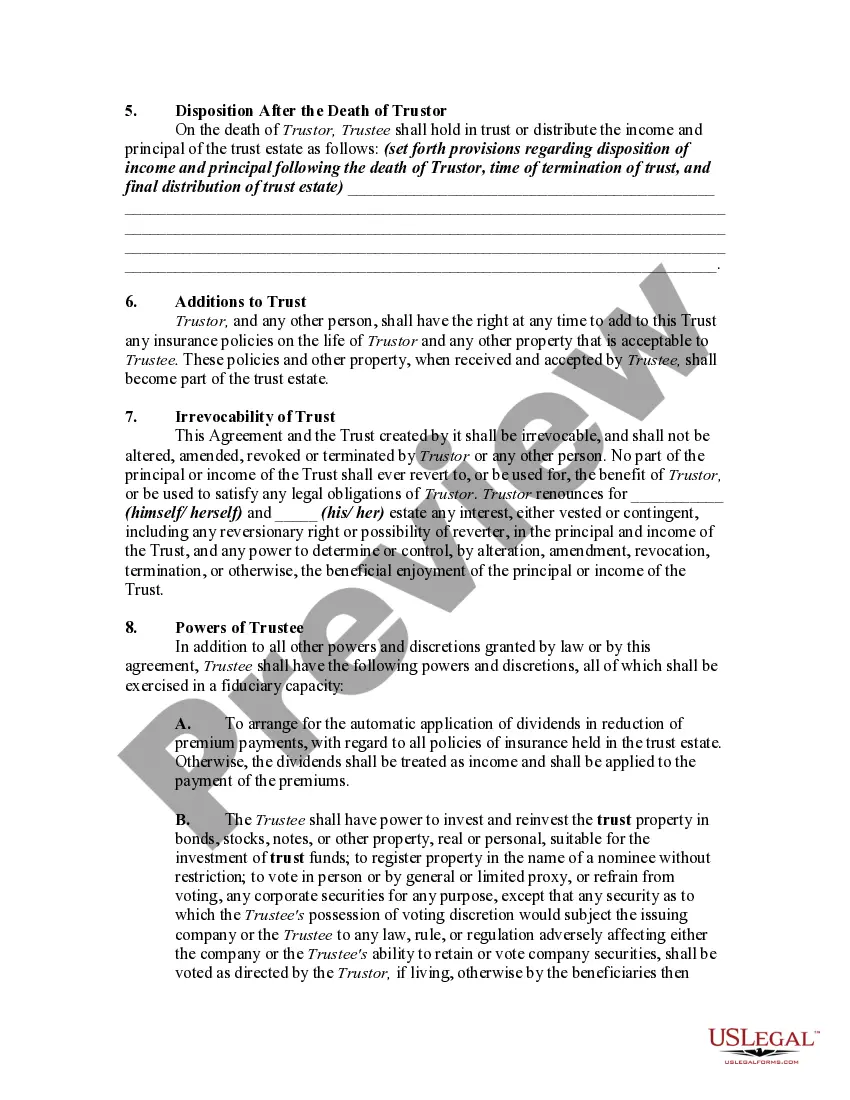
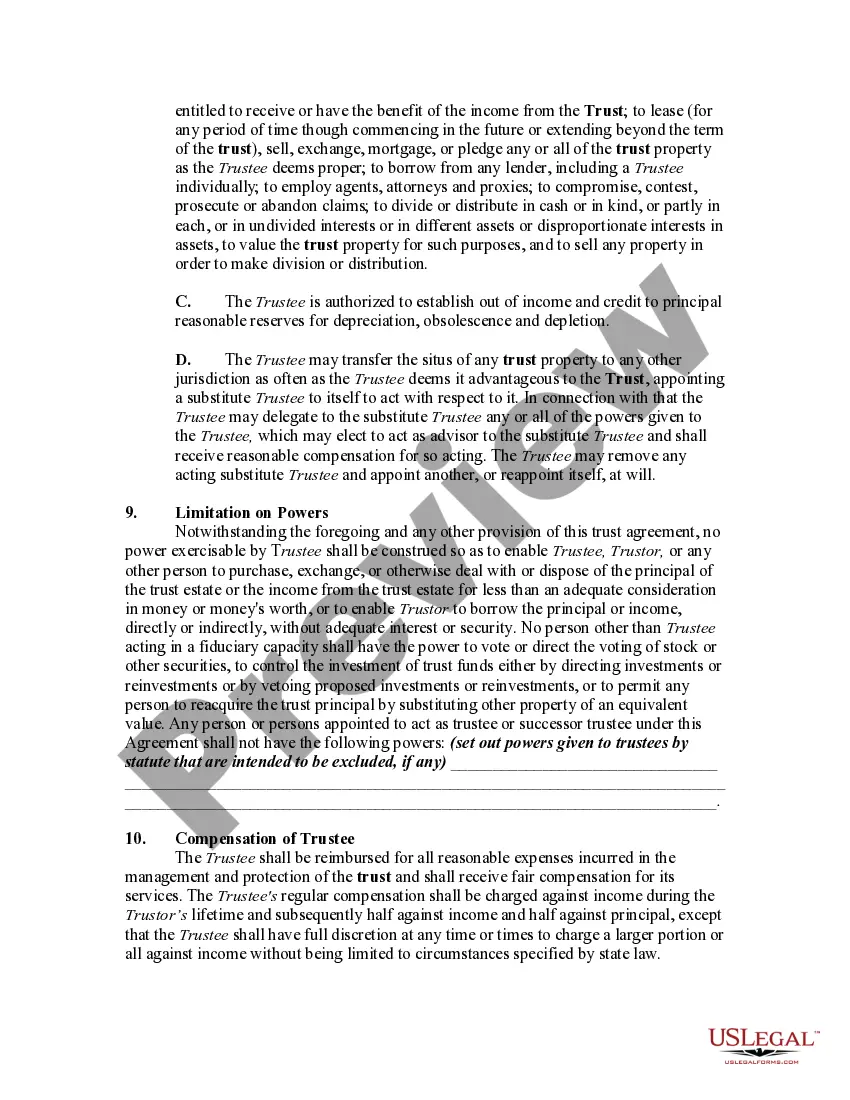
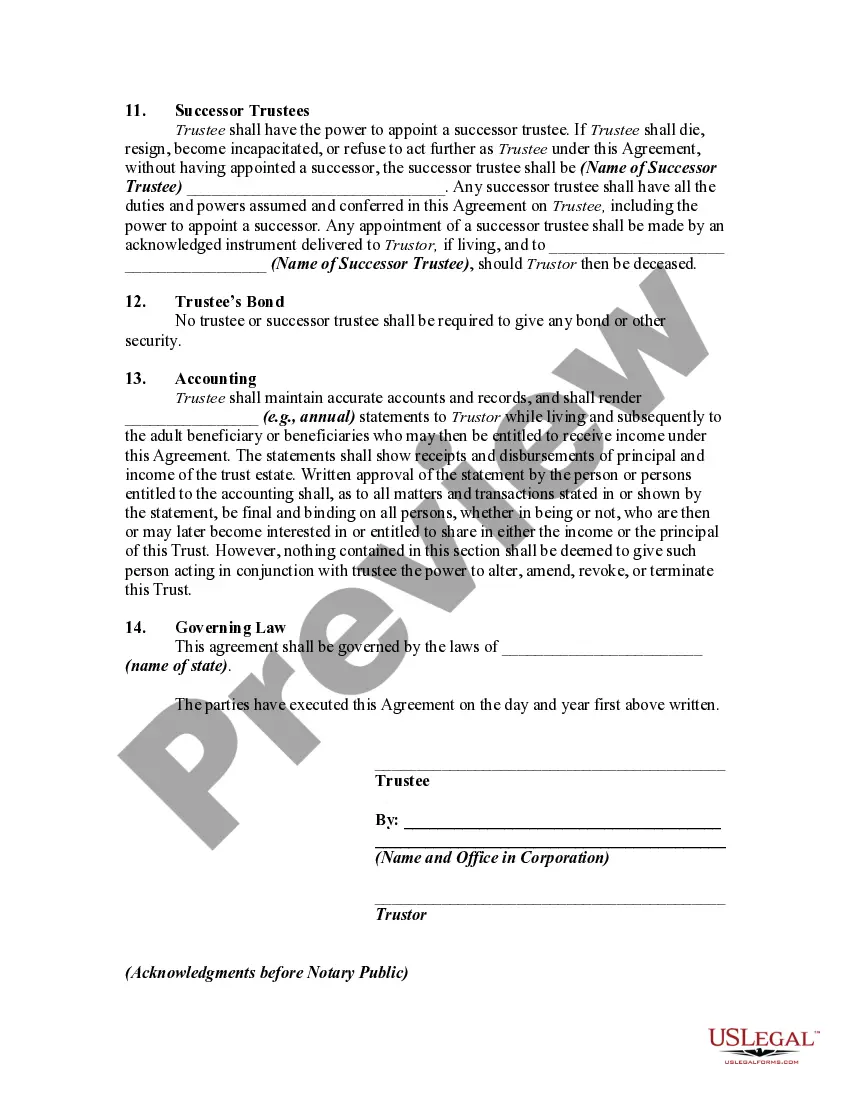

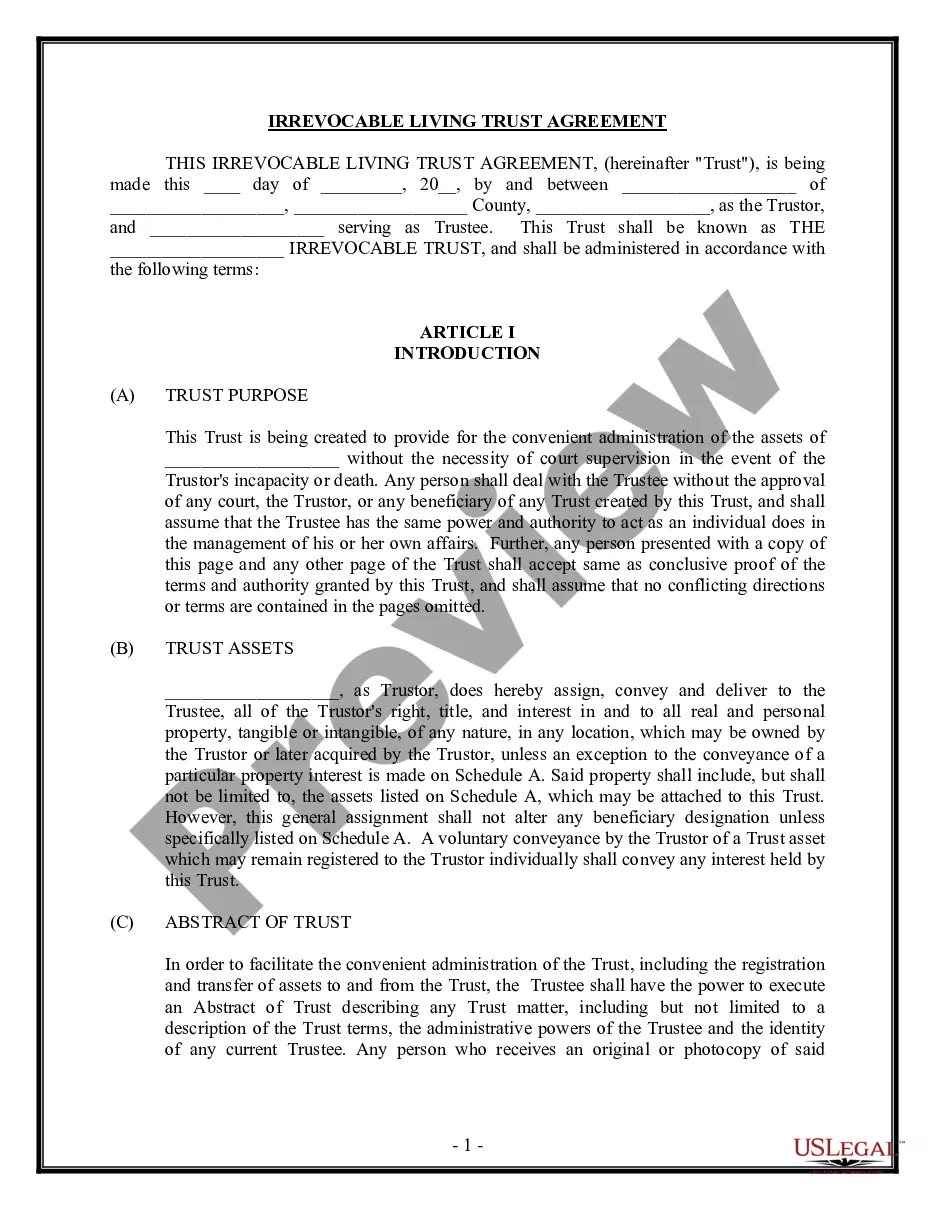
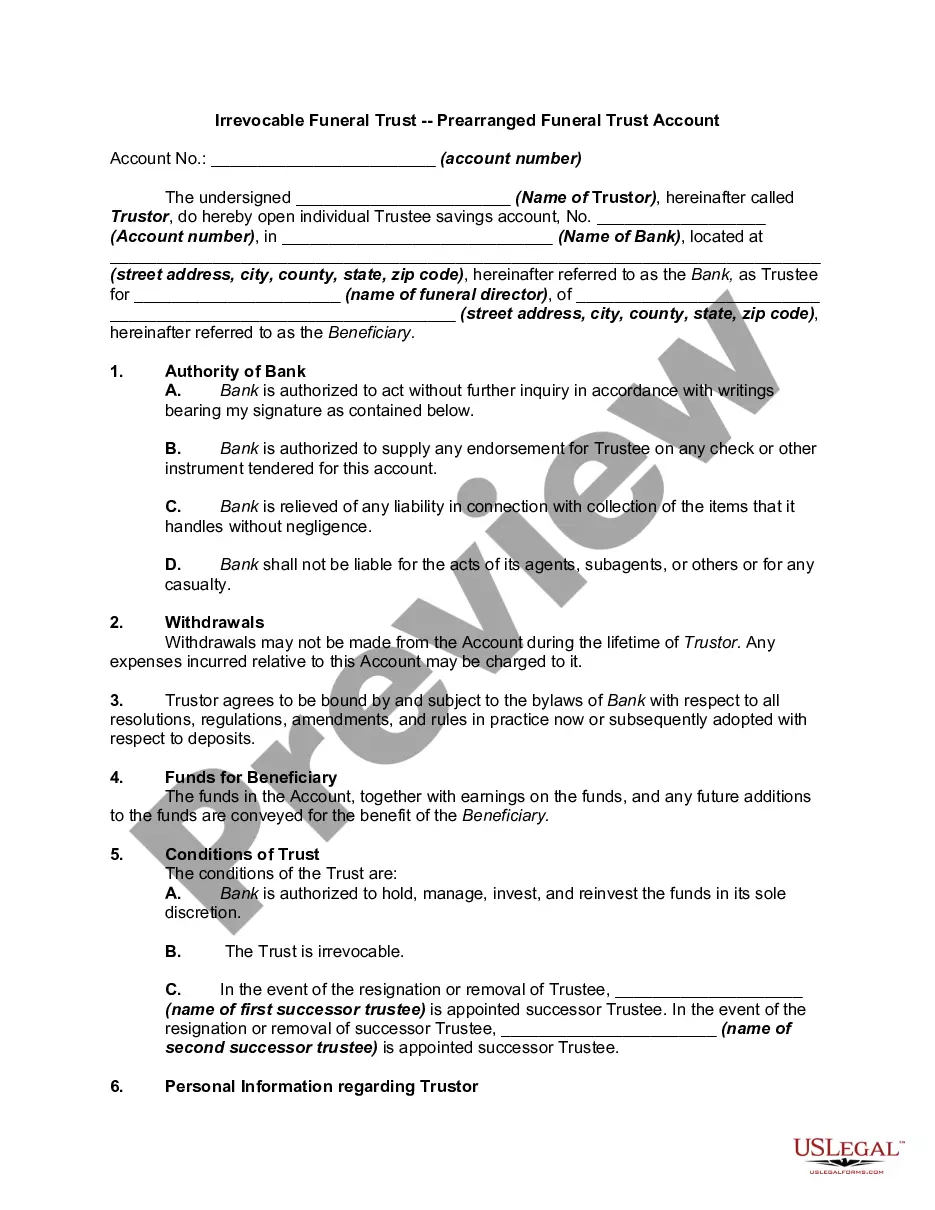
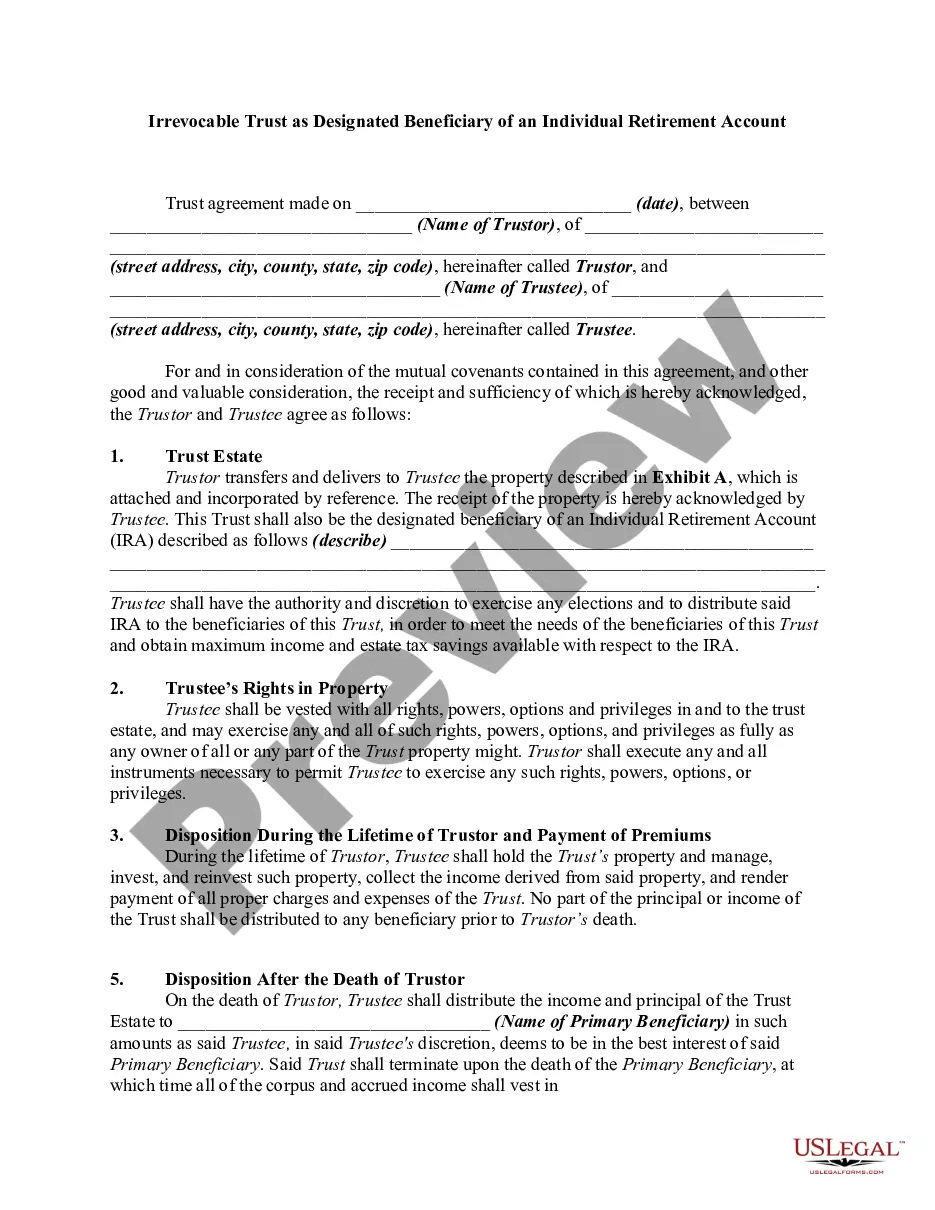
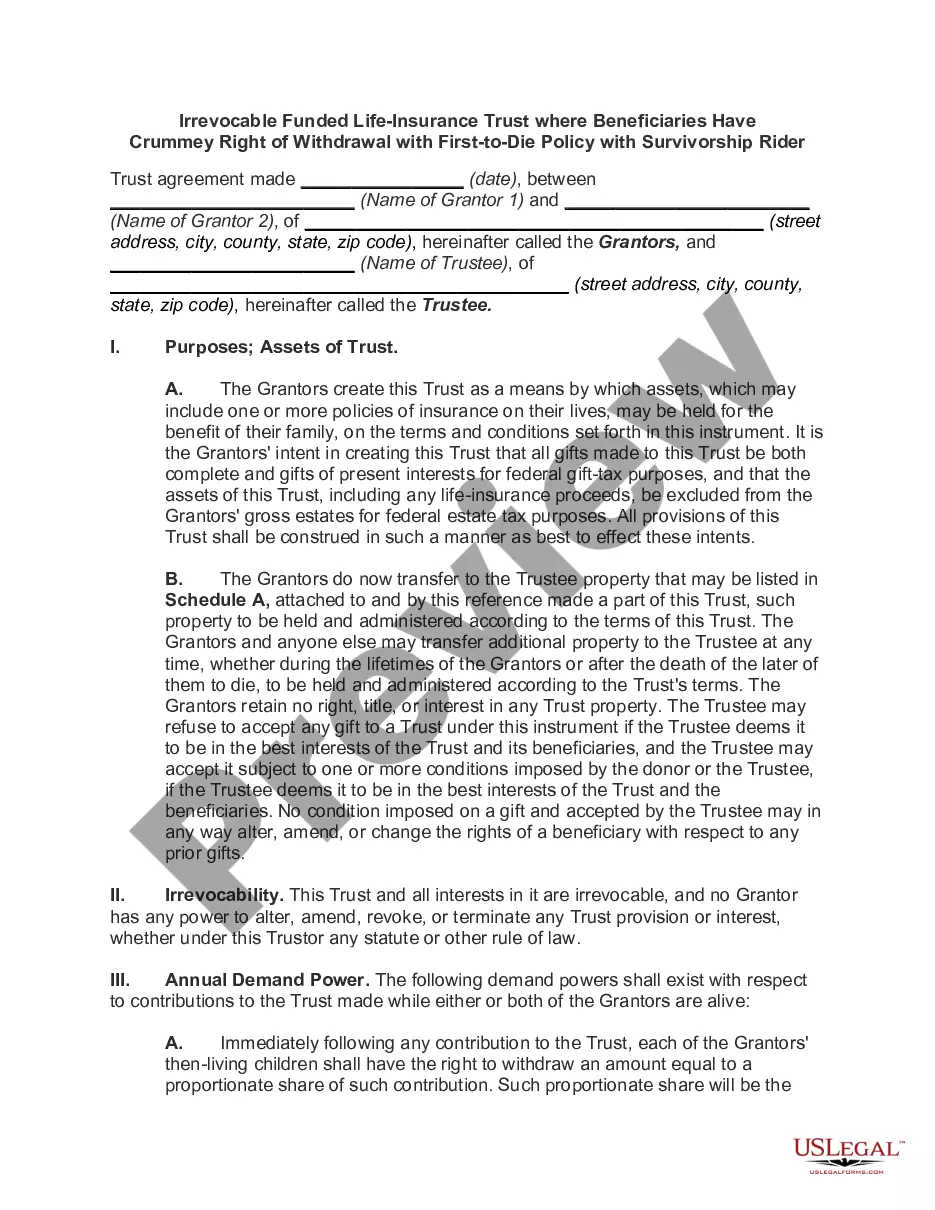
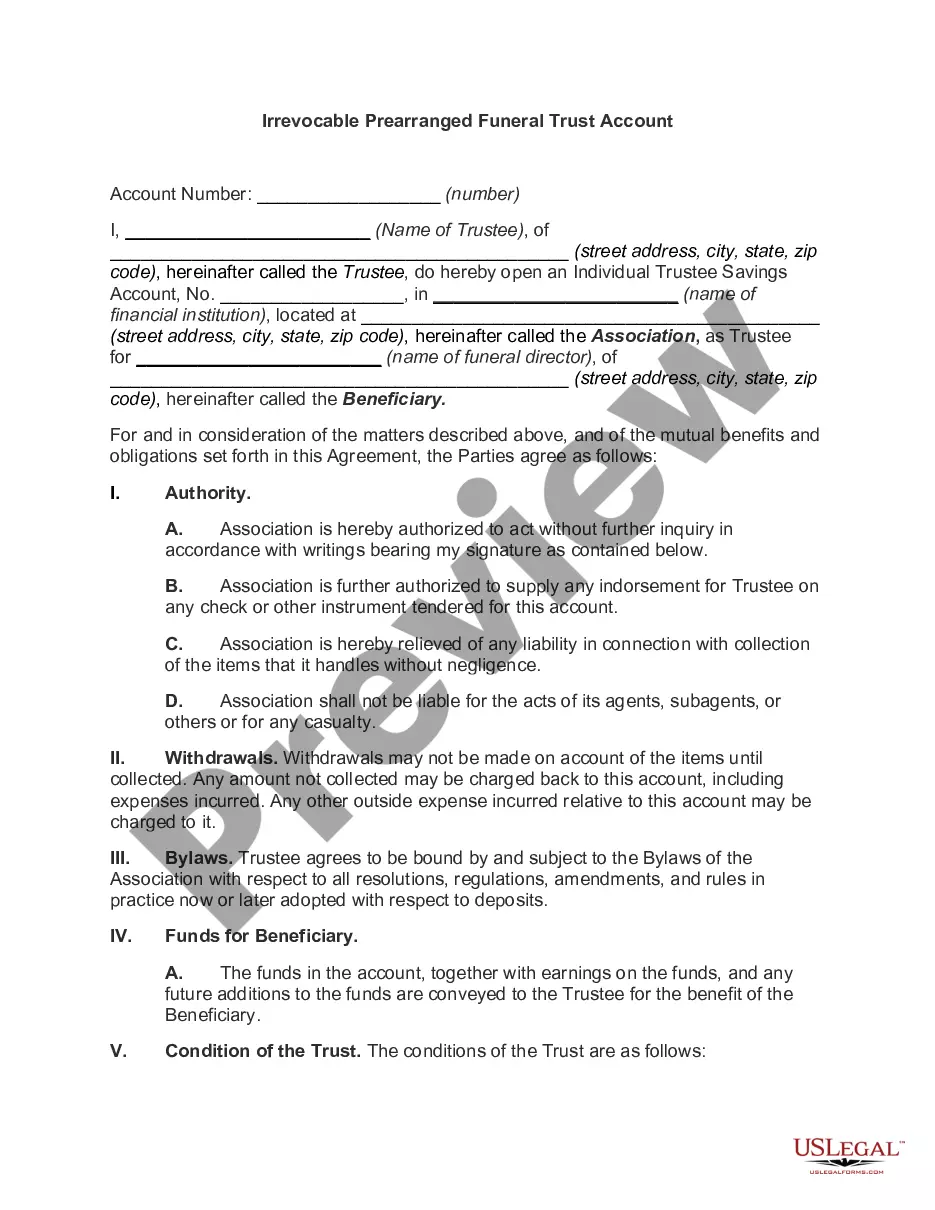
Get your form ready online
Our built-in tools help you complete, sign, share, and store your documents in one place.
Make edits, fill in missing information, and update formatting in US Legal Forms—just like you would in MS Word.
Download a copy, print it, send it by email, or mail it via USPS—whatever works best for your next step.
Sign and collect signatures with our SignNow integration. Send to multiple recipients, set reminders, and more. Go Premium to unlock E-Sign.
If this form requires notarization, complete it online through a secure video call—no need to meet a notary in person or wait for an appointment.
We protect your documents and personal data by following strict security and privacy standards.

Make edits, fill in missing information, and update formatting in US Legal Forms—just like you would in MS Word.

Download a copy, print it, send it by email, or mail it via USPS—whatever works best for your next step.

Sign and collect signatures with our SignNow integration. Send to multiple recipients, set reminders, and more. Go Premium to unlock E-Sign.

If this form requires notarization, complete it online through a secure video call—no need to meet a notary in person or wait for an appointment.

We protect your documents and personal data by following strict security and privacy standards.
Looking for another form?










How to fill out Irrevocable Trust Funded By Life Insurance?
Securing a preferred location to obtain the latest and pertinent legal templates constitutes a major part of navigating bureaucracy.
Selecting the appropriate legal documents requires precision and meticulousness, which illustrates the importance of sourcing Life Insurance In Trust UK samples exclusively from trustworthy providers, such as US Legal Forms. An incorrect template could squander your time and prolong your current predicament.
Eliminate the hassles associated with your legal documentation. Browse the vast collection at US Legal Forms to discover legal templates, assess their relevance to your situation, and download them immediately.
- Use the directory navigation or search bar to locate your sample.
- Examine the form’s description to ensure it aligns with your state and region's requirements.
- Access the form preview, if available, to confirm the template meets your expectations.
- Return to the search to find the correct document if the Life Insurance In Trust UK does not fulfill your needs.
- If you are confident about the form’s applicability, download it.
- If you are a registered customer, click Log in to verify and access your chosen templates in My documents.
- If you do not yet have an account, click Buy now to acquire the form.
- Select a pricing plan that fits your needs.
- Proceed with the registration to complete your purchase.
- Finalize your transaction by choosing a payment method (credit card or PayPal).
- Choose the file format for downloading Life Insurance In Trust UK.
- After the form is on your device, you can modify it with the editor or print it and fill it out manually.
Form popularity
FAQ
To put life insurance in trust in the UK, you first need to create a trust document, which outlines the beneficiaries and the terms of the trust. After establishing the trust, you must contact your life insurance provider to change the policy's ownership to the trust. This process ensures that the life insurance proceeds go directly to your beneficiaries without going through probate, providing peace of mind knowing that your loved ones will receive the funds promptly.
Several factors can override a life insurance beneficiary designation, including changes to the policy or specific legal stipulations. For instance, if a policyholder creates a trust and names it as a beneficiary, this designation may take precedence over any individual beneficiaries. Understanding these nuances can be essential when managing life insurance in trust UK, ensuring your wishes are followed correctly.
Typically, a trustee holds more power than a beneficiary since the trustee manages the assets according to the trust's terms. However, beneficiaries have rights to the benefits outlined in the trust. This relationship is crucial when you consider using life insurance in trust UK, as it helps clarify roles and expectations among family members.
Yes, a trust can be named as the beneficiary of a life insurance policy. This arrangement allows for greater control over how the death benefits are distributed, often offering more protection from creditors and maintaining privacy. When you specify a trust as the beneficiary, you effectively facilitate the use of life insurance in trust UK to cater to your family's financial needs.
In many cases, a trust can supersede a named beneficiary on a life insurance policy if the policy is owned by the trust. When life insurance is in trust, the trustee controls the distribution of the proceeds according to the trust terms. Therefore, understanding how life insurance in trust UK works is vital, as it can impact how your assets are managed across generations.
To put life insurance in trust, you need to create a trust document that outlines the terms and conditions. After establishing the trust, you must contact your life insurance provider to change the policy ownership to the trust. This process ensures that the benefits of your life insurance in trust UK go directly to your beneficiaries without going through probate.
One of the biggest mistakes parents make when setting up a trust fund is failing to clearly define their intentions and conditions. Without a thorough understanding of how to structure the trust, parents may inadvertently limit its effectiveness or create confusion for the beneficiaries. Utilizing life insurance in trust UK along with professional guidance can help avoid these pitfalls and ensure the trust fulfills its intended purpose.
Putting a life insurance policy in a trust can provide significant advantages, including avoiding probate and maintaining control over asset distribution. This method allows you to specify how and when beneficiaries receive the policy's payout, ensuring your loved ones are supported according to your intentions. Moreover, this approach can be part of an effective estate planning strategy, making life insurance in trust UK a valuable option.
Generally, a trust does not override a designated life insurance beneficiary unless the policy explicitly names the trust as the beneficiary. In cases where the trust is named, the proceeds will go to the trust and be managed according to its terms. This structure can be part of your life insurance in trust UK strategy, ensuring that your loved ones receive the benefits according to your wishes.
While there are many benefits to life insurance in trust UK, some disadvantages exist. For instance, once you place a policy into a trust, you generally relinquish control over it, which means you cannot change beneficiaries without consent from the trustees. Additionally, there may be setup and maintenance costs, along with potential tax implications depending on your circumstances.