No Profession Vs Unemployed
Description
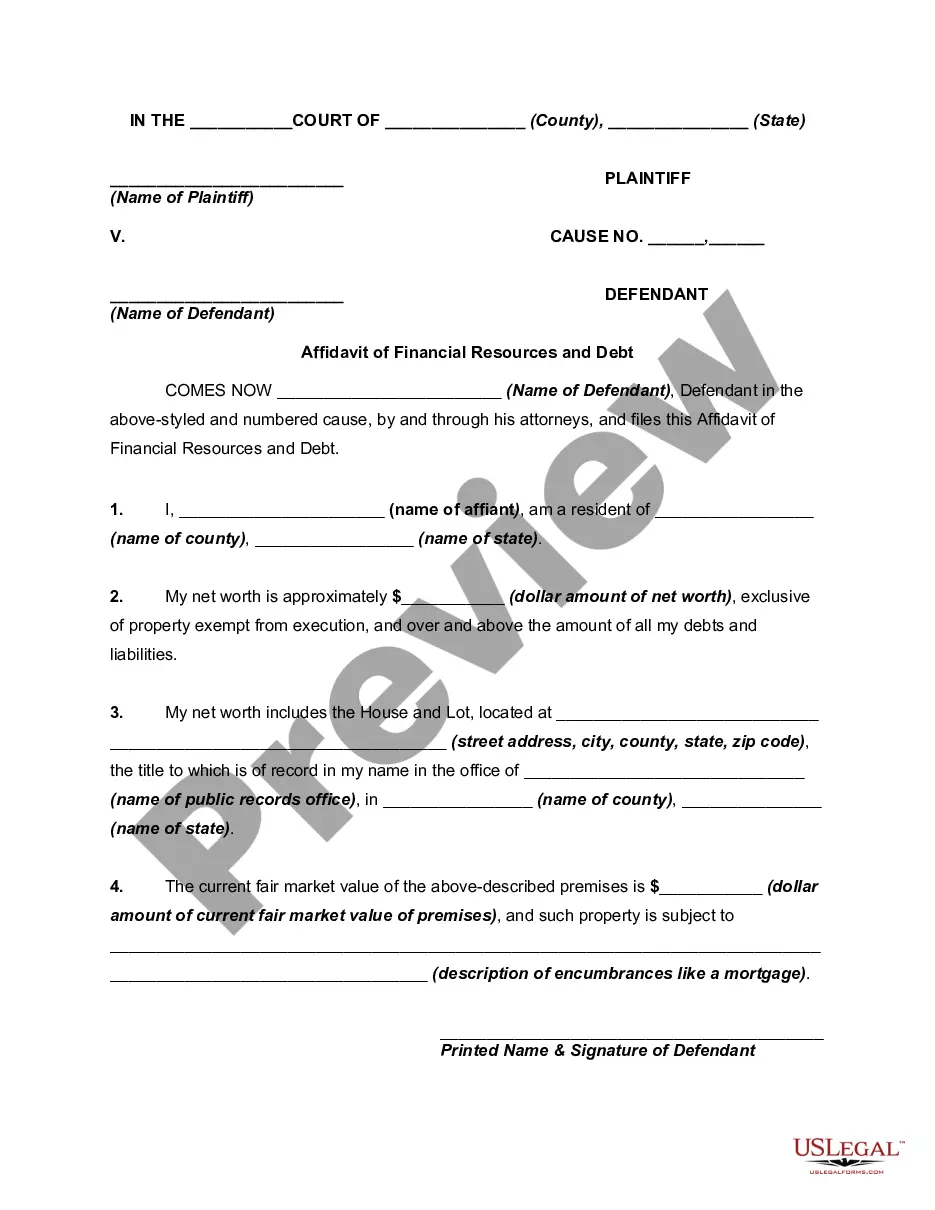
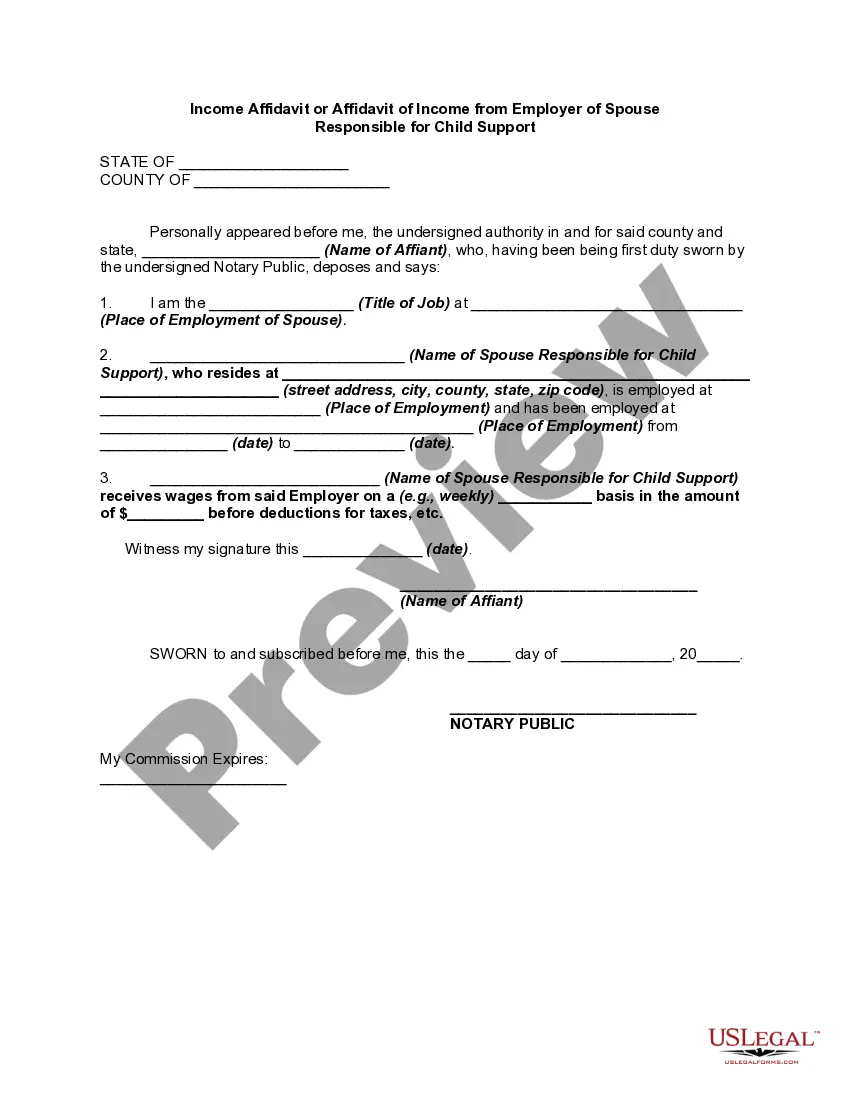
Get your form ready online
Our built-in tools help you complete, sign, share, and store your documents in one place.
Make edits, fill in missing information, and update formatting in US Legal Forms—just like you would in MS Word.
Download a copy, print it, send it by email, or mail it via USPS—whatever works best for your next step.
Sign and collect signatures with our SignNow integration. Send to multiple recipients, set reminders, and more. Go Premium to unlock E-Sign.
If this form requires notarization, complete it online through a secure video call—no need to meet a notary in person or wait for an appointment.
We protect your documents and personal data by following strict security and privacy standards.

Make edits, fill in missing information, and update formatting in US Legal Forms—just like you would in MS Word.

Download a copy, print it, send it by email, or mail it via USPS—whatever works best for your next step.

Sign and collect signatures with our SignNow integration. Send to multiple recipients, set reminders, and more. Go Premium to unlock E-Sign.

If this form requires notarization, complete it online through a secure video call—no need to meet a notary in person or wait for an appointment.

We protect your documents and personal data by following strict security and privacy standards.
Looking for another form?
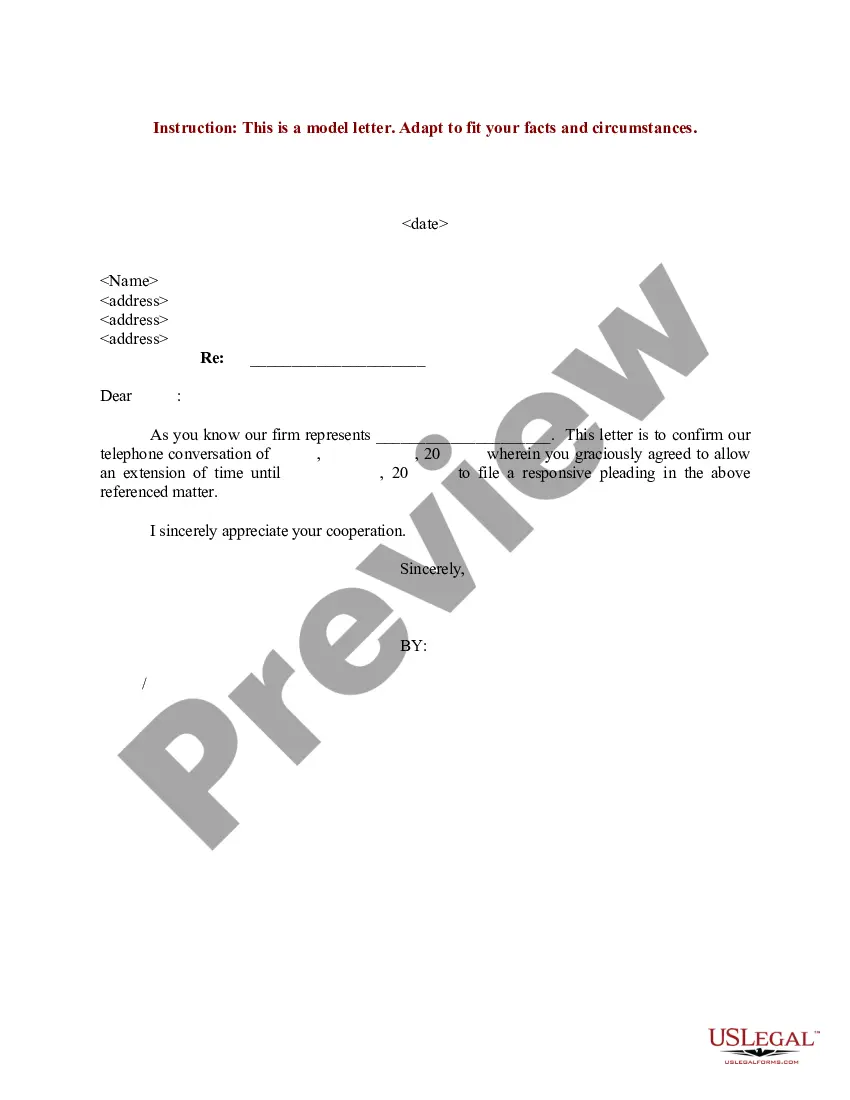
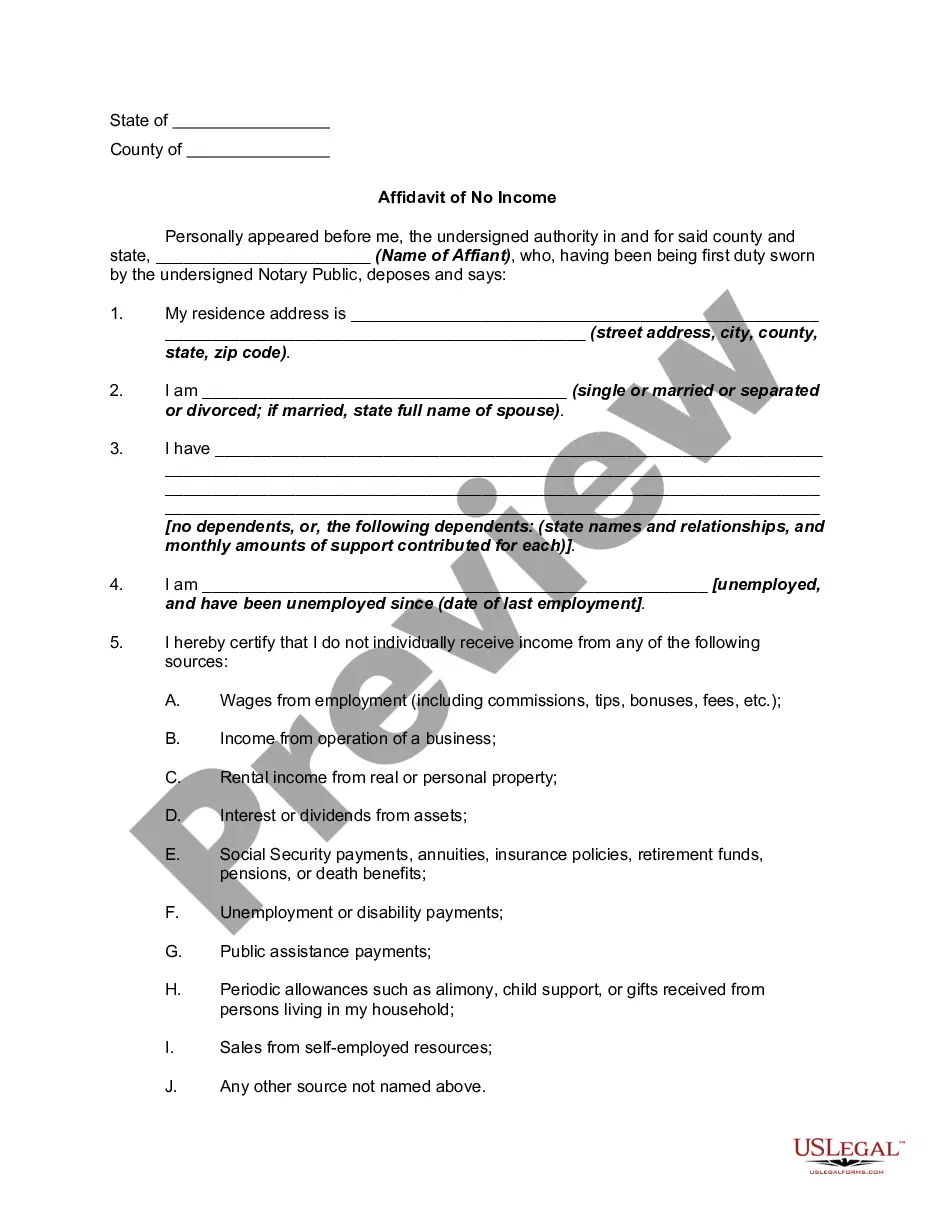
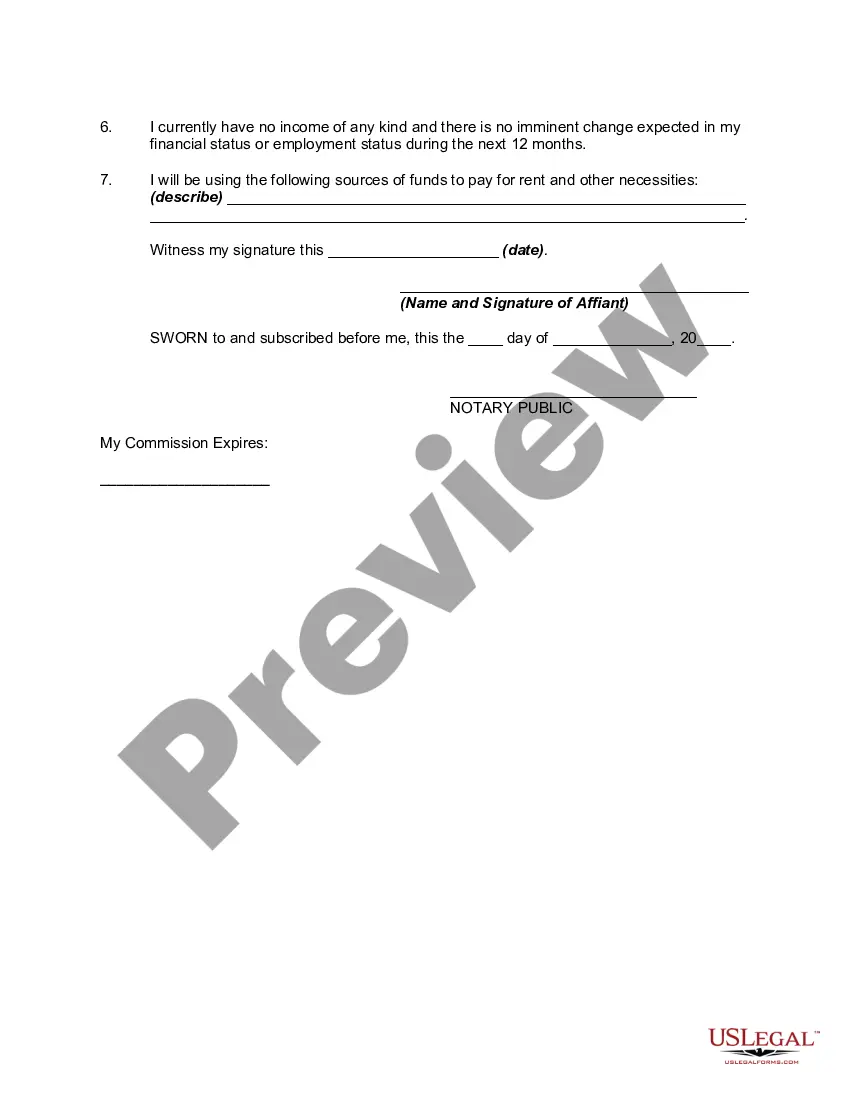
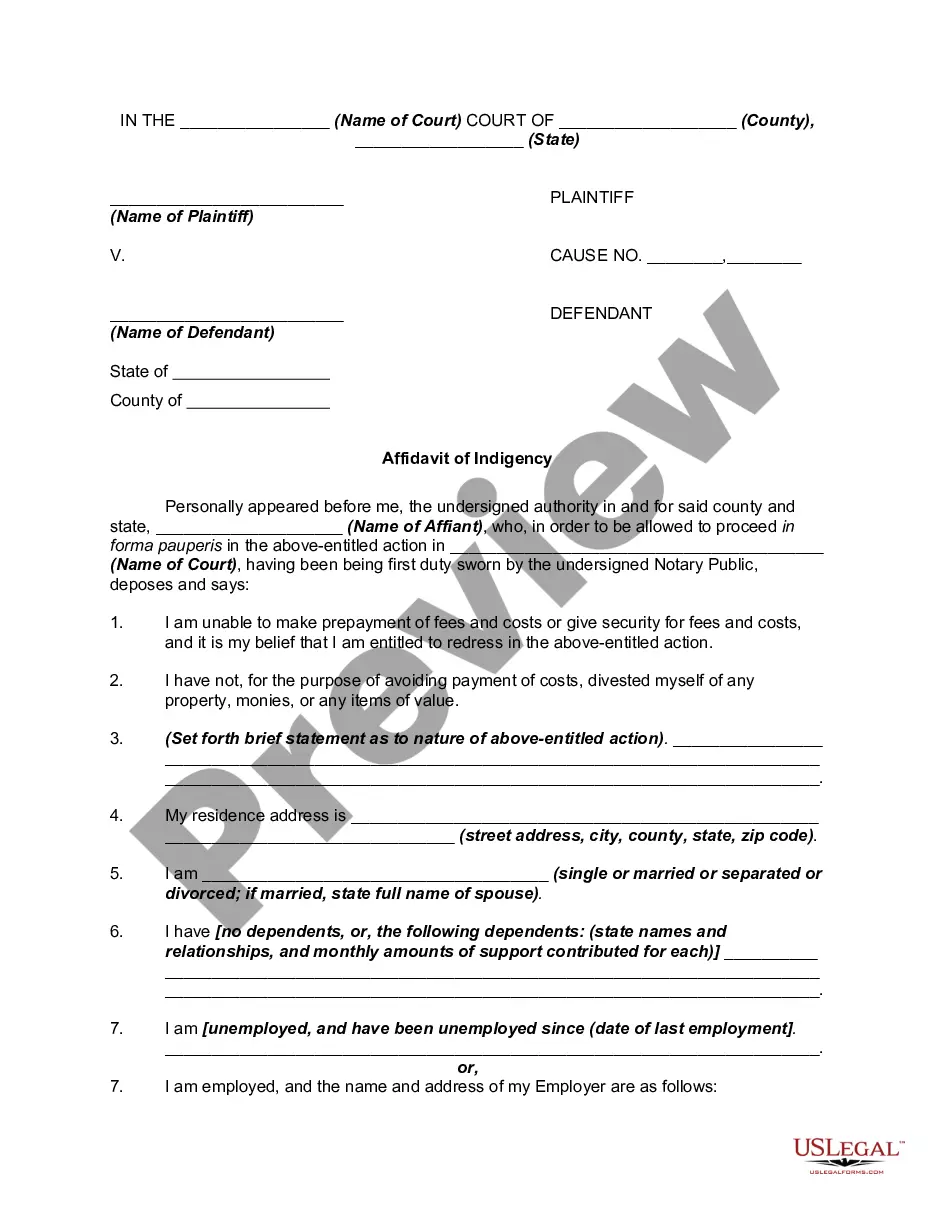
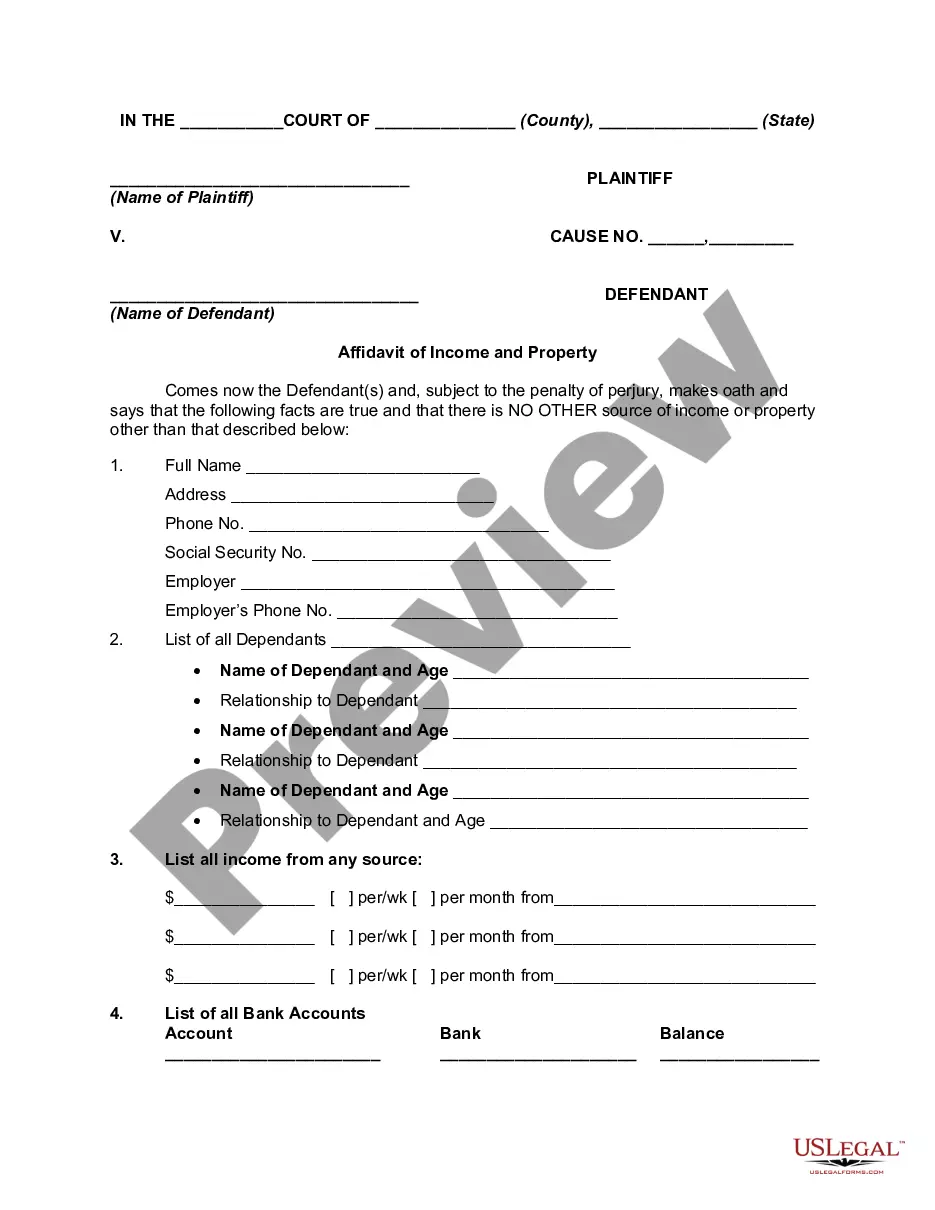
How to fill out Affidavit Or Proof Of No Income - Unemployed - Assets And Liabilities?
The No Occupation vs Jobless document you observe on this page is a reusable legal template created by expert attorneys in accordance with national and local laws.
For over 25 years, US Legal Forms has supplied individuals, businesses, and legal experts with more than 85,000 validated, state-specific forms for any corporate and personal circumstance. It’s the quickest, simplest, and most dependable method to acquire the documents you require, as the service ensures bank-grade data security and anti-virus protection.
Access your documents again whenever necessary. Navigate to the My documents tab in your profile to redownload any forms you have previously saved.
- Look for the document you require and review it.
- Browse through the example you searched for and preview it or assess the form description to ensure it meets your requirements. If it does not, use the search feature to locate the right one. Click Buy Now once you have found the template you require.
- Choose a pricing plan that fits your needs and create an account. Use PayPal or a credit card to make a swift payment. If you already possess an account, Log In and verify your subscription to proceed.
- Select the format you desire for your No Occupation vs Jobless (PDF, DOCX, RTF) and download the document onto your device.
- Print the template to complete it manually. Alternatively, use an online multifunctional PDF editor to swiftly and accurately fill out and e-sign your document.
Form popularity
FAQ
A person who has no job can be called unemployed, indicating they are actively seeking employment. On the other hand, some may describe themselves as having no profession, reflecting a broader view of their career status. Clarifying these terms enriches conversations surrounding work and economic conditions.
A person with no job is often referred to as unemployed. This designation implies that the individual is looking for work but has not yet secured employment. It's vital to understand this term in the context of no profession vs unemployed, as it addresses the efforts made toward finding a job.
The term commonly used for not having a job is unemployed. However, some may prefer to use the phrase no profession, which can encompass a broader range of circumstances. This terminology can play a role in the perception of job status and can be helpful in job market discussions.
Being unemployed implies that a person is actively seeking work, while simply not having a job may suggest a lack of interest in seeking employment. The distinction highlights the active component of unemployment. Understanding this difference can aid discussions around labor force participation, especially in contexts of no profession vs unemployed.
When there are no jobs available, it is referred to as a jobless economy or high unemployment. This situation can have significant implications for individuals and communities, leading to increased competition for available positions. Activism and policy interventions may be necessary to address conditions of no profession vs unemployed.
A person is considered unemployed when they actively seek work but are unable to find a job. This status typically includes those who are available for work and are not currently employed, thus highlighting the distinction between no profession vs unemployed. Understanding these criteria can help clarify one's employment status in various contexts.
If you are not working, consider describing your current situation accurately, such as 'currently seeking employment' or 'career transition.' This approach communicates your status honestly without misrepresenting yourself. The distinction between no profession vs unemployed can help frame your answer to potential employers or on job applications, giving context to your job search.
Filing taxes without a job can seem daunting, but it’s manageable with the right tools. You may still need to report any income, such as interest or freelance work. Utilizing platforms like uslegalforms can simplify this process by providing the necessary forms and guidance for your tax filing. Understanding the nuances of no profession vs unemployed can also clarify what you need to report.
If you’ve never worked, you may not fit the conventional definition of unemployed. Unemployment typically applies to those who have actively participated in the workforce before. However, it’s essential to recognize your status, particularly in discussions about no profession vs unemployed, as it influences how you present yourself in job applications or on tax forms.
The terms not working and unemployed, while similar, highlight distinct conditions. Unemployed individuals are actively searching for job opportunities, while those not working may have chosen to refrain from employment for personal reasons. This difference is crucial when analyzing statistics or applying for benefits related to no profession vs unemployed. Each situation has implications that affect one's professional identity.