Character Affidavit For Child Custody Template
Description
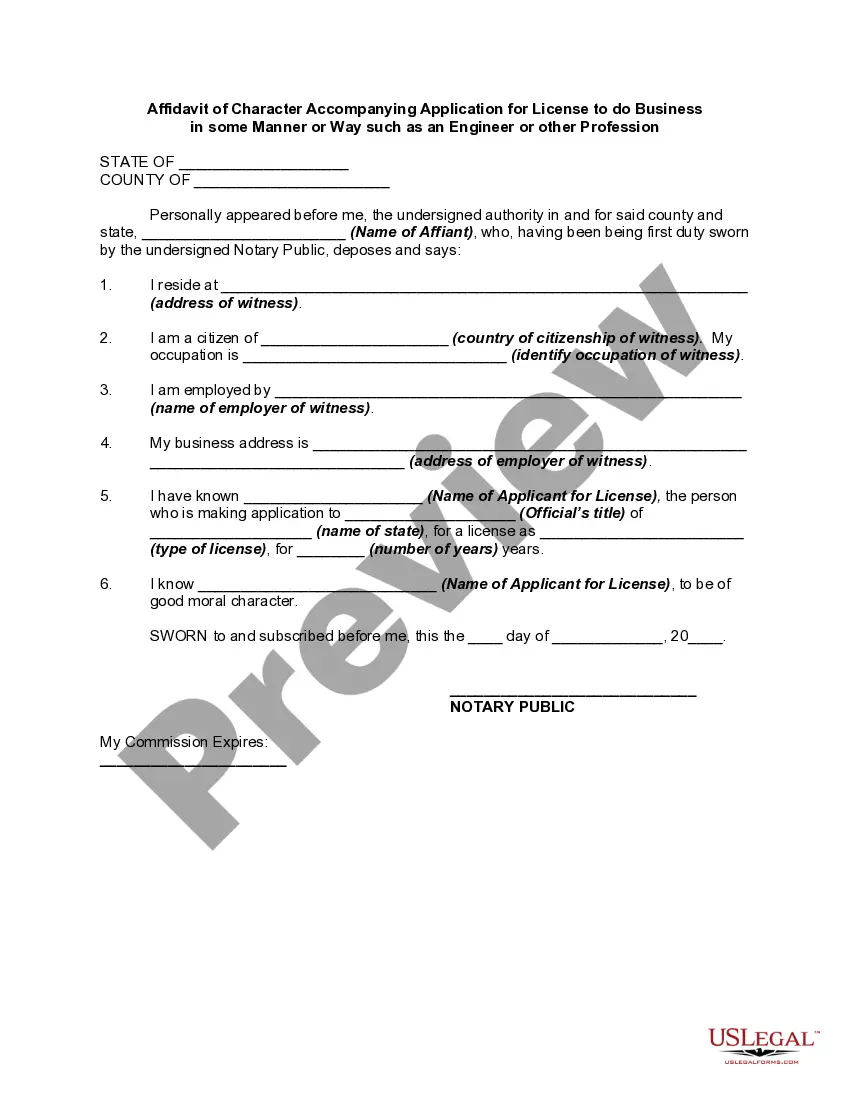
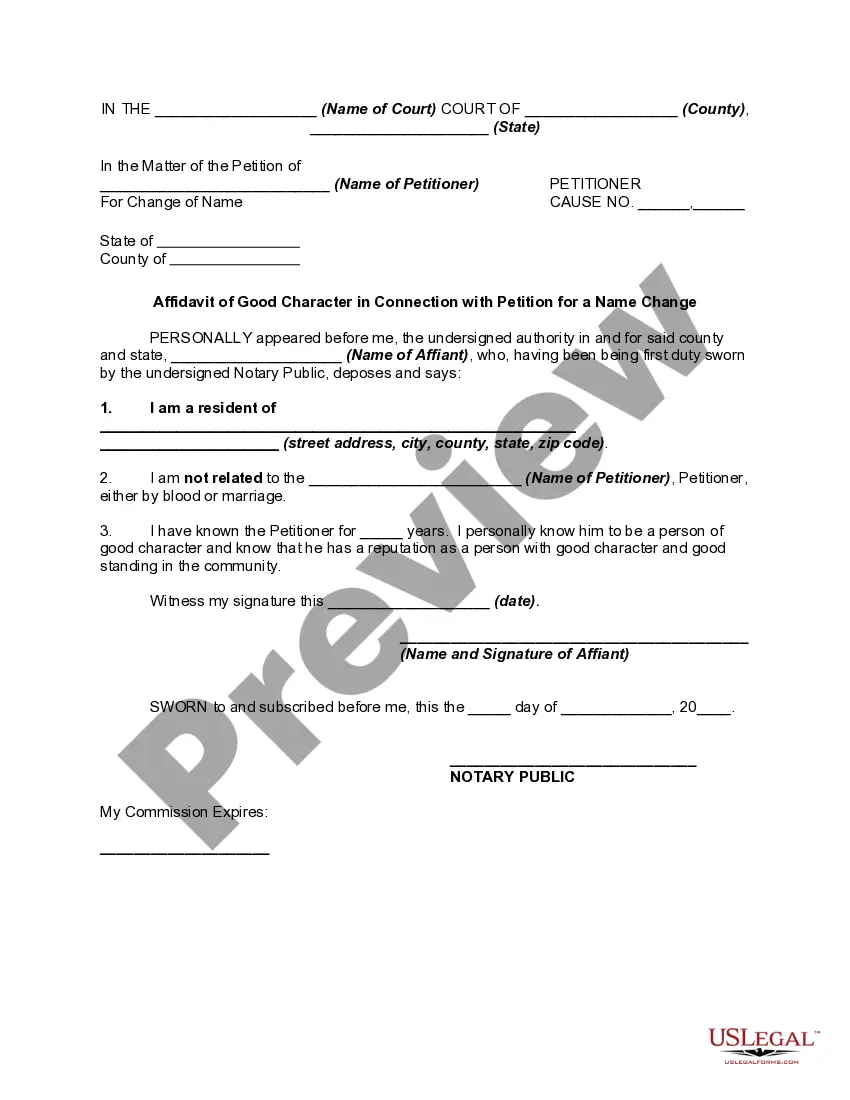
Get your form ready online
Our built-in tools help you complete, sign, share, and store your documents in one place.
Make edits, fill in missing information, and update formatting in US Legal Forms—just like you would in MS Word.
Download a copy, print it, send it by email, or mail it via USPS—whatever works best for your next step.
Sign and collect signatures with our SignNow integration. Send to multiple recipients, set reminders, and more. Go Premium to unlock E-Sign.
If this form requires notarization, complete it online through a secure video call—no need to meet a notary in person or wait for an appointment.
We protect your documents and personal data by following strict security and privacy standards.

Make edits, fill in missing information, and update formatting in US Legal Forms—just like you would in MS Word.

Download a copy, print it, send it by email, or mail it via USPS—whatever works best for your next step.

Sign and collect signatures with our SignNow integration. Send to multiple recipients, set reminders, and more. Go Premium to unlock E-Sign.

If this form requires notarization, complete it online through a secure video call—no need to meet a notary in person or wait for an appointment.

We protect your documents and personal data by following strict security and privacy standards.
Looking for another form?

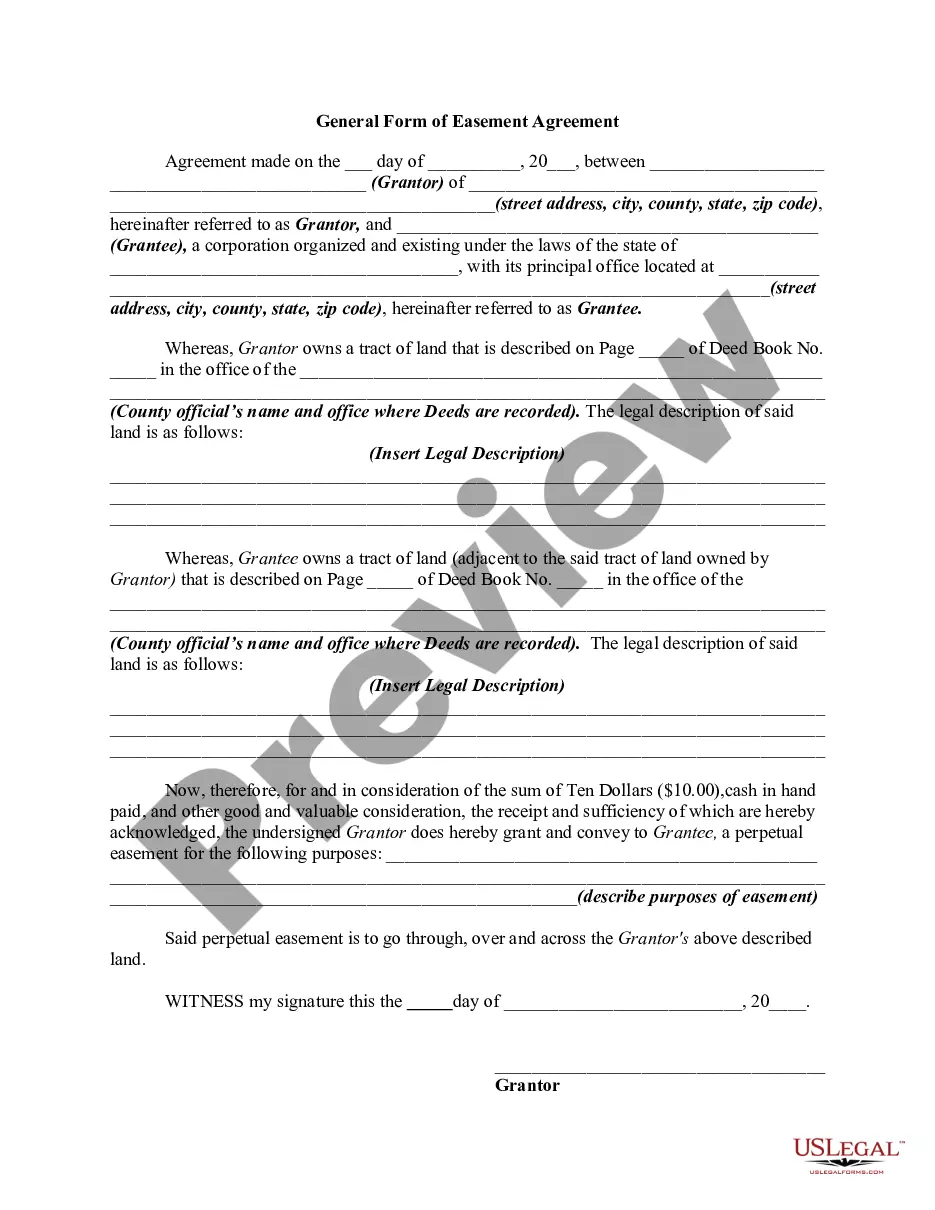


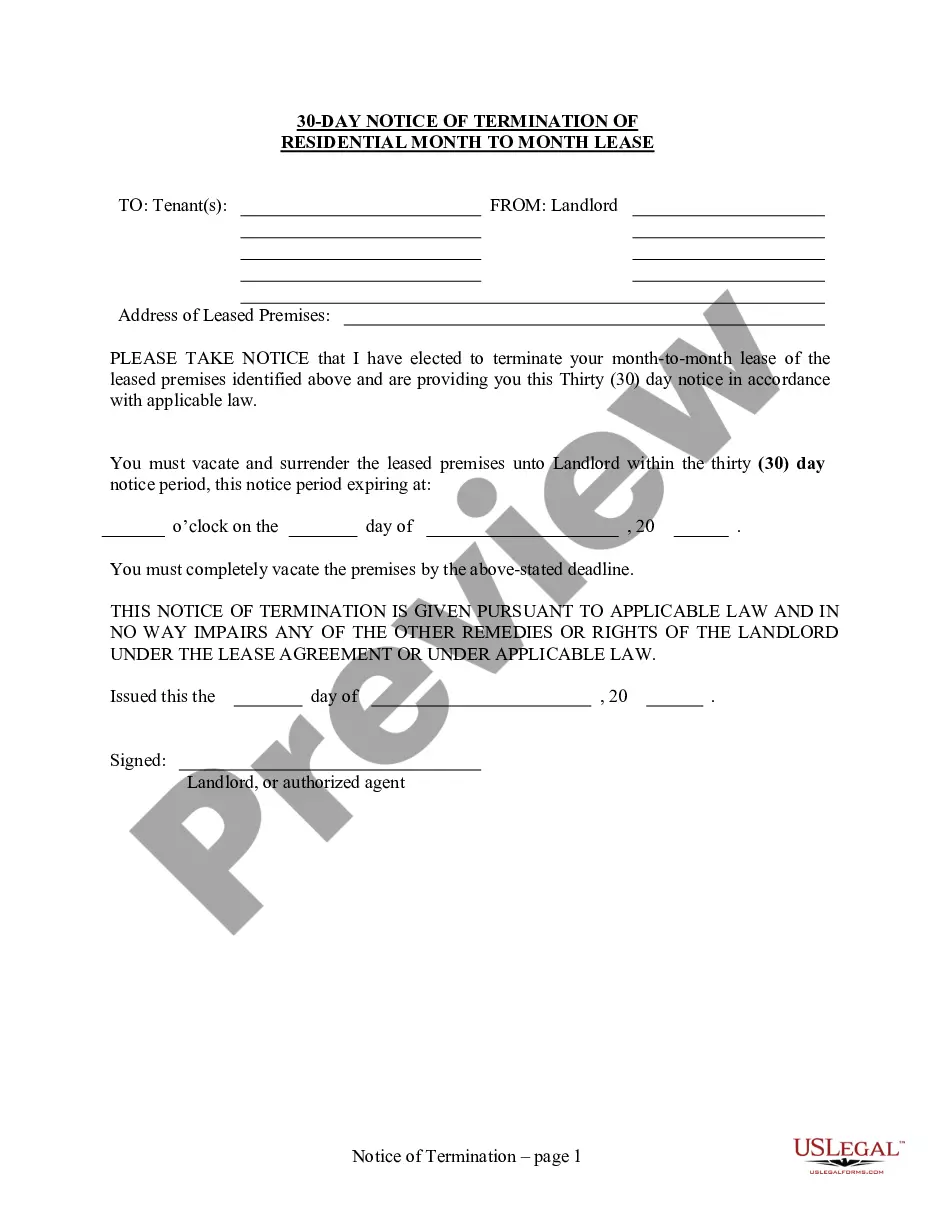

How to fill out Affidavit Of Character Or Character Affidavit?
Individuals often link legal documentation with something complex that only an expert can handle.
In some respects, it's accurate, as preparing a Character Affidavit For Child Custody Template demands significant knowledge in relevant criteria, including state and county rules.
However, with US Legal Forms, processes have become simpler: pre-made legal documents for any personal and business circumstance aligned with state regulations are gathered in one online library and are now accessible to everyone.
Print your document or upload it to an online editor for a faster completion. All templates in our collection are reusable: once purchased, they remain stored in your account. You can access them at any time needed via the My documents tab. Discover all advantages of using the US Legal Forms platform. Subscribe today!
- US Legal Forms provides over 85,000 current documents categorized by state and area of use, so searching for a Character Affidavit For Child Custody Template or any other specific document only takes a few minutes.
- Returning users with a valid subscription must Log In to their account and click Download to retrieve the form.
- New users to the site will first need to create an account and subscribe before they can access any files.
- Here is the step-by-step guide on how to obtain the Character Affidavit For Child Custody Template.
- Review the page content carefully to ensure it meets your requirements.
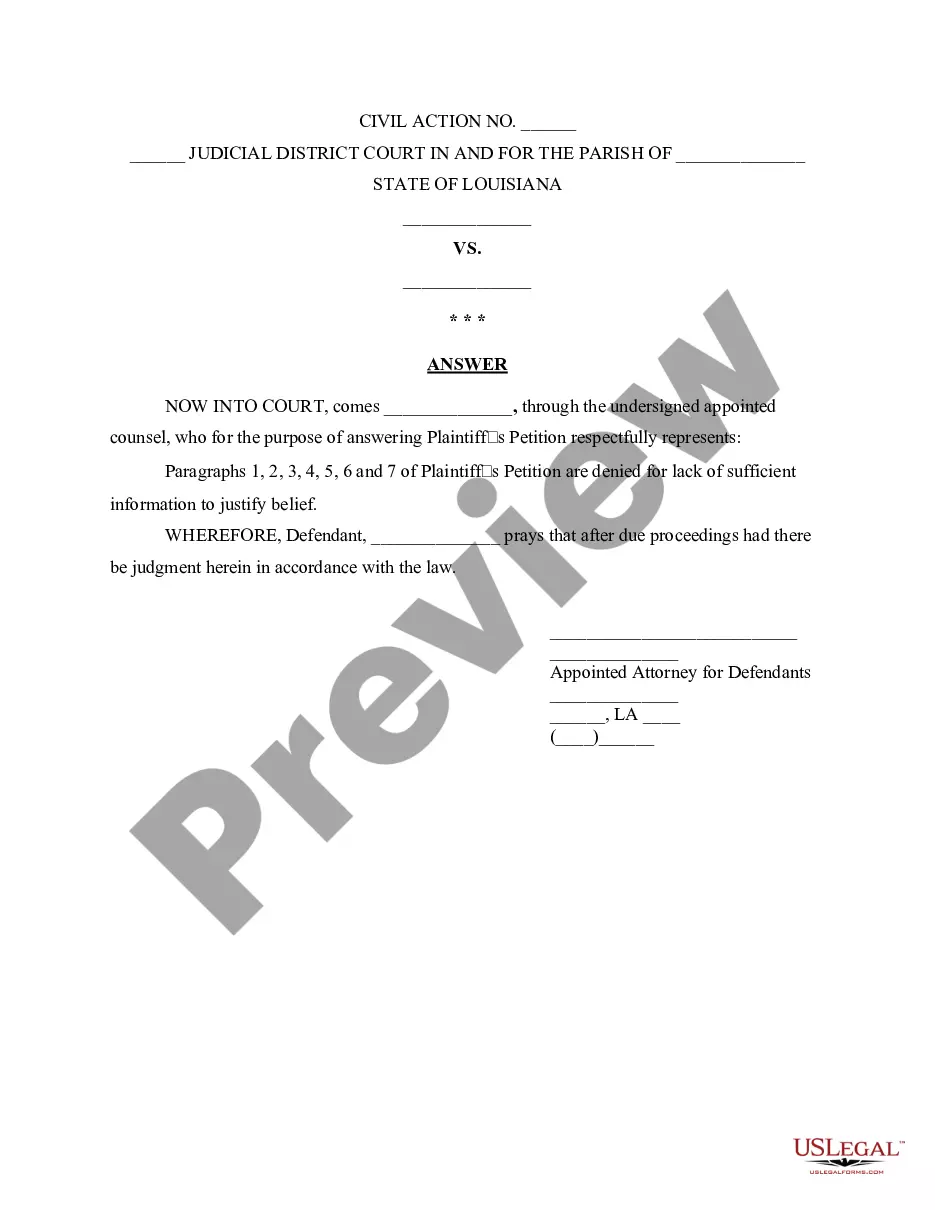
- Read the form description or review it using the Preview feature.
- If the earlier option does not fit your needs, find another sample through the Search bar in the header.
- Click Buy Now when you discover the appropriate Character Affidavit For Child Custody Template.
- Select a pricing plan that matches your needs and financial situation.
- Create an account or Log In to continue to the payment page.
- Complete your subscription payment through PayPal or with your credit card.
- Choose the format for your document and click Download.
Form popularity
FAQ
Character letters should include your name, mailing address, phone number and email address so that the court can verify your information. They should be addressed either to the Honorable FIRST NAME LAST NAME or Judge FIRST NAME LAST NAME.
How to write a character reference letterStart by explaining your relationship to the candidate. How do you know the candidate?Include long you've known the candidate.Add positive personal qualities with specific examples.Close with a statement of recommendation.Offer your contact information.
A Character Reference Letter for Court Child Custody template can consist of several parts, namely:The Sender.The Addressee.The Subject of the Letter.Information About the Sender.The Relationship Between the Sender and the Parent.Information About the Parent.Signature.
A Character Reference Letter for Court Child Custody template can consist of several parts, namely:The Sender.The Addressee.The Subject of the Letter.Information About the Sender.The Relationship Between the Sender and the Parent.Information About the Parent.Signature.
Content of the referenceIntroduce yourself. State what your occupation is and any qualifications you hold.Outline your relationship with the person who is the subject of the legal proceedings. DO.Acknowledge the charges that have been brought against the person. DO.State your opinion of the person's general character. DO.
