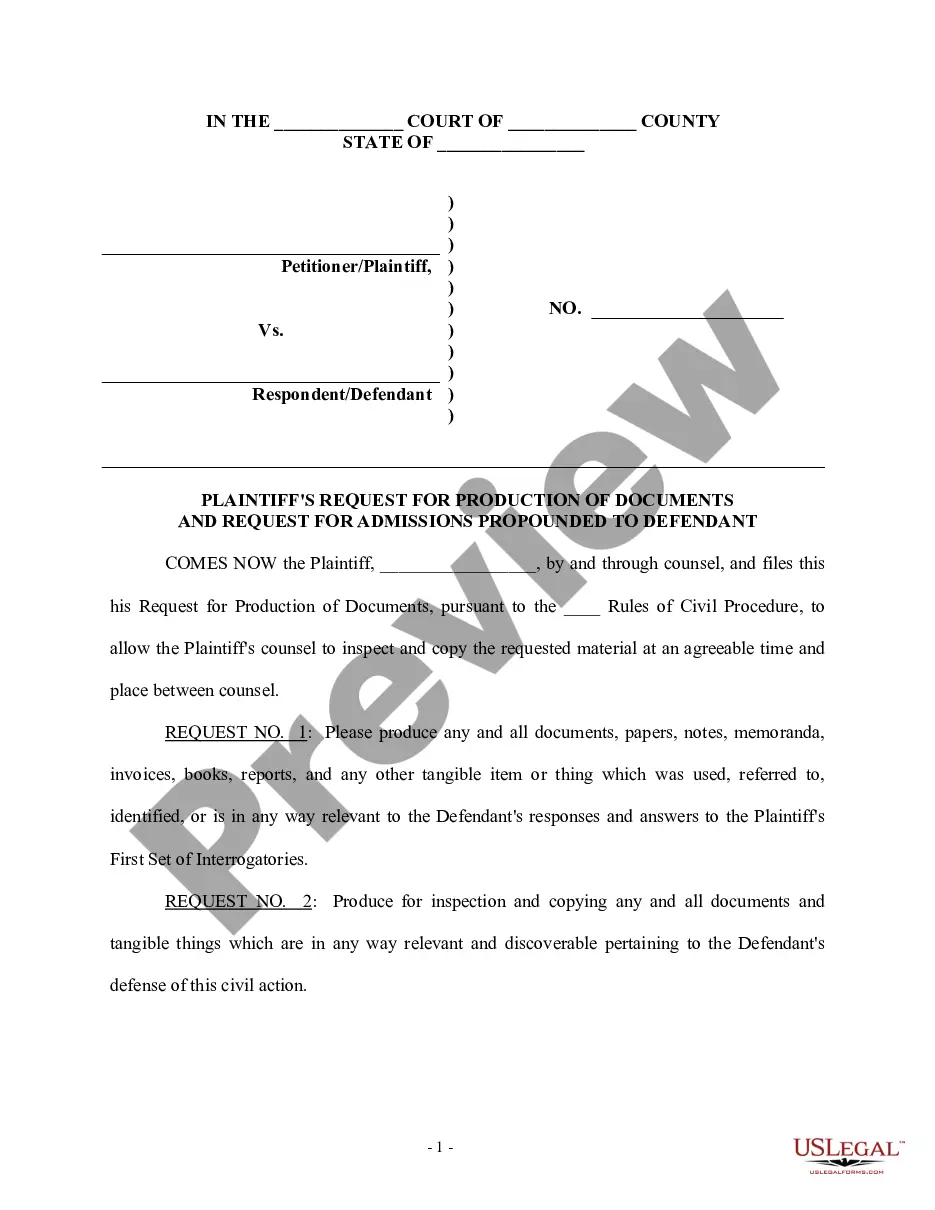
Request For Production Of Documents California Limit
Description

Get your form ready online
Our built-in tools help you complete, sign, share, and store your documents in one place.
Make edits, fill in missing information, and update formatting in US Legal Forms—just like you would in MS Word.
Download a copy, print it, send it by email, or mail it via USPS—whatever works best for your next step.
Sign and collect signatures with our SignNow integration. Send to multiple recipients, set reminders, and more. Go Premium to unlock E-Sign.
If this form requires notarization, complete it online through a secure video call—no need to meet a notary in person or wait for an appointment.
We protect your documents and personal data by following strict security and privacy standards.

Make edits, fill in missing information, and update formatting in US Legal Forms—just like you would in MS Word.

Download a copy, print it, send it by email, or mail it via USPS—whatever works best for your next step.

Sign and collect signatures with our SignNow integration. Send to multiple recipients, set reminders, and more. Go Premium to unlock E-Sign.

If this form requires notarization, complete it online through a secure video call—no need to meet a notary in person or wait for an appointment.

We protect your documents and personal data by following strict security and privacy standards.
Looking for another form?








How to fill out Request For Production Of Documents?
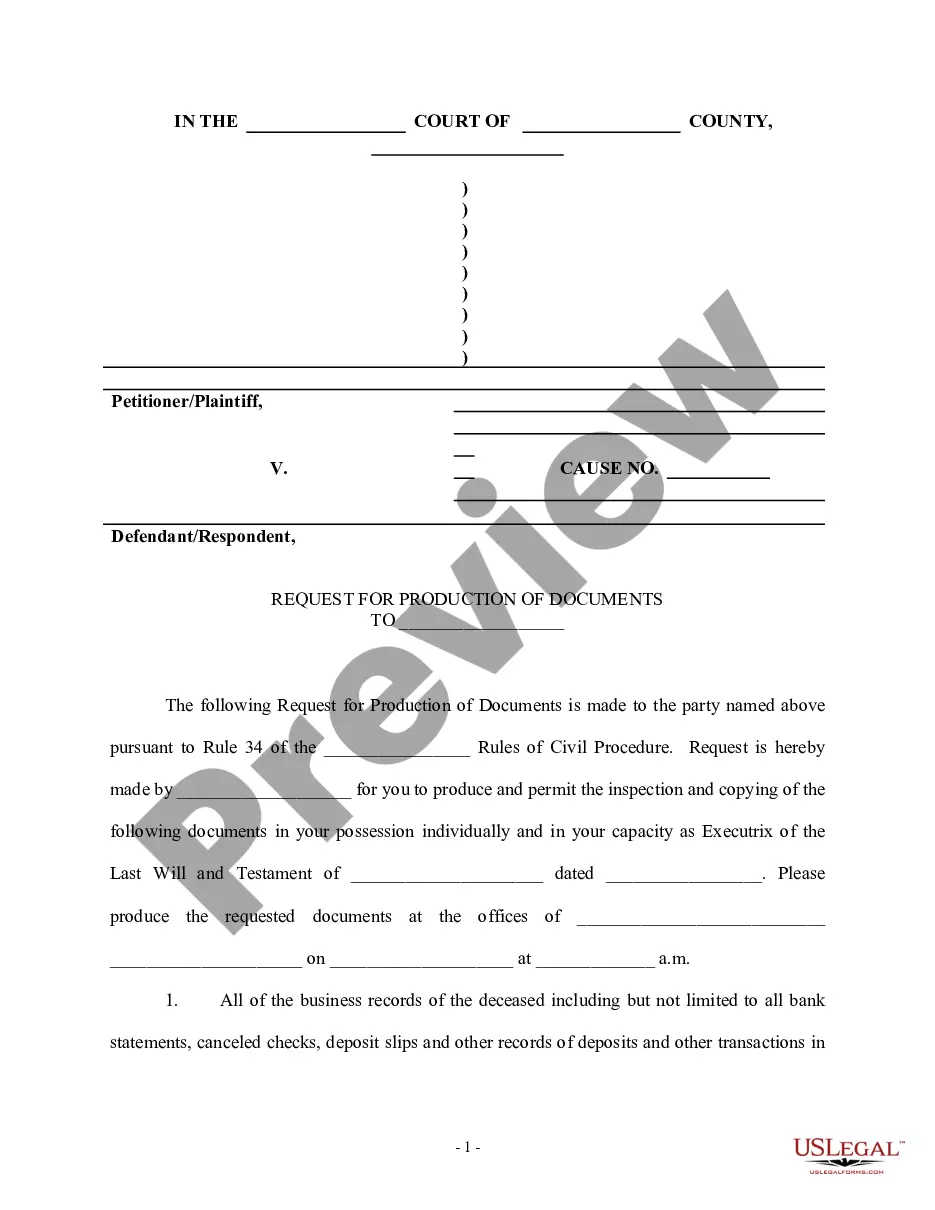
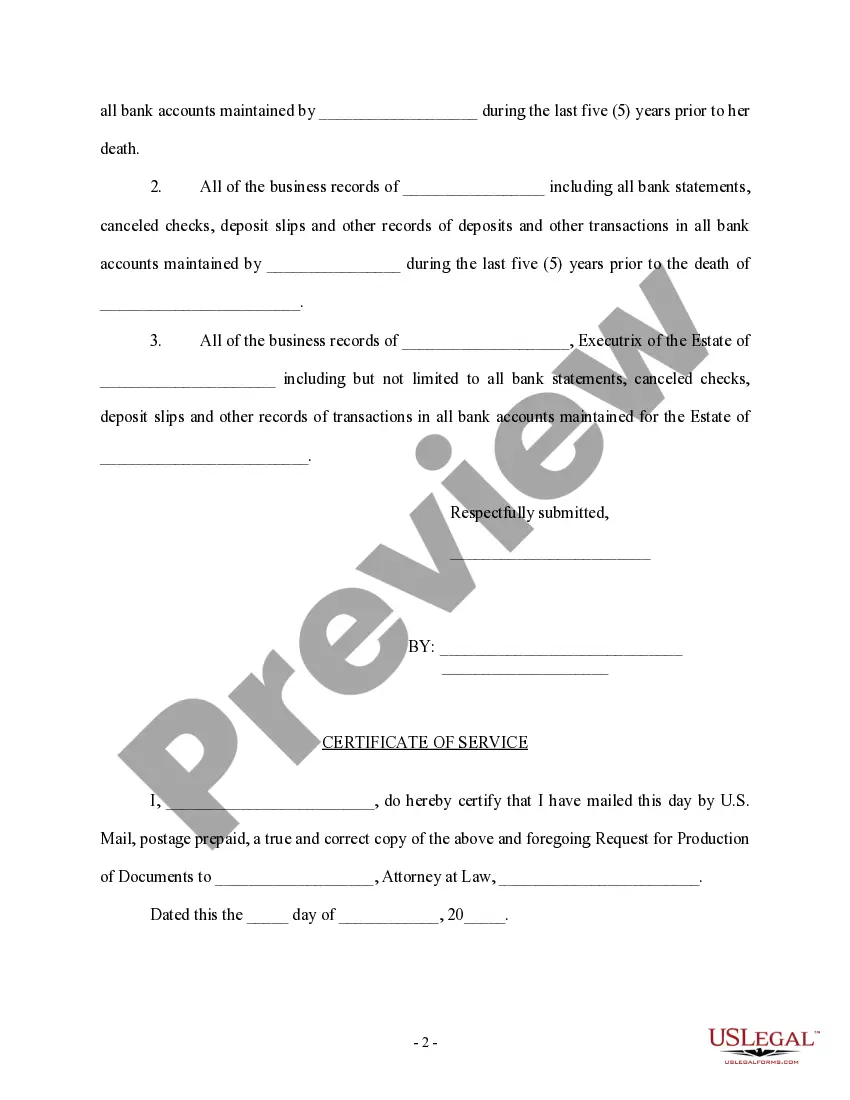
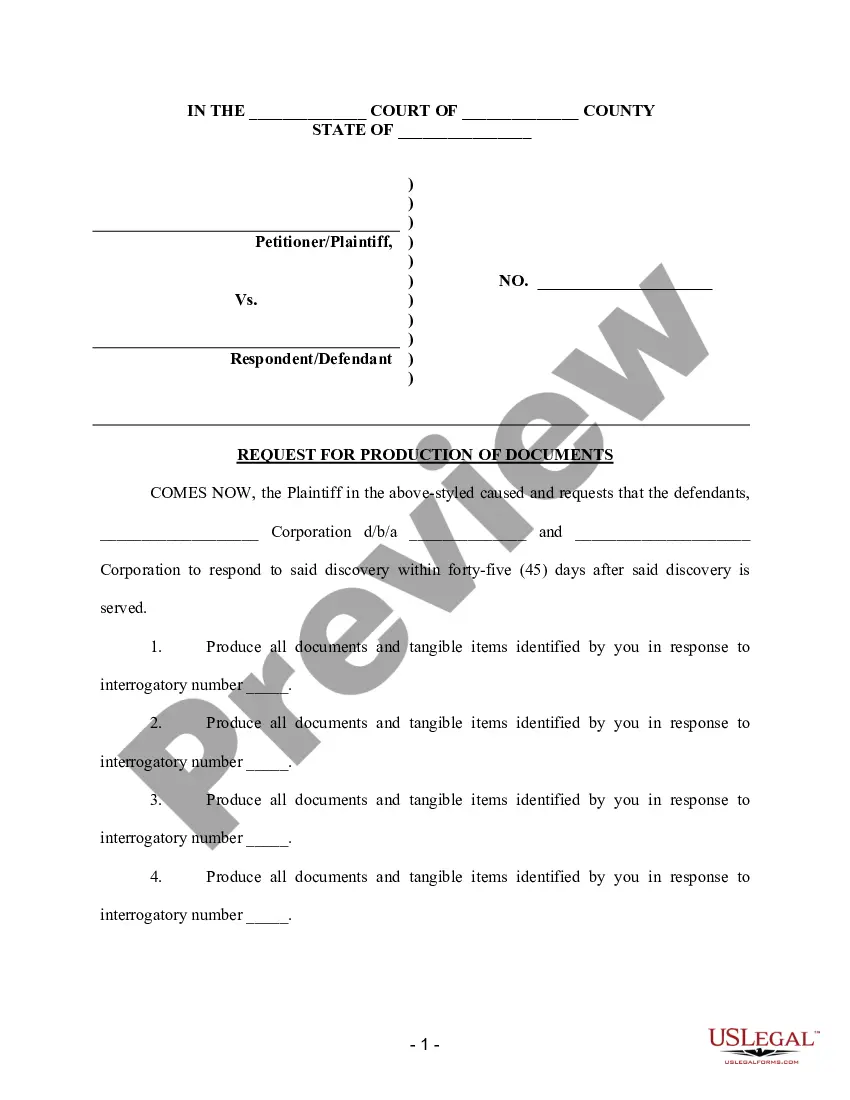
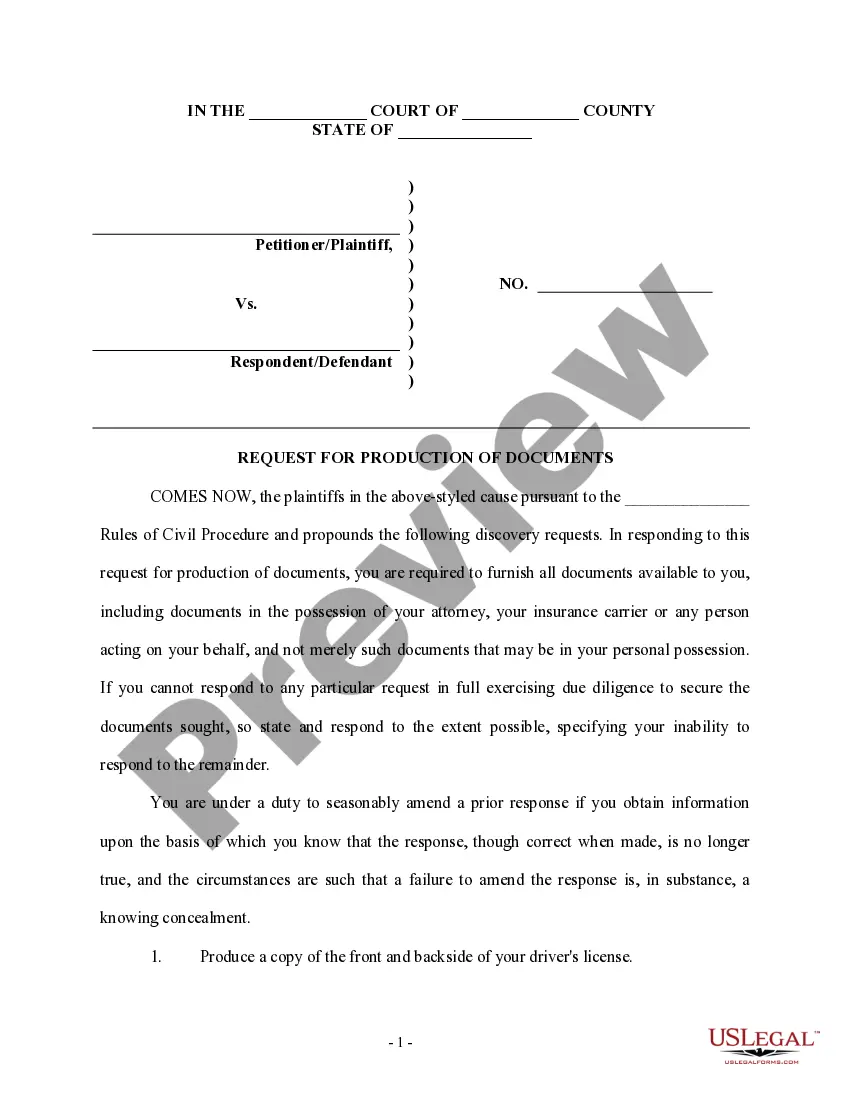
The Request For Production Of Documents California Limit displayed on this page is a versatile official template composed by experienced attorneys in compliance with federal and local regulations.
For over 25 years, US Legal Forms has offered individuals, organizations, and legal practitioners access to more than 85,000 validated, state-specific documents for any business or personal circumstance. It’s the quickest, most direct, and most reliable method to obtain the forms you require, as the service assures bank-level data protection and anti-malware safeguards.
Select the format you prefer for your Request For Production Of Documents California Limit (PDF, Word, RTF) and save the document on your device. Complete and sign the document. Print the template to finish it manually. Alternatively, use an online multifunctional PDF editor to quickly and accurately fill out and endorse your form with an eSignature. Download your documents once more. Reuse the same document whenever necessary. Access the My documents tab in your profile to redownload any forms previously saved. Subscribe to US Legal Forms to have verified legal templates for all of life’s situations readily available.
- Search for the document you require and examine it.
- Review the sample you found and preview it or check the form description to confirm it meets your requirements. If it doesn’t, utilize the search bar to find the appropriate one. Click Buy Now when you locate the template you need.
- Register and Log In.
- Choose the pricing option that works for you and create an account. Use PayPal or a credit card for a swift payment. If you already possess an account, Log In and verify your subscription to proceed.
- Obtain the fillable template.
Form popularity
FAQ
A Rule 34 Request for Production of documents is a formal request made under the Federal Rules of Civil Procedure, allowing one party to obtain documents from another party. This rule is crucial in the discovery phase of litigation, as it helps both sides gather evidence relevant to the case. In California, similar provisions exist, and understanding the Request for production of documents California limit can enhance your legal strategy. Using platforms like USLegalForms can simplify the process of creating and managing these requests efficiently.
In California, parties may serve up to 35 requests for admission to another party, as outlined in the California Code of Civil Procedure. This limit ensures that the process remains manageable and focused on relevant issues. If you need more than 35 requests, you'll need to seek permission from the court. Understanding the Request for production of documents California limit can help you effectively navigate the legal landscape.
In California, you typically have 30 days to respond to a Request for Production of documents. This timeline is crucial, as it allows you to gather the necessary documents and provide a comprehensive response. If you require additional time, it is possible to request an extension, but this must be agreed upon by the requesting party. Staying within the Request for production of documents California limit is essential to avoid potential legal complications.
The limit on requests for production of documents in California typically allows for a specific number of requests, often set at 35, but this can vary depending on the case's complexity. It is essential to stay within these limits to avoid objections from the opposing party. Understanding these boundaries helps you in crafting your requests and ensures the process remains efficient. For detailed guidance, consider exploring resources available on platforms like USLegalForms, which can assist in navigating the Request for production of documents California limit.
To answer a Request for Production of documents, you should first review each request carefully. Identify the documents you possess that are relevant and prepare to produce them in an organized manner. If you cannot provide any requested documents, be prepared to explain why. Utilizing a platform like USLegalForms can help streamline your response process effectively while adhering to the Request for production of documents California limit.
Yes, there is a limit on the Request for Production of documents in California. According to the California Code of Civil Procedure, a party can request documents that are relevant to the case. However, the number of requests may be limited to avoid excessive burden. Understanding the Request for production of documents California limit ensures you stay compliant while effectively gathering necessary information.
Any party may serve on any other party a request (1) to produce and permit the party making the request, or someone acting on the requestor's behalf, to inspect and copy, any designated documents (including writings, drawings, graphs, charts, photographs, phonorecords, and other data compilations from which information ...
In civil cases, parties can use Requests for Production of Documents (RFP) to obtain documents. There is no limit on the number of RFPs.
How to respond to Requests for Production Download the blank response template and fill in basic information. ... Prepare the template for your responses. ... Read and answer the questions. ... Sign the document.
At the same time, unlike the new limits to Rule 33 interrogatories and Rule 36 requests for admission, the amendments do not limit the number of Rule 34 requests for production. Interestingly, the Rules Committee specifically studied limiting the Rule 34 requests, but ultimately did not recommend any limitation.