Trust Education
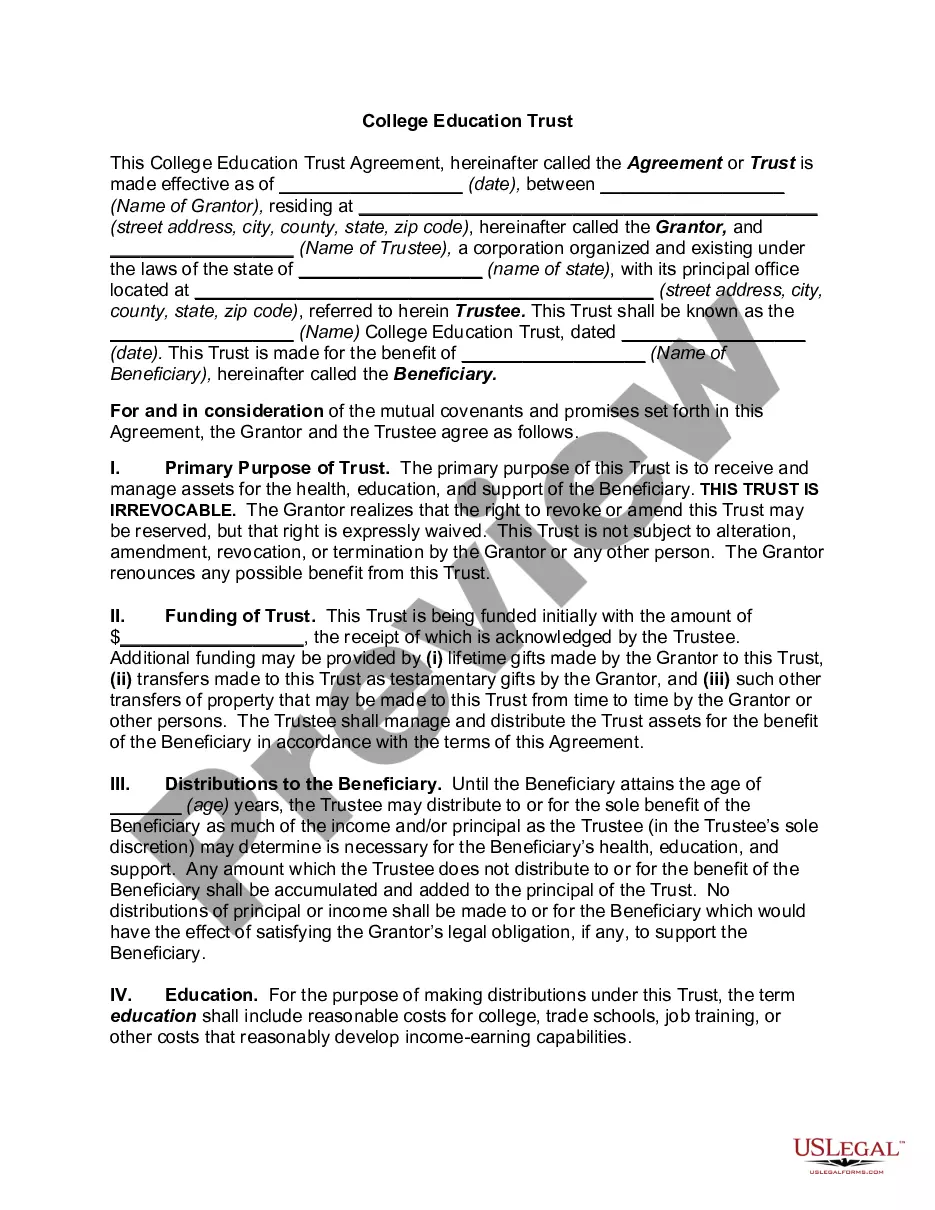
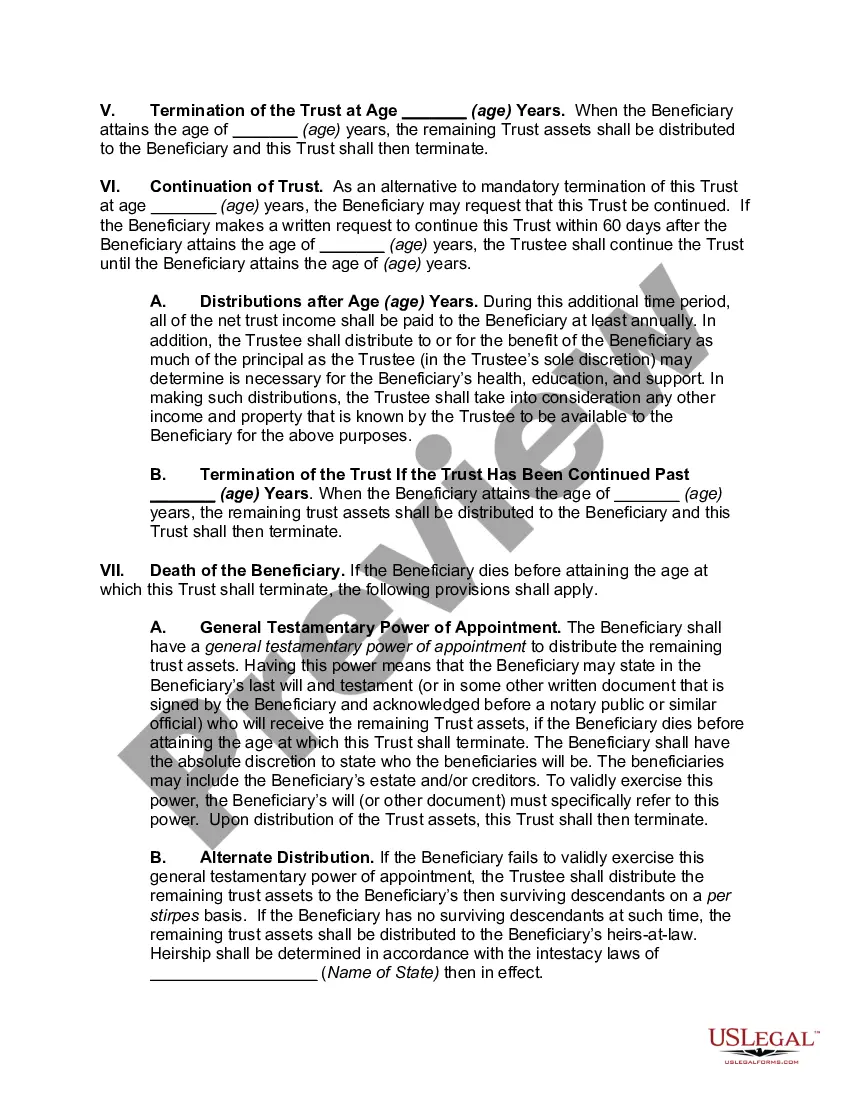
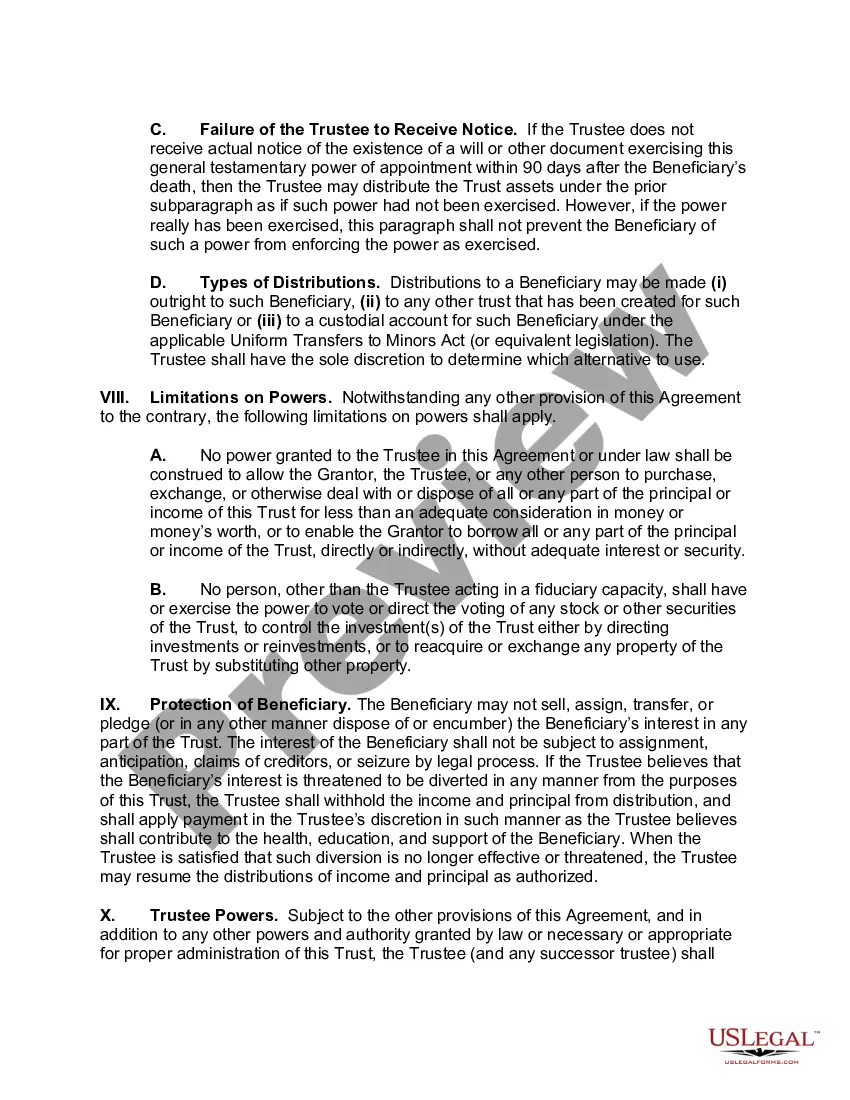
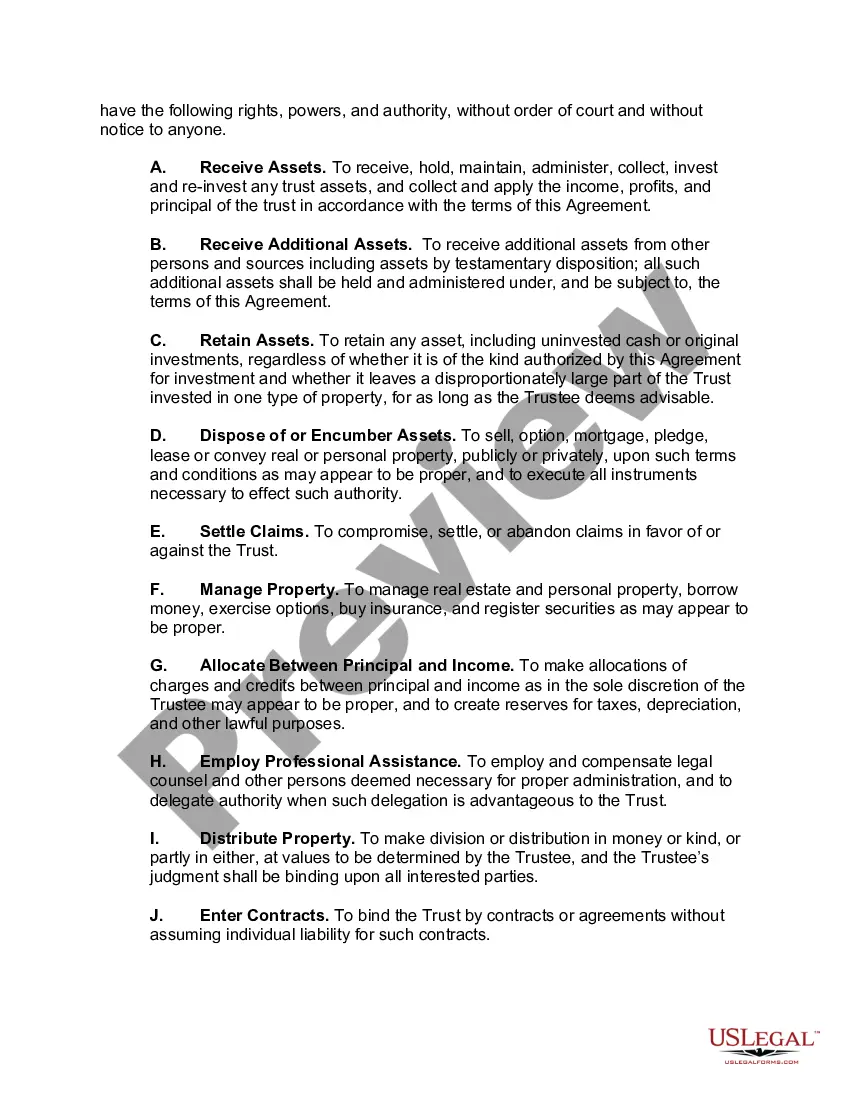
Description
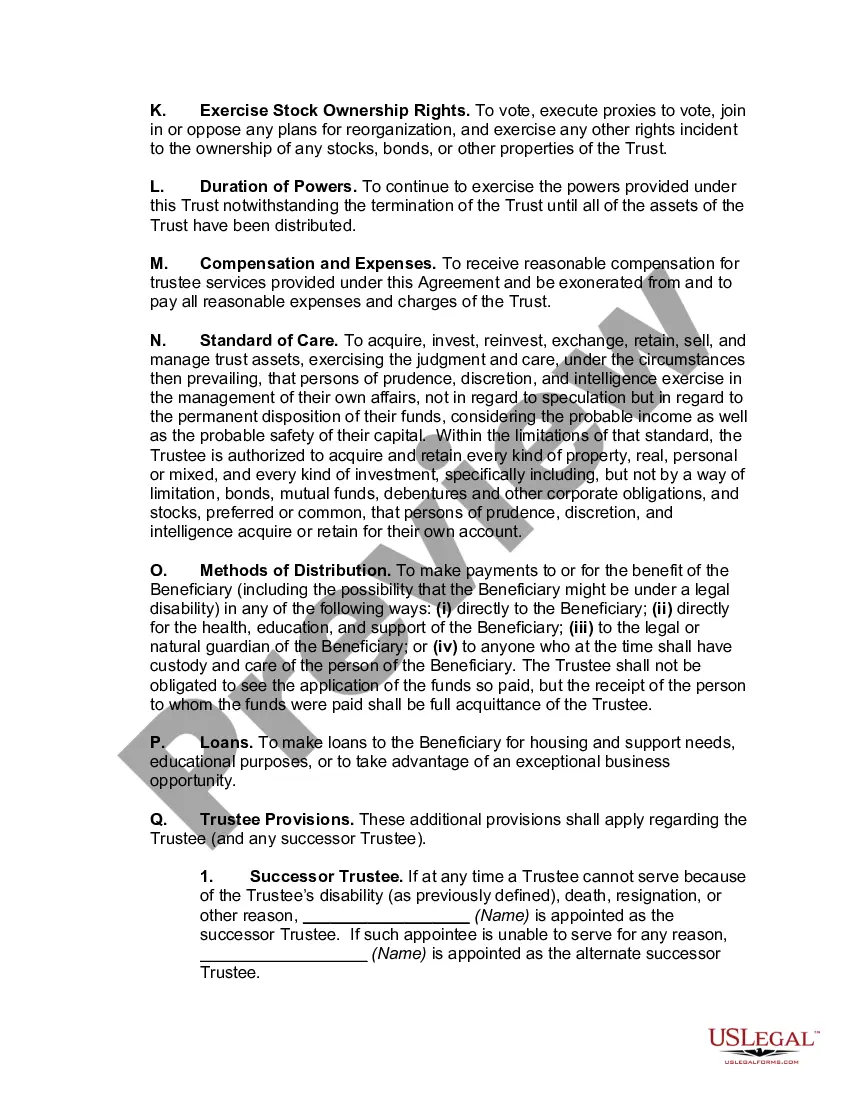
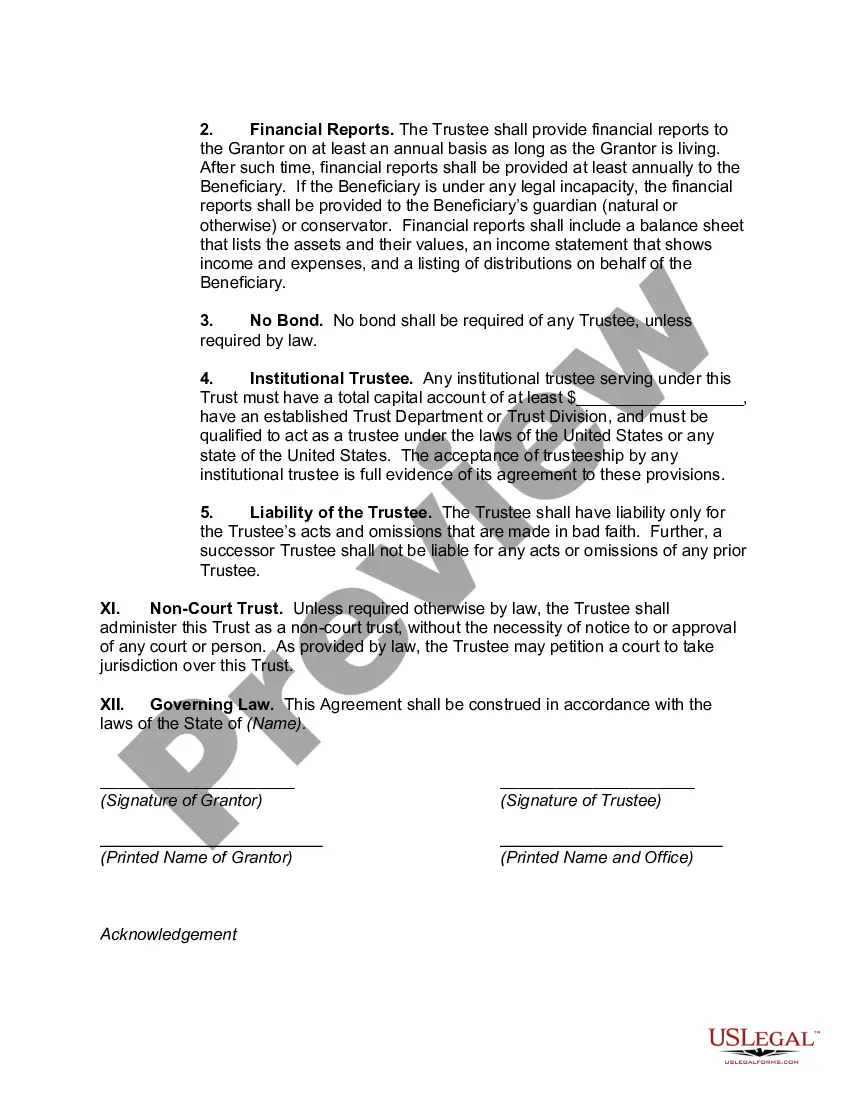
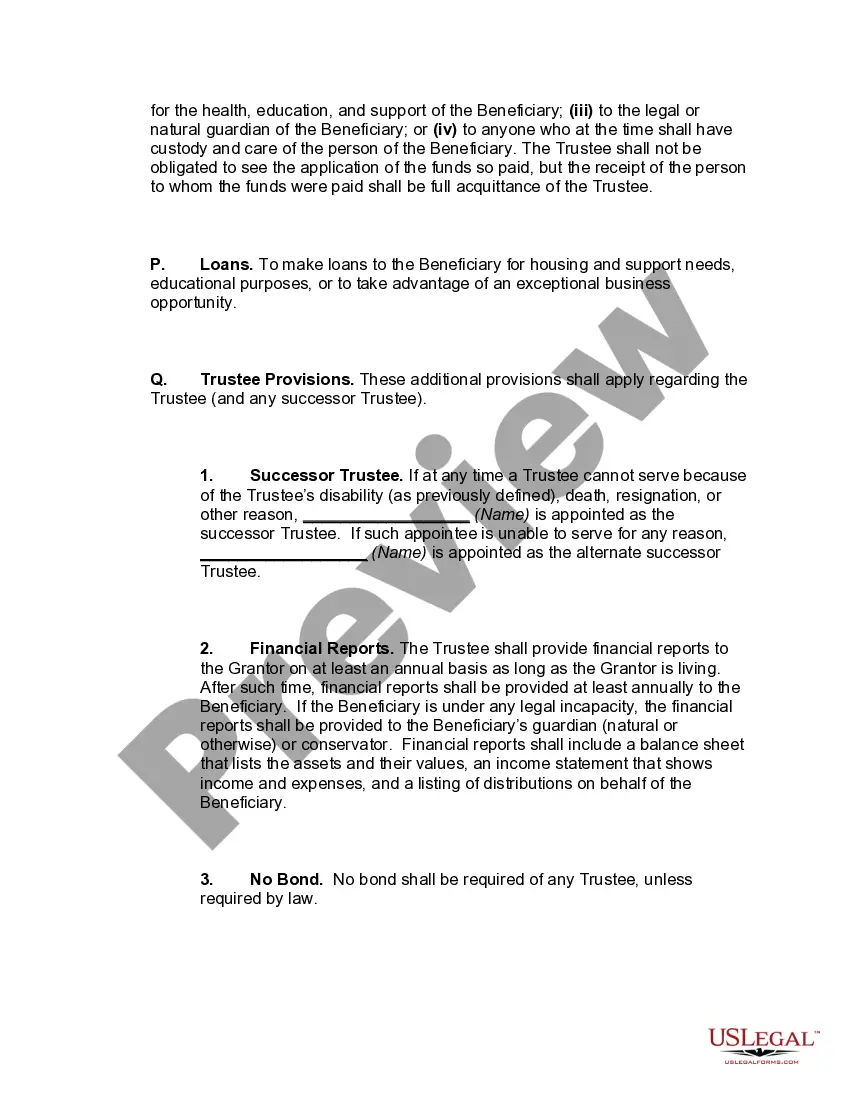
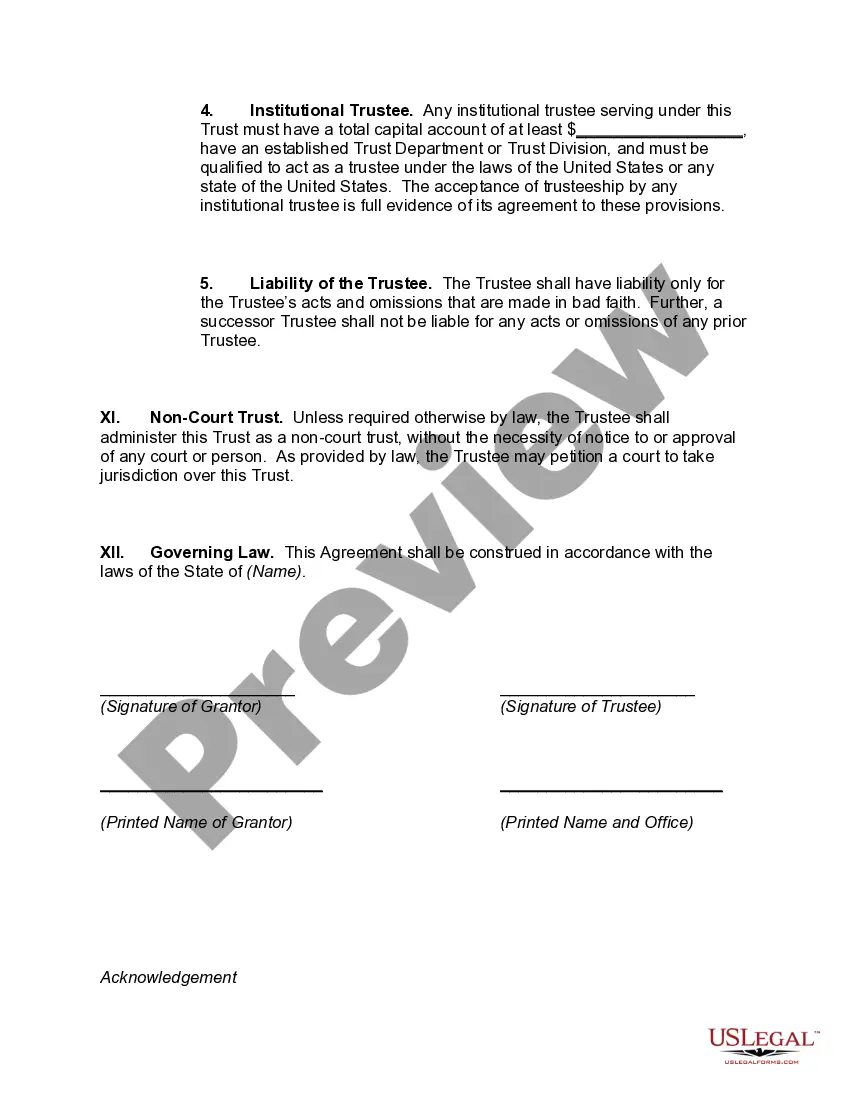

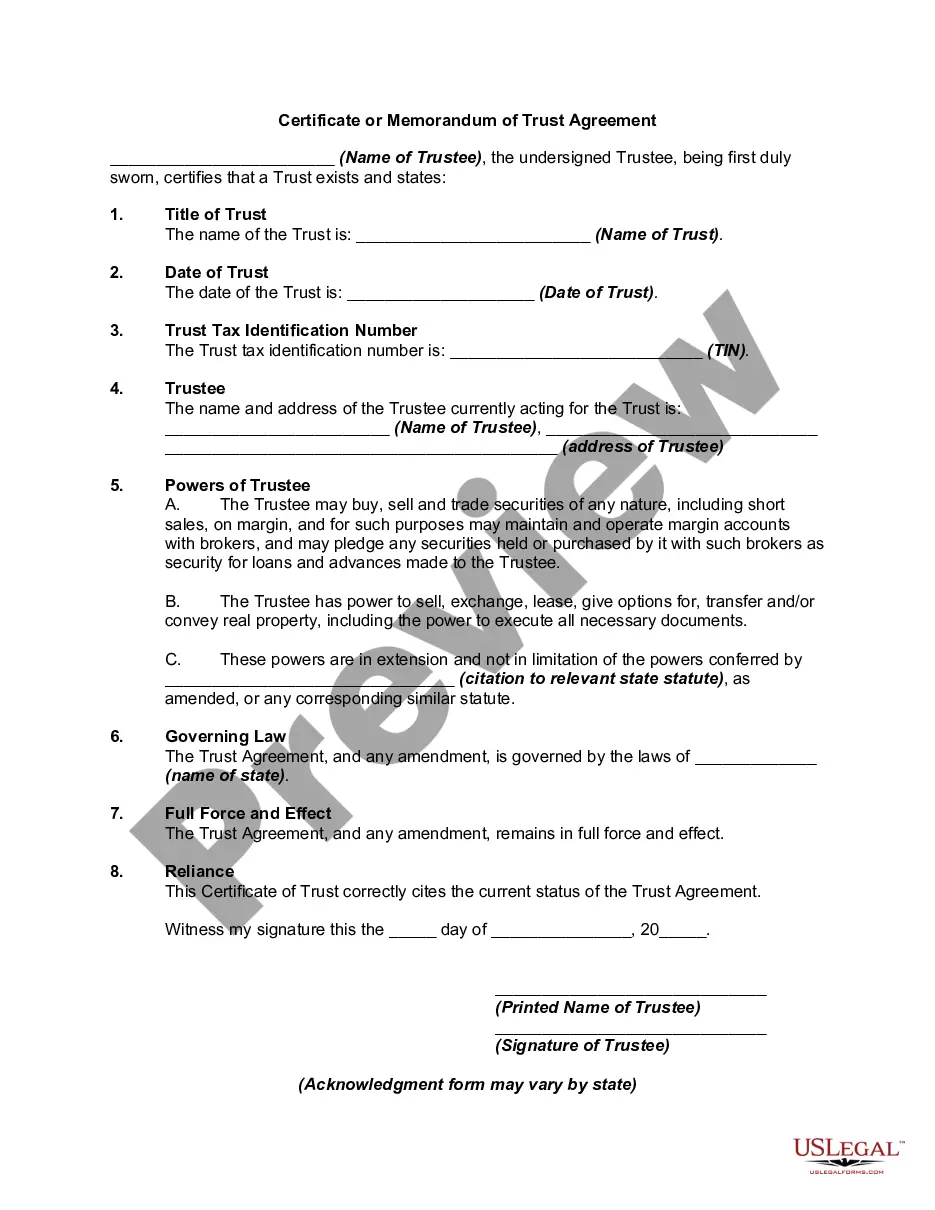
Get your form ready online
Our built-in tools help you complete, sign, share, and store your documents in one place.
Make edits, fill in missing information, and update formatting in US Legal Forms—just like you would in MS Word.
Download a copy, print it, send it by email, or mail it via USPS—whatever works best for your next step.
Sign and collect signatures with our SignNow integration. Send to multiple recipients, set reminders, and more. Go Premium to unlock E-Sign.
If this form requires notarization, complete it online through a secure video call—no need to meet a notary in person or wait for an appointment.
We protect your documents and personal data by following strict security and privacy standards.

Make edits, fill in missing information, and update formatting in US Legal Forms—just like you would in MS Word.

Download a copy, print it, send it by email, or mail it via USPS—whatever works best for your next step.

Sign and collect signatures with our SignNow integration. Send to multiple recipients, set reminders, and more. Go Premium to unlock E-Sign.

If this form requires notarization, complete it online through a secure video call—no need to meet a notary in person or wait for an appointment.

We protect your documents and personal data by following strict security and privacy standards.
Looking for another form?
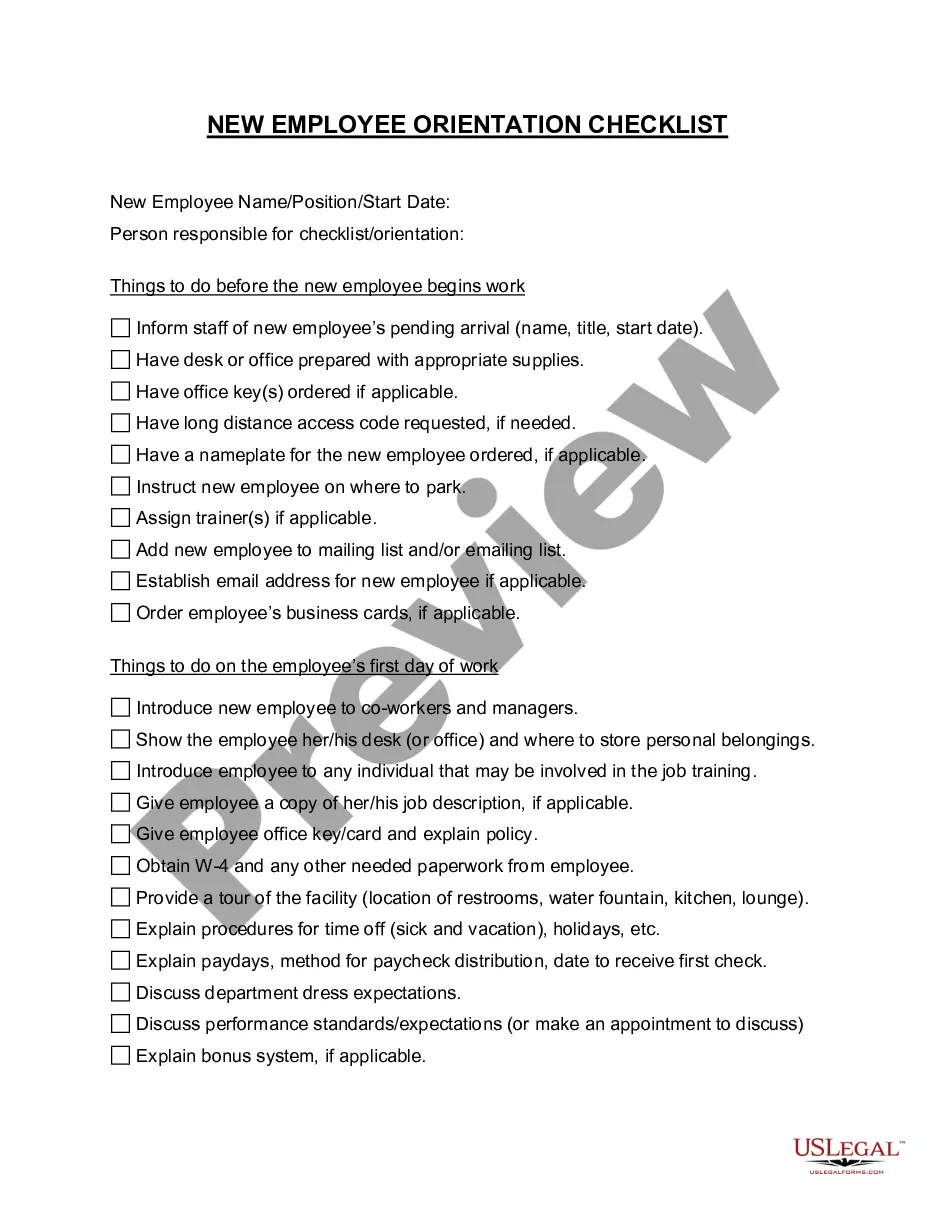







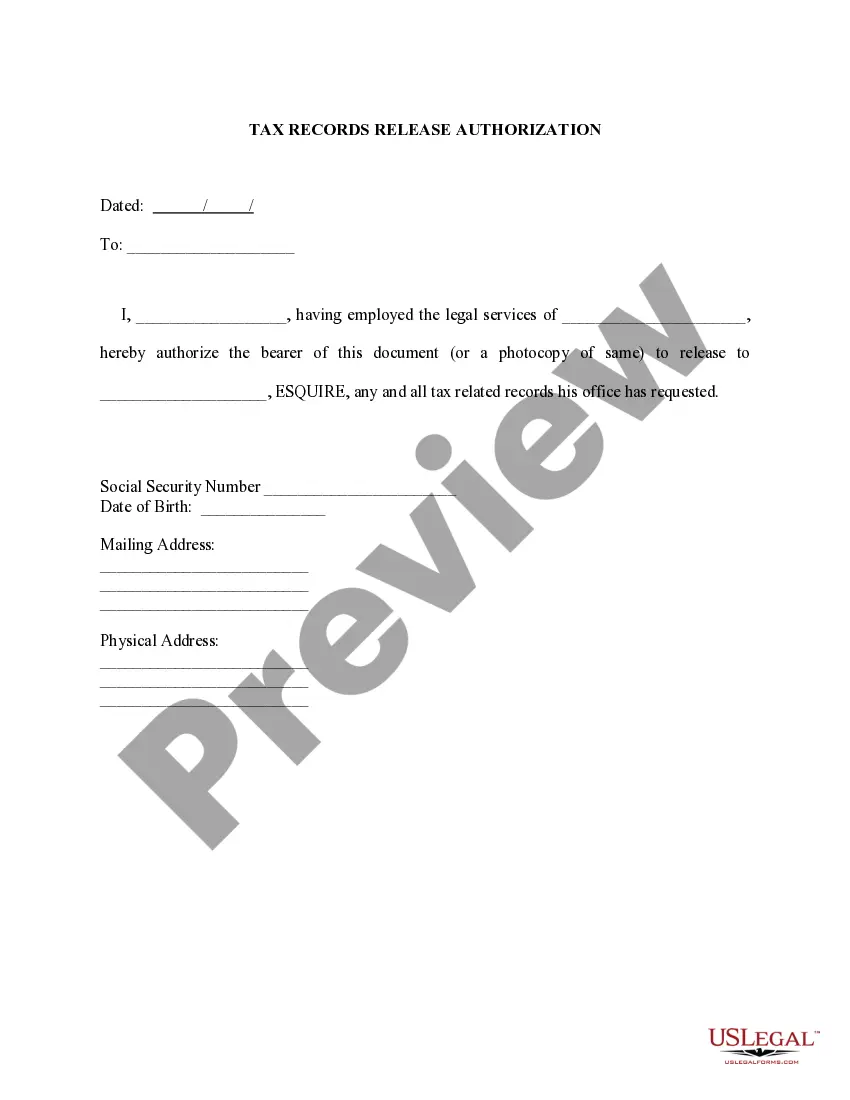
How to fill out College Education Trust Agreement?
- If you're a returning user, simply log in to your account and verify your subscription status.
- Once logged in, navigate to the desired form template and click 'Download' to save it to your device.
- For first-time users, start by perusing the extensive form library and read the descriptions carefully to find a form that meets local jurisdiction requirements.
- If needed, utilize the Search function to locate alternate templates that may better suit your needs.
- Select the form you believe is best by clicking 'Buy Now' and choose your preferred subscription plan, ensuring you create an account for full access.
- Finalize your purchase by entering your payment details, whether by credit card or PayPal.
- After the transaction, download the form and find it anytime in the My Forms section of your profile.
US Legal Forms not only offers a robust collection of legal documents but also provides users with access to premium experts to ensure accuracy in form completion. This empowers individuals and attorneys alike to navigate legal needs efficiently.
In conclusion, leveraging US Legal Forms can significantly streamline your legal documentation process. Begin your journey towards simpler document preparation today and explore the benefits of trust education!
Form popularity
FAQ
To create a trust, you typically need to file a trust document, which outlines the terms and conditions of the trust. Depending on your state, you may also need to complete additional forms, such as a certification of trust or specific tax documents. Trust education is essential to understand the requirements and ensure that your trust complies with local laws. Our platform, US Legal Forms, provides the necessary forms and guidance to help you navigate this process smoothly.
Putting assets in a trust can limit your immediate control over those assets, which some individuals may find uncomfortable. Once assets are transferred into the trust, the trustee takes over management responsibilities, which may lead to a loss of direct decision-making power. Understanding trust education can clarify how to navigate these feelings and focus on the long-term benefits, such as financial protection and estate planning efficiencies.
A disadvantage of a family trust is the potential for family disagreements regarding asset distribution and management. Disputes can arise if the terms of the trust are not clearly defined or if beneficiaries have differing visions for the trust’s purpose. Trust education can guide families in structuring their trusts to minimize conflicts and ensure harmony. Open conversations about expectations can enhance collaboration among family members.
The biggest mistake parents often make when setting up a trust fund is failing to communicate their intentions clearly. When the purposes of the trust and expectations are not shared, beneficiaries may misunderstand their roles or the trust's objectives. Effective trust education can prevent these miscommunications and ensure that all parties have a clear understanding of the trust's purpose. Regularly reviewing and discussing the trust can help keep everyone aligned.
Setting up an education trust involves several steps to ensure the funds are properly allocated for educational purposes. First, determine the amount you wish to set aside and choose a trustee to manage the trust. Next, specify the educational institutions or purposes that the funds can be used for, such as tuition or educational materials. US Legal Forms provides templates and guidance to streamline the trust education process for setting up an education trust.
Deciding whether your parents should put their assets in a trust depends on their financial goals and family needs. A trust can help in managing their assets effectively while providing clear instructions for distribution upon their passing. Additionally, a trust can offer protection from probate and potential tax benefits. Engaging in trust education can clarify how this decision aligns with their overall estate planning.
To fill out a trust fund, you need to provide specific information about your assets and beneficiaries. Start by detailing the assets you want to place in the trust, such as real estate, bank accounts, and investments. Next, identify your beneficiaries, the individuals who will receive assets from the trust. For a streamlined process, consider utilizing resources like US Legal Forms for guidance on trust education.
Building trust in education involves open communication, setting clear expectations, and demonstrating consistent support. You can encourage trust education by showing your commitment to the learning process and involving students in their educational journey. This positive approach fosters a supportive environment and creates lasting relationships that enhance the overall educational experience.
Whether a trust is better than a 529 plan greatly depends on your personal financial goals and situations. Trusts provide more control over how and when funds are disbursed, while 529 plans offer tax advantages for educational savings. In trust education, evaluating both options through platforms like uslegalforms can help you identify which is more suited to your family's educational funding strategy.
An educational trust is a legal arrangement that allows you to allocate resources for someone's educational needs. It acts as a means to ensure funds are used specifically for education-related expenses. In the realm of trust education, this option offers you the ability to designate how the funds will be used, ensuring your investment in education is secure and structured.