Educational Trust Definition For Tax Purposes
Description
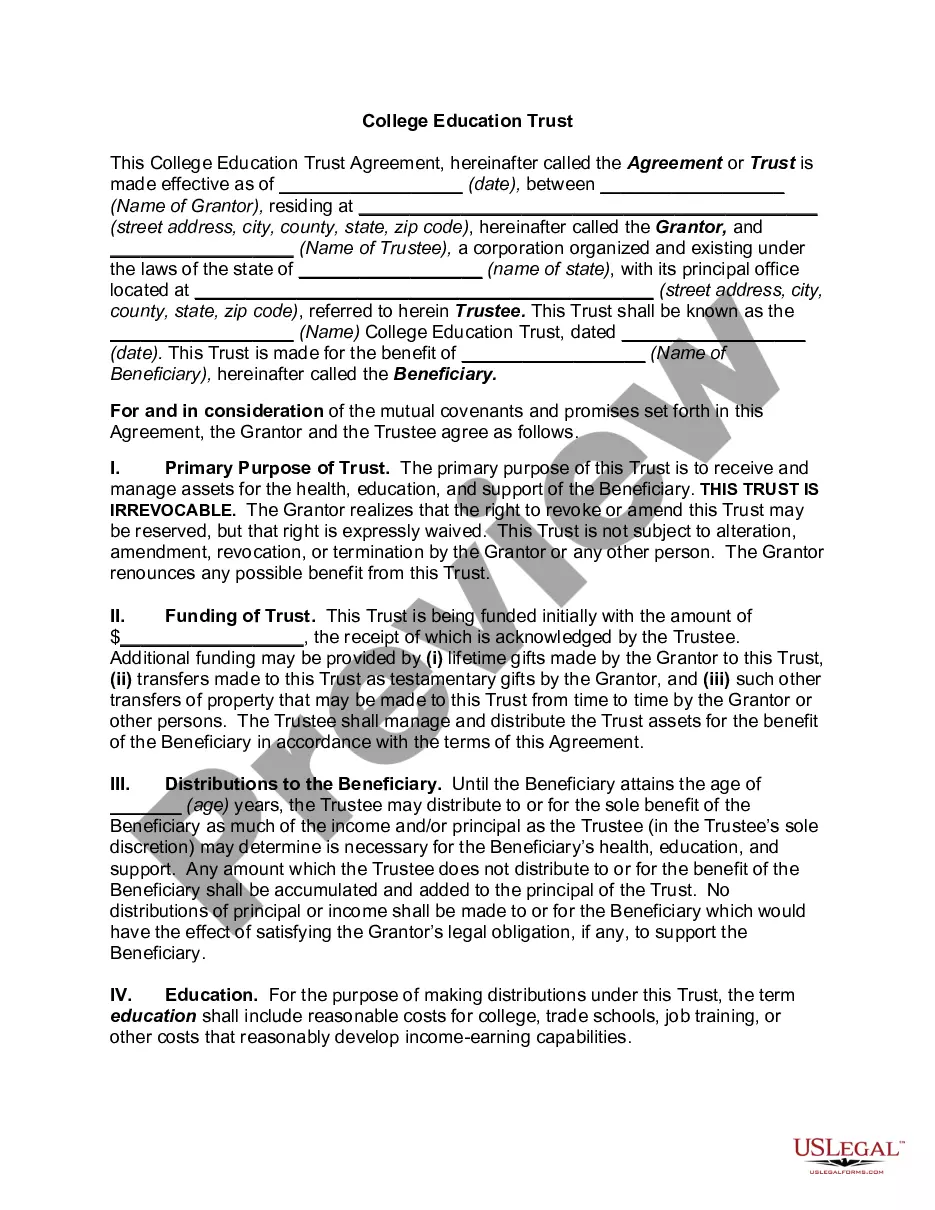
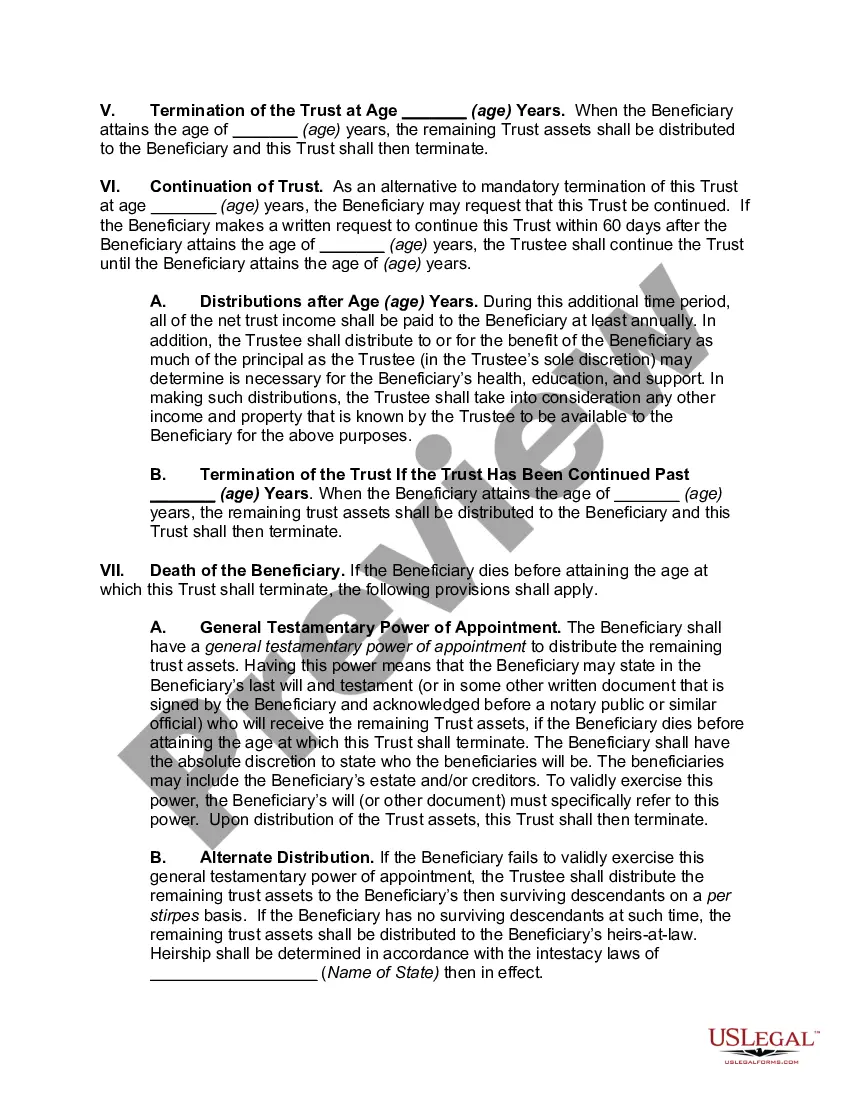
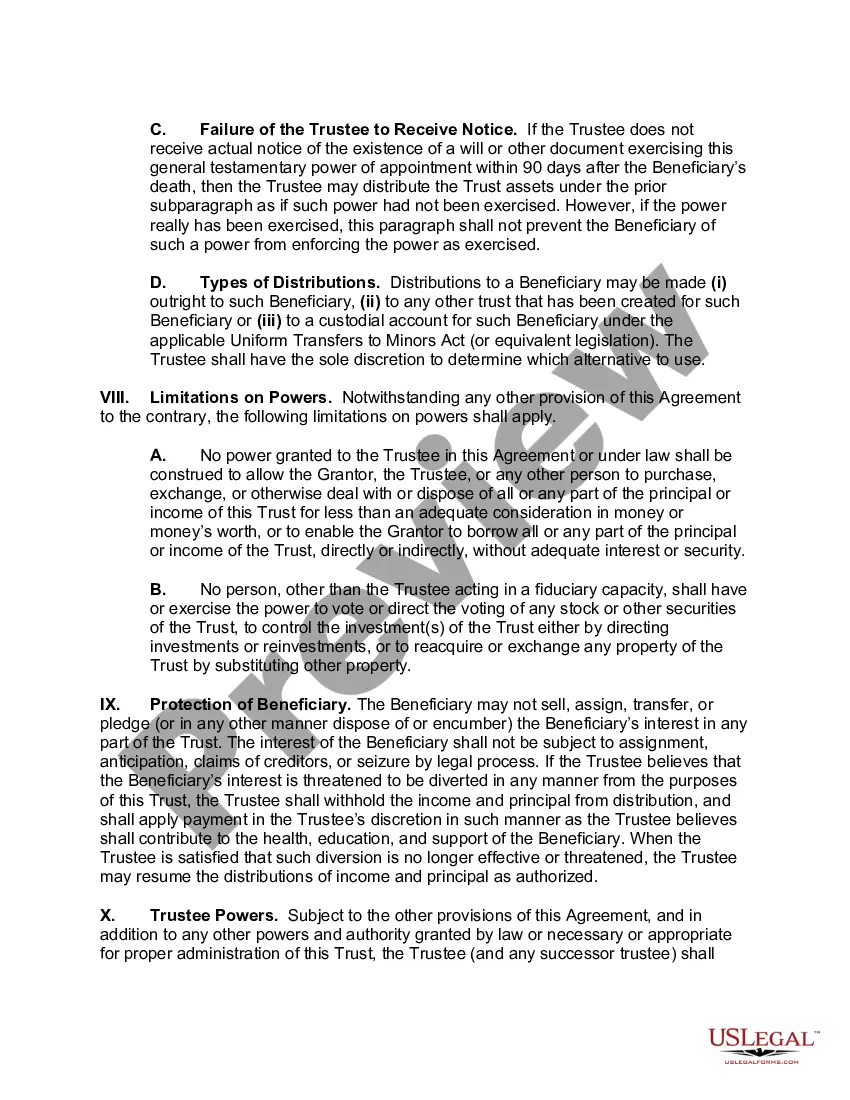
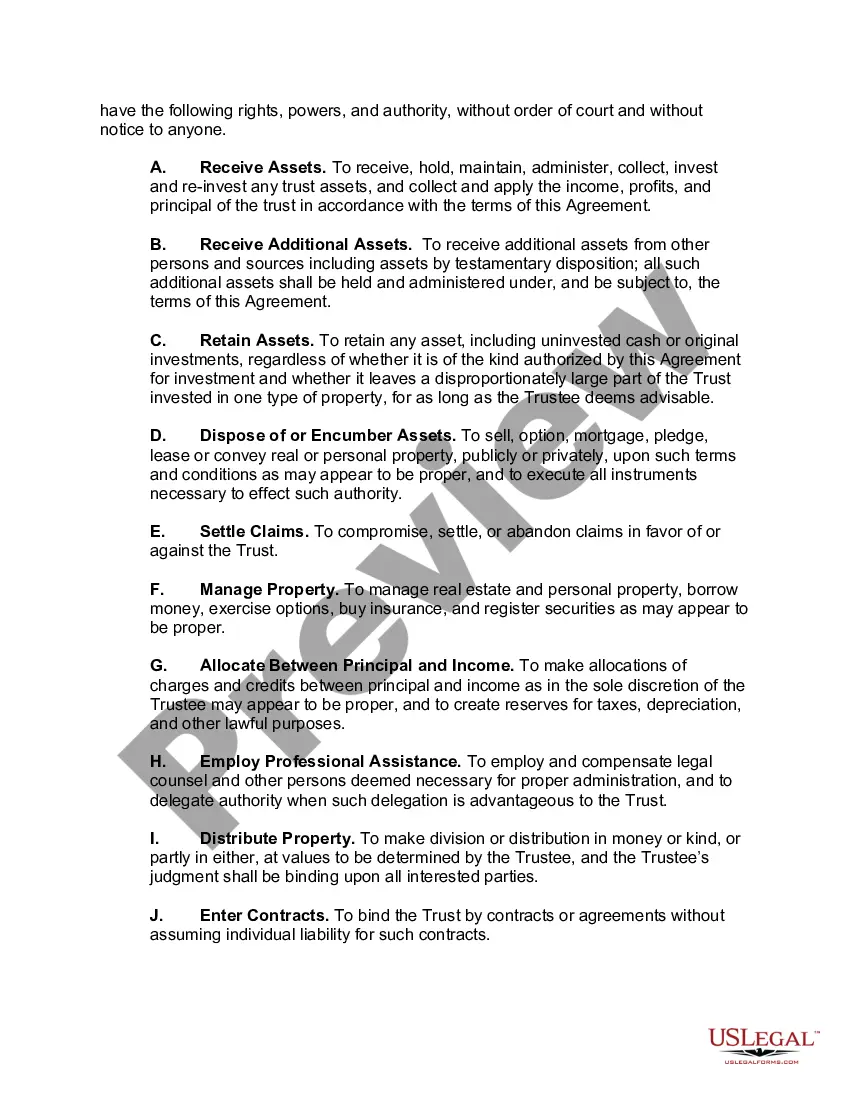
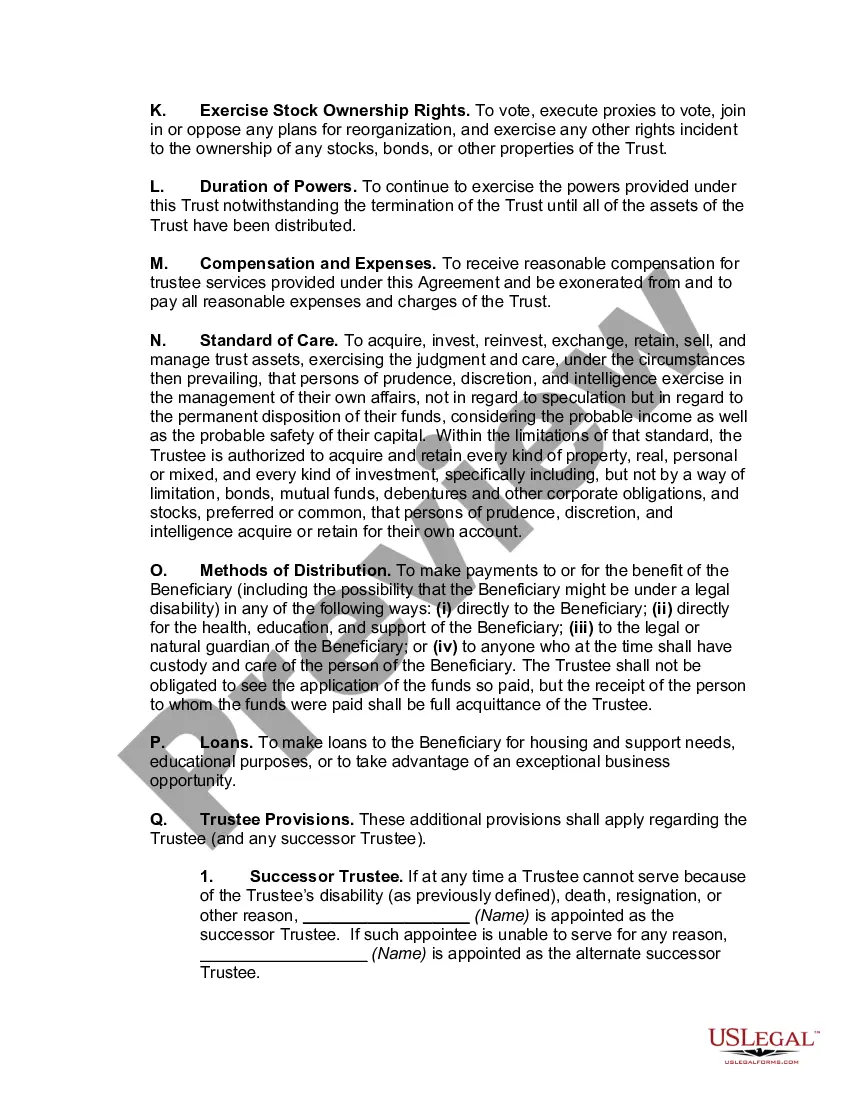
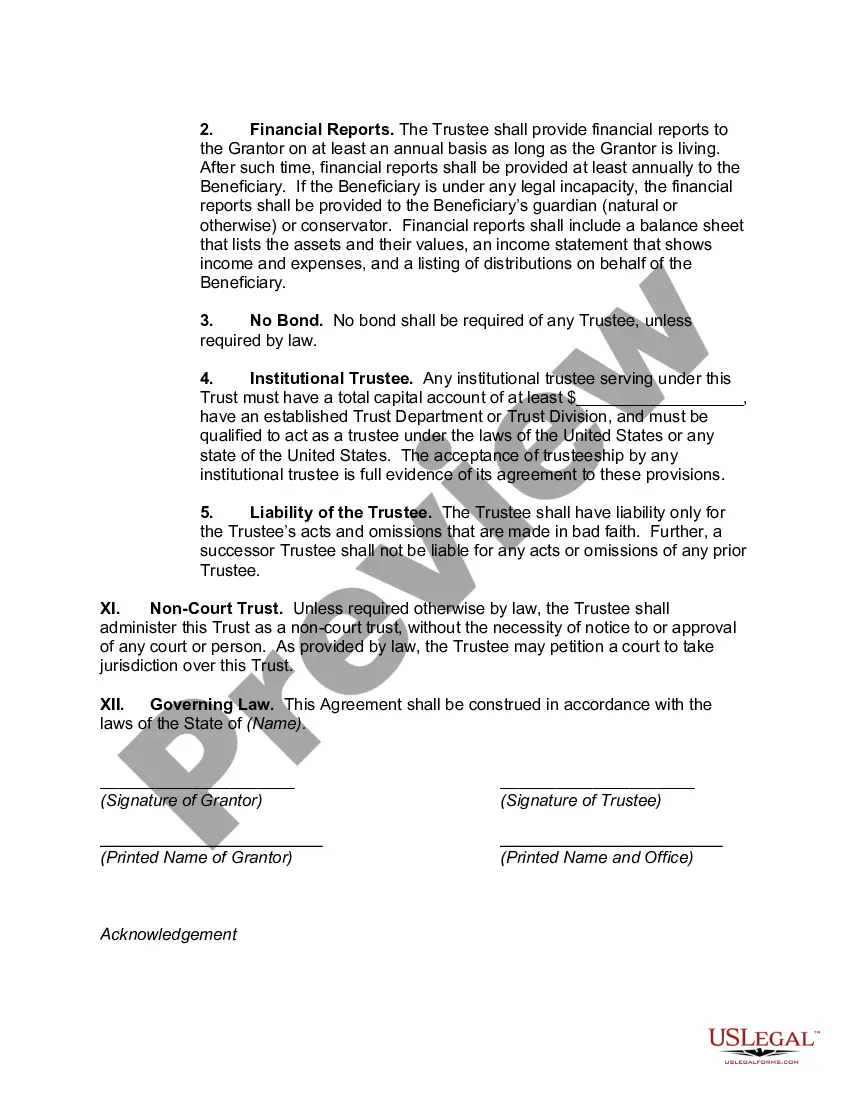
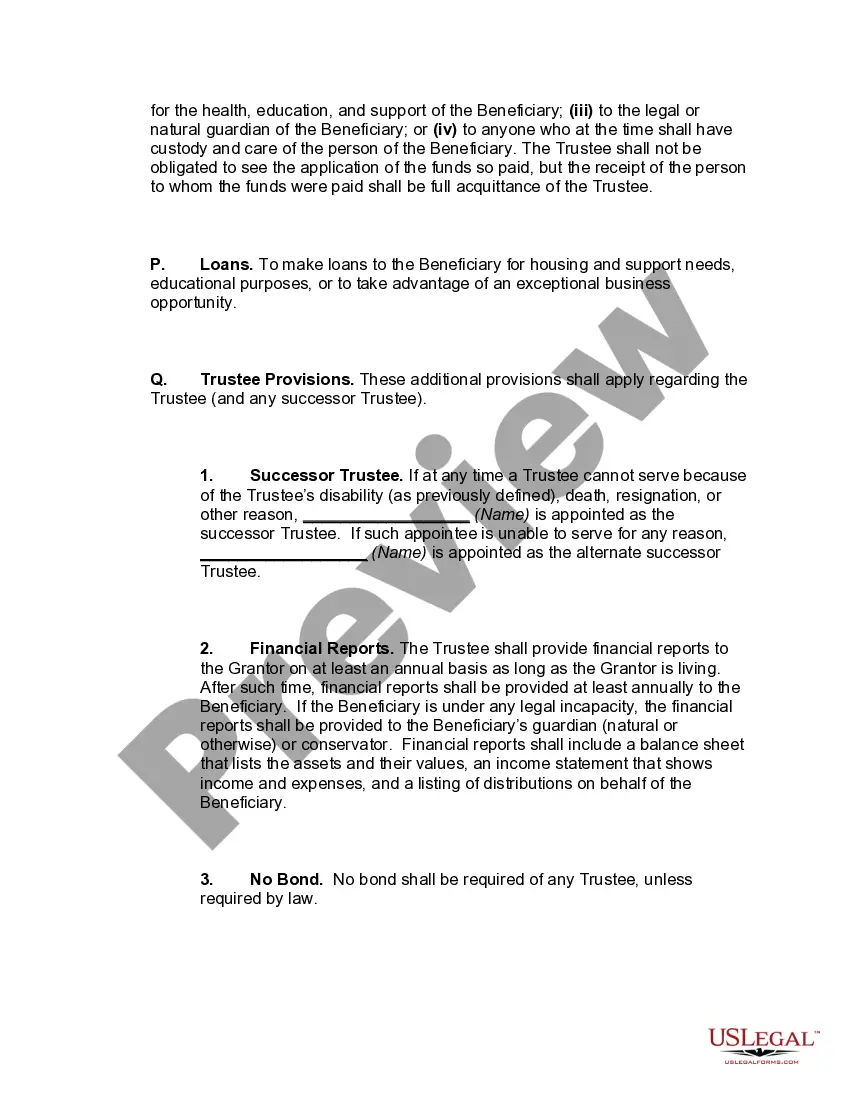
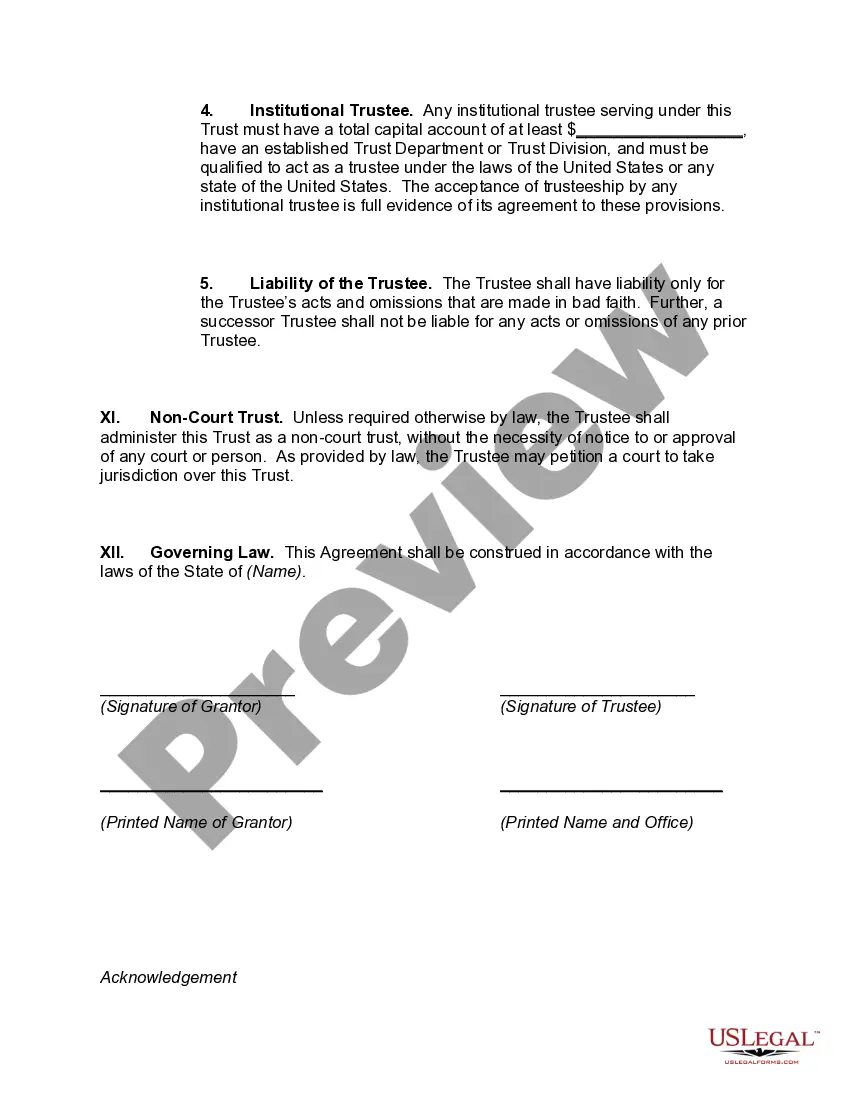

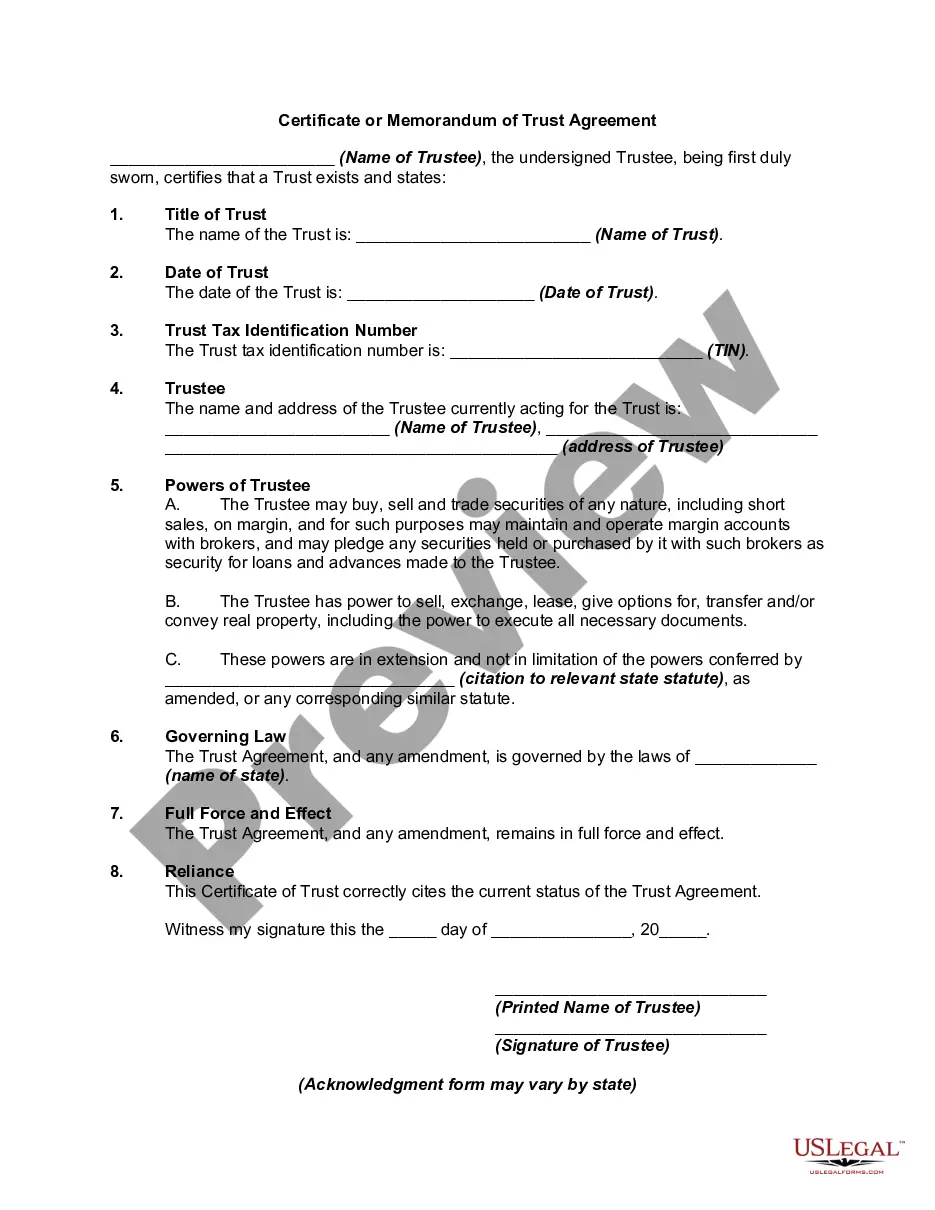
Get your form ready online
Our built-in tools help you complete, sign, share, and store your documents in one place.
Make edits, fill in missing information, and update formatting in US Legal Forms—just like you would in MS Word.
Download a copy, print it, send it by email, or mail it via USPS—whatever works best for your next step.
Sign and collect signatures with our SignNow integration. Send to multiple recipients, set reminders, and more. Go Premium to unlock E-Sign.
If this form requires notarization, complete it online through a secure video call—no need to meet a notary in person or wait for an appointment.
We protect your documents and personal data by following strict security and privacy standards.

Make edits, fill in missing information, and update formatting in US Legal Forms—just like you would in MS Word.

Download a copy, print it, send it by email, or mail it via USPS—whatever works best for your next step.

Sign and collect signatures with our SignNow integration. Send to multiple recipients, set reminders, and more. Go Premium to unlock E-Sign.

If this form requires notarization, complete it online through a secure video call—no need to meet a notary in person or wait for an appointment.

We protect your documents and personal data by following strict security and privacy standards.
Looking for another form?
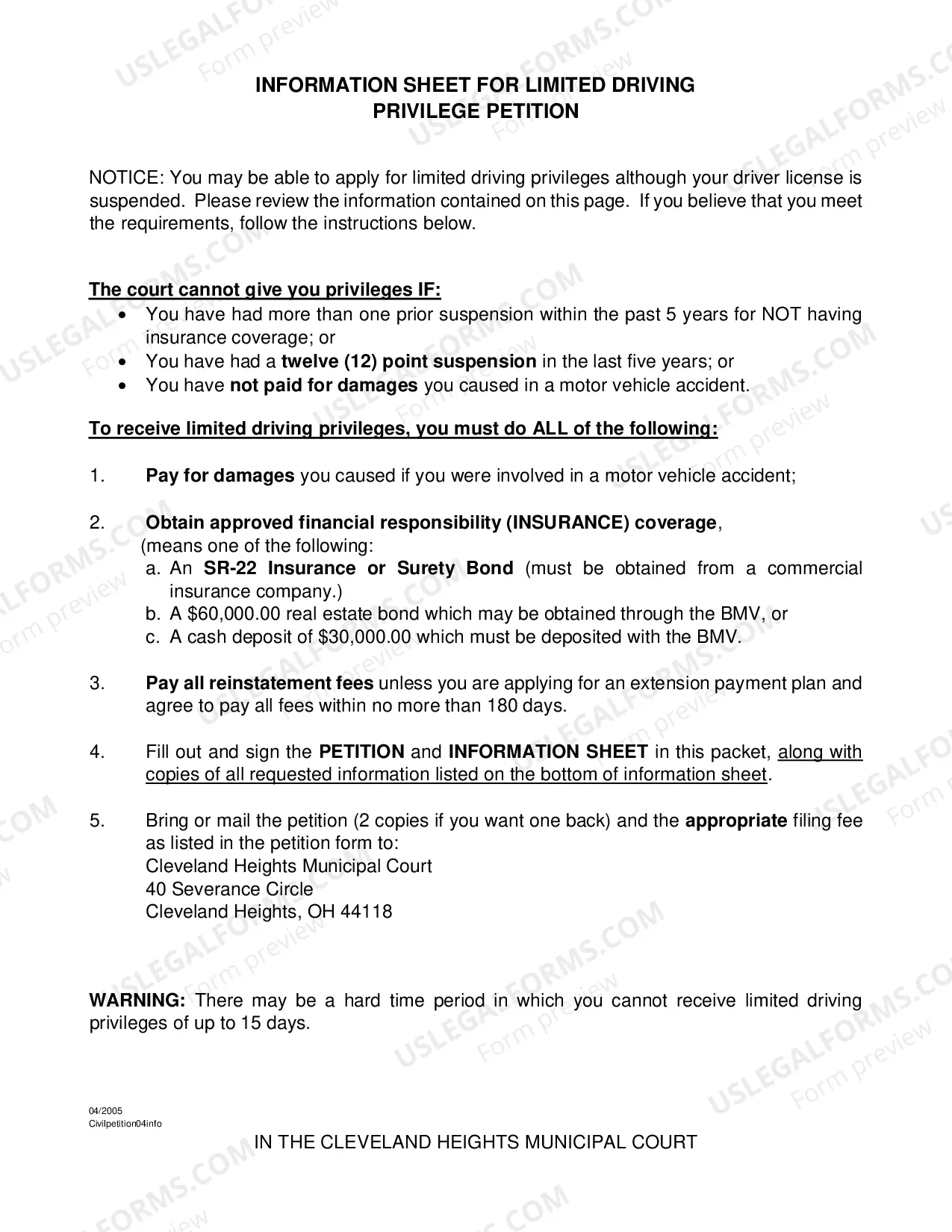







How to fill out College Education Trust Agreement?
Creating legal documents from the beginning can occasionally be daunting.
Certain situations may require extensive research and significant financial investment.
If you’re looking for a simpler and more cost-effective method to produce Educational Trust Definition For Tax Purposes or any other documentation without unnecessary complications, US Legal Forms is readily accessible.
Our online library of over 85,000 current legal documents encompasses nearly every facet of your financial, legal, and personal affairs.
Review the form preview and descriptions to confirm that you have located the form you are seeking. Ensure that the template you choose meets the specifications of your state and county. Select the most appropriate subscription plan to receive the Educational Trust Definition For Tax Purposes. Download the form, then fill it out, validate, and print it. US Legal Forms boasts an impeccable reputation and over 25 years of expertise. Join us today and make document execution straightforward and efficient!
- With just a few clicks, you can quickly obtain state- and county-compliant forms meticulously prepared by our legal experts.
- Utilize our website whenever you require dependable and trustworthy services to easily find and download the Educational Trust Definition For Tax Purposes.
- If you’re familiar with our services and have previously created an account with us, simply Log In, choose the form, and download it or re-download it anytime from the My documents section.
- Don’t have an account? No problem. It takes only a few minutes to register and browse the library.
- However, before proceeding to download Educational Trust Definition For Tax Purposes, adhere to these suggestions.
Form popularity
FAQ
To report trust income on a tax return, you must complete IRS Form 1041 for the trust itself. This form details the income generated by the trust and any distributions made to beneficiaries. Understanding the educational trust definition for tax purposes is vital for accurately reporting this income. Utilizing platforms like USLegalForms can simplify the process by providing necessary forms and guidance.
The IRS defines a trust as a legal arrangement where one party holds property for the benefit of another. In this arrangement, the trustor, trustee, and beneficiaries play distinct roles. Knowing the educational trust definition for tax purposes is crucial for understanding how trusts function and their tax implications. This understanding helps in effective estate planning and tax strategy.
Certain trusts are exempt from tax, such as charitable trusts and some types of grantor trusts. For example, if a trust meets criteria set by the IRS, it may qualify for tax exemptions. Understanding the educational trust definition for tax purposes can help you determine if your trust qualifies for these exemptions. Always consult a tax professional to ensure compliance and maximize benefits.
Trusts that must file tax returns include revocable trusts and irrevocable trusts. Generally, any trust that generates income is required to submit a tax return. This includes educational trusts, which have specific rules under the educational trust definition for tax purposes. It's essential to understand your trust's obligations, as failing to file can lead to penalties.
One of the biggest mistakes parents often make is failing to understand the educational trust definition for tax purposes. They may not realize that if they do not fund the trust properly or choose the wrong type of trust, they could face unexpected tax liabilities. Additionally, some parents overlook the importance of specifying the beneficiaries and their educational needs, which can lead to confusion later. To avoid these pitfalls, consider using resources like US Legal Forms, which can guide you through the process of setting up a trust fund correctly.
An eligible educational institution for tax purposes includes colleges, universities, and certain vocational schools that are accredited and recognized by the U.S. Department of Education. These institutions can qualify students for educational trusts, which can provide tax benefits. To be considered eligible, the institution must offer degree programs or other recognized educational programs. Understanding the educational trust definition for tax purposes can help you maximize your tax benefits.
Educational trusts can have tax implications, depending on how they are structured and the income they generate. Generally, contributions to an educational trust may not be taxable, but any earnings on the trust could be subject to taxation. Understanding the educational trust definition for tax purposes is essential to ensure compliance and optimize benefits. To navigate these complexities, consider using US Legal Forms for guidance and resources.
While both 529 plans and educational trusts aim to fund education, they are not the same. A 529 plan is a specific investment account that offers tax advantages for education savings, while an educational trust is a broader legal arrangement. Knowing the educational trust definition for tax purposes helps you navigate the differences. Ultimately, both options can be beneficial, depending on your financial goals.