Educational Trust Accounts For Poor Students
Description
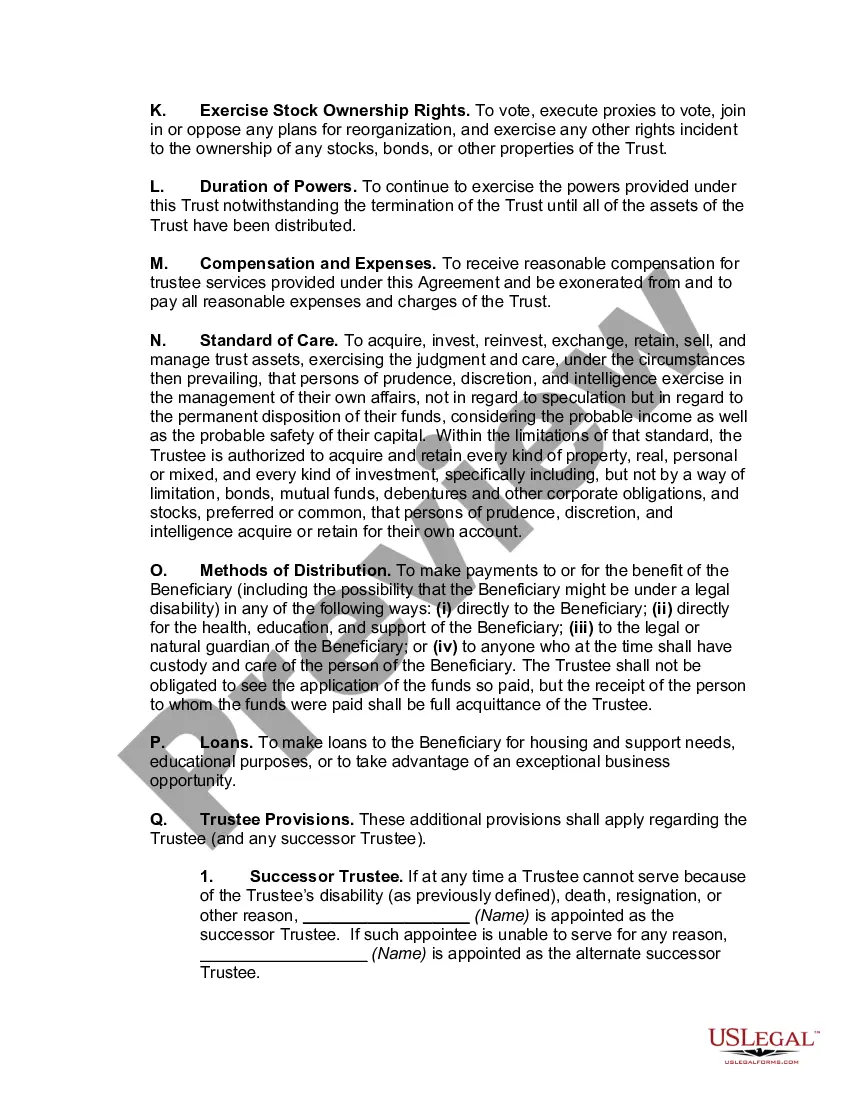
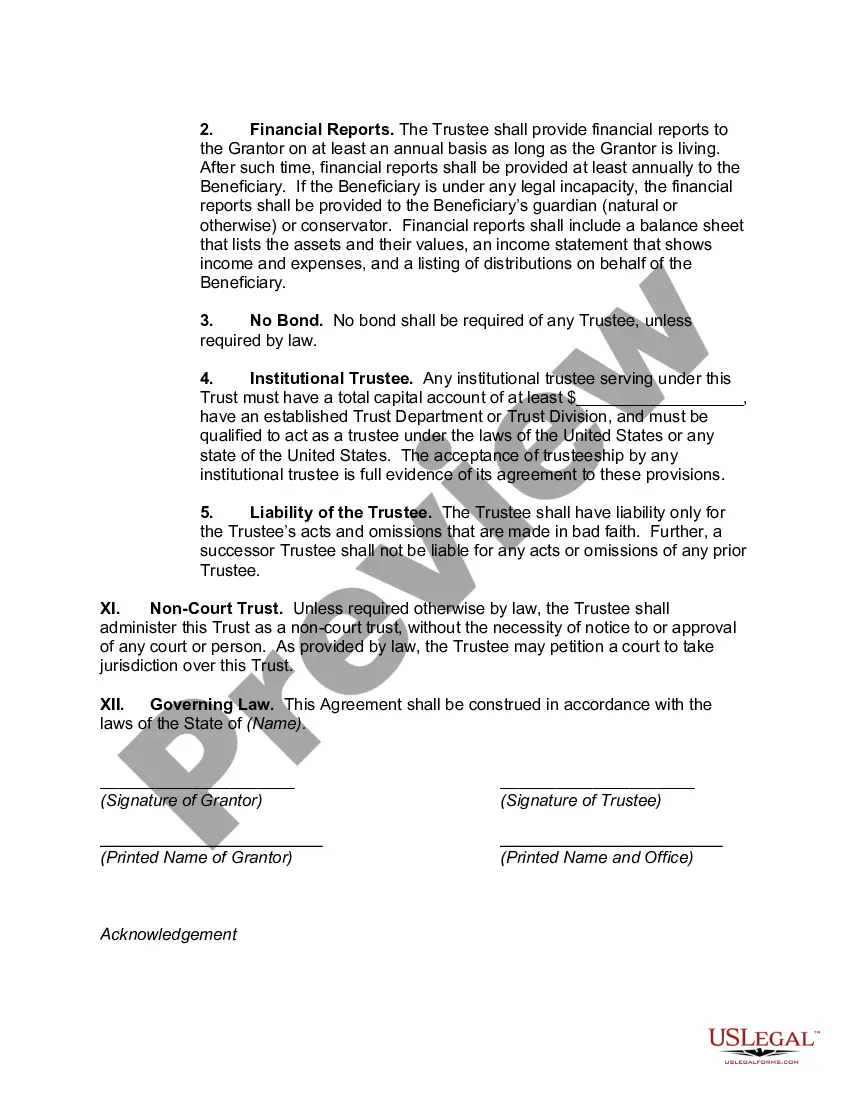
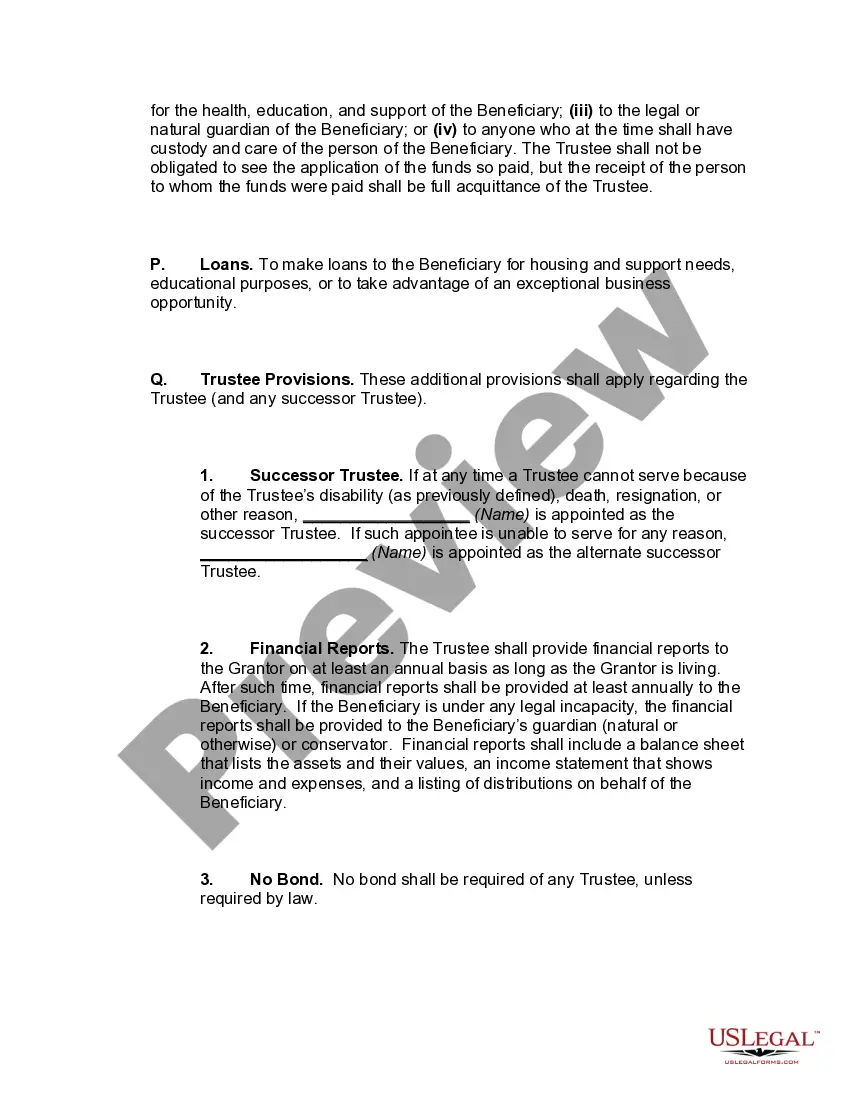
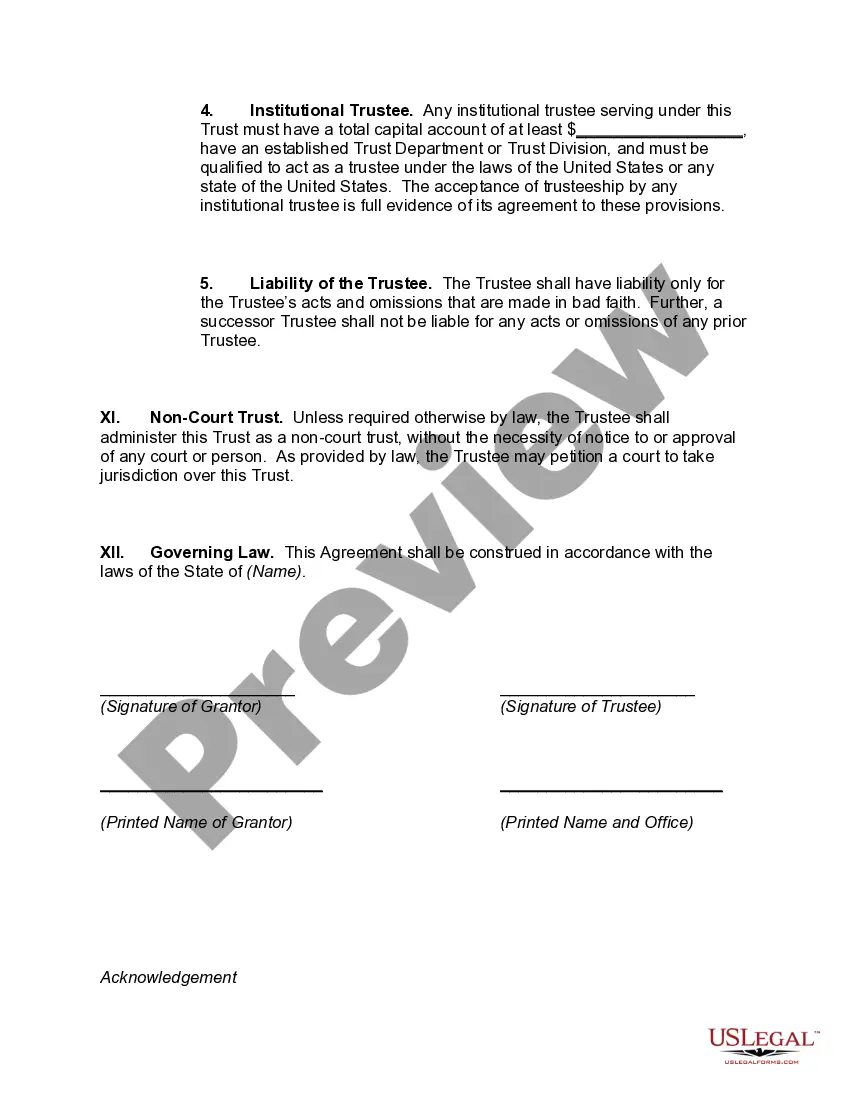

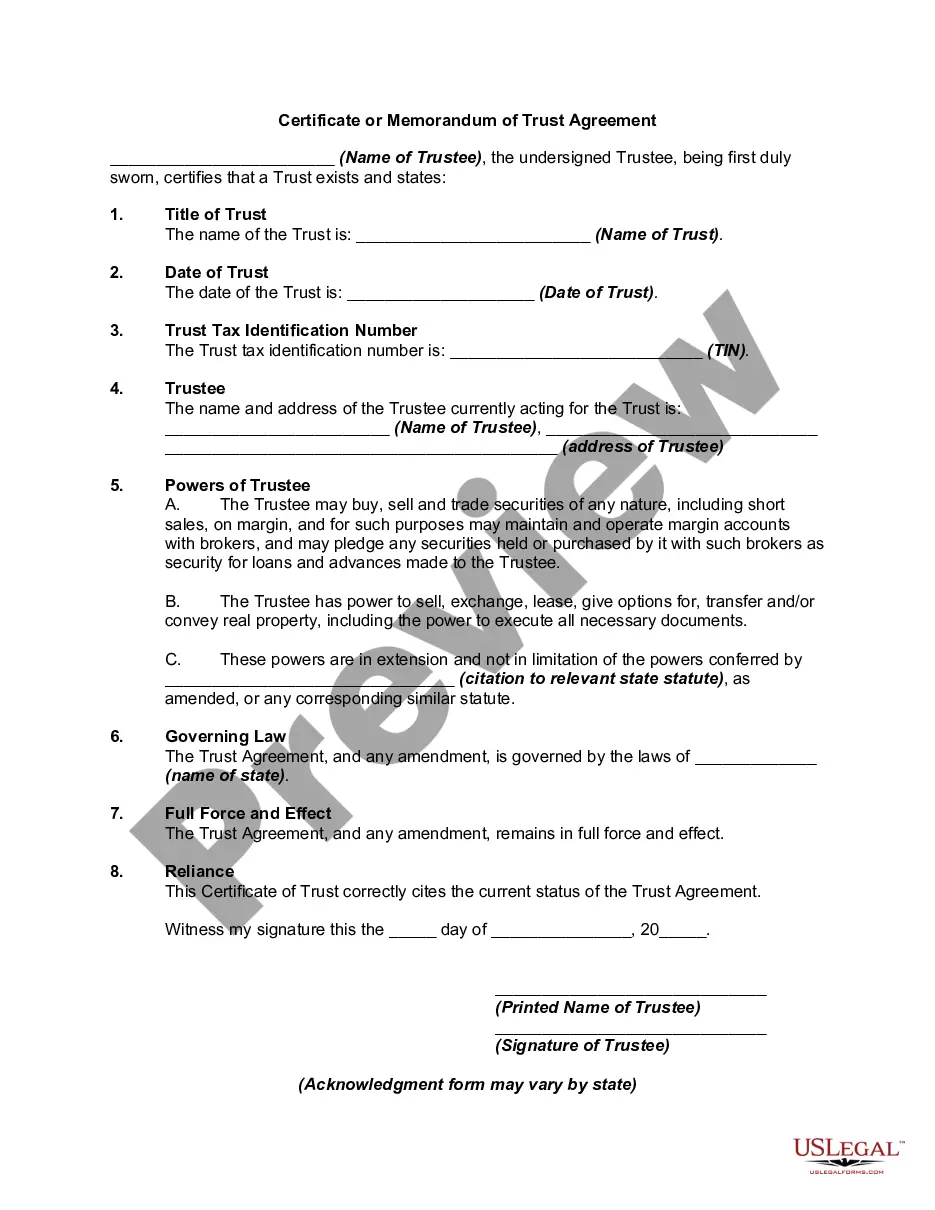
Get your form ready online
Our built-in tools help you complete, sign, share, and store your documents in one place.
Make edits, fill in missing information, and update formatting in US Legal Forms—just like you would in MS Word.
Download a copy, print it, send it by email, or mail it via USPS—whatever works best for your next step.
Sign and collect signatures with our SignNow integration. Send to multiple recipients, set reminders, and more. Go Premium to unlock E-Sign.
If this form requires notarization, complete it online through a secure video call—no need to meet a notary in person or wait for an appointment.
We protect your documents and personal data by following strict security and privacy standards.

Make edits, fill in missing information, and update formatting in US Legal Forms—just like you would in MS Word.

Download a copy, print it, send it by email, or mail it via USPS—whatever works best for your next step.

Sign and collect signatures with our SignNow integration. Send to multiple recipients, set reminders, and more. Go Premium to unlock E-Sign.

If this form requires notarization, complete it online through a secure video call—no need to meet a notary in person or wait for an appointment.

We protect your documents and personal data by following strict security and privacy standards.
Looking for another form?

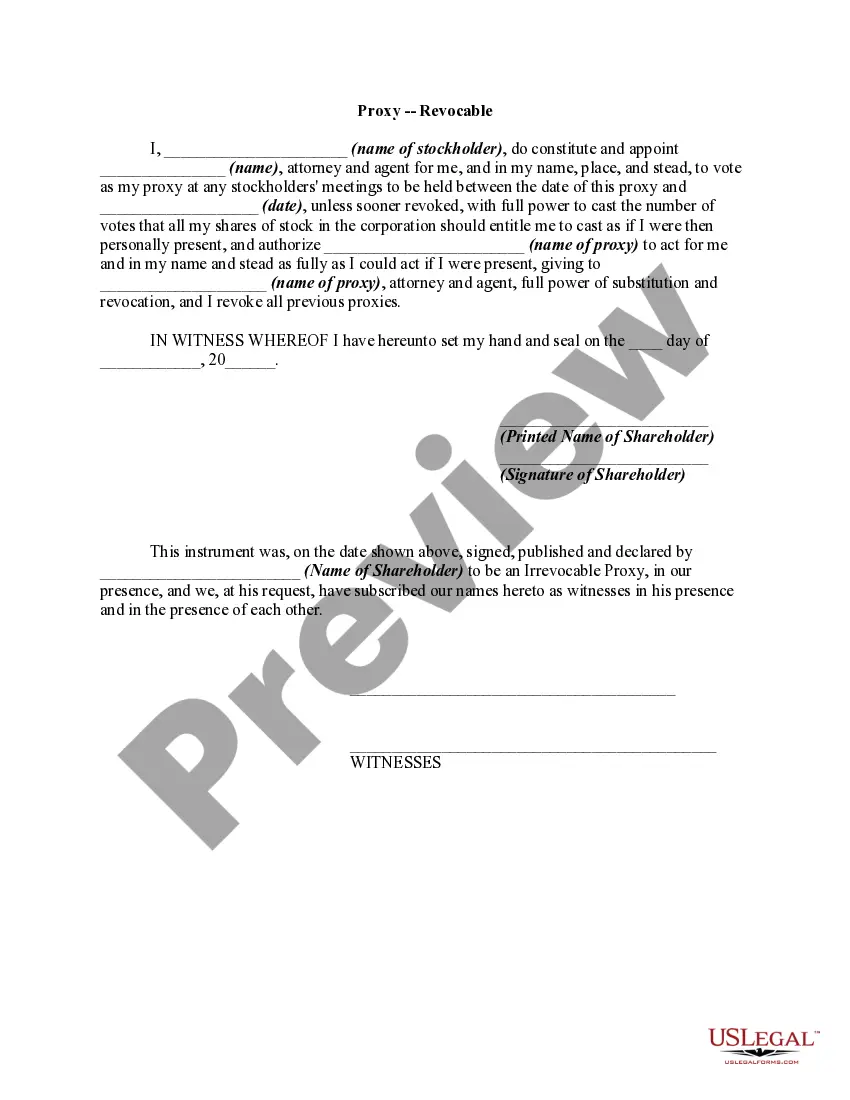






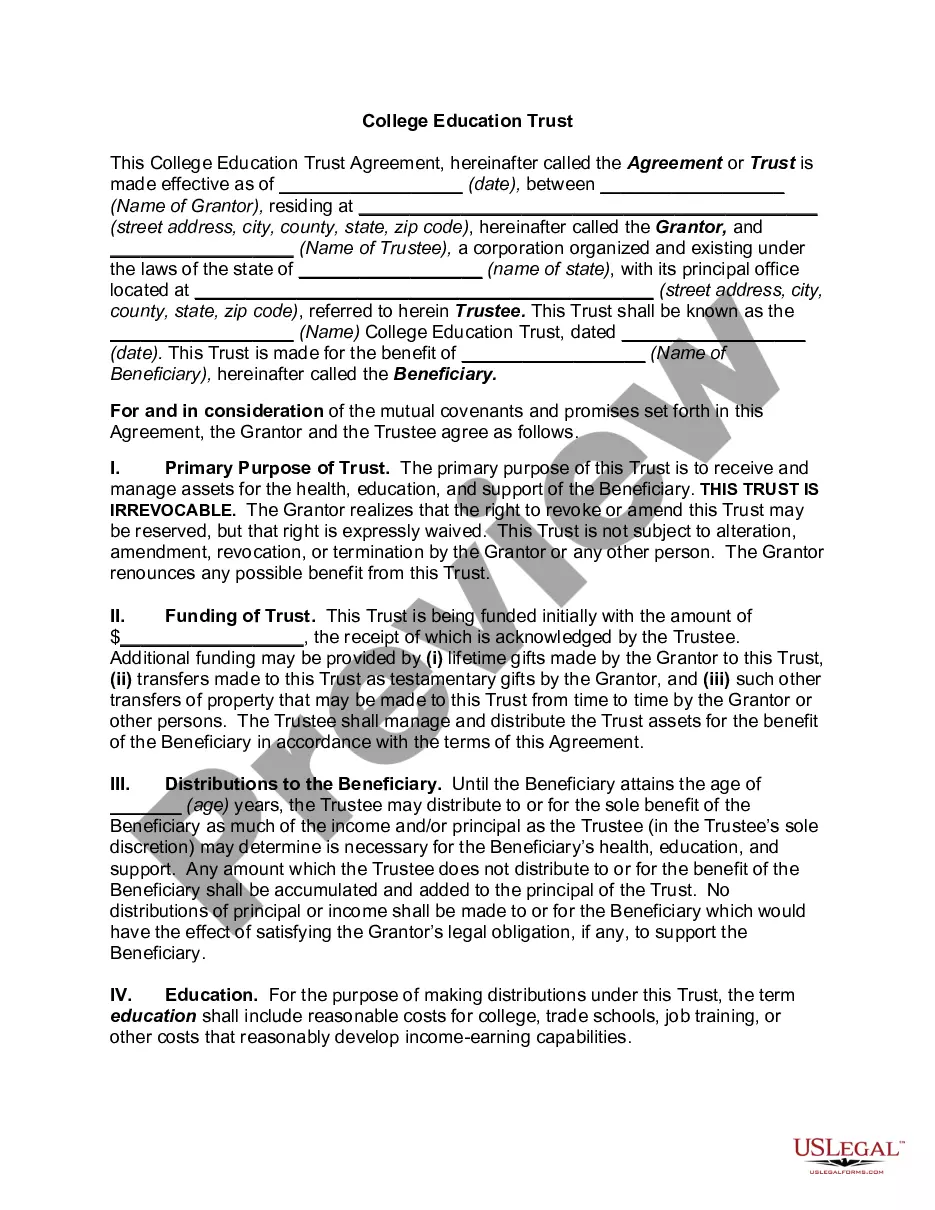
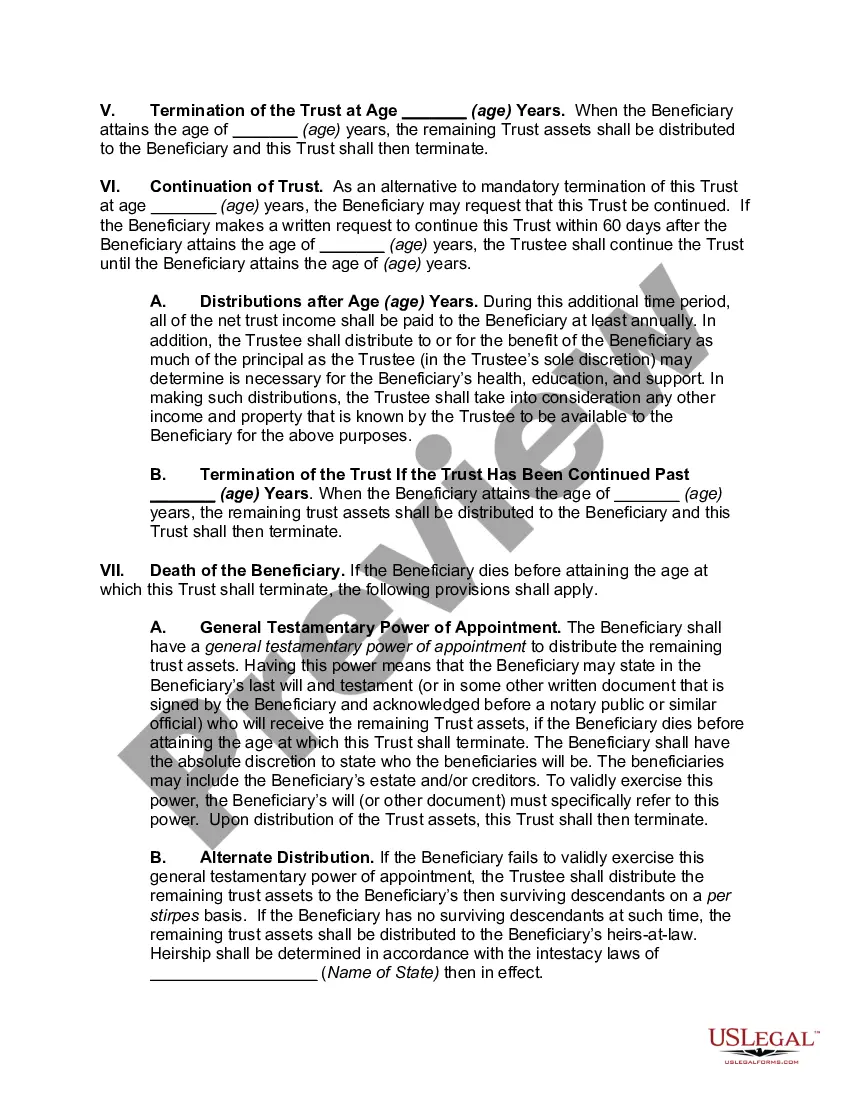
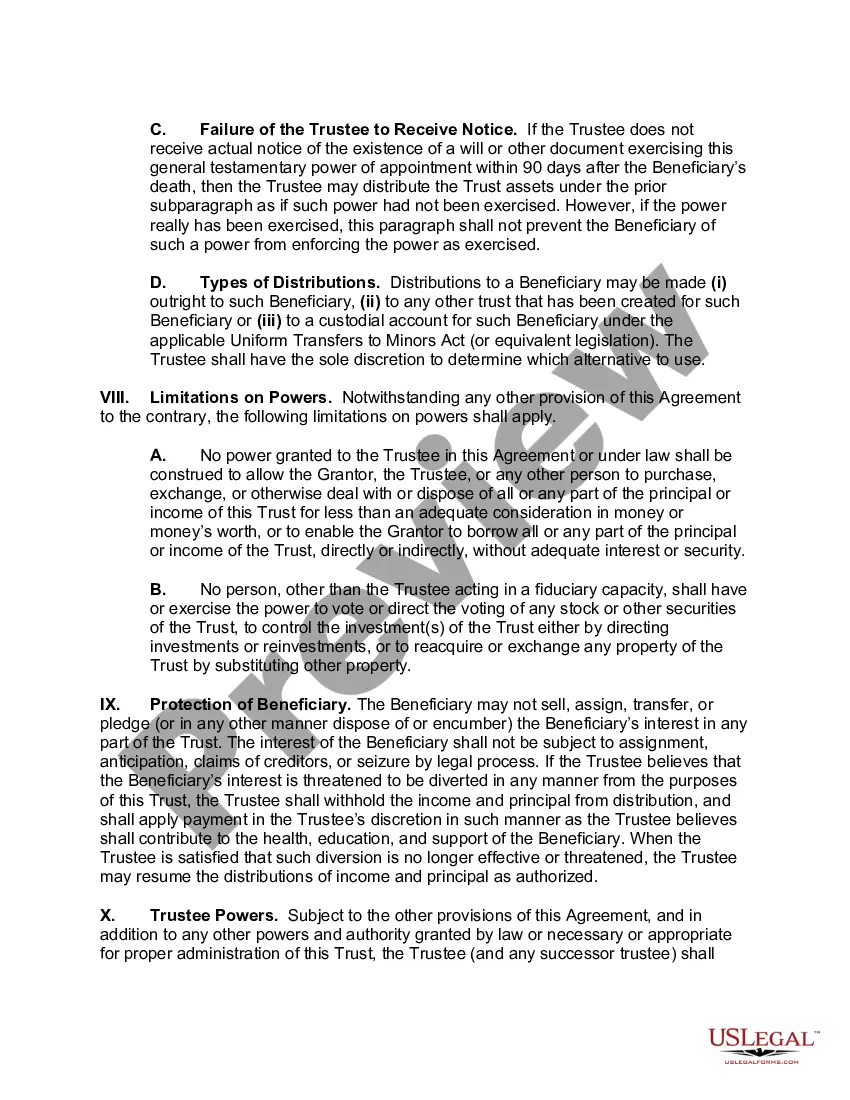
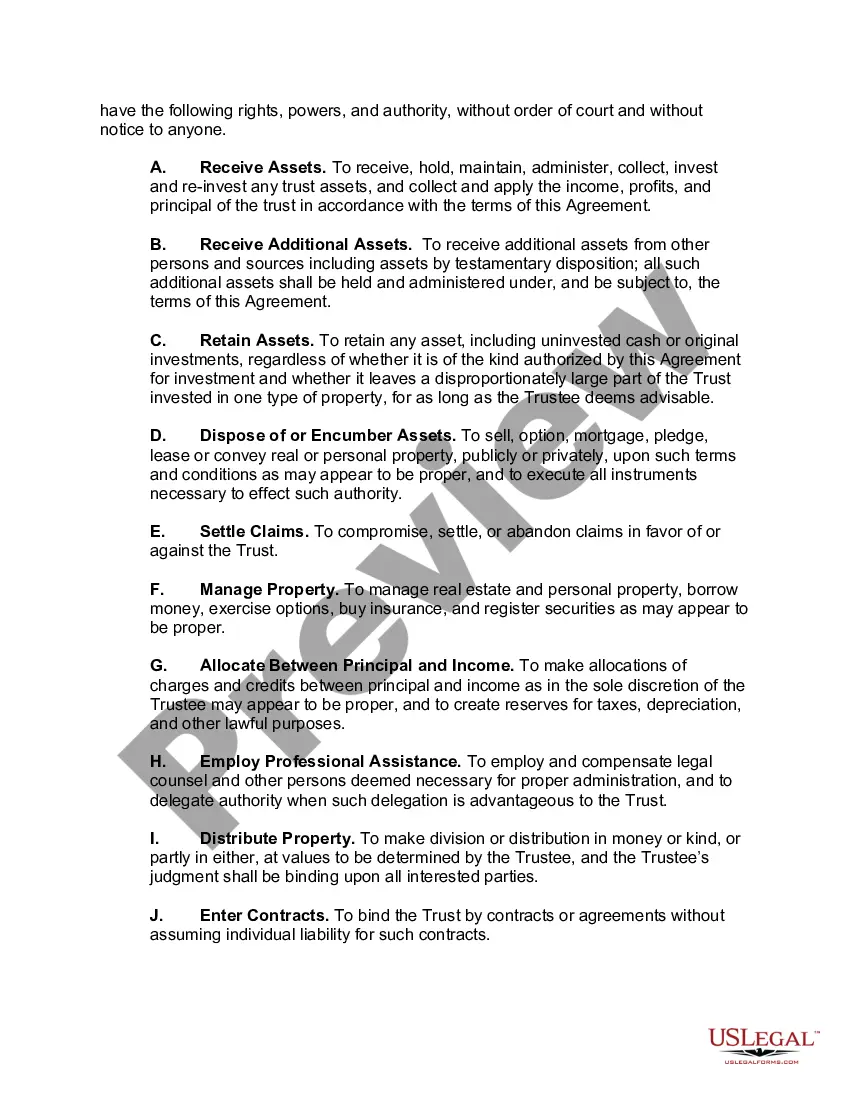
How to fill out College Education Trust Agreement?
Accessing legal templates that comply with federal and state laws is essential, and the web provides numerous choices to select from.
However, what's the benefit of spending time searching for the properly authored Educational Trust Accounts For Poor Students example online when the US Legal Forms online repository already has such templates gathered in one location.
US Legal Forms is the largest online legal repository with over 85,000 fillable forms prepared by attorneys for various professional and life situations. They are easy to navigate with all documents categorized by state and intended use. Our specialists keep up with legislative changes, ensuring that your documents are always current and compliant when acquiring an Educational Trust Accounts For Poor Students from our site.
Click Buy Now once you find the appropriate form and select a subscription plan. Create an account or Log In and make a payment using PayPal or a credit card. Choose the format for your Educational Trust Accounts For Poor Students and download it. All documents you find through US Legal Forms are reusable. To redownload and complete previously saved forms, access the My documents section in your profile. Enjoy the most comprehensive and user-friendly legal document service!
- Obtaining an Educational Trust Accounts For Poor Students is quick and easy for both existing and new users.
- If you already possess an account with an active subscription, Log In and download the document sample you need in your desired format.
- If you are new to our site, follow the steps below.
- Review the template using the Preview feature or the text description to ensure it meets your requirements.
- Search for another template using the search tool at the top of the page if necessary.
Form popularity
FAQ
The most significant disadvantage of a single-member LLC is that if you do not properly protect your personal assets, you leave yourself open to a lawsuit. It is crucial that you keep all LLC funds in your business bank account and do not deposit business funds into personal accounts or vice versa.
Though no action is required to legally create a sole proprietorship, you should follow four simple steps to start your business: Choose a business name. File a trade name with your county recorder's office. Apply for licenses, permits, and zoning clearance.
So the main difference is with a single-member LLC, only the business owner can report business profit/loss on their personal taxes, whereas in an S-Corp, all shareholders can. When starting a small business, many entrepreneurs end up deciding between two types of business entities?LLC vs. S-corp.
Please note, though, that having the same name in use by both a sole proprietor and an LLC may create a problem if either desires to obtain a federal trademark registration for that name.
Step 4 ? Research business license requirements After doing so, you'll want to research any local requirements, those enforced by the county or city where you're doing business. Good news, Iowa doesn't require a ?general? business license at the state-level for Sole Proprietors. So there's nothing to do for this step.
Yes, sole proprietors generally do receive a 1099 if they have been paid $600 or more over the course of the year by any entity, including individuals or businesses.
Unlike a Sole Proprietor which is an unregistered business entity using for the most part the single owner's name, a Single-Member LLC registers the business entity with the state and separates the personal assets of the single owner from that of the business.
In the case of a sole proprietorship, you declare your profit and loss on Schedule C of Form 1040. But, to file Schedule C, you'll have to qualify first. The conditions to qualify are: Your goal is to engage in business activity for income and profit.