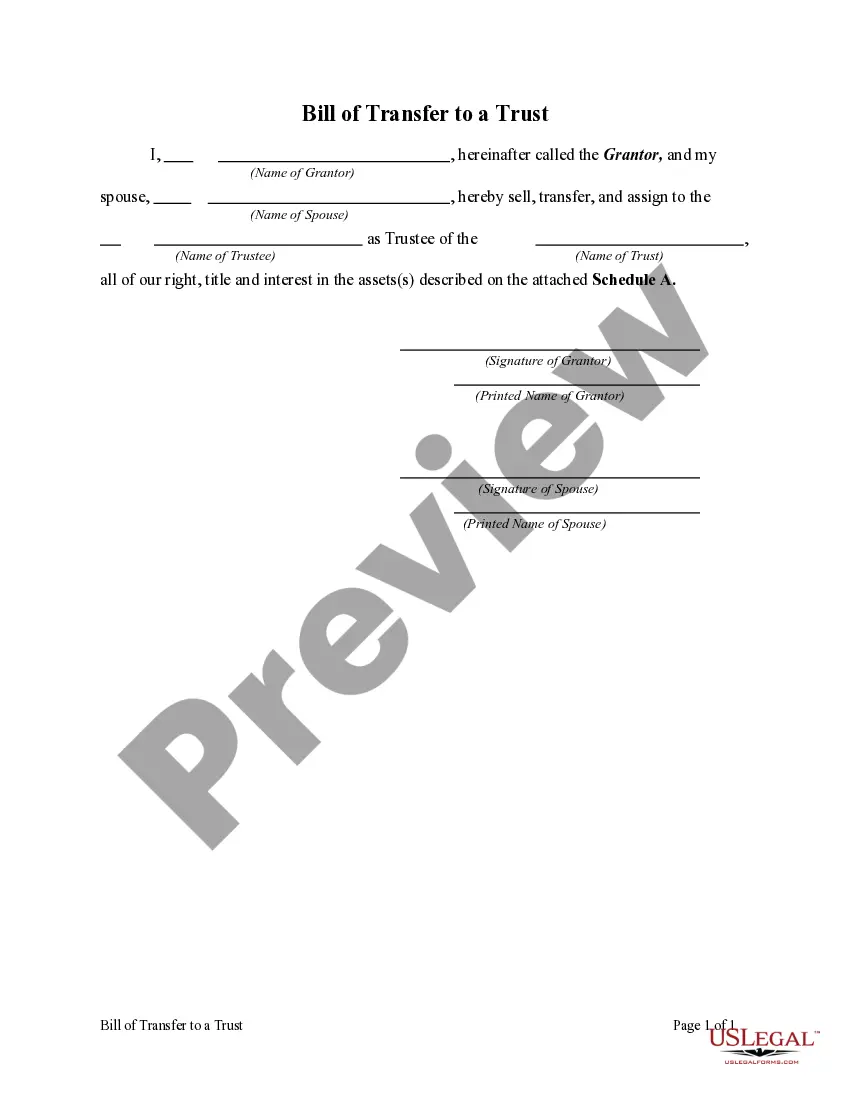
Transfer Trust Deed
Description

Get your form ready online
Our built-in tools help you complete, sign, share, and store your documents in one place.
Make edits, fill in missing information, and update formatting in US Legal Forms—just like you would in MS Word.
Download a copy, print it, send it by email, or mail it via USPS—whatever works best for your next step.
Sign and collect signatures with our SignNow integration. Send to multiple recipients, set reminders, and more. Go Premium to unlock E-Sign.
If this form requires notarization, complete it online through a secure video call—no need to meet a notary in person or wait for an appointment.
We protect your documents and personal data by following strict security and privacy standards.

Make edits, fill in missing information, and update formatting in US Legal Forms—just like you would in MS Word.

Download a copy, print it, send it by email, or mail it via USPS—whatever works best for your next step.

Sign and collect signatures with our SignNow integration. Send to multiple recipients, set reminders, and more. Go Premium to unlock E-Sign.

If this form requires notarization, complete it online through a secure video call—no need to meet a notary in person or wait for an appointment.

We protect your documents and personal data by following strict security and privacy standards.
Looking for another form?








How to fill out Bill Of Transfer To A Trust?
- Log in to your existing US Legal Forms account and verify your subscription is active to access the necessary form by clicking the 'Download' button.
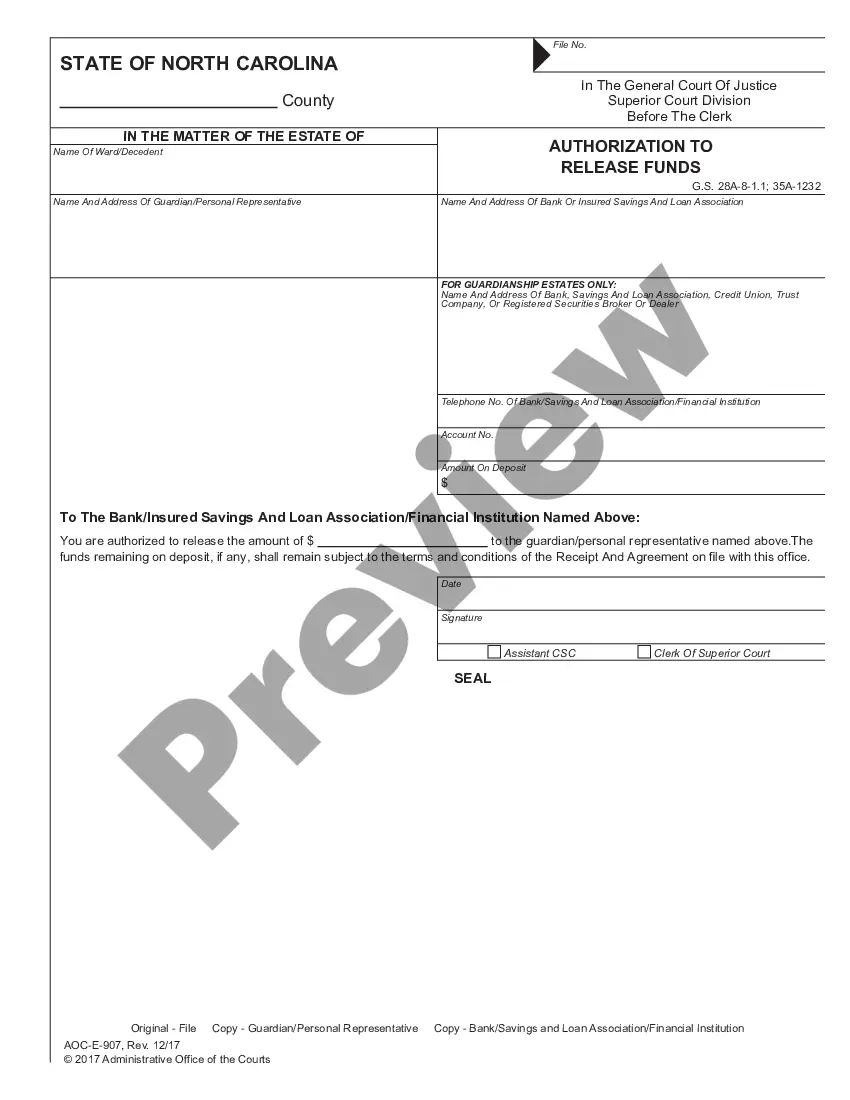
- If you are new to US Legal Forms, start by checking the Preview mode and ensure you find the right form that meets your specific needs and jurisdictional requirements.
- If the form doesn't meet your expectations, utilize the Search feature to explore other templates until you find the perfect match.
- Once you’ve selected the appropriate form, click on the 'Buy Now' button to choose your subscription plan, which also includes access to a wealth of resources.
- Complete your order by providing your payment details through either a credit card or PayPal, confirming your purchase.
- Finally, download the completed form to your device and access it anytime under the 'My Forms' section of your profile.
In conclusion, US Legal Forms empowers both individuals and professionals to complete legal documents effortlessly. By following the steps outlined above, you can successfully transfer a trust deed, ensuring compliance and accuracy in your legal affairs.
Ready to simplify your legal process? Visit US Legal Forms today to get started!
Form popularity
FAQ
A deed of trust is typically created by the lender or an attorney who represents the lender. The document includes terms that outline the responsibilities of both the borrower and the lender. It’s essential to have a legally sound deed of trust to avoid complications in the future. With US Legal Forms, you can ensure that your transfer trust deed is drafted with clarity and precision.
The deed of trust is usually filed by the lender or the title company on behalf of the lender. This document is recorded in the public records to establish the lender's rights over the property until the borrower fulfills their obligations. Accurate filing is essential to protect both parties. US Legal Forms simplifies this process, ensuring that your transfer trust deed is filed correctly.
Deciding whether to gift a house or place it in a trust depends on your individual circumstances, but both options have their benefits. Gifting a house can simplify the process, but it may have tax consequences you should consider. On the other hand, using a transfer trust deed can provide more control over the asset while potentially minimizing tax liabilities. US Legal Forms can assist you in exploring these options and determining what suits your situation best.
When it comes to leaving a house to your child, creating a transfer trust deed can be a thoughtful and strategic choice. This method allows you to outline how and when your child will receive the property, ensuring a smooth transition. Moreover, utilizing a trust helps avoid probate, which can simplify the process and provide peace of mind. US Legal Forms offers resources to help you set this up properly.
Transferring your house into a trust can come with several disadvantages. First, you may face upfront costs, including legal fees for drafting the trust document. Additionally, if you transfer trust deeds incorrectly, you could unintentionally lose some control over your property or create tax implications. It’s essential to understand these risks, and using US Legal Forms can help you navigate this process effectively.
The cons of a trust deed include potential limitations on the grantor's ability to access the assets during their lifetime. Additionally, creating a transfer trust deed can incur legal fees, and if not set up properly, it may lead to misunderstandings among beneficiaries. Therefore, it is advisable to seek professional advice when establishing a trust to mitigate these risks.
When writing a transfer deed, start by including the names of the parties involved, the property description, and the agreed terms for transferring ownership. Additionally, it's essential to ensure that the deed is signed and notarized to validate the transaction. Utilizing platforms like uSlegalforms can provide you with the resources you need to create a thorough and legally sound transfer trust deed.
One significant mistake that parents often make when setting up a trust fund is failing to specify clear instructions on how the assets should be managed and distributed. Without precise terms in the transfer trust deed, beneficiaries may misunderstand their roles or entitlements. It's crucial to provide detailed guidance to avoid potential conflicts and ensure smooth transitions in asset management.
To write a trust deed, begin by clearly identifying the parties involved, including the grantor, trustee, and beneficiaries. Then, outline the property to be held in trust, along with any specific instructions regarding its management and distribution. You can simplify this process by utilizing uSlegalforms, which provides templates and guidance for creating your transfer trust deed effectively.
One disadvantage of a trust deed is that it can complicate the process of transferring property. When a transfer trust deed is involved, the terms must be clearly defined, or it may lead to legal issues later on. Additionally, trust deeds often require an active trustee, which can be an additional responsibility for the grantor.