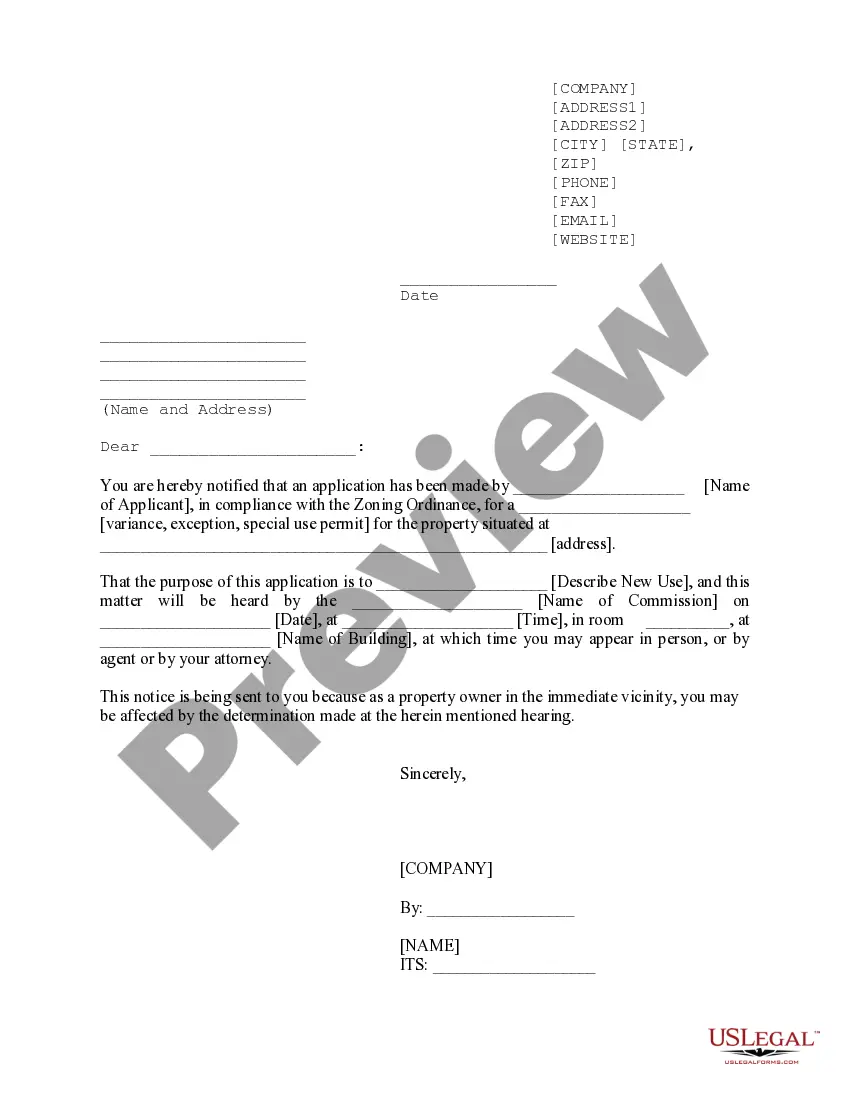
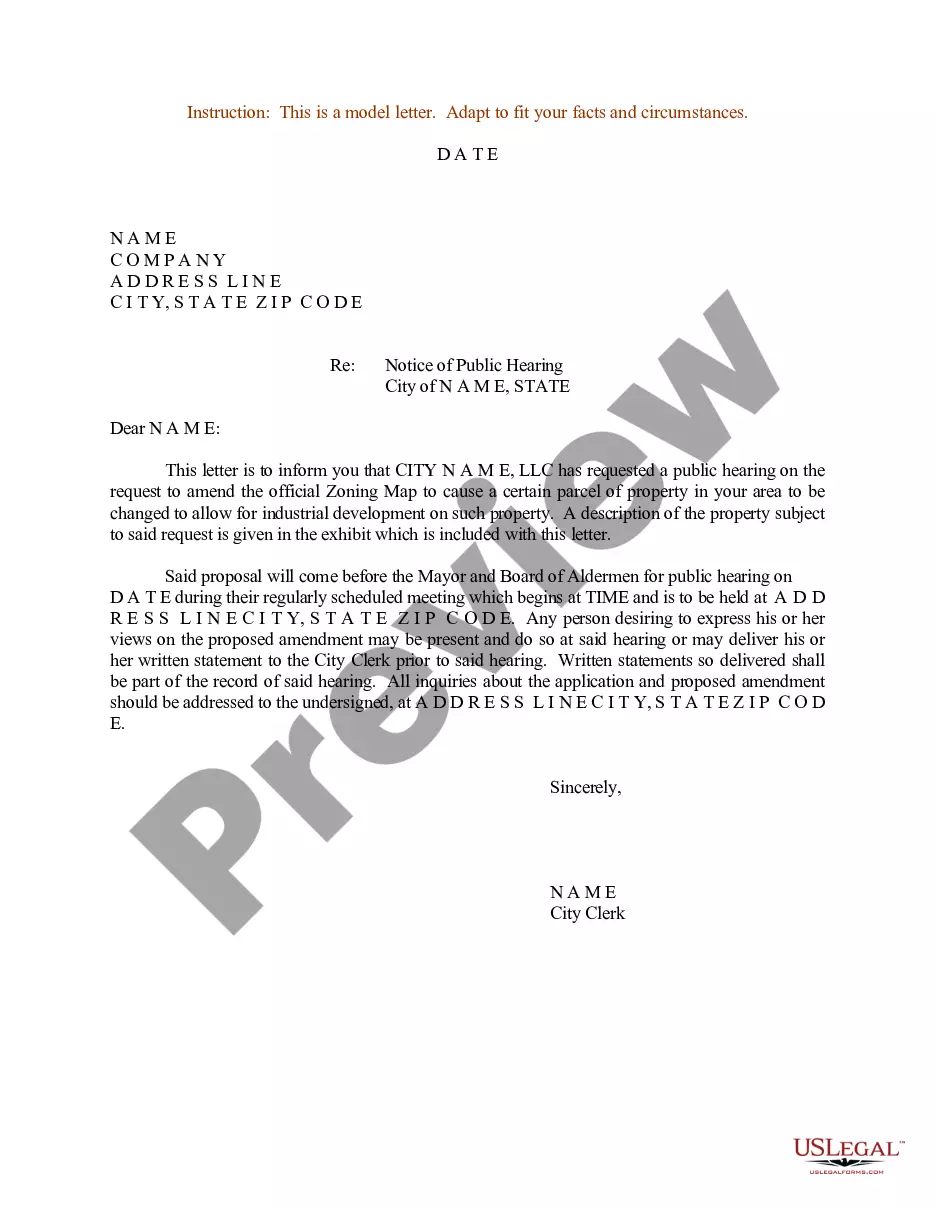
Notice Hearing Property Forfeiture
Description
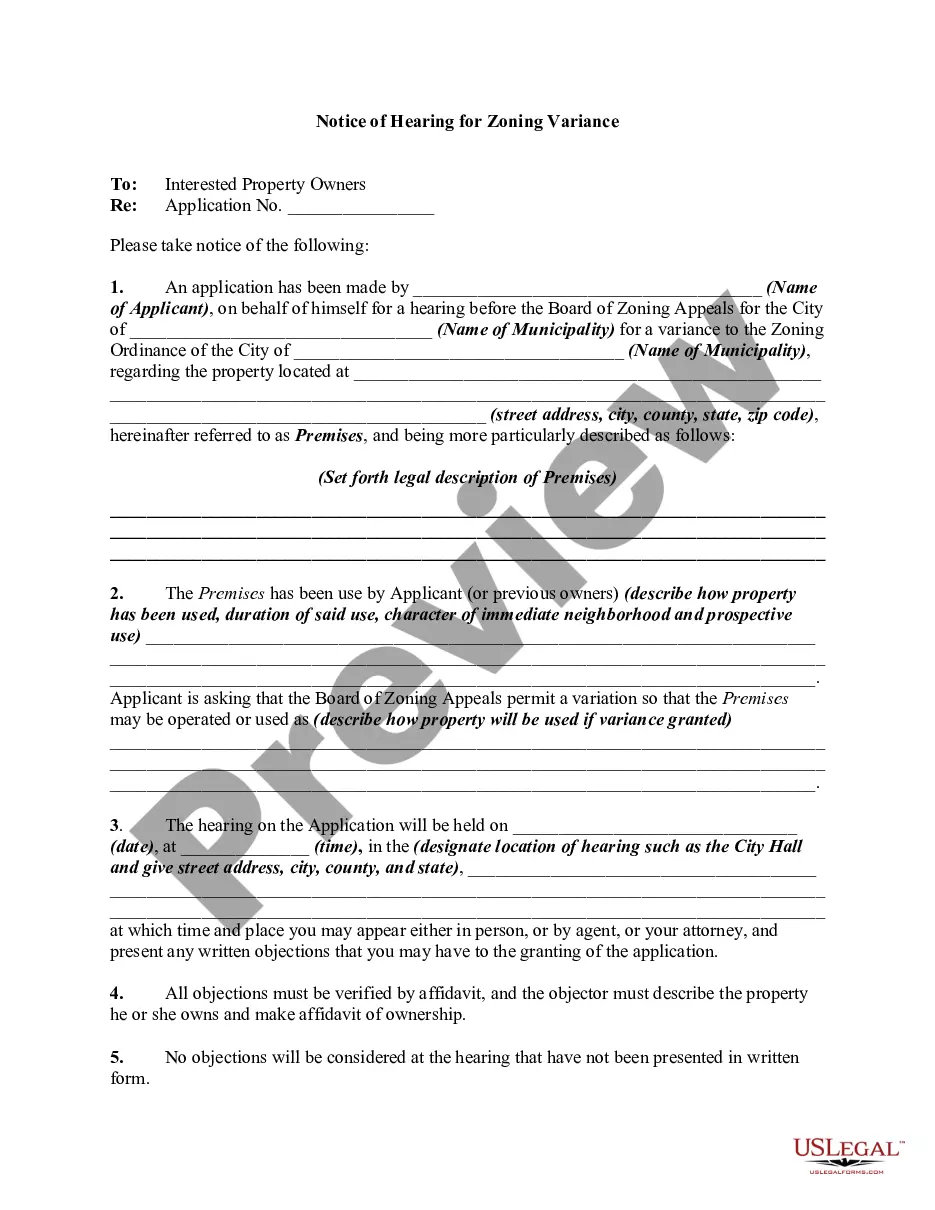
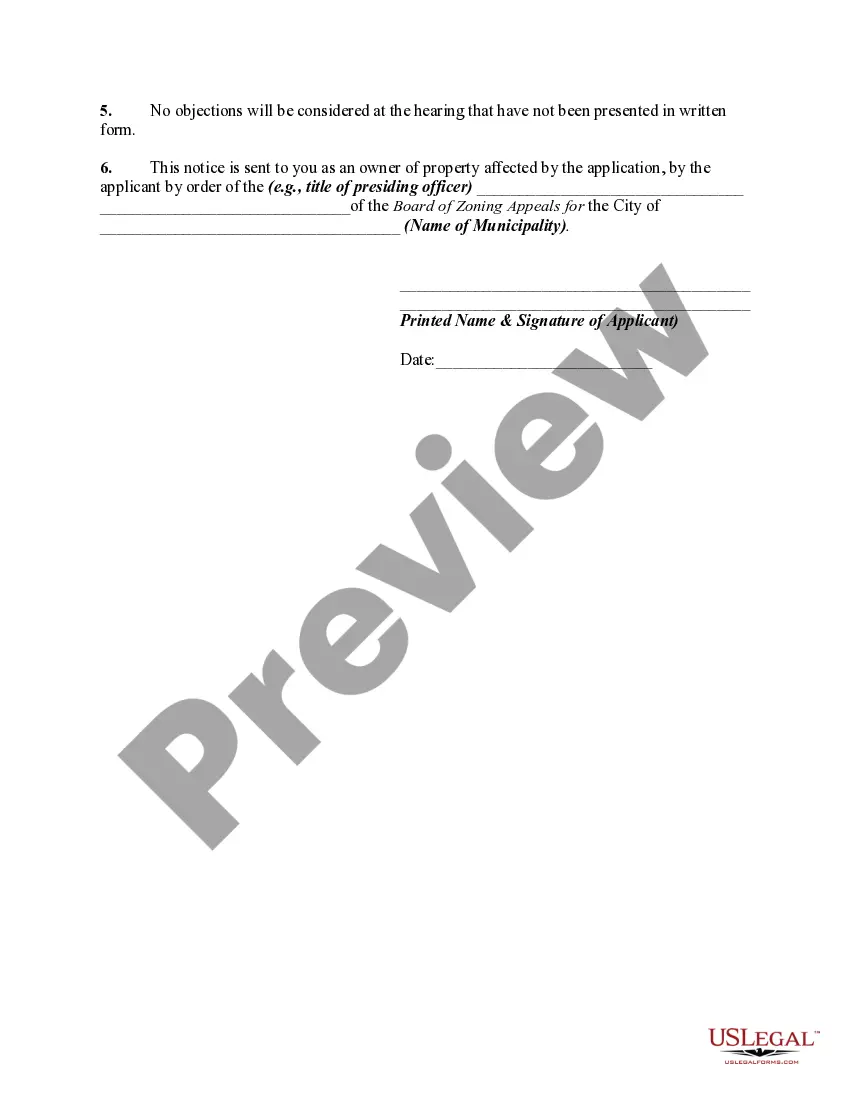
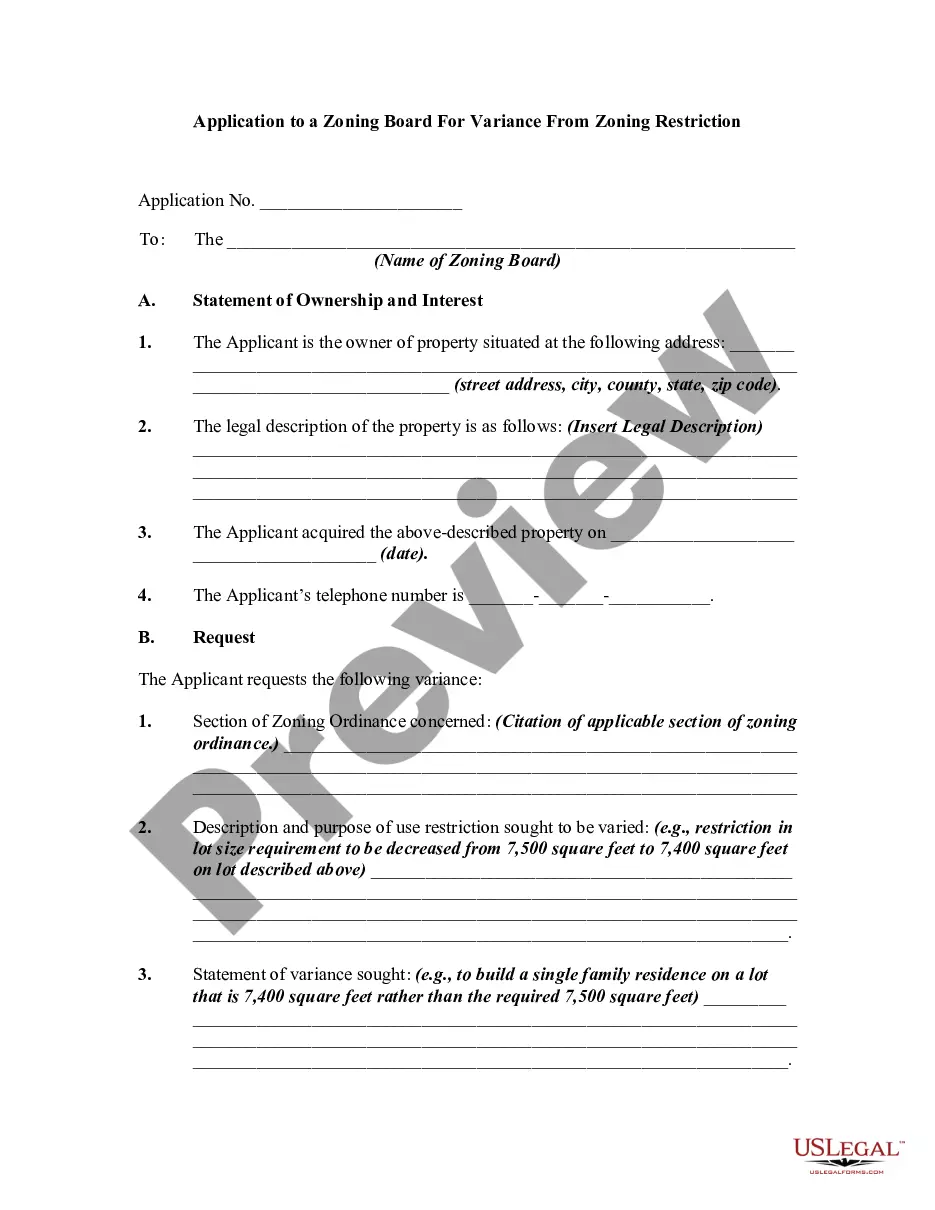
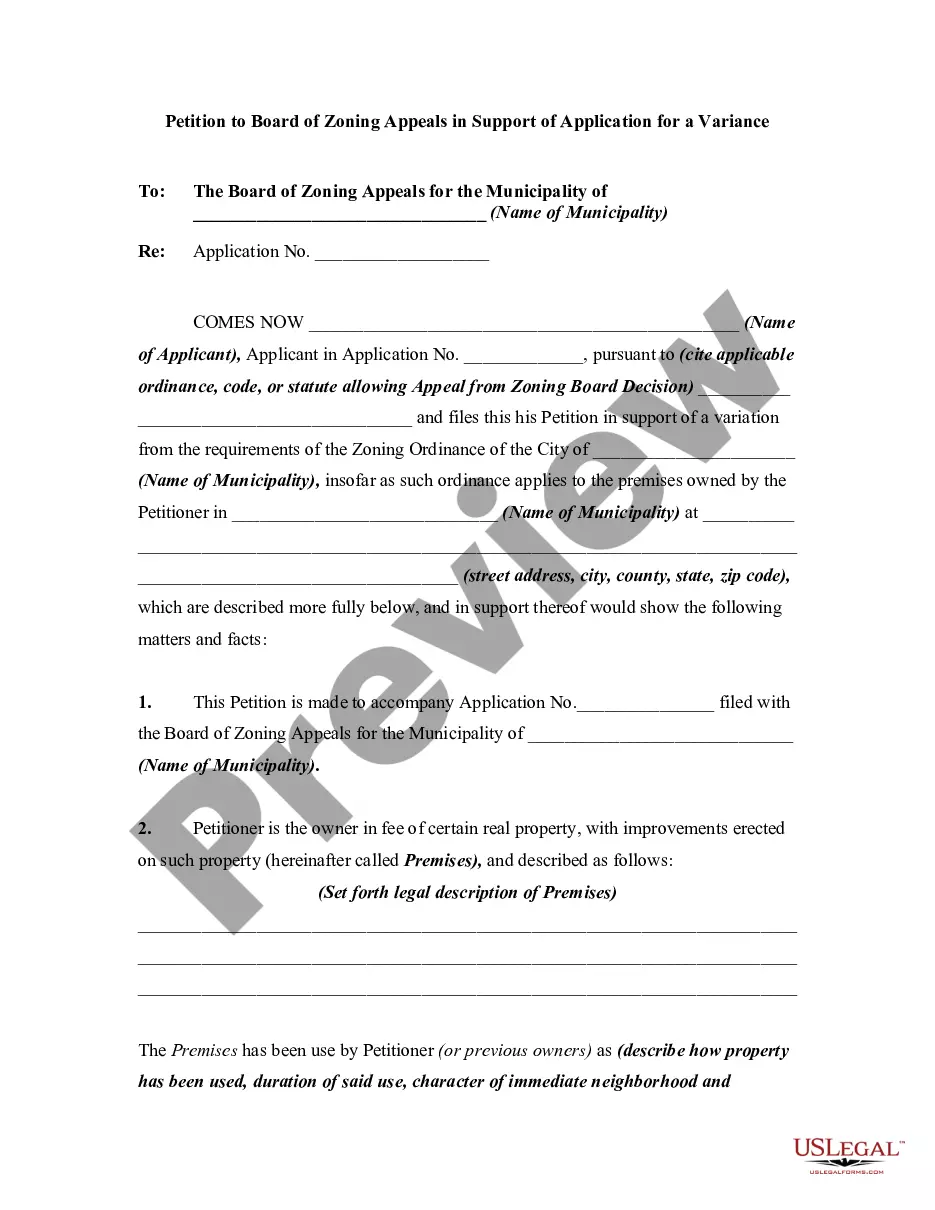
Get your form ready online
Our built-in tools help you complete, sign, share, and store your documents in one place.
Make edits, fill in missing information, and update formatting in US Legal Forms—just like you would in MS Word.
Download a copy, print it, send it by email, or mail it via USPS—whatever works best for your next step.
Sign and collect signatures with our SignNow integration. Send to multiple recipients, set reminders, and more. Go Premium to unlock E-Sign.
If this form requires notarization, complete it online through a secure video call—no need to meet a notary in person or wait for an appointment.
We protect your documents and personal data by following strict security and privacy standards.

Make edits, fill in missing information, and update formatting in US Legal Forms—just like you would in MS Word.

Download a copy, print it, send it by email, or mail it via USPS—whatever works best for your next step.

Sign and collect signatures with our SignNow integration. Send to multiple recipients, set reminders, and more. Go Premium to unlock E-Sign.

If this form requires notarization, complete it online through a secure video call—no need to meet a notary in person or wait for an appointment.

We protect your documents and personal data by following strict security and privacy standards.
Looking for another form?
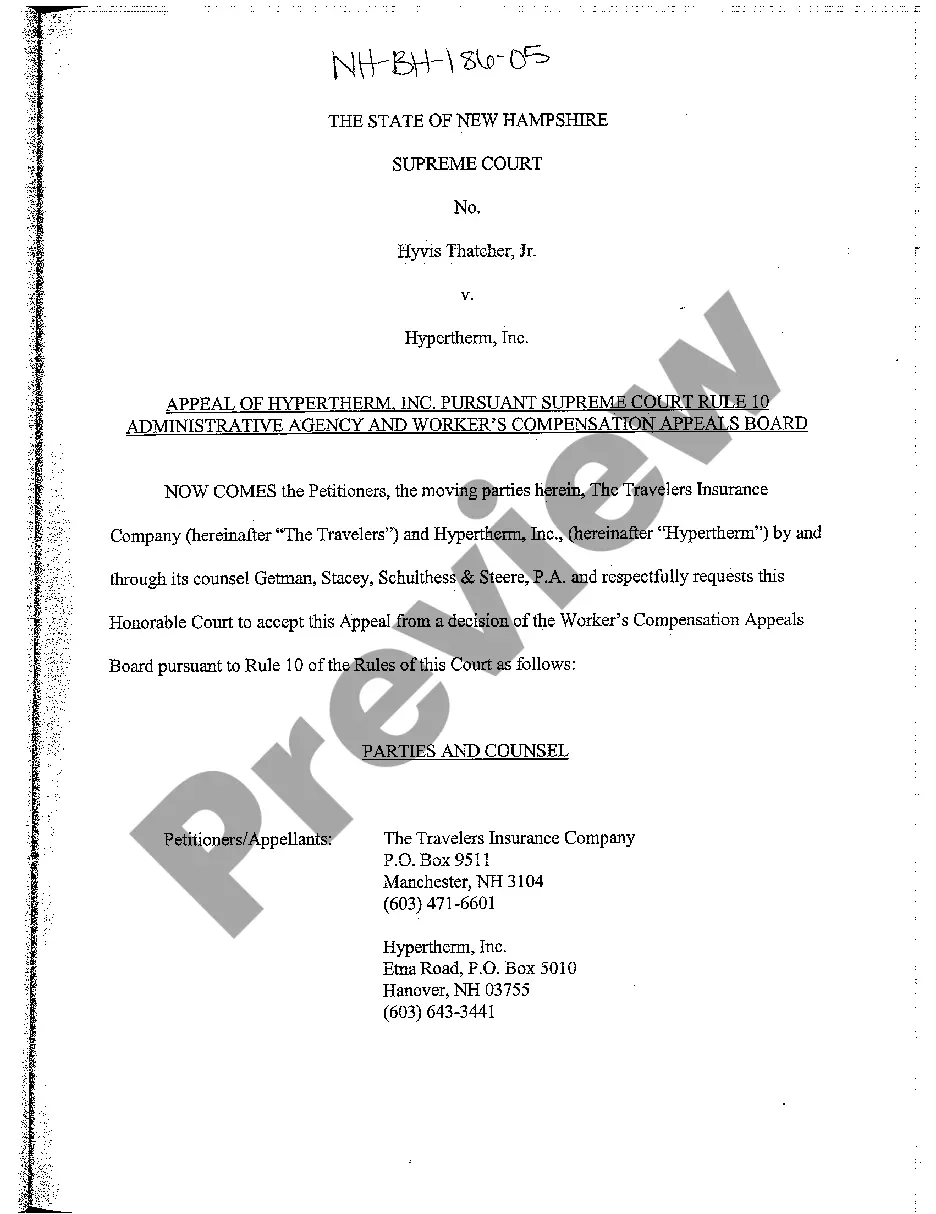







How to fill out Notice Of Hearing For Variance Before Board Of Zoning Appeals - Notice To Be Sent By Applicant To Interested Property Owners?
- Log in to your US Legal Forms account if you're an existing user. Check your subscription status before proceeding.
- If you are new to the service, start by exploring the Preview mode and form descriptions to ensure you select the right document for your jurisdiction.
- Search for alternative templates if necessary, utilizing the Search tab to find the perfect fit for your specific situation.
- Purchase the document by clicking the Buy Now button. Choose a subscription plan that suits your needs, and create an account for full access.
- Complete your payment using your credit card or PayPal account, then finalize your purchase.
- Download the completed form directly onto your device. You can also access it later in the My Forms section of your profile.
By following these steps, you can quickly access the forms necessary for your legal needs. US Legal Forms offers an extensive library of over 85,000 editable legal documents at a competitive price, making it a convenient choice for individuals and lawyers alike.
Don't hesitate - start your journey to obtaining the right legal forms today with US Legal Forms!
Form popularity
FAQ
No, forfeiture itself is not a criminal conviction but rather a civil action against the property. This means that while the government can seize property, it does not imply the owner has been convicted of a crime. However, the outcome of the notice hearing property forfeiture can have significant effects on the owner's rights to their property. It is essential to address this matter swiftly to avoid unintended consequences.
At a forfeiture hearing, the court assesses the evidence submitted by both parties regarding the forfeiture. The government must demonstrate that the property is connected to illegal activity, while the owner can challenge this claim. This is where the notice hearing property forfeiture plays a crucial role, as it allows you to present your side. Ultimately, the judge will make a decision based on the evidence and legal standards presented.
Fighting asset forfeiture requires understanding your legal rights and options. One effective strategy is to gather evidence showing the property is not linked to any illegal activity. Engaging a knowledgeable attorney can greatly enhance your chances during the notice hearing property forfeiture. Furthermore, using platforms like US Legal Forms can help you access vital legal documents and resources tailored to your case.
A forfeiture hearing is a legal proceeding where a judge evaluates whether the government's seizure of property is warranted. During this hearing, both sides present evidence regarding the legitimacy of the forfeiture. It's vital for property owners to prepare for this notice hearing property forfeiture to have a fair chance to defend their rights. Skipping this hearing can lead to a loss of the property without any recourse.
The process of forfeiture involves the government taking property that they believe is connected to illegal activity. First, law enforcement must seize the property, often through a warrant. Next, the owner will be informed about a notice hearing property forfeiture, where they can contest the seizure. Understanding this process is crucial for anyone facing such a situation to protect their rights.
When a property is forfeited, it means that the government has taken legal ownership of the property, rendering the original owner unable to claim it. This often occurs when the property is linked to illegal activities. Forfeiture can have serious implications, including loss of assets and financial resources for the original owner. Understanding this concept is important, particularly if you are involved in a notice hearing property forfeiture situation.
Conditions for forfeiture typically include a demonstrated connection between the property and a criminal act, as well as adherence to legal procedures by the authorities. These include providing proper notice to the property owner and allowing for a court hearing to contest the forfeiture. Each jurisdiction may have specific conditions that must be met, so it's essential to research your local laws. This context is vital during a notice hearing property forfeiture.
An order of forfeiture is a legal decree that directs the transfer of property title from the owner to the government. This order is typically issued after the court determines that the property is connected to unlawful activities. Once the order is finalized, the property is no longer owned by the original owner and cannot be reclaimed without going through specific legal processes. The implications of an order of forfeiture are significant, especially in cases concerning notice hearing property forfeiture.
The procedure of forfeiture begins when law enforcement or a government agency files a notice of forfeiture. This notice initiates legal proceedings to claim ownership of property believed to be involved in illegal activity. During this process, you will receive information about your rights and the opportunity to contest the forfeiture, typically through a court hearing. Understanding this procedure is crucial, especially during a notice hearing property forfeiture.