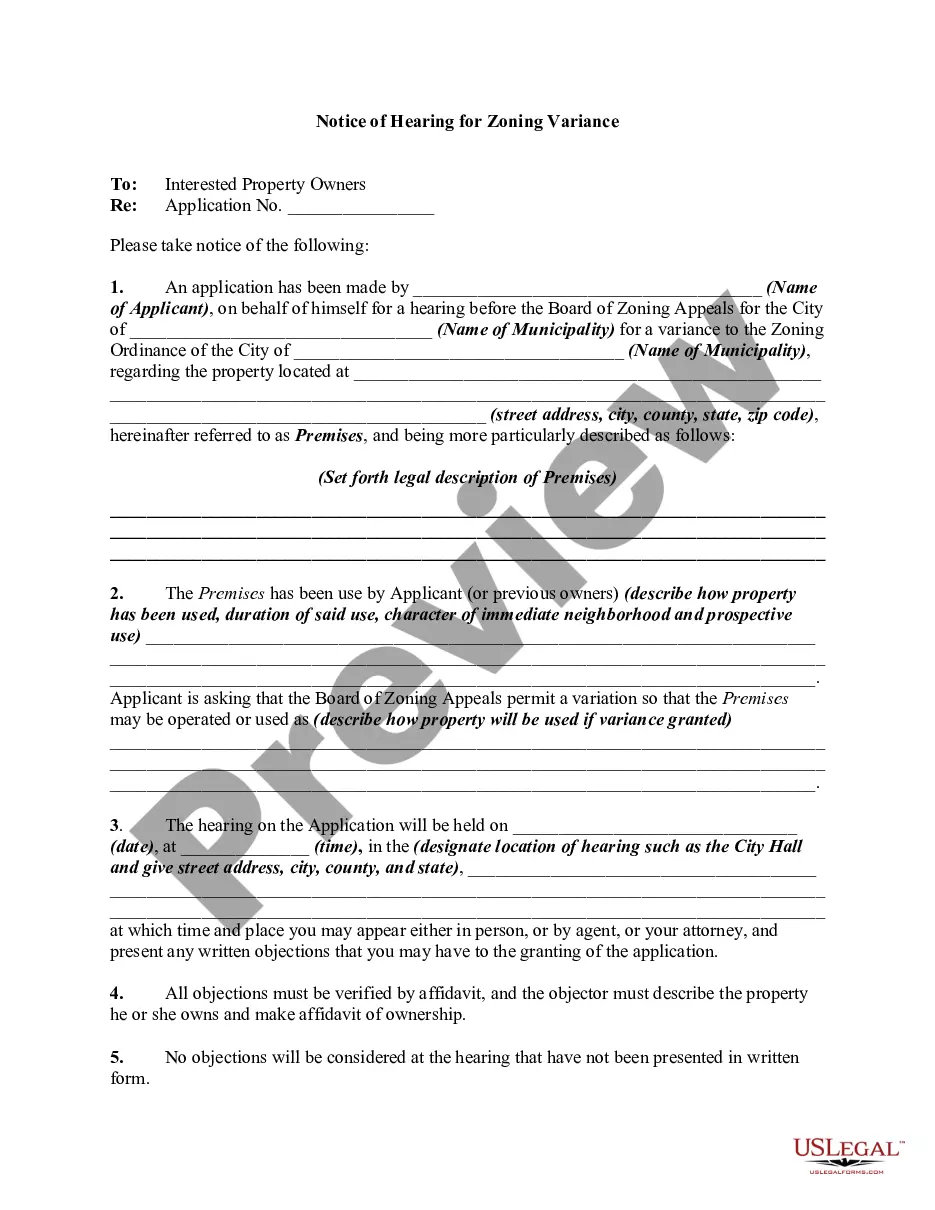
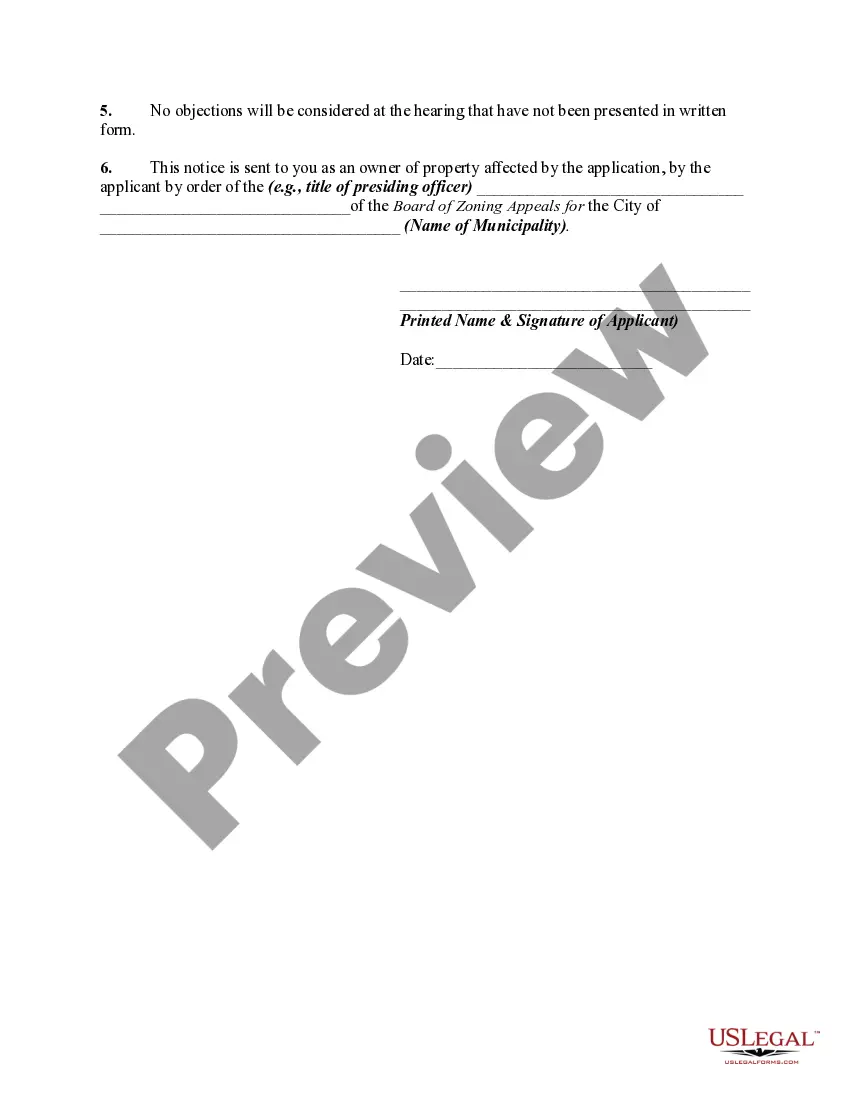
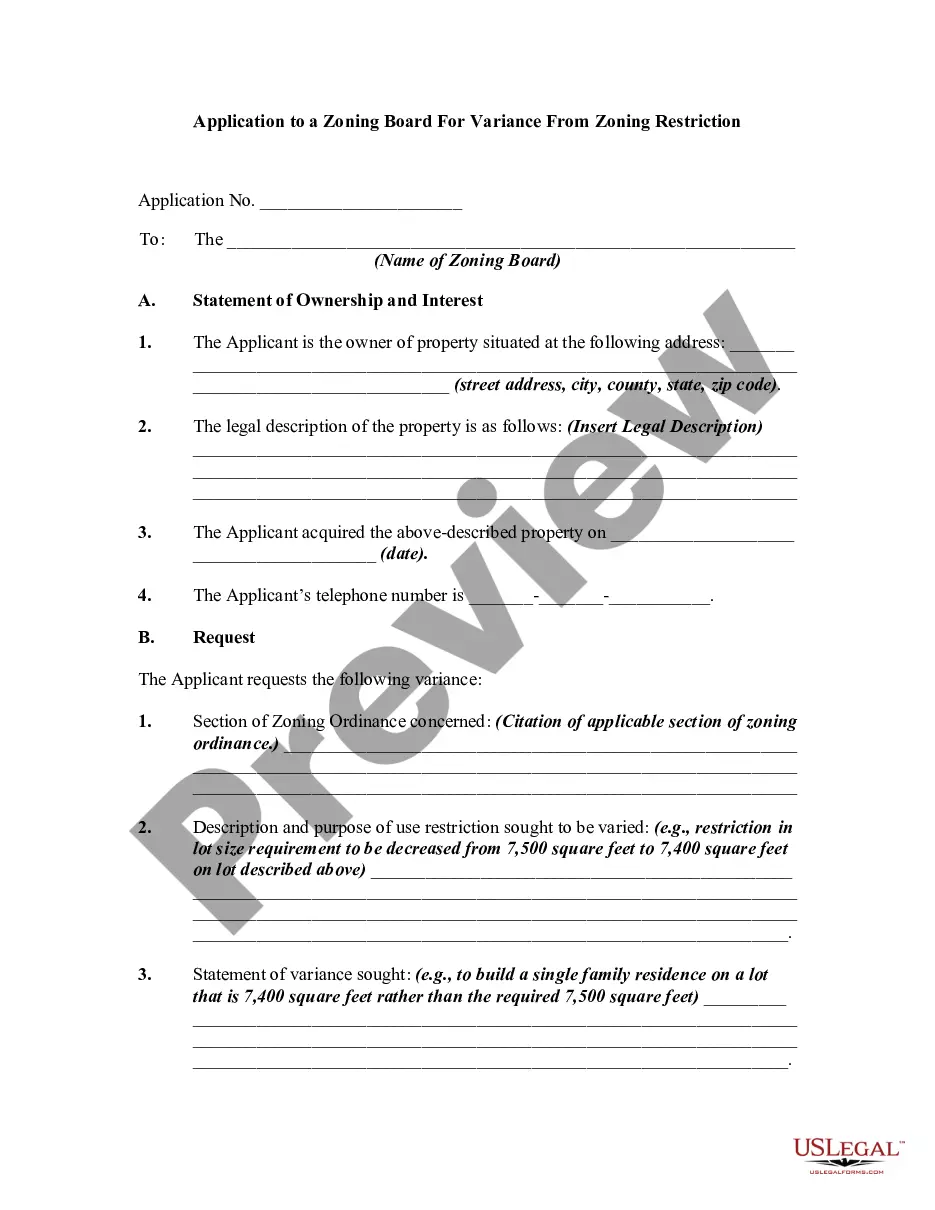
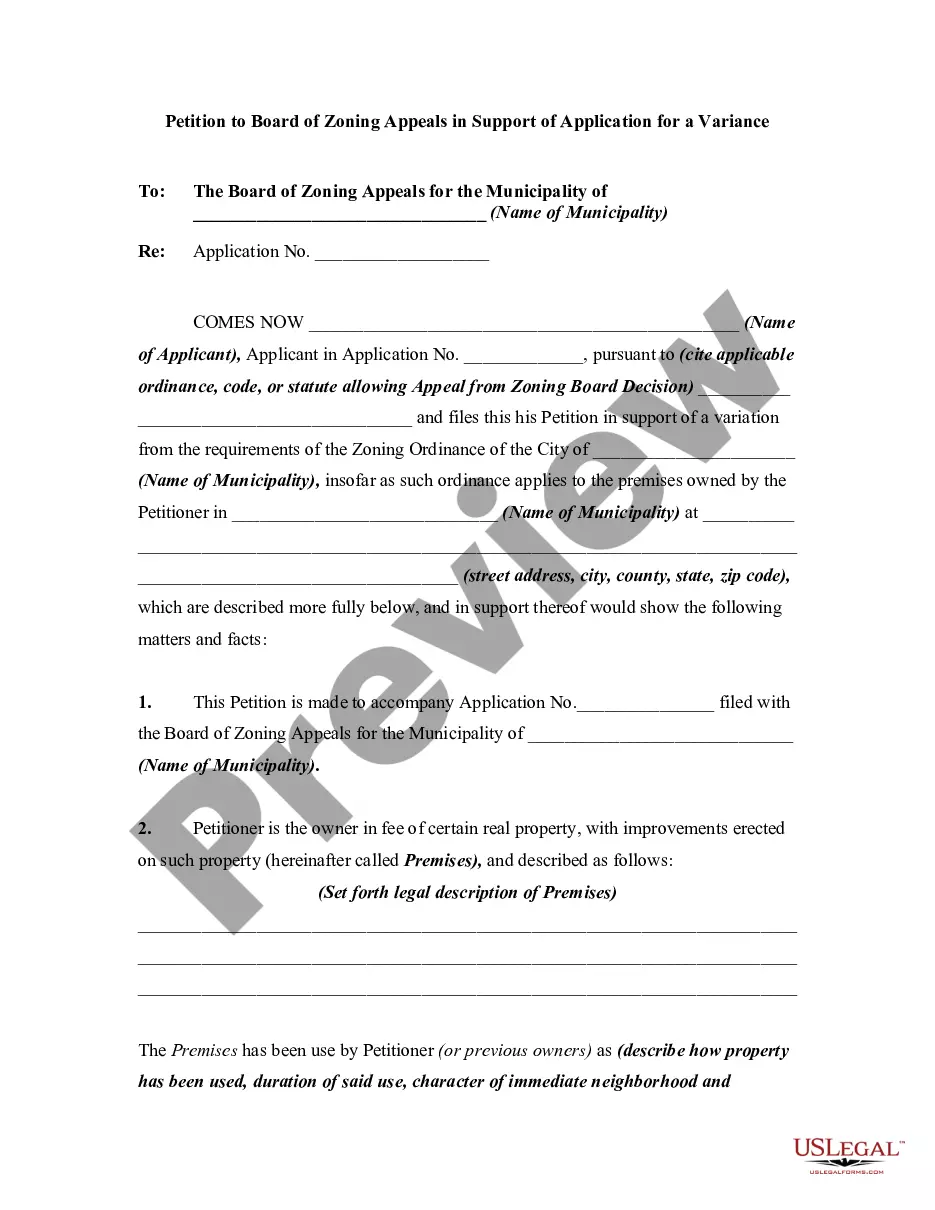
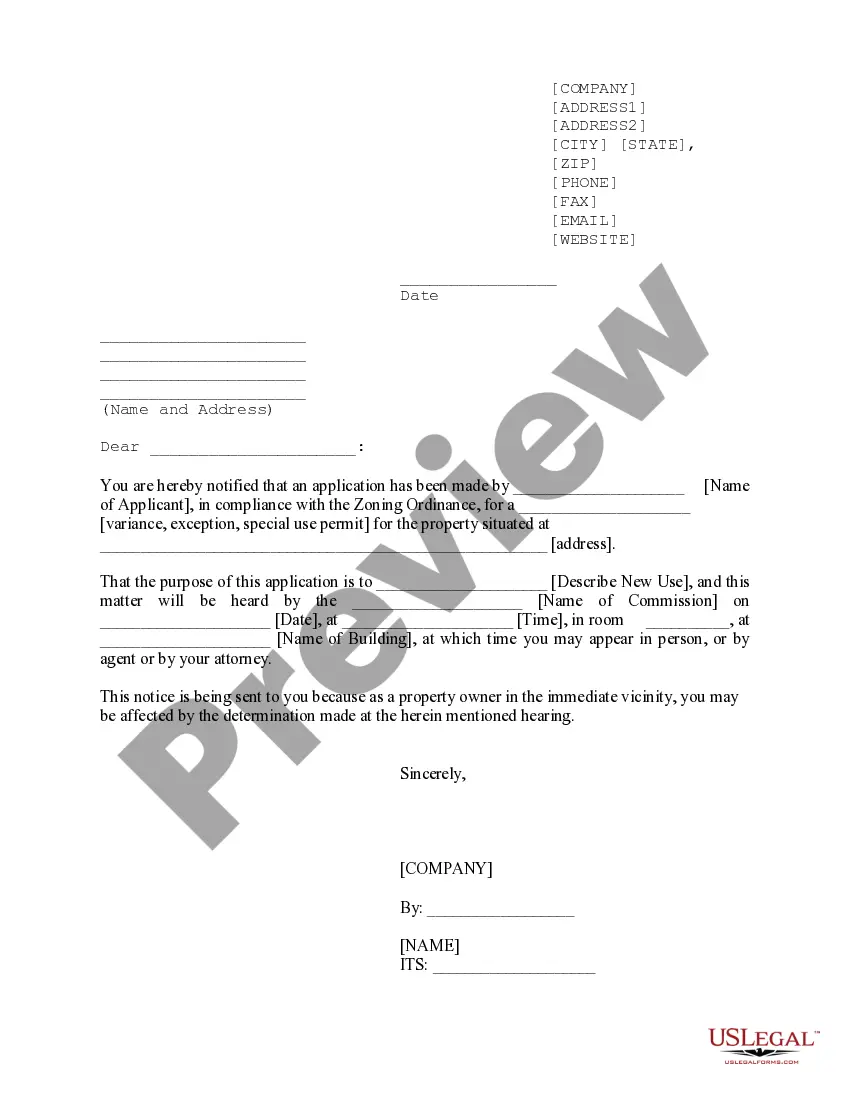
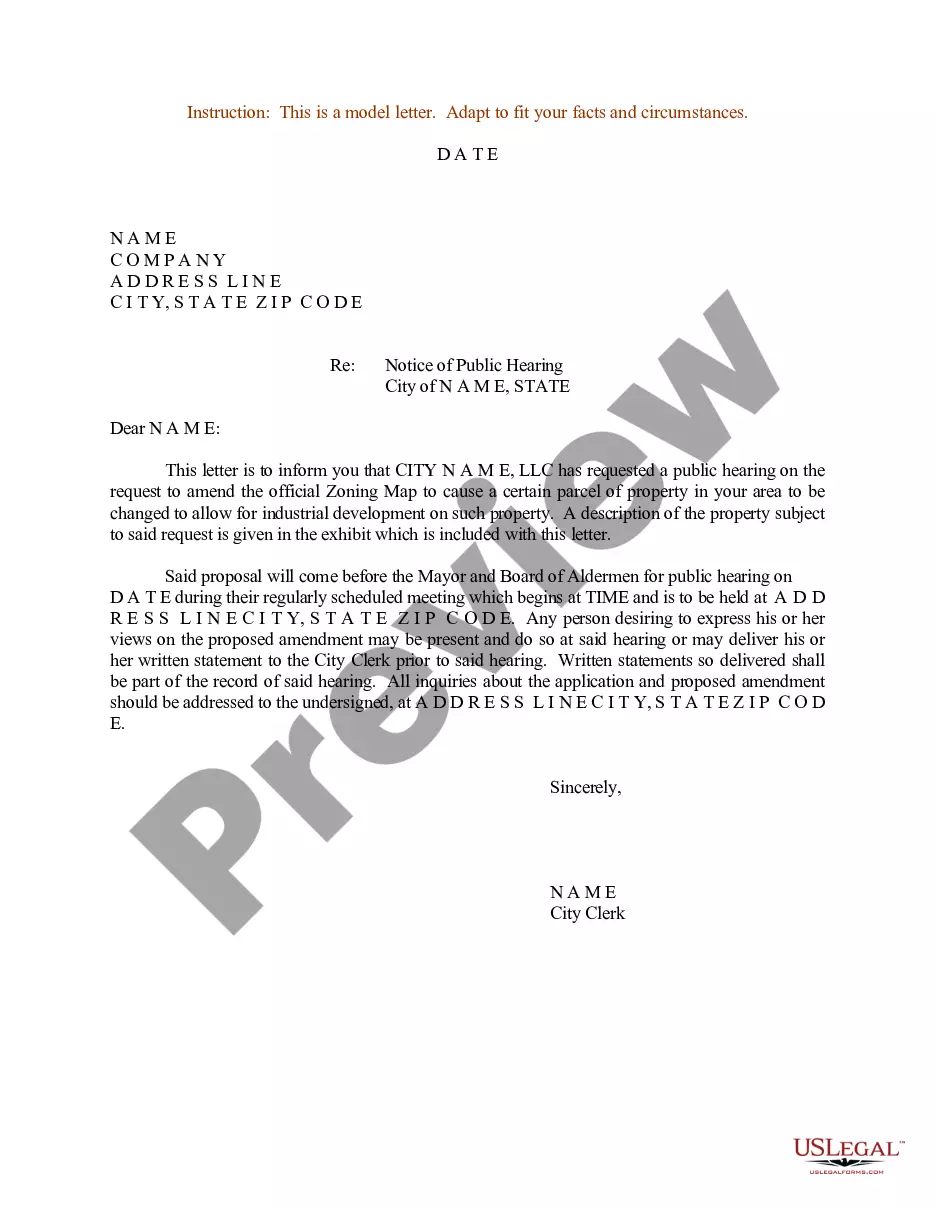
Notice Hearing Property For Evidentiary
Description
Get your form ready online
Our built-in tools help you complete, sign, share, and store your documents in one place.
Make edits, fill in missing information, and update formatting in US Legal Forms—just like you would in MS Word.
Download a copy, print it, send it by email, or mail it via USPS—whatever works best for your next step.
Sign and collect signatures with our SignNow integration. Send to multiple recipients, set reminders, and more. Go Premium to unlock E-Sign.
If this form requires notarization, complete it online through a secure video call—no need to meet a notary in person or wait for an appointment.
We protect your documents and personal data by following strict security and privacy standards.

Make edits, fill in missing information, and update formatting in US Legal Forms—just like you would in MS Word.

Download a copy, print it, send it by email, or mail it via USPS—whatever works best for your next step.

Sign and collect signatures with our SignNow integration. Send to multiple recipients, set reminders, and more. Go Premium to unlock E-Sign.

If this form requires notarization, complete it online through a secure video call—no need to meet a notary in person or wait for an appointment.

We protect your documents and personal data by following strict security and privacy standards.
Looking for another form?








How to fill out Notice Of Hearing For Variance Before Board Of Zoning Appeals - Notice To Be Sent By Applicant To Interested Property Owners?
- If you have previously used US Legal Forms, start by logging into your account to access your form downloads. Ensure your subscription is active; if not, renew it based on your chosen payment plan.
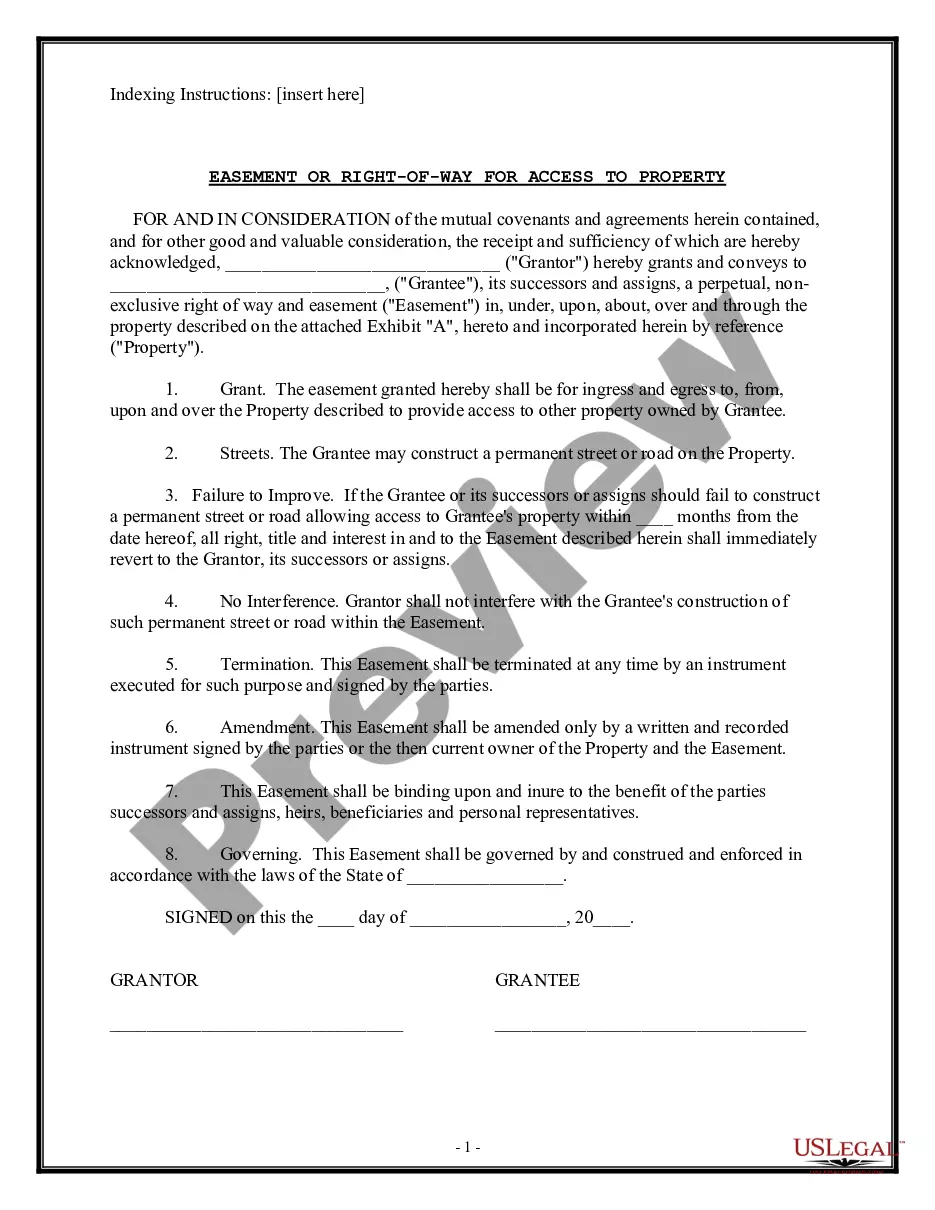
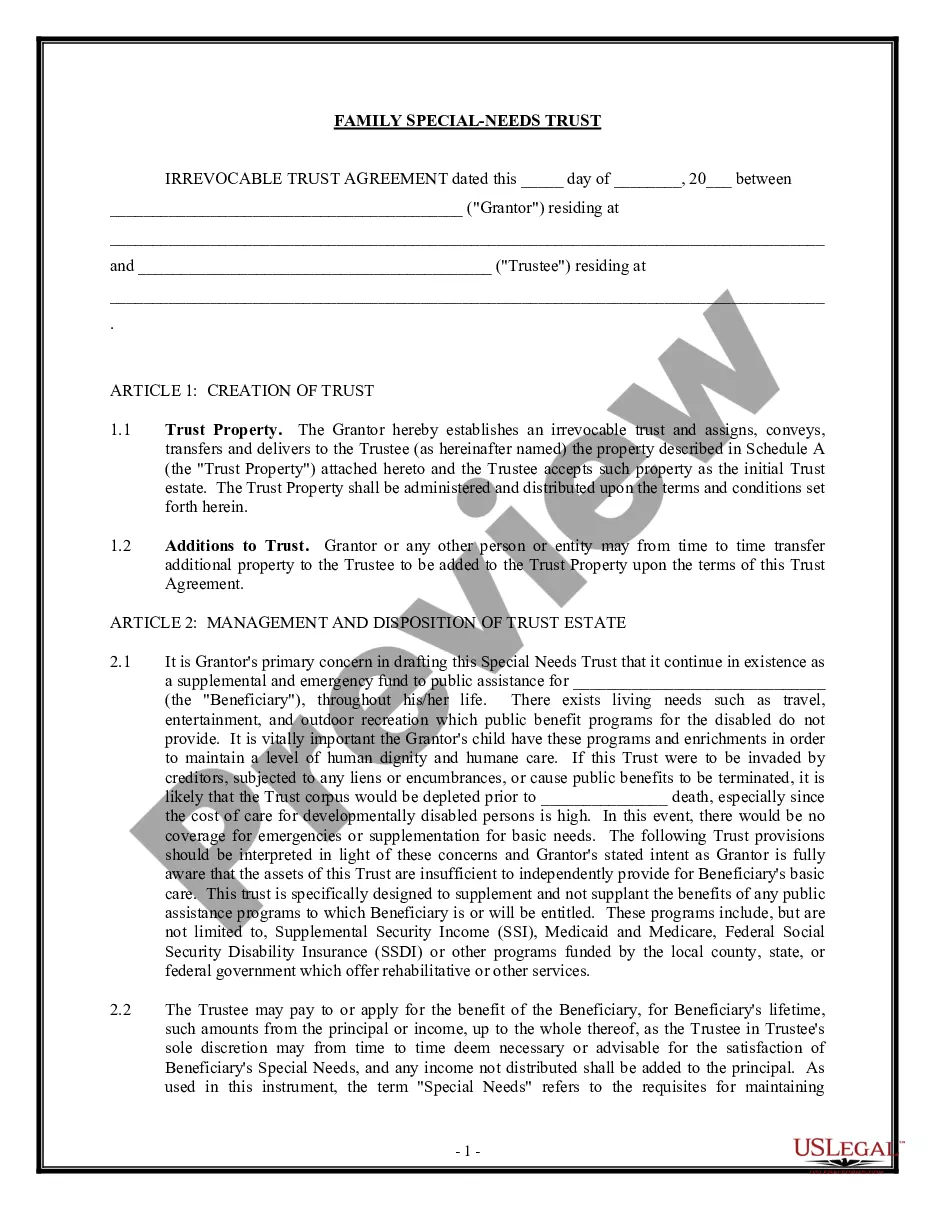
- For first-time users, begin by exploring the Preview mode and description of the required form. Verify that it meets your individual and jurisdictional requirements before proceeding.
- If you need a different template, utilize the Search function to locate the correct form. If you find a matching document, continue to the next step.
- Purchase the necessary document by clicking the Buy Now button. Choose a suitable subscription plan and create an account to unlock the full library.
- Complete your purchase by entering your credit card details or utilizing PayPal for subscription payment.
- Download the document directly to your device. You'll find it accessible in the My Forms section of your profile whenever needed.
In conclusion, US Legal Forms provides a straightforward way to obtain essential legal documents like the 'Notice Hearing Property for Evidentiary.' With a comprehensive library and expert support, you can ensure that your forms are accurate and suit all legal requirements.
Start your journey towards legal compliance today with US Legal Forms and take advantage of its unique offerings!
Form popularity
FAQ
To request evidence in court, you typically need to submit a formal request or motion, clearly stating what evidence you seek and why it is relevant. It is vital to specify the importance of this evidence for your case during a notice hearing property for evidentiary situations. Additionally, platforms like uslegalforms can assist you in drafting the necessary documentation.
To request an evidentiary hearing, you should file a motion with the court explaining the need for the hearing. Be sure to include supporting documents that justify your request. Utilizing platforms like uslegalforms can simplify this process by providing the necessary forms to help you navigate a notice hearing property for evidentiary effectively.
In an evidentiary hearing, you can expect to present your case through witness testimonies and supporting evidence. The judge will evaluate the relevance and credibility of the information provided. Understanding the format and expectations of a notice hearing property for evidentiary can help better prepare you for a successful outcome.
Evidentiary evidence can include documents, witness testimony, photographs, or physical objects relevant to a case. For instance, in property disputes, you may present deeds or appraisals as evidentiary support during a hearing. Knowing what qualifies as evidentiary evidence is essential for effective participation in a notice hearing property for evidentiary matters.
Following an evidentiary hearing, the judge will typically review the evidence and make a ruling based on what was presented. This decision may include orders or recommendations that affect the parties involved. Being prepared for what comes after a notice hearing property for evidentiary can help you understand your next steps.
An objection to an evidentiary hearing occurs when one party disputes the validity or relevance of the evidence being presented. This objection can challenge the admissibility of certain documents or testimony. Properly raising an objection can be crucial during a notice hearing property for evidentiary purposes, as it may impact the hearing's outcome.
Generally, an evidentiary hearing is open to the public, allowing interested parties to observe the proceedings. However, certain circumstances may lead to some hearings being closed to protect sensitive information. Understanding the public nature of these hearings can be beneficial, especially if you are involved in a notice hearing property for evidentiary concerns.
The purpose of the evidentiary hearing is to determine the truth of a matter at issue in a legal dispute. Specifically, it allows the court to assess the credibility and relevance of evidence presented by both parties. In terms of notice hearing property for evidentiary, this hearing plays a crucial role in resolving property disputes thoughtfully and fairly. Ultimately, it aids in reaching a just conclusion based on the facts presented.
An evidentiary hearing in Florida is a legal proceeding where parties present evidence to support their claims. This process often involves witnesses, documents, and other forms of proof. Importantly, a notice hearing property for evidentiary allows the court to evaluate the validity of arguments related to property issues. Thus, this hearing helps ensure that all parties have a fair chance to present their case.
A request for evidentiary hearing is a formal document asking a court to evaluate evidence related to a specific issue or case. This process is crucial when the facts of a case require direct examination of evidence to make informed decisions. For matters involving a Notice hearing property for evidentiary, understanding this process can streamline your case and improve the outcome. Platforms like US Legal Forms offer templates and support to help you submit your request accurately.