Time Material Materials With Their Uses
Description
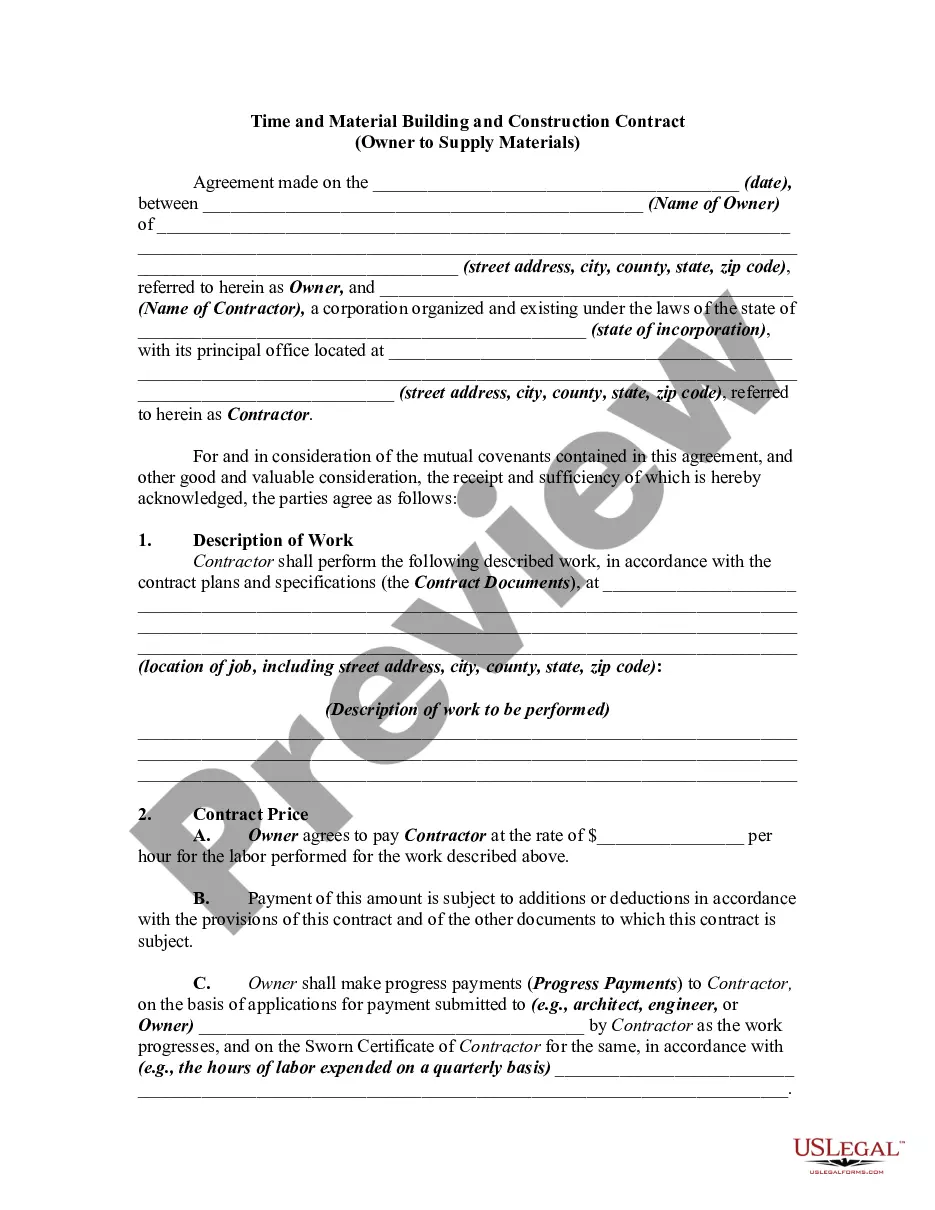
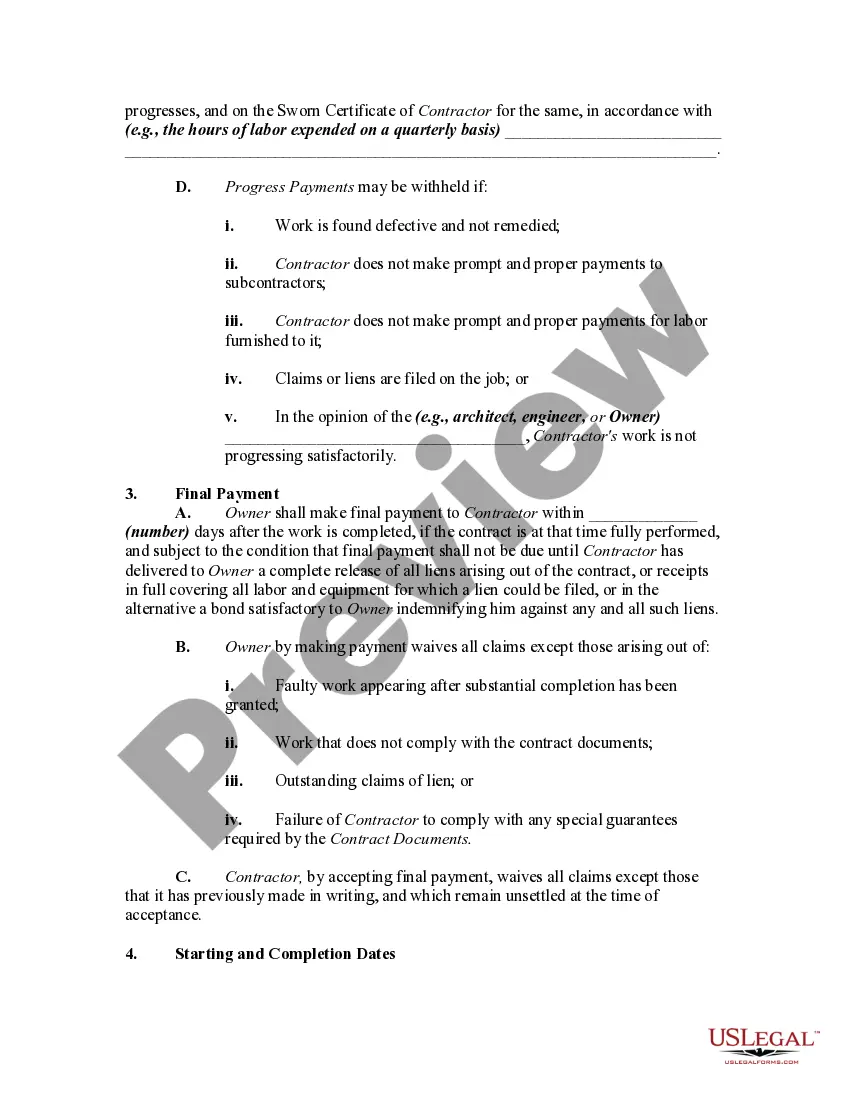
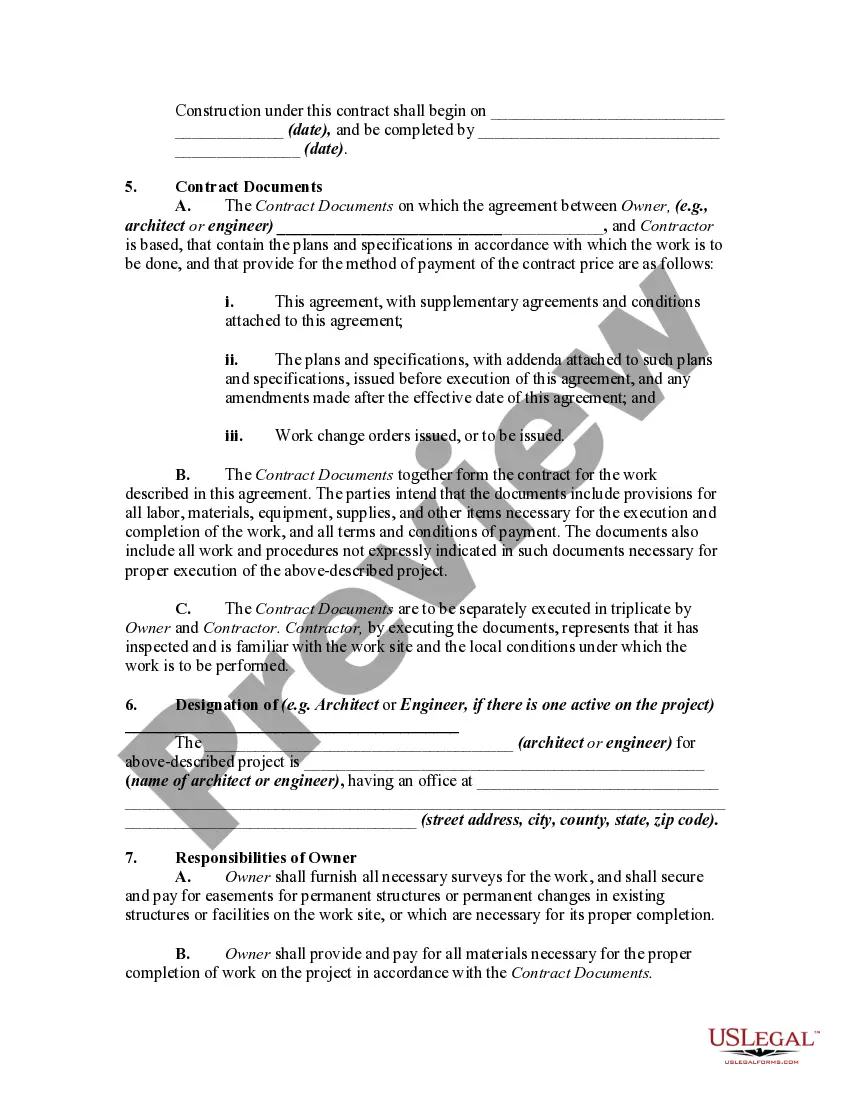
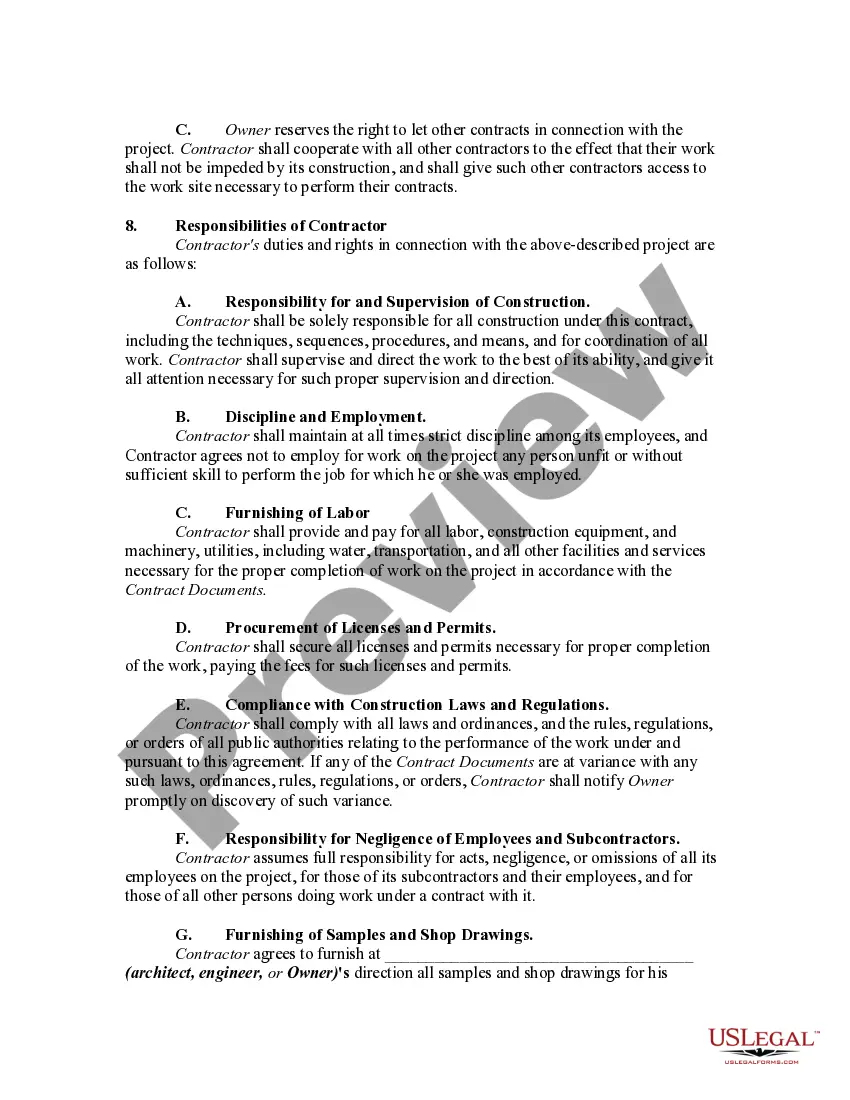
Get your form ready online
Our built-in tools help you complete, sign, share, and store your documents in one place.
Make edits, fill in missing information, and update formatting in US Legal Forms—just like you would in MS Word.
Download a copy, print it, send it by email, or mail it via USPS—whatever works best for your next step.
Sign and collect signatures with our SignNow integration. Send to multiple recipients, set reminders, and more. Go Premium to unlock E-Sign.
If this form requires notarization, complete it online through a secure video call—no need to meet a notary in person or wait for an appointment.
We protect your documents and personal data by following strict security and privacy standards.

Make edits, fill in missing information, and update formatting in US Legal Forms—just like you would in MS Word.

Download a copy, print it, send it by email, or mail it via USPS—whatever works best for your next step.

Sign and collect signatures with our SignNow integration. Send to multiple recipients, set reminders, and more. Go Premium to unlock E-Sign.

If this form requires notarization, complete it online through a secure video call—no need to meet a notary in person or wait for an appointment.

We protect your documents and personal data by following strict security and privacy standards.
Looking for another form?
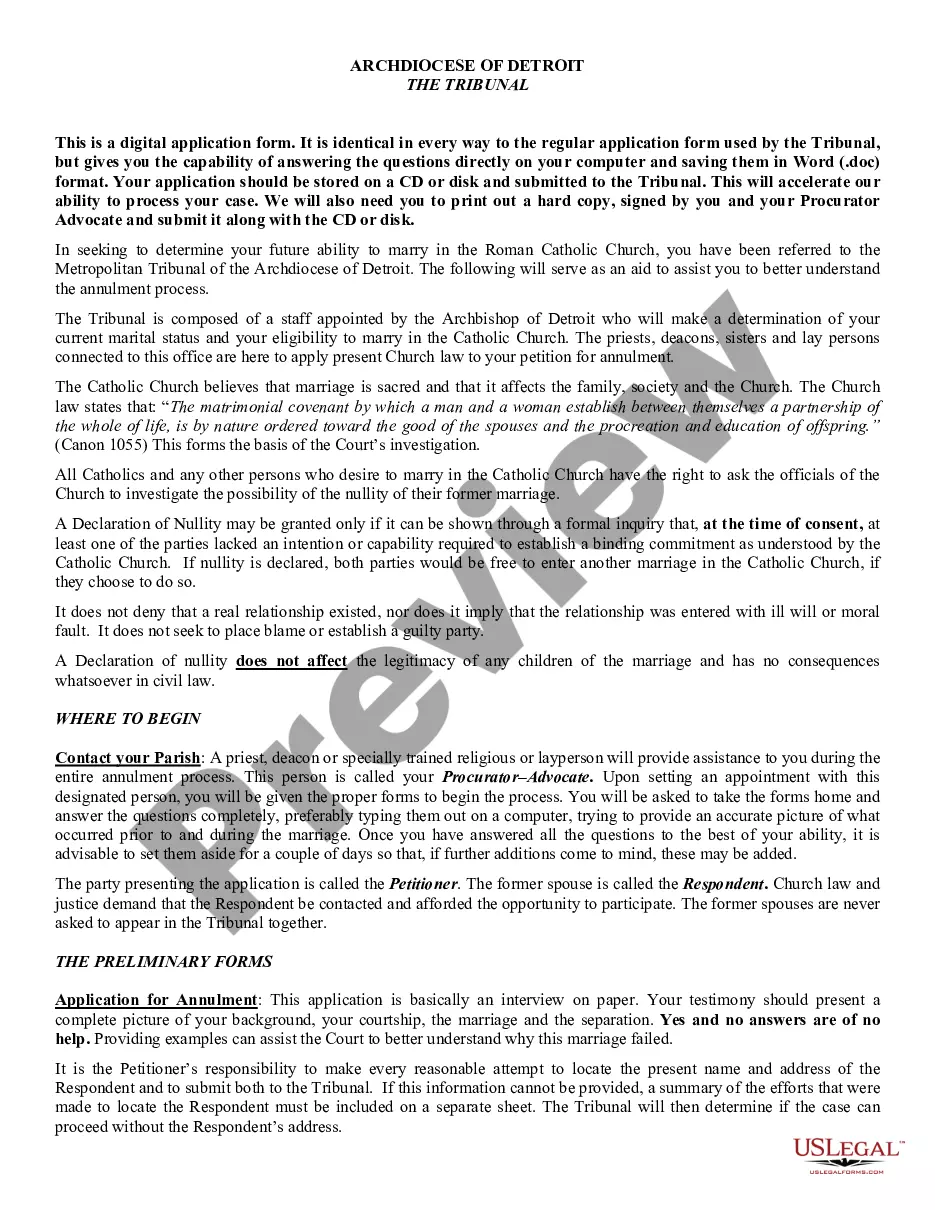


How to fill out Time And Material Building And Construction Contract - Owner To Supply Materials?
Engaging with legal paperwork and processes can be a lengthy addition to your schedule.
Time Material Materials With Their Uses and similar forms generally require you to search for them and comprehend how to fill them out properly.
Consequently, whether you are handling financial, legal, or personal affairs, having a thorough and accessible online directory of forms readily available will greatly assist you.
US Legal Forms is the leading online resource for legal templates, featuring over 85,000 state-specific forms and a variety of tools to help you complete your documents with ease.
Is this your first time using US Legal Forms? Register and create a free account in just a few minutes, granting you access to the form catalogue and Time Material Materials With Their Uses. Then, follow the steps detailed below to fill out your form.
- Browse the collection of relevant documents accessible to you with a single click.
- US Legal Forms provides state- and county-specific forms available for download at any moment.
- Safeguard your document management practices by utilizing a quality service that enables you to prepare any form in minutes without any extra or hidden fees.
- Simply Log In to your account, find Time Material Materials With Their Uses, and obtain it instantly in the My documents section.
- You can also retrieve forms you previously downloaded.
Form popularity
FAQ
Calculating time and materials involves adding the direct labor costs and the expenses for materials used in a project. You begin by tracking the hours worked by your team and multiplying that by their hourly rates. Next, you tally up the costs of all materials employed in the project. This total gives you a clear understanding of the time material materials with their uses, enabling you to plan better for future projects and budgets.
The disadvantages of time-based contracts include potential for project costs to escalate if not monitored closely and may lead to inefficiencies. Since payment is based on time spent, there's less urgency to complete the work quickly. By understanding these limitations, you can evaluate when time material materials with their uses might not be the best fit for your project.
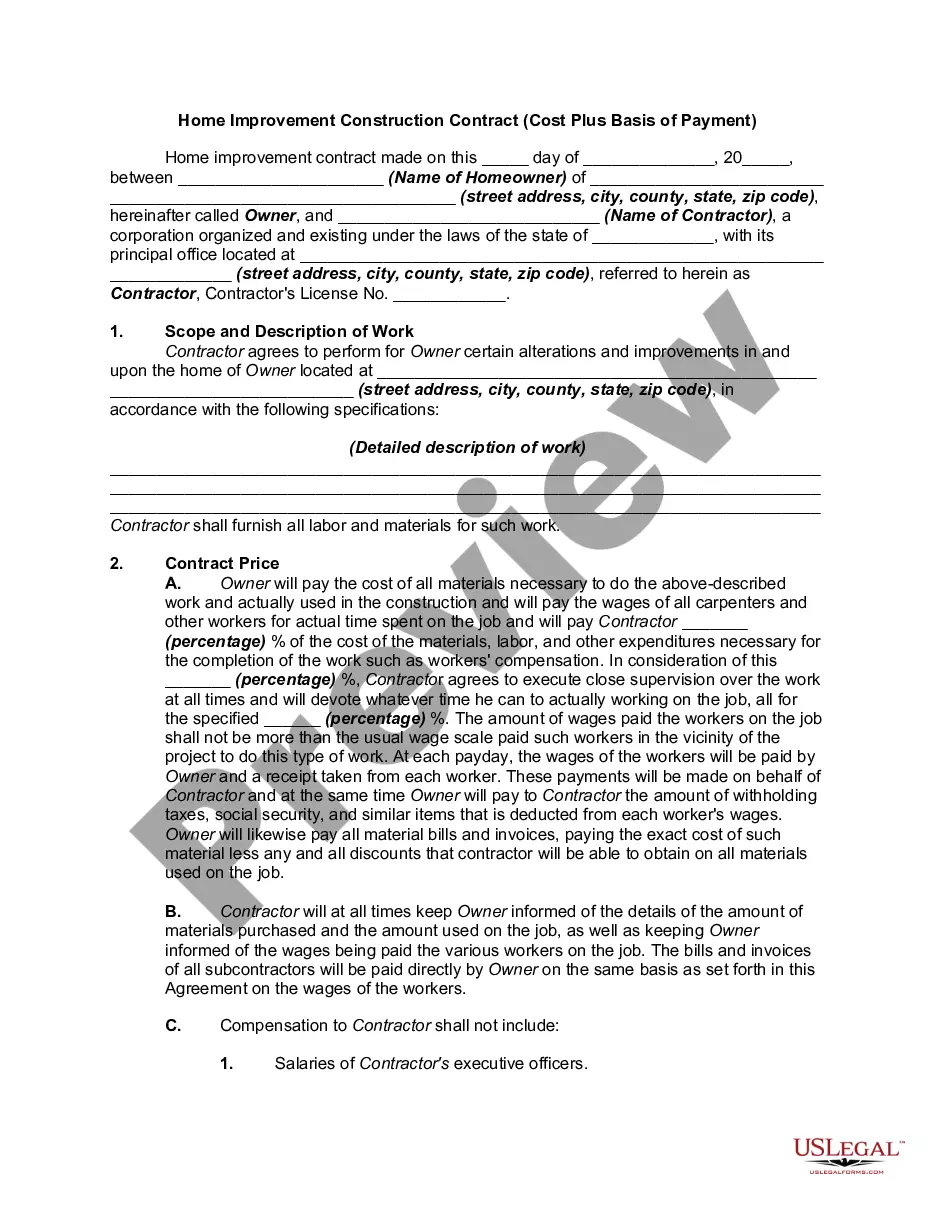
In a time and materials contract, the contractor charges the client for the cost of materials, plus a fixed hourly rate for labor. In a T&M contract, the client assumes more risk.
A time and materials contract should outline the project's objectives and contain a fixed price for labor that accounts for wages, overhead, general and administrative expenses, as well as a profit margin. Freight, taxes, and markup should be included in the materials cost.
A time and materials contract will specify the hourly rate and obligate the client to pay for the time it takes to complete the project, as well as the cost of the materials. Other situations where a time and materials contract may be used include, but are not limited to: Home renovations.
andmaterials contract may be used only when it is not possible at the time of placing the contract to estimate accurately the extent or duration of the work or to anticipate costs with any reasonable degree of confidence.
What is an example of a time and materials contract? An example of a time and materials contract is a contract that stipulates a $30 hourly rate plus an additional 10% on any items purchased. It also states that buyers will not pay more than $1,000 in materials and in excess of 80 hours of labor.