Example Of A Writ
Description




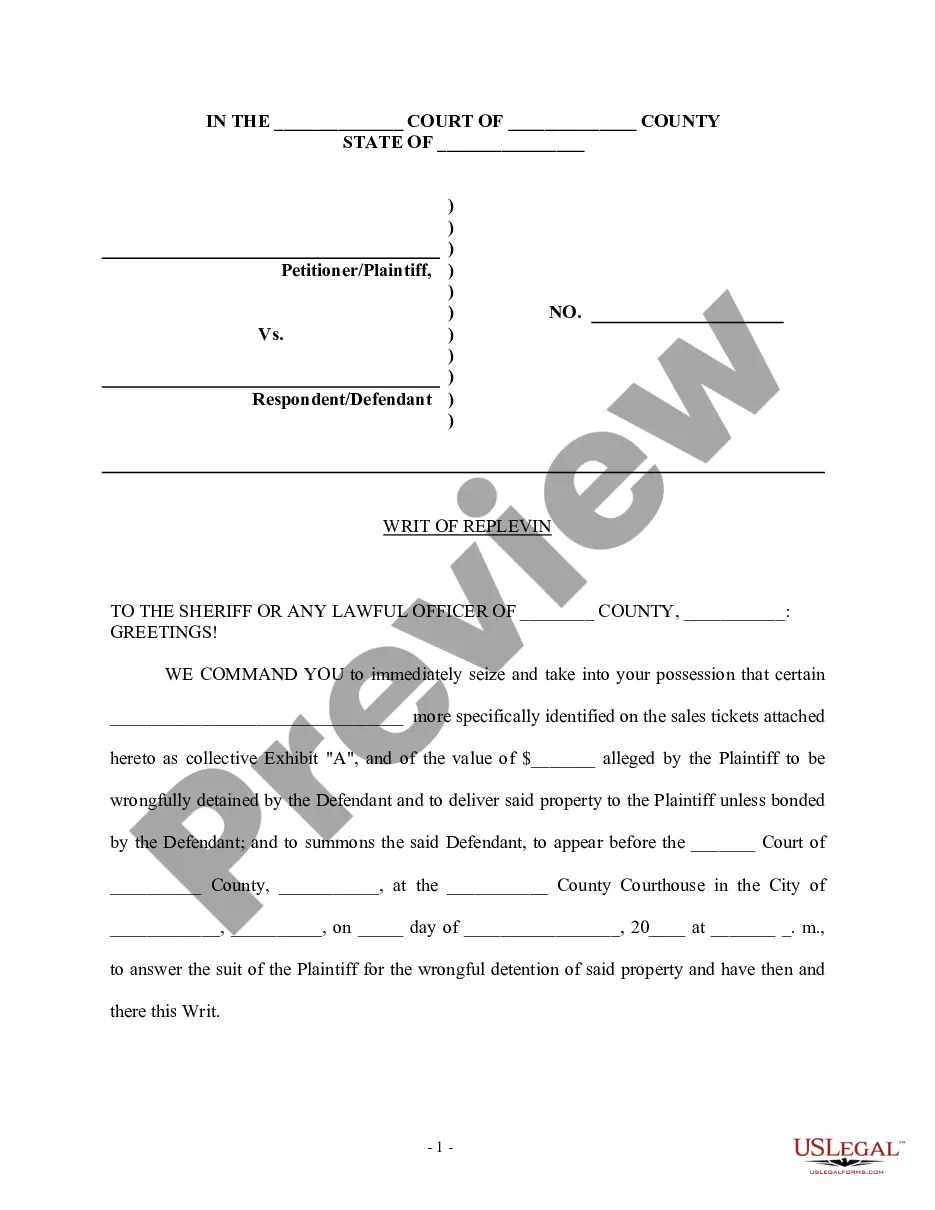
Get your form ready online
Our built-in tools help you complete, sign, share, and store your documents in one place.
Make edits, fill in missing information, and update formatting in US Legal Forms—just like you would in MS Word.
Download a copy, print it, send it by email, or mail it via USPS—whatever works best for your next step.
Sign and collect signatures with our SignNow integration. Send to multiple recipients, set reminders, and more. Go Premium to unlock E-Sign.
If this form requires notarization, complete it online through a secure video call—no need to meet a notary in person or wait for an appointment.
We protect your documents and personal data by following strict security and privacy standards.

Make edits, fill in missing information, and update formatting in US Legal Forms—just like you would in MS Word.

Download a copy, print it, send it by email, or mail it via USPS—whatever works best for your next step.

Sign and collect signatures with our SignNow integration. Send to multiple recipients, set reminders, and more. Go Premium to unlock E-Sign.

If this form requires notarization, complete it online through a secure video call—no need to meet a notary in person or wait for an appointment.

We protect your documents and personal data by following strict security and privacy standards.
Looking for another form?
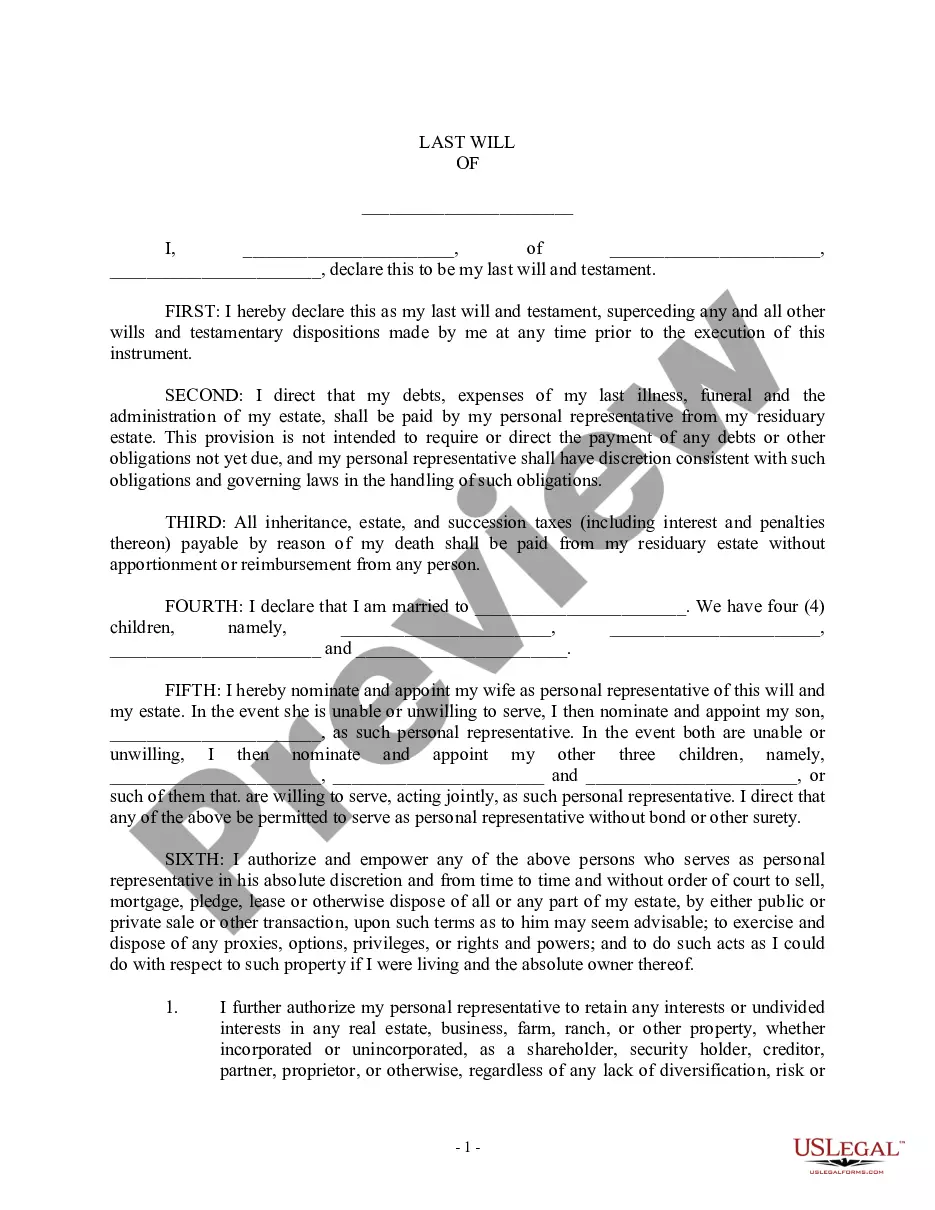


How to fill out Writ Of Replevin Or Repossession?
Managing legal documents can be daunting, even for the most experienced professionals.
When you are looking for an Example Of A Writ and haven’t the opportunity to dedicate time to locate the correct and current version, the procedures can become stressful.
US Legal Forms accommodates every requirement you might have, from individual to business documentation, all in one location.
Utilize sophisticated tools to complete and oversee your Example Of A Writ.
Following the steps below after locating your desired form is recommended: Confirm this is the right form by previewing and reviewing its description.
- Access a library of articles, guides, and manuals relevant to your needs and situation.
- Conserve time and effort searching for necessary documents and use US Legal Forms’ advanced search and Preview feature to find and obtain Example Of A Writ.
- If you hold a monthly subscription, Log In to your US Legal Forms account to search for the form you need and acquire it.
- Check the My documents section to review previously saved documents and organize your folders as desired.
- If it’s your first experience with US Legal Forms, register for a free account to gain unlimited access to all platform benefits.
- A comprehensive online forms library could be a revolutionary solution for anyone seeking to efficiently handle these circumstances.
- US Legal Forms is a frontrunner in the realm of online legal documents, offering over 85,000 state-specific legal forms for your convenience.
- With US Legal Forms, you have the ability to access legal and business forms specific to your state or county.
Form popularity
FAQ
Filing a writ petition involves several important steps. First, you need to research the specific type of writ that applies to your situation, as there are different examples of a writ, such as a writ of habeas corpus or a writ of mandamus. Next, gather the necessary documents and evidence to support your case. Finally, prepare and submit your petition to the appropriate court, ensuring you follow all local rules and deadlines. If you need assistance, consider using US Legal Forms, which provides templates and guidance to simplify the process.
There are four primary types of writs that serve different legal purposes. These include a writ of habeas corpus, which protects against unlawful detention, a writ of mandamus that compels a government official to act, a writ of prohibition that halts lower courts from exceeding their jurisdiction, and a writ of certiorari that requests a higher court to review a lower court's decision. Understanding these types of writs can help you navigate the legal system more effectively. For practical examples of a writ, consider exploring US Legal Forms, which offers various templates to assist you in your legal documentation needs.
To answer a writ of garnishment, you must respond to the court within the specified time frame. This typically involves filing a written response that addresses the claims made in the writ. You may need to provide evidence supporting your position. For guidance on how to properly respond, consider using US Legal Forms, which offers easy-to-use templates tailored to your situation.
An example of a writ is a court order that directs a party to take a specific action. Common types include writs of habeas corpus, which require a person to be brought before a court, and writs of mandamus, instructing a public official to fulfill their duties. Understanding these examples of a writ can help you navigate legal processes more effectively. If you need assistance, US Legal Forms provides templates and resources to help you create the right legal documents.
The most common modern writs are those, such as the summons, used to initiate an action. Other writs may be used to enforce the judgment of a court (attachment, delivery) or to require a lower court to furnish certain records (error) or perform a certain act (mandamus).
A legal document from a law court that tells you that you will be involved in a legal process and explains what you must do: There have been at least seven writs issued against him for late payment of bills. She has served a writ for libel on the newspaper (= she has delivered it to them officially).
The meaning of the word 'Writs' means command in writing in the name of the Court. It is a legal document issued by the court that orders a person or entity to perform a specific act or to cease performing a specific action or deed.
Example of a Writ Once the writ is drafted, the property is seized by a court official or member of law enforcement. The property is then transferred or sold, with the proceeds going to the plaintiff in cash. Another example of a writ is the writ of seizure and sale is one example of a writ.
: a formal written document.