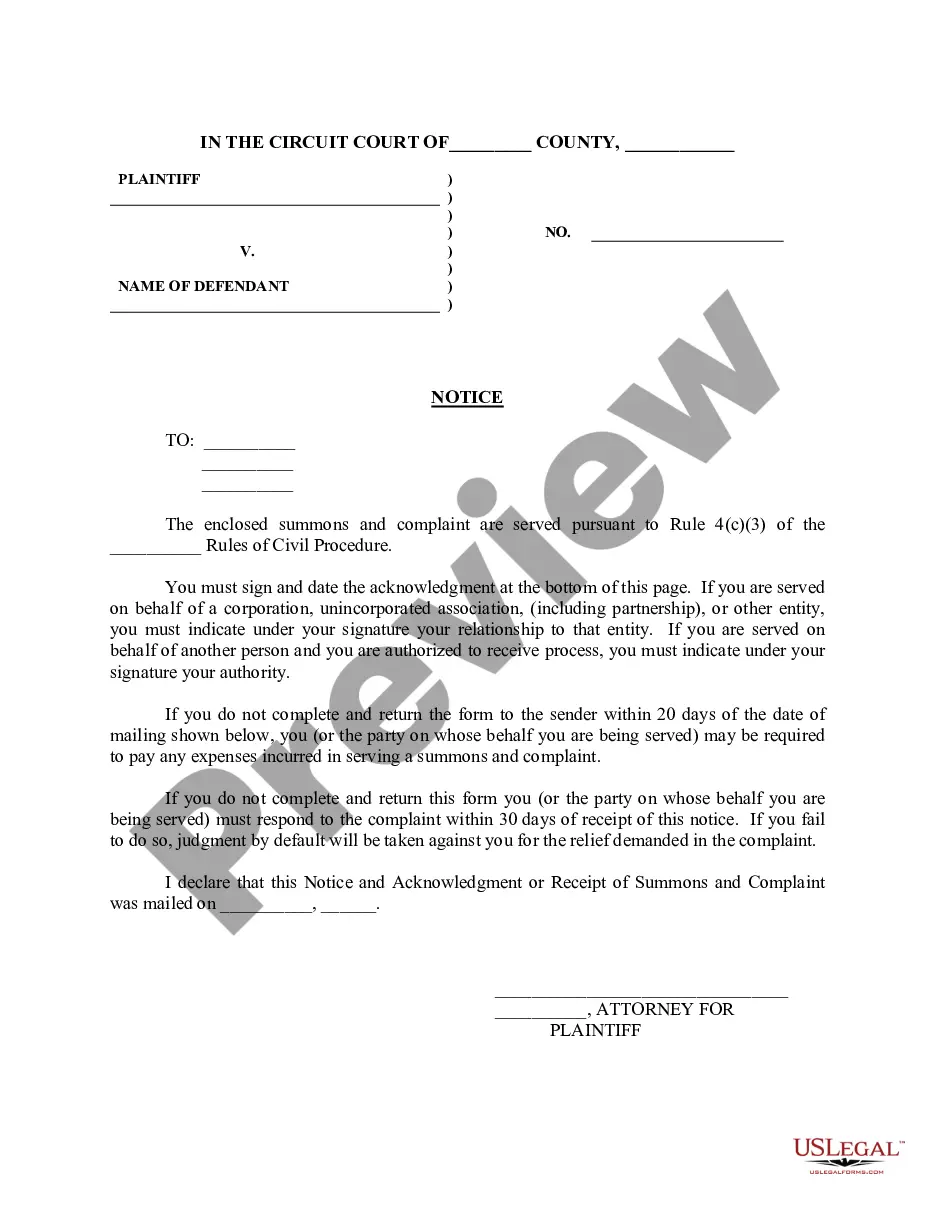
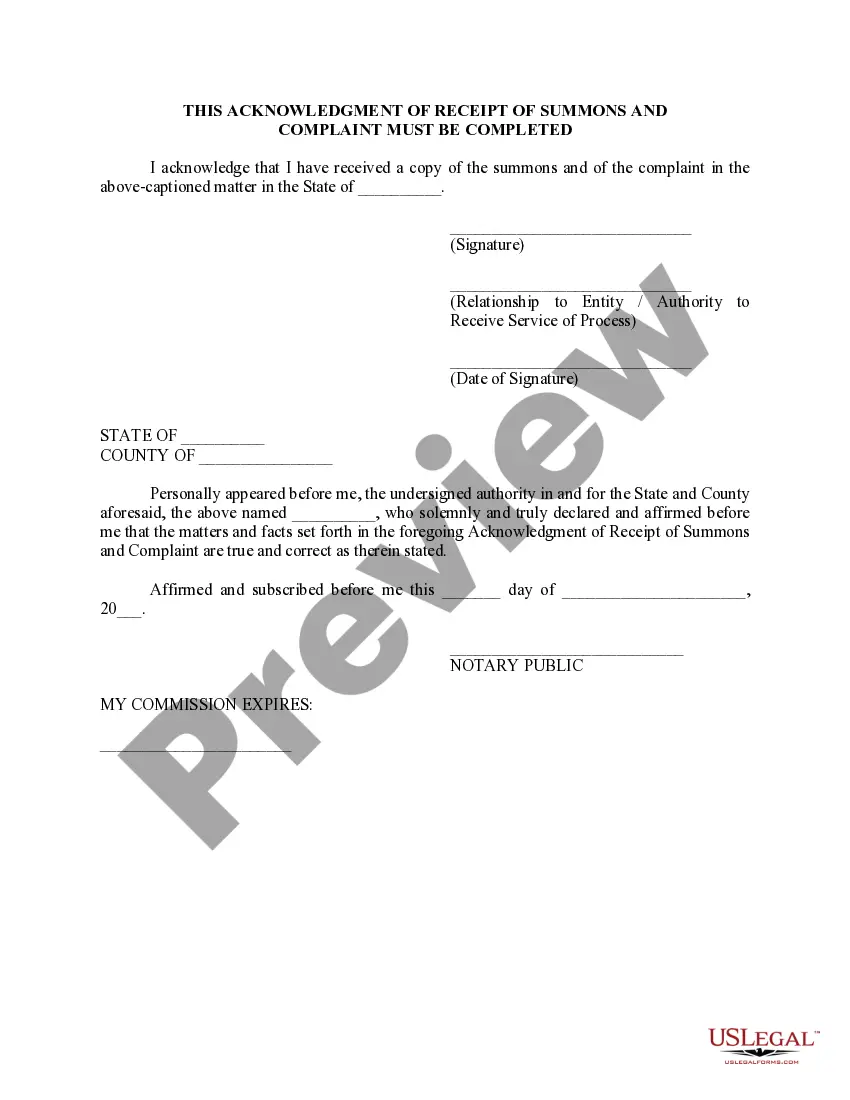
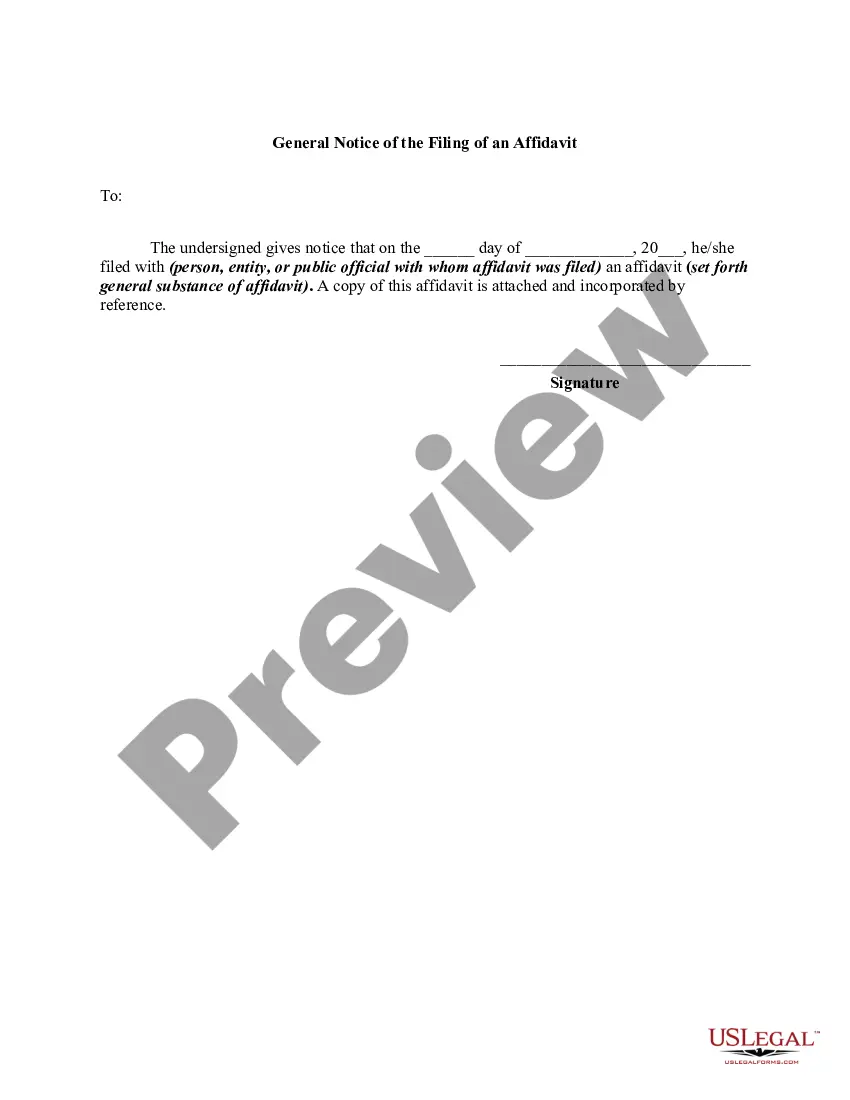
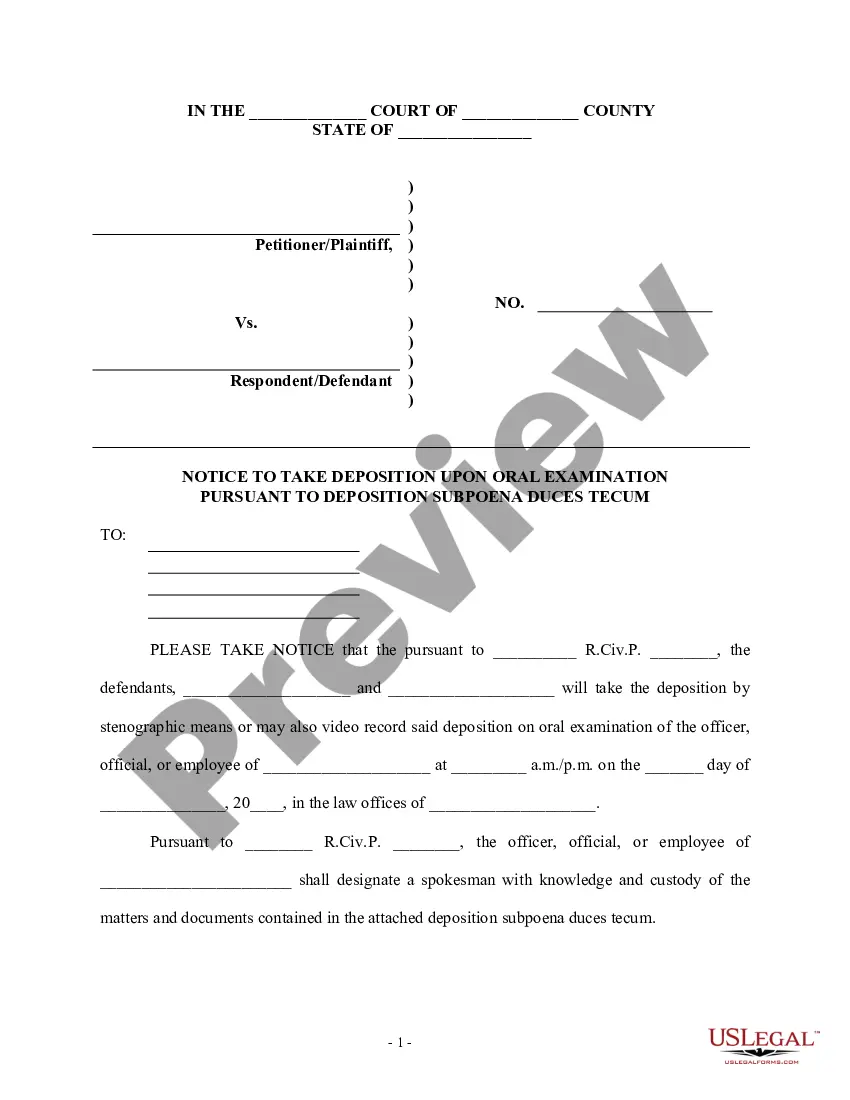
Summons Served With Complaint
Description
Get your form ready online
Our built-in tools help you complete, sign, share, and store your documents in one place.
Make edits, fill in missing information, and update formatting in US Legal Forms—just like you would in MS Word.
Download a copy, print it, send it by email, or mail it via USPS—whatever works best for your next step.
Sign and collect signatures with our SignNow integration. Send to multiple recipients, set reminders, and more. Go Premium to unlock E-Sign.
If this form requires notarization, complete it online through a secure video call—no need to meet a notary in person or wait for an appointment.
We protect your documents and personal data by following strict security and privacy standards.

Make edits, fill in missing information, and update formatting in US Legal Forms—just like you would in MS Word.

Download a copy, print it, send it by email, or mail it via USPS—whatever works best for your next step.

Sign and collect signatures with our SignNow integration. Send to multiple recipients, set reminders, and more. Go Premium to unlock E-Sign.

If this form requires notarization, complete it online through a secure video call—no need to meet a notary in person or wait for an appointment.

We protect your documents and personal data by following strict security and privacy standards.
Looking for another form?



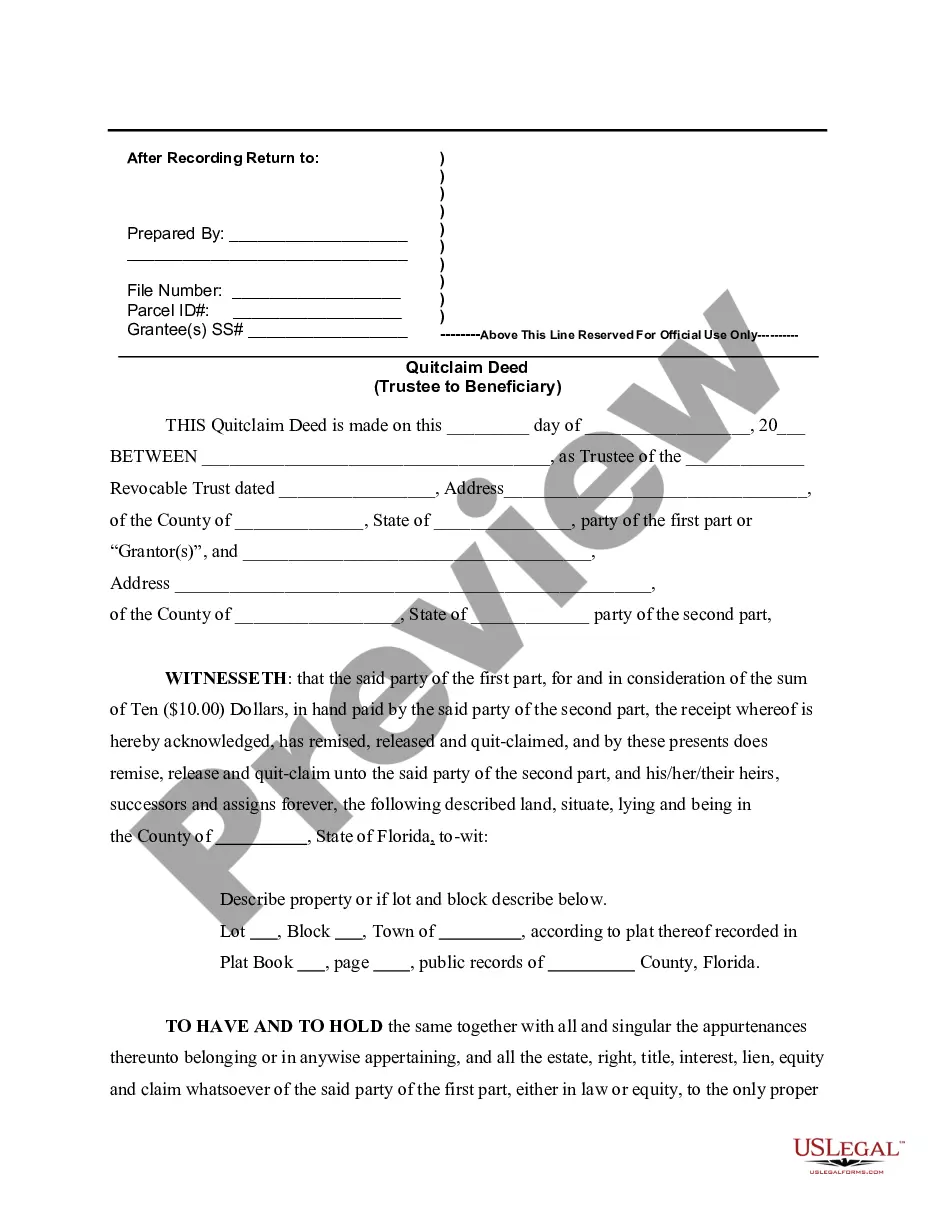

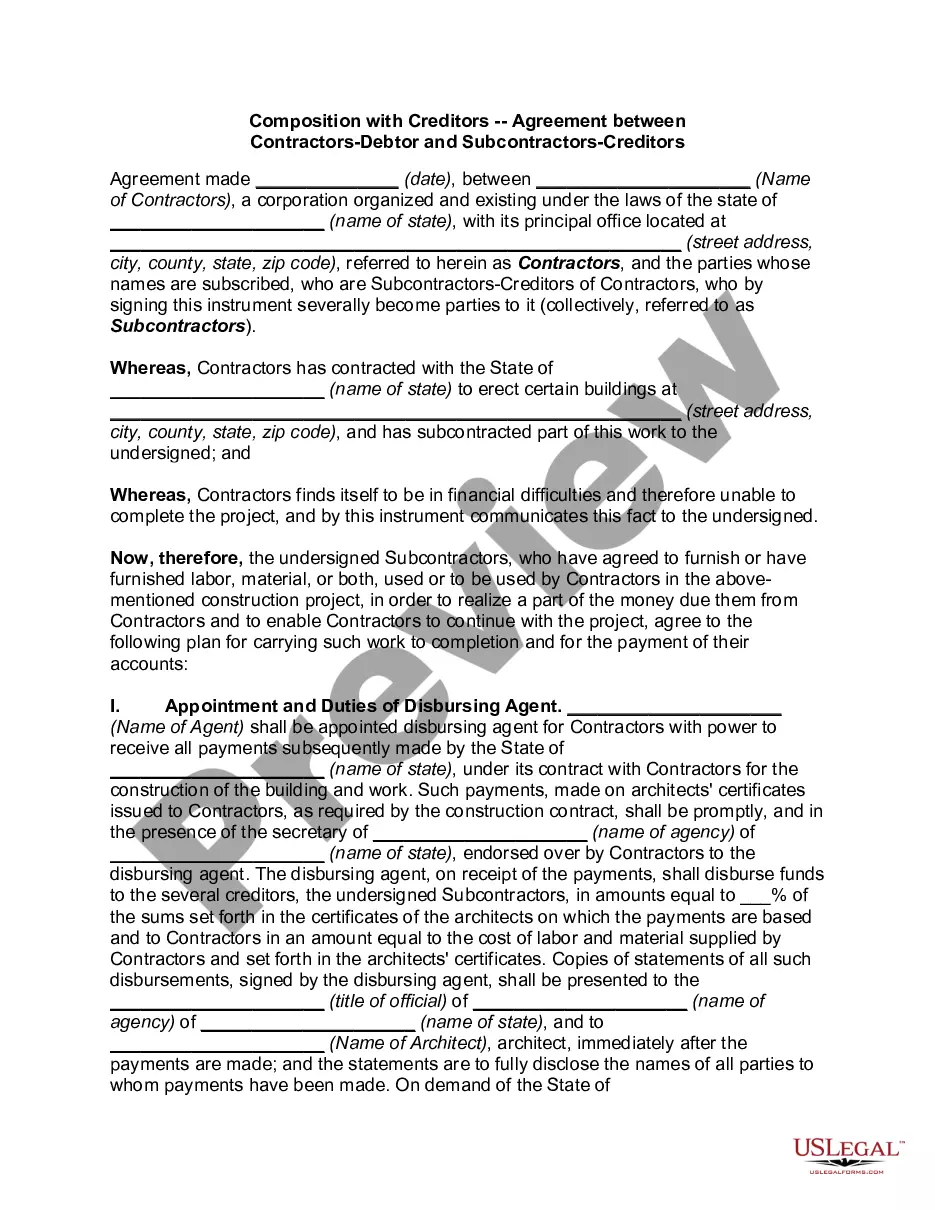

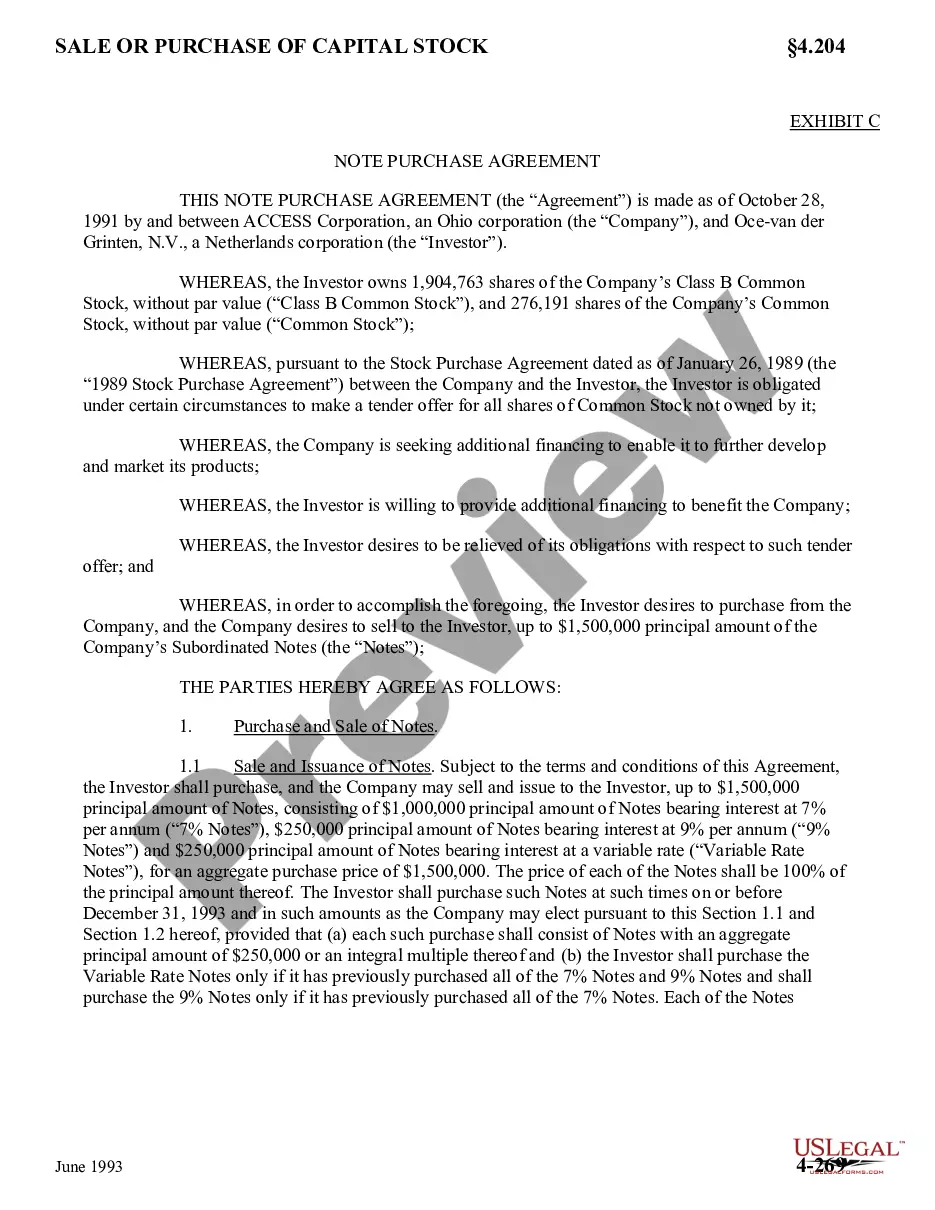
How to fill out Notice - Served With Complaint And Summons?
Regardless of whether it is for corporate reasons or individual matters, everyone inevitably encounters legal issues in their lifetime.
Completing legal documents requires meticulous focus, starting with selecting the correct form template. For instance, choosing an incorrect version of the Summons Served With Complaint will result in its rejection upon submission.
With an extensive US Legal Forms collection available, you don't have to waste time hunting for the right sample online. Utilize the library’s user-friendly navigation to find the appropriate template for any situation.
- Obtain the sample you require by using the search box or browsing the catalog.
- Review the information on the form to confirm it aligns with your situation, state, and county.
- Click on the form’s preview to inspect it.
- If it is not the correct document, return to the search feature to locate the Summons Served With Complaint template you need.
- Download the template when it fulfills your requirements.
- If you possess a US Legal Forms account, click Log in to access previously stored templates in My documents.
- If you haven’t created an account yet, you can secure the form by clicking Buy now.
- Select the appropriate pricing option.
- Complete the account registration form.
- Choose your payment method: either a credit card or a PayPal account.
- Select the document format you prefer and download the Summons Served With Complaint.
- Once saved, you can fill out the form using editing software or print it and complete it manually.
Form popularity
FAQ
There are primarily two main types of summons: the civil summons and the arrest warrant. The civil summons is used in civil litigation to formally notify a defendant about a lawsuit. Understanding the different types of summons can help you prepare for the legal process. If you have further questions, uslegalforms can guide you through these complexities.
Common methods to avoid being served Not answering the door. Lying about their identity. Hiding in the closet until the process server leaves. Staying at a family member or friend's home.
Your process server may perform an act called ?drop service? to someone who is avoiding service or confrontational. Papers can be left on the ground in front of the person being served or placed under the car's windshield wiper while the subject is in the vehicle.
The normal procedure for service in Canada is personal service made by a process server in Alberta, a huissier in Quebec, an enforcement officer of the Ministry of the Attorney General in Ontario or a sheriff or deputy sheriff elsewhere in Canada, on an individual or on a corporation by handing a copy of the document ...
To serve a document by means of personal service, you, or someone acting on your behalf, will hand the document to the party (for example, the defendant). The person serving the document must first be satisfied that the person being handed the document is in fact the party.
Personal delivery is often preferred, which may be done by handing a copy of the documents directly to an individual or on a corporation by handing a copy of the document to the individual or an officer, director, or agent of the corporation at its place of business.