Trustor Trustee For Real Estate
Description
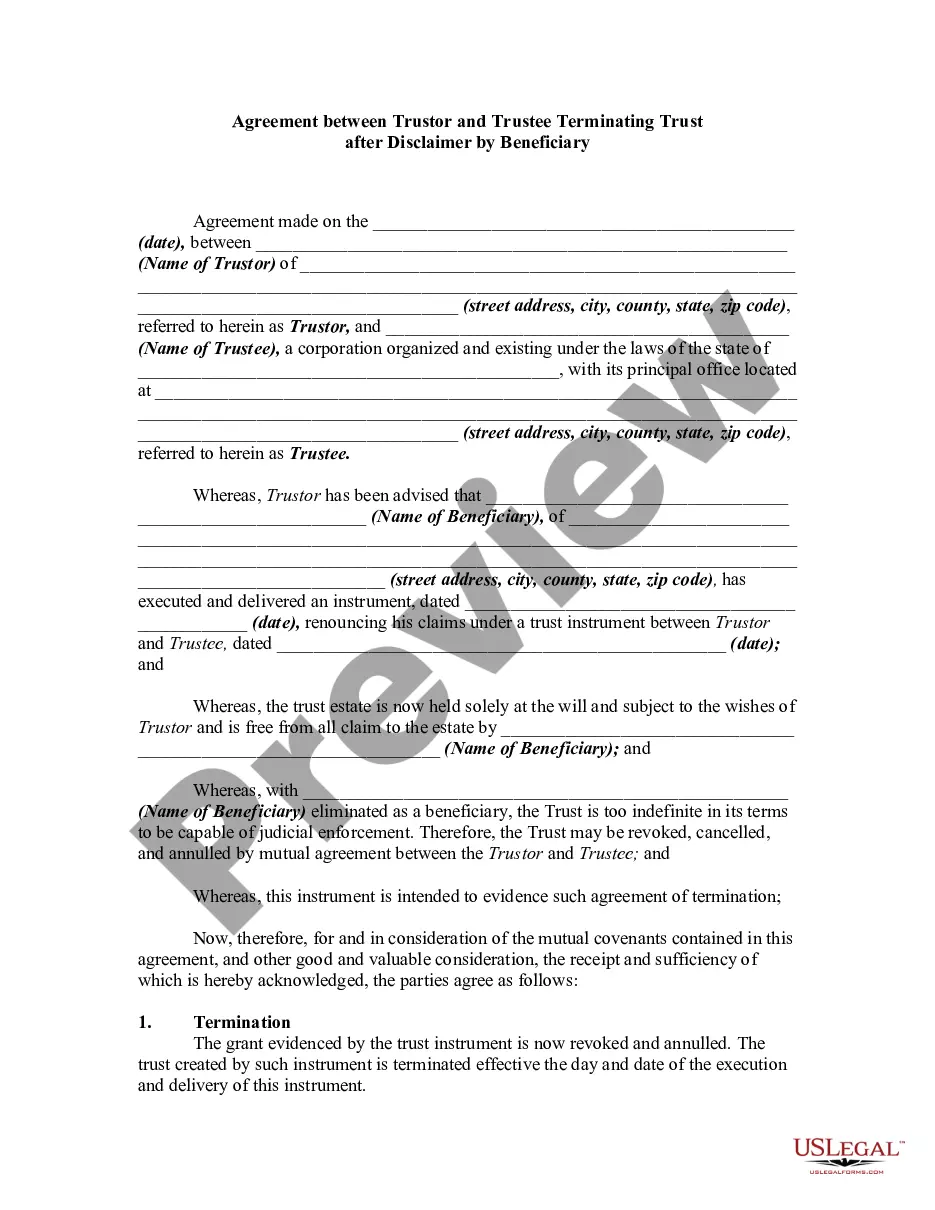
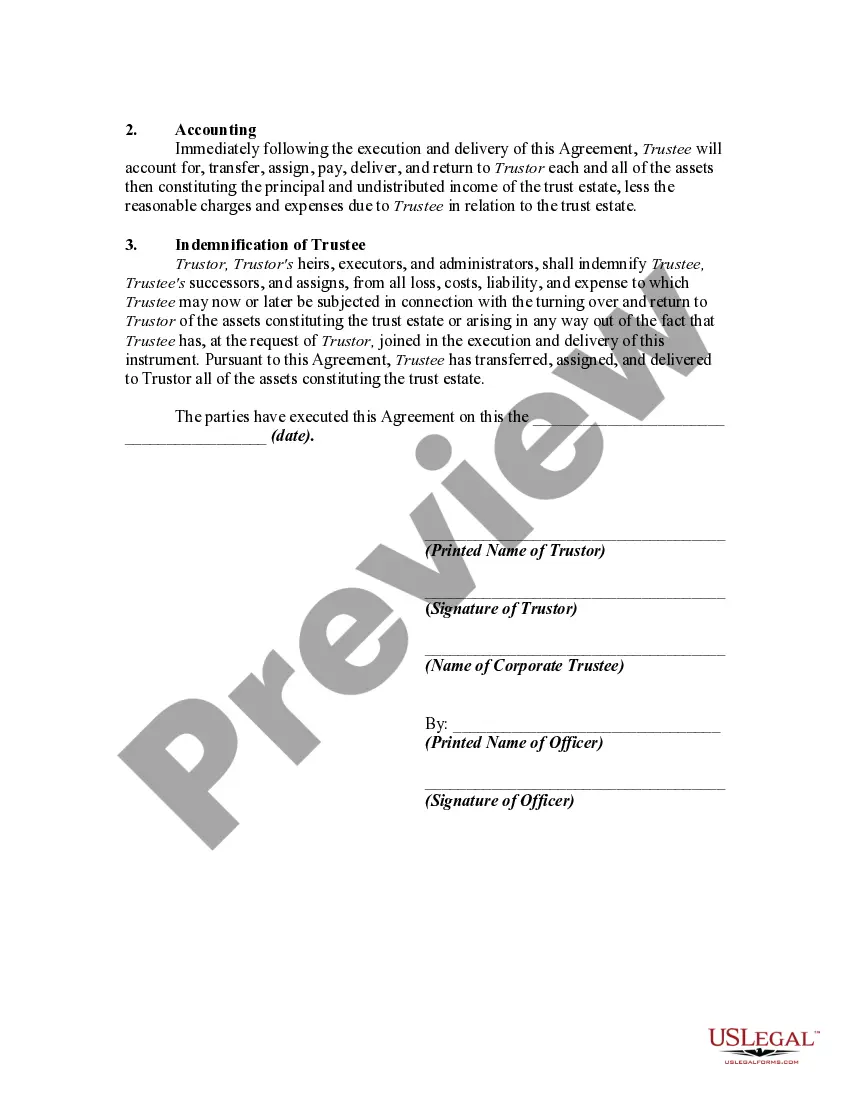
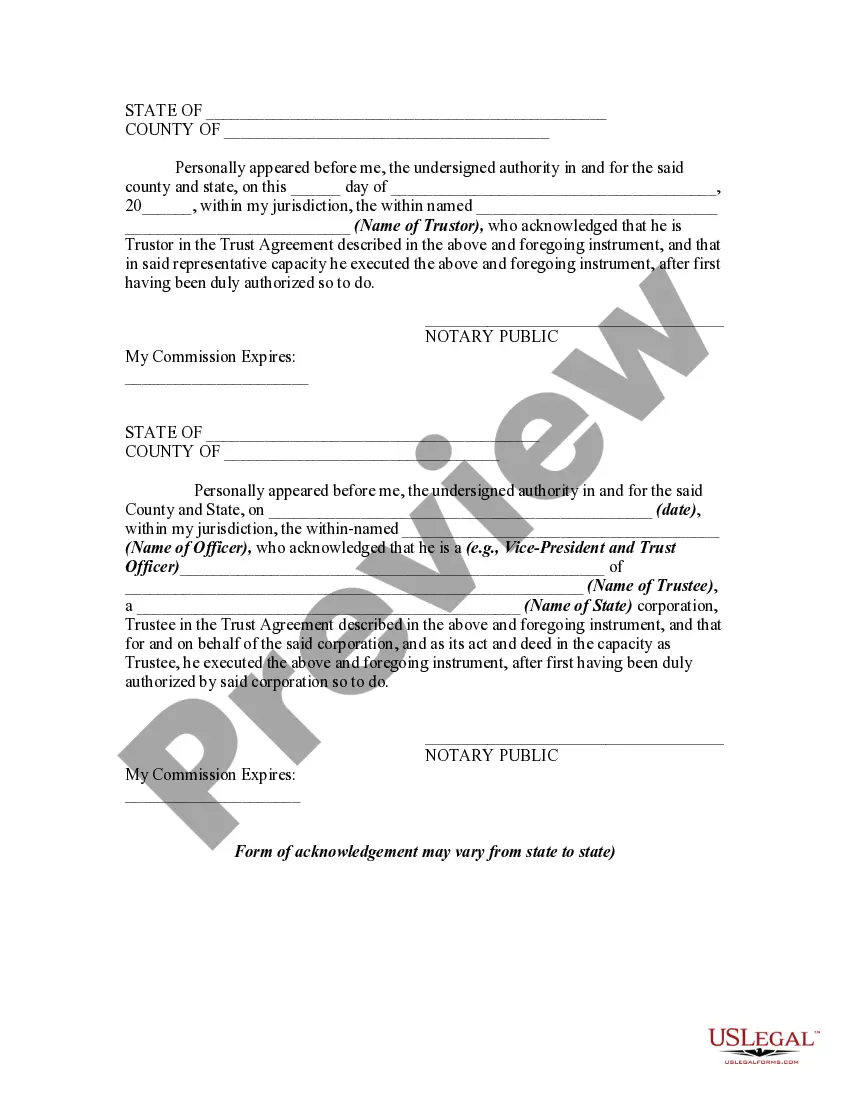
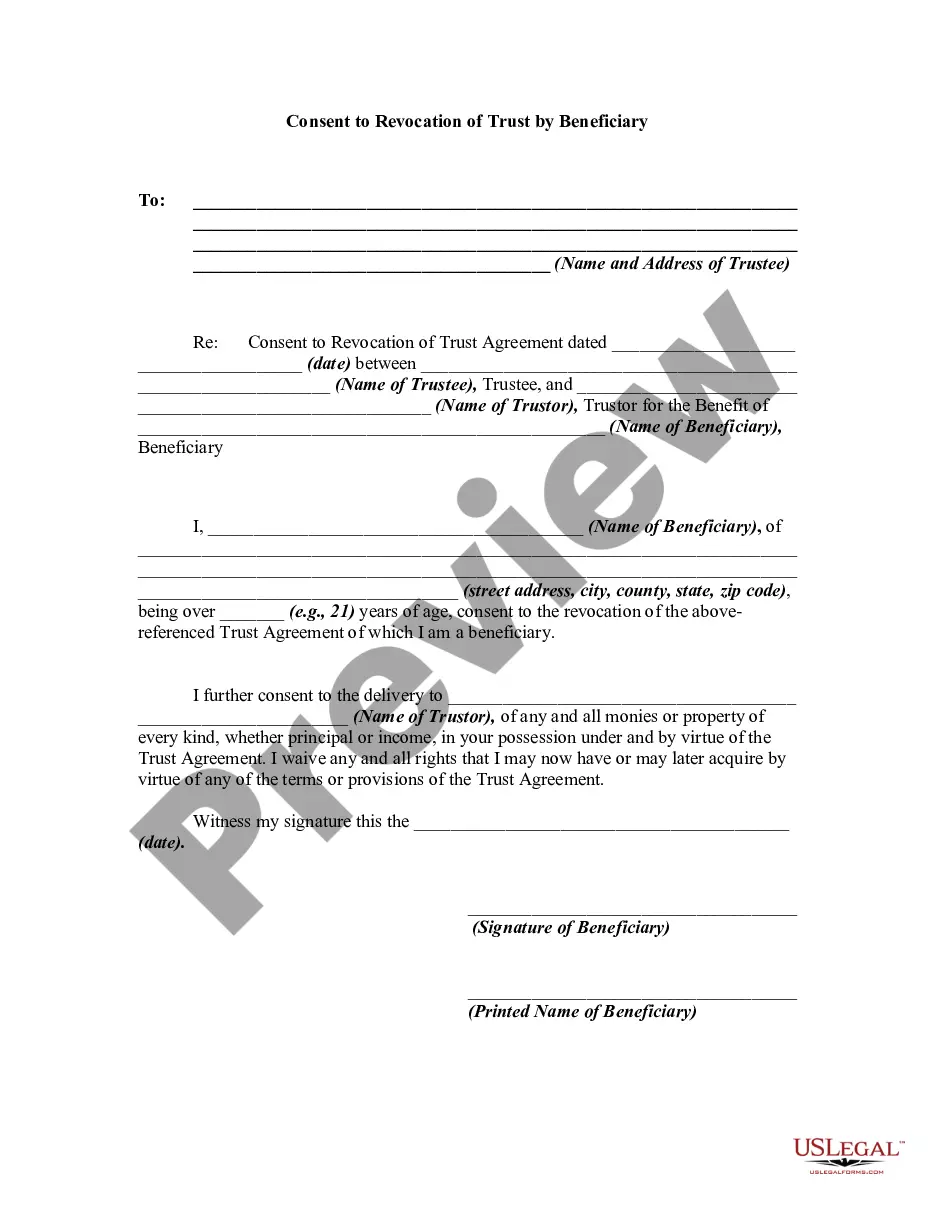
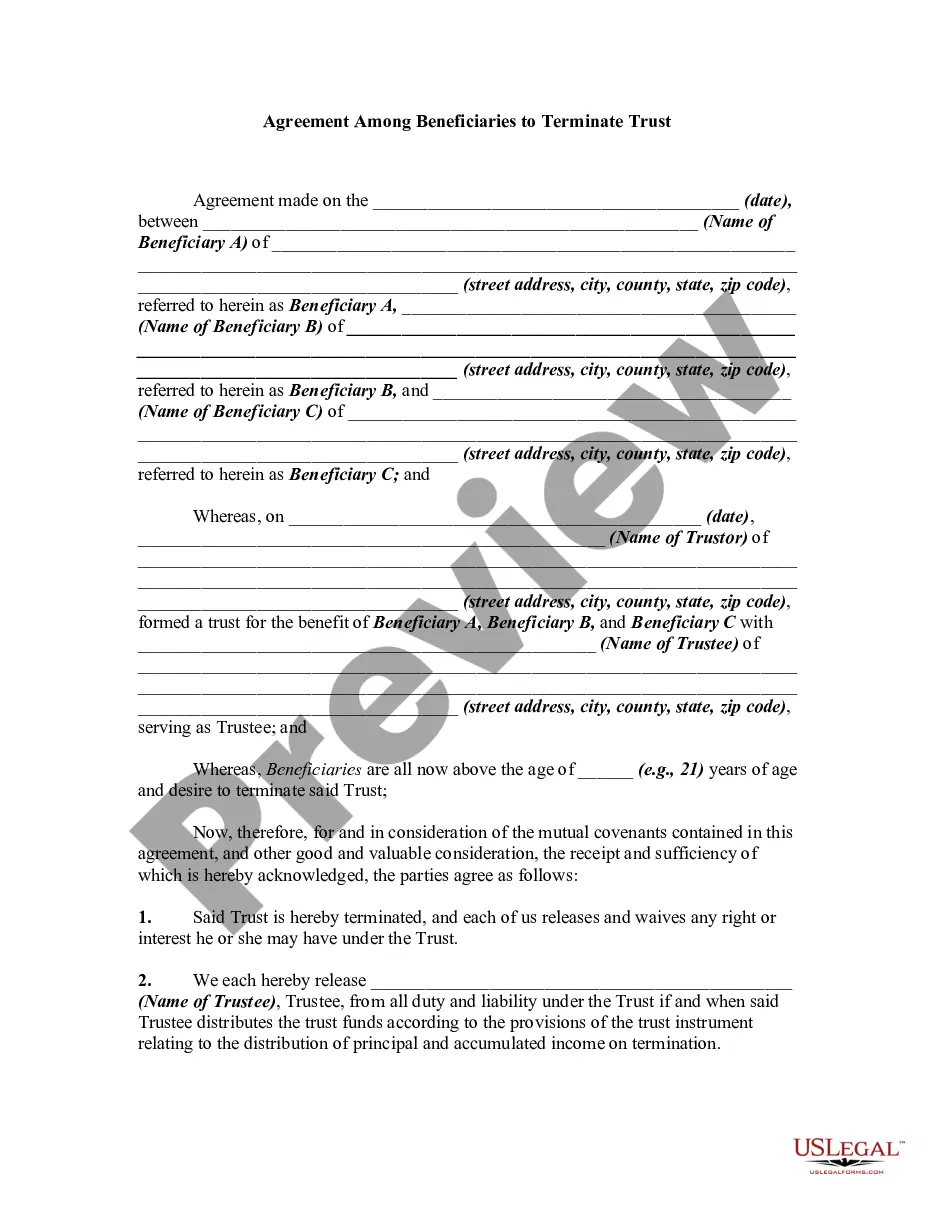
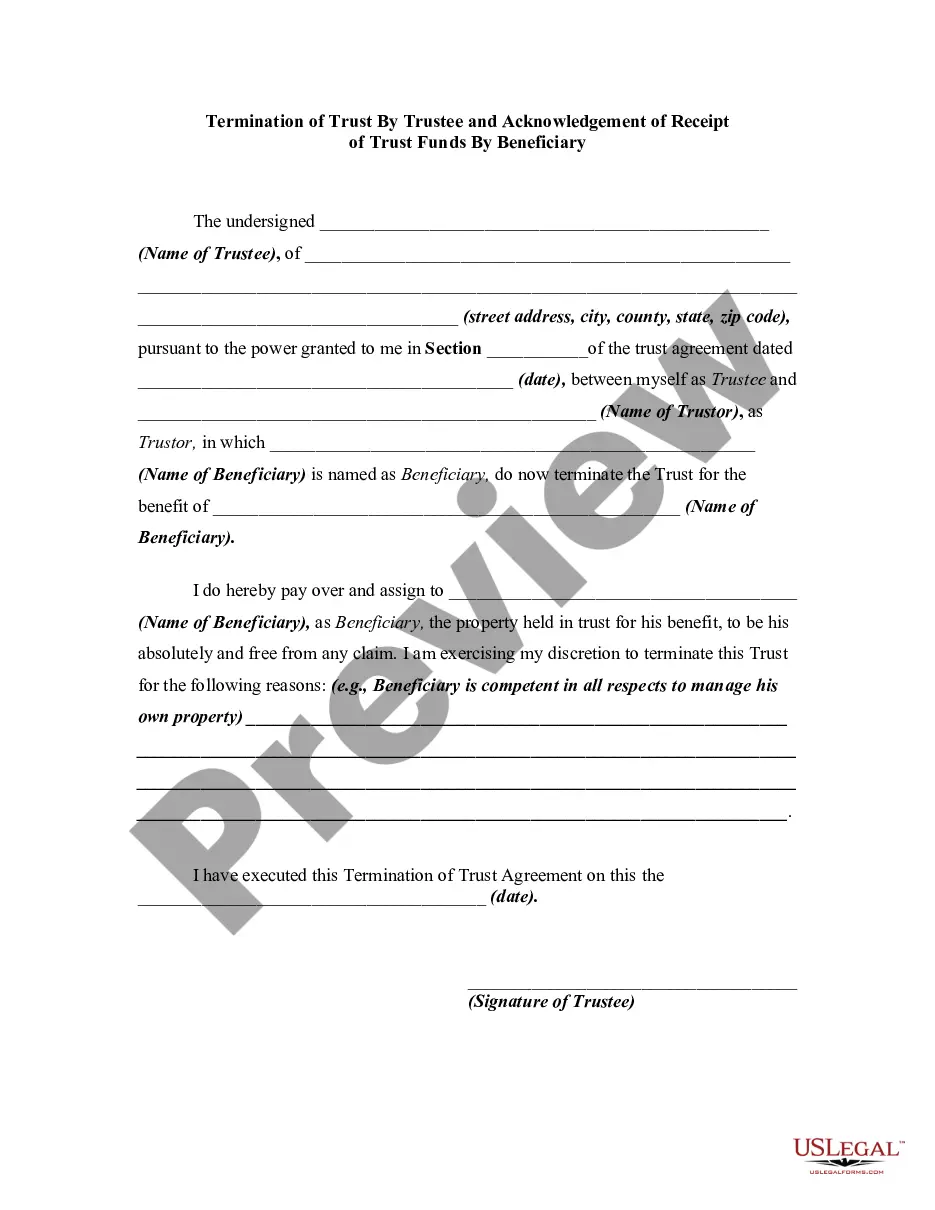
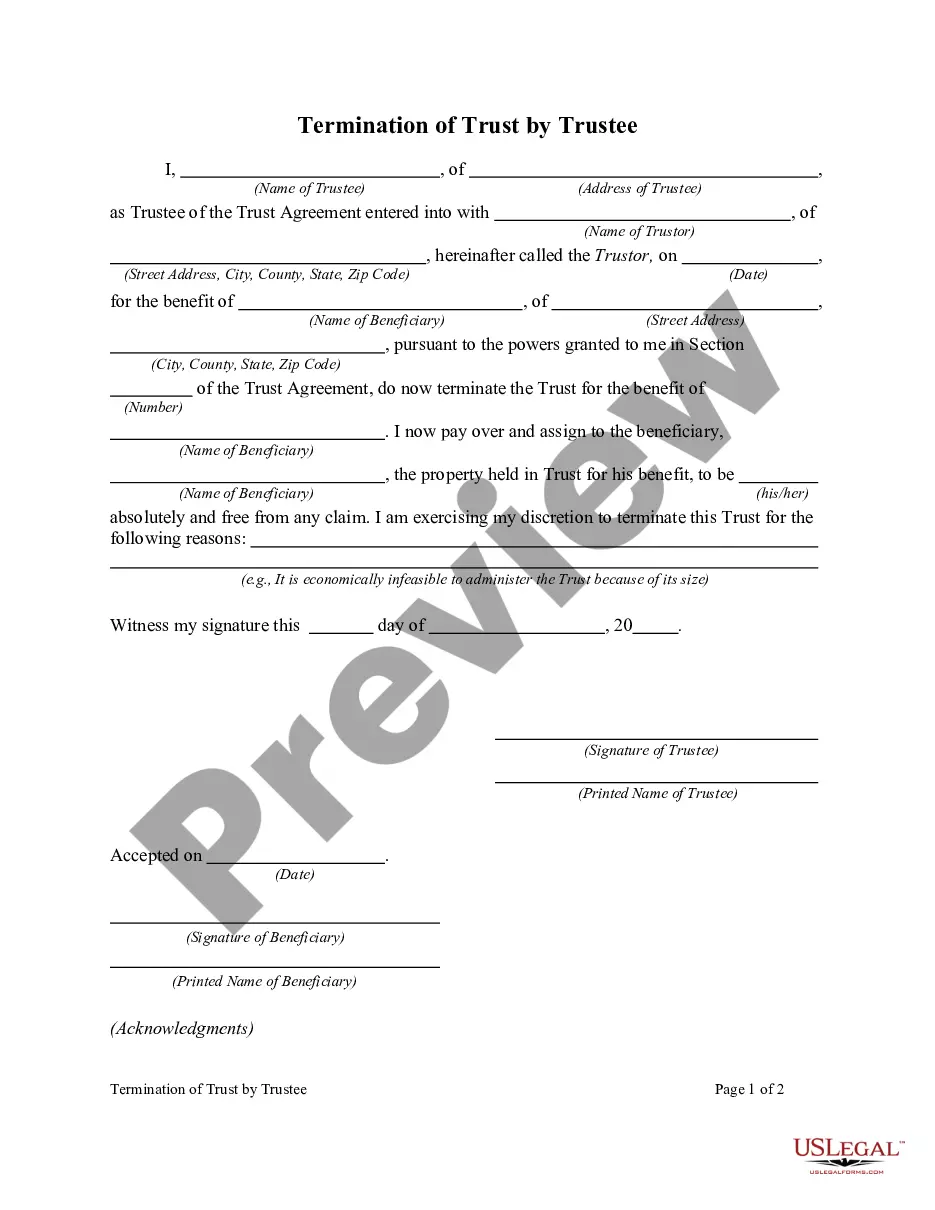
Get your form ready online
Our built-in tools help you complete, sign, share, and store your documents in one place.
Make edits, fill in missing information, and update formatting in US Legal Forms—just like you would in MS Word.
Download a copy, print it, send it by email, or mail it via USPS—whatever works best for your next step.
Sign and collect signatures with our SignNow integration. Send to multiple recipients, set reminders, and more. Go Premium to unlock E-Sign.
If this form requires notarization, complete it online through a secure video call—no need to meet a notary in person or wait for an appointment.
We protect your documents and personal data by following strict security and privacy standards.

Make edits, fill in missing information, and update formatting in US Legal Forms—just like you would in MS Word.

Download a copy, print it, send it by email, or mail it via USPS—whatever works best for your next step.

Sign and collect signatures with our SignNow integration. Send to multiple recipients, set reminders, and more. Go Premium to unlock E-Sign.

If this form requires notarization, complete it online through a secure video call—no need to meet a notary in person or wait for an appointment.

We protect your documents and personal data by following strict security and privacy standards.
Looking for another form?





Form popularity
FAQ
No, a trustor is not the same as a trustee. The trustor establishes the trust, while the trustee manages it. This distinction plays a key role in real estate transactions involving trusts, as it clarifies who holds authority and responsibility for the trust’s assets. For those navigating these roles, exploring the uslegalforms platform can provide helpful resources to understand trustor trustee for real estate more clearly.
A trustee in real estate is a person or organization appointed to manage a trust that holds real estate properties. This role involves administering the trust according to its terms, ensuring the proper management and distribution of real estate assets. Understanding this role is vital for anyone dealing with property investments under a trust structure, particularly with a trustor trustee for real estate.
A trustor is the person who creates the trust and transfers assets into it, while a trustee is the individual or entity managing the trust according to its terms. This distinction is critical for understanding the responsibilities and rights associated with a trust. When handling real estate, the trustor trustee for real estate has specific duties to uphold the trust's goals and protect the beneficiaries' interests.
To report trustee income, you must file Form 1041, the U.S. Income Tax Return for Estates and Trusts. This form is crucial for documenting income earned by the trust, including real estate income generated from properties held in trust. To ensure accuracy, consider consulting an expert in trust taxation, especially when dealing with complex situations involving a trustor trustee for real estate.
A trustee can be an individual, such as a family member or friend, or an institution, like a bank or trust company. The key is that the trustee must embody trustworthiness and competence, as they will manage the trust’s real estate assets. Choose someone or an institution knowledgeable about property management and real estate laws.
No, a trustee and the owner of a trust are not the same. The owner, known as the trustor, creates the trust, while the trustee manages it. As the trustor, you maintain control over the trust's terms, while the trustee carries out your wishes related to real estate.
In real estate, the trustor creates the trust and outlines its terms while the trustee manages the property and assets. The trustor may designate the trustee, who is responsible for following the terms of the trust. Understanding these roles is essential for anyone engaged in real estate investments or transactions.
The trustee administers the estate's assets, ensuring they are properly managed and distributed per the trust's terms. This role involves overseeing real estate properties, handling financial transactions, and maintaining records. Essentially, the trustee acts as the trustor trustee for real estate, fulfilling your intentions following your guidelines.
When choosing a trustee, consider someone trustworthy and responsible, as they will manage the trust according to your wishes. It’s beneficial to select an individual or institution familiar with real estate transactions. Additionally, ensure your chosen trustee understands the specific responsibilities involved in acting as a trustor trustee for real estate.
Finding a trustee for a deed of trust requires a focus on both credentials and reputation. Start by asking for recommendations from trusted sources, such as your attorney or financial advisor. A good trustor trustee for real estate will have a solid understanding of local laws and regulations. US Legal Forms also provides resources and templates to help you identify qualified trustees, ensuring you secure someone who can effectively manage your deed of trust.
