Trust Beneficiary For Ira
Description
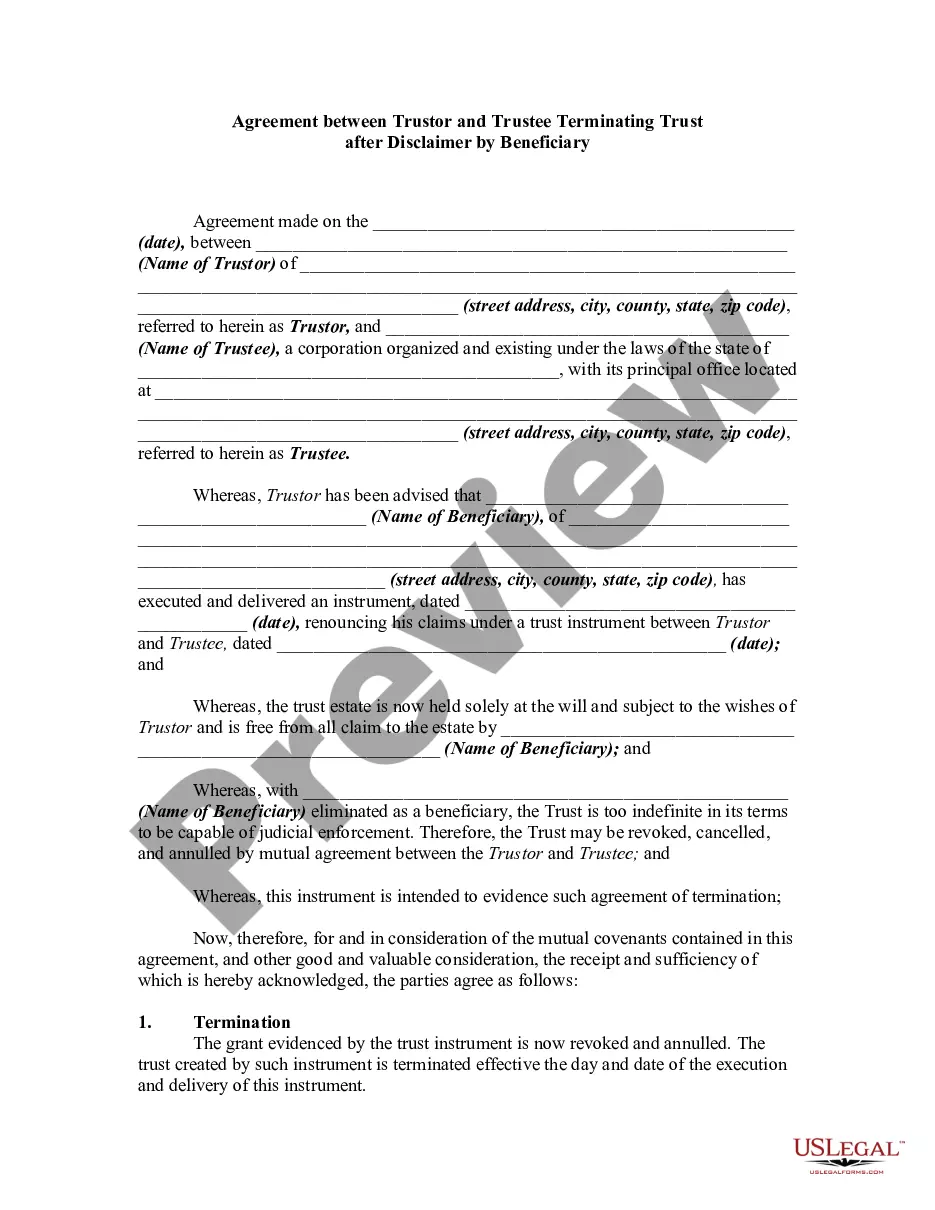
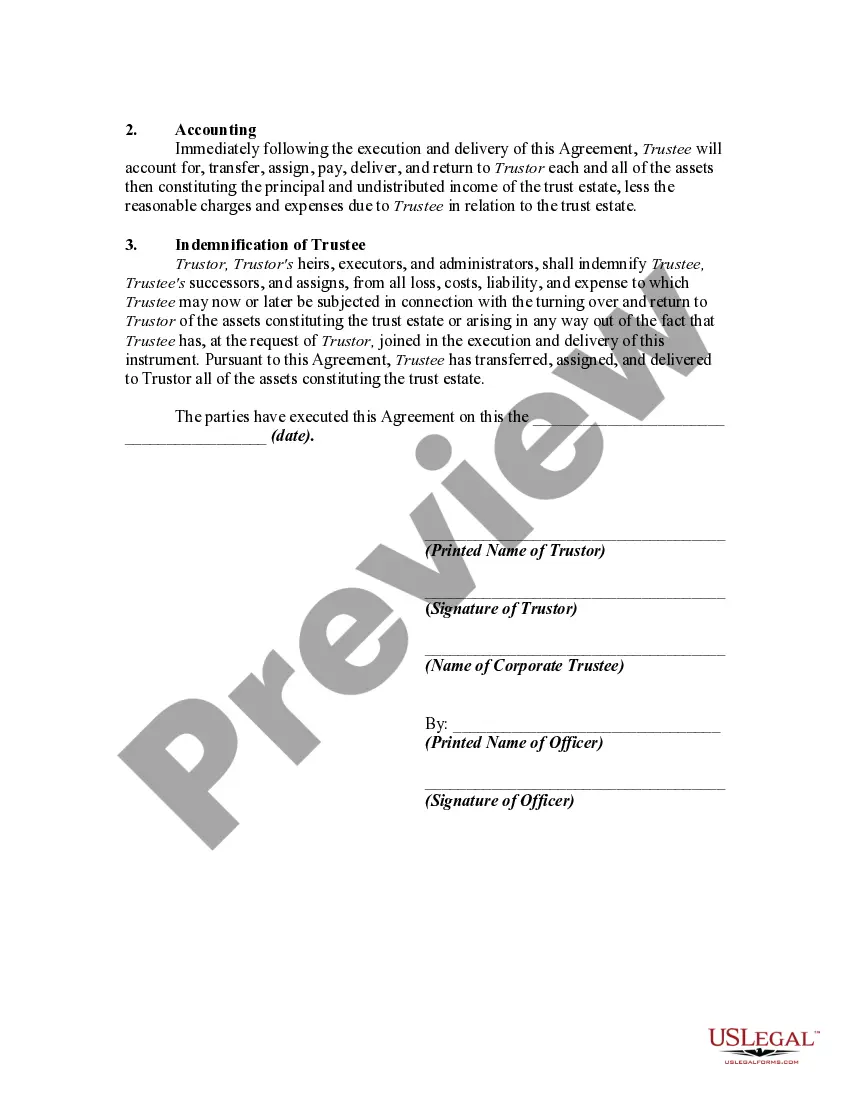
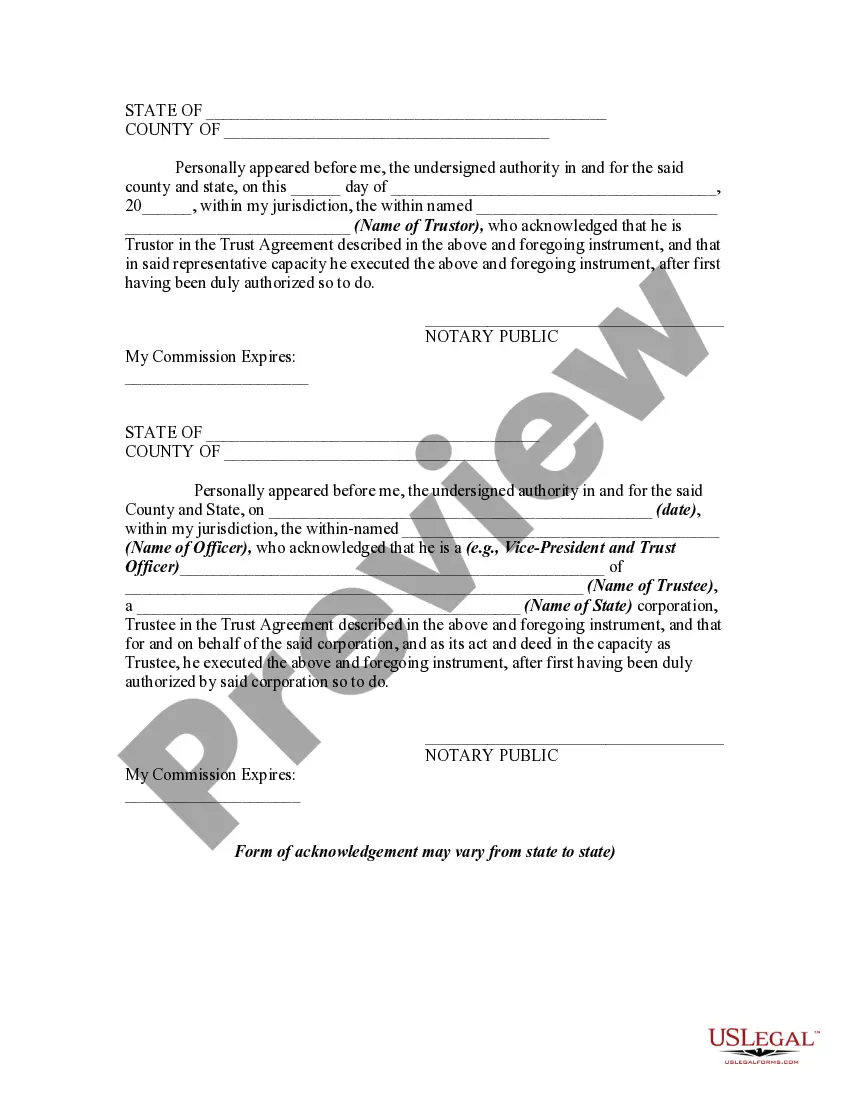
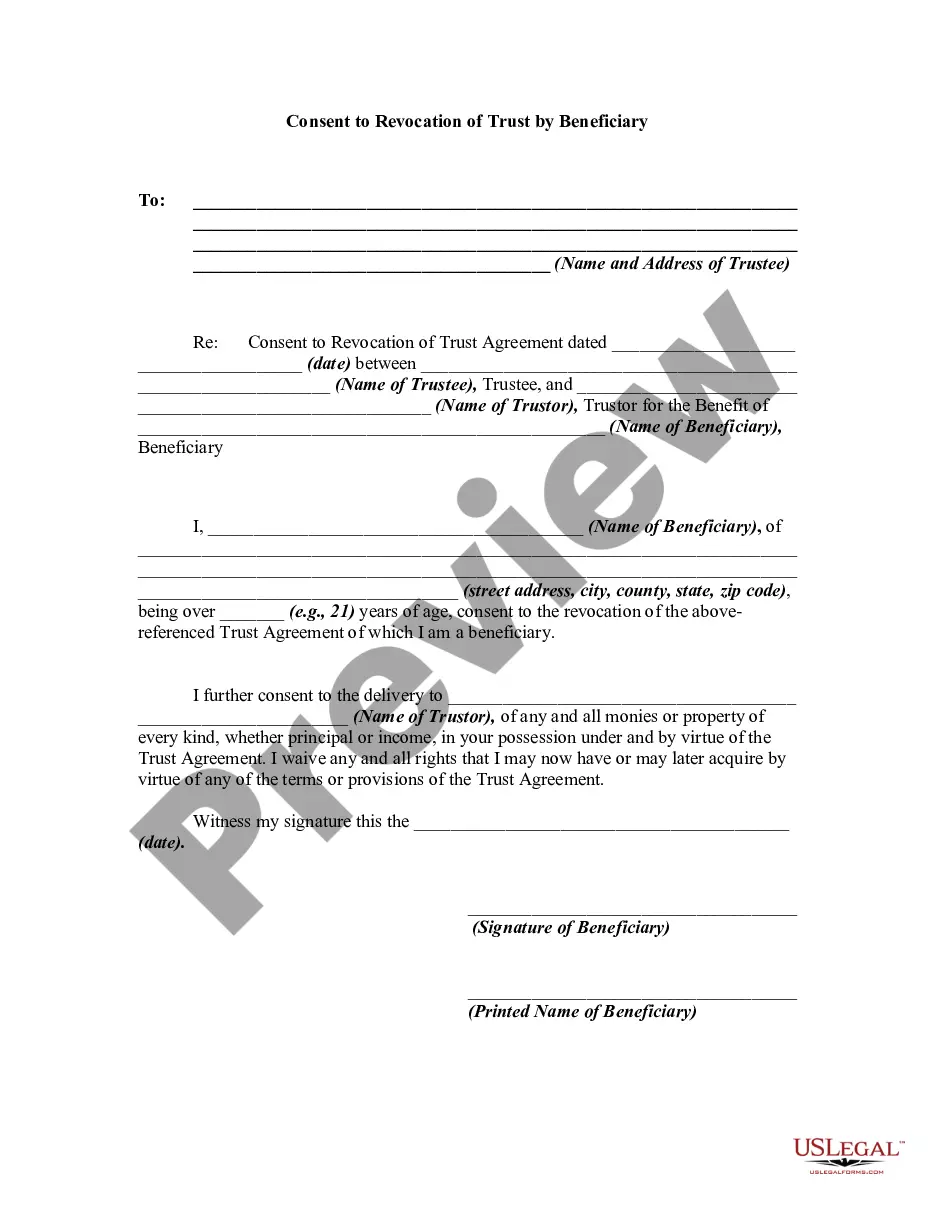
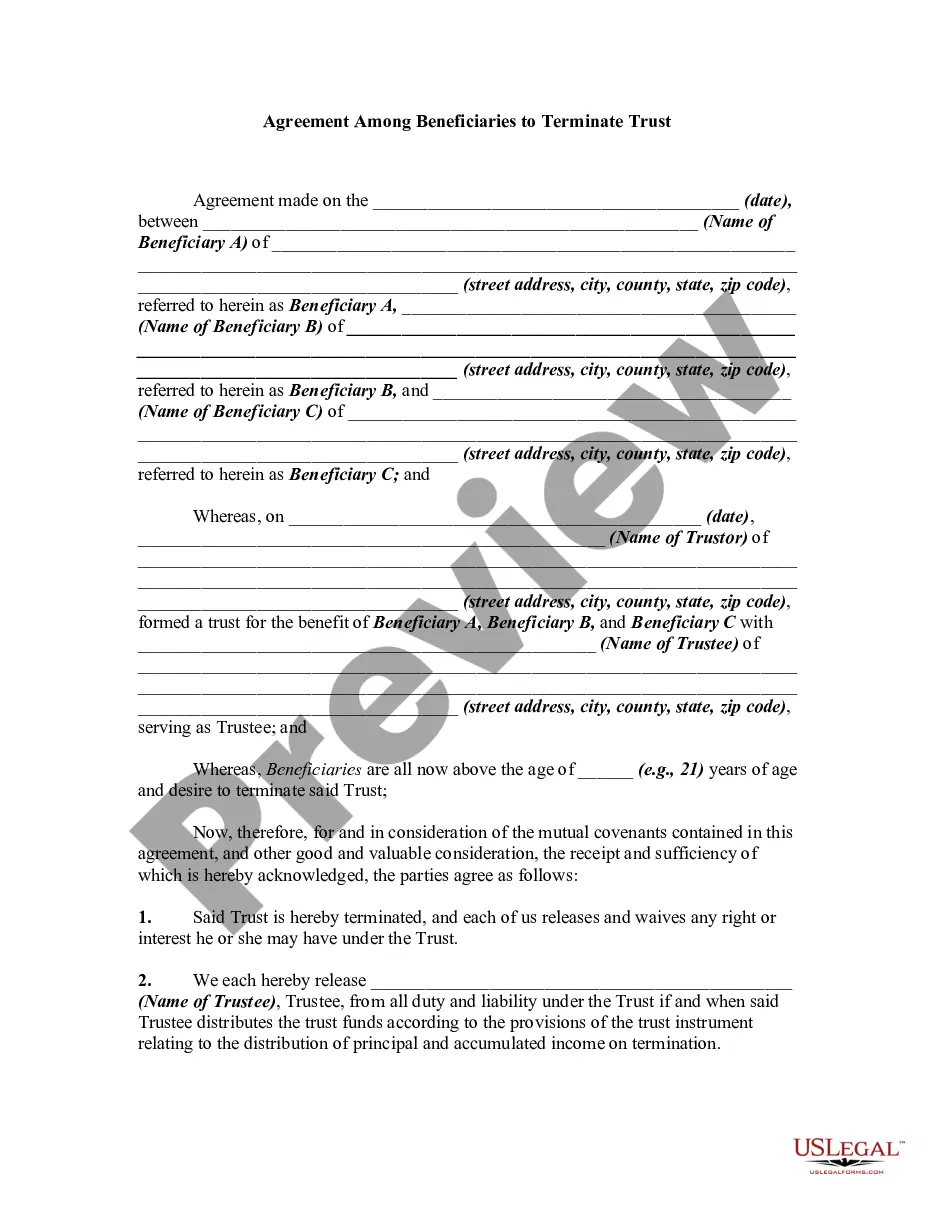
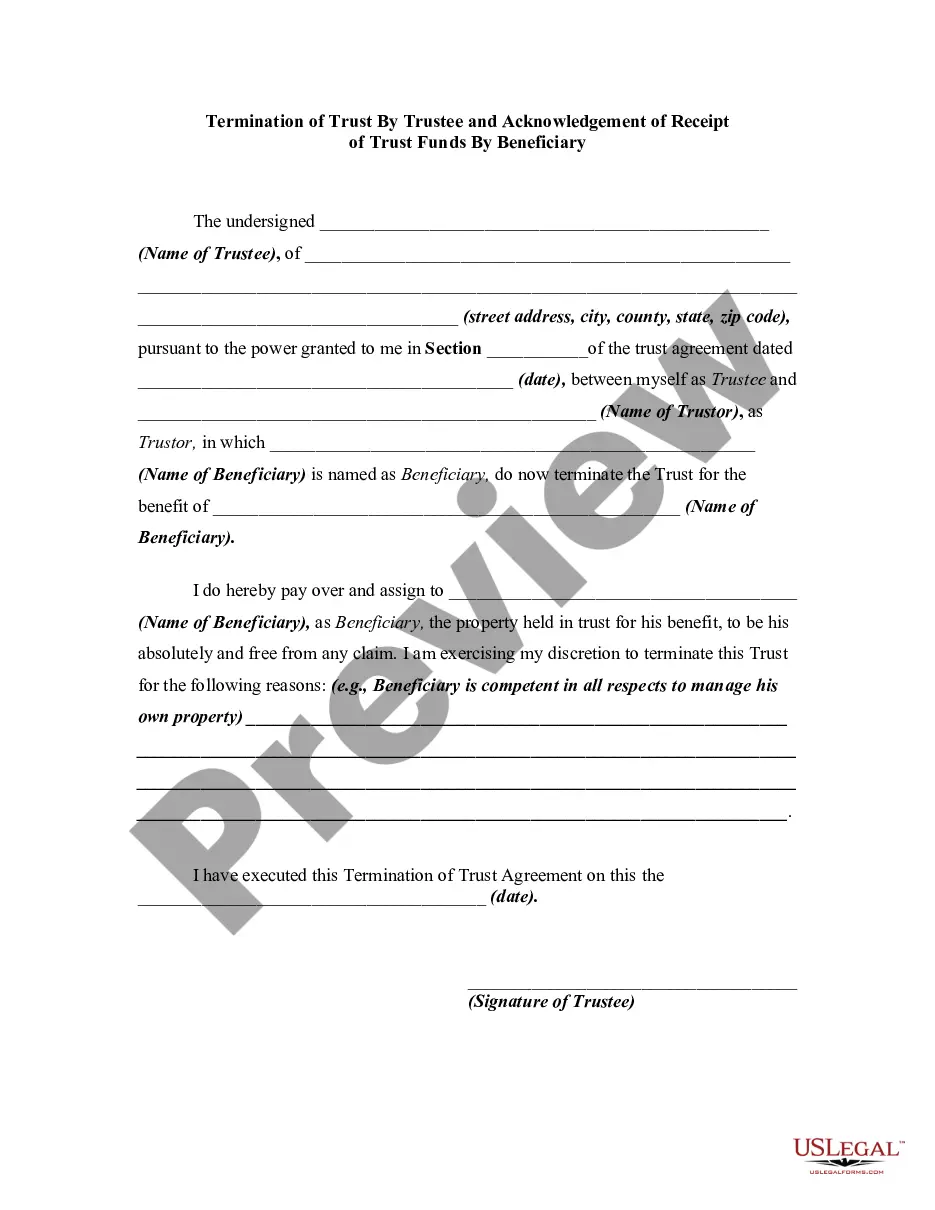
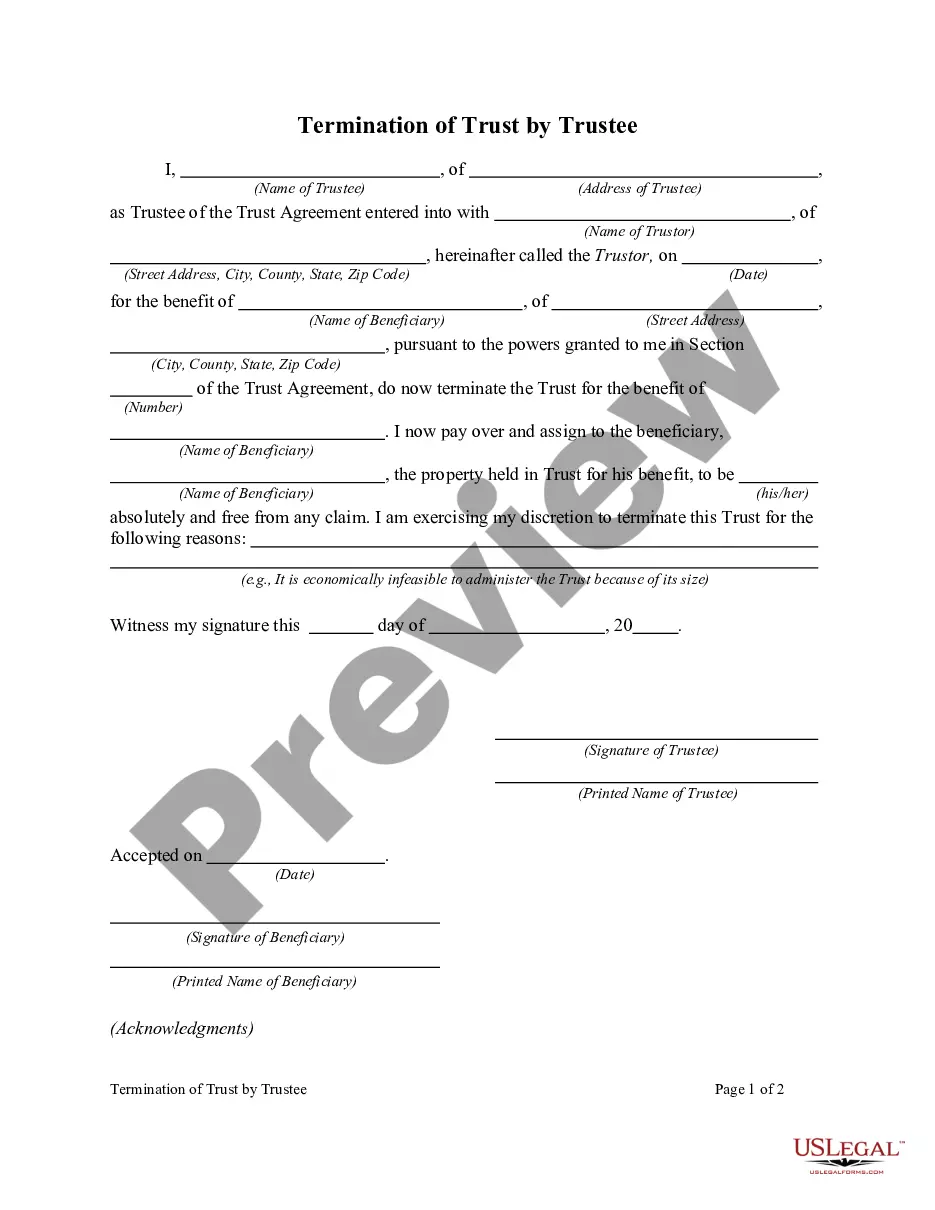
Get your form ready online
Our built-in tools help you complete, sign, share, and store your documents in one place.
Make edits, fill in missing information, and update formatting in US Legal Forms—just like you would in MS Word.
Download a copy, print it, send it by email, or mail it via USPS—whatever works best for your next step.
Sign and collect signatures with our SignNow integration. Send to multiple recipients, set reminders, and more. Go Premium to unlock E-Sign.
If this form requires notarization, complete it online through a secure video call—no need to meet a notary in person or wait for an appointment.
We protect your documents and personal data by following strict security and privacy standards.

Make edits, fill in missing information, and update formatting in US Legal Forms—just like you would in MS Word.

Download a copy, print it, send it by email, or mail it via USPS—whatever works best for your next step.

Sign and collect signatures with our SignNow integration. Send to multiple recipients, set reminders, and more. Go Premium to unlock E-Sign.

If this form requires notarization, complete it online through a secure video call—no need to meet a notary in person or wait for an appointment.

We protect your documents and personal data by following strict security and privacy standards.
Looking for another form?
How to fill out Agreement Between Trustor And Trustee Terminating Trust After Disclaimer By Beneficiary?
Managing legal documents can be exasperating, even for seasoned professionals.
When you are seeking a Trust Beneficiary For Ira and lack the time to spend finding the correct and current version, the processes may be stressful.
US Legal Forms satisfies any needs you may have, from personal to business documentation, all in one place.
Utilize advanced resources to complete and manage your Trust Beneficiary For Ira.
Proceed with these steps once you've downloaded the desired form: validate that it's the correct document by previewing it and reviewing its details. Ensure the sample is valid in your state or county. Select Buy Now when prepared. Choose a monthly subscription option. Select the desired format, and Download, complete, eSign, print, and send your document. Enjoy the US Legal Forms online directory, supported by 25 years of experience and reliability. Transform your everyday document management into a seamless and user-friendly process today.
- Tap into a database of articles, guides, and materials relevant to your situation and needs.
- Save time and effort scouring for the forms you need, and use US Legal Forms’ enhanced search and Review tool to find and acquire Trust Beneficiary For Ira.
- If you possess a subscription, Log In to your US Legal Forms account, search for the document, and obtain it.
- Check the My documents section to view previously saved documents and manage your folders as desired.
- If this is your initial experience with US Legal Forms, create a free account and enjoy unlimited access to all the benefits of the library.
- A comprehensive online form directory can be transformative for anyone looking to handle these scenarios effectively.
- US Legal Forms is a leader in the online legal document space, offering over 85,000 state-specific legal forms available at any time.
- With US Legal Forms, you can access specific legal and business documents tailored to states or counties.
Form popularity
FAQ
Filling out a beneficiary form for a trust involves listing the trust's name, along with the trustee's contact information. Make sure to provide the specific details about what percentage or assets each beneficiary will receive. This careful documentation helps streamline the process, ensuring that your chosen trust beneficiary for IRA is properly and effectively designated.
To make a trust the beneficiary of an IRA, first, you need to establish a trust and define its terms. After setting up the trust, fill out the IRA beneficiary designation form and specify the trust as the beneficiary. By designating a trust beneficiary for your IRA, you can enjoy greater control over how the assets are distributed, ensuring your wishes are respected.
To fill out an IRA beneficiary form, start by gathering your account information, including the details of your IRA. Next, clearly identify the individuals or entities you want to name as beneficiaries, and ensure you include their full names and contact information. By following this process closely, you help guarantee that your chosen trust beneficiary for IRA will receive the appropriate designation in the event of your passing.
A trust generally has to distribute the inherited IRA within a specified timeframe, usually within 5 years if the account owner passed away before the required beginning date of their distributions. If the trust is a 'look-through' trust, it can allow beneficiaries to stretch distributions over their lifetimes, maximizing tax advantages. It's crucial to comply with these timelines to avoid penalties, so staying informed is key.
When a trust is the beneficiary of an IRA, the distributions from the IRA to the trust may be subject to income tax. The trust will need to report this income on its tax return, potentially leading to a higher tax liability. Understanding these tax implications is critical, as a poorly structured trust may result in unexpected tax burdens, making it vital to plan carefully.
One downside of naming a trust as a beneficiary of an IRA involves potential tax implications. Trusts often face higher tax rates compared to individual beneficiaries, which can reduce the overall value of the inherited IRA. Additionally, trusts may have more complex administrative requirements, leading to increased fees and management challenges.
Yes, a trust can be named as a beneficiary of an IRA. When you designate a trust as the trust beneficiary for IRA, it allows for specific distribution goals and provides a degree of control over how funds are managed. However, it is essential to ensure that the trust is properly structured to meet IRS requirements to avoid any complications.
Yes, your trust can act as the trust beneficiary for your IRA, but careful planning is essential. It’s important to ensure that the trust is properly drafted to meet IRS guidelines, so it provides the intended tax benefits to your heirs. Platforms like US Legal Forms can assist you in creating a trust that aligns with your needs and ensures smooth transactions.
Having a trust as a trust beneficiary for your IRA can be beneficial for certain situations, particularly if you wish to provide for minor children or individuals who may not manage the funds responsibly. It offers a structured way to distribute assets according to your wishes. Every situation is unique, so evaluating your goals with a financial advisor is crucial.
Yes, you can designate a trust as the trust beneficiary for your IRA. Doing this allows for structured control over how the funds are distributed after your passing. However, it's essential to ensure the trust meets IRS requirements to prevent complications and potential tax penalties.