Trust And Beneficiary Rights
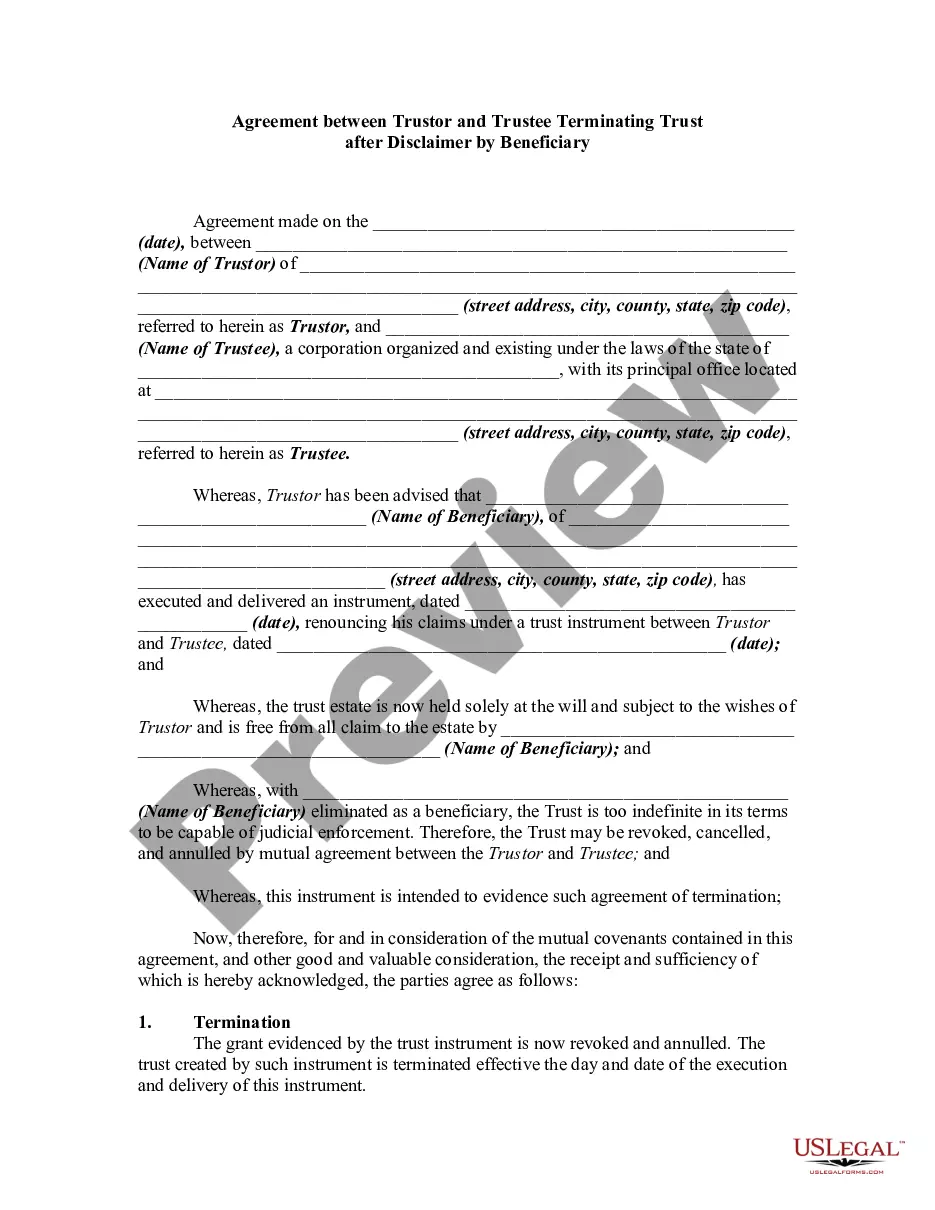
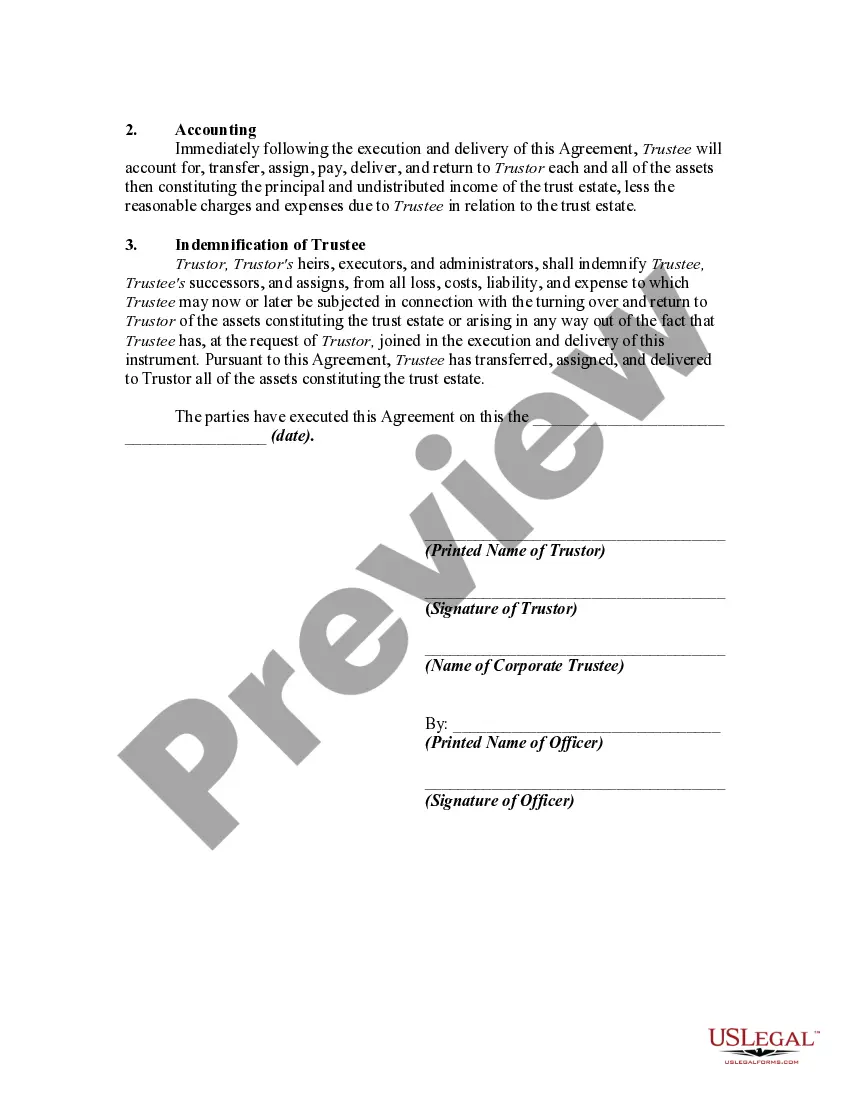
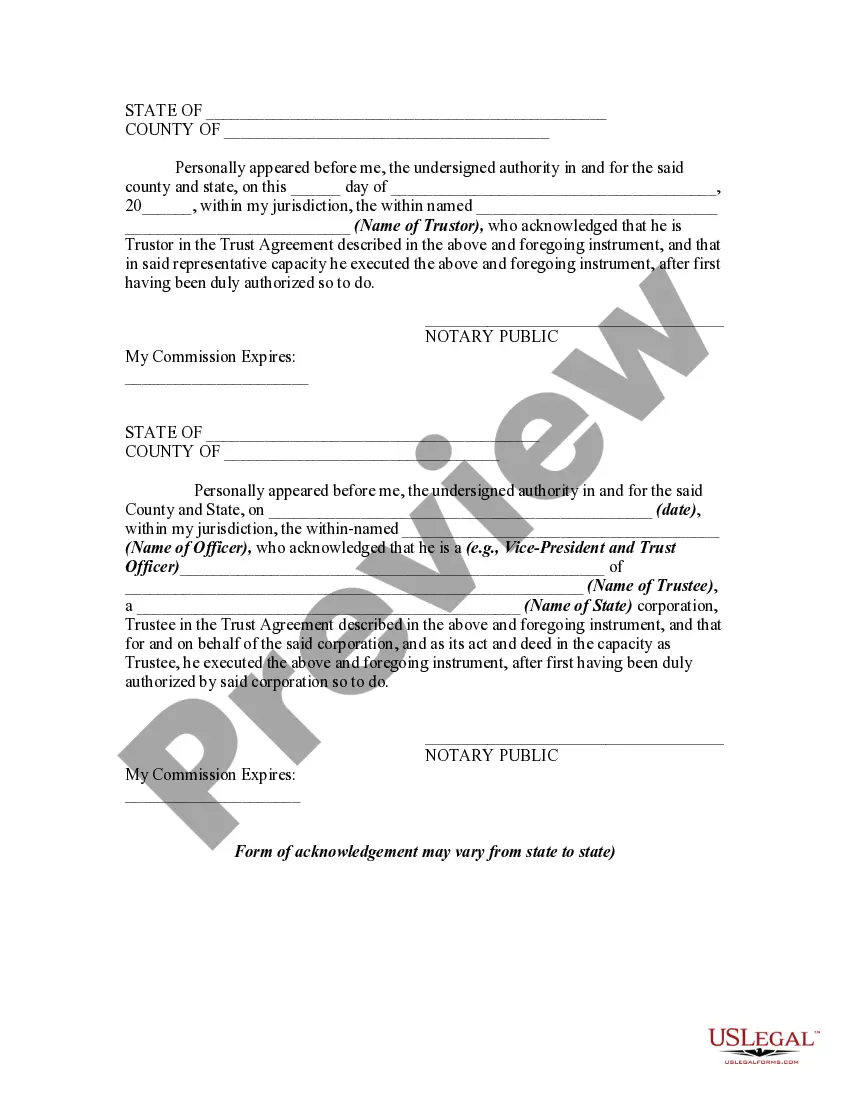
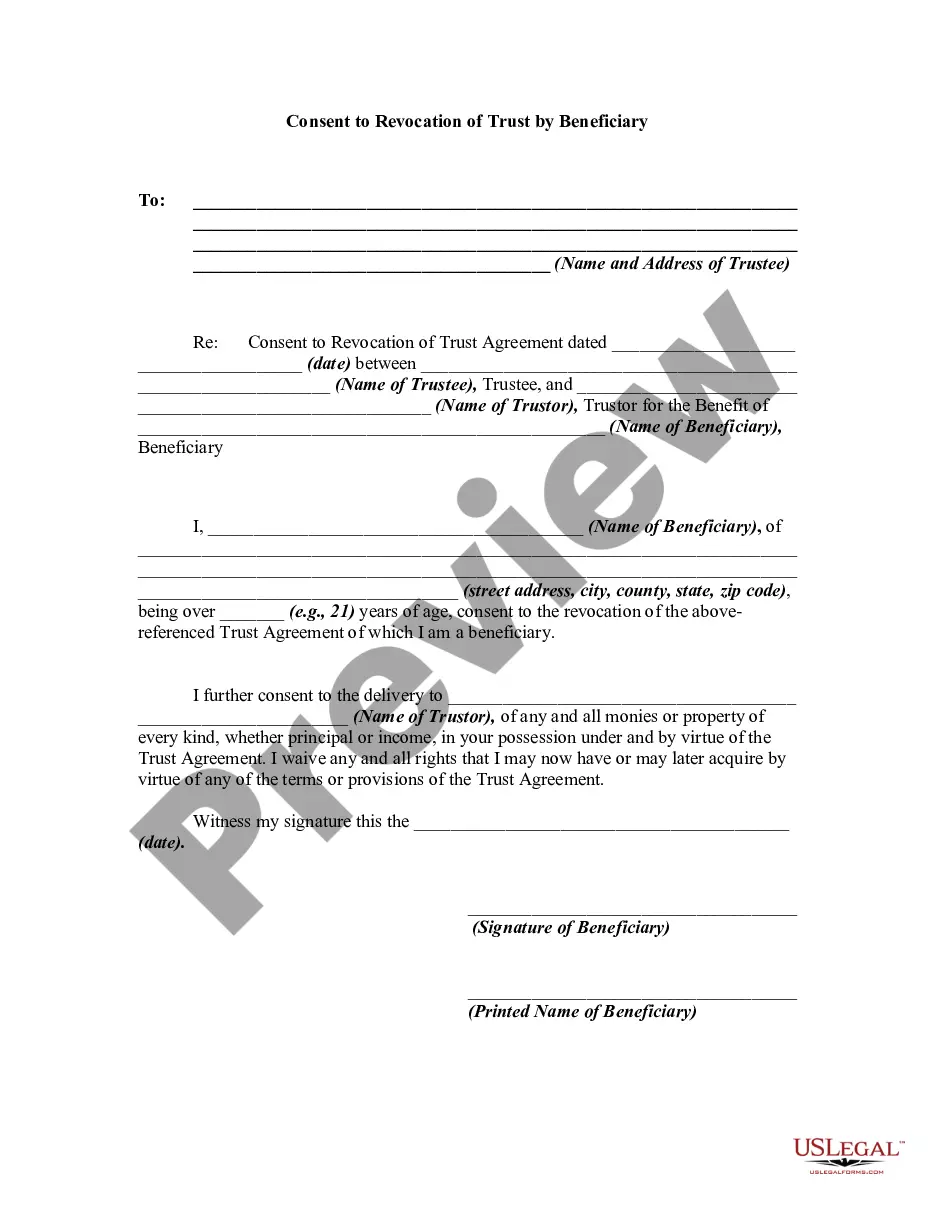
Description
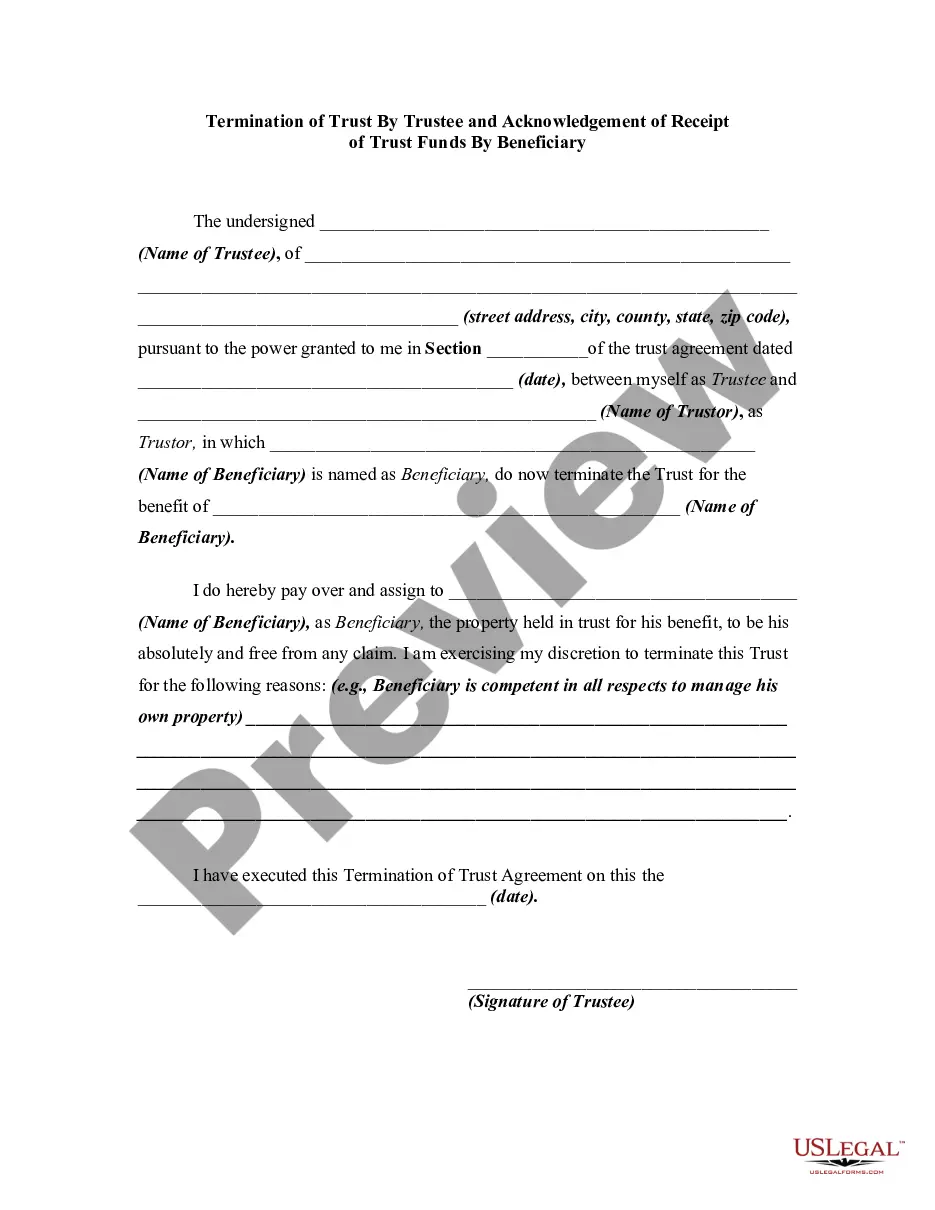
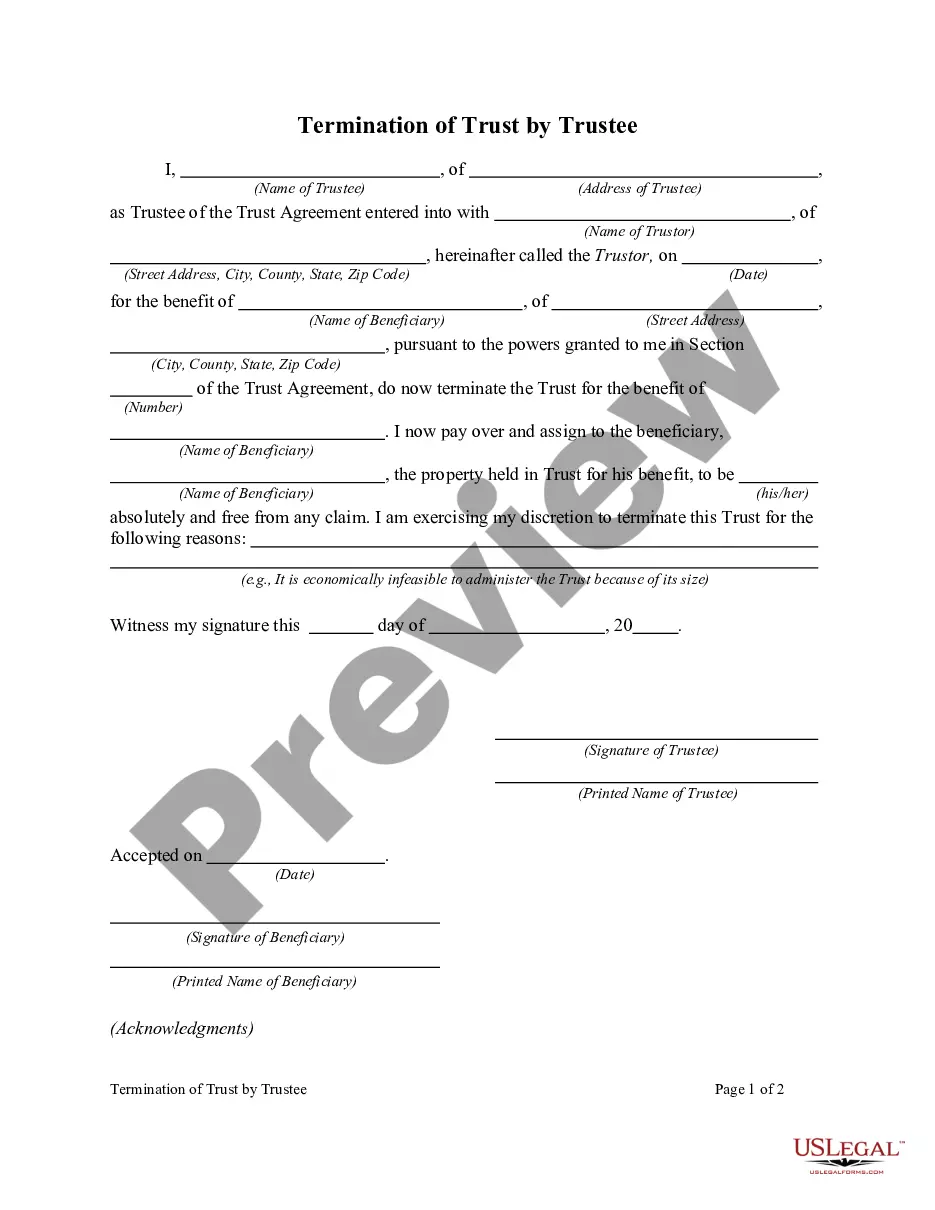
Get your form ready online
Our built-in tools help you complete, sign, share, and store your documents in one place.
Make edits, fill in missing information, and update formatting in US Legal Forms—just like you would in MS Word.
Download a copy, print it, send it by email, or mail it via USPS—whatever works best for your next step.
Sign and collect signatures with our SignNow integration. Send to multiple recipients, set reminders, and more. Go Premium to unlock E-Sign.
If this form requires notarization, complete it online through a secure video call—no need to meet a notary in person or wait for an appointment.
We protect your documents and personal data by following strict security and privacy standards.

Make edits, fill in missing information, and update formatting in US Legal Forms—just like you would in MS Word.

Download a copy, print it, send it by email, or mail it via USPS—whatever works best for your next step.

Sign and collect signatures with our SignNow integration. Send to multiple recipients, set reminders, and more. Go Premium to unlock E-Sign.

If this form requires notarization, complete it online through a secure video call—no need to meet a notary in person or wait for an appointment.

We protect your documents and personal data by following strict security and privacy standards.
Looking for another form?
How to fill out Agreement Between Trustor And Trustee Terminating Trust After Disclaimer By Beneficiary?
Identifying a reliable source to obtain the latest and suitable legal templates is a significant part of navigating bureaucracy.
Selecting the right legal documents requires accuracy and meticulousness, which is why it’s essential to source Trust And Beneficiary Rights samples solely from trustworthy providers, such as US Legal Forms. An incorrect template will squander your time and delay your current situation. With US Legal Forms, you have minimal concerns.
Eliminate the complications associated with your legal paperwork. Explore the extensive US Legal Forms catalog where you can discover legal templates, verify their suitability for your circumstances, and download them immediately.
- Utilize the catalog navigation or the search bar to find your template.
- Examine the details of the form to ensure it meets your state and regional requirements.
- View the form preview, if available, to confirm it is the correct form you need.
- Return to the search to find the appropriate template if the Trust And Beneficiary Rights does not meet your specifications.
- Once certain of the form's applicability, download it.
- If you are an authorized user, click Log in to verify and access your chosen forms in My documents.
- If you don’t have an account yet, click Buy now to acquire the template.
- Select the pricing option that best fits your requirements.
- Proceed with registration to complete your transaction.
- Finalize your purchase by choosing a payment method (credit card or PayPal).
- Select the file format for downloading Trust And Beneficiary Rights.
- Once the form is on your device, feel free to edit it using the editor, or print it to fill out manually.
Form popularity
FAQ
In a trust, the trustee holds the real power to manage the trust assets according to the terms laid out in the trust document. The trustee has the responsibility to act in the best interest of the beneficiaries, who ultimately benefit from the trust. However, beneficiaries possess significant rights that influence the trust's operation, including the right to information and the right to enforce their interests. Understanding the balance of power between trustees and beneficiaries is essential for anyone navigating trust and beneficiary rights.
A beneficiary is entitled to view the trust documents, including the trust agreement and any amendments. This access is crucial as it helps beneficiaries understand their rights under the trust and the specifics of trust and beneficiary rights. Additionally, beneficiaries may request other important documents, such as account statements and reports related to the trust's financial activities. By utilizing platforms like US Legal Forms, you can easily access or create the necessary documentation to ensure transparency and compliance with beneficiary rights.
All beneficiaries are granted specific legal rights that protect their entitlements within a trust. They have the right to fair treatment, access to trust records, and the ability to challenge actions taken by the trustee that may not align with the trust’s terms. Additionally, beneficiaries can seek legal recourse if their rights are infringed upon. Understanding these fundamental legal rights is essential for navigating trust and beneficiary rights effectively, and platforms like USLegalForms can assist in clarifying these matters.
In a trust, beneficiaries enjoy various rights that secure their interests. These rights include receiving timely distributions, reviewing trust documents, and being informed about any changes affecting the trust's management. They can also request accountability from the trustee regarding the trust's financial health. Familiarizing oneself with these rights empowers beneficiaries to advocate for their trust and beneficiary rights.
Beneficiaries possess several fundamental rights in a trust. They are entitled to information about the trust's assets, its terms, and the actions of the trustee. Furthermore, beneficiaries can seek legal action if they believe their rights are being violated. Recognizing these rights is crucial for beneficiaries to protect their interests in light of trust and beneficiary rights.
The 2-year rule for trusts refers to a specific period during which beneficiaries must challenge the validity of a trust or any of its terms. This rule helps to provide certainty and finality in trust administration. After two years, claims related to the trust can be significantly more complicated. It is essential to be aware of this timeframe when considering trust and beneficiary rights.
Beneficiaries of a trust hold important powers regarding their interests. They can demand transparency about the trust's administration and request regular updates from the trustee. Moreover, beneficiaries have the right to receive distributions as specified in the trust document, ensuring they can make informed decisions about their financial futures. Understanding these dynamics is vital for recognizing trust and beneficiary rights.
Trust beneficiaries are entitled to specific information about the trust, including financial statements and details of trust assets. This information helps beneficiaries understand the trust’s performance and the distribution process. Furthermore, they have the right to request an accounting from the trustee, ensuring all transactions are documented and transparent. Familiarizing yourself with trust and beneficiary rights can help beneficiaries stay informed about their entitlements.
Beneficiaries have several rights under a trust that ensure they can manage their interests effectively. They have the right to receive distributions as specified in the trust document, which includes income and principal. In addition, beneficiaries can expect transparency from the trustee, meaning they should be informed of the trust’s activities. Understanding these trust and beneficiary rights empowers beneficiaries to advocate for their interests.