Trust Agreement For Shares
Description
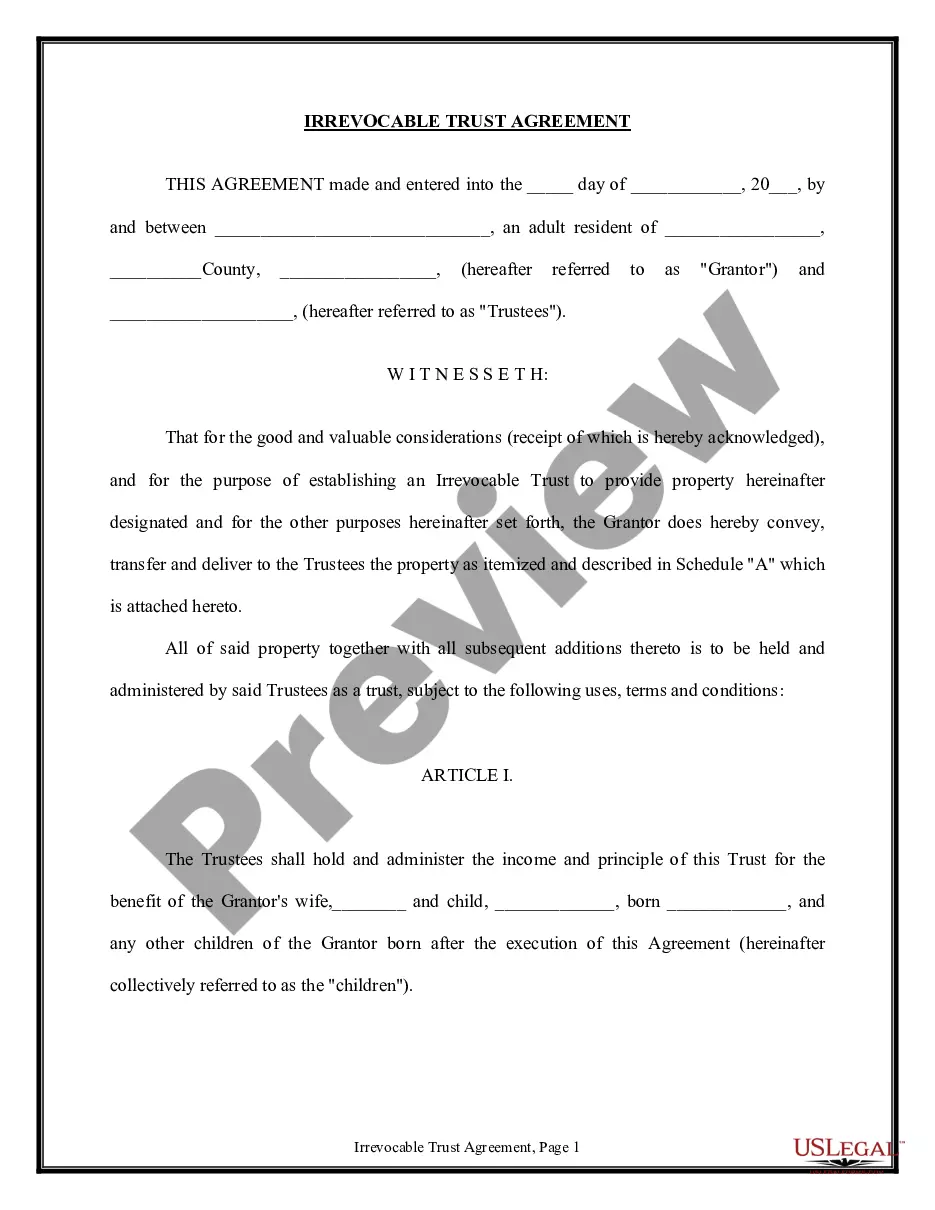
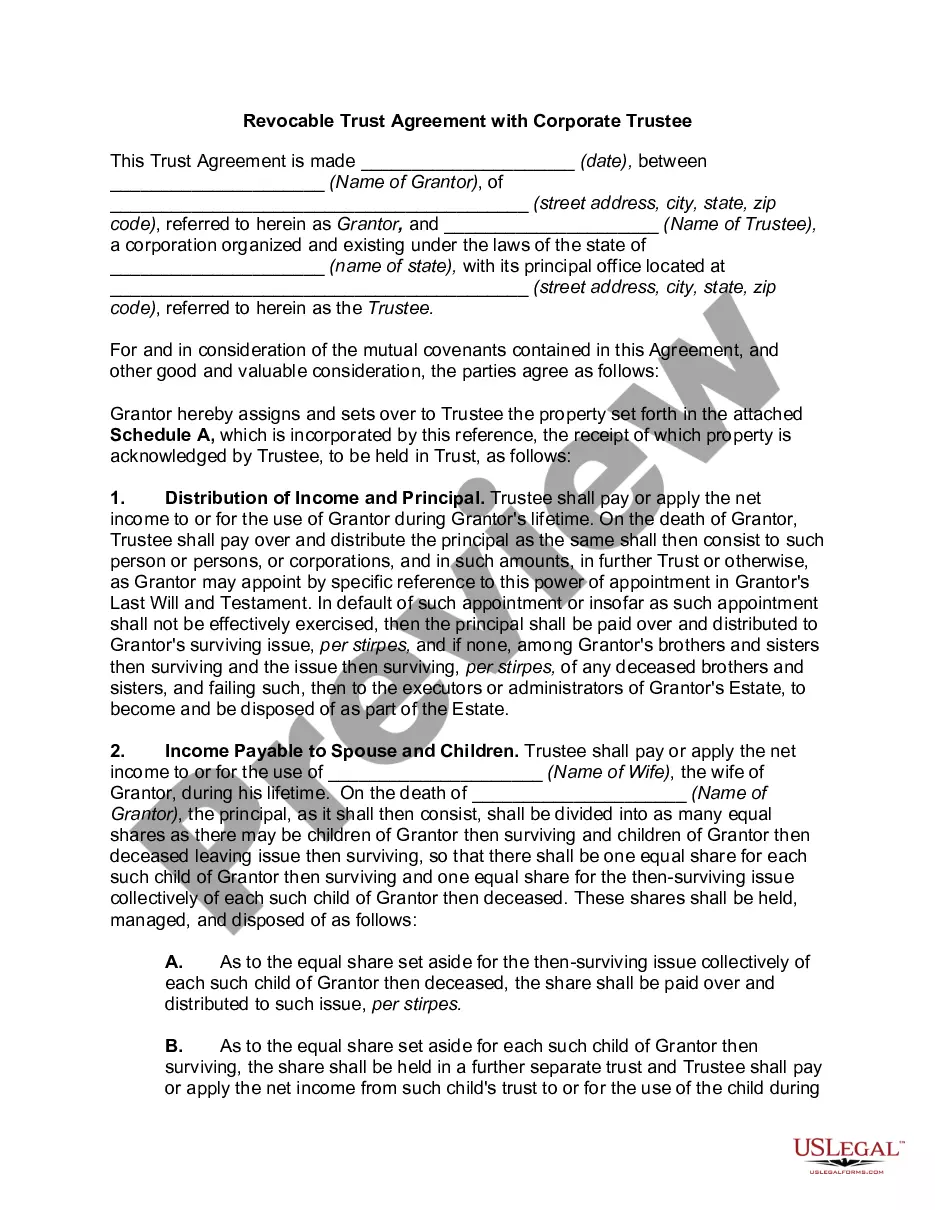
Get your form ready online
Our built-in tools help you complete, sign, share, and store your documents in one place.
Make edits, fill in missing information, and update formatting in US Legal Forms—just like you would in MS Word.
Download a copy, print it, send it by email, or mail it via USPS—whatever works best for your next step.
Sign and collect signatures with our SignNow integration. Send to multiple recipients, set reminders, and more. Go Premium to unlock E-Sign.
If this form requires notarization, complete it online through a secure video call—no need to meet a notary in person or wait for an appointment.
We protect your documents and personal data by following strict security and privacy standards.

Make edits, fill in missing information, and update formatting in US Legal Forms—just like you would in MS Word.

Download a copy, print it, send it by email, or mail it via USPS—whatever works best for your next step.

Sign and collect signatures with our SignNow integration. Send to multiple recipients, set reminders, and more. Go Premium to unlock E-Sign.

If this form requires notarization, complete it online through a secure video call—no need to meet a notary in person or wait for an appointment.

We protect your documents and personal data by following strict security and privacy standards.
Looking for another form?
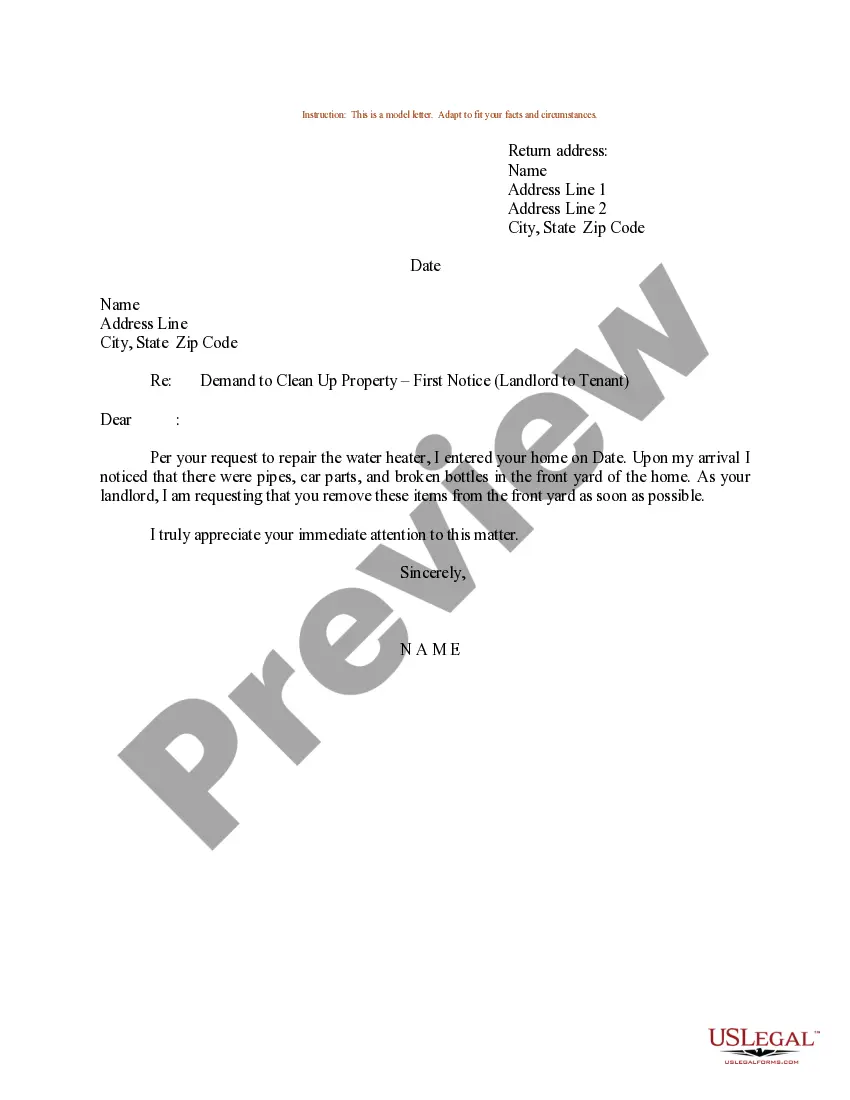
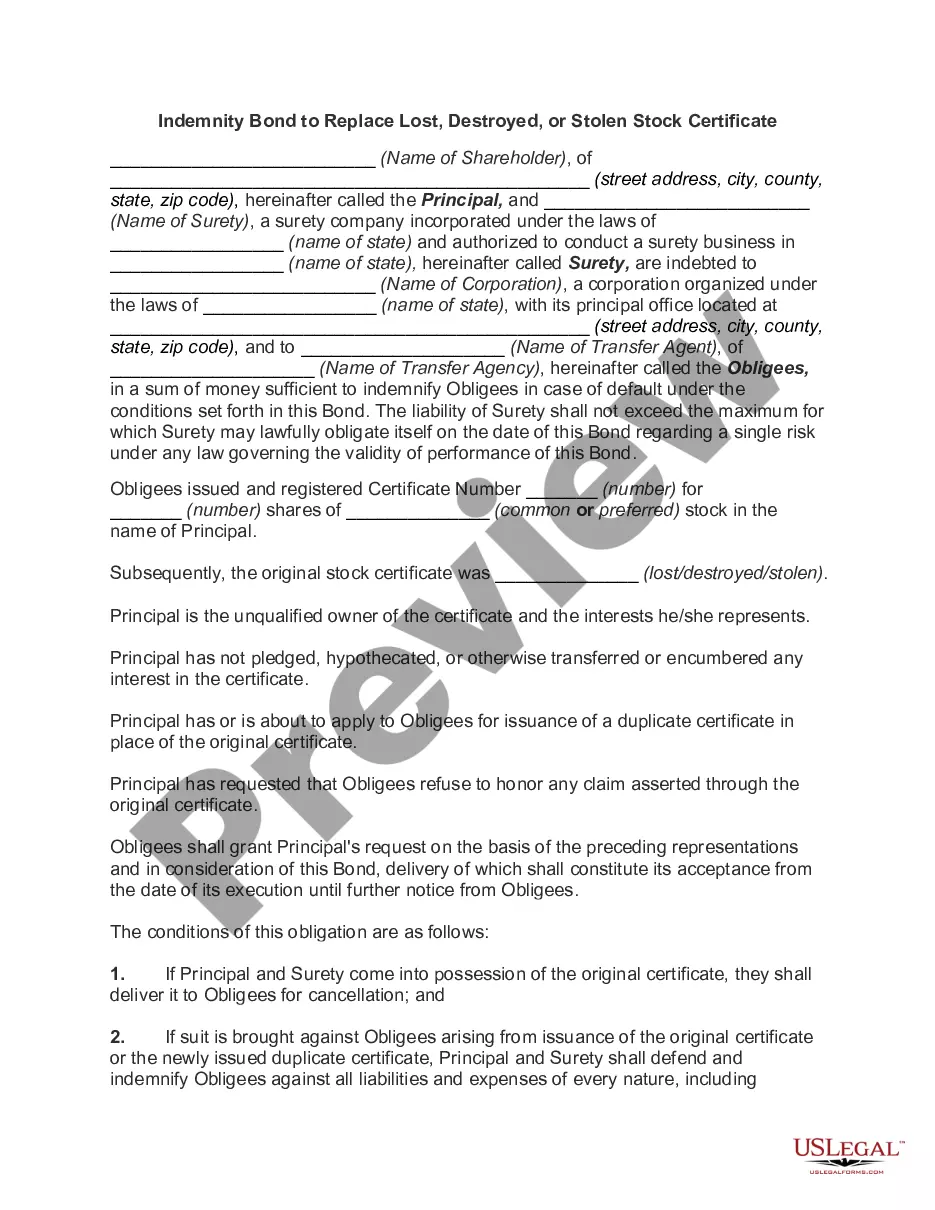

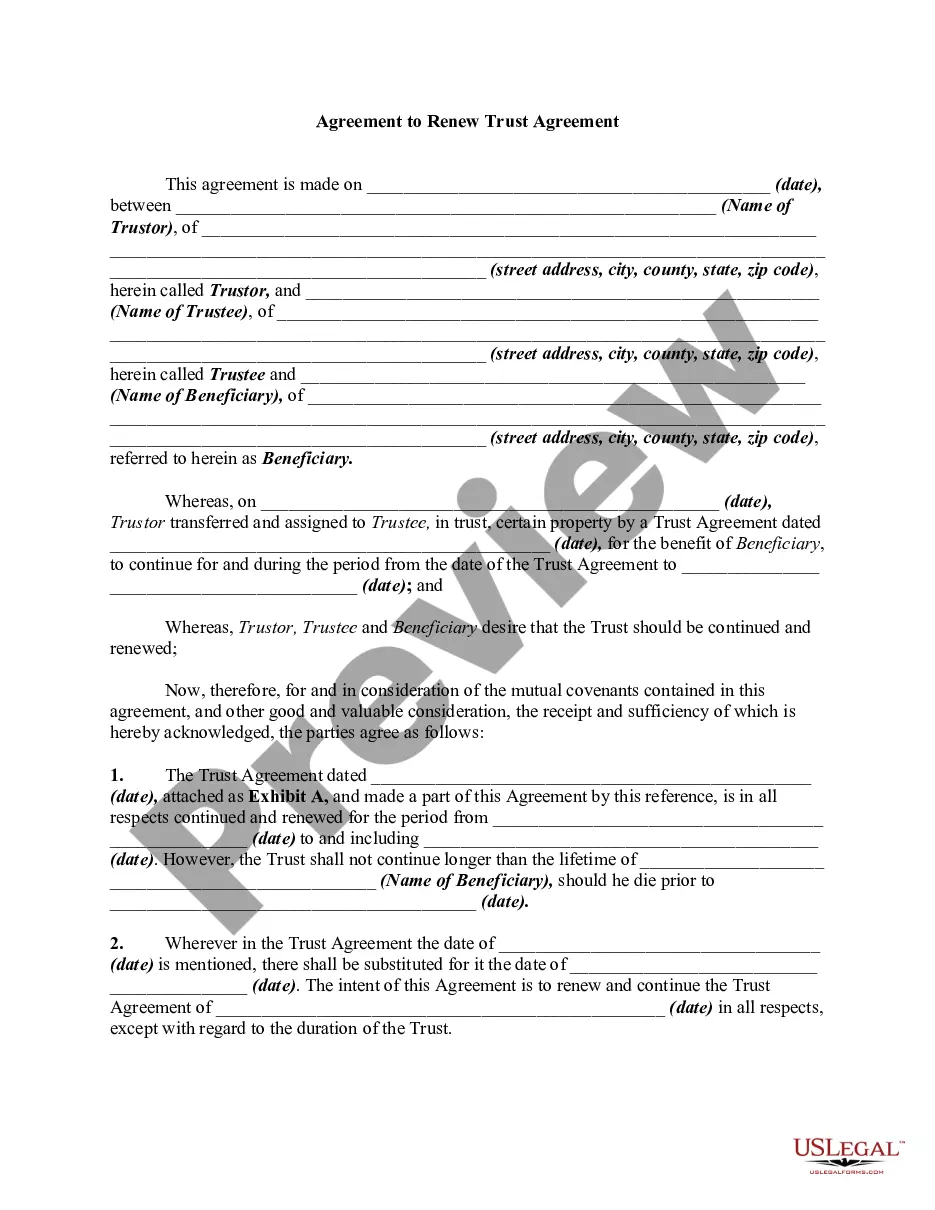
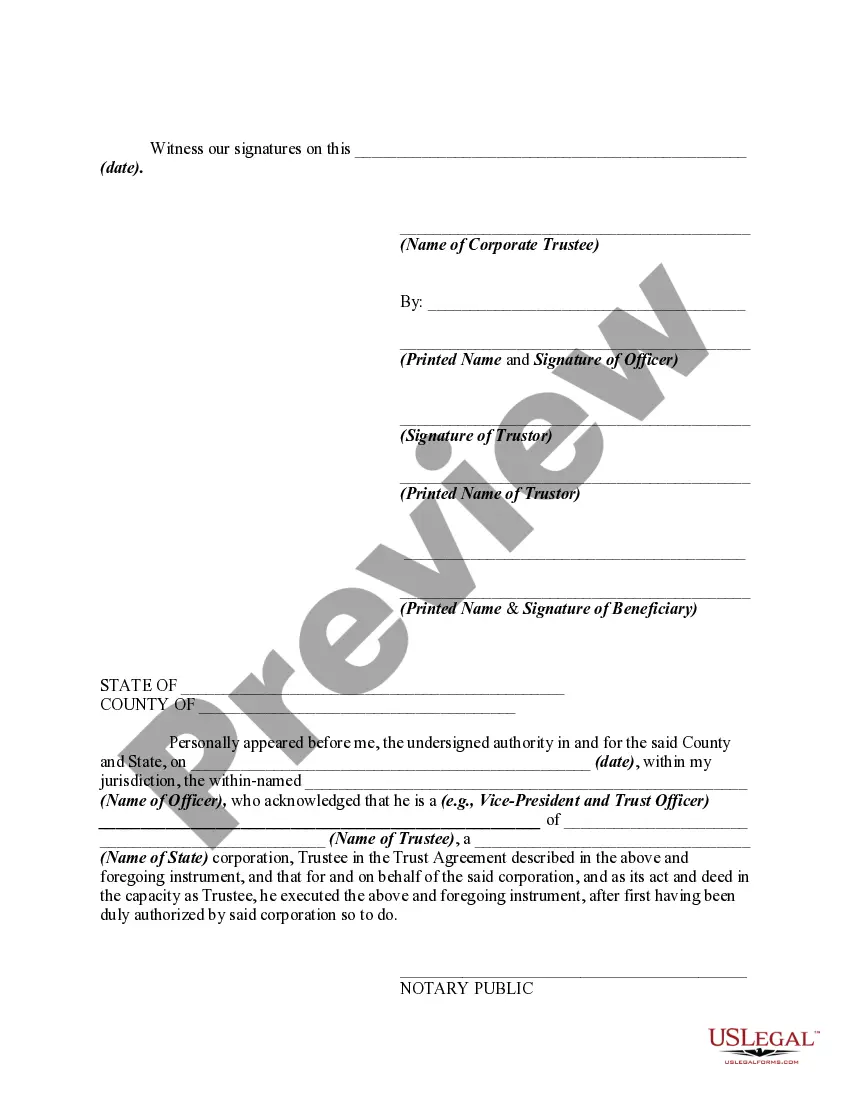
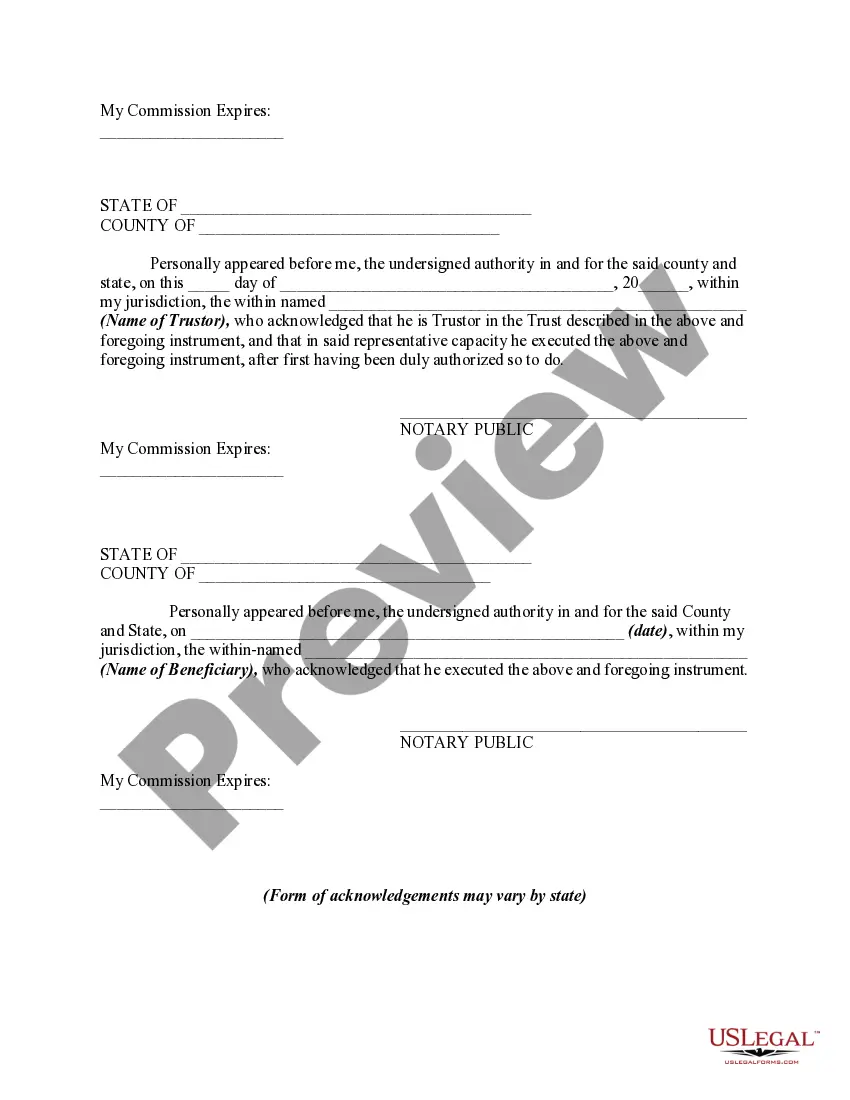
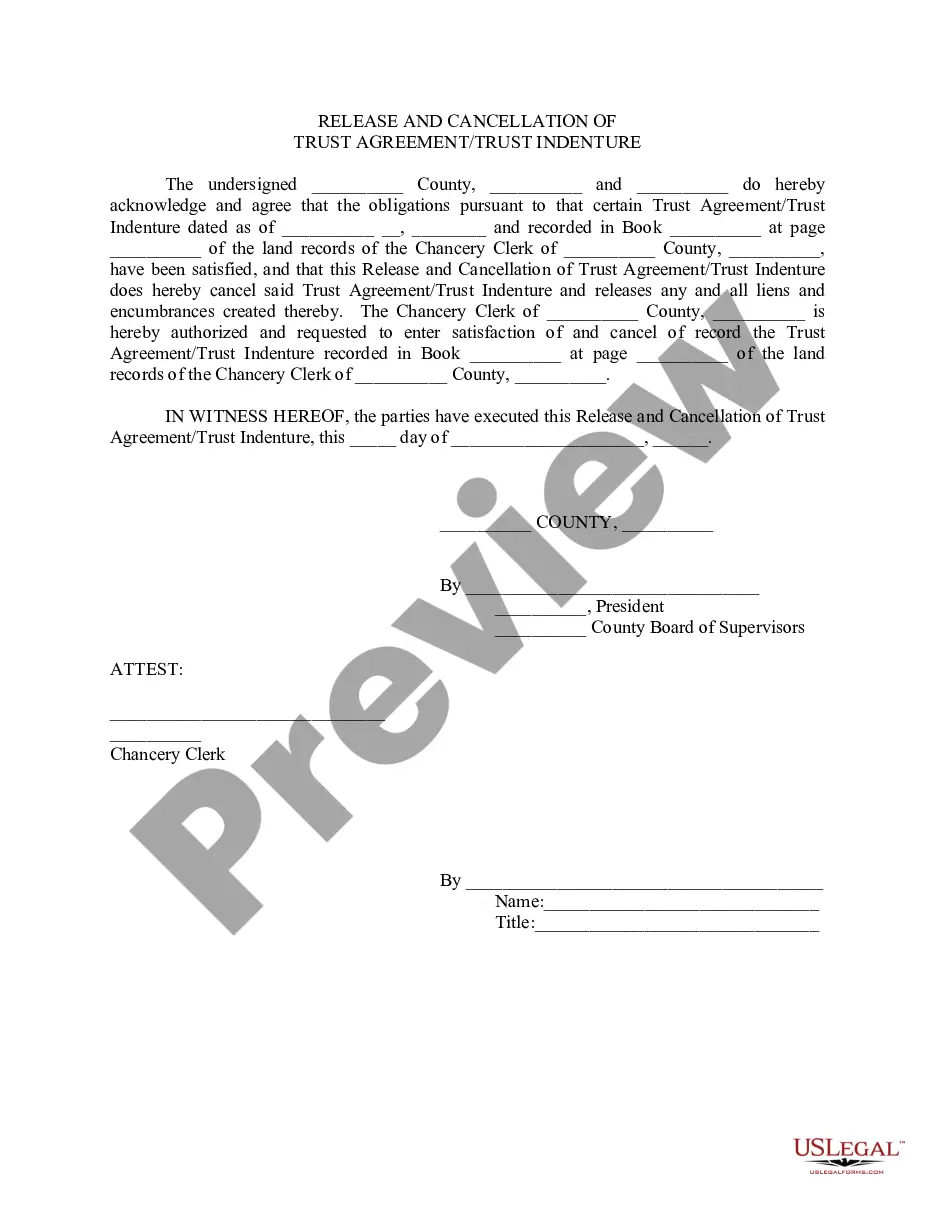
How to fill out Agreement To Renew Trust Agreement?
There's no longer a need to squander time searching for legal documents to fulfill your local state requirements.
US Legal Forms has gathered all of them in one location and made their accessibility easier.
Our platform provides over 85k templates for any business and personal legal occasions organized by state and area of use.
Use the search bar above to look for another template if the previous one didn't suit you.
- All forms are expertly drafted and validated for authenticity, allowing you to trust that you are acquiring a current Trust Agreement For Shares.
- If you are acquainted with our platform and already possess an account, you should confirm your subscription is active before accessing any templates.
- Log In to your account, select the document, and click Download.
- You can also access all saved documents whenever needed by opening the My documents tab in your profile.
- If you've never engaged with our platform before, the process will require additional steps to complete.
- Here’s how new users can acquire the Trust Agreement For Shares from our collection.
- Review the page content thoroughly to ensure it includes the sample you need.
- Utilize the form description and preview options, if available.
Form popularity
FAQ
Technically, a trust cannot own shares in a company as it is not a separate legal entity. A trust is simply a relationship. However, this changes when we think about trustees and what they can hold for beneficiaries. Trustees can own many types of property, including liquid cash and property.
To put stocks or bonds that you hold into a trust, you typically use a document called a securities assignment (sometimes called a "stock power"). This document asks the securities' transfer agent for permission to transfer the securities to your trust.
It is a simple enough matter to avoid this immediate inheritance tax charge on a transfer to a trust: your client can transfer his shares to the trust before they are sold. Then, 100% business property relief would be available, any transfer would be at a nil value and no immediate inheritance tax charge arises.
Trusts are a legal tool that allow one to give control of property, stocks, bonds, or other assets to a second party to be used for someone else's benefit without giving the beneficiary full control over the assets.
How to Move Shares Into Your Trustupdate its register of members;issue you with a new share certificate reflecting that your trust now holds your shares; and.notify ASIC of the change.