Termination Of Trust Agreement
Description
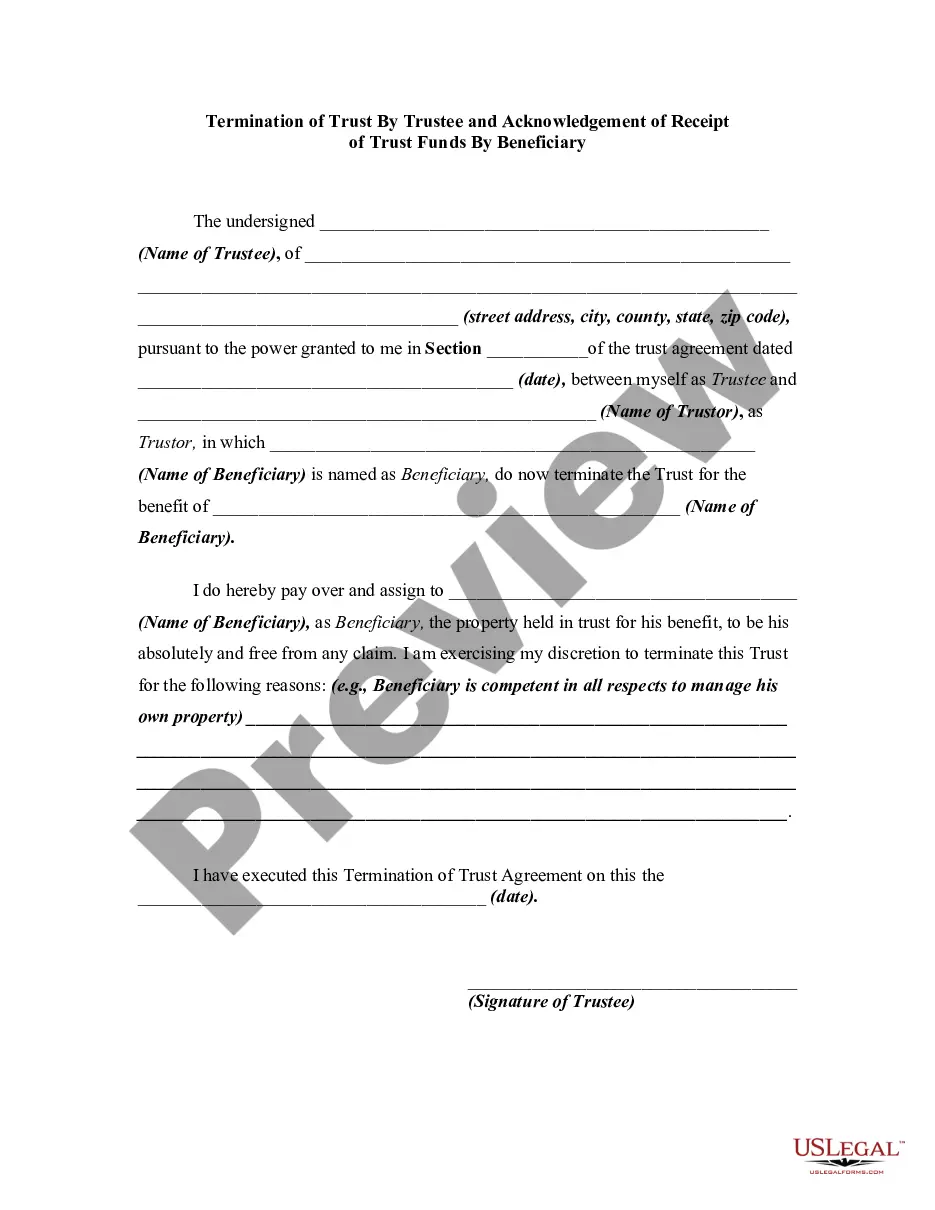
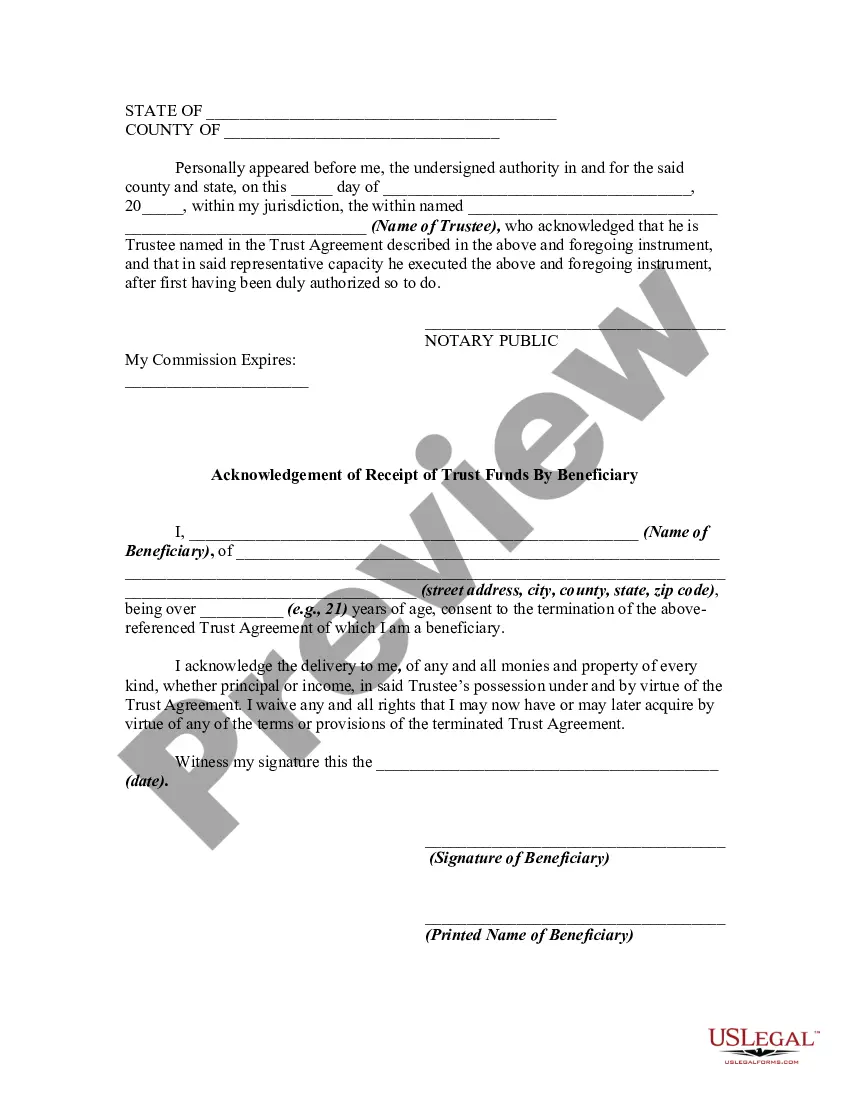
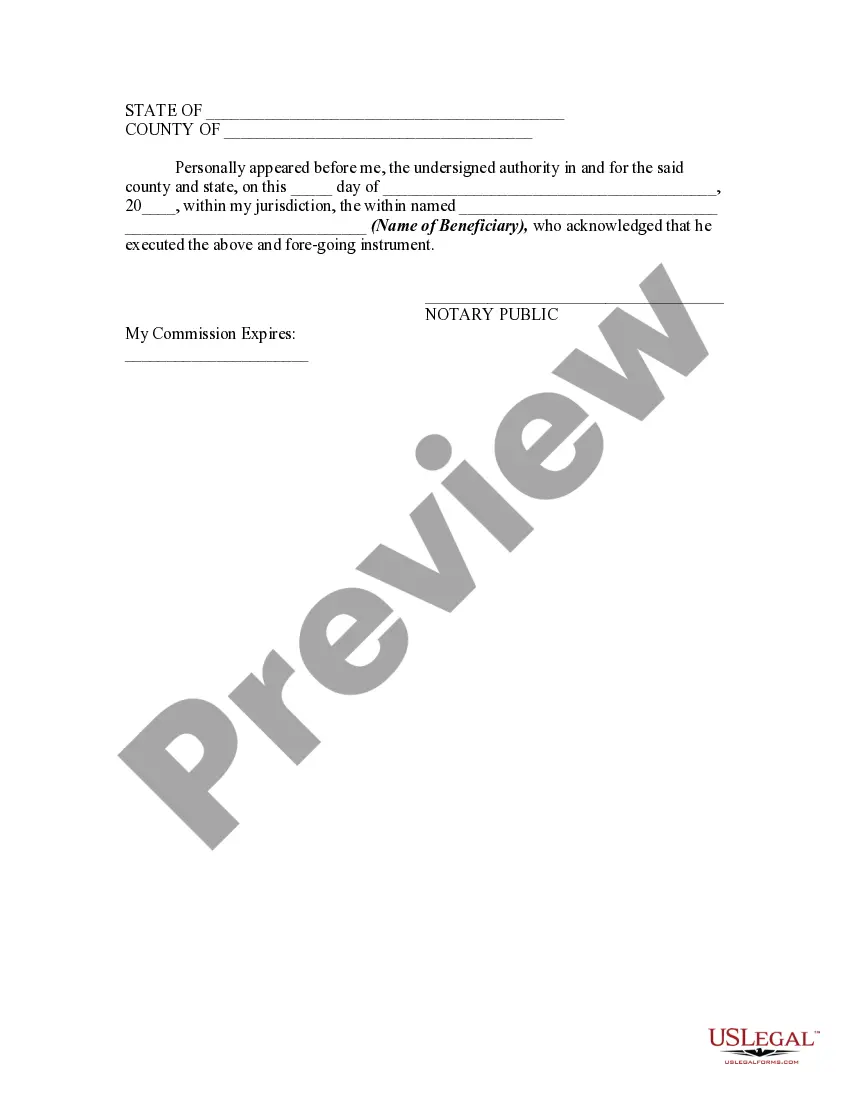
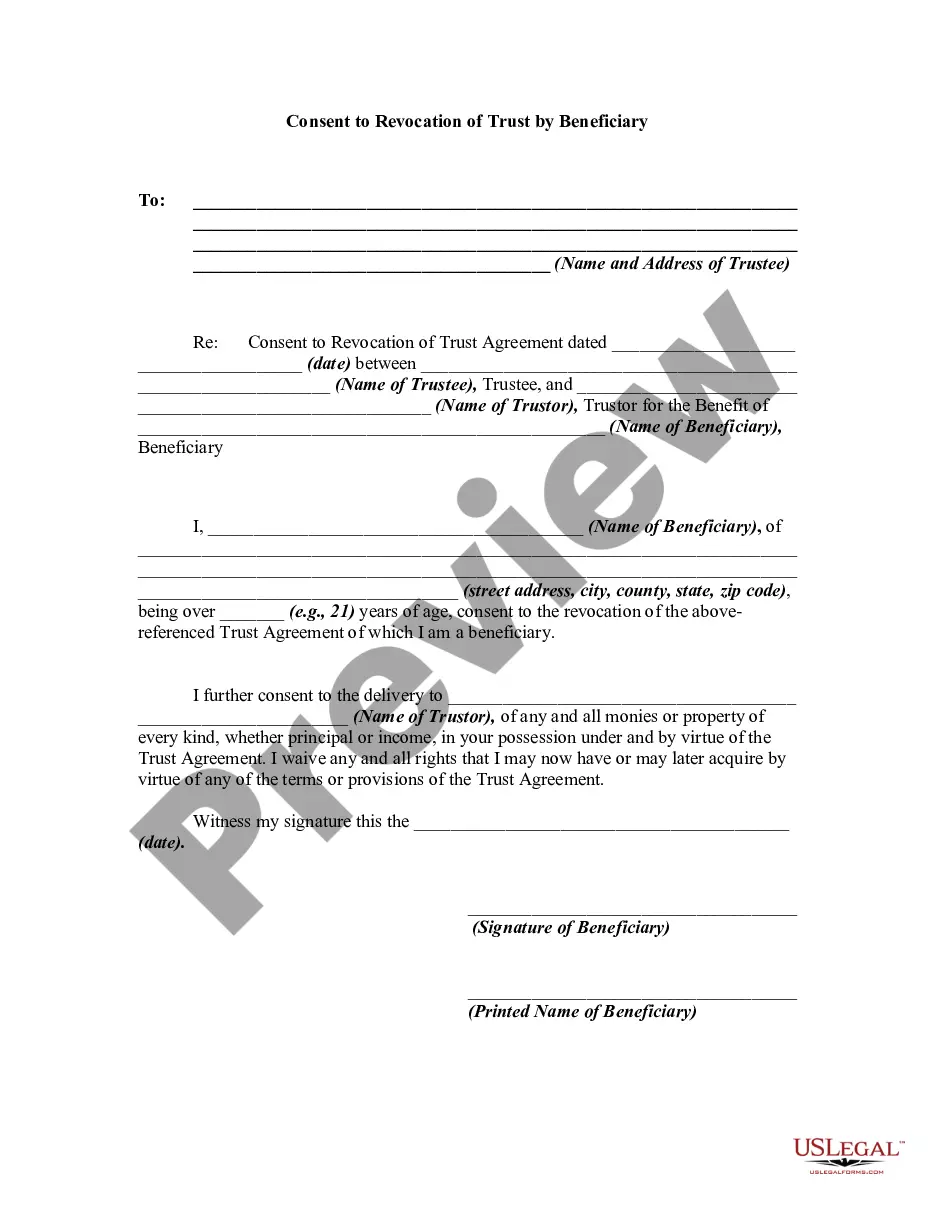
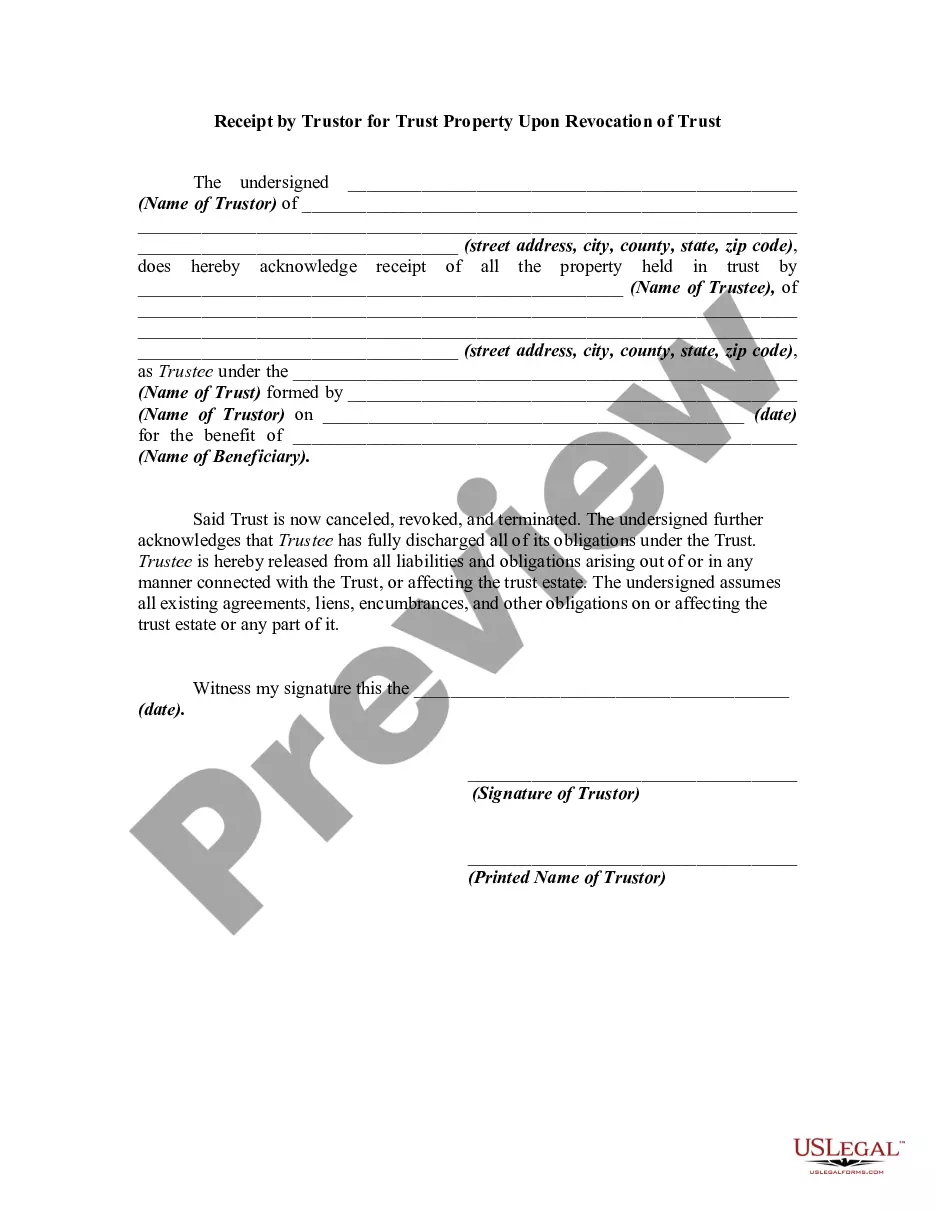
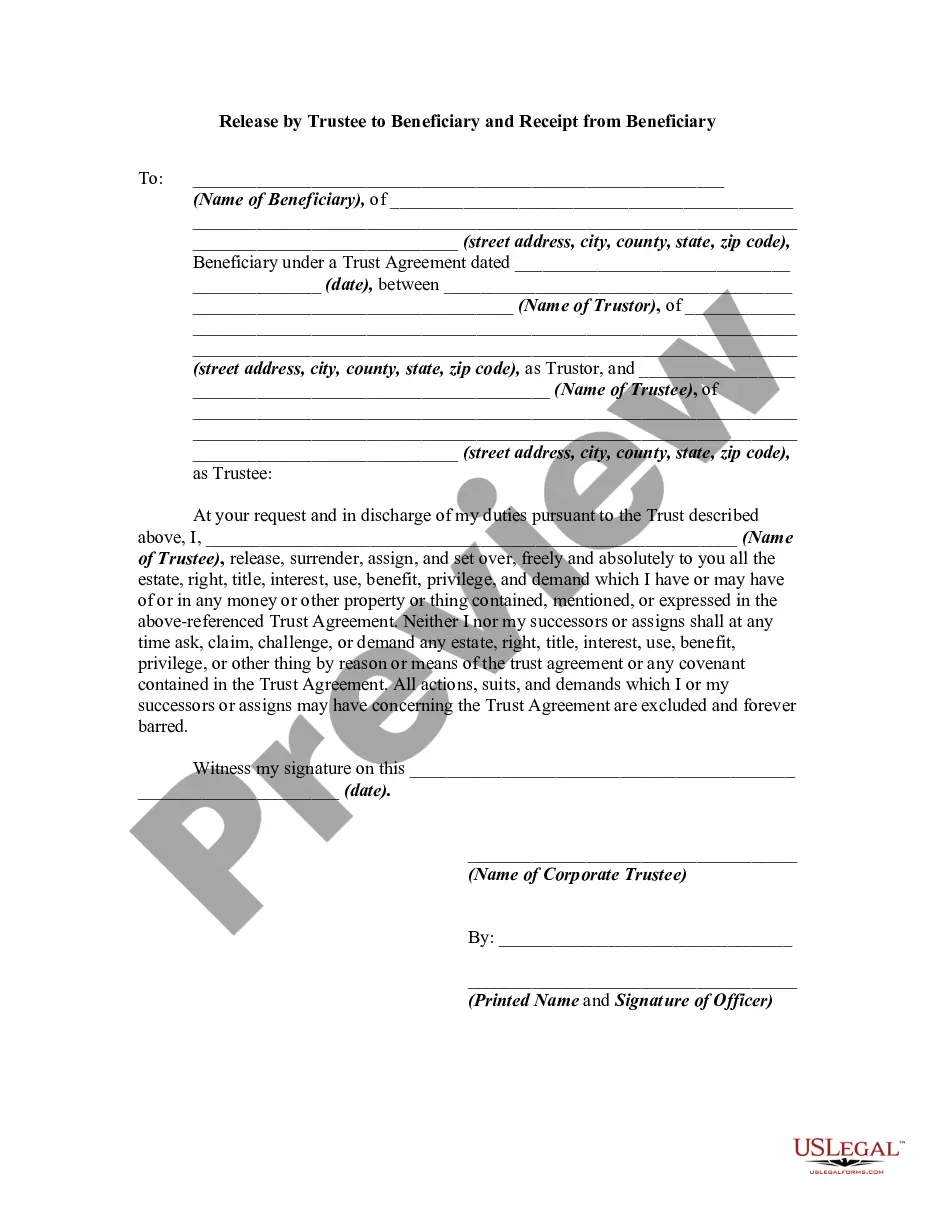
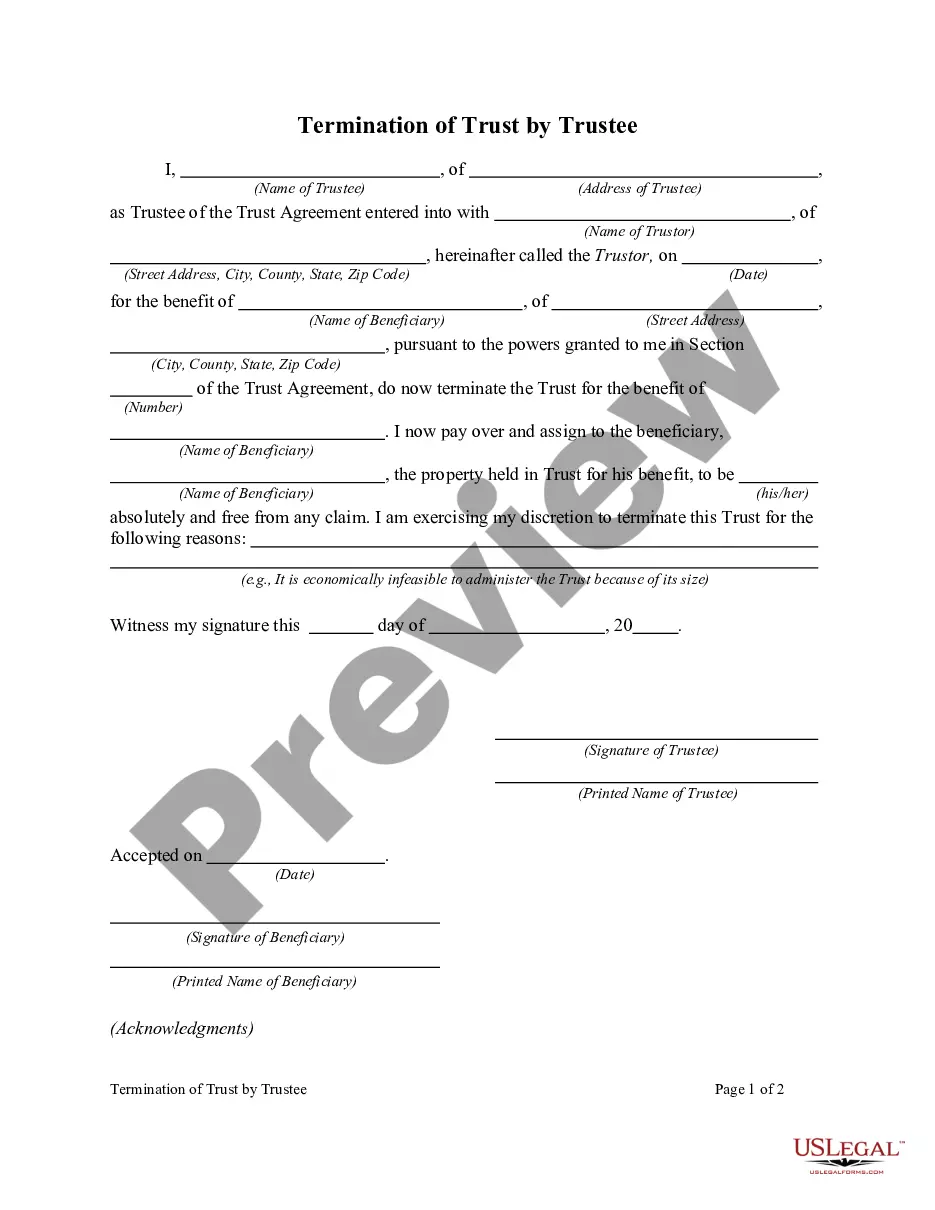
Get your form ready online
Our built-in tools help you complete, sign, share, and store your documents in one place.
Make edits, fill in missing information, and update formatting in US Legal Forms—just like you would in MS Word.
Download a copy, print it, send it by email, or mail it via USPS—whatever works best for your next step.
Sign and collect signatures with our SignNow integration. Send to multiple recipients, set reminders, and more. Go Premium to unlock E-Sign.
If this form requires notarization, complete it online through a secure video call—no need to meet a notary in person or wait for an appointment.
We protect your documents and personal data by following strict security and privacy standards.

Make edits, fill in missing information, and update formatting in US Legal Forms—just like you would in MS Word.

Download a copy, print it, send it by email, or mail it via USPS—whatever works best for your next step.

Sign and collect signatures with our SignNow integration. Send to multiple recipients, set reminders, and more. Go Premium to unlock E-Sign.

If this form requires notarization, complete it online through a secure video call—no need to meet a notary in person or wait for an appointment.

We protect your documents and personal data by following strict security and privacy standards.
Looking for another form?
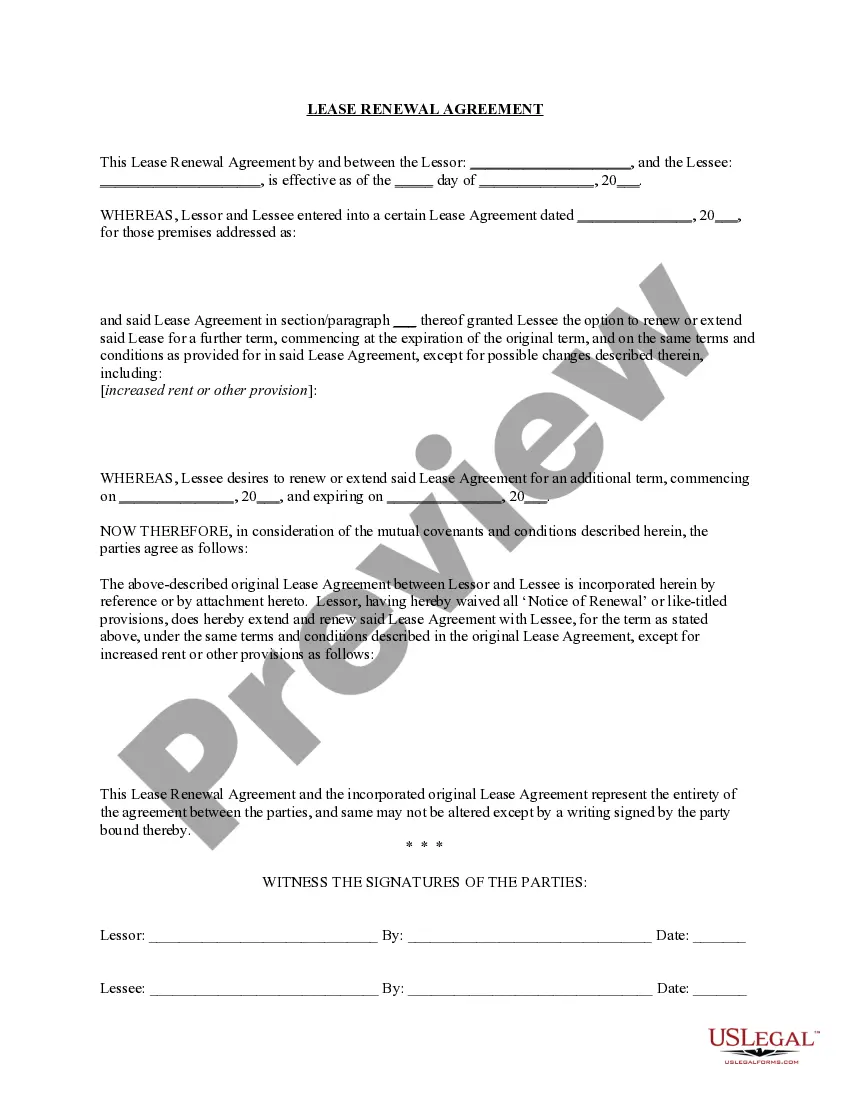

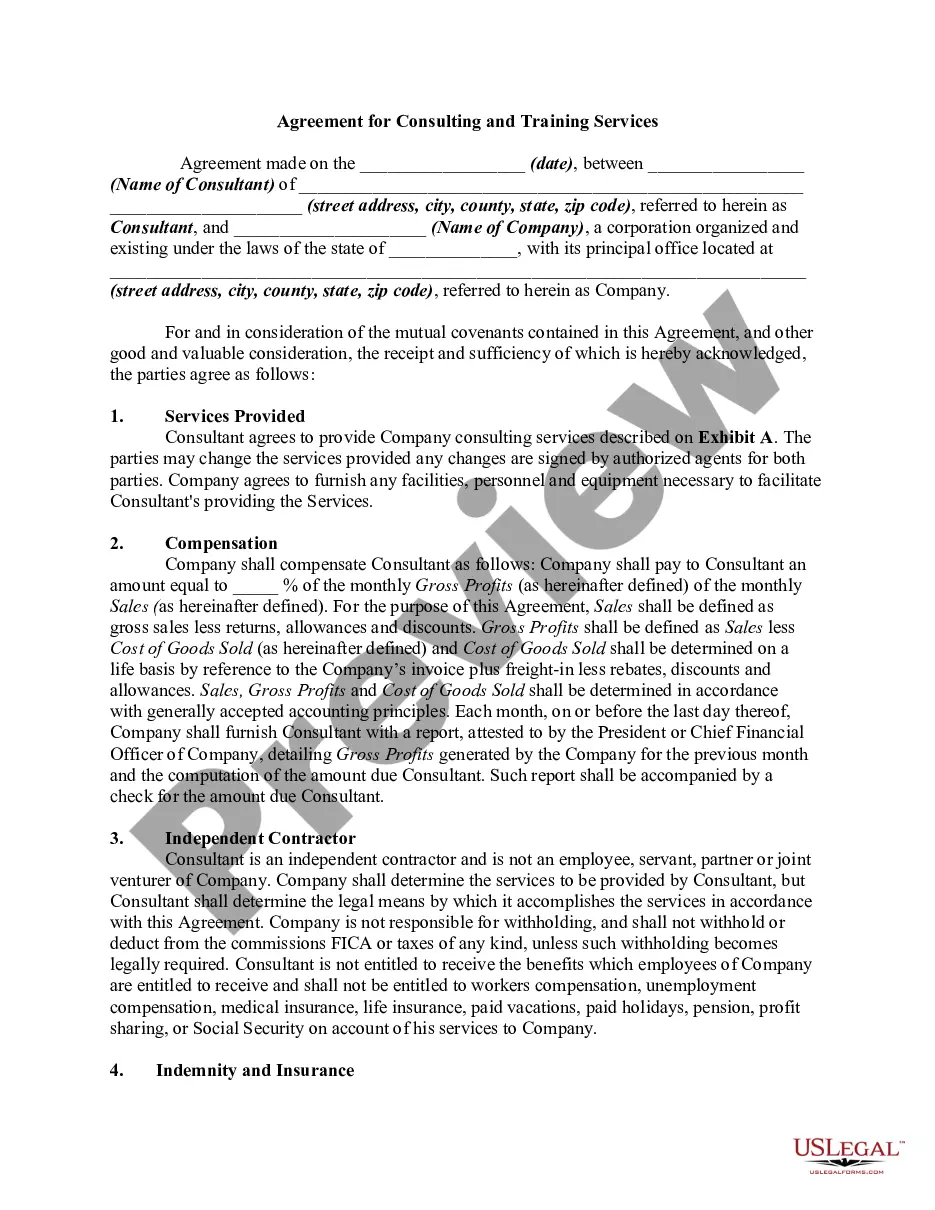


How to fill out Termination Of Trust By Trustee And Acknowledgment Of Receipt Of Trust Funds By Beneficiary?
- If you are a returning user, log in to your account and select the desired form template from the extensive library. Ensure your subscription is current, and renew if necessary.
- For first-time users, start by checking the Preview mode for the termination of trust agreement and its description. Verify that you choose the version suitable for your local jurisdiction.
- If needed, utilize the Search tab to find other templates that better fit your requirements. Once you identify the correct form, proceed to the next step.
- Purchase the document by clicking on the Buy Now button, selecting your desired subscription plan, and creating an account for access.
- Complete your purchase by entering your payment details or using your PayPal account to subscribe.
- Download the completed form and save it on your device. You can revisit it anytime through the My Forms section of your profile.
In conclusion, US Legal Forms empowers users with an unmatched selection of legal documents to ensure a smooth termination of trust agreement. With over 85,000 forms available, you can handle your legal needs confidently. Sign up today and experience the convenience!
Form popularity
FAQ
A trust termination agreement is a legal document that formalizes the ending of a trust. This agreement outlines how the remaining assets will be distributed among beneficiaries. Understanding how to properly execute a termination of trust agreement is essential to ensure that all parties are treated fairly. For help in drafting an effective termination agreement, explore the resources provided by USLegalForms, which can simplify this process.
The 5 year rule for trusts refers to a timeline after which certain tax benefits or penalties apply. Specifically, it addresses how distributions from trusts are treated for tax purposes. This rule can significantly affect the termination of trust agreement, as it might influence when and how you can withdraw assets. To navigate these complexities, consider using resources like USLegalForms, which offer tailored guidance for managing trust agreements.
To bring a trust to an end, start by reviewing the trust document for specific termination provisions. Depending on the circumstances, you may need to notify beneficiaries and take further legal steps to execute the termination of trust agreement effectively. Utilizing a platform like US Legal Forms can provide you with the necessary templates and guidance to streamline this process.
A letter of termination of a trust is a formal document that outlines the intent to dissolve a trust. This letter informs all relevant parties, including beneficiaries and potentially the court, about the decision to terminate the trust agreement. It serves as a crucial step in documenting the dissolution process and ensuring all legal requirements are met.
Dissolving a trust can vary in difficulty depending on its structure and the complexities involved. If all beneficiaries agree and the trust document is clear, the process may be straightforward. However, disagreements among beneficiaries or ambiguous terms can complicate the termination of trust agreement. Seeking assistance from professionals can simplify this process.
A trust can become null and void due to various reasons, including lack of proper execution or when the trust's purpose becomes illegal or impossible to fulfill. Additionally, if the trust agreements fail to meet legal requirements, such as being unwitnessed or improperly funded, they may be rendered invalid. Understanding these factors is crucial, especially when considering a termination of trust agreement.
While it is not strictly necessary to hire a lawyer to dissolve a trust, it is highly recommended. The process of terminating a trust agreement can involve complex legal aspects that, if mishandled, may lead to unintended consequences. A qualified attorney can guide you through the requirements and ensure that all legal protocols are followed, safeguarding your interests throughout the dissolution process.
To terminate a trust relationship, begin by reviewing the trust agreement for specific instructions on termination. Engage with all relevant parties to communicate intentions and fulfill any obligations. This careful approach ensures the termination of trust agreement is properly handled and recognized.
Dissolving a trust typically requires a written agreement or a court order, depending on the trust's terms. You must also ensure that all beneficiaries agree and understand the consequences. Following these steps helps ensure that the termination of trust agreement is executed correctly.
To terminate a trust with the IRS, you need to complete and submit Form 1041 for the final tax return. This form reports the trust’s income up to the date of termination. Following the appropriate procedures ensures a smooth termination of trust agreement, keeping you compliant with tax regulations.