Revocable Trust For
Description
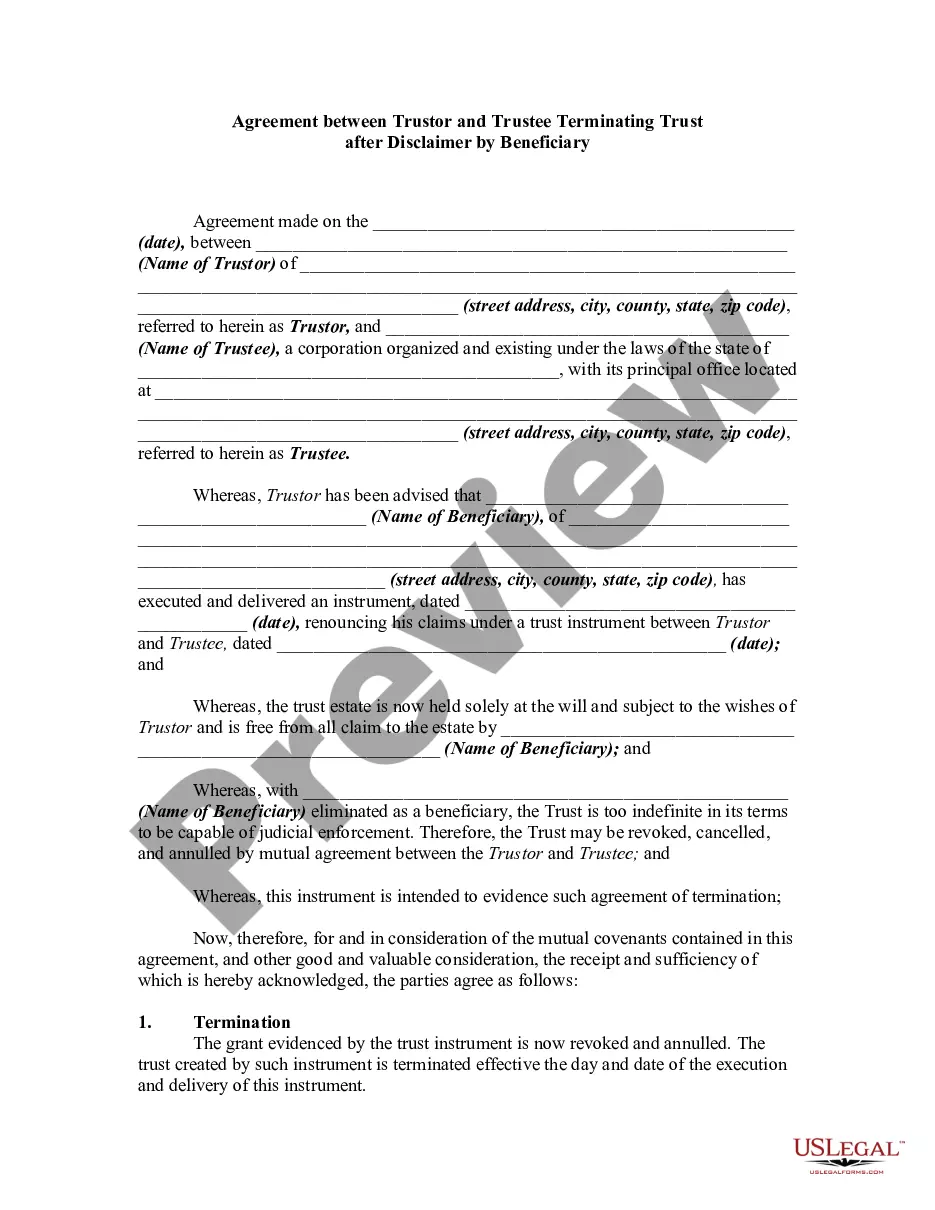
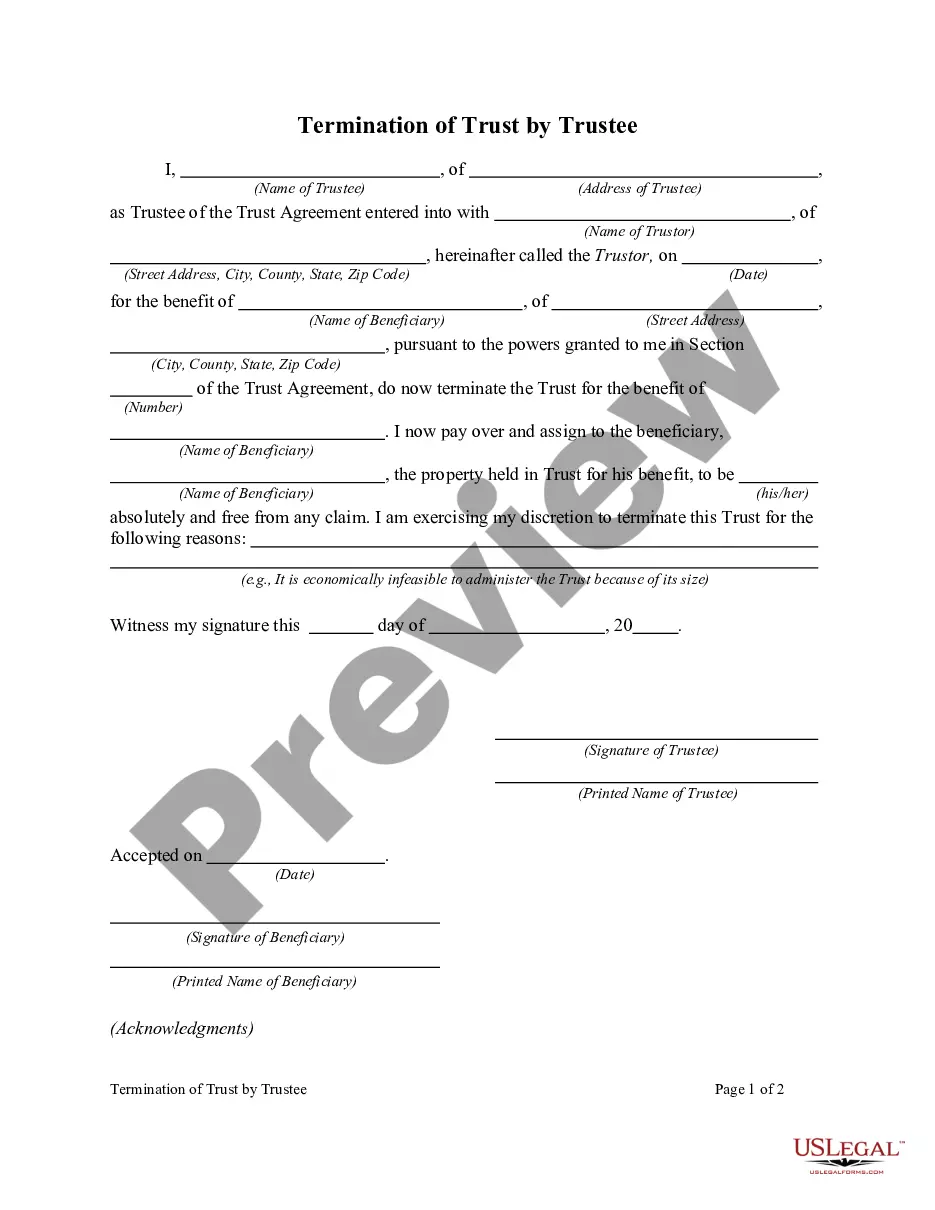
Get your form ready online
Our built-in tools help you complete, sign, share, and store your documents in one place.
Make edits, fill in missing information, and update formatting in US Legal Forms—just like you would in MS Word.
Download a copy, print it, send it by email, or mail it via USPS—whatever works best for your next step.
Sign and collect signatures with our SignNow integration. Send to multiple recipients, set reminders, and more. Go Premium to unlock E-Sign.
If this form requires notarization, complete it online through a secure video call—no need to meet a notary in person or wait for an appointment.
We protect your documents and personal data by following strict security and privacy standards.

Make edits, fill in missing information, and update formatting in US Legal Forms—just like you would in MS Word.

Download a copy, print it, send it by email, or mail it via USPS—whatever works best for your next step.

Sign and collect signatures with our SignNow integration. Send to multiple recipients, set reminders, and more. Go Premium to unlock E-Sign.

If this form requires notarization, complete it online through a secure video call—no need to meet a notary in person or wait for an appointment.

We protect your documents and personal data by following strict security and privacy standards.
Looking for another form?

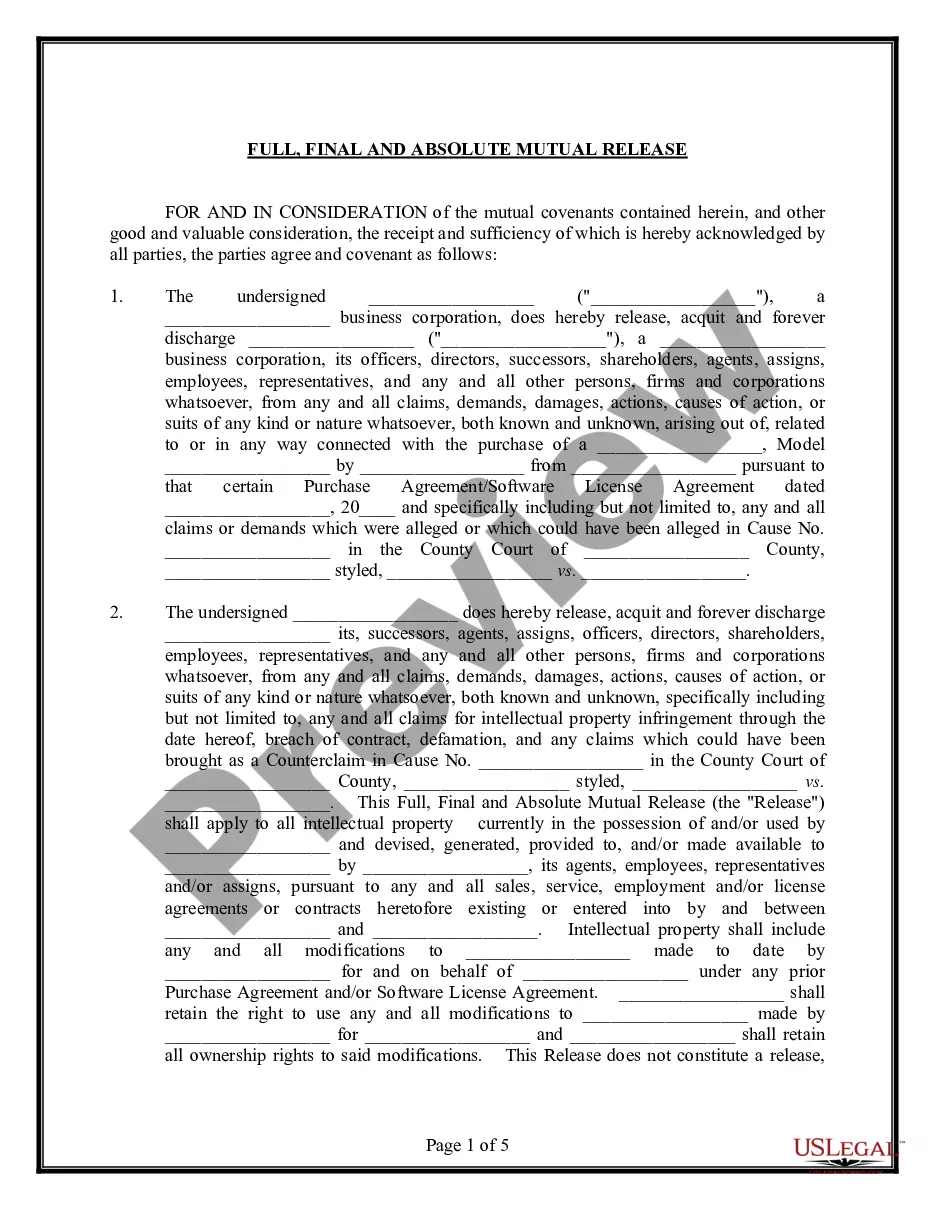



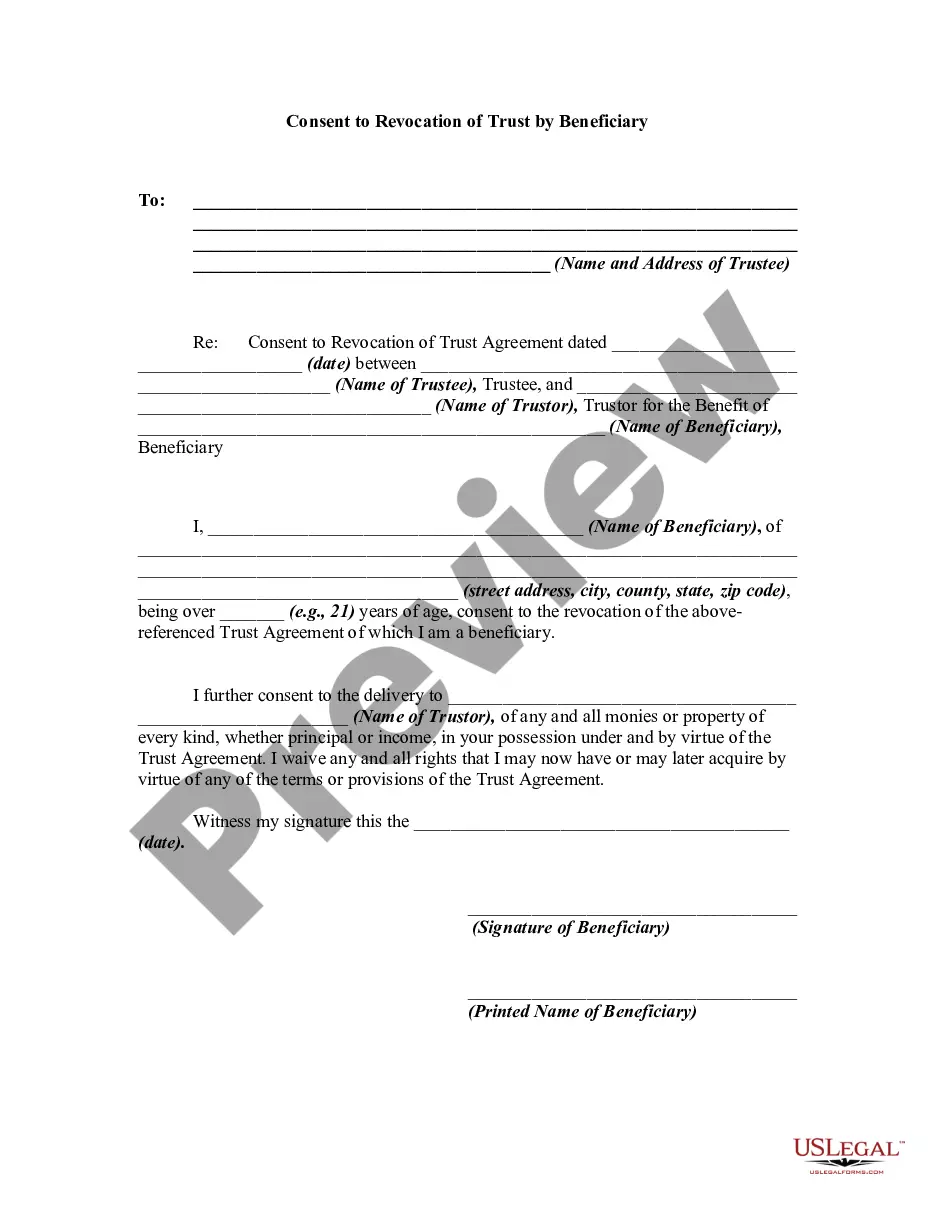
How to fill out Consent To Revocation Of Trust By Beneficiary?
Regardless of whether it is for entrepreneurial purposes or personal issues, everyone must handle legal circumstances at some stage in their lifetime.
Filling out legal documents demands meticulous focus, beginning with selecting the appropriate template example.
With an extensive catalog from US Legal Forms available, you won't waste time searching for the correct template on the internet. Take advantage of the library's straightforward navigation to discover the right sample for any circumstance.
- Locate the template you require by employing the search bar or browsing the catalog.
- Review the form's description to confirm it corresponds with your situation, state, and county.
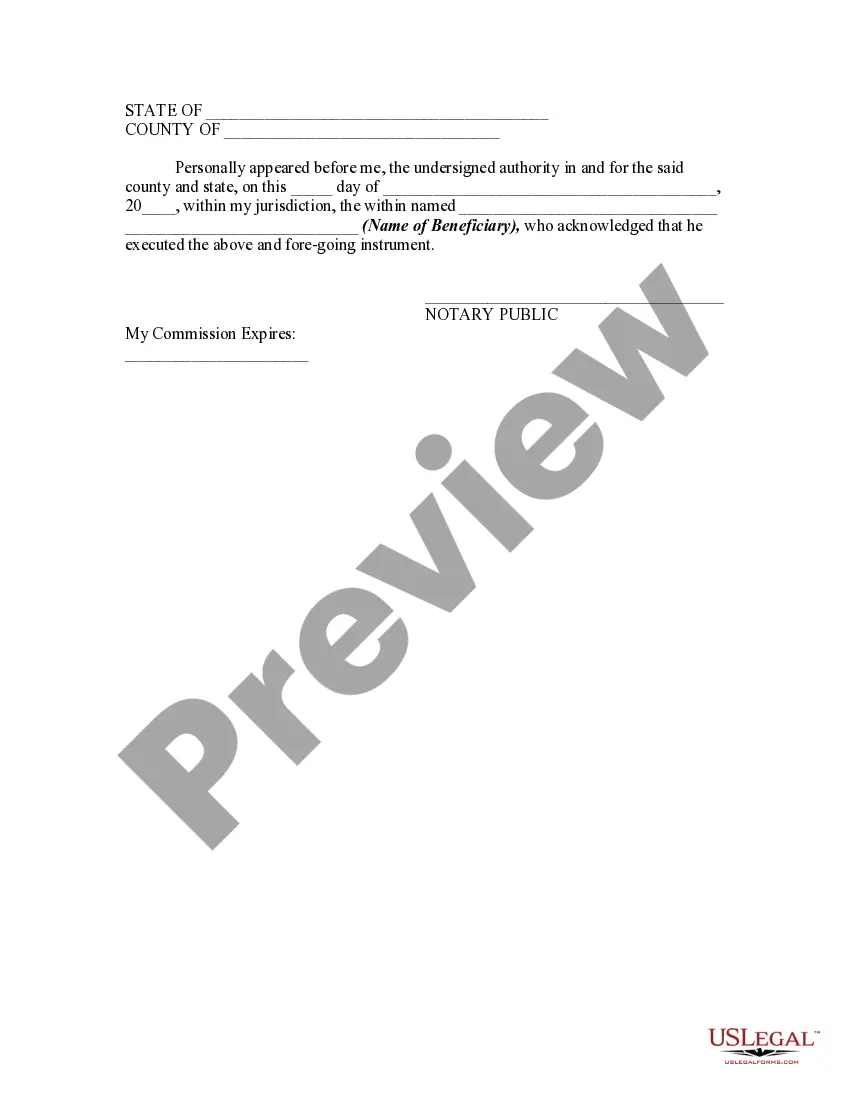
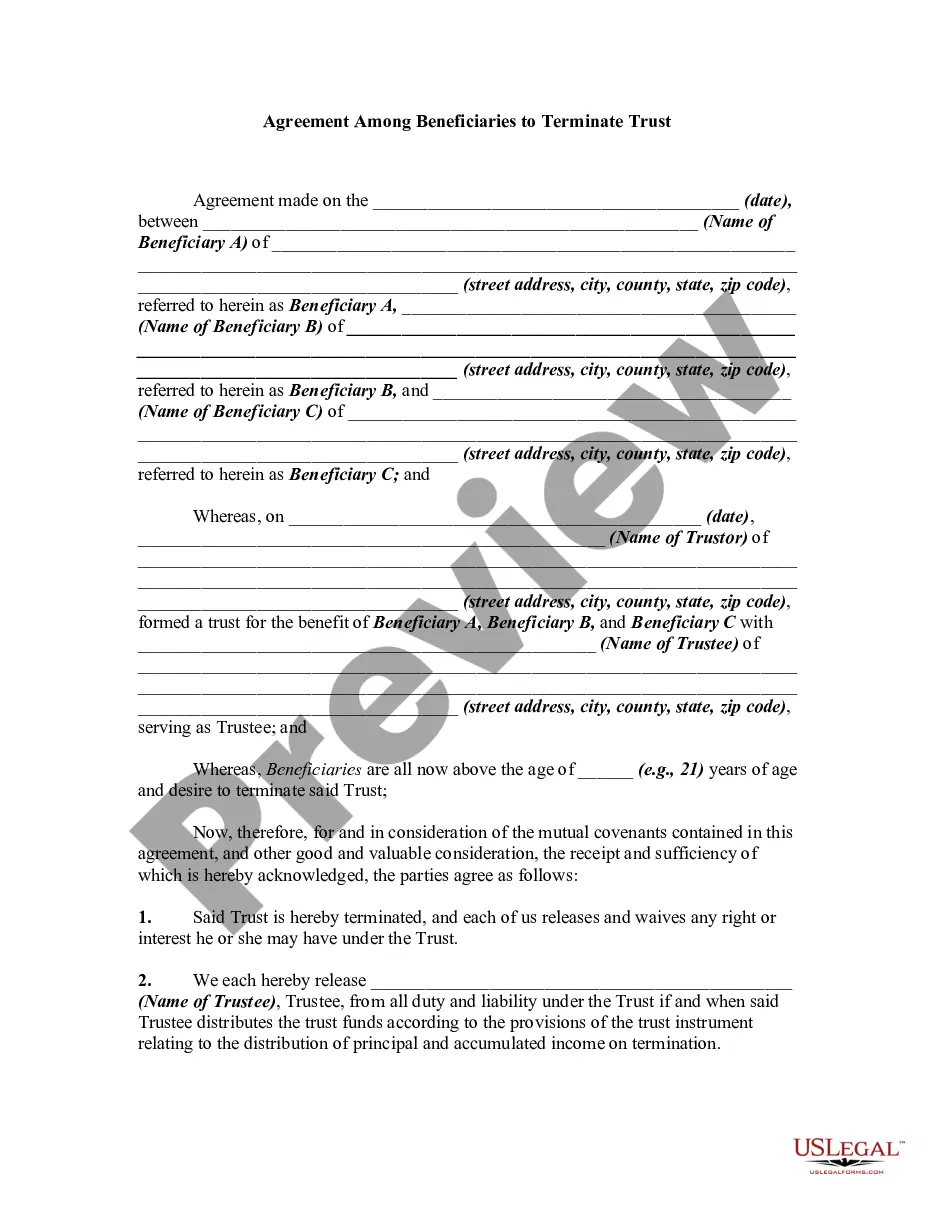
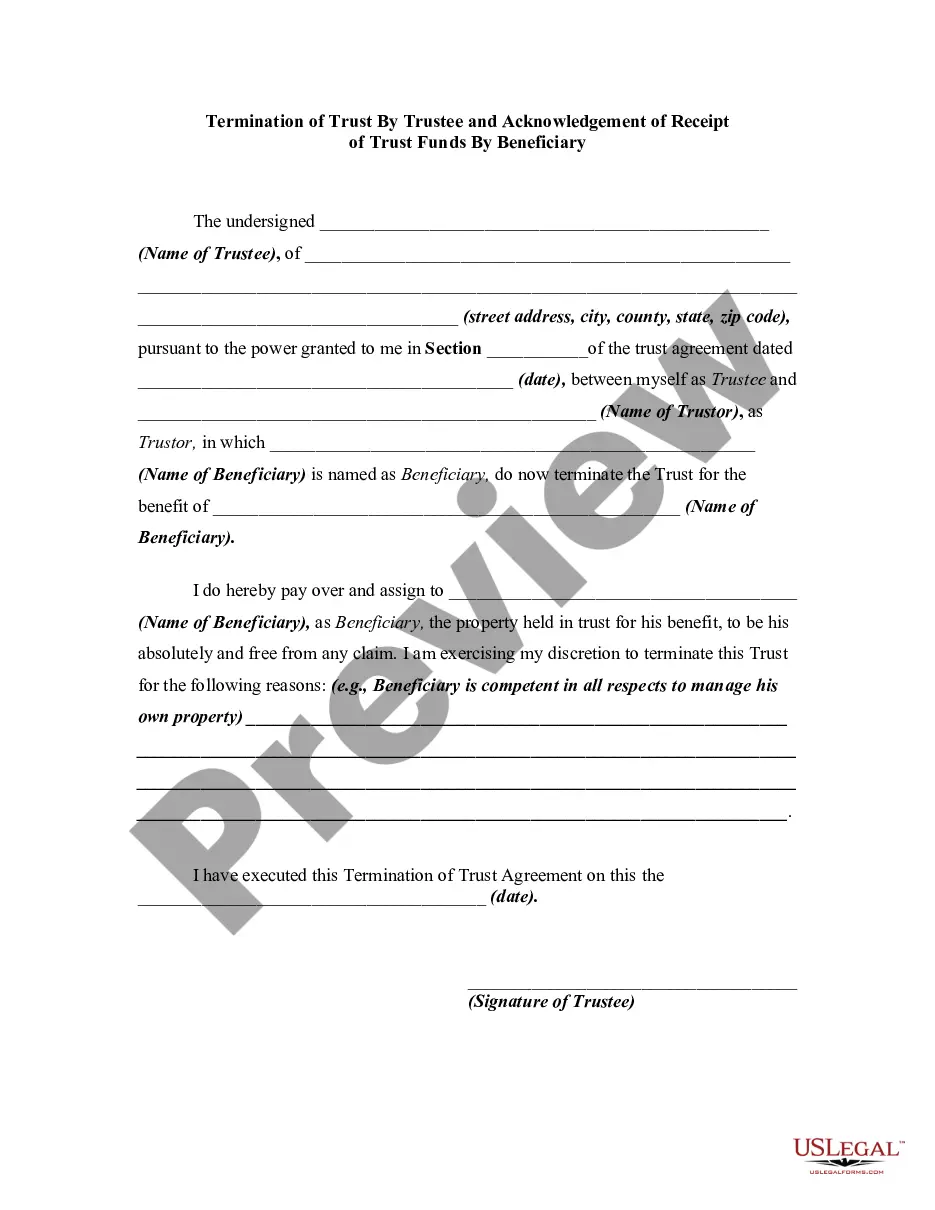
- Click on the form's preview to examine it.
- If it is the incorrect document, return to the search feature to locate the Revocable Trust For template you need.
- Download the file once it aligns with your specifications.
- If you possess a US Legal Forms account, simply click Log in to access previously stored documents in My documents.
- If you have yet to create an account, you can acquire the form by clicking Buy now.
- Select the correct pricing option.
- Complete the account registration form.
- Choose your payment method: either a credit card or PayPal account.
- Select the desired file format and download the Revocable Trust For.
- Once it is downloaded, you can complete the form using editing software or print it out and finish it manually.
Form popularity
FAQ
A revocable trust is a part of estate planning that manages the assets of the grantor as the owner ages. The trust can be amended or revoked as the grantor desires and the property it holds is included in estate taxes.
A living trust can help you manage and pass on a variety of assets. However, there are a few asset types that generally shouldn't go in a living trust, including retirement accounts, health savings accounts, life insurance policies, UTMA or UGMA accounts and vehicles.
You can name a trust anything you like, and the name can be long, short, simple or complicated. When choosing a name, keep in mind that the name will be in the title of any asset held in the trust. This consideration may inspire some to keep the name on the short side.
Examples are ?John and Jane Smith Revocable Trust dated 1/1/20?; or ?Smith Family Trust dated 1/1/20?; or ?John W. Smith and Jane A. Smith Revocable Family Trust dated 1/1/20?. Also, the name of the trust and the names of the trustees will appear on trust checks and bank statements and real es-tate deeds.
The Disadvantage of a Revocable Living Trust Expansive: Creating a revocable living trust can be more expensive than a simple will due to legal fees and document preparation. Complexity: Managing a trust requires ongoing paperwork and record-keeping, which can be burdensome and time-consuming.