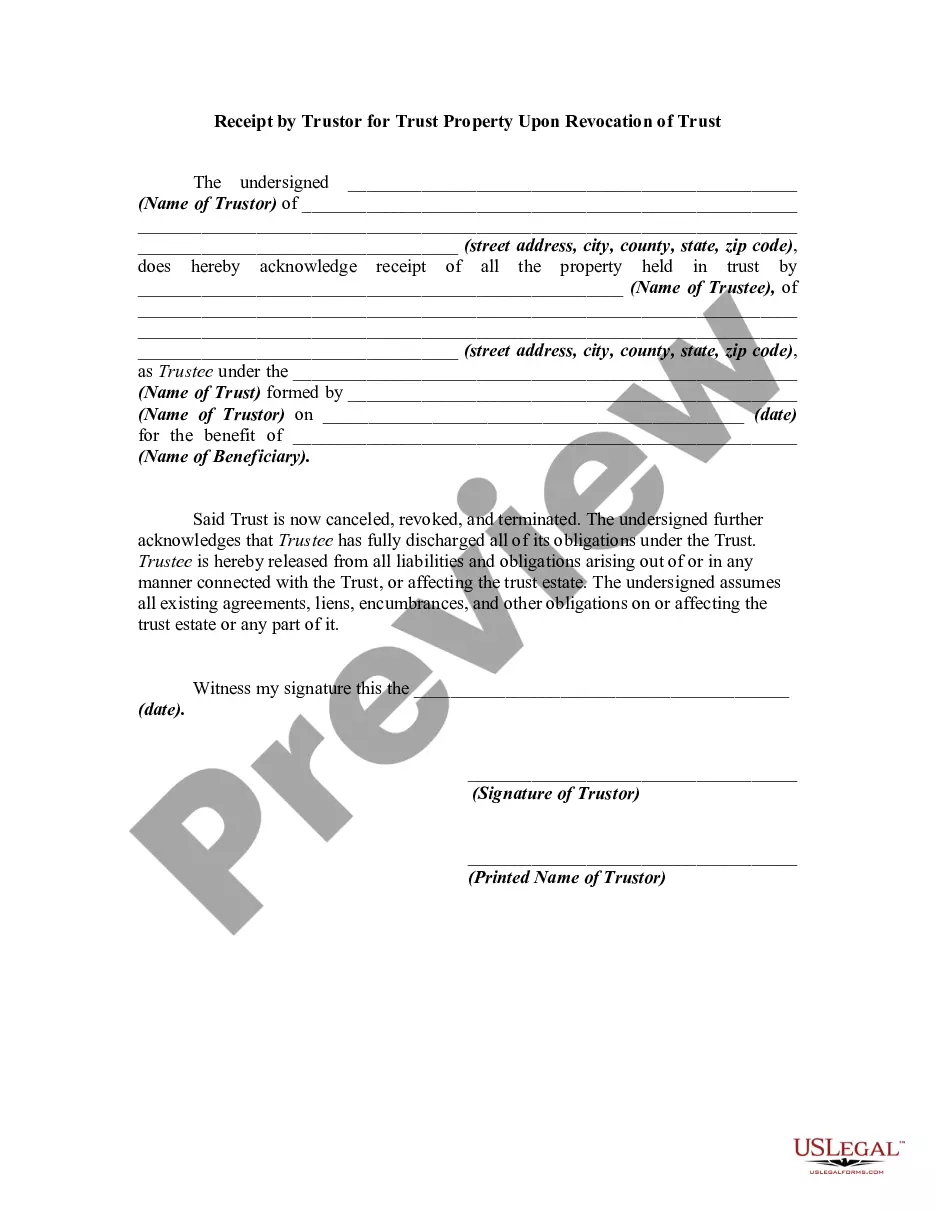
Revocation Trust Acknowledgment With The Same
Description
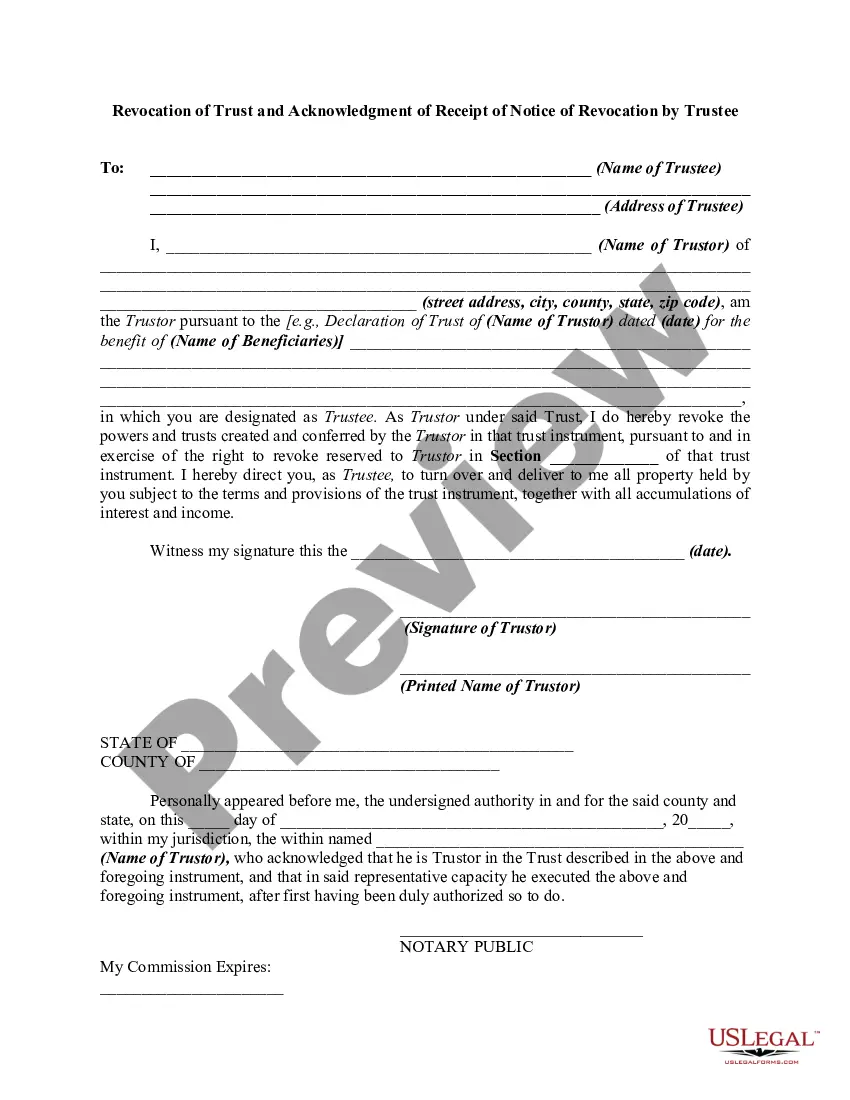
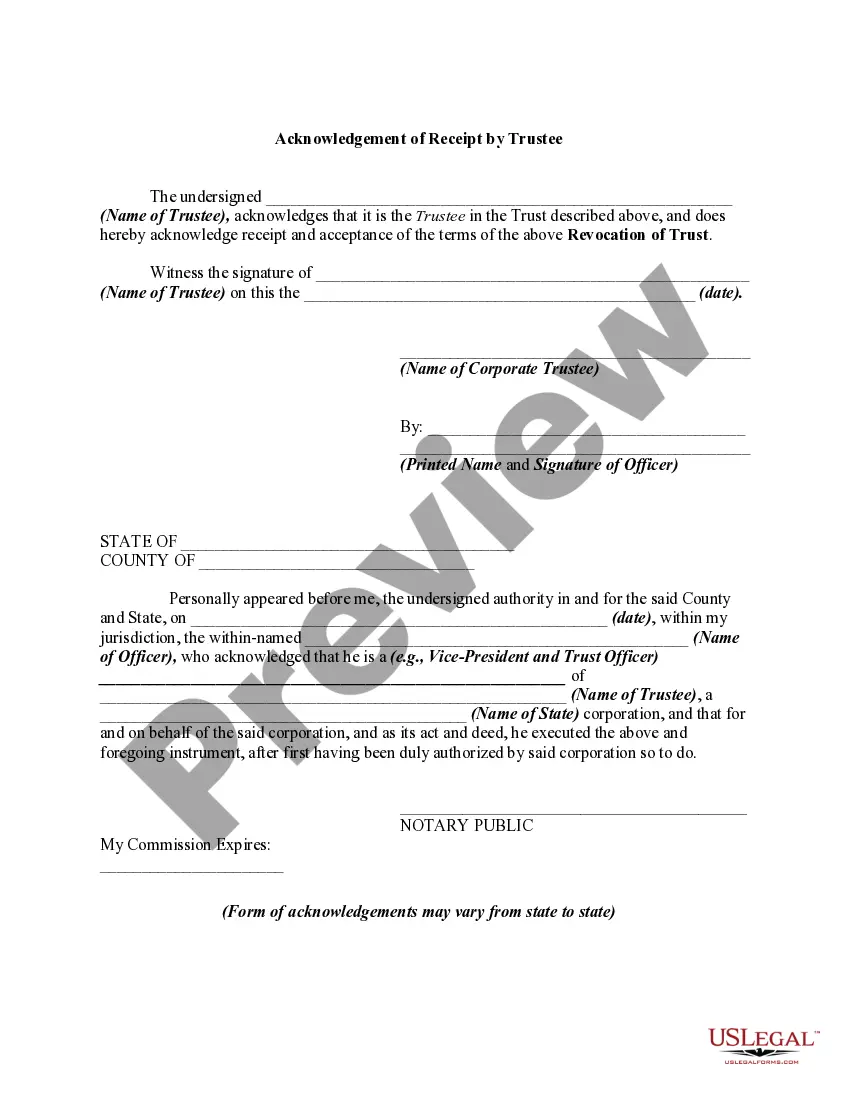
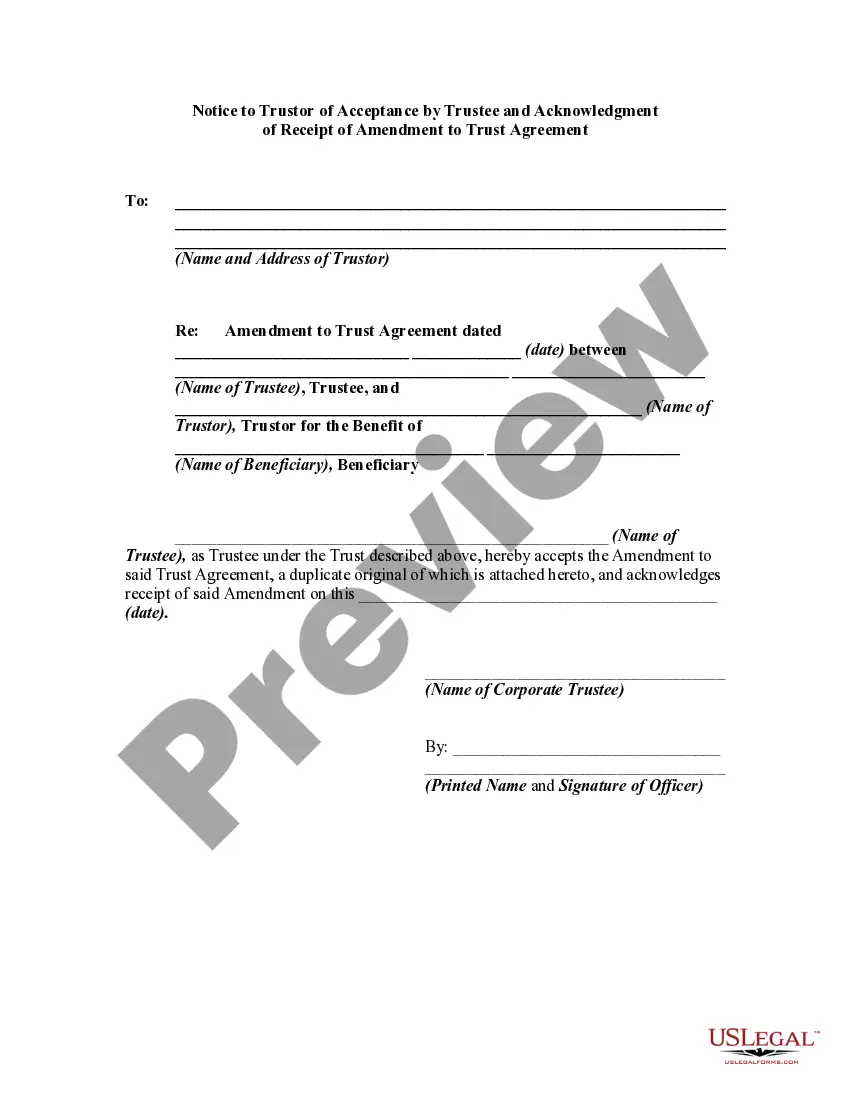
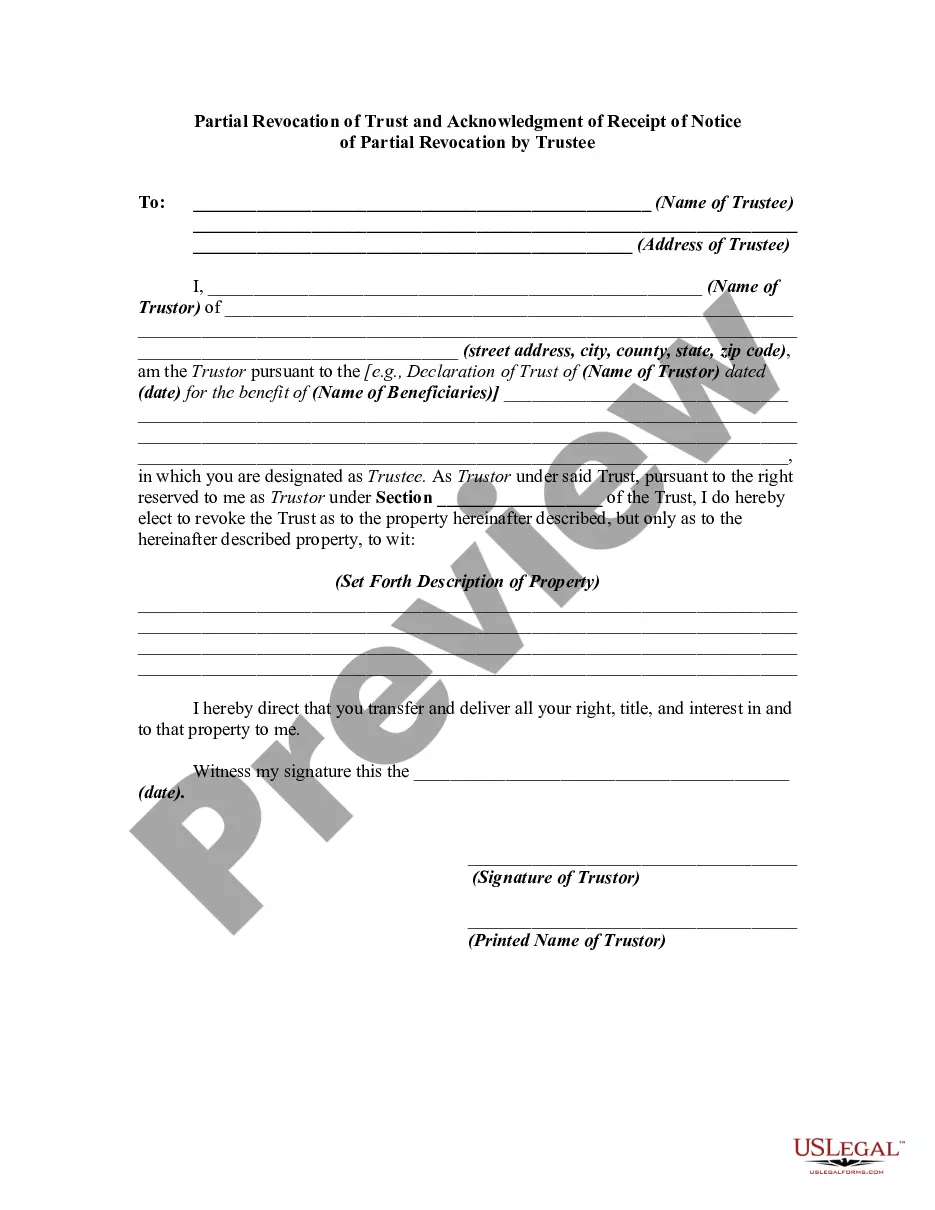
Get your form ready online
Our built-in tools help you complete, sign, share, and store your documents in one place.
Make edits, fill in missing information, and update formatting in US Legal Forms—just like you would in MS Word.
Download a copy, print it, send it by email, or mail it via USPS—whatever works best for your next step.
Sign and collect signatures with our SignNow integration. Send to multiple recipients, set reminders, and more. Go Premium to unlock E-Sign.
If this form requires notarization, complete it online through a secure video call—no need to meet a notary in person or wait for an appointment.
We protect your documents and personal data by following strict security and privacy standards.

Make edits, fill in missing information, and update formatting in US Legal Forms—just like you would in MS Word.

Download a copy, print it, send it by email, or mail it via USPS—whatever works best for your next step.

Sign and collect signatures with our SignNow integration. Send to multiple recipients, set reminders, and more. Go Premium to unlock E-Sign.

If this form requires notarization, complete it online through a secure video call—no need to meet a notary in person or wait for an appointment.

We protect your documents and personal data by following strict security and privacy standards.
Looking for another form?



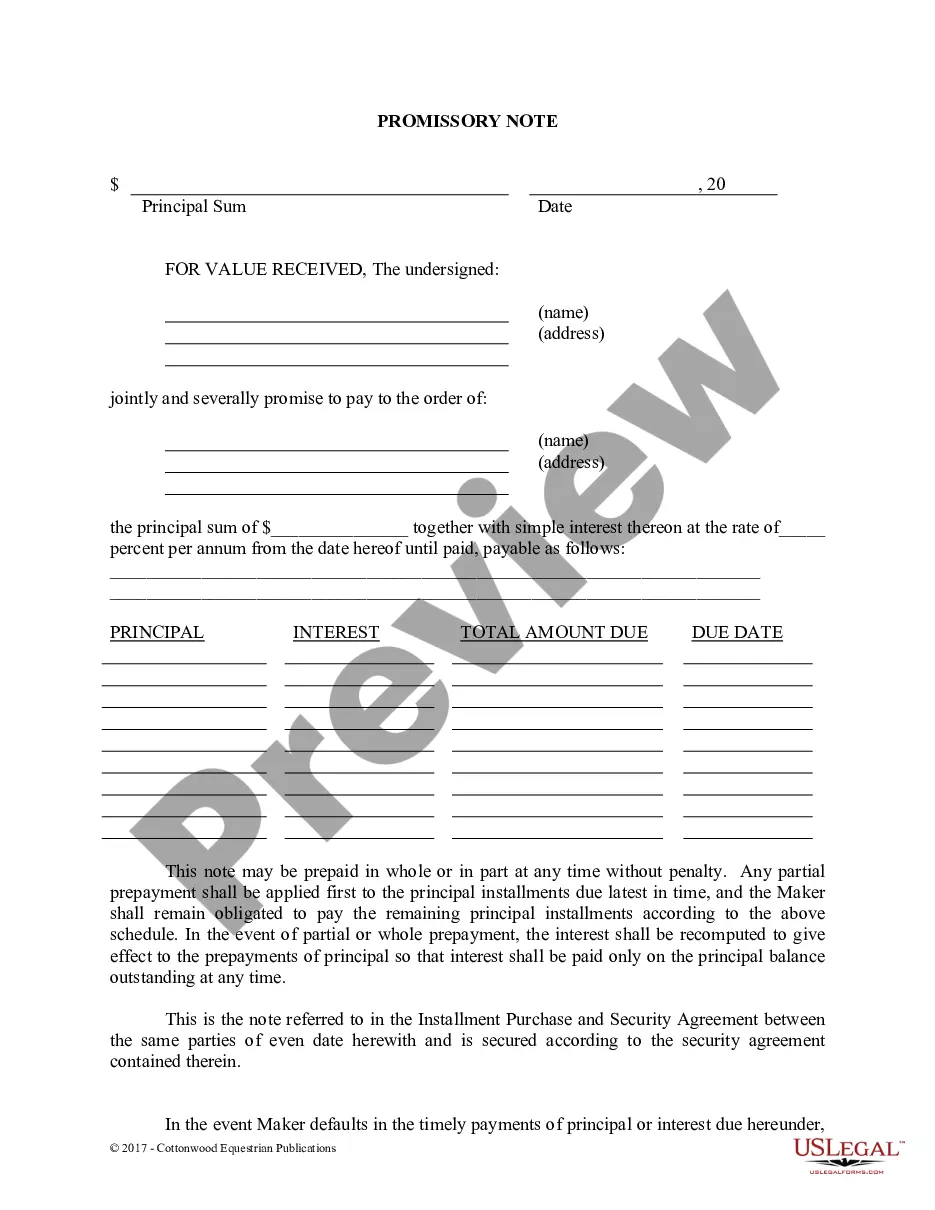
How to fill out Revocation Of Trust And Acknowledgment Of Receipt Of Notice Of Revocation By Trustee?
The Revocation Trust Acknowledgment With The Same displayed here is a versatile legal template created by skilled attorneys in compliance with federal and state laws.
For over 25 years, US Legal Forms has offered individuals, businesses, and legal professionals access to more than 85,000 verified, state-specific templates for any professional and personal situation.
Subscribe to US Legal Forms to access validated legal templates for every situation in life.
- Search for the document you require and examine it.
- Browse through the file you searched and preview it or verify the form description to ensure it meets your requirements. If it does not, utilize the search bar to locate the appropriate one. Click Buy Now once you have identified the template you require.
- Register and Log In.
- Select the pricing plan that fits your needs and create an account. Use PayPal or a credit card for immediate payment. If you already possess an account, Log In and review your subscription to continue.
- Acquire the editable template.
- Choose the format you desire for your Revocation Trust Acknowledgment With The Same (PDF, DOCX, RTF) and download the example to your device.
- Complete and sign the documents.
- Print the template to fill it out by hand. Alternatively, use an online multifunctional PDF editor to swiftly and accurately fill out and sign your document.
- Redownload your documents as needed.
- Use the same document again whenever necessary. Access the My documents tab in your profile to redownload any previously saved templates.
Form popularity
FAQ
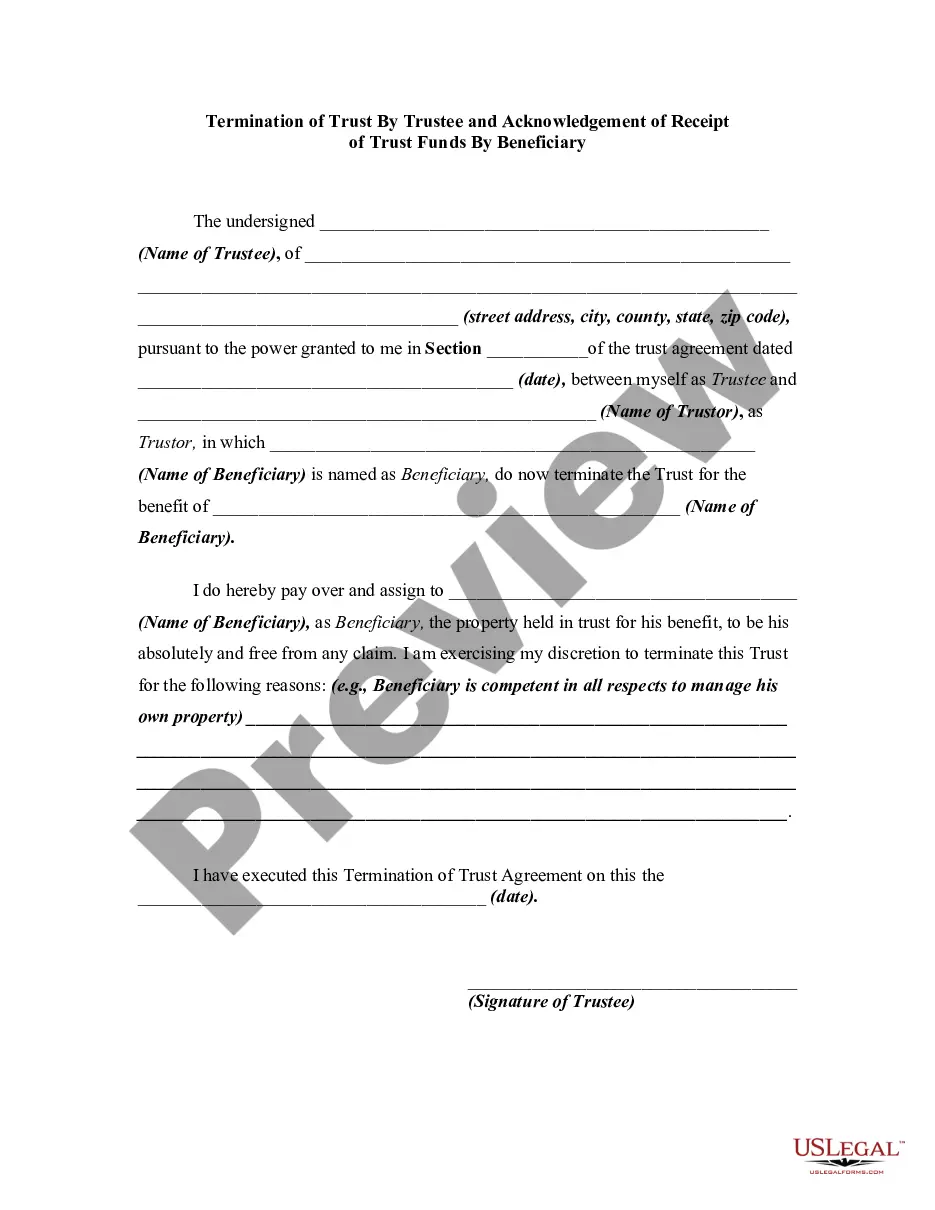
The 2-year rule for trusts typically refers to how certain transfers to a trust may be challenged within two years depending on state laws. This can impact the distribution of assets and the overall validity of the trust. It’s crucial to keep accurate documentation, such as a revocation trust acknowledgment with the same, to ensure compliance and mitigate litigation risks.
Most trusts are named after the Trust Creators and also include the date the trust was created. Examples are ?John and Jane Smith Revocable Trust dated 1/1/20?; or ?Smith Family Trust dated 1/1/20?; or ?John W. Smith and Jane A. Smith Revocable Family Trust dated 1/1/20?.
While a grantor may technically be allowed to serve as the trustee of an irrevocable trust he creates, it is not a good idea at best.
A grantor is the entity that establishes a trust and legally transfers control of those assets to a trustee, who manages it for one or more beneficiaries. In certain types of trusts, the grantor may also be the beneficiary, the trustee, or both.
A grantor is the entity that establishes a trust and legally transfers control of those assets to a trustee, who manages it for one or more beneficiaries. In certain types of trusts, the grantor may also be the beneficiary, the trustee, or both.
By its very nature, a revocable trust can generally be revoked, amended, and modified by the grantor (aka settlor, trust or). This, so long as the grantor is alive and not incapacitated. And provided the trust instrument permits the grantor to make such changes.