Trust Change Beneficiary With Revocable
Description
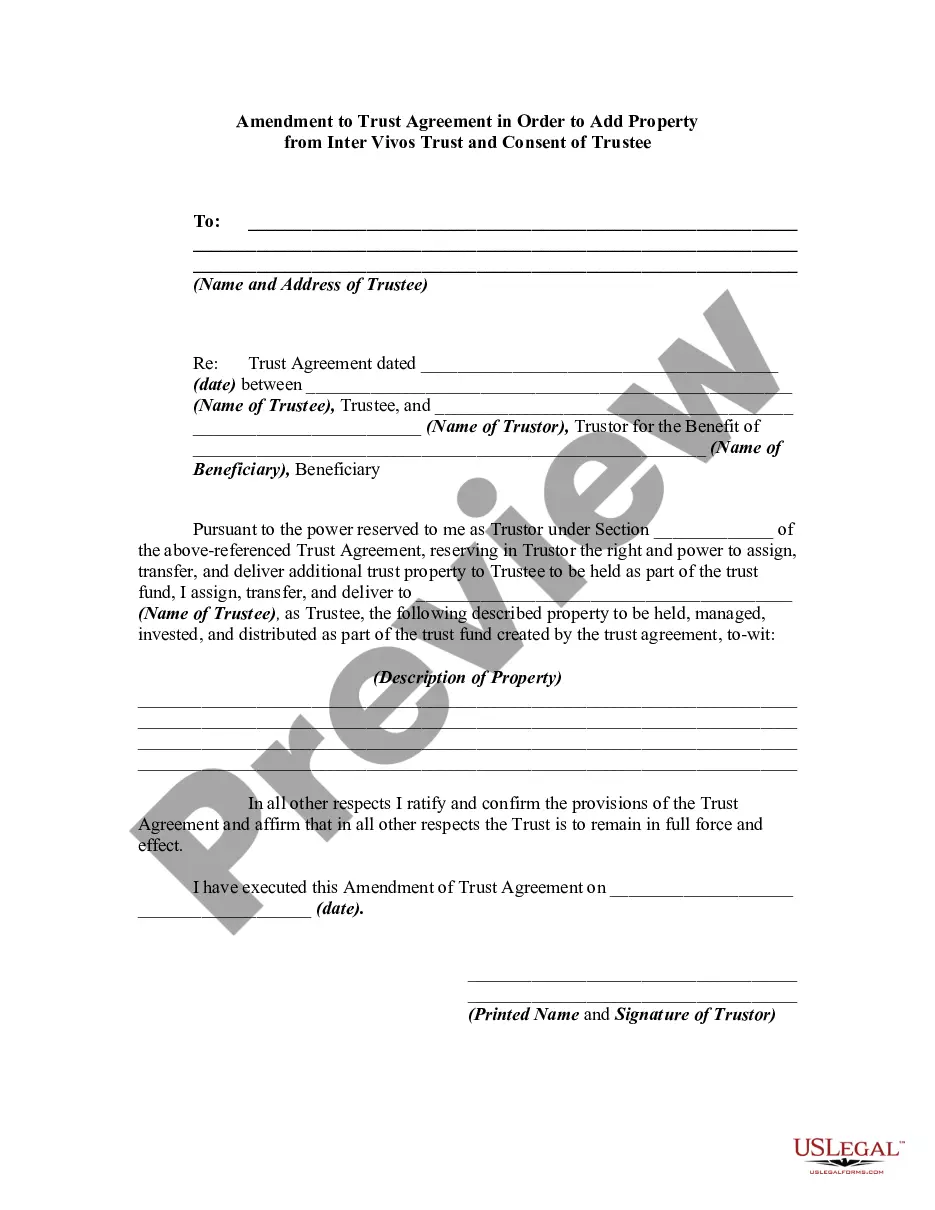
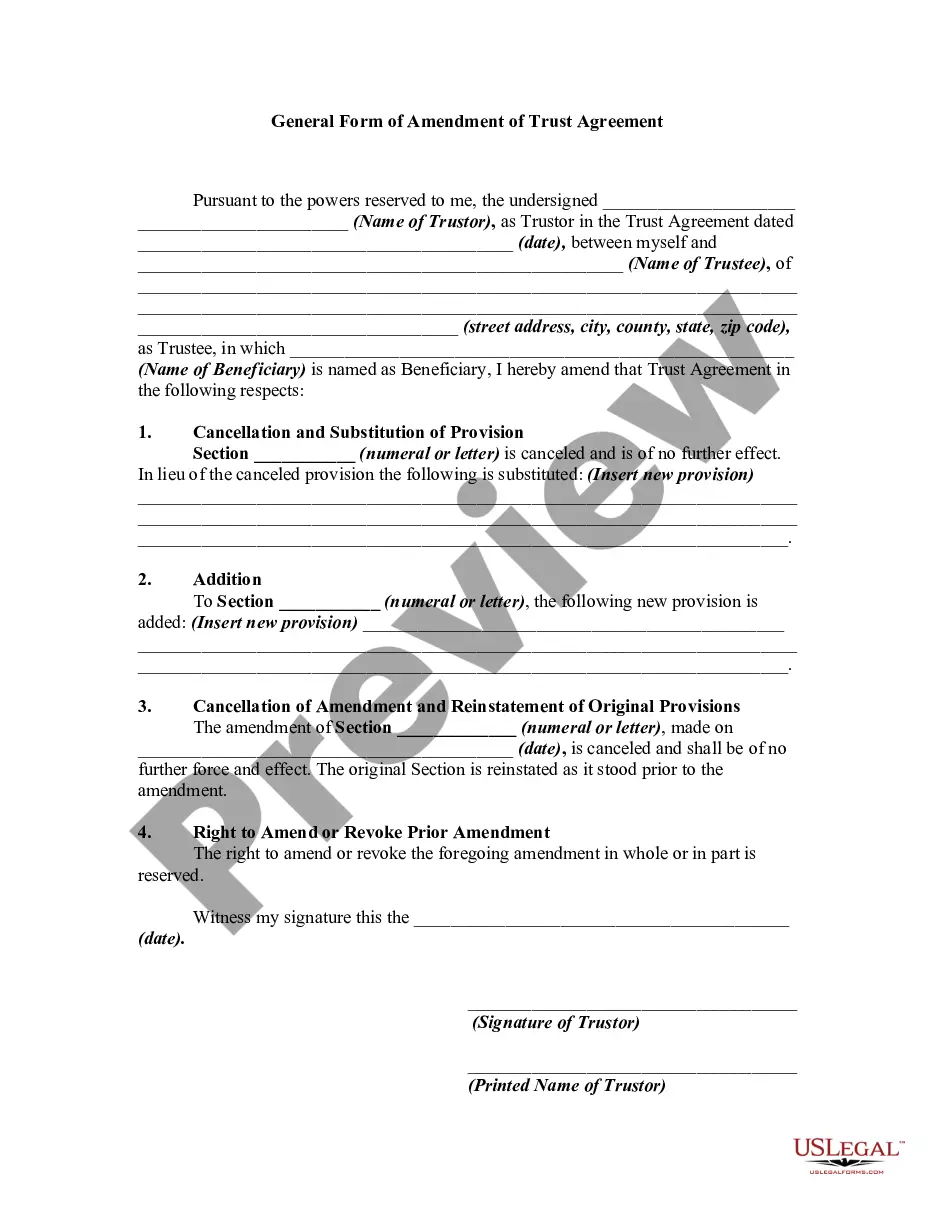
Get your form ready online
Our built-in tools help you complete, sign, share, and store your documents in one place.
Make edits, fill in missing information, and update formatting in US Legal Forms—just like you would in MS Word.
Download a copy, print it, send it by email, or mail it via USPS—whatever works best for your next step.
Sign and collect signatures with our SignNow integration. Send to multiple recipients, set reminders, and more. Go Premium to unlock E-Sign.
If this form requires notarization, complete it online through a secure video call—no need to meet a notary in person or wait for an appointment.
We protect your documents and personal data by following strict security and privacy standards.

Make edits, fill in missing information, and update formatting in US Legal Forms—just like you would in MS Word.

Download a copy, print it, send it by email, or mail it via USPS—whatever works best for your next step.

Sign and collect signatures with our SignNow integration. Send to multiple recipients, set reminders, and more. Go Premium to unlock E-Sign.

If this form requires notarization, complete it online through a secure video call—no need to meet a notary in person or wait for an appointment.

We protect your documents and personal data by following strict security and privacy standards.
Looking for another form?








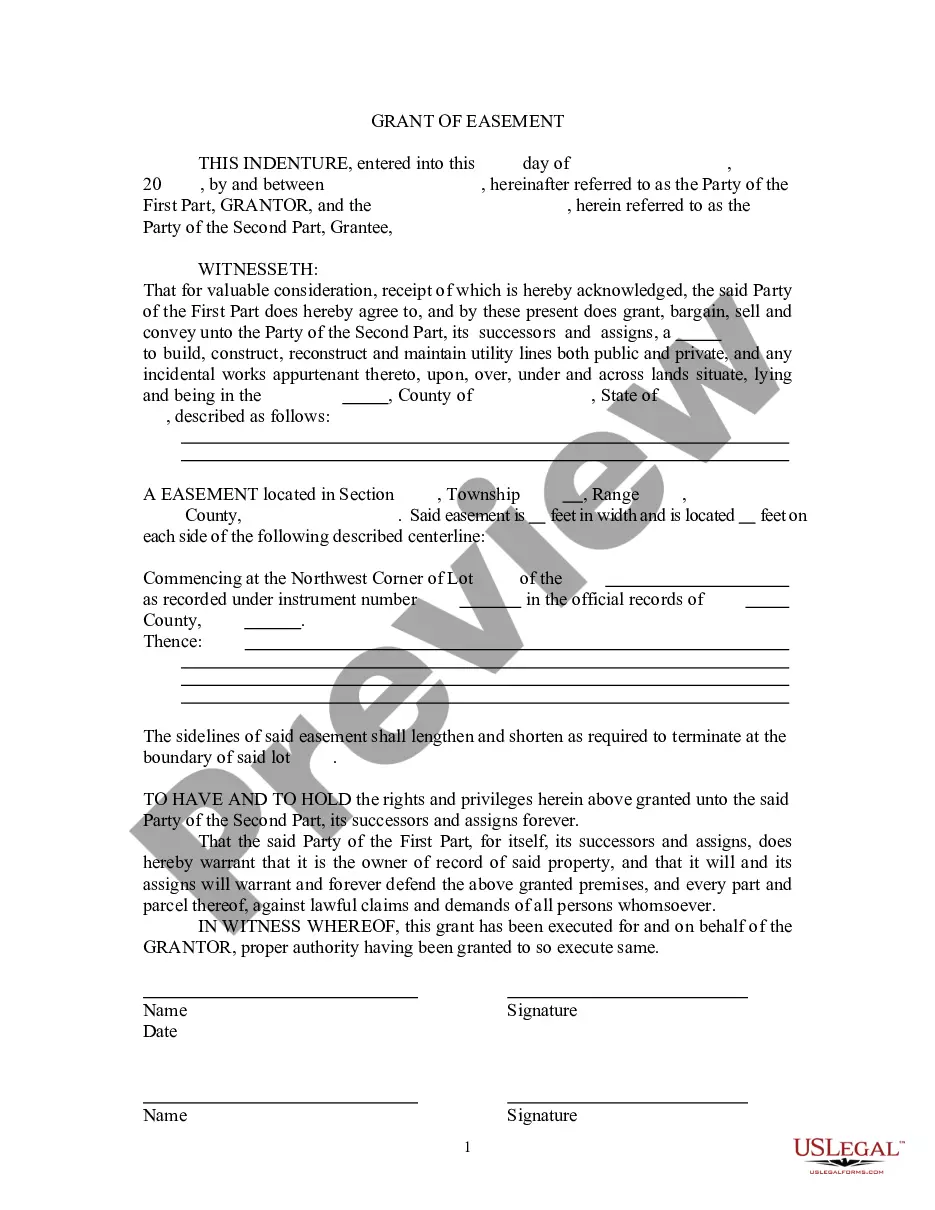

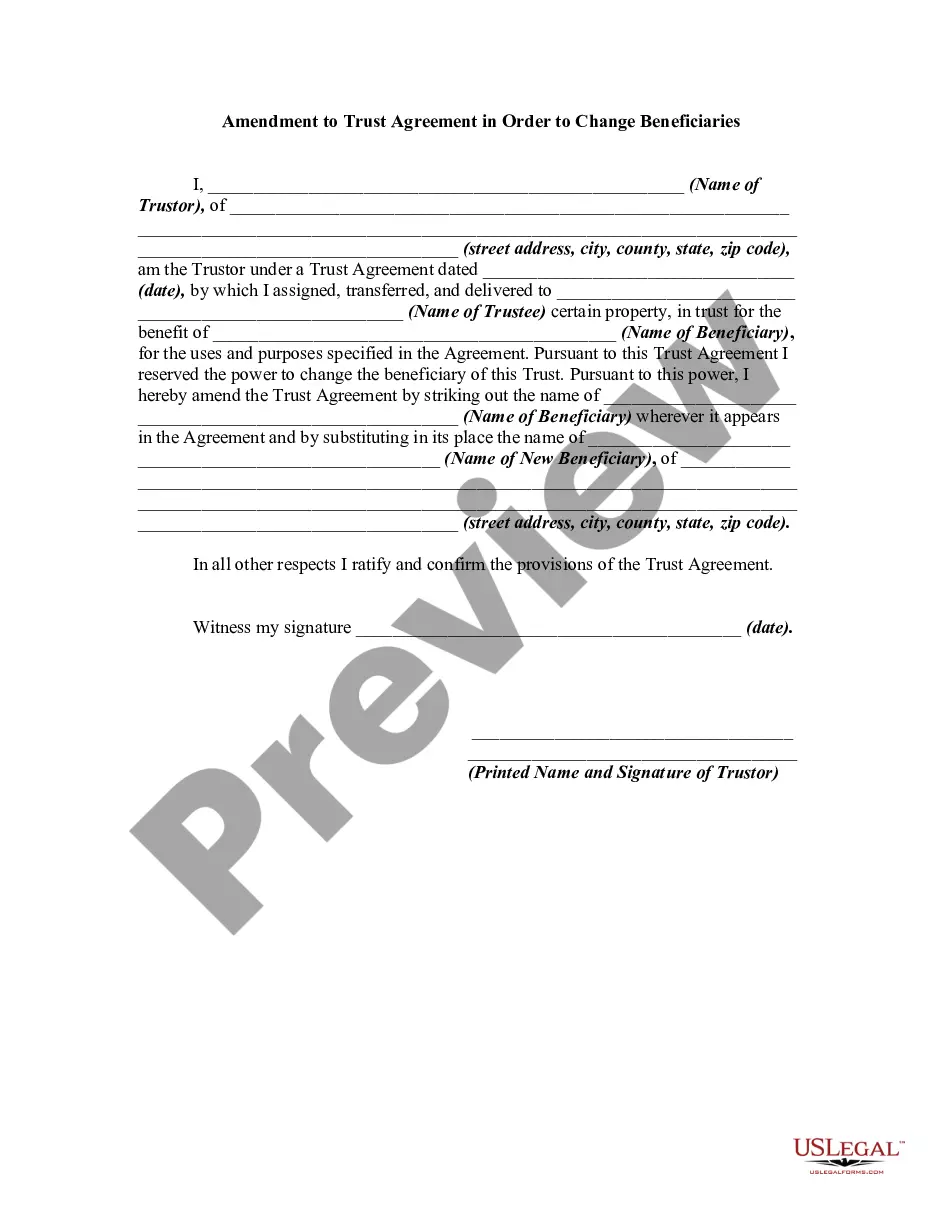
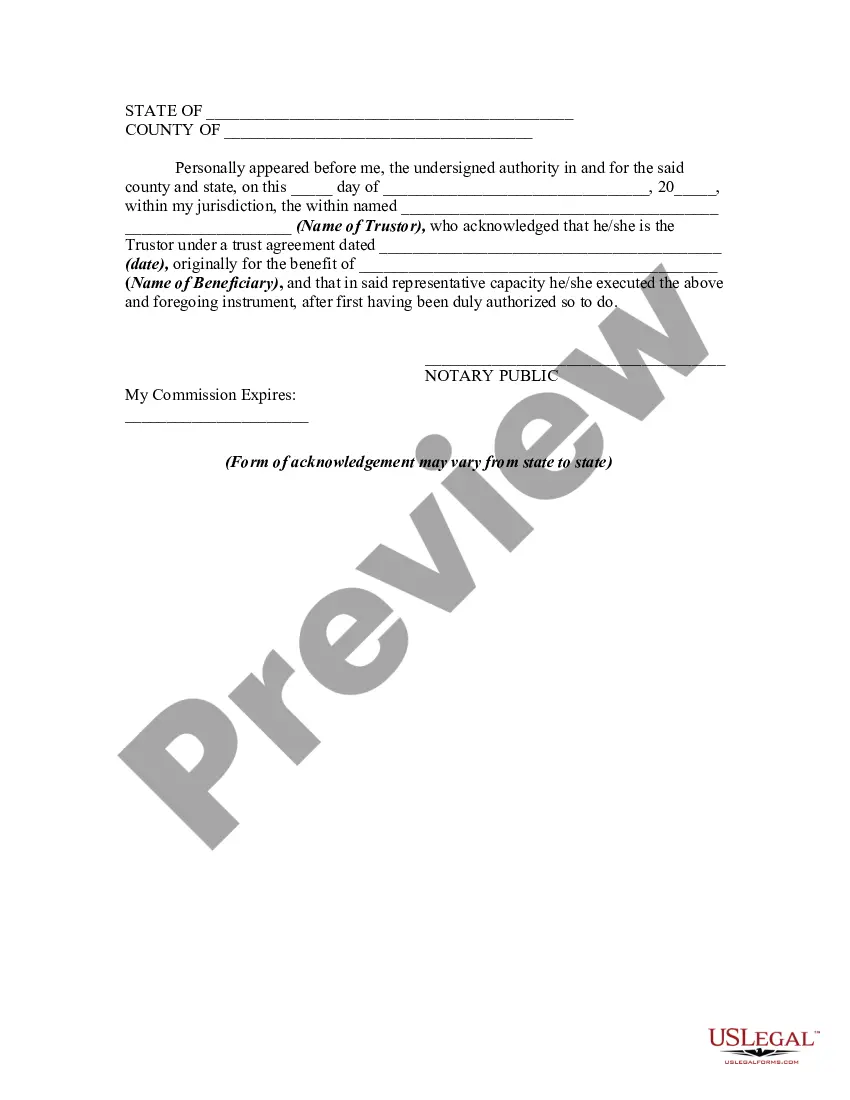
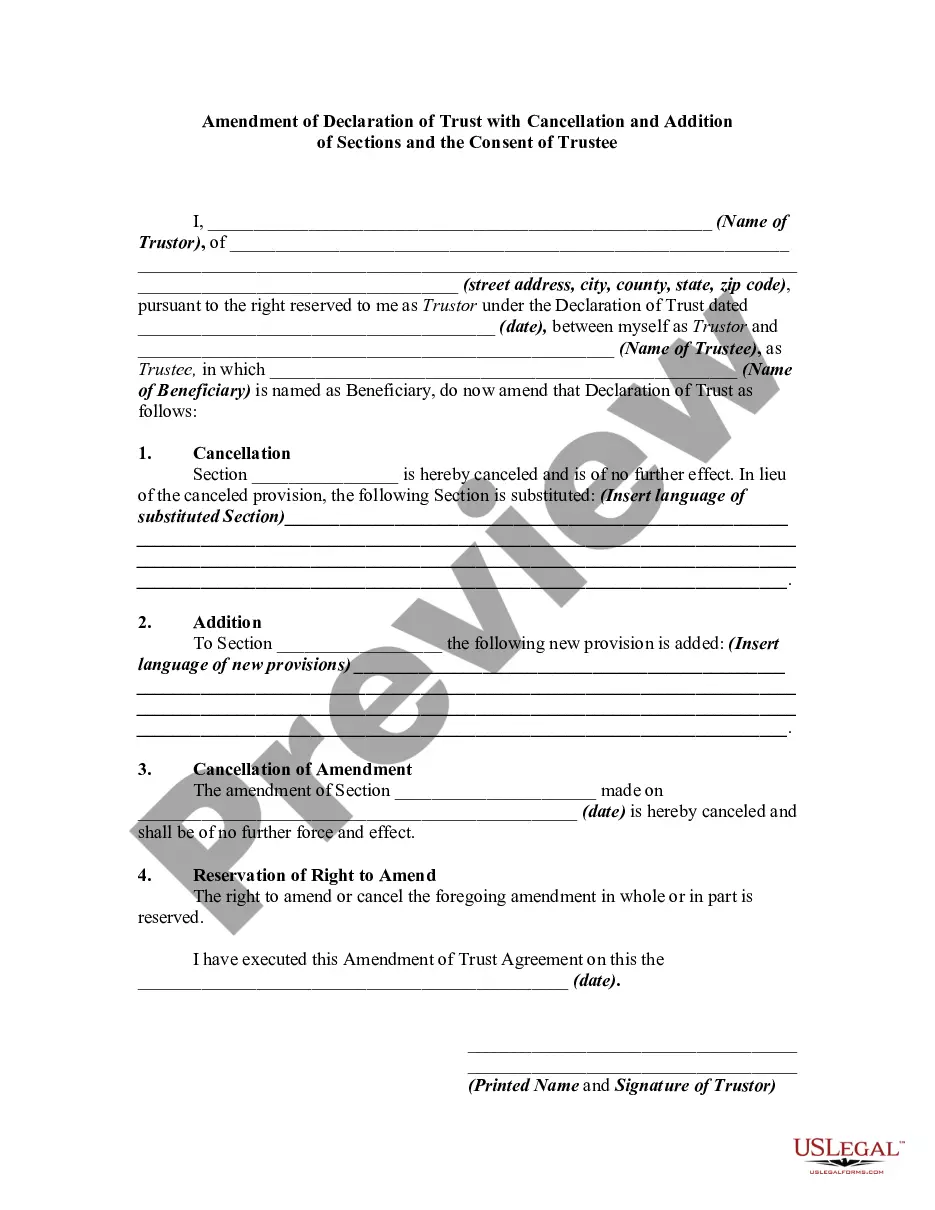
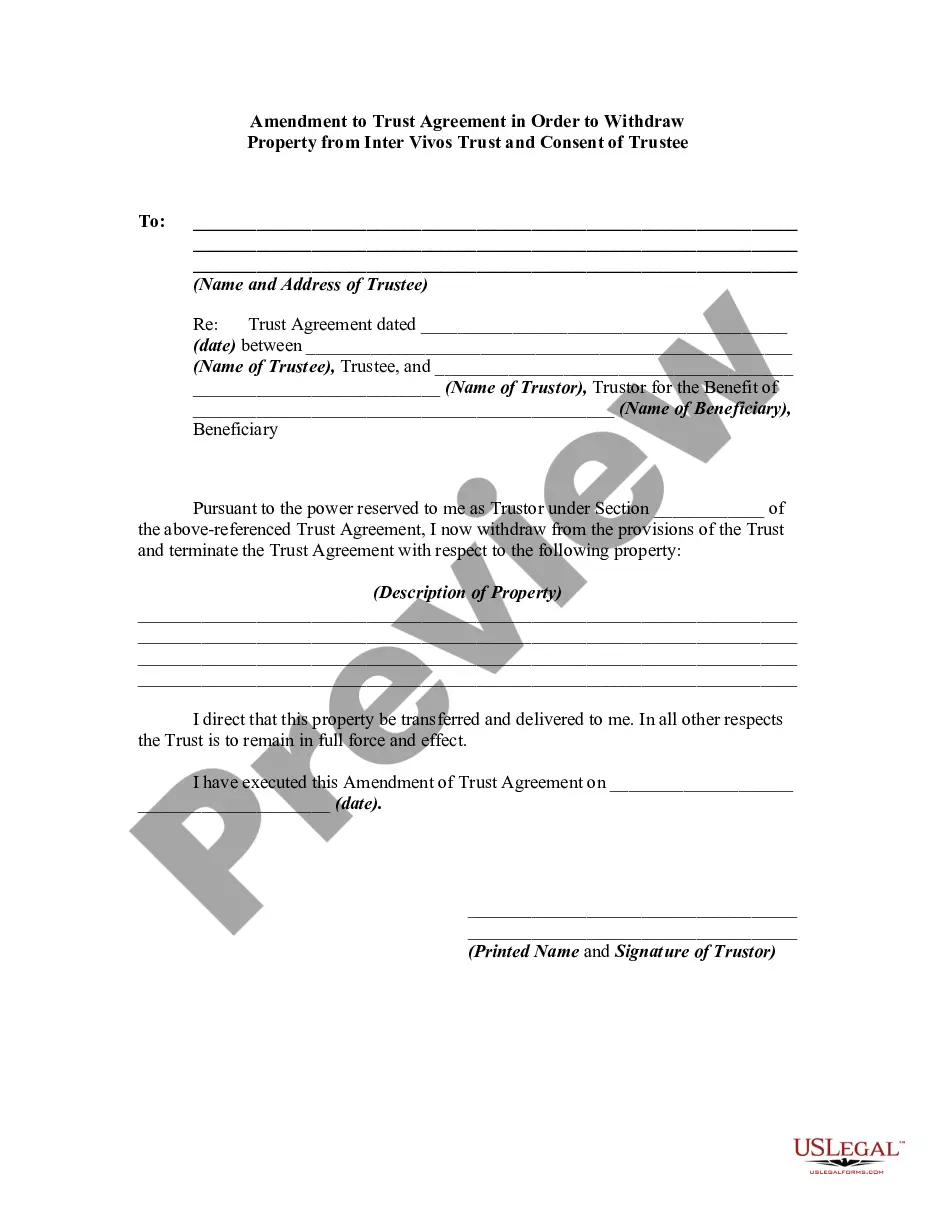
How to fill out Amendment To Trust Agreement In Order To Change Beneficiaries?
The Trust Change Beneficiary With Revocable you observe on this page is a reusable legal template crafted by expert attorneys in accordance with federal and state statutes and regulations.
For over 25 years, US Legal Forms has supplied individuals, businesses, and lawyers with more than 85,000 authenticated, state-specific forms for any commercial and personal situation. It’s the quickest, most uncomplicated, and most reliable method to acquire the documentation you require, as the service ensures the utmost level of data privacy and anti-malware safeguards.
Subscribe to US Legal Forms to gain access to verified legal templates for all of life’s situations at your fingertips.
- Examine the document you require and assess it. Browse through the file you searched and preview it or examine the form description to verify it meets your needs. If it does not, utilize the search feature to find the appropriate one. Click Buy Now when you have discovered the template you require.
- Register and Log In. Select the pricing plan that fits you and establish an account. Use PayPal or a credit card to make a swift payment. If you already possess an account, Log In and verify your subscription to continue.
- Acquire the fillable template. Choose the format you desire for your Trust Change Beneficiary With Revocable (PDF, Word, RTF) and store the sample on your device.
- Complete and endorse the paperwork. Print the template to fill it out manually. Alternatively, use an online versatile PDF editor to quickly and accurately fill out and sign your form with a valid signature.
- Download your documents once more. Utilize the same document again whenever required. Access the My documents tab in your profile to redownload any previously purchased forms.
Form popularity
FAQ
How to Remove and/or Appoint Beneficiaries. Typically, the beneficiaries in a discretionary trust can be changed by preparing a Deed of Amendment. However, many older discretionary trust deeds fail to make it clear whether a specific person can be removed and/or appointed as a beneficiary.
This is especially true in the case of an ILIT, because they are irrevocable in nature. Once you set up and fund your ILIT, you can no longer make any changes. This means that you cannot change your beneficiary or beneficiaries, even if you experience divorce in the family or a falling out.
In most cases, a trust deed generally offers two processes for the removal of a beneficiary. Most commonly, the beneficiary can sign a document to renunciate all interests as a beneficiary. Otherwise, the trustee may have discretionary power to revoke the beneficiary.
The discretionary beneficiaries include the spouse (except where the spouse is a joint settlor), widow or widower of the settlor, the children and the remoter issue of the settlor, their spouses, the brothers and sisters of the settlor and their issue, anybody who would benefit from the estate of the settlor on his or ...
DTD is just an abbreviation for "dated," meaning the date the trust was signed. When referring to a trust, one should always use the date of the trust.